Support

Sale

About

Sale is a picturesque and cozy town located in the heart of the Gippsland region in Victoria. Situated approximately 215 kilometers east of Melbourne, it serves as an important administrative center and a popular stop for travelers exploring the southeast of Australia. The town is spread across the fertile valley of the Thomson River, surrounded by green pastures and unique wetlands, creating a special microclimate and an atmosphere of harmony with nature.

Despite its modest size and a population of about 13,600 people, the town boasts a surprisingly rich cultural life and unique charm. Here, modernity and the past intertwine harmoniously: elegant 19th-century buildings sit alongside new cafes and public spaces. The deep and fascinating history of Sale is inextricably linked to the development of river shipping, which is still reflected in the architectural character of the streets and the town's layout.
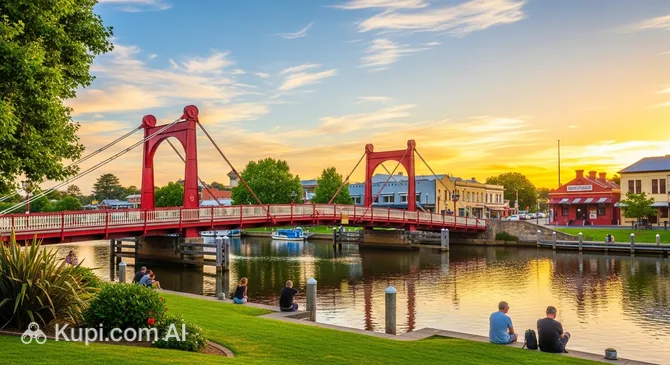
Sale. Illustration.
Source: Kupi.com AI

Tourists are drawn here by the opportunity to enjoy a relaxing holiday and visit local attractions. The town's signature landmark is the historic Port of Sale, which has been carefully redeveloped into a modern cultural hub. Nature lovers will definitely appreciate the scenic Botanic Gardens and Lake Guthridge, where you can spot the famous black swans and other rare birds. The town also serves as an excellent base for exploring nearby national parks and the famous Gippsland Lakes.

Sale is an ideal place for those who want to slow down the pace of life and immerse themselves in the authentic atmosphere of the Australian countryside. Whether it's a family weekend or a stop on a grand coastal journey, this welcoming town with its friendly residents and beautiful landscapes is sure to leave warm memories.
Weather Overview

The climate of Sale can be described as moderate and comfortable, without extreme temperature fluctuations, making it pleasant to visit almost year-round. Summer here, occurring from December to February, is warm: in January, the air warms up to an average of 25.8°C, while nights remains fresh and pleasant with temperatures around 15°C. This is the best time for boat trips and outdoor activities.

The winter months (June, July, and August) bring coolness, but there are no severe frosts here. The average daytime temperature during this period is about 10–13°C, and at night the thermometer can drop to 6°C. Precipitation falls quite regularly throughout the year: the number of rainy days varies from 7 in summer to 12 in October and August, so an umbrella or raincoat in your luggage won't go amiss.

Expect a warm, sunny summer and a cool winter with variable cloud cover. To choose the perfect time for your trip and pack the right wardrobe, we recommend checking the forecast for the weather in Sale for your travel dates in advance.

Average monthly temperature

Average monthly precipitation

Interesting Facts

Beyond its main attractions, Sale holds many fascinating secrets and historical features that make it a truly unique city.
  • A Unique Waterway: Sale played a key role during the mid-19th century gold rush, becoming an important transport hub. This was facilitated by the construction of a special canal connecting the city to the Gippsland Lakes system. This rare hydraulic engineering structure is still operational today, serving as a reminder of the region's rich engineering heritage.

  • The Legend of the Black Swans: The city is inextricably linked with the image of the black swan. According to old legends, huge flocks of these birds once lived in the area, becoming one of the region's hallmarks. Today, graceful black swans are still found on the waterways near Sale, and their image adorns the city's coat of arms and souvenirs.

  • Victorian Atmosphere: The spirit of the past is beautifully preserved in the city thanks to many historic buildings. Notable among them are the old St Paul’s Cathedral and the grand building of the former courthouse. Additionally, Sale is home to one of the oldest theaters in Australia, where vibrant cultural events still take place today.

  • A Cradle of Talent: This cozy city has been the birthplace and home of several outstanding individuals. Sale has given the world famous athletes, artists, and musicians whose achievements are a source of special pride for the locals.

How to Get There

Planning a trip to the Gippsland region begins with choosing the best route. Although Sale is a small city, it boasts excellent accessibility thanks to the developed infrastructure of the state of Victoria. You can find all the details and consider various route options on the page how to get to Sale.

The city of Sale itself does not have a large commercial airport for regular passenger flights. Most tourists arrive via the state capital. The main gateway is Tullamarine International Airport (IATA: MEL) in Melbourne, located approximately 201 km from Sale. This is the region's largest hub, receiving flights from all over the world. A journey from the airport to Sale by rental car or taxi takes about 3 hours; you can also use a combination of a shuttle bus and train.

Another convenient option is Avalon Airport (IATA: AVV), which is also located near Melbourne, about 228 km from Sale. This airport is often used by budget airlines and for domestic flights. The drive from here to central Sale takes just over 3 hours. Both airports offer a wide range of car rental services, making them excellent starting points for a journey through Gippsland.

For clarity, here is a summary of the main airports used to reach the region:

AirportPassenger trafficDistance
Tullamarine Airport35 mln201 km
Albury Airport300 000226 km
Avalon Airport900 000228 km
Flinders Island Airport19 821235 km
Snowy Mountains Airport25 000263 km

Rail travel is another popular and scenic way to get to Sale. The city is served by the state rail network, V/Line (Gippsland line). Comfortable trains depart regularly from Melbourne's Southern Cross Station. Sale railway station is located within the city limits, making this mode of transport very convenient for tourists without a car. The train journey takes about 3–3.5 hours and allows you to enjoy views of the Victorian countryside without the stress of driving.

If you prefer private transport, Sale is easily reached via the Princes Highway (A1), which passes right through the city. This is the main coastal highway connecting Melbourne and Sydney, so the road quality is excellent and the route is scenic and straightforward.

Main Attractions

Sale is a town where history comes alive on the streets, and nature is within walking distance of the center. The main attractions here are linked to the region's rich past and its unique waterways. A walk through these iconic sites will help you better understand the soul of Gippsland and enjoy its tranquil beauty.

One of the town's most recognizable icons is the Sale Swing Bridge. This 19th-century engineering marvel, built in 1883, is considered the oldest surviving swing bridge in Australia. Located at the junction of the Latrobe and Thomson Rivers, it once played a vital role in shipping, opening to allow steamers through. Today, it is a popular spot for walking and photography, where one can admire Victorian engineering and scenic river views.

For those seeking harmony with nature, Lake Guthridge is a must-visit. It is not just a body of water, but the true heart of the town's social life. The lake is surrounded by well-kept parklands and walking tracks, perfect for morning jogs or leisurely strolls. This is where you are most likely to encounter the famous black swans, which have become a symbol of the town, along with many other bird species. Nearby are the Botanic Gardens, which flow seamlessly into nature reserves.

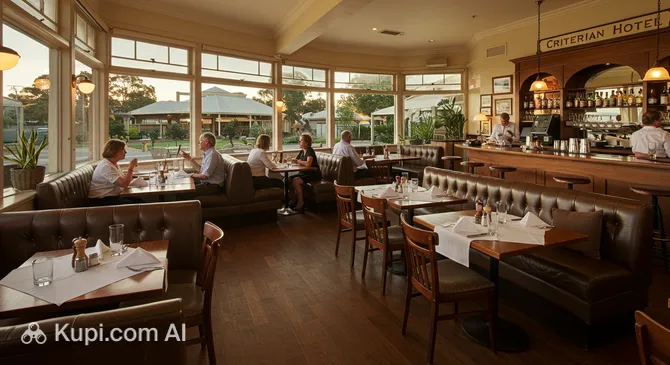
Criterion Hotel. Illustration.
Source: Kupi.com AI

Traveler photos:

In the town's architectural landscape, the historic Criterion Hotel holds a special place. This grand building, one of the oldest licensed establishments in the region, impresses with its classic verandas and a facade that preserves the spirit of the Gold Rush era. For tourists, it's not only an opportunity to see beautiful architecture but also a chance to touch the town's living history, as the hotel has served as a primary meeting place for locals for generations.

Another architectural gem is St Paul's Cathedral. This magnificent red-brick Gothic-style church towers over the town, drawing attention with its graceful stained-glass windows and austere beauty. A visit to the cathedral offers a moment of silence and peace, allowing you to appreciate the craftsmanship of the builders of the past who created this monumental structure.

Completing a tour of Sale's highlights should be the Port of Sale area. This modern cultural space, which houses the library and gallery, is situated on the banks of the historic canal. Here, the past meets the present: you can walk along the boardwalks, watching the boats, or visit contemporary exhibitions, making this area the perfect end point for a city tour.

Local Cuisine

Sale's culinary scene is a true gastronomic mirror of the Gippsland region, which is often called the "food bowl" of Victoria. Thanks to its favorable location among fertile pastures and near the lake system, local establishments focus on the exceptional freshness and quality of ingredients. A "farm-to-table" philosophy prevails here, guaranteeing tourists vibrant flavor experiences.

The core of the local menu consists of dishes made from seasonal products. Gourmets should definitely try the fresh fish caught in nearby rivers and lakes, often served in a simple yet exquisite way to highlight its natural flavor. No less popular are beef steaks and lamb dishes supplied from surrounding farms. For a quick but hearty snack, traditional Australian meat pies with vegetables are a local classic.

The dining culture in the city is diverse, ranging from cozy family cafes to atmospheric pubs. If you want to enjoy modern Australian cuisine in a stylish setting, take note of the Redd Catt restaurant, where the menu is updated frequently depending on the season. For those seeking a more traditional atmosphere and hearty portions, the historic Criterion Hotel opens its doors — the perfect place to feel the spirit of old Australia over lunch.

For those with a sweet tooth, Sale offers the famous lamingtons — delicate sponge cakes dipped in chocolate icing and generously sprinkled with desiccated coconut. This is a national dessert prepared here with special love. Local delicacies are usually accompanied by excellent coffee, which has a strong following throughout Victoria, or a glass of wine from regional Gippsland wineries, famous for their Pinot Noir and Chardonnay.

Farmers' markets hold a special place in the city's life. These are not just trading platforms but true centers of attraction where you can taste and buy craft cheeses, natural yogurts, fragrant honey, and seasonal fruits. Sale's gastronomic calendar is also rich with events: themed festivals dedicated to seafood, wine, or the harvest regularly gather locals and tourists, turning a meal into a true celebration.

Travel Tips

A trip to Sale promises to be calm and steady, but even in such a cozy city, it is worth knowing a few nuances so your vacation goes perfectly. We have gathered practical recommendations to help you plan a comfortable trip to the heart of the Gippsland region and avoid common beginner mistakes.

  1. Clothing and Gear: The weather in Victoria is known for its variability, so layering is your best friend. Even in summer, evenings can be cool, so a light jacket or jumper is a must. For walks around Lake Guthridge and the Botanic Gardens, bring comfortable closed-toe shoes. If planning a visit on sunny days, don't forget high SPF sunscreen and a hat — the sun here is very strong.

  2. Transport: The historic city center is compact and pleasant to explore on foot. However, public transport within Sale is infrequent and finishes fairly early. For trips to the surrounding areas and nature parks, renting a car is highly recommended. Taxis and ride-sharing apps are available, but wait times can be longer than in major cities.

  3. Finances: The currency is the Australian Dollar (AUD). Bank cards are accepted almost everywhere: in hotels, cafes, and supermarkets. However, for visiting farmers' markets or small shops, it is better to have some cash with you. Tipping in Australia is not a strict obligation, but rounding up the bill or leaving 10% for excellent service in a restaurant is always appreciated.

  4. Health and Safety: Sale is a quiet town, but standard precautions are necessary. In case of emergencies, call 000. Note that pharmacies usually close by 5:30 PM and there may not be 24-hour ones available, so it's best to bring essential medicines with you. While walking on nature trails near the water, watch your step — snakes may be found in the grass during the warmer months.

  5. Communication: The primary language is English. Locals are very friendly but may use specific slang. It's better to buy a SIM card in advance at your arrival airport or at local supermarkets; the Telstra network usually provides the best coverage in the region's rural areas. Free Wi-Fi is available at the Port of Sale library and many cafes, but signal may be lost in parks.

  6. Local Etiquette: Australians value informality but are also very polite. It is customary to greet bus drivers when boarding and thank them when alighting. Queuing is an unspoken but strict rule: never try to push ahead. In pubs, a system of ordering food and drinks at the bar counter rather than through a waiter at the table is often in place.

  7. What to Avoid: Avoid driving at high speeds at dusk and dawn outside the city limits — this is when kangaroos and wombats are most active and may suddenly jump onto the road. Also, strictly avoid littering in nature; locals are very protective of the environment, and even passersby might point it out to you.

  8. Operating Hours: Remember that the rhythm of life here differs from the capital ("country town pace"). Many shops close as early as 5:00 PM and may not open at all on Sundays. Plan your shopping and dinner in advance, as kitchens in many restaurants stop taking orders after 8:30 PM, and finding food late at night can be problematic.

By following these simple tips, you can avoid minor inconveniences and focus entirely on your holiday. Sale reveals itself to those who respect its traditions and nature, giving in return unforgettable impressions of true Australian hospitality and provincial beauty.

Entertainment & Nightlife

Nightlife in Sale is characterized by a calm and relaxed pace typical of the Australian countryside. You won’t find loud mega-clubs open until dawn or massive entertainment complexes here. Instead, evening leisure centers around cozy historic pubs, modern gastro bars, and restaurants where locals and tourists gather to enjoy delicious food, drinks, and lively conversation.

The epicenter of evening activity is the city's main artery — Raymond Street and its surrounding blocks. This is where most establishments that stay open after sunset are located. The atmosphere in Sale's venues is very laid-back and friendly, imbued with the spirit of "country hospitality." The crowd is diverse, and the dress code is generally casual or smart casual; there are usually no strict appearance requirements at the door.

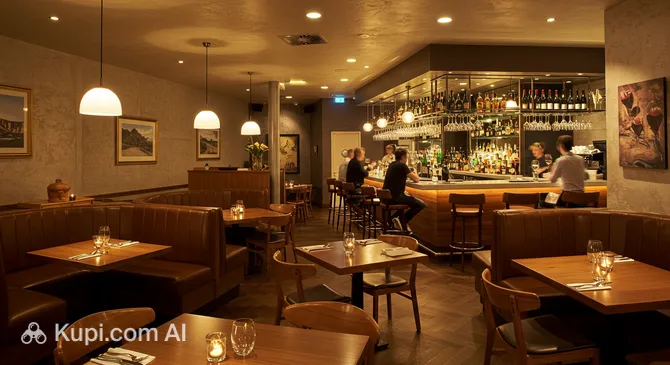
Redd Catt. Illustration.
Source: Kupi.com AI

Traveler photos:

For those seeking a more modern and sophisticated setting, Redd Catt is an excellent choice. This stylish bar and restaurant is popular among lovers of quality cocktails, craft beer, and modern Australian cuisine. It boasts a pleasant lounge atmosphere, ideal for a romantic evening or a quiet gathering with friends over a glass of wine.

If you want to experience the true flavor of the Australian outback, be sure to stop by the Criterion Hotel. This historic establishment is a social hub of the city. Live music often plays here in the evenings, featuring local bands, and visitors can play pool in a classic old-pub setting. It’s a place where it's easy to strike up a conversation with locals and hear the latest town news.

Practical tips for evening leisure:

It is worth considering that nightlife in Sale winds down earlier than in major cities. Kitchens in most venues close around 8:30–9:00 PM, although bars may stay open until midnight or slightly later on Fridays and Saturdays. The average check for dinner with drinks will be about 40–70 AUD. Sale is a safe city, and walks through the well-lit center (especially around the port and main street) are generally worry-free. However, public transport rarely runs at night, so if you plan to stay out late, save the number of a local taxi service in advance.

Beyond gastronomic pleasures, your evening can be enriched with a cultural program. The Wedge Performing Arts Centre regularly offers theatrical productions, comedy shows, and musical concerts. The Sale Cinema also operates in the city. During the day, entertainment is more low-key: tourists visit museums, galleries, and enjoy nature in the parks around Lake Guthridge.

Parks & Museums

Sale offers travelers a harmonious blend of natural beauty and a rich cultural life. The city takes pride in its well-maintained green spaces and exhibition venues, which allow for a deeper understanding of the history, creative spirit, and ecological diversity of the Gippsland region. Here, you can easily transition from contemplating modern art to a walk among century-old trees.

Nature lovers must visit the Sale Botanic Gardens. Established in the 19th century, these gardens are home to majestic elms, oaks, and plane trees that provide pleasant shade for picnics. Peacocks and Eastern Grey Kangaroos roaming freely add a special charm to the place and can often be spotted on the lawns. The gardens transition seamlessly into the Lake Guthridge area, forming a single space for relaxation.

Another important natural area is the Sale Common Nature Conservation Reserve. This is a unique freshwater wetland featuring convenient boardwalks for walking. The site is ideal for birdwatching, as it is home to many species of waterfowl. Walking the reserve's trails allows you to see the ecosystem as it was before the region was settled and enjoy the silence away from the city bustle.

The cultural heart of the city is the Gippsland Art Gallery, located in the modern Port of Sale complex. The gallery is known for its innovative exhibitions featuring works by both local artists and creators of national standing. The displays cover painting, sculpture, photography, and textiles, reflecting the rich creative energy of southeastern Australia.

For those interested in military history, the Gippsland Armed Forces Museum will be enlightening. Since Sale has long-standing ties with the Royal Australian Air Force (the RAAF East Sale base is nearby), the museum has gathered an impressive collection of artifacts, uniforms, photographs, and even equipment. The exhibition tells the story of the region's residents' contribution to the country's military history from colonial times to the present day.

Architecturally, the Port of Sale district itself deserves special attention. This revitalized space combines the historical heritage of a river port with the modern architecture of a cultural center. A walk along the embankment allows you to appreciate how the city has transformed its industrial past into a vibrant public space.

Insider Tip: If you find yourself in the Botanic Gardens, be sure to look for the "Wishing Tree" or simply sit by the water at dawn or sunset. At these times, the light hits the lake beautifully, and the activity of the local fauna, including the famous black swans, reaches its peak, guaranteeing magnificent photos.

Getting Around

The public transport system in Sale is quite compact and primarily focused on connecting with other regions rather than intensive movement within the city itself. Given the small size of the town, many tourists prefer to get around the central part on foot; however, for trips to outlying areas or neighboring towns, you will need local buses or trains.

The backbone of the transport network is the rail service operated by V/Line. Sale Station is an important transport hub on the Gippsland line. Trains depart regularly from here toward Melbourne and Bairnsdale. This is the most comfortable way to get to or from the city. The carriages are modern, equipped with air conditioning and comfortable seats, making the trip pleasant even over long distances.

Intra-city transport is provided by a network of bus routes connecting the city center, the railway station, the hospital, and residential areas. Buses run on a schedule that may not be very frequent, especially on weekends and public holidays. Therefore, tourists are strongly advised to plan their trips in advance. The main route planner is the official PTV (Public Transport Victoria) app or website, where you can see real-time arrival information.

Regarding the payment system, there are some nuances. Unlike the metropolitan region where the myki card works everywhere, for long-distance V/Line train journeys to Sale, you often need to book a paper ticket with a reserved seat in advance (via the V/Line website or at a ticket office). On local city bus routes, payment may be accepted by the driver upon entry, but rules can change, so it is better to have some cash on hand or check the latest information at the station. A nice bonus for travelers is the regional fare cap: the cost of a full day of travel across the state of Victoria is fixed at an affordable level, comparable to urban transport prices in the metropolis.

If you prefer independence from schedules, the best alternative to public transport is renting a car. This is the most popular way to travel around the Gippsland region, allowing you to reach remote natural attractions. Taxi services (e.g., 13CABS) also operate in the city and can be called by phone or via an app. Cycling is also an excellent option: the city's terrain is mostly flat, and a ride to Lake Guthridge or the Botanic Gardens on two wheels is a lot of fun.

Accommodation

Sale offers travelers a variety of accommodation options that are perfect for both a short stopover and a long-term exploration of the Gippsland region. The city's hotel infrastructure is focused on comfort and functionality, so classic motels, cozy guest houses, and modern serviced apartments predominate. You won't find luxury five-star resorts here, but the level of service in existing hotels is consistently high and characterized by provincial warmth.

When choosing a place to stay, you should be guided by the purpose of your visit. If you want to be in the thick of things and have walking access to restaurants and cultural sites, choose accommodation in the city center, near Raymond Street or close to the picturesque Port of Sale. This will allow you to enjoy evening walks by the water without needing to drive. For transit travelers following the Princes Highway, motels located along the main road are ideal: they offer convenient parking and quick access back to the highway.

The price range in Sale can be described as moderate and affordable. Budget-conscious tourists can stay in comfortable campsites and caravan parks, which are often located in green areas near the water. Mid-range travelers will find a wide choice of motels and historic pubs offering overnight stays in atmospheric rooms. For families or groups of friends, spacious apartments with their own kitchens are a convenient option.

Booking accommodation usually presents no difficulties, and most properties are listed on popular online platforms. However, Sale is an important stopping point on the route between Melbourne and Sydney, so demand rises sharply during Australian school holidays, Christmas celebrations, and major local festivals. During these times, it is strongly recommended to take care of your booking in advance to guarantee the best option at a good price.

Nearby Cities

For those looking to explore the surrounding area, Sale serves as an excellent starting point for day trips to several interesting nearby locations. The Gippsland region and its neighbors offer a variety of experiences, from coastal relaxation to encounters with unique Australian flora.

One attractive destination is Mornington. This picturesque coastal town is famous for its cosmopolitan atmosphere, numerous boutiques, and excellent restaurants. A trip here will allow you to enjoy views of Port Phillip Bay and visit the famous beaches of the peninsula. It is an ideal place for those seeking a combination of beach leisure and quality shopping.

Nature lovers should turn their attention to Cranbourne. The town is primarily known for the Royal Botanic Gardens Cranbourne. Here, you'll find the award-winning "Australian Garden," where you can see a stunning variety of native plants and landscapes, from red deserts to eucalyptus forests. It is an educational and beautiful trip for the whole family.

Also of interest is Frankston, often called the gateway to the Mornington Peninsula. The city offers a developed cultural scene with the renowned Arts Centre and Sculpture Park. Frankston's spacious waterfront and beach are perfect for walks and picnics, offering beautiful views of the bay and a chance to relax by the water.

Below is a table with information about the nearest major population centers reachable from Sale:

CityPopulationDistance
Newry26 km
Traralgon24 93348 km
Bairnsdale7 58055 km
Latrobe26 90055 km
Morwell13 77159 km

These nearby destinations provide insight into the diverse culture and landscapes of the region, complementing your journey with new and vivid impressions.

Shopping & Souvenirs

Shopping in Sale offers tourists a relaxed and friendly atmosphere typical of Victoria's regional centers. You won't find huge multi-story malls with luxury brands here, but you can enjoy strolling through cozy streets featuring high-quality Australian goods, fashion, and interior items. The city is known for supporting local producers, so you will often find products from the Gippsland region on the shelves, making the shopping process more authentic.

The heart of Sale's commercial life is Raymond Street. This is the main pedestrian artery, lined with various boutiques, clothing stores, bookstores, and gift shops. Walking along this street under the vintage building awnings allows you to combine shopping with architectural sightseeing. It’s a pleasure to duck into small private shops where the owners personally greet customers and are ready to help with choosing unique items.

For those who prefer a more familiar shopping format, the city has a large shopping complex, the Gippsland Centre. It is located very close to the main street and brings together popular Australian department store chains, supermarkets, pharmacies, and electronics stores under one roof. It is a convenient place to buy everything you need in one location, from groceries to beach gear and cosmetics.

Local markets add a special flavor to shopping. The most popular is the Sale Producers Market, which usually takes place on the third Saturday of the month at the Sale Showgrounds. It is a true paradise for gourmets: farmers from all around sell the freshest vegetables, fruits, homemade cheeses, bread, and meat. It is also worth visiting the Sunday markets, where you can often find vintage items, local crafts, and plants.

As souvenirs from Sale, gastronomic gifts are the best choice. The Gippsland region is famous for its dairy products and wines, so a bottle of local wine or a jar of farm honey would be an excellent choice. Also, look out for wool and leather goods, which traditionally boast high quality in Australia. In souvenir shops, you can find items featuring the black swan — the symbol of the city.

Shops in Sale usually operate Monday to Friday from 9:00 AM to 5:00 PM or 5:30 PM. On Saturdays, many outlets close early, around 12:00 or 1:00 PM, although large supermarkets and the shopping center stay open longer. On Sundays, most small boutiques are closed. Bank cards (Visa, Mastercard) are accepted almost everywhere, but cash may be required at the markets.

Tourists can take advantage of the Tourist Refund Scheme (TRS) if the total amount of purchases in one store is 300 AUD or more (including GST). To do this, you must keep the original receipts and present them along with the goods when leaving the country at the international airport. Make sure the store issues the appropriate tax invoices.

Reached the end of the page?

That means the route is fully explored