Support

Mallacoota

About

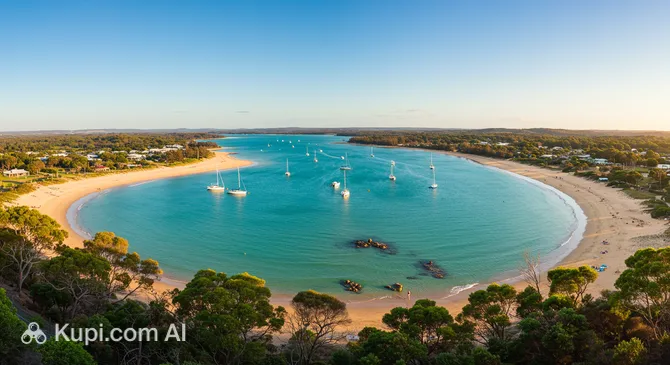
Mallacoota is a picturesque coastal town nestled in the eastern corner of Victoria. It is a place where the calm waters of an extensive lake system meet the power of the ocean, creating a unique atmosphere of seclusion and harmony with nature. The town is famous for its landscapes and is considered one of the region's hidden gems.

Mallacoota. Illustration.
Source: Kupi.com AI

Located far from bustling metropolises, this corner of the world attracts travelers wishing to see the true wilderness of a country like Australia. Mallacoota is surrounded by dense forests and national parks, while the mild climate makes staying here comfortable at any time of year. The permanent population is just over a thousand people, which helps maintain a quiet and measured way of life.

Local culture and traditions are closely intertwined with the region's past. The rich history of Mallacoota encompasses indigenous heritage and stages of European settlement, giving the town a special character and depth.

One of the main attractions is Croajingolong National Park, recognized as a UNESCO World Biosphere Reserve. Tourists come here for excellent opportunities for fishing, kayaking, and bird watching in the Mallacoota Inlet system. Boat excursions to Gabo Island are also popular, where you can see a historic lighthouse and a colony of little penguins.

Mallacoota is the perfect destination for those seeking a peaceful holiday and a chance to reset far from civilization. Come here to enjoy endless sandy beaches, incredible sunsets, and the genuine hospitality of the locals.

Weather Overview

The climate in this region is mild and comfortable, making travel pleasant at almost any time of year. Due to its coastal location, extreme heat or severe cold is rare. To plan your wardrobe and activities, it is useful to check the expected weather in Mallacoota during your visit.

Summer months (December to February) bring pleasant warmth. The warmest month is usually January, with an average temperature of around 20.4°C and maximums up to 23.5°C. This is the ideal time for swimming and water sports, as the sun warms but doesn't exhaust.

Winter (June to August) is quite mild here but fresh. In July, the coldest month, the average temperature is around 11.0°C, and at night it can drop to 8°C. During this period, rain falls regularly — up to 11 days a month — however, the intensity is low, usually only 2-3 mm, which often manifests as a light drizzle rather than prolonged downpours.

Expect moderately warm summers with comfortable conditions for beach holidays and cool, fresh winters that are excellent for hiking in the national parks.

Average monthly temperature

Average monthly precipitation

Interesting Facts

Although this corner seems quiet and remote, Mallacoota holds many fascinating secrets that reveal themselves only to inquisitive travelers.

  • Pink Granite Lighthouse. On nearby Gabo Island stands a unique lighthouse built from rare pink granite quarried right on the island. This 47-meter-high structure is the second tallest lighthouse Australia can boast of, and the only operating island lighthouse in the state of Victoria.

  • Secret WWII Bunker. During the war years, Mallacoota was an important strategic point. An RAAF Advanced Operational Base was located here for coastal surveillance and submarine defense. Today, tourists can visit the restored secret communications bunker, which has been turned into an atmospheric museum.

  • Abalone Capital. The town is known as one of the main centers for harvesting abalone — a delicacy mollusk highly valued in Asian cuisine. Local divers, using surface-supplied breathing systems, have maintained this dangerous but profitable industry for decades, making Mallacoota an important spot on the world's gastronomic map.

  • Isolation as an Advantage. Mallacoota is the easternmost town in Victoria and one of the region's most isolated settlements. Thanks to its location at the "dead end" of the road and its surrounding national park, the town has avoided mass development and preserved the atmosphere of a true edge of the world.

How to Get There

Mallacoota is a secluded corner, and the journey here often marks the beginning of a true adventure. Since the town is located far from major highways, route planning requires attention. You can find all the details and read more about how to get to Mallacoota on a separate page, and below we will look at the main options using air travel.

The nearest hub for air transport is Merimbula Airport (IATA: MIM). It is important to note that there is no airport in the town of Mallacoota itself, so you will have to fly into Merimbula, which is about 73 km away. This is a small regional airport serving domestic flights. The journey from there by taxi or bus takes about 2 hours and 10 minutes, allowing you to enjoy coastal views along the way.

If you are looking for a larger transport hub with more flights, it is worth considering Canberra Airport (IATA: CBR). This is an international airport with high passenger traffic, located in the country's capital, Canberra. The distance to Mallacoota is about 255 km. Overland travel from the airport takes quite a bit of time — approximately 6 hours and 40 minutes — so many tourists prefer to rent a car here for the onward journey.

For convenience, here is a summary of the main airports through which you can plan your route:

AirportPassenger trafficDistance
Merimbula Airport72 10073 km
Snowy Mountains Airport25 000157 km
Moruya Airport20 000187 km
Canberra Airport2.8 mln255 km
Albury Airport300 000300 km

Regarding rail travel, there are no direct trains to Mallacoota. Victoria's rail network does not reach this remote eastern coast. Travelers usually have to combine a train trip to the nearest major stations (such as Bairnsdale) with a transfer to regional V/Line buses that run to the town. Driving remains the most popular and flexible way to get here, providing access to the scenic Princes Highway.

Main Attractions

Mallacoota is a place where natural beauty combines with a rich history, offering travelers unique routes and experiences. The town and its surroundings are ideal for those who want to escape the hustle and bustle and immerse themselves in an atmosphere of tranquility while exploring scenic trails and historical monuments.

One of the region's most iconic attractions is Gabo Island. This small piece of land, located just 13 kilometers from the town, is famous for its majestic lighthouse, built from local pink granite back in the 19th century. Visiting the island is a real adventure: you can get here by boat or a small plane. Tourists are drawn by the opportunity to see a colony of little penguins, watch whales during the migration season, and enjoy panoramic ocean views from the top of the lighthouse.

For history buffs, the Mallacoota WWII Bunker Museum is of particular interest. This carefully restored structure served as an important communications and coastal surveillance center during the war years. Inside the museum, the authentic atmosphere is preserved, featuring original maps, equipment, and personal belongings of service members. This site allows you to touch the past and learn about the strategic role that Australia and this small town played in defending Pacific borders.

If you prefer a relaxing break by the water, be sure to visit Betka Beach. It is a picturesque spot where the Betka River flows gently into the ocean, forming shallow lagoons with warm water, perfect for swimming with children. The beach is surrounded by eucalyptus forests and equipped with convenient picnic areas. You can often meet locals here enjoying sunsets that paint the sky and water in incredible shades.

For those who want to explore the surroundings on foot, the Mallacoota Coastal Walk has been established. This route stretches along the coastline, linking the town's main beaches and viewpoints. The walk does not require special training and allows you to fully appreciate the diversity of local flora. Along the way, you might encounter kangaroos, echidnas, and many species of brightly colored parrots, making a simple walk feel like a miniature safari.

Local Cuisine

Mallacoota's gastronomic scene is a tribute to freshness and the bounty of the ocean. As the town is an important fishing hub, the local menu is based on high-quality seafood that reaches the table literally hours after being caught. You won't find pretentious fine-dining restaurants here, but you will find sincere and simple food with flavors that stay with you for a long time.

The main delicacy that you should definitely try in Mallacoota is abalone. The town is considered one of the world's centers for harvesting this mollusk, and local chefs know hundreds of ways to prepare it: from light sautéing in garlic butter to tender steaks. Also popular is the freshest fish, especially flathead and sea bream, which are often served in a classic batter with crispy chips.

The food culture here is inextricably linked to outdoor recreation. Locals and tourists prefer to take food to go — for example, traditional Australian meat pies from the bakery or famous "fish and chips" — and have picnics right on the foreshore or in the barbecue areas of the national park. This creates a special atmosphere of relaxation, where dinner is accompanied by a view of the sunset over the lake.

As for drinks, the culture typical of Victoria prevails here. It is customary to start the morning with high-quality coffee — Australians are proud of their flat white. In the evening, preference is given to a cool craft beer or a glass of white wine from regional wineries, which perfectly complements the flavor of local seafood.

Travel Tips

Traveling to Mallacoota is an immersion into the wild nature at the edge of the continent, and to ensure your holiday in this secluded corner goes perfectly, it's worth considering a few important nuances in advance. We have gathered practical recommendations for you to help you enjoy the region's beauty without unnecessary worries.

  1. Clothing and Gear. Coastal weather is changeable, so the best strategy is layering. Even in summer, evenings can be cool due to the ocean breeze, so be sure to bring a windbreaker or a fleece jacket. For walks in Croajingolong National Park, you will need sturdy trekking boots. Don't forget sunglasses, a hat, and high SPF sunscreen — the sun in Australia is very strong. You will also need a Type I power adapter (Australian standard).

  2. Transport. Mallacoota is a small town, and public transport is practically non-existent. For comfortable movement and exploring the surroundings, renting a car is essential. Taxi or ride-sharing services (Uber) do not operate here. If you plan to drive on the park's unpaved roads, ensure your vehicle is suitable for such conditions.

  3. Finances. The official currency is the Australian Dollar (AUD). Most shops and cafes accept cards, but terminals may malfunction due to unstable connections. It is highly recommended to carry a supply of cash, especially for visiting local markets or paying at small stalls. There are very few ATMs in town, so it's better to withdraw money in advance in larger towns along the way.

  4. Health and Safety. There is a medical center and a pharmacy in town, but they do not operate 24/7, and the nearest major hospital is far away. Be sure to pack a personal first-aid kit. Be careful in the water: ocean currents here are strong, so only swim in protected bays (like Betka Beach) or where lifeguards are on duty. In the bush, watch your step — snakes are active in summer.

  5. Communication. The primary language is English. Mobile reception in the town itself is stable (especially with Telstra), but the signal often disappears in the national park. We recommend downloading offline maps of the area beforehand. Free Wi-Fi can be found at the library or some cafes, but don't count on high speeds.

  6. Local Etiquette. The atmosphere here is very relaxed and friendly. It is customary to greet passers-by (a simple "G'day" or a nod). No one is in a hurry in cafes or on the roads, so show patience. Tipping is not a strict rule, but rounding up the bill or 10% for good service is always appreciated.

  7. What to Avoid. Strictly avoid driving on the highway at dusk, dawn, and night. This is when kangaroos and wallabies come out to the roads, and the risk of a collision with an animal is extremely high. This is the main road safety rule in rural areas.

  8. Useful Tip. Since Mallacoota is at a dead end, petrol prices here can be noticeably higher than on the Princes Highway. Try to fill your tank in Orbost or Eden before turning towards the coast. It is also useful to install the VicEmergency app to track up-to-date information on bushfires or weather warnings.

Mallacoota will give you an unforgettable sense of oneness with nature if you come prepared and tune into the quiet rhythm of local life. Follow these simple tips, and your journey will become a true adventure full of bright discoveries and safe routes!

Entertainment & Nightlife

Nightlife in Mallacoota is not about noisy metropolitan clubs and neon signs, but about coziness, live communication, and the relaxed atmosphere of a coastal town. Given the town's small size, evening entertainment is intimate and centered around a few key establishments where locals and tourists gather to discuss the day's events.

The center of gravity in the evening is the main street — Maurice Avenue. It is here and in its vicinity that life buzzes after sunset. The atmosphere in the establishments is very democratic and friendly: there is no strict dress code, and at the bar, you can meet both fishermen in work clothes and elegantly dressed visitors. The communication style is "casual," making it easy to make new acquaintances.

Among the specific places worth visiting, the Mallacoota Hotel stands out. This classic Australian pub serves as the heart of the town's social life. Here you can not only have a pint of cold beer and a delicious dinner but also listen to live music — local bands and touring artists often perform here on weekends. Another popular spot is the Mallacoota Golf & Country Club. People come here for a more relaxed setting and fantastic views. The club's bistro offers excellent meals, and the terrace provides a panorama of the ocean, making it an ideal place to watch the sunset with a glass of wine.

When planning your evening, keep in mind the local schedule: Mallacoota "goes to sleep" quite early. Kitchens in restaurants and pubs often close by 8:30 PM, and the bars themselves operate until around 10:00 PM–11:00 PM, slightly longer on Fridays and Saturdays. Prices are average for the state and quite affordable for tourists. The best time to visit is early evening to secure a table with a good view.

Safety is naturally ensured by the town's character: Mallacoota is a very quiet and safe place where you can walk at night without fear. However, it is important to remember transportation. There are no taxi or Uber services in town. If you plan to drink, make sure to arrange how you will get back to your accommodation beforehand. Most accommodation options are within walking distance, but for remote campgrounds, a "sober driver" will be required.

As for daytime entertainment, it harmoniously complements the quiet evenings. There are no large entertainment centers, but you can visit local art galleries, the community center (Mudbrick Pavilion), where film screenings and exhibitions are sometimes held, or simply enjoy a picnic in the parks by the water.

Parks & Museums

Despite its modest size, Mallacoota offers travelers an amazing combination of untouched natural spaces and distinctive cultural sites. The town is literally steeped in greenery, serving as a gateway to one of the most significant reserves that Australia is proud of, while local museums and galleries carefully preserve the history and creative spirit of this remote corner.

The main natural gem of the region is undoubtedly Croajingolong National Park. This vast park, stretching for a hundred kilometers along the coast, is recognized as a UNESCO World Biosphere Reserve. For tourists, it is a true treasure trove: here you can walk through ancient eucalyptus forests, explore wild beaches with white sand and granite rocks, and encounter koalas and kangaroos in their natural habitat. The park is ideal for both short walks and multi-day hikes.

A more accessible and relaxed recreation area is the Mallacoota Foreshore Reserve. This is the heart of the town's social life, stretching along the lake shore. It features well-kept lawns, barbecue areas, and playgrounds. It is the best place for a leisurely stroll, watching the famous local pelicans that often come right to the shore, and enjoying views of the sunset reflecting in the calm waters of the inlet.

Among the cultural and historical sites, the Mallacoota WWII Bunker Museum holds a special place. Located in an actual underground bunker used to defend the coastline, the museum offers a unique experience of immersing yourself in the past. The exhibition detailedly recreates the setting of a 1940s operational headquarters. Visitors can see original radar equipment, maps, and uniforms, learning about little-known pages of the region's military history.

To experience the creative side of the town, it is worth stopping by MA Space (Mallacoota Arts Space). This is a community art gallery where works by local artists, sculptors, and artisans are exhibited. Given the town's isolation, local art is particularly distinctive and often inspired by the surrounding nature. Regular rotating exhibitions, workshops, and cultural events are held here, allowing you to feel the pulse of modern community life.

If you are looking for something truly atmospheric, look out for the Mudbrick Pavilion. This colorful building, constructed by local enthusiasts from eco-friendly materials, often becomes a venue for small concerts, film screenings, and community gatherings. Attending an event here is a great chance to chat with locals and get to know the town from the "inside."

Getting Around

The public transport system in Mallacoota has its own unique characteristics, dictated by the size and remoteness of the settlement. It is important to note right away that there is no local public transport network in the usual sense: you won't find a metro, trams, trolleybuses, or regular city bus routes running through the town's streets.

The only type of public transport linking Mallacoota to the outside world is the regional bus service provided by V/Line. These are comfortable long-distance coaches that connect the town with the railway station in Bairnsdale or head north towards New South Wales (to Batemans Bay). These buses are not intended for travel within the town itself but serve exclusively for arrivals and departures.

As for paying for travel on V/Line buses, a pre-booking system is in place. You generally cannot pay the driver in cash upon boarding, especially during peak seasons. Tickets must be purchased in advance via the official V/Line website or at authorized agencies. The fare depends on the distance and ticket type (full or concession). It is important for tourists to have a printed ticket or an electronic version on their smartphone for validation when boarding.

Since there is no intracity transport, and taxi services and popular ride-sharing apps (like Uber) do not operate in Mallacoota, the primary means of transport is a car. It is highly recommended to rent a car in advance in a major arrival city. This will give you the freedom to move between the beaches, the national park, and the town center, distances which can be tiring for walking.

A wonderful and eco-friendly alternative is the bicycle. Mallacoota is a very bike-friendly town with flat terrain in the central part and picturesque paths along the coast (for example, Captain Stevenson’s Point). If you haven't brought a bike with you, rental points can be found in the town during the high season. Also, thanks to the compact center, many distances are easily covered on foot, allowing you to better enjoy the nature and quiet of this place.

Accommodation

Accommodation in Mallacoota is not about faceless chain hotels or high-rise complexes, but about coziness, proximity to nature, and the atmosphere of a true Australian holiday. Accommodation options here range from affordable beachfront campsites to comfortable motels and spacious private holiday homes, which are ideal for large families or groups.

One of the most popular housing formats here is tourist parks and campgrounds. Mallacoota is home to one of the largest campgrounds in the southern hemisphere, which stretches along the shoreline. This is an excellent choice for budget travelers and caravanning enthusiasts. For those seeking more comfort, classic "road-trip" style motels are available, offering clean rooms with all the essentials, as well as self-catering apartments.

When choosing an area, you should focus on your holiday preferences:

  • Town Center and Foreshore: The most convenient area for those who want to be within walking distance of cafes, the bakery, the pub, and the main wharf. Life is buzzing here, and lake views are available right from the windows of many apartments.
  • Karbeethong: This area is located slightly away from the center, on the northwest shore of the Bottom Lake. It is a quiet and picturesque corner, ideal for those seeking seclusion and panoramic views of the water and the Howe Range.
  • Mirrabooka and Bastion Point: Areas closer to the ocean beaches, convenient for surfers and lovers of long walks by the sea.

Booking Tip: Mallacoota is an extremely popular destination among Australians, especially during school holidays (December–January) and at Easter. During these times, the town's population increases several times over. It is strongly recommended to book accommodation at least 3–6 months before your trip during peak season. If you plan a visit during the off-season (winter or late autumn), finding a free room will be much easier, often even without a prior reservation.

The price range in the town can be described as mid-range. There are no ultra-luxury resorts with sky-high prices, but during high season, the cost of renting private houses can increase significantly. Booking is most often done through popular online platforms or directly through the websites of local real estate agencies and tourist parks, which can sometimes save you money.

Nearby Cities

For those who want to explore the surrounding area, Mallacoota serves as an excellent starting point for day trips to several interesting nearby locations. Given the town's secluded location at the edge of the state, traveling to neighbors will take time but will allow you to see the contrasts of Australian life.

One of the most significant destinations for a trip is Canberra. Although the nation's capital is quite a distance away, a visit there is worth the effort to discover the continent's main cultural treasures: the Australian War Memorial, the National Gallery, and Parliament House. This journey will take you from wild coastal nature into the heart of the state's political and cultural life.

If you prefer to move along the ocean, take note of the town of Ulladulla. It is a picturesque fishing port located to the north, already in the state of New South Wales. The town is famous for its cozy harbor, festivals, and magnificent surfing beaches. A trip here is a great way to compare the atmosphere of two neighboring states and enjoy the freshest seafood in local restaurants.

Below is a table of the nearest large settlements that could be the goal of your journey:

CityPopulationDistance
Merimbula3 54476 km
Orbost2 797116 km
Cooma6 681157 km
Jindabyne6 547162 km
Crackenback166 km

These nearby destinations provide an insight into the diverse culture and landscapes of the region, from metropolitan polish to the industrial centers of the Latrobe Valley and cozy coastal towns.

Shopping & Souvenirs

Shopping in Mallacoota perfectly matches the relaxed pace of life in this coastal town. You shouldn't expect giant shopping centers, world-brand boutiques, or noisy sales here. Local trade is primarily focused on providing travelers with everything necessary for outdoor recreation, as well as selling unique items made by local artisans. This is a place where purchases are made without haste, often accompanied by a friendly chat with the seller.

The center of all commercial activity in the town is Maurice Avenue. This is the main street where most shops, cafes, and services are concentrated. A stroll along it won't take long, but this is where you'll find everything you need: from a pharmacy and post office to cozy little shops with clothing and gifts. Thanks to the compact center, it is very convenient to move between shops on foot while enjoying the fresh sea air.

There are no large shopping malls in the usual sense in Mallacoota. The main points of attraction for restocking are local supermarkets, such as FoodWorks or IGA. Here, tourists buy products for barbecues, fresh fruit, vegetables, and basic necessities. The assortment is wide enough to ensure a comfortable stay in a campground or apartment, including a selection of Australian wines and snacks.

Of special interest to tourists are the local markets, which are an important part of social life. The most famous is the Mallacoota Artisan and Produce Market. It is usually held on the first Saturday of the month (and more frequently during school holidays and festivals) on the lawn near the community center. This is a great place to buy the freshest local produce, home-baked goods, jams, honey, as well as plants and crafts. The atmosphere at the market is always festive, often with live music playing.

For souvenirs from Mallacoota, it's worth bringing back something authentic that reflects the spirit of this secluded region. Look for works by local artists and craftsmen found in small galleries or at the market: ceramics, handmade jewelry, or paintings of coastal landscapes. Quality beachwear and surfing accessories sold in specialized shops on the main street are also popular.

Shops in the town operate according to a schedule typical for regional Australia. Most retail outlets are open from 9:00 AM to 5:00 PM or 5:30 PM on weekdays. On Saturdays, the working day is often shortened to lunchtime, and on Sundays, many small shops may be closed, except for supermarkets and essential stores, which work seven days a week and stay open longer (often until 7:00 PM–8:00 PM). Bank cards (Visa, Mastercard) are accepted almost everywhere, but it is recommended to have some cash for visiting markets or buying small items.

The Tax Free (TRS) refund system operates throughout Australia. Tourists can claim a refund on the Goods and Services Tax (GST) when leaving the country if the purchase amount in one store is 300 AUD or more (multiple receipts from the same store within the last 60 days can be combined). Given the nature of the shops in Mallacoota, reaching such an amount in one store might be difficult unless you are buying expensive outdoor gear or art pieces. The refund is processed at the departure airport.
Reached the end of the page?

That means the route is fully explored