Support

Zurs

About

Zürs is not just a ski resort, but a true symbol of Alpine elegance and exclusive relaxation. Located in the picturesque region of Vorarlberg, this cozy village is considered one of the most prestigious places for winter sports in all of Europe, attracting connoisseurs of tranquility, luxury, and impeccable slopes.

Situated in the high mountains of western Austria, Zürs lies at an altitude of 1,717 meters above sea level. This geographical position ensures the resort's reputation as one of the snowiest places in the Alps, where the winter fairy tale lasts from late November until late April. Despite the fact that the permanent population here is only about 220 people, the village infrastructure is excellently developed and oriented towards the most discerning tastes.

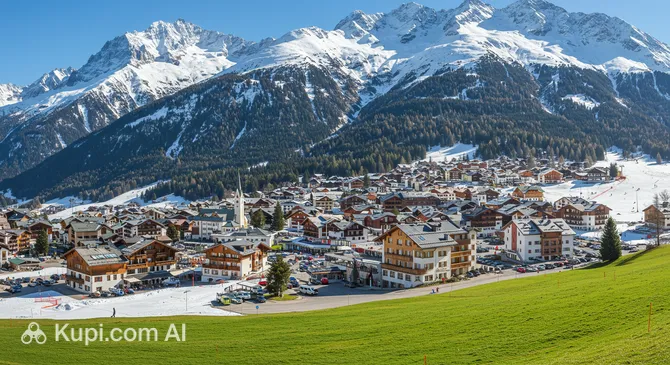
Zurs. Illustration.
Source: Kupi.com AI

The fascinating history of Zürs is inextricably linked with the development of skiing. This region, known as Arlberg, is often called the "cradle of skiing," as some of the first lifts in the country were built here, forever changing winter tourism.

Among the key attractions is the legendary "White Ring" (Der Weiße Ring) ski circuit, which connects Zürs with neighboring Lech and offers a breathtaking journey across snow-capped peaks. Tourists also come here for the scenic views of the Flexen Pass and the opportunity to enjoy "ski-in/ski-out" convenience, which is a hallmark of local hospitality.

If you are looking for a combination of sporting excitement, first-class service, and a peaceful mountain atmosphere, Zürs will be the perfect choice for your next trip.

Weather Overview

The climate in Zürs perfectly matches its high-altitude location, offering tourists a true Alpine atmosphere. Winter here is long and frosty: in January and February, average temperatures range from -2.5°C to -5.1°C, while nighttime figures can drop to -8.9°C. This time of year is characterized by stable sub-zero temperatures, which create excellent conditions for the formation of a lasting snow cover.

The summer season brings a pleasant freshness, which will be a rescue for those who do not like exhausting heat. In July and August, the air warms up to an average of +13.7°C, while maximum values rarely exceed +18.6°C. When planning a trip, it is important to check what weather in Zürs is expected during your visit, as the region is characterized by high humidity. May can be particularly rainy with 23 days of precipitation, and rain is not uncommon in summer either.

Expect a cool summer with frequent rainfall and cold, snowy winters, ideal for skiing.

Average monthly temperature

Average monthly precipitation

Interesting Facts

Beyond its impeccable slopes and luxurious hotels, Zürs holds many fascinating stories and unique features that not all travelers know about. Here are a few facts that reveal the character of this Alpine corner:

  • Home of the first lift: Zürs played a key role in the technical revolution of winter holidays. It was here in 1937 that Austria's first T-bar lift was launched, designed by engineer Emil Doppelmayr. This event forever secured the region's status as a pioneer in the ski industry.

  • The legend of the "skiing priest": The history of exploring the local slopes began long before the arrival of tourists. In the late 19th century, Pastor Johann Müller from a neighboring village began using skis to reach his parishioners more quickly across snowy passes. He is considered one of the first skiers in Arlberg, although at first, he practiced exclusively at night so as not to embarrass the local residents.

  • The longest race for amateurs: The famous "White Ring" (Der Weiße Ring) route is not just a beautiful run, but also the site of an iconic competition. The annual race The White Ring: The Race is recognized as the longest ski race in the world, where both professionals and amateurs can participate.

  • A village of hotels: Unlike many other resorts that grew out of farming settlements, Zürs developed primarily as an elite hotel cluster. There is practically no private residential sector in the traditional sense, which creates a unique atmosphere of a private club where all guests stay within walking distance of each other.

How to Get There

When planning a trip to this high-altitude resort, it's worth thinking through the logistics in advance, as direct access is limited by the mountainous terrain. Zürs is located away from bustling metropolises, providing an atmosphere of seclusion but requiring transfers during travel. You can find out more about how to get to Zürs on our dedicated page, which lists all available route options.

Since there is no airport in the village itself, most tourists fly into neighboring cities. One of the most convenient options is Zurich Airport (ZRH), located in Zurich, Switzerland. It is a major international hub receiving flights from all over the world. It is approximately 125 km from the resort, and the trip by taxi or transfer will take about 3.5 hours. Thanks to the excellent transport organization, this route is often chosen for long-distance flights.

An alternative is Innsbruck Airport (INN) in the city of Innsbruck. It is closer—at a distance of about 90 km, allowing you to reach your destination in about 2.5 hours. This airport is particularly popular among skiers during the winter season. You might also consider Friedrichshafen Airport (FDH) in Germany, located 74 km from Zürs (travel time about 2 hours), which is convenient for flights within Europe.

For convenience, here is a summary of the main airports:

AirportPassenger trafficDistance
Altenrhein Airport84 10057 km
Friedrichshafen Airport339 55674 km
Innsbruck Airport862 20290 km
Memmingen Allgäu Airport3.2 mln91 km
Bolzano106 629119 km

Traveling by train is a scenic and comfortable way to approach the Alps. There is no railway station in Zürs itself, but you can arrive at major stations in neighboring cities and continue by bus or taxi. A convenient point of arrival is Innsbruck Station in Innsbruck, which is about 94 km from the resort. Transfers to the ski regions depart regularly from here.

Another important transport hub is Zurich Hauptbahnhof in Zurich, located about 125 km away. This station receives trains from many European capitals, making it an excellent starting point for those who prefer ground transport. From these cities, you can easily organize the final leg of the journey to Zürs via mountain roads.

Below is information about the nearest major railway stations:

StationPassenger trafficDistance
Innsbruck Railway Station14.1 mln94 km
Zürich Hauptbahnhof154.6 mln125 km
Augsburg Hauptbahnhof18.3 mln143 km
Munich Hauptbahnhof164.3 mln150 km
Lugano Railway Station11.2 mln160 km

Main Attractions

Zürs is a compact yet incredibly picturesque gem of the Arlberg region. The main attractions here are created by nature itself and complemented by human engineering skill. Since the village is small, the main points of interest are related to the mountains, panoramic views, and active recreation.

The most famous hallmark of the resort is the legendary "White Ring" (Der Weiße Ring). This famous 22-kilometer circular ski route links Zürs with the neighboring villages of Lech, Zug, and Oberlech. Even if you don't plan to participate in the annual races, it's worth skiing this loop for the incredible scenery and the sense of being part of skiing history. The route includes long descents and modern lifts, allowing you to see the entire region in just a few hours.

For lovers of breathtaking panoramas, the Trittkopf peak is a must-visit. A modern cable car will take you to an altitude of over 2,400 meters. From the viewing platform at the top, the view is heart-stopping: snow-capped peaks stretch to the horizon, spanning the territories of neighboring countries. It is an ideal spot for photography and the starting point for challenging but interesting ski runs.

In the summer and at the beginning of the winter season, the high-altitude Lake Zürsersee (Zürsersee) attracts tourists' attention. Located at an altitude of about 2,150 meters, this natural glacial lake impresses with the color of its water and its tranquility. In winter, it is hidden under ice and snow, becoming part of the ski landscape near the Seekopf chairlift, while in summer, scenic hiking trails lead to it, perfect for exploring on foot.

Also worth noting is the Flexen Pass (Flexenpass). It is not just a geographical point, but a historical gateway to Tyrol. The road through the pass, protected by avalanche galleries, is an engineering monument in itself. It offers magnificent views of the Klostertal valley, and the new Flexenbahn cable car has connected this point with the resort of St. Anton, making travel between the valleys fast and comfortable.

Local Cuisine

The cuisine of Zürs is an exquisite combination of the Alpine traditions of the Vorarlberg region and world-class high gastronomy. Since the resort is considered one of the most elite in Austria, familiar village recipes are often served in signature interpretations by award-winning chefs. The basis of the diet consists of local farm products: milk, butter, and, of course, the famous mountain cheeses.

The main dish that every guest of the region must try is Käsknöpfle. This is a local variation of cheese dumplings, which in Vorarlberg is prepared with a special "pungent" mountain cheese (Bergkäse) and generously topped with crispy fried onions. Another unique specialty is Riebel, a dish made from cornmeal that is traditionally eaten for breakfast with applesauce or dipped in coffee with milk. For a hearty lunch after skiing, filling soups like pancake strip soup (Frittatensuppe) are excellent.

Those with a sweet tooth should look out for Kaiserschmarrn—a fluffy shredded pancake with raisins and plum compote, which has become a true classic of Austrian ski resorts. Apple strudel is also popular, often served here with warm vanilla sauce.

Among drinks on the slopes, the iconic non-alcoholic "Skiwasser" reigns supreme—a mixture of raspberry syrup, lemon juice, and sparkling water, perfect for quenching thirst. Of alcoholic beverages, locals prefer Austrian wines and fruit schnapps (Obstler). Special attention should be given to Zirbenschnaps, infused with stone pine cones, which is considered a healing and warming elixir.

The dining culture in Zürs has its own peculiarities. There is practically no street food in the traditional sense. Gastronomic life is concentrated in two locations: cozy mountain huts (Skihütten) with spacious sunny terraces for a daytime snack, and luxurious hotel restaurants for evening dinners. Zürs is famous for its incredible concentration of Gault Millau "toques" per capita, so dinner here is most often an elegant multi-course event rather than just a meal.

Travel Tips

Welcome to Zürs! To ensure your holiday at this exclusive high-altitude resort is flawless and leaves only pleasant memories, we have prepared a list of important recommendations. These tips will help you plan your budget wisely, pack your suitcase, and feel right at home in the atmosphere of Alpine luxury.

  1. Clothing and Dress Code: Since Zürs is located at an altitude of over 1,700 meters, it is always colder here than in the valleys. Be sure to bring high-quality thermal underwear and windproof membrane clothing. Don't forget sunscreen with a high protection factor (SPF 30-50) and good sunglasses—the mountain sun is very strong even in cloudy weather. In the evenings, smart casual style is expected in hotel restaurants, so it's worth bringing neat casual clothes to change out of your ski suit.

  2. Transport within the Resort: The village is very compact, and you won't need a car within it—everything is reachable on foot. For moving between Zürs, Lech, and other ski areas, the local blue "James" bus is ideal. It is free for ski pass holders. If you are traveling in a rental car, be sure to check for the presence of snow chains: they may be needed at any moment on the Flexen Pass.

  3. Finances and Budget: The official currency is the Euro (€). In Zürs, as a premium resort, prices are higher than the national average; keep this in mind when planning your budget. Credit cards are accepted almost everywhere, but it is recommended to carry cash for paying small bills in mountain huts or for tipping. Tips are usually 5–10% of the bill if you liked the service.

  4. Health and Safety: Zürs is one of the safest places in Europe, but the mountains do not forgive carelessness. Never go off-piste without an avalanche transceiver and an experienced guide. There may not be a pharmacy in the village itself (depending on the season); the nearest one is in neighboring Lech, where a doctor specializing in sports injuries also practices. Bring a basic set of medicines with you.

  5. Communication: The main language is German (with a local dialect), but almost all staff speak English fluently. Wi-Fi is available in all hotels and restaurants. If you need a local SIM card, buy it in advance at the airport or a large city on the way, as there are no electronics stores in Zürs itself.

  6. Local Etiquette: Austrians value politeness. When entering an elevator, a shop, or sitting at a table, it is customary to say hello (the universal "Grüß Gott"). An important detail: in hotel saunas and spa areas (Wellness), it is customary to be without swimsuits (textile zones are rare), but it is mandatory to use a towel to sit on. This is a norm of hygiene and culture.

  7. What to Avoid: It is strictly forbidden to walk on prepared cross-country skiing tracks—this ruins the trail and causes justified dissatisfaction among athletes. Also, try not to make noise on the street late at night: Zürs is valued precisely for its privacy and quiet; loud parties outside of specially designated bars are not common here.

  8. Dining Tip: If you plan to dine somewhere other than your hotel restaurant, book a table in advance, sometimes several days ahead. There are few a la carte restaurants in the village, and in high season, finding a free spot as a walk-in is practically impossible.

Following these simple rules will allow you to enjoy your holiday in Austria without unnecessary hassle. Zürs is a place where traditions of hospitality are combined with the highest service, so relax and enjoy the winter fairy tale!

Entertainment & Nightlife

Nightlife in Zürs is the embodiment of Alpine chic and understated luxury. Unlike neighboring St. Anton, known for its loud parties until dawn, an atmosphere of exclusivity and coziness reigns here. Evening entertainment is centered not in separate clubs on the street, but within the prestigious hotels that form the backbone of the resort's infrastructure. People come here not for dancing on tables, but for exquisite cocktails, live piano music, and socializing among a select crowd.

Traditional après-ski begins here around 4:00 PM, when skiers descend from the mountains and take spots on sunny terraces. However, the true magic of the evening comes after dinner. The epicenter of nightlife is rightfully considered the legendary Zürserl nightclub in the Hotel Edelweiss. This is an establishment with a rich history where champagne flows like water, and you might spot celebrities or members of royal families on the dance floor. The musical repertoire ranges from classic hits to modern rhythms, creating a festive mood until the early morning.

For those who prefer a more relaxed setting, the Piano Bar at Thurnher’s Alpenhof is the perfect choice. This place is famous for its elegant atmosphere, excellent wine list, and professional bartenders crafting signature cocktails. It is customary here to have leisurely conversations by the fireplace to the accompaniment of live music. Another point of attraction is the bar at the Zürserhof hotel, which often hosts gala evenings and live music, immersing guests in the atmosphere of good old Austria.

When preparing for an evening out, it is worth paying attention to the dress code. Smart casual or elegant style is accepted in Zürs. Ski boots and sports suits are out of place in the evening; gentlemen often wear jackets, and ladies wear cocktail attire, even if there is a snowfall outside. Prices in the establishments reflect the resort's status: they are above average, so be prepared for a glass of wine or a cocktail to be quite expensive.

The issue of safety is perfectly resolved here: Zürs is one of the quietest places in the Alps, and night walks are absolutely safe. For moving between hotels or traveling to neighboring Lech at night (until 3–4 AM), the famous "James" night bus runs. This is a convenient and inexpensive way to reach your destination, as taxis in the mountains can be expensive and sometimes require a long wait.

Daytime entertainment in Zürs, besides skiing, focuses on relaxation and shopping. There are no major museums or theaters here—for a cultural program, it's better to head to neighboring Lech (Huber Hus Museum) or attend a classical music concert occasionally held in hotel halls. However, in the village itself, you will find elite sports fashion boutiques and luxurious spa centers where you can spend the whole day restoring your strength after conquering the peaks.

Parks & Museums

Zürs is not a typical city with enclosed squares and classic museum quarters. In this high-altitude village located in the heart of the Arlberg region, the role of parks is played by the majestic Alpine landscapes, and history and culture are inextricably linked with the development of skiing. The green zones here are nature itself surrounding the hotels, and cultural heritage is carefully preserved in hospitality traditions and the architecture of neighboring settlements.

As Zürs is a small and exclusive resort, the main natural and cultural attractions are located either in its immediate vicinity or in neighboring Lech, which can be reached in just minutes.

Natural Areas and Scenic Spots

The main natural treasure replacing city gardens for tourists is Lake Zürsersee (Zürsersee). This high-altitude glacial lake, located at about 2,150 meters, is an ideal area for relaxation and contemplation. In summer, the water takes on a rich turquoise hue, creating a stunning contrast with the gray rocks and green grass. A convenient cable car leads here, and hiking trails are laid out around it. This place is definitely worth visiting for the panoramic views and the feeling of complete unity with nature in Austria.

Another significant natural area is the territory around the Flexen Pass (Flexenpass). It is not just a transport artery, but a historical landscape monument. Here you can see the European Watershed: streams on one side of the pass flow into the Black Sea, and on the other into the North Sea. Walks in this zone allow you to enjoy the rugged beauty of the high Alps, see rare types of mountain flowers, and, if you're lucky, encounter Alpine marmots or chamois in their natural habitat.

Museums and Cultural Sites

There are no major museums in Zürs itself; however, just 5 kilometers away in the neighboring village of Lech, there are important cultural institutions that tell the shared history of the Arlberg region.

The "Huber Hus" Museum (Huber Hus) in Lech is a key site for understanding local culture. A traditional wooden house built back in 1590 allows a glimpse into the past and shows how families lived in this harsh mountain land before the arrival of tourism. The exhibition includes original living rooms, a kitchen, and a cooper's workshop. This place will be interesting for those who want to learn more about the life of the Walser people who settled these lands centuries ago.

Sports and technology enthusiasts should visit the small but fascinating Kästle Mountain Museum, located at the top station of the Rüfikopf cable car. Since the region is considered the cradle of skiing, this museum-gallery showcases the evolution of skis and the history of the famous Kästle brand. Here you can see vintage equipment and photographs documenting the transformation of skis from a means of transport into a popular form of recreation.

Architecture and Significant Monuments

The architectural landmark of Zürs itself is the Christ the King Church (Christkönigskirche). Built in the 1930s, it became the village's first significant public building, which previously consisted mainly of hotels. The church is designed in a restrained Alpine style but surprises with its cozy atmosphere inside. It serves not only as a place for worship but also as a symbol of the community, uniting locals and resort guests.

Insider Tip

For a unique cultural and natural experience, go for a walk along "The Green Ring" (Der Grüne Ring). This is the summer counterpart to the famous ski loop, a themed trail with art objects and installations scattered directly in the mountains. The route is filled with local legends and fairy tales, offering a look at the surrounding landscape through the prism of contemporary art and folklore.
Getting Around

The transport system in Zürs has its own unique features, shaped by its status as an elite high-altitude resort and its compact size. You won't find subways, trams, or trolleybuses here. The village is so small that most hotels, restaurants, and lifts are within walking distance of each other. However, to connect with neighboring ski areas and railway stations, a flawlessly functioning bus network has been established.

The main means of transport for tourists is the local "Blue Bus" (Der Blaue Ortsbus). This free shuttle runs between Zürs, Lech, Zug, and Oberlech with enviable regularity—during peak hours, the interval is only about 10–20 minutes. This is the most convenient way to get to the start of the ski runs or neighboring villages without using a private car.

For those planning to enjoy the region's nightlife, the "James" night bus becomes indispensable. It begins operation in the evening and runs until early morning (usually 3:00 or 4:00 AM), taking guests back to their hotels after parties and dinners. Riding the "James" requires a fee; a ticket costs about 5 Euros per trip, but it may be free for holders of certain types of seasonal passes. It is a safe and affordable alternative to taxis at night.

The daytime fare system is simplified as much as possible for tourists. If you have a valid ski pass (Ski Arlberg Pass), it acts as your ticket for the "Blue Bus." You don't need to pay extra or validate anything—just have the card with you in case of an inspection. If you don't have a ski pass, a single ticket can be purchased directly from the driver for cash or via the "cleVVVer" mobile app of the Vorarlberg Transport Association (VVV).

An important part of the transport infrastructure is the regional buses (Landbus), painted yellow or green. Route No. 91 connects Zürs with the Langen am Arlberg railway station, and Route No. 92 connects with Lech and St. Anton (via the pass). Tickets for these buses are purchased from the driver or at machines at major stops. Schedules are strictly followed but can depend on weather conditions at the Flexen Pass.

Taxis in Zürs are represented by several local companies offering premium cars and minibuses. This is a convenient but quite expensive form of transport. Taxi stands are usually located at major hotels. Car-sharing and bike rentals in the classic urban sense are absent due to the mountain terrain and the resort's specifics, but many hotels provide guests with transfers using their own shuttles.

Don't forget that in this region, cable cars are also considered full-fledged public transport. For example, the Flexenbahn cable car connects Zürs with Stuben and St. Anton, allowing you to move between valleys without using buses or cars. This is not only faster but also provides the opportunity to enjoy breathtaking views during the ride.

Accommodation

Zürs is a unique example of an Alpine resort, often referred to as a "village of hotels." Unlike many other Austrian towns that grew from farming communities, this village was originally developed as an exclusive cluster for winter holidays. There is virtually no private sector with apartments; the foundation of the housing stock consists of high-end hotels, many of which have been managed by the same families for generations.

Accommodation Types and Comfort Level

Tourists planning a trip here should be prepared for the fact that Zürs is primarily oriented towards the "luxury" and "premium" segments. There are practically no budget hostels or inexpensive guesthouses. The main choice is four- and five-star hotels offering an exceptional level of service. Many of them have their own spa complexes, pools, and exquisite restaurants, turning each hotel into a self-contained resort.

Districts and Location

The concept of "districts" in Zürs is relative, as the entire village is very compact and stretched along the valley. The main advantage of local accommodation is the universal ski-in/ski-out principle. Thanks to the thoughtful layout and abundance of snow, you can ski right from the doorstep of almost any hotel down to the lift and return from the slope directly to the hotel entrance in the evening. This makes staying here incredibly convenient for those who value comfort.

Prices and Booking Features

The price range in Zürs is significantly higher than the average for a country like Austria. Staying here is considered prestigious, and the cost is fully justified by the quality of service and privacy. Most hotels operate on a half-board basis (breakfast and gala dinner included), as evening life is concentrated inside the hotels. It is strongly recommended to book accommodation in advance: the best rooms for the high season (Christmas, February) are often booked by regular guests six months or even a year in advance.

Nearby Cities

For those looking to explore the surroundings, Zürs serves as an excellent starting point for day trips to several interesting nearby locations:

Just an hour's drive away is Bregenz—the capital of the Vorarlberg region, picturesquely situated on the shores of Lake Constance (Bodensee). In summer, the city becomes a center of cultural life thanks to the famous festival with a massive floating stage, and a trip up Pfänder mountain offers unforgettable views of the lake and the surrounding peaks of three countries.

For a change of scenery, visit Dornbirn, the region's largest city. It attracts tourists with its lively market square, excellent shopping opportunities, and modern architecture. Nature lovers will appreciate a walk through the impressive Rappenloch Gorge, located very close to the city limits.

Slightly further away, but definitely worth a visit, is Innsbruck—the capital of Tyrol. This city uniquely combines Alpine landscapes with imperial architecture. Here you can see the famous "Golden Roof," the Hofburg Imperial Palace, and the venues of the Winter Olympic Games.

CityPopulationDistance
St. Anton am Arlberg2 5009 km
Ischgl1 60020 km
Bludenz14 95627 km
Oberstdorf9 70728 km
Sonthofen21 58939 km

These nearby destinations allow you to get a sense of the diverse culture and landscapes of the region.

Shopping & Souvenirs

General Overview

Shopping in Zürs perfectly reflects the character of the resort itself: it is exclusive, intimate, and oriented towards a discerning audience. You won't find huge shopping malls or noisy mass-market sales here. The foundation of local retail consists of elite sports shops offering premium-class equipment and small boutiques located mainly within five-star hotels. People come here not for large-scale purchases, but for high-quality ski gear, accessories from famous brands, and unique local delicacies.

Main Shopping Areas and Streets

Since Zürs is a compact village stretched along one road, there are no dedicated shopping districts. All shopping activity is concentrated in the village center and in the lobbies of prestigious hotels. A walk from one end of the resort to the other will take very little time but will allow you to visit key points of sale. If the local window displays don't seem broad enough, you can always head to neighboring Lech (just 5 km away), which is considered the main shopping artery of the Arlberg region and offers a much greater variety of boutiques and galleries.

Shopping Centers and Sports Houses

In the traditional sense of classic shopping centers, there are none in Zürs. Their role is filled by large sports fashion houses, which are true landmarks of the region. The most famous name here is Strolz. This is a legendary family business that has become a symbol of luxury shopping in Arlberg. In their branches, you can not only find perfectly fitting ski boots (often custom-made) but also purchase stylish après-ski clothing, cashmere products, and traditional Austrian costumes.

Markets

There are no regular markets in Zürs due to the small number of permanent residents. For the atmosphere of a traditional fair, it's better to go to neighboring towns or valleys. However, during the Christmas holidays, hotels or open terraces may organize small festive bazaars where guests are offered mulled wine, gingerbread, and handmade crafts. This is more of an entertainment event than a place for serious shopping.

Souvenirs

From a trip to Austria and specifically from the Vorarlberg region, it's worth bringing back gastronomic souvenirs. Look for local mountain cheese (Bergkäse), produced on Alpine pastures, and, of course, schnapps—fruit distillate, especially popular in versions made from gentian (Enzian) or stone pine cones (Zirbe). Also, high-quality sportswear from local brands or Tyrolean-style accessories make excellent gifts to remind you of cozy evenings in the Alps.

Opening Hours and Payment

Shops in Zürs usually open from 09:00 or 10:00 to 18:00 or 19:00. During the high winter season, many sports shops and rental points may open earlier (from 08:30) and work seven days a week to provide skiers with everything they need. Some boutiques may close for a lunch break in the middle of the day. Credit cards (Visa, MasterCard) are accepted almost everywhere, but for small purchases or tips, it is advisable to have some cash in Euros.

Tax Free

Tourists residing permanently outside the European Union are entitled to a Value Added Tax (VAT) refund on purchases over 75 Euros in a single store. Look for "Global Blue" or "Tax Free Shopping" logos on boutique doors. Don't forget to ask the seller for the special form and receipt when paying for the goods to process the refund upon leaving the country.

Reached the end of the page?

That means the route is fully explored