Support

Klosters

About

Klosters is a charming ski resort nestled in the picturesque canton of Graubünden. This cozy town is located in Switzerland at an altitude of 1,200 meters above sea level and offers tourists a unique combination of luxury vacationing with the idyllic atmosphere of a traditional Alpine village. Unlike many larger resorts, Klosters has managed to preserve its authentic character and peaceful rhythm of life.
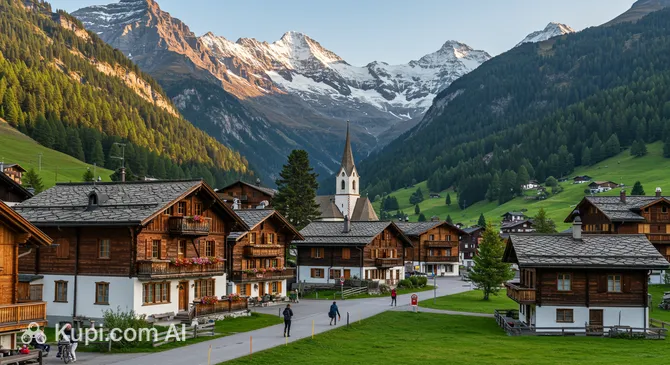
Klosters. Illustration.
Source: Kupi.com AI

Despite its modest size and population of about 4,000 people, the town boasts an excellently developed infrastructure. It is closely linked to the famous Davos, located just 10 kilometers away: together they form a vast region for skiing and active tourism. Klosters itself is conventionally divided into two parts — Klosters Dorf and Klosters Platz, each of which provides access to scenic slopes and recreation areas.

The resort's reputation as a getaway for the global elite adds to its special appeal; it is well-known that the British King Charles is a frequent guest. However, despite its star status, the atmosphere here is one of friendliness and coziness. The long and interesting history of Klosters is reflected in its architecture: the town is filled with beautiful traditional-style chalets, creating an incredibly romantic mountain landscape.

Klosters is an ideal choice for travelers seeking harmony between sporting excitement and serene relaxation. Whether it's thrilling ski descents in winter or walks through green Alpine meadows in summer, this corner of the Alps is sure to give you an unforgettable experience.
Weather Overview

The climate in Klosters is typically Alpine, with distinct seasonality that makes the resort attractive to tourists year-round. Winters are cold and snowy, ideal for winter sports: in January and December, the average temperature stays around -7°C, and can drop to -11°C at night.

The summer period brings pleasant freshness. In July and August, the air warms up to an average of +12°C, with daytime highs reaching a comfortable +17°C. Expect a cool summer with fairly frequent precipitation and cold winters with a stable snow cover. Be prepared for the fact that May and June are the rainiest months, when the number of days with precipitation exceeds 20.

The shoulder seasons here are short and bracing: negative temperatures are already established by November, and in April, the air only just begins to warm above zero. To pack your suitcase correctly and not be dependent on nature's whims, we recommend checking what weather in Klosters is expected during your trip.

Average monthly temperature

Average monthly precipitation

Interesting Facts

Beyond its main attractions, Klosters holds many fascinating secrets that make it special even compared to other Swiss resorts. Here are a few interesting facts that reveal the character of this place:

  • The Royal Lift. The resort's connection with the British monarchy is so strong that one of the cable cars is officially named "The Prince of Wales." This is a tribute to King Charles (formerly the Prince of Wales), who has been a frequent and honorary guest on these slopes for many years.

  • A Record Concentration of Taste. Despite its modest size, the town is a true paradise for gourmets. Klosters boasts a record number of Gault-Millau points per capita, offering an incredible selection of fine dining establishments.

  • A Sanctuary for Stars. The resort attracts world celebrities and movie stars not with lavish parties, but with the opportunity to maintain their anonymity. A calm atmosphere is valued here, so Klosters remains an authentic Swiss village where the elite relax away from the prying eyes of the paparazzi.

  • Guaranteed Snow. The ski season here lasts surprisingly long — from late November to mid-April. Thanks to a modern snowmaking system and its geographical position, quality skiing is possible even during periods when natural snowfall is insufficient.

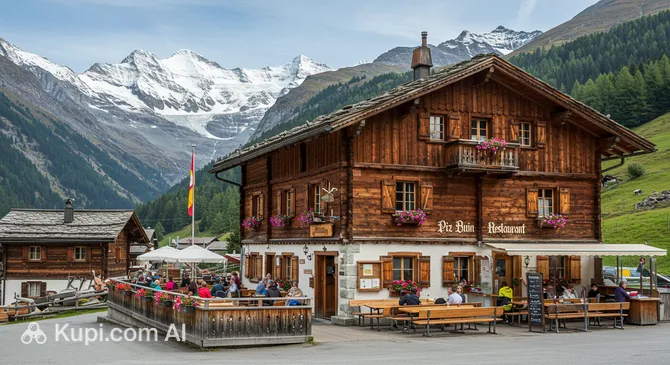
Piz Buin Restaurant. Illustration.
Source: Kupi.com AI

Traveler photos:

How to Get There

A journey to the Alps always begins with choosing the optimal route. Klosters, located in the picturesque canton of Graubünden, boasts excellent transport accessibility despite its high-altitude location. To plan your trip in detail and choose the best option, we recommend exploring all the ways to get to the town.

Klosters itself does not have an airport, so most tourists fly into large international hubs nearby. Most often, travelers choose Zurich Airport (ZRH), located in the city of Zurich. It is the country's largest aviation hub, receiving flights from all over the world. It is located approximately 119 km from the resort, and the drive by car or transfer now takes much less time thanks to modern highways — plan for about 1.5–2 hours of travel.

An alternative option could be Friedrichshafen Airport (FDH) in the German city of Friedrichshafen. This is the closest airport to the resort, located at a distance of about 93 km. A taxi ride from here to Klosters takes about 1.5 hours. You can also consider flying into the Austrian Innsbruck Airport (INN), located in the city of Innsbruck, about 119 km from your destination.

For clarity, here is a summary of the main airports:

AirportPassenger trafficDistance
Altenrhein Airport84 10073 km
Friedrichshafen Airport339 55693 km
Innsbruck Airport862 202119 km
Zurich Airport31.2 mln119 km
Bolzano106 629119 km

The railway system in Switzerland is considered one of the best in the world, and traveling by train is a great way to reach the mountains. Since there isn't a major hub station listed directly in Klosters (though the town has its own station which is actively used), it is most convenient to orient yourself toward the region's main stations when planning long-distance routes. The main transit point for many is Zurich Hauptbahnhof (main station), located in Zurich, about 116 km from the resort. Trains depart regularly from here toward Graubünden with a transfer in Landquart.

Below is information about major railway stations through which you can plan your route:

StationPassenger trafficDistance
Zürich Hauptbahnhof154.6 mln116 km
Lugano Railway Station11.2 mln120 km
Innsbruck Railway Station14.1 mln123 km
Milano Centrale Station120 mln163 km
Porta Garibaldi Station25 mln163 km

Main Attractions

Despite its image as a quiet celebrity hideaway, Klosters offers tourists a rich program. The main points of interest here are inextricably linked to the majestic nature of the Alps, but the town also has spots for cultural and gastronomic leisure.

The heart of the resort is rightfully considered mount Gotschna. The famous cable car, located right by the railway station, will whisk you from the village center to the summit in a matter of minutes, granting access to the legendary Parsenn ski area. This place is a must-visit at any time of year: in winter for the exciting ski runs, and in summer for the panoramic hiking trails with stunning views of the Prättigau valley.

For travelers with children, Madrisa will be a real discovery. This mountain, located on the sunny side of the valley, is famous for its adventure park, "Madrisa Land." Ideal conditions for family holidays have been created here: from safe ski zones for beginners in winter to exciting playgrounds and themed trails in the summer season, immersing guests in the world of Alpine legends and fairy tales.

History buffs and fans of authentic architecture should visit the local history museum, Nutli Hüschi. This unique wooden house, built back in 1565, is a wonderful example of the traditional Walser style. Inside, the life of past centuries has been carefully recreated, allowing tourists to see how locals lived in harsh mountain conditions hundreds of years ago and soak in the spirit of antiquity.

After an active day in the fresh air, it's pleasant to relax in a cozy setting. One of the resort's gastronomic attractions is the Piz Buin Restaurant. The establishment is named after the highest peak of the Silvretta massif and is famous for its hospitality. Here you can enjoy exquisite dishes and regain your strength while immersing yourself in the atmosphere of Alpine comfort.

Local Cuisine

The gastronomic scene in Klosters can surprise even the most discerning travelers. This resort is rightfully considered a paradise for gourmets, boasting an incredibly high concentration of Gault-Millau guide points per capita. Cozy village taverns preserving centuries-old traditions harmoniously coexist here with fine-dining restaurants where chefs turn food into art.

The basis of the local menu is hearty Alpine classics, perfect for regaining strength after a day in the mountains. Of course, no trip would be complete without the famous Swiss fondue and raclette, prepared here from selected local cheeses. However, the true hallmark of the region is the cuisine of the Graubünden canton. Be sure to try capuns — appetizing dough rolls with dried meat wrapped in chard leaves, and pizokel — a special type of local pasta. For dessert, order a nusstorte — a traditional shortcrust pastry pie with a thick nut-and-caramel filling.

It is customary to accompany a meal in Klosters with locally produced drinks. The region is famous for its wines, especially the Pinot Noir reds from the nearby Bündner Herrschaft wine region. Those who prefer non-alcoholic drinks will enjoy the refreshing milk serum "Rivella" or fragrant herbal teas gathered from ecologically clean Alpine meadows.

The dining culture here is very diverse: from a quick snack on a sunny mountain chalet terrace to a long candlelit dinner. In total, there are about 140 establishments to suit any taste in Klosters and neighboring Davos. Many restaurants focus on seasonality, using the freshest farm products. A great place to get acquainted with the resort's culinary traditions is the Piz Buin Restaurant, which offers guests a cozy atmosphere and a rich menu.

Travel Tips

Klosters is a place where Alpine traditions meet the highest level of service, but even here, there are nuances worth knowing in advance. To ensure your trip goes as smoothly as possible, we have prepared a list of useful recommendations for planning your visit.

  1. Clothing and Gear. Mountain weather is changeable, so the main principle here is layering. Even in summer, evenings can be cool, so a light down jacket or fleece sweater won't go to waste. Be sure to bring comfortable shoes with lug soles for walking on uneven terrain. Don't forget sunglasses and high-SPF sunscreen: the mountain sun is very active even in cloudy weather. For electrical appliances, you may need an adapter (Swiss Type J sockets differ from standard European ones).

  2. Transport and Getting Around. Renting a car in Klosters is not at all necessary. Public transport here works like clockwork. Furthermore, every tourist staying in a hotel or apartment is issued a Davos Klosters Premium Card. It entitles you to free travel on local buses and trains (between Klosters and Davos), as well as discounts on lifts in the summer. Taxis here are expensive, so buses and trains are the best choice.

  3. Finance and Payment. The local currency is the Swiss franc (CHF). Although Euros may be accepted in many tourist spots, change will be given in Francs and at an unfavorable exchange rate. Bank cards are accepted almost everywhere, but it's still worth having some cash for payments in small mountain huts or souvenir shops. Switzerland is a country with a high standard of living, so plan your budget with a cushion. Tips are usually already included in the bill, but rounding up the amount is considered good manners.

  4. Health and Safety. Klosters is a very safe place where you can walk peacefully at any time of day. Tap water here is incredibly pure and can be drunk directly from the faucet. Pharmacies (Apotheke) operate on a standard schedule, and duty pharmacies can be found via signs. If you plan active mountain recreation, be sure to get insurance that covers winter sports or trekking, as medical services and helicopter evacuation are very expensive.

  5. Communication and Internet. The main language of the canton is German, though locals speak a specific Swiss dialect. However, hotel, restaurant, and shop staff speak excellent English. Be careful with mobile communication: Switzerland is not in the EU, so European roaming rates often do not apply here. It's more profitable to buy a local SIM card or eSIM for data. Free Wi-Fi is available in most hotels and cafes.

  6. Local Etiquette. The Swiss value politeness and personal space. When entering a shop or restaurant, it is customary to say hello: the universal greeting is "Grüezi." Try not to make noise in public places, especially in the evenings and on Sundays. Punctuality here is not just a word, but a way of life, so it's best to arrive on time for excursions or meetings.

  7. What to Avoid. Don't plan any serious shopping for Sunday — almost all shops are closed on this day, except for small stalls at train stations and gas stations. Also, avoid loud phone conversations on public transport ("quiet cars" on trains are marked with special signs) and never throw trash anywhere but in a bin — substantial fines are provided for this.

  8. Important Life Hack. If you plan to go up into the mountains, download the MeteoSwiss app. Weather in the valley and on the peaks can differ drastically, and this app provides the most accurate local forecast and wind warnings, which is important for lift operations.

Following these simple rules will help you quickly feel at home in Klosters and focus on the main thing — enjoying the magnificent Alpine landscapes and your vacation.

Entertainment & Nightlife

The nightlife in Klosters, unlike that of its noisy neighbor Davos, is famous for its understated elegance and cozy "Alpine chic" atmosphere. You won't find neon signs on every corner or 24-hour raves here; instead, the resort offers sophisticated après-ski relaxation, live music in piano bars, and gastronomic evenings. The main action kicks off towards evening in the Klosters Platz station area and along the main street, Bahnhofstrasse.

The legendary Casa Antica club is considered a cult spot for evening leisure. This establishment is a true icon of the resort's nightlife, located in a converted village barn. There are several floors: from a cozy bar with a fireplace for quiet conversations to a dance floor where the fun continues until morning. The crowd here is respectable, and celebrities can often be spotted, so there is an unwritten but strict door policy and a smart casual dress code.

Piz Buin Restaurant. Illustration.
Source: Kupi.com AI

Traveler photos:

For those who prefer to start the evening with an exquisite dinner and a glass of wine, the Piz Buin Restaurant is an excellent choice. This establishment perfectly captures the spirit of the resort: a combination of traditional hospitality and high service standards. After dinner, many guests move to hotel bars, such as the famous bar at the Hotel Chesa Grischuna, which is renowned for its piano music and the historical atmosphere once loved by Hollywood stars of the last century.

If you crave louder parties and large-scale clubs, remember that Klosters and Davos form a single resort zone. Just 15–20 minutes by taxi or train, and you'll find yourself in the heart of Davos's nightlife, where the choice of discos and casinos is much wider. However, most Klosters guests appreciate its intimacy, preferring to end the day at Gaudy’s Graströchni at the base of the Gotschna lift — a classic spot for noisy and cheerful après-ski right after skiing.

Practical Tips:
The nightlife here is safe, and you can walk the streets peacefully at any time. However, keep in mind that prices for alcohol and club entry are higher than the European average. Taxis at night are the most reliable way to get around, but it is not a cheap pleasure. If you plan a trip to Davos, check the schedule for the last trains in advance (they usually run until midnight); otherwise, you'll have to spend a substantial amount on a car ride back.

During the day, besides skiing and hiking, Klosters offers cultural leisure too. You can visit local art galleries, go to the cinema, or spend time at the sports center with its pool and tennis courts. For family vacations, horse-drawn sleigh rides through snow-covered valleys are ideal — an activity available both during the day and in the early evening by torchlight.

Parks & Museums

The cultural and natural landscape of Klosters is not limited to ski slopes alone; this Alpine corner offers guests a harmonious blend of well-kept green areas and guardians of local history. Here, nature flows seamlessly into architecture, and museums serve not just as exhibition halls, but as living witnesses to the traditional way of life in the Prättigau valley.

One of the main natural gems within the town limits is the Doggilochsee recreation area. This picturesque forest lake, transformed into a cozy park, becomes a center of attraction in the summer months. It features a beach, barbecue areas, and walking trails surrounded by thick coniferous forest. For tourists, it is an ideal place to enjoy silence and crystal-clear air without straying far from civilization.

For those seeking a larger-scale communion with nature, a visit to the Vereina Valley (Vereinatal) is a must. Although it is more of a nature reserve than an urban park, it plays the role of the region's main "green corridor." The valley is famous for its untouched landscapes, rushing mountain streams, and waterfalls. A walk here allows you to see the Alps as they were centuries ago, far from lifts and runs.

Culturally, the Nutli Hüschi museum remains the undisputed landmark. It is not just a building, but a carefully preserved example of 16th-century wooden architecture. The museum's exhibition immerses visitors in the life of the Walser people: you can see antique furniture, handmade tools, and household items. Tourists find this place interesting for its "frozen in time" atmosphere, which helps one understand how the harsh mountain conditions shaped the character and daily lives of the locals.

Another important point on the cultural map is the Kulturschuppen. This arts center, located in a converted old barn, serves as the main stage for exhibitions, theater productions, and film screenings. It is the heart of Klosters' modern cultural life, where traditions meet contemporary art, making it attractive for those who want to see the creative side of the resort.

Insider Tip: If you want to see the most photogenic and authentic part of the surroundings, take a walk to the hamlet of Monbiel, located at the very end of the valley. This is the end of the road, where the pavement stops and the majestic Silvretta mountain range begins — a place of incredible energy and peace that not all tourists know about.

Getting Around

The transport system in Klosters is exceptionally efficient and punctual, allowing tourists to comfortably manage without a rental car. The core of local travel is the famous Rhaetian Railway (RhB) with its recognizable red trains. There are two stations within the village: Klosters Platz (the main one, near the Gotschna lift) and Klosters Dorf (closer to the Madrisa mountain). Trains run at short intervals, connecting the resort with neighboring Davos and the Landquart transfer hub.

The railway service is harmoniously supplemented by a network of local buses. Yellow buses run along several routes, connecting residential areas with the railway stations and the lower stations of the cable cars. This is the most convenient way to reach remote, picturesque corners such as the Monbiel valley or the village of Serneus. In the winter season, additional ski buses are launched, specially equipped for transporting ski gear.

To pay for travel and plan routes, tourists are strongly recommended to install the SBB Mobile app. It allows you to plan "door-to-door" routes and buy tickets in a couple of clicks. Ticket machines are also available at all railway stations (accepting cards and cash). Important: train tickets usually do not need to be validated (if a specific time and date are indicated on them), but inspectors check them regularly. Fines for fare evasion are very substantial.

The main "life hack" for resort guests is the Davos Klosters Premium Card. It is issued free of charge to all tourists staying in hotels or apartments for at least one night. This card entitles you to free travel on local buses and Rhaetian Railway trains on the section between Klosters, Davos, and Filisur. Always carry it with you (in paper or electronic form) along with your passport to present upon request.

An important part of the transport infrastructure includes cable cars and funiculars, such as the Gotschnabahn and Madrisabahn. Although they are perceived as an attraction or a way to get skiers to the slopes, for many mountain restaurants, they are the only form of "transport." Note: lift rides are usually not included in the basic transport ticket and require separate payment or a ski pass (in summer, discounts apply with the Premium Card).

As an alternative to public transport, you can use a taxi; however, prices here are among the highest in Europe, and apps like Uber may not work or may offer a very limited selection of cars. Taxi stands are located at the Klosters Platz station. In summer, e-bikes become a popular means of transport, with rental points found at railway stations and sports shops.

Accommodation

Accommodation options in Klosters perfectly match its image as a respectable and cozy resort. You won't find huge, impersonal hotel complexes here; the core of the housing stock consists of traditional chalets, boutique hotels, and family-run guesthouses that carefully preserve the Alpine village atmosphere. The range of offers varies from luxury five-star hotels where members of royal families stay, to cozy apartments and high-quality mid-range hotels (3–4 stars). There are few budget hostels here, as the resort caters to a more affluent audience.

When choosing a location, it is important to distinguish between the two main areas, each having its own advantages. Klosters Platz is the beating heart of the resort. Staying here puts you within walking distance of the railway station, the main Gotschna cable car, and the best restaurants and shops. This is the ideal choice for those who want to be in the center of the action and not waste time traveling to the lifts.

The second popular area is Klosters Dorf. It is located a bit further down the valley and is characterized by a quieter, more village-like atmosphere. This location is often chosen by families with children, as it is convenient for getting to the sunny Madrisa mountain with its children's adventure parks. Accommodation prices in Dorf can be slightly more democratic than in Platz, and a regular bus service makes it easy to move between the areas.

Apartments and chalets available for rent make up a significant portion of the market. This is a very popular vacation format in Switzerland, especially for large groups or long stays. Many chalets are built in the classic "Graubünden" style — using dark wood and stone, which creates an incredibly cozy environment, especially on winter evenings by the fireplace.

Booking Tip: Klosters is a resort with a high rate of returning guests, many of whom book the same rooms year after year. Therefore, if you plan a trip during peak dates (Christmas, New Year, or February school holidays), you should secure accommodation 6–8 months in advance. In the summer season (July-August), demand is also high, but finding available options is easier.

The price range of the resort can be described as above average and high. Even modest-looking guesthouses offer impeccable service and cleanliness, which is reflected in the cost. It is most convenient to book accommodation through major international online platforms or directly on hotel websites. It is also worth checking with the local tourist office: sometimes they offer exclusive accommodation options in private apartments that are not available in general searches.

Nearby Cities

For those who want to explore the surroundings, Klosters serves as an excellent starting point for day trips to several interesting nearby locations:

CityPopulationDistance
Davos10 8628 km
Arosa3 00018 km
Landquart8 84927 km
Chur35 03827 km
Lenzerheide3 00030 km

Among these destinations, Chur deserves special attention — it is the oldest city in Switzerland and the capital of the Graubünden canton. Located just half an hour away, it charms with its beautifully preserved historic center, which is completely car-free. Here you can stroll through winding streets, visit the Bishop's Palace, and enjoy shopping in numerous boutiques.

For history and culture lovers, a trip to St. Gallen is an ideal option. The city's main gem is the Abbey complex with its unique library, which is a UNESCO World Heritage site. This place is striking for its Baroque architecture and its vast collection of ancient manuscripts.

The town of Buchs is also interesting, often called the gateway to Liechtenstein. Thanks to its border location, it allows tourists to visit not only another Swiss town but also the neighboring principality in one day, by taking a walk to Vaduz, which is located very close by.

These nearby destinations provide an insight into the diverse culture and landscapes of the region.

Shopping & Souvenirs

Shopping in the town of Klosters is not a marathon through huge malls, but rather a pleasant addition to an "Alpine chic" style vacation. Since the resort is located in Switzerland, the storefronts here offer goods of the highest quality: from exclusive clothing and jewelry to top-notch winter sports equipment. The atmosphere in local boutiques is calm and steady, without the bustle typical of megacities.

The shopping life of the resort is concentrated mainly in the Klosters Platz area. The main artery for shopping walks is considered to be Bahnhofstrasse and the adjacent Landstrasse. It is here, within walking distance of the railway station, that the best boutiques, home decor shops, and sports salons are located, where you can not only buy but also rent the latest ski models. A stroll along these streets also provides aesthetic pleasure thanks to the beautiful architecture of the buildings.

There are no large malls in Klosters itself, which is quite typical for a traditional Alpine village. For large-scale shopping, tourists usually head to the neighboring town of Landquart (about 25 minutes by train), where the famous open-air designer outlet, Landquart Fashion Outlet, is located. It features more than 160 international brands with discounts, making it a popular spot for guests of the Graubünden region.

Gastronomic souvenirs are something you should definitely bring back from your trip. In local farm shops and bakeries, you can find the famous Bündner Nusstorte — a hearty pie with caramelized walnuts that travels well. Also, look out for Bündnerfleisch — top-quality air-dried beef. Among non-food items, Swiss army knives, watches, and ceramics with traditional patterns are popular.

Shops usually operate Monday to Friday from 08:30 or 09:00 to 18:30. It is important to remember that many small shops close for a lunch break from 12:00 to 14:00. On Saturday, the working day is shortened to 16:00 or 17:00, and Sunday is an official day off when almost everything is closed except for shops at gas stations and the train station. Credit cards are accepted everywhere, but for small purchases, it's better to have some cash in Swiss francs.

The Tax Free system is available for tourists living outside the EU. If you make a purchase in one store for an amount over 300 Swiss francs (including VAT), you are entitled to a tax refund. Be sure to ask the seller to issue a special form and present it along with your passport and purchases at customs when leaving the country.

Reached the end of the page?

That means the route is fully explored