Support

St Anton am Arlberg

About

St. Anton am Arlberg is a true gem of the Austrian Alps, cozily nestled at an altitude of 1,284 meters in the heart of Tyrol. This charming town, with a population of about 2,500 people, is located at the western foot of the famous Arlberg Pass, on the border between Tyrol and Vorarlberg. Surrounded by majestic mountains and dense forests, St. Anton is famous for its crystal-clear air and breathtaking panoramas.
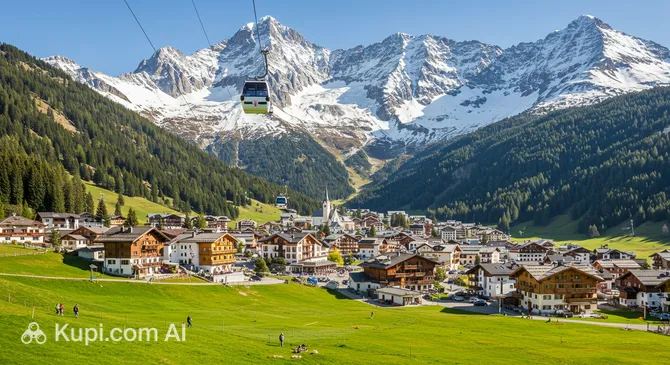
St. Anton am Arlberg. Illustration.
Source: Kupi.com AI

Despite its modest size, St. Anton am Arlberg holds immense significance for tourism. It is not just a resort, but a cult destination for fans of active recreation and winter sports. It is rightfully called the cradle of alpine skiing for good reason. The Arlberg region, with St. Anton at its center, unites a whole network of famous resorts with a total trail length reaching about 500 kilometers, offering endless possibilities for skiing and snowboarding.

The atmosphere in St. Anton is a unique blend of Alpine coziness, traditional hospitality, and a spirit of sporting adventure. In winter, skiers and snowboarders from all over the world flock here to conquer the legendary slopes. In summer, the town transforms, attracting hiking enthusiasts to its picturesque trails, mountain bikers, and those simply seeking peace among blooming alpine meadows and fresh mountain air.

St. Anton am Arlberg is a place where everyone—from beginners to professionals, from adventure seekers to those who appreciate a quiet getaway—will find something to their liking and take home unforgettable memories. Come and see for yourself!

You can find more interesting facts on the history page of St. Anton am Arlberg
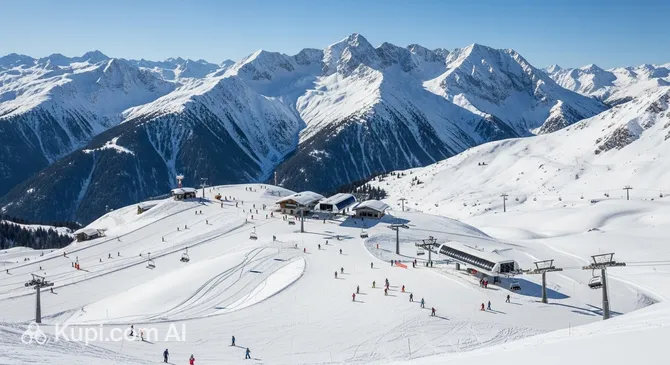
Weather Overview

In St. Anton am Arlberg, the climate is typically alpine with clearly defined seasons. Expect cool summers, with average temperatures in July and August around +12°C (with highs up to +17°C), and frequent but not overly heavy precipitation (around 7 mm per month, though May and June can have more than 20 rainy days). Winters here are cold and snowy: the average January temperature stays at -6.6°C (minimums can drop to -10.5°C), and regular snowfall (around 5 mm of precipitation per month, but with 15-17 precipitation days) creates excellent conditions for winter sports. The coldest months are December and January, while the warmest yet still fresh months are July and August. For more detailed information on weather conditions, visit the Climate of St. Anton am Arlberg page.

Average monthly temperature

Average monthly precipitation

Interesting Facts

St. Anton am Arlberg, known for its magnificent ski slopes, hides many interesting stories and features that not everyone knows about. Are you ready to see this Alpine resort from a new perspective?

Ski Arlberg (St. Anton, St. Christoph, Stuben). Illustration.
Source: Kupi.com AI

Traveler photos:

  • The Cradle of Skiing: St. Anton am Arlberg is rightfully considered the birthplace of modern alpine skiing. Some of the world's first ski schools were founded here in the early 20th century, and the resort is often called the "Mecca of skiers." In the local museum, you can learn in detail about the evolution of skis and skiing techniques.

  • The Heart of a Massive Ski Region: The town is a key part of the famous Arlberg ski region. This region includes the vast Ski Arlberg (St. Anton, St. Christoph, Stuben) area, which connects several resorts and offers one of the largest and most diverse networks of runs in the world, suitable for skiers and snowboarders of all levels.

  • The Legendary Karl Schranz Run: One of the most famous and challenging runs in St. Anton is named after Karl Schranz, the legendary Austrian alpine skier who was born in this very town. This high-speed descent is a true test for even experienced athletes and is one of the resort's hallmarks.

  • Summer Alpine Adventures: When the snow melts, St. Anton am Arlberg transforms into a true paradise for hikers and active summer holiday enthusiasts. There are over 400 kilometers of marked hiking trails leading through picturesque alpine meadows, dense forests, and to crystal-clear mountain lakes, while numerous mountain huts offer rest and traditional treats.

How to Get There

When planning a trip to Austria, it is important to think through your logistics in advance, as a comfortable journey is the key to a great start to your vacation. St. Anton am Arlberg boasts an excellent location and good transport accessibility. You can study all ways to get to the town in detail on a separate page, but here we will focus on the key transport hubs most frequently used by tourists.

For those choosing to fly, the closest and most convenient option is Innsbruck Airport (IATA: INN). It is located just 83 km from the resort and handles many seasonal flights, especially in winter. Due to its proximity to the mountains, a transfer by car or taxi from here takes only about 1 hour, making this airport an ideal choice for saving time.

If you are arriving on an international flight from further away, Zurich Airport (IATA: ZRH) is often the optimal solution. It is a major international hub in Switzerland, receiving flights from all over the world. Although it is about 134 km away, the journey to St. Anton am Arlberg by car takes approximately 2.5 hours. Zurich Airport also has its own direct train station, allowing for a convenient transfer to the rail network.

Below is information on the nearest airports to help with your planning:

AirportPassenger trafficDistance
Altenrhein Airport84 10066 km
Innsbruck Airport862 20283 km
Friedrichshafen Airport339 55683 km
Memmingen Allgäu Airport3.2 mln95 km
Bolzano106 629110 km

Rail travel is another popular and scenic way to reach the region, as the train station is located right in the center of St. Anton. An important transfer hub is Innsbruck Station. Trains arrive here from many European capitals. The train journey from Innsbruck to the resort takes just over an hour, and the route passes through beautiful alpine valleys.

Another significant point for travelers is Zurich Hauptbahnhof (Zurich Central Station). Direct trains depart from here towards Austria. The rail journey from Zurich to St. Anton takes about 2 hours 20 minutes to 2 hours 40 minutes and is considered one of the most beautiful rail routes thanks to the views of the Arlberg Pass.

List of major railway stations in the region for reference:

StationPassenger trafficDistance
Innsbruck Railway Station14.1 mln87 km
Zürich Hauptbahnhof154.6 mln134 km
Augsburg Hauptbahnhof18.3 mln145 km
Munich Hauptbahnhof164.3 mln148 km
Lugano Railway Station11.2 mln161 km

Main Attractions

St. Anton am Arlberg, a jewel of the Austrian Alps, is famous not only for its world-class ski slopes but also for its cozy alpine atmosphere and variety of après-ski entertainment. The town offers many interesting places to satisfy the tastes of a wide range of travelers, from adventure seekers on snowy peaks to connoisseurs of fine cuisine and nightlife.

Ski Arlberg (St. Anton, St. Christoph, Stuben). Illustration.
Source: Kupi.com AI

Traveler photos:

The main gem of the region is undoubtedly Ski Arlberg (St. Anton, St. Christoph, Stuben). This is one of the largest and most prestigious ski areas in the world, connecting several resorts and offering over 300 kilometers of groomed runs and about 200 kilometers of off-piste routes. Here, both beginners and experienced skiers and snowboarders will find something to enjoy. Magnificent scenery, modern infrastructure, and high snow quality make this place truly unforgettable for winter sports enthusiasts.

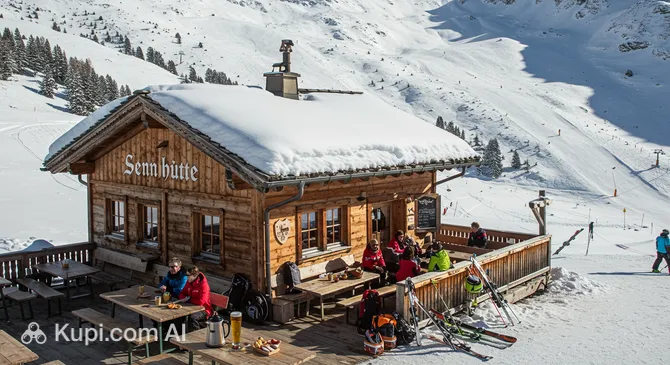
Sennhütte. Illustration.
Source: Kupi.com AI

Traveler photos:

Among the many mountain restaurants and huts, Sennhütte stands out in particular. This is not just a place to grab a bite, but a true symbol of Arlberg hospitality. Located right on the slope, this cozy hut attracts guests with its authentic atmosphere, traditional Tyrolean cuisine, and live music. After an active day on the skis, it’s a pleasure to relax here, enjoying the sun on the terrace and admiring the spectacular mountain views.

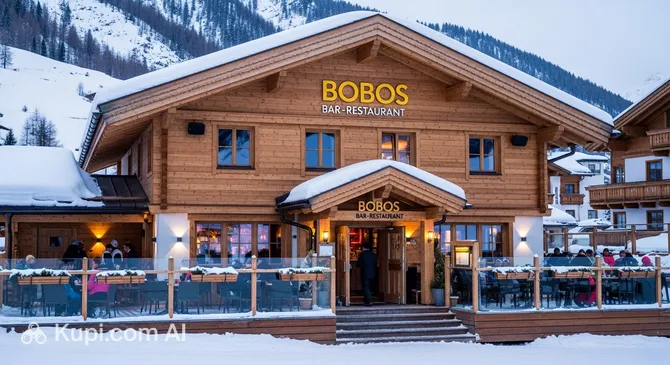
Bobos Bar-Restaurant. Illustration.
Source: Kupi.com AI

Traveler photos:

For those looking for a lively après-ski atmosphere and delicious food, Bobo's Bar-Restaurant is an excellent choice. This popular spot is famous for its high-energy parties, a diverse menu including both local and international dishes, and a wide selection of drinks. Bobo's is the perfect place to share your skiing impressions with friends and continue the evening in good company.

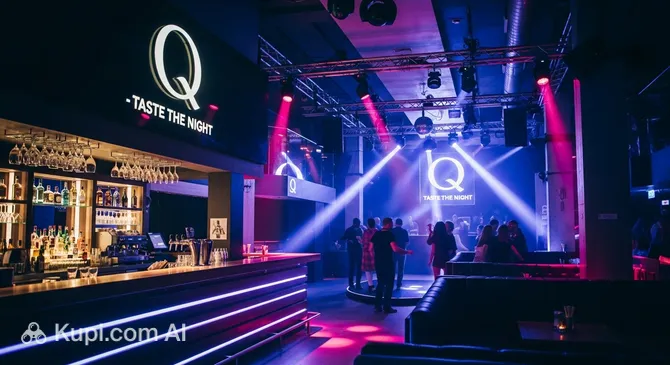
Q - Taste The Night. Illustration.
Source: Kupi.com AI

Traveler photos:

Nightlife lovers and those who want to dance until dawn will enjoy Q – The Taste of Night. This is one of the trendiest venues in St. Anton am Arlberg, featuring famous DJs and an atmosphere filled with energy and fun. Its stylish interior and high-quality sound make it a popular spot for those wanting to keep the party going after the sun sets.

Local Cuisine

The local cuisine of St. Anton am Arlberg is a true gastronomic journey into the heart of Tyrol, where Alpine culinary traditions are combined with hearty portions and the aroma of fresh products. The town's gastro scene invites you to enjoy simple yet incredibly delicious dishes prepared from local ingredients. The menu is based on beef and pork dishes, fresh bread, aromatic cheeses, and, of course, the famous Tyrolean sausages.

Among the dishes you should definitely try in St. Anton am Arlberg are several specialties. Käsespätzle are mouth-watering cheese noodles or fried cheese with a crispy crust, often served with potatoes or fresh bread. Another iconic dish is Gröstl, a hearty potato, meat, and onion fry-up, perfect for restoring energy after an active day in the mountains. You shouldn't miss out on Tyrolean Spätzle—homemade pasta with cheese and fried onions—or the thick and warming meat and vegetable soup known as Grossglockner soup.

For dessert, fresh berry pies and, of course, the classic Austrian apple strudel await you. For drinks, be sure to try Tyrolean schnapps and homemade herb and berry liqueurs. The local beer is also noteworthy, and in winter, hot Glühwein (mulled wine) is particularly popular to warm you up after a frosty day. For non-alcoholic refreshment, there is always a selection of juices and herbal teas.

The food culture in St. Anton am Arlberg is diverse. Locals and tourists love to have lunch in cozy mountain huts (Almhütten), where traditional dishes are served in an authentic atmosphere. Numerous restaurants offer both classic Tyrolean cuisine and more refined options. For example, you can stop by Galzig Bistrobar to sample local flavors. Street food is represented by hearty smoked ham sandwiches, homemade sausages, and fresh pastries. In summer, farmers' markets offer local cheeses, honey, fresh berries, and homemade sausages, allowing for a deeper acquaintance with regional products.

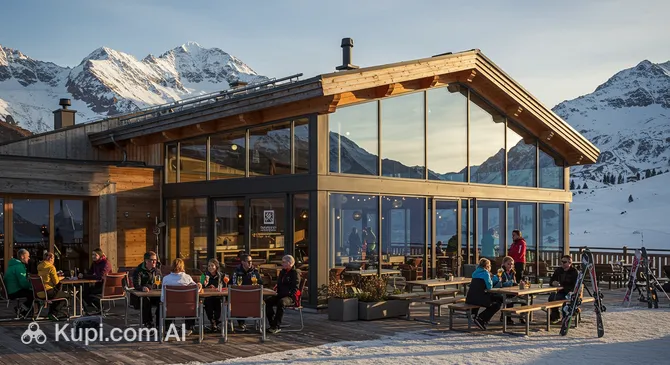
Galzig Bistrobar. Illustration.
Source: Kupi.com AI

Traveler photos:

The gastronomic features of St. Anton am Arlberg attract tourists with their authenticity and quality. Here, you can not only enjoy delicious food but also immerse yourself in the atmosphere of Tyrolean hospitality. The town regularly hosts food festivals where you can learn about local culinary traditions, participate in tastings, and join workshops by local chefs, making the culinary experience even more vivid and memorable.

Travel Tips

Welcome to St. Anton am Arlberg, the jewel of the Austrian Alps! To make your trip to this famous ski resort and picturesque alpine town as comfortable and memorable as possible, we have prepared some practical tips.

  1. Clothing and Essentials:

    St. Anton am Arlberg is a high-altitude resort, so choosing the right clothes is key. In winter, be sure to bring warm layered clothing: thermal underwear, fleece, waterproof and windproof outerwear, a hat, gloves, and a scarf. For skiing, bring appropriate gear. In summer, the mountain weather is changeable, so layering is also relevant; don't forget comfortable trekking shoes for hiking. Sunscreen with high SPF, sunglasses, and lip balm are necessary year-round due to the high-altitude sun. Bring a European adapter (type F) for electrical appliances.

  2. Getting Around Town:

    The center of St. Anton am Arlberg is quite compact, and many parts are pedestrianized, making walking very pleasant. To get around the resort and to the lifts, there is an excellent local bus system, which is often free for guest card or ski pass holders. Taxis are available but can be expensive. Renting a car is not a necessity, especially in winter when parking is limited and roads can be difficult. If you plan to explore the surroundings in summer, a car might be useful, but ensure it is prepared for mountain roads.

  3. Finances:

    The official currency in Austria is the Euro (EUR). Credit and debit cards are widely accepted in hotels, restaurants, and shops. However, it is recommended to have some cash on hand for small purchases, especially in mountain huts or at markets. ATMs (Bankomat) are easy to find. International cards usually work without problems, but it’s best to notify your bank about your trip in advance. St. Anton is a prestigious resort, so plan your budget accordingly. Tips in restaurants are about 5-10% of the bill and are a sign of gratitude for good service.

  4. Health and Safety:

    There are pharmacies (Apotheke) in St. Anton am Arlberg. Medical care is available to tourists, including doctors specializing in sports injuries. Be sure to get travel insurance that covers winter sports if you plan to ski or snowboard. The town is generally very safe. Observe standard precautions: keep an eye on your belongings, especially in crowded places and on the slopes. When skiing off-piste or hiking in the mountains, always assess weather conditions and avalanche risks; if unsure, use the services of a guide.

  5. Communication:

    The official language is German. However, in the tourism sector, hotels, restaurants, and ski schools, English is widely spoken. Learning a few basic phrases in German will be useful and appreciated by locals: "Hallo" (Hello), "Grüß Gott" (traditional Austrian greeting), "Danke" (Thank you), "Bitte" (Please/You're welcome). SIM cards can be purchased at mobile phone shops or post offices. Wi-Fi is available in most hotels, cafes, and even at some lift stations.

  6. Local Etiquette:

    Austrians value politeness and punctuality. When entering a shop or a small establishment, it is customary to say hello ("Grüß Gott" or "Hallo"). In public places, try not to be excessively noisy. When using lifts, respect the queue. A respectful attitude towards nature and cleanliness is taken for granted.

  7. What to Avoid:

    It is strictly not recommended to ski or snowboard off-piste without proper training, equipment, and an experienced guide—this can be life-threatening. Also, avoid excessively loud behavior in public places, especially in the evening and at night, so as not to disturb other people's rest.

  8. Additional Tip:

    Be sure to ask about the St. Anton Summer Card or Winter Card, which is often provided when checking into a hotel or apartment. It entitles you to free or discounted use of cable cars, buses, swimming pools, and participation in various activities. This is an excellent way to save money and get more out of your vacation.

We hope these tips help you better prepare for your trip and get the most out of your stay in St. Anton am Arlberg, enjoying its magnificent slopes, spectacular views, and hospitable atmosphere!

Entertainment & Nightlife

St. Anton am Arlberg is famous not only for its magnificent ski slopes but also for its vibrant nightlife, especially during the winter season. The atmosphere here is lively and international, with the famous "après-ski" concept seamlessly transitioning into evening and nighttime entertainment. The main concentration of bars, restaurants, and clubs is along the main pedestrian street, Dorfstraße, and its surrounding areas, making it easy to move between venues.

The evening usually begins in the numerous après-ski bars right at the foot of the slopes, where music starts pumping as early as midday. Towards the night, the crowd moves into the clubs and bars in the village center. The dress code in most places is quite relaxed—ski gear during the day and smart casual in the evening is common. Many establishments stay open late into the night, and some clubs keep going until dawn.

Among the popular spots for evening relaxation, Bobo's Bar-Restaurant stands out. This venue is known for its lively atmosphere, good music, and variety of drinks, making it a great place to start your evening or continue it with friends. Another place to enjoy your time and grab a snack before your nocturnal adventures is Galzig Bistrobar, which offers a cozy setting.

For those looking to dance until sunrise, the nightclub Q – The Taste of Night opens its doors. DJs often perform here, and the energy of the dance floor stays high all night long. It is recommended to arrive at the clubs closer to midnight when they start to fill up. Prices at these venues reflect the status of a popular ski resort.

Practical tips: Plan your evening in advance, especially during peak season, as popular spots can get very crowded. Navigating the center of St. Anton at night is easy on foot. For longer trips, taxi services are available. The resort is generally considered very safe, though standard precautions are always appropriate.

While nightlife is a signature feature of St. Anton, there is also plenty to do during the day besides skiing. You can visit local museums to learn more about the region's history and ski sports, or enjoy a relaxing break at one of the spa centers. For those who love being active, picturesque hiking trails are always accessible.

Parks & Museums

St. Anton am Arlberg, famous for its world-class ski slopes, offers guests not only winter fun but also the chance to enjoy magnificent alpine landscapes in summer, as well as get acquainted with the region's rich culture and history through its museums and landmarks.

Speaking of parks and green zones, the Arlberg region itself is essentially a massive natural park. In summer, when the snow leaves the mountains, countless hiking trails open up among blooming alpine meadows. The vast territory of Ski Arlberg (St. Anton, St. Christoph, Stuben), known to skiers in winter, turns into a paradise for hikers and nature lovers in summer. Another wonderful place for outdoor recreation is the Verwalltal valley, located near the resort center. Here you can walk along the Rosanna River, relax by a picturesque lake, and enjoy the silence of the alpine forests.

A key cultural site in St. Anton is the Museum St. Anton am Arlberg. It is housed in the beautiful old Trier-Villa and offers a fascinating immersion into the history of alpine skiing, as Arlberg is considered one of the birthplaces of the sport. The exhibition also tells the story of the resort's development, local culture, and traditions. It is a great place to learn about the pioneers of skiing and how a small alpine village became a world-famous resort.

While St. Anton does not have a large number of classical museums or art galleries, its cultural heritage is reflected in its architecture. A walk through the village center allows you to appreciate traditional Tyrolean houses with their characteristic wooden balconies and painted facades. Pay attention to the St. Anthony Parish Church—a significant historical and spiritual center for the settlement. A modern contrast is the Arlberg WellCom building—a congress center and wellness complex that occasionally hosts exhibitions and cultural events.

For a more authentic experience, try venturing off the main tourist paths. For instance, explore the lesser-known hiking trails leading to secluded mountain huts, which offer spectacular panoramic views of the surrounding peaks. This will allow you to more deeply feel the atmosphere and beauty of the Tyrolean Alps.

Getting Around

Public transport in St. Anton am Arlberg is well-organized and primarily geared towards tourists, especially during the winter ski season. The core of the transport system consists of buses, including special ski buses (Skibus). These buses regularly run between various parts of the resort, hotels, apartments, and lift stations, providing convenient access to the ski slopes and other infrastructure.

The fare payment system is quite simple. In many cases, a valid ski pass (lift pass) grants the right to free travel on local ski buses within a certain zone. If you don't have a ski pass or are traveling outside the main season, you can purchase single tickets or day passes. Tickets can usually be bought directly from the bus driver, at the tourist information center, or at the lift ticket offices. It is best to check on-site for the latest information on costs and ticket types, as they can change.

Tourists should pay attention to the bus schedules, which are often synchronized with lift operating hours. Timetable boards are usually located at bus stops, in hotels, and at the St. Anton am Arlberg tourist office. During high season, buses run quite frequently. Special validation of tickets bought from the driver is usually not required, and a ski pass is simply presented upon boarding.

In addition to buses, taxi services are always available in St. Anton am Arlberg, which can be a convenient option for nighttime trips or when traveling with a lot of luggage. During the summer, when the resort is popular with hikers and mountain bikers, bicycle rentals may be available. Some bus routes may continue to operate in summer to serve hiking trails.

A special and integral part of the St. Anton am Arlberg transport system is, of course, the cable cars and lifts. While they are primarily designed to transport skiers and snowboarders to the slopes in winter, many of them also operate in summer, taking tourists to high-altitude trails, panoramic viewpoints, and mountain restaurants. For many visitors, the cable car ride itself is an exciting experience, offering breathtaking views of the Alps.

Accommodation

St. Anton am Arlberg, as one of the world's leading ski resorts, offers a wide range of accommodation options for every taste and budget. Here you will find everything from luxurious hotels and chalets to more affordable apartments, guest houses (pensions), and even a few options for budget-conscious travelers. Many offerings are geared toward skiers and include amenities such as gear storage and proximity to the lifts.

The most popular areas to stay are those located in the immediate vicinity of the main Galzigbahn, Gampenbahn, and Rendlbahn lifts, as well as along the village's main pedestrian street. Staying here provides easy access to the slopes, restaurants, shops, and après-ski venues. Quieter options can be found on the outskirts of the village, with ski buses frequently running to the center and the lifts.

While specific hotel or resort names aren't listed here, rest assured that St. Anton features a full spectrum of options: from cozy family-run pensions to upscale spa hotels. The choice is truly vast, and everyone will be able to find something that fits their expectations and budget, whether it's a traditional alpine chalet or a modern hotel complex.

Important booking tip: St. Anton am Arlberg is extremely popular, especially during the peak winter season (December to March) and during school holidays. Therefore, it is strongly recommended to book your accommodation well in advance, ideally several months before your intended trip. This not only guarantees availability but often allows you to secure better prices.

The price range for accommodation in St. Anton varies from relatively budget-friendly options to luxury class, though prices in the high season are naturally higher. You can book accommodation through popular international online booking platforms, directly on hotel or apartment websites, or by contacting travel agencies. Many local pensions and apartment owners also offer direct bookings, which can sometimes provide a more personalized experience.

Nearby Cities

For those looking to explore the surrounding area, St. Anton am Arlberg serves as an excellent starting point for day trips to several interesting nearby locations:

CityPopulationDistance
Zurs2209 km
Ischgl1 60013 km
Oberstdorf9 70731 km
Bludenz14 95635 km
Imst10 50438 km

Among these cities, Innsbruck, Dornbirn, and Bregenz deserve special attention. Innsbruck, the capital of Tyrol, will enchant you with its imperial architecture, the famous Golden Roof, and picturesque alpine landscapes. A trip here is an immersion into the history and culture of the region. Dornbirn, the largest city in Vorarlberg, offers unique experiences such as a visit to the Rolls-Royce Museum or a cable car ride up Karren Mountain, which offers breathtaking views. Bregenz, located on the shores of Lake Constance, is famous for its summer music festival on a floating stage and the opportunity to ascend Pfänder Mountain to enjoy a panorama of the lake and the Alps.

These nearby destinations provide a great insight into the diverse culture and landscapes of the region.

Shopping & Souvenirs

Shopping in St. Anton am Arlberg primarily offers tourists high-quality sports equipment, fashionable outdoor clothing, and traditional Austrian souvenirs. Although it is a small alpine resort, you can find everything needed for a comfortable stay and pleasant keepsakes from your trip to Austria here.

The main commercial activity is concentrated along the central pedestrian street, Dorfstraße. Here you will find sports boutiques from well-known brands, shops with ski and snowboard gear, and small stores offering local delicacies and souvenirs. A walk down this street is a pleasure in itself, thanks to the picturesque views and the cozy atmosphere of an alpine village.

There are no large shopping malls in the classic sense in St. Anton am Arlberg, which fits the character of this resort town. However, many hotels and sports complexes have their own retail zones where you can purchase essentials, sports equipment, or exclusive accessories.

There are no permanent large markets in St. Anton am Arlberg. Occasionally, especially leading up to holidays or during seasonal festivals, small fairs may be organized where local craftsmen and farmers offer their products. It is worth looking out for announcements about such events during your stay.

As souvenirs from St. Anton am Arlberg, tourists often choose sheep's wool products, traditional Tyrolean hats, ceramics with alpine motifs, local schnapps or liqueurs, and various sweets. Naturally, souvenirs with resort branding—magnets, keychains, postcards, and t-shirts—are also popular.

Shops in St. Anton am Arlberg are usually open Monday through Friday from approximately 9:00-10:00 AM to 6:00-7:00 PM, with a lunch break. On Saturdays, working hours are often shortened to lunchtime or early evening. On Sundays, most shops, with the exception of some souvenir shops or grocery stores in tourist areas, are closed. Bank cards are accepted almost everywhere, but having some cash for small purchases or visits to smaller shops is a good idea.

For tourists from countries outside the European Union, there is a possibility for a Value Added Tax (Tax Free) refund on purchases over a certain amount in participating shops. Don't forget to ask the seller about Tax Free forms and keep all necessary documents to present at customs when leaving the EU.

Reached the end of the page?

That means the route is fully explored