Support

Ischgl

About

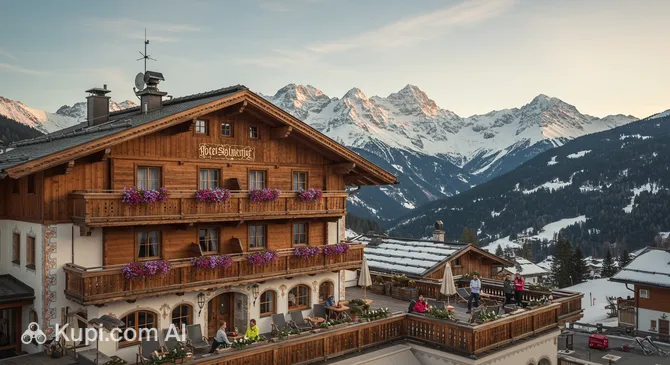
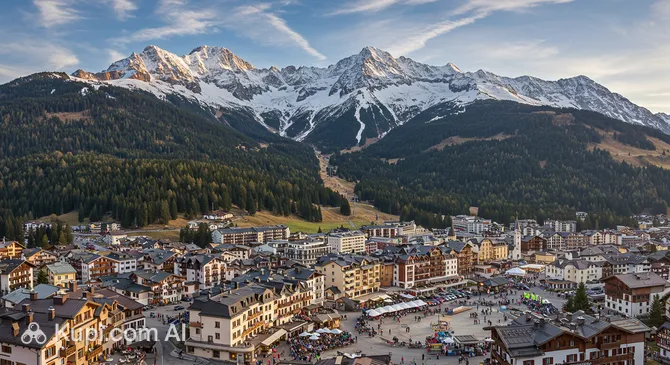
Ischgl is a true jewel of the Austrian Tyrol, nestled at an altitude of 1,377 meters above sea level, right near the Swiss border. This charming town, surrounded by the majestic Alps, attracts outdoor enthusiasts and lovers of incredible mountain scenery all year round. With a population of just over 1,600 people, Ischgl maintains the atmosphere of a traditional alpine village while offering world-class infrastructure.

Ischgl. Illustration.
Source: Kupi.com AI

Ischgl is famous as one of the most renowned ski resorts in Austria and all of Europe. In winter, it offers endless opportunities for skiing and snowboarding on the famous slopes of the Silvretta Arena, while the town comes alive with legendary après-ski parties. In summer, Ischgl transforms into a paradise for hikers, mountain bikers, and those looking to enjoy alpine meadows. The town is also known for its gastronomic delights, ranging from cozy Tyrolean taverns to fine-dining restaurants.

The atmosphere in Ischgl is a unique blend of Alpine hospitality, festive energy, and effortless luxury. Whether you are seeking active recreation, a vibrant nightlife, or a quiet getaway amidst stunning nature, Ischgl promises an unforgettable experience. This town is definitely worth a visit to feel its unique Tyrolean charm and enjoy all its wonders.

You can find more interesting facts on the Ischgl city history page.

Weather Overview

In Ischgl, the weather is typical for Alpine resorts. Expect cool summers, with average temperatures in July and August ranging from +11.6°C to +11.7°C, accompanied by frequent but usually not too heavy rain. Winters here are frosty and snowy: average temperatures in January and December drop to -7.2°C, creating excellent conditions for skiing. To learn more about seasonal changes, see the detailed climate of Ischgl.

Average monthly temperature

Average monthly precipitation

Interesting Facts

Beyond its magnificent slopes and lively après-ski atmosphere, Ischgl hides many interesting stories and surprising facts. Are you ready to see this famous resort from an unexpected side?

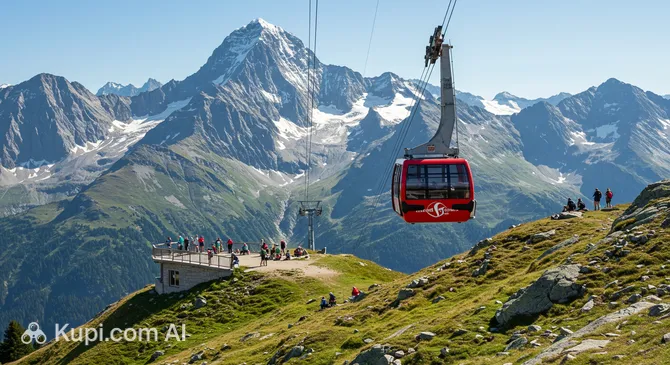
Silvrettabahn Cable Car. Illustration.
Source: Kupi.com AI

Traveler photos:

  • Historical Transformation: Ischgl was not always the center of the skiing world. The settlement was officially founded in 1804, but for over a hundred years, it remained a modest Alpine village. It wasn't until the mid-20th century, with the development of tourism, that Ischgl began its transformation into the fashionable resort we know today.

  • Record-Breaking Expanses and Guaranteed Snow: The Silvretta Arena ski area, of which Ischgl is a part, is one of the largest in the Alps, offering over 239 kilometers of groomed runs. It is also home to one of Austria's longest runs—"Eleven," stretching for 11 kilometers! To ensure the snow is always perfect, the resort operates over 1,100 snow cannons.

  • Star-Studded Concerts at the Peak: Ischgl is known not only for sporting achievements but also as the venue for the legendary "Top of the Mountain" concerts. Every year at the season opening and closing, world-class stars—from Elton John and Tina Turner to Robbie Williams and Katy Perry—perform here against the backdrop of Alpine peaks.

  • Two Countries on One Pair of Skis (and Shopping!): A unique feature of Ischgl is the ability to ski in two countries at once. The resort area is directly connected to the Swiss town of Samnaun via a system of lifts, including the Silvretta Cable Car. This not only expands the skiing geography but also allows you to visit the duty-free zone in Samnaun, making a day on the slopes even more exciting.

How to Get There

When planning a trip to this popular Tyrolean resort, it is wise to think about logistics in advance, as there are no direct flights to the town itself. However, thanks to its prime location in the heart of Europe, tourists can choose from several convenient routes via neighboring major cities. You can find more details on how to get to Ischgl by exploring all available transport options, from planes to trains and cars.

Ischgl does not have its own airport, so travelers usually fly into the nearest international hubs. The most convenient option is Innsbruck Airport (INN), located about 85 km from the resort. The journey from here by taxi or transfer takes about 1.5 hours. The airport hosts many seasonal charter flights specifically catering to skiers, making it an excellent choice for a winter holiday.

Another popular choice is Zurich Airport (ZRH), located in Switzerland. This is a major international hub receiving flights from all over the world. It is approximately 140 km from Ischgl, and the journey by car takes roughly 3 hours. You might also consider Memmingen Airport (FMM) in Germany (about 109 km from the resort). The drive takes about 2.5 hours, and this airport is often chosen by those flying with budget airlines.

For your convenience, here is a summary of the main airports:

AirportPassenger trafficDistance
Altenrhein Airport84 10076 km
Innsbruck Airport862 20285 km
Friedrichshafen Airport339 55694 km
Bolzano106 629100 km
Memmingen Allgäu Airport3.2 mln109 km

Traveling by train is also a great alternative, allowing you to enjoy the Alpine scenery. It is important to note that there is no train station in the town of Ischgl itself. The nearest major hub is Innsbruck Railway Station, located about 89 km away. From there, you can reach the resort by taxi in about 1.5 hours. Usually, tourists traveling by rail go to Landeck-Zams station, which is closer, and then transfer to bus 4240, which goes directly to the Paznaun Valley (bus travel time is about 1 hour).

Another important railway hub for those arriving from Switzerland is Zurich Hauptbahnhof (about 139 km from Ischgl). This is one of the largest stations in Europe. The journey from there by car takes about 3 hours, but the Swiss and Austrian railway systems allow you to plan a comfortable route with convenient connections.

Below is information about the nearest major railway stations:

StationPassenger trafficDistance
Innsbruck Railway Station14.1 mln89 km
Zürich Hauptbahnhof154.6 mln139 km
Lugano Railway Station11.2 mln152 km
Augsburg Hauptbahnhof18.3 mln157 km
Munich Hauptbahnhof164.3 mln158 km

Main Attractions

Ischgl, a well-known ski resort in Austria, attracts tourists not only with its magnificent slopes but also with its vibrant atmosphere. Everyone will find something to their liking here, from active recreation on the slopes to relaxation in cozy hotels and lively après-ski parties.

One of the resort's main arteries is the Silvretta Cable Car. It is more than just a means of transport taking skiers and snowboarders to dizzying heights; it is also an opportunity to enjoy panoramic views of the Alps. Once at the top, you gain access to the vast Silvretta Arena ski area, which connects Ischgl with the Swiss town of Samnaun, and can admire the breathtaking scenery.

Silvrettabahn Cable Car. Illustration.
Source: Kupi.com AI

Traveler photos:

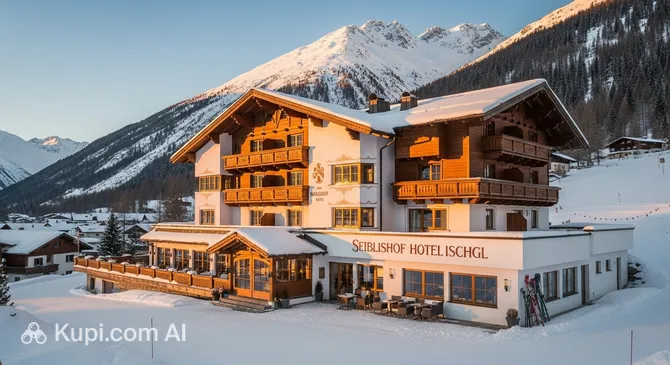
For those who value comfort and direct access to the slopes, the Hotel Seiblishof Ischgl is an excellent choice. Located in the immediate vicinity of the lifts, this hotel offers not only convenient accommodation but also a full range of services for skiers. Many tourists choose it for its combination of quality service and the ability to be on the track almost immediately after leaving the hotel, making it a great base for exploring the region.

Seiblishof Hotel Ischgl. Illustration.
Source: Kupi.com AI

Traveler photos:

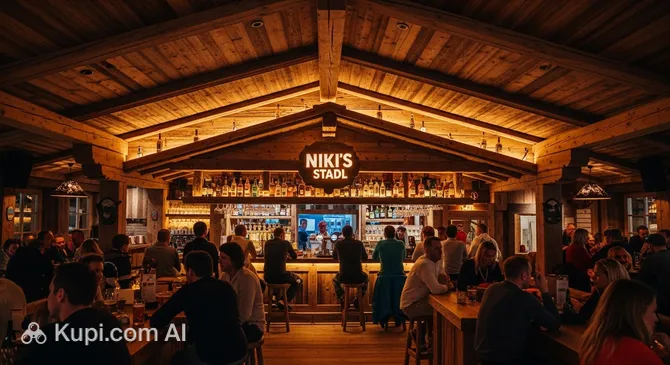
After a busy day on the slopes, Ischgl comes alive thanks to its famous après-ski culture. One of the iconic spots for evening relaxation is the Niki's Stadl bar. This venue is famous for its cheerful and laid-back atmosphere, live music, and dancing. Tourists come here to celebrate successful runs, socialize, and simply have a good time with friends, immersing themselves in the unique spirit of Alpine hospitality.

Niki's Stadl. Illustration.
Source: Kupi.com AI

Traveler photos:

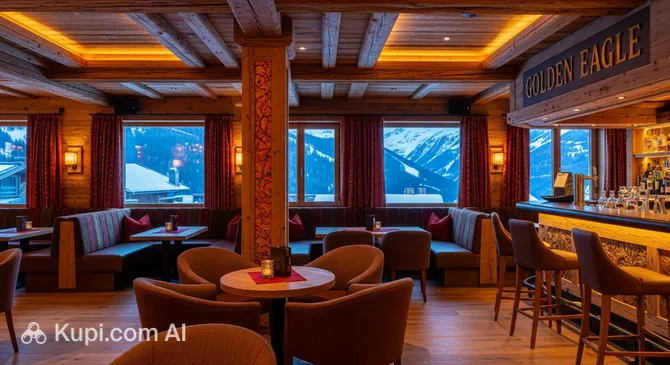
Another landmark spot for fans of après-ski and good company is the Golden Eagle bar. It attracts visitors with its traditional alpine atmosphere and a wide selection of drinks. Here you can relax after skiing, share your impressions, and recharge with positive energy before the next day on the slopes.

Local Cuisine

The gastronomy of Ischgl is a true treat for gourmets, where Tyrolean traditions blend harmoniously with world-class fine dining. Quality, freshness of ingredients, and authenticity of flavors are highly valued here. Local chefs masterfully combine classic Alpine recipes with modern culinary trends, offering guests unforgettable gastronomic experiences.

Be sure to try the hearty and flavorful dishes of Tyrolean cuisine. Among them stand out Gröstl—an appetizing stew of potatoes, meat, and onions—as well as Spätzle, tender homemade egg noodles often served with cheese or as a side dish. Don't miss the chance to enjoy local Alpine cheeses, which pair perfectly with fresh bread and homemade butter. Meat lovers will appreciate the spicy sausages and smoked meats. And for dessert, you must order the famous apple strudel.

Among drinks, a special place is held by traditional Tyrolean schnapps, made from fruits or berries, which perfectly warms you up after an active day on the slopes. In numerous cafes and bars, you will be offered a variety of warming drinks, both alcoholic and non-alcoholic, ideal for a cozy evening. Local beer and Austrian wines also deserve your attention.

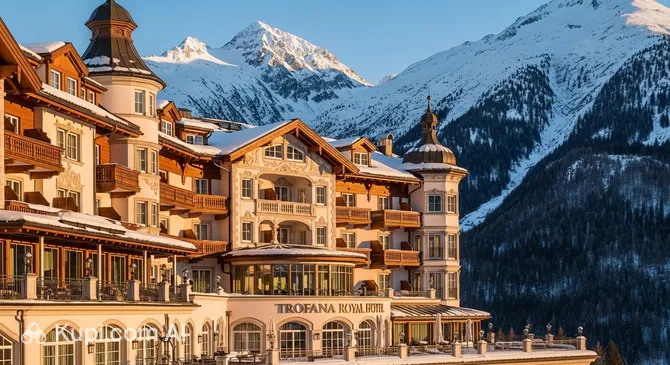
The dining culture in Ischgl is diverse: from cozy traditional taverns serving home-cooked meals to award-winning fine-dining restaurants. For instance, Hotel Trofana Royal is known for its Michelin-starred restaurant. It is also worth visiting establishments such as Hotel Eldorado or the Hotel Sonne Restaurant, which offer high-quality cuisine. At local markets and in small shops, you can purchase fresh farm products: cheeses, meat products, honey, and mountain herbs.

Trofana Royal Hotel. Illustration.
Source: Kupi.com AI

Traveler photos:

A special part of Ischgl's gastronomic life is the après-ski culture. This is not just about fun parties after skiing, but also a great opportunity to try local snacks and drinks in an informal setting. In Ischgl, everyone will find something to their taste—from simple and hearty village cooking to exquisite signature dishes, making it an attractive destination for gastronomic tourism.

Travel Tips

Planning a trip to the famous Ischgl? To ensure your Alpine adventure goes smoothly and leaves only the best impressions, we have prepared some practical tips. They will help you find your way around this magnificent resort in Austria and enjoy your vacation to the fullest!

  1. Clothing and Gear by Season:

    In Winter: Ischgl is a paradise for skiers, so the keyword is layering. You will need: thermal underwear, a fleece jacket, and high-quality waterproof and windproof jacket and pants. Don't forget a warm hat, gloves (preferably two pairs), and a scarf or buff. The sun in the mountains is very active even in winter, so sunglasses and sunscreen with high SPF are mandatory. For walking around the resort and après-ski, you need comfortable, warm, and non-slip winter shoes.

    In Summer: Ischgl's Alpine meadows are beautiful for hiking. Bring light but sturdy trekking shoes, hiking clothes (quick-drying T-shirts, convertible shorts/pants), a fleece, and a light windbreaker in case the weather changes. A sun hat and sunscreen are also essential.

    Always with you: A European power adapter (Type F), and a portable power bank. If you plan to visit churches, choose more modest clothing that covers shoulders and knees.

  2. Getting Around Ischgl and Surrounds:

    On Foot and via Lifts: Ischgl itself is quite compact and pleasant to walk around. In winter and summer, the main transport to access mountain runs and trails is the modern lift system of the Silvretta Arena. Many are also accessible to hikers.

    Buses: The region has a well-developed public bus system, including ski buses that run through the valley and between neighboring resorts. This is a convenient way to get where you need to go without a car.

    Taxis: Available, but can be quite expensive, especially for long distances.

    Car Rental: Not a necessity for staying directly in Ischgl, but can be useful if you plan to actively explore Tyrol. Remember that winter tires are mandatory in winter, and sometimes snow chains are required.

  3. Financial Matters in Austria:

    Currency: The official currency is the Euro (EUR).

    Currency Exchange: It's best to exchange money in advance or at banks upon arrival in Austria. Hotels may offer less favorable exchange rates.

    Bank Cards: Credit and debit cards (Visa, Mastercard, Maestro) are widely accepted in most hotels, restaurants, shops, and at lift stations. However, it's always useful to carry some cash for small expenses, payments in small mountain huts, or at markets.

    ATMs (Geldautomat): Easy to find in the center of Ischgl.

    Tipping: In Austria, it is customary to leave a tip of 5-10% of the bill in restaurants and cafes if you were satisfied with the service. Usually, people round up the amount or tell the waiter how much they want to pay including the tip (for example, if the bill is 18 euros, you can say "Zwanzig, bitte"—"Twenty, please"—and leave the change).

  4. Health and Safety in the Mountains:

    Pharmacies (Apotheke): There are pharmacies in Ischgl, but they may have limited hours and might not be open 24/7 or on Sundays. It is recommended to have a basic first-aid kit with you.

    Medical Assistance: Doctors' services and a medical center are available at the resort, which is especially important for a ski destination. Be sure to take out travel insurance that covers active sports (skiing, snowboarding, hiking) and, if possible, mountain rescue operations.

    Safety: Ischgl is considered a very safe resort. The main risks are associated with being in the mountains: in winter—avalanche danger (always follow warnings and do not ski off-piste without an experienced guide); in summer—changeable weather and the possibility of injury on the trail. Tap water in Ischgl is generally of excellent quality and safe to drink.

  5. Language and Communication:

    Official Language: German (with a local Tyrolean dialect).

    English Language: Widely spoken in the tourism sector—hotel, restaurant, and gear rental staff usually speak English well.

    Useful Phrases in German: Learn a few basic phrases: "Hallo" (Hello—informal), "Grüß Gott" (Hello—traditional Austrian greeting), "Danke schön" (Thank you very much), "Bitte schön" (You're welcome / Please), "Entschuldigung" (Excuse me), "Sprechen Sie Englisch?" (Do you speak English?).

    SIM Cards and Wi-Fi: A local SIM card can be purchased in supermarkets or specialized mobile shops. Free Wi-Fi is available in many hotels, cafes, restaurants, and at some lift stations (e.g., SilvrettaNet).

  6. Local Etiquette and Hospitality:

    Greetings: Austrians are quite friendly. It is customary to say hello when entering small shops, cafes, or an elevator using "Grüß Gott" or "Hallo." When leaving, people say "Auf Wiedersehen" (Goodbye) or "Tschüss" (Bye—informal).

    Punctuality: As in many German-speaking countries, punctuality is valued in Austria.

    Respect for Quiet: Despite Ischgl's boisterous après-ski life, it is customary to observe quiet hours at night in hotels and residential areas (usually after 10:00 PM).

    Respect for Nature: Tyroleans are very proud of their nature. Treat it with care, and do not leave trash on the slopes or hiking trails.

  7. What to Avoid in Ischgl:

    Ignoring Mountain Safety Rules: Never ski or snowboard alone off-piste, especially if you are unfamiliar with the area or lack avalanche gear and proper training. Always check the weather forecast and avalanche danger level.

    Excessive Alcohol Consumption and Subsequent Noisy Behavior: Ischgl is famous for its après-ski, but it's important to remember the boundaries of decency and respect for other vacationers and locals, especially outside of bars and clubs.

  8. Special Tip for Ischgl—Maximize Your Ski Pass/Summer Card:

    In Winter: The Silvretta Arena VIP ski pass not only opens access to over 239 km of runs in Austria and Switzerland (the duty-free zone of Samnaun is a great reason for shopping!), but also provides discounts for various events. Explore all its possibilities in advance!

    In Summer: Look out for the Silvretta Card Premium (often available for free or at a significant discount when staying at partner hotels). It provides free use of lifts, public transport in the Paznaun Valley, entry to pools, museums, and much more, making a summer holiday in Ischgl even richer and more rewarding.

Ischgl is a place where breathtaking mountain landscapes meet first-class service and a vibrant atmosphere. By following these simple tips, you can fully enjoy everything this amazing corner of Tyrol has to offer. We wish you an unforgettable vacation!
Entertainment & Nightlife

Ischgl, known as the "Ibiza of the Alps," is famous not only for its superb ski slopes but also for its vibrant and diverse nightlife. As the sun sets, this Tyrolean resort transforms, offering guests a wealth of options for evening and nighttime entertainment, from boisterous après-ski bars to stylish nightclubs and cozy restaurants.

The main concentration of nightlife venues is found along and near the main street, Dorfstrasse. The atmosphere here is lively and international. The fun starts as early as the afternoon with après-ski parties that seamlessly flow into nighttime festivities. The crowd is diverse—from young people to affluent ski enthusiasts. The dress code in most places is quite casual, especially in après-ski bars where many arrive straight in their ski gear. More upscale clubs and restaurants may suggest a more elegant style of dress. Most bars are open until late at night, while clubs stay open until the early morning hours.

Golden Eagle. Illustration.
Source: Kupi.com AI

Traveler photos:

Among the popular spots for evening leisure, several iconic venues stand out. For example, the Niki's Stadl bar is known for its authentic Tyrolean atmosphere and live music, creating the perfect setting for après-ski. Another cult venue is the Golden Eagle, which offers a wide selection of drinks and energetic parties. For those who prefer a late dinner in a refined setting, restaurants like the one at Hotel Eldorado are ideal. Additionally, Ischgl is famous for its massive "Top of the Mountain" outdoor concerts, held at the start and end of the season, featuring world-renowned stars.

When planning your nightlife in Ischgl, keep in mind that après-ski bars start filling up as early as 3:00–4:00 PM, while nightclubs come to life closer to midnight. Prices in these establishments can be quite high, which is typical for a resort of this caliber. Moving around the center of Ischgl is easy on foot as it is quite compact. For trips to more distant hotels or late at night, taxi services are always available. Ischgl is considered a safe resort, but as with anywhere, it's worth following basic precautions, especially at night.

During the day, Ischgl offers an equally rich program, though it is primarily focused on active recreation. In addition to skiing and snowboarding, you can enjoy walks in the picturesque surroundings, visit one of the many hotel spa centers for relaxation, or ride the Silvretta Cable Car to admire the breathtaking panoramic views. Although there are few traditional museums or large theaters here, the resort's entertainment infrastructure fully compensates for this with outdoor activities and high-end service.

Parks & Museums

Ischgl, primarily known for its magnificent ski slopes, offers its guests not only the adrenaline of winter sports but also opportunities to discover Alpine nature and Tyrolean culture. While there are no large city parks or numerous museums as in major metropolises, Ischgl charms with its authenticity and the beauty of its surrounding landscapes.

The main "green zones" of Ischgl are undoubtedly its majestic Alpine landscapes. In summer, the Paznaun Valley turns into a true paradise for hikers and mountain bikers. Numerous trails of varying difficulty lead through blooming meadows, past crystal-clear streams, and to breathtaking peaks. One of the best ways to quickly ascend into the mountains and enjoy panoramic views is via the Silvretta Cable Car. In summer, it provides access to high-altitude routes and themed trails, such as the "Walk of Lyrics," where you can combine a walk with interesting installations dedicated to the music stars who have performed in Ischgl. These natural spaces offer fresh air and unforgettable experiences.

Regarding cultural heritage, Ischgl presents it in a more intimate but equally interesting way. In the heart of the village lies the St. Nicholas Parish Church (Pfarrkirche St. Nikolaus). This building has a rich history dating back to the 15th century, though the church acquired its current Baroque appearance in the 18th century. It is not only a religious center but also an important architectural monument. Art lovers might be interested in the small Mathias Schmid Museum, dedicated to the life and work of this famous 19th-century Tyrolean artist who was born near Ischgl. The museum's exhibition allows for a deeper understanding of the region's cultural traditions.

While strolling through Ischgl itself, pay attention to the traditional Tyrolean architecture. Many houses have preserved their historical look with characteristic wooden balconies decorated with flowers and painted facades. This in itself is a kind of open-air museum, allowing you to feel the atmosphere of an old Alpine village. Occasionally, small exhibitions dedicated to regional history and crafts may be held at the tourist information center or local hotels.

For more authentic experiences, try turning off the busy tourist routes to explore less-known hiking trails. In summer, many Alpine huts (Almen) are open to visitors, offering traditional local dishes made from fresh produce—a great opportunity to touch real Tyrolean life.

Getting Around

Getting around Ischgl and its surroundings is quite convenient thanks to a well-thought-out public transport system primarily aimed at tourists and skiers. The backbone of the transport network consists of buses, including ski buses in the winter season, which run through the Paznaun Valley, connecting Ischgl with neighboring villages and lifts. In summer, bus services remain active, linking the resort with popular hiking routes.

An important part of Ischgl's transport system is its cable cars and lifts. They not only take skiers and snowboarders to the slopes in winter but also serve as transport for hikers and cyclists in summer, providing access to high-altitude trails and panoramic views. Within Ischgl itself, there is a unique system of underground pedestrian tunnels with escalators (travelators), such as the Dorftunnel, which significantly facilitate movement between different parts of the resort, especially between the center and the Fimba and Pardatschgrat lifts.

The fare system is often integrated with tourist cards. In the winter season, travel on ski buses is usually free for holders of a valid Silvretta Arena ski pass. In summer, many hotels offer their guests the Silvretta Card All Inclusive, which entitles them to free use of local buses and cable cars (some may operate on a summer schedule and for a separate fee for specific routes). If you do not have such a card, bus tickets can be purchased directly from the driver. The cost of a single trip is usually a few euros.

Practical tips for tourists:

  • Always check current bus schedules, especially during the off-season, as they can change. Schedules are available at stops, in tourist information centers, and on the resort's official website.
  • Ski buses can be crowded during peak season; plan your trip with a bit of extra time.
  • Cable cars operate on their own schedule, which depends on the season. Check operating hours in advance.

As an alternative to public transport, taxis are available in Ischgl. This is a more expensive but comfortable way to travel, especially for groups or for nighttime trips. Given the compact size of the resort itself, many distances in the center of Ischgl can easily be covered on foot. During the summer period, bicycle rentals, including electric models, are popular, allowing you to explore the picturesque surroundings.

Accommodation

Ischgl, a renowned ski resort in Austria, offers a wide range of accommodation options to suit the needs of all types of travelers. Here you will find everything from cozy family pensions and self-catering apartments to mid-range hotels and luxury resort complexes with a full range of services. Most accommodation options are concentrated in the village of Ischgl itself, providing easy access to lifts such as the Silvretta Cable Car, as well as to restaurants, shops, and après-ski centers.

Due to the resort's compactness, almost any accommodation will be within walking distance or a short ski bus ride from the main slopes and entertainment. Hotels located directly by the lifts or on the central streets are particularly popular, as they make it easy to reach any point of the resort. Among the well-known hotels are, for example, the luxurious Hotel Trofana Royal or the elegant Hotel Salnerhof, offering a high level of service and comfort.

Hotel Salnerhof. Illustration.
Source: Kupi.com AI

Traveler photos:

When planning a trip to Ischgl, especially during the peak ski season (from December to March), it is highly recommended to book accommodation in advance. Demand at this time is very high, and the best options are snapped up several months before the season starts. The price range varies from relatively affordable apartments and guesthouses to premium hotels befitting one of the top Alpine resorts. You can book your stay through popular online platforms, directly on hotel websites, or through travel agencies.

Nearby Cities

For those looking to explore the surrounding area, Ischgl serves as an excellent starting point for day trips to several interesting nearby locations:

CityPopulationDistance
St. Anton am Arlberg2 50013 km
Zurs22020 km
Klosters4 00035 km
Bludenz14 95640 km
Davos10 86242 km

Innsbruck, the capital of Tyrol, will charm you with its rich imperial history, the famous Golden Roof, and magnificent Alpine panoramas. It is a wonderful place to immerse yourself in culture and take a leisurely stroll through the picturesque old town.

Bregenz, situated on the scenic shores of Lake Constance, is famous for its annual opera festival held on a unique floating stage, as well as breathtaking views of the lake and mountains. The city offers both cultural events and opportunities for outdoor recreation.

Dornbirn, the largest city in the state of Vorarlberg, attracts visitors with its blend of modern architecture and natural beauty. Here you can visit the interesting Rolls-Royce Museum or go hiking on the surrounding mountain trails.

These nearby destinations provide a glimpse into the region's diverse culture and landscapes.

Shopping & Souvenirs

Shopping in Ischgl is, above all, an opportunity to purchase high-quality ski equipment, stylish sportswear, and exclusive accessories. The town, being one of the most prestigious Alpine resorts in Austria, offers boutiques from famous brands as well as shops with traditional Tyrolean goods. You won't find huge shopping malls here, but cozy shops and specialized boutiques will delight you with their selection.

Most shops in Ischgl are concentrated along the village's main street, Dorfstraße, and its surrounding areas. Strolling through the center, you will find sports shops, fashion boutiques, jewelry stores, and souvenir shops. This pedestrian zone is particularly lively during the winter season, offering a pleasant atmosphere for shopping after an active day on the slopes.

There are no large shopping centers in the traditional sense in Ischgl. Shopping here is more intimate and focused on individual shops and boutiques. Some high-end hotels, such as Hotel Trofana Royal or Hotel Seiblishof Ischgl, may have small exclusive boutiques on their premises, but the main selection of goods is found in the shops along the resort's central streets.

Traditional large markets are not a characteristic feature of Ischgl. However, during certain periods, such as the Christmas holidays or local festivals, small fairs may be organized where you can buy items from local craftsmen and farm products. For fresh food, it is better to go to local supermarkets or specialized gastronomic shops.

To remember your trip to Ischgl, it is worth bringing back traditional Tyrolean souvenirs. These could be wooden crafts, ceramics with Alpine motifs, high-quality textiles (for example, loden or wool products), as well as local delicacies: Tyrolean speck, Alpine cheese, and various types of schnapps and liqueurs. Souvenirs with the resort's branding—from magnets and postcards to clothing with the Ischgl logo—are also popular.

Shops in Ischgl are usually open from Monday to Saturday, roughly from 9:00–10:00 AM to 6:00–7:00 PM, possibly with a lunch break. During the peak tourist season, some shops may stay open longer and even on Sundays (especially grocery and souvenir shops). Bank cards (Visa, Mastercard, Maestro) are accepted almost everywhere, but having some cash in euros is also useful, especially for small purchases or at small fairs.

Tourists from countries outside the European Union can take advantage of the Value Added Tax (Tax Free) refund system when shopping in Ischgl. To do this, you need to make a purchase of a certain minimum amount in one store (usually starting from 75 euros), ask the seller for a special Tax Free check, and present it along with the purchases at customs when leaving the EU. This will allow you to get a part of the goods' cost back.

Reached the end of the page?

That means the route is fully explored