Support

Soelden

About

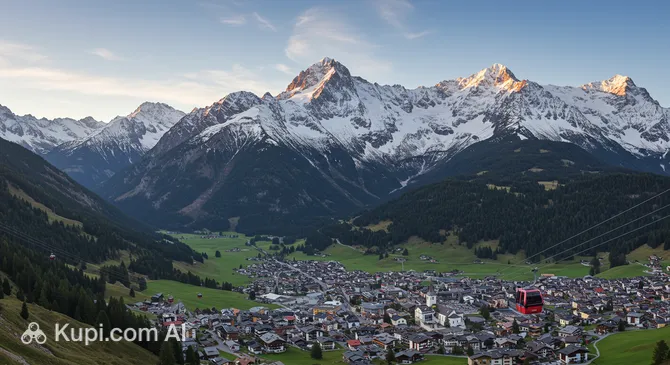
Sölden is the true heart of Austria and its majestic Alps, a real magnet for fans of active recreation and breathtaking mountain adventures. This charming town is nestled at an altitude of 1,368 meters in the picturesque Ötztal valley, surrounded by snow-capped peaks and dense forests. Here, everything breathes crystal-clear mountain air, and the panoramic views are breathtaking at any time of year.
Soelden. Illustration.
Source: Kupi.com AI

With a population of only about 3,100 people, Sölden maintains the atmosphere of a cozy and incredibly hospitable Alpine town where every traveler feels like a long-awaited guest. Despite its modest size, Sölden plays an important role as the administrative and tourist center of the valley and is rightfully considered one of the most famous and sought-after ski resorts in Europe.

Sölden is attractive to tourists all year round. In winter, it turns into a real paradise for skiers and snowboarders: they have access to modern lifts, more than 140 kilometers of perfectly groomed slopes, and, importantly, guaranteed snow cover from October to May. In summer, fans of mountaineering, mountain biking, and hiking flock here — local routes are famous for their incredible beauty and variety, offering options for all levels of preparation.

A special, unique atmosphere reigns in Sölden — an amazing combination of traditional Alpine comfort, unstoppable sporting drive, and sincere Tyrolean hospitality. Life is in full swing here: from noisy après-ski parties and cozy cafes on the mountain slopes to traditional festivals and plenty of entertainment for the whole family. Visit Sölden to feel its unique spirit and get unforgettable impressions!

You can find more interesting facts on the history of Sölden page.
Weather Overview

The weather in Sölden is characterized by an Alpine climate with distinct seasons. The summer here is cool, with average temperatures in July and August around 10.4°C, while maximum values can reach 15.3°C. The summer months also see the highest amount of precipitation, especially in May, June, July, and August, when the number of rainy days can exceed 20 per month, although the precipitation itself is usually not heavy (6-7 mm). Winters in Sölden are cold and snowy, with average temperatures in January and December around -8.5°C, and minimums can drop to -12°C and below. Precipitation in winter is also regular, but in smaller volumes than in summer.

Expect cool summers with frequent but light rain, and very cold, snowy winters. For a more detailed forecast and information by month, you can check the Sölden Climate page.

Average monthly temperature

Average monthly precipitation

Interesting Facts

In addition to its magnificent ski slopes and picturesque Alpine landscapes, Sölden hides many amazing stories and facts that make it even more attractive to travelers. Ready to learn a few secrets of this famous resort?

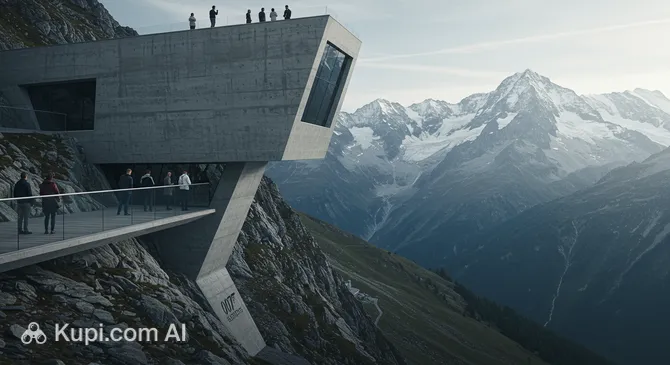
007 Elements. Illustration.
Source: Kupi.com AI

Traveler photos:

  • Sölden is the only ski resort in Austria where three mountain peaks over 3,000 meters are located on its territory: Gaislachkogl (3,058 m), Tiefenbachkogl (3,309 m), and Schwarze Schneide (3,370 m). This unique mountain range is known as the "Big 3" and is the region's hallmark, offering breathtaking panoramas and a variety of descents.

  • The first stage of the Alpine Ski World Cup kicks off in Sölden every year. This prestigious event attracts world skiing stars and thousands of enthusiastic fans to the town, turning the resort into the epicenter of sporting life.

  • James Bond fans will be thrilled to learn that Sölden became one of the key filming locations for the movie "007: Spectre." At the top of Gaislachkogl mountain is the unique cinematic installation 007 Elements, entirely dedicated to the world of Agent 007. This interactive museum allows you to immerse yourself in the atmosphere of the Bond franchise.

  • Legend has it that the name "Sölden" comes from an ancient word meaning "small settlement." Despite its worldwide fame as a major ski center, the town has managed to preserve the charm and comfort of a traditional Alpine village.

How to Get There

Getting to this popular Alpine resort is possible in various ways, but travelers most often choose a combination of air travel or train followed by a transfer by car or bus, as there is no direct railway to the village itself. You can find out more details about how to get to Sölden by studying all available routes and transport options.

If you prefer air travel, the closest and most convenient option is Innsbruck Airport (INN). It is located in the city of Innsbruck, about 41.5 km from Sölden. This is a regional transport hub that accepts many flights, especially during the winter season. The journey from the airport to the resort by taxi or bus will take approximately 82 minutes.

For international travelers who need a wider choice of flights, an excellent alternative is Franz Josef Strauss Airport (MUC) in Munich. Although it is in another country (Germany) and at a distance of about 165 km from Sölden, it is a major international hub with a huge passenger flow. The road from there to the resort by land transport will require more time — about 268 minutes.

For clarity, here is summary information on the main airports:

AirportPassenger trafficDistance
Innsbruck Airport862 20242 km
Bolzano106 62961 km
Altenrhein Airport84 100124 km
Memmingen Allgäu Airport3.2 mln128 km
Friedrichshafen Airport339 556138 km

Traveling by train is a scenic way to approach the Alps. There is no railway station in the town of Sölden itself, but you can arrive at Innsbruck Station, which is located in the city of Innsbruck, about 44.5 km from the resort. From the station, you can continue the journey by regular bus or taxi, which will take about 87 minutes. Innsbruck is an important railway junction with a high passenger flow, providing convenient connections.

Another option for transit is Munich Central Station. This is one of Europe's largest railway hubs, located in Munich (137 km from Sölden). Trains from all over the continent arrive here, after which you can transfer to a train towards Austria or use a transfer service. The estimated travel time by car from this station to Sölden is approximately 225 minutes.

Below is a table with the closest and most significant railway stations:

StationPassenger trafficDistance
Innsbruck Railway Station14.1 mln45 km
Rosenheim Bus Station7.3 mln129 km
Munich Hauptbahnhof164.3 mln137 km
Augsburg Hauptbahnhof18.3 mln156 km
Verona Porta Nuova Station25 mln171 km

Main Attractions

Located in the heart of the Austrian Alps, Sölden offers tourists many exciting places and activities, especially for lovers of skiing and magnificent landscapes. Here are some key attractions you shouldn't miss during your visit.

One of the most unique and modern attractions is the cinematic installation 007 Elements. Located at the top of Gaislachkogl mountain, at an altitude of over 3,000 meters, this interactive exhibition is dedicated to the world of James Bond. Visitors can immerse themselves in the atmosphere of filming the movie "Spectre," parts of which were filmed right here. This place is a must-visit not only for fans of Agent 007 but also for everyone who appreciates modern architecture and innovative museum concepts.

007 Elements. Illustration.
Source: Kupi.com AI

Traveler photos:

Of course, the main attraction is the Sölden Ski Resort itself. It is famous for its extensive and diverse slopes, suitable for both beginners and experienced skiers and snowboarders. The resort offers access to three peaks over 3,000 meters high, the so-called "BIG3," which offer breathtaking panoramic views. Thanks to the Rettenbach and Tiefenbach glaciers, the skiing season here is one of the longest in the Alps.

Sölden Ski Resort. Illustration.
Source: Kupi.com AI

Traveler photos:

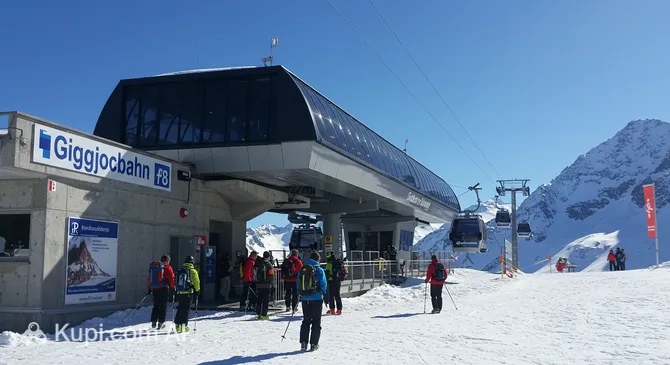
For a fast and comfortable ascent to the slopes, there is the Giggijoch cable car. This is one of the most modern and efficient cable cars in the world, which takes skiers and tourists to the very heart of the Giggijoch ski area. From here, there is access to many slopes and restaurants, and the gondola ride itself is already a small adventure with beautiful views.

Giggijoch Cable Car. Illustration.
Source: Kupi.com AI

Traveler photos:

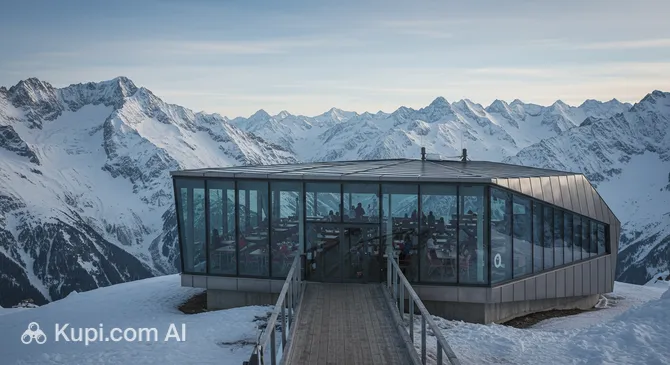
The Gaislachkogl mountain restaurant also deserves attention. It is not just a place to eat well, but an architectural masterpiece with panoramic windows offering an incredible view of the surrounding peaks. The ice Q restaurant located here also became famous thanks to the filming of the James Bond movie. Visiting this restaurant is an opportunity to enjoy gourmet cuisine surrounded by stunning Alpine landscapes.

Gaislachkogl Mountain Restaurant. Illustration.
Source: Kupi.com AI

Traveler photos:

These attractions are just part of what Sölden has to offer. The town and its surroundings are full of opportunities for active recreation, enjoying nature, and gaining unforgettable impressions at any time of the year.

Local Cuisine

The gastronomy of Sölden is a real adventure for foodies and an integral part of an Alpine holiday. Here you will find numerous cozy Tyrolean restaurants and guesthouses (gasthofs) serving dishes that have maintained their authenticity over centuries. The cuisine of the region is characterized by its heartiness, the use of fresh local products, and age-old traditions of hospitality.

Be sure to try the local specialties. Among them, kaspressknödeln (cheese dumplings, often served in broth or with a salad), spätzle (homemade egg noodles, often baked with cheese), and, of course, the famous Tiroler Gröstl stand out — a hearty fry-up of potatoes, meat (usually beef or pork), and onions, topped with a fried egg. Venison roast is also popular. Don't miss the chance to enjoy the taste of local cheeses, aromatic sausages, and smoked meats, many of which are produced on nearby farms. For dessert, order a classic Tyrolean apple strudel, which is served warm here, often with a scoop of vanilla ice cream or whipped cream.

As for drinks, quality local beer is highly valued in Sölden. After an active day on the slopes, it is especially pleasant to warm up with traditional Austrian schnapps, which is presented here in many variations, including infusions on Alpine herbs and berries. Among non-alcoholic drinks, herbal teas and juices are popular.

The food culture in Sölden is centered around traditional restaurants and mountain huts where you can taste authentic dishes in a unique atmosphere. Many establishments pride themselves on using products from local farms. At small markets and shops, you can buy fresh bread, homemade jams, honey, and aromatic herbal blends. To enjoy not only great cuisine but also breathtaking views, you can visit, for example, the Gaislachkogl mountain restaurant, which offers refined dishes at high altitude.

Sölden's gastronomic scene attracts with its sincerity and loyalty to traditions. Throughout the year, various food festivals and themed weeks can take place here, dedicated to, for example, young wine or local delicacies. This is an excellent opportunity to get to know Tyrol's culinary heritage better and feel part of this amazing Alpine culture.

Travel Tips

  1. Your Alpine wardrobe: Sölden is all about the mountains, so layering is your best friend at any time of year. In summer, bring light items for the day and warm ones for the evening, as well as a raincoat and sun protection. In winter, warm waterproof clothing, thermal underwear, a hat, gloves, and high-quality sunglasses or a mask with a high UV filter are essential – the sun in the mountains is very active. Don't forget comfortable shoes: trekking boots in summer, warm waterproof boots in winter. Electrical outlets in Austria are type F, so check if you need adapters.
  2. Transport at the resort: Sölden has an excellent ski-bus system, which is usually free for ski pass holders and runs between the lifts, various parts of the village, and hotels. The resort itself is compact enough for walking, especially its central part. Renting a car can be useful if you plan to explore the scenic Ötztal valley, but for getting around inside Sölden, it is not mandatory.
  3. Financial matters: The official currency in Austria is the Euro (EUR). Bank cards (Visa, Mastercard) are accepted almost everywhere in hotels, restaurants, shops, and at lift stations. ATMs (Bankomat) are easy to find throughout the resort. Tipping in restaurants and cafes is welcomed and usually amounts to 5-10% of the bill if you liked the service; you can leave it in cash or include it in the bill when paying by card.
  4. Health and safety: There are pharmacies (Apotheke) in Sölden, but there may not be any open 24/7 – it's better to check opening hours in advance. Medical assistance for tourists is available; it is recommended to have valid travel insurance covering winter sports. The resort is considered very safe, but always observe basic safety measures, especially in the mountains: do not go off marked trails without a guide and appropriate avalanche equipment, and keep an eye on the weather forecast and avalanche danger warnings.
  5. Language and communication: The official language is German. However, in Sölden, as a popular international resort, staff in the tourism sector (hotels, restaurants, rentals) speak English well. Learning a few phrases in German, for example, "Grüß Gott" (a traditional greeting in this region of Austria, meaning "Hello") or "Danke" (Thank you), will be a nice gesture. Wi-Fi is available in most hotels and many cafes. A local SIM card can be purchased in supermarkets or specialized mobile phone shops.
  6. Local etiquette: Austrians value politeness and punctuality. When entering a shop or a small cafe, it is customary to say hello ("Grüß Gott" or "Servus"). In public places, especially in lift queues, behave with restraint and respect for others. Show special respect to nature – do not leave trash on the slopes and hiking trails, and follow the rules of conduct in the mountains.
  7. What to avoid: It is categorically not recommended to ski off-piste without special training, appropriate avalanche equipment (beeper, probe, shovel), and the accompaniment of an experienced local guide – this can be extremely dangerous. Also, avoid underestimating weather conditions in the mountains – they can change very quickly.
  8. Useful life hack for skiers: Actively use the services of ski depots (Skidepot) located at the lower and upper lift stations. This will allow you not to carry skis and boots every day to the hotel and back, which is very convenient, especially if you are not staying right by the slope or are traveling with children. Often boxes in the depot are equipped with boot dryers.

We hope these tips help you better prepare for your trip and enjoy every moment of your holiday in beautiful Sölden. We wish you unforgettable impressions, sunny days on the slopes, and a great mood!

Entertainment & Nightlife

Sölden, a famous ski resort in Austria, offers its guests not only magnificent slopes but also a rich evening and night life. When the sun sets, the resort is transformed, opening up many opportunities for those looking for fun and new impressions after an active day in the fresh air.

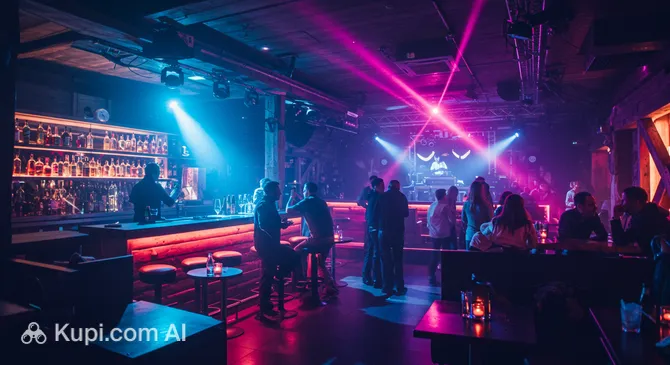
The main center of nightlife in Sölden is its main street, Dorfstraße, and the adjacent lanes. Most of the bars, clubs, and restaurants are concentrated here. The atmosphere in the establishments is usually very lively and international, especially at the height of the ski season. The crowd is diverse – from young people looking for noisy parties to a more mature audience who prefer cozy bars with live music.

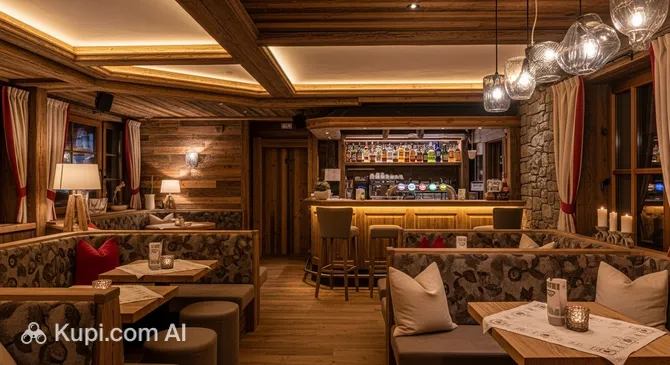
The evening usually begins with après-ski – an integral part of ski resort culture. Many bars located at the foot of the slopes or directly on them offer hot drinks, beer, and upbeat music starting from midday, smoothly transitioning into an evening format. One of the popular places for such a getaway is Liebelei Sölden, where you can relax after skiing. The dress code for après-ski is as democratic as possible – ski clothing is common here.

Liebelei Sölden. Illustration.
Source: Kupi.com AI

Traveler photos:

Closer to the night, nightclubs take over. They usually open around 22:00-23:00 and work until early morning. Here you can dance to DJ sets, enjoy cocktails, and meet new people. Among the famous clubs, it is worth noting Katapult Sölden, which is famous for its parties. Another popular place is the Glanzpunkte Nightclub. Clubs may have a stricter dress code than après-ski bars, but neat casual wear is usually sufficient.

Katapult Sölden. Illustration.
Source: Kupi.com AI

Traveler photos:

Practical tips:

  • The best time to visit après-ski bars is from 16:00 to 19:00. Clubs start to fill up after 23:00.
  • Average prices for drinks are comparable to other European ski resorts. A cocktail can cost from 10-15 euros, a beer – from 5-7 euros.
  • You can get around Sölden at night on foot if your accommodation is near the center. Otherwise, it is better to use taxi services. Find out the numbers of local taxi companies in advance or ask to call a car at your hotel or establishment.

Safety: Sölden is considered a safe resort. However, as everywhere else, it is worth observing basic precautions, especially at night: do not leave valuables unattended and watch your drinks. Walking along the central streets is safe.

Although the main focus in Sölden is on winter sports and subsequent fun, there is also plenty to do during the day. In addition to skiing or snowboarding at the famous Sölden Ski Resort, you can visit the unique 007 Elements installation dedicated to James Bond; part of the filming for "Spectre" took place right here. It is also worth taking the Giggijoch cable car or visiting the Gaislachkogl mountain restaurant to enjoy panoramic views and fine cuisine.

Overall, Sölden offers a great balance between daytime activities on the slopes and a vibrant nightlife, making it an attractive destination for tourists with different interests.

Parks & Museums

Famous for its Alpine landscapes and ski slopes, Sölden offers guests not only active recreation but also the opportunity to enjoy unique natural areas that serve as natural parks, as well as to get acquainted with interesting cultural sites that replace traditional museums.

Although you won't find classic city parks in Sölden itself, the entire surrounding Ötztal valley is a huge natural treasure trove. In summer, Alpine meadows bloom with bright colors, and numerous hiking trails invite you to explore the mountain beauty. Special attention should be paid to the high-mountain areas accessible thanks to modern cable cars. For example, by taking the Giggijoch cable car, you will find yourself among majestic peaks, from where breathtaking panoramas open up and hiking trails of varying difficulty begin. These zones are true natural parks where you can fully feel the power and beauty of the Alps. Excellent opportunities for walking and enjoying fresh mountain air also open up in the area of the Gaislachkogl middle station.

Giggijoch Cable Car. Illustration.
Source: Kupi.com AI

Traveler photos:

Speaking of museums, Sölden can boast a truly unique site – the cinematic installation 007 Elements. This modern interactive museum, located at the top of Gaislachkogl mountain at an altitude of over 3,000 meters, is dedicated to the world of James Bond. Visitors can immerse themselves in the atmosphere of filming the movie "Spectre," some scenes of which were filmed right in Sölden. This is a must-visit place for fans of the Bond franchise and everyone who appreciates innovative exhibition spaces.

007 Elements. Illustration.
Source: Kupi.com AI

Traveler photos:

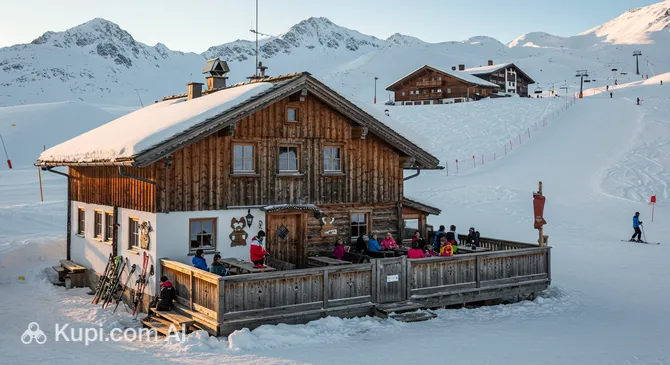
To get acquainted with traditional Tyrolean culture and life, it is worth visiting the Gampe Thaya Alpine Farm. This is one of the oldest and most authentic mountain huts in the region, where you can not only try local dishes prepared according to old recipes but also see how highlanders have lived and worked for centuries. The farm can be considered a kind of living open-air ethnographic museum. Although there are few classic museums in Sölden, its cultural heritage is also reflected in the traditional architecture of some old buildings and small chapels scattered throughout the valley.

Gampe Thaya Alpine Farm. Illustration.
Source: Kupi.com AI

Traveler photos:

For a more authentic experience, turn off the popular tourist trails and explore the lesser-known hiking routes in the side valleys – there you can enjoy silence and untouched nature. Also look into one of the small Alpine chapels to feel the peaceful atmosphere of these holy places.

Getting Around

Getting around Sölden and its surroundings is quite convenient thanks to a well-developed public transport system, primarily oriented towards the needs of tourists and outdoor enthusiasts. The basis of the transport network is made up of buses and, of course, cable cars, which play a key role in accessing the mountain slopes.

Buses are the main form of public transport in the Ötztal valley where Sölden is located. Regular bus routes connect various parts of the resort, neighboring villages, and lifts. In the winter season, special ski buses operate, which are often free for holders of a valid ski pass. In summer, buses are also popular among tourists heading out on hikes. Bus tickets can be purchased directly from the driver, at tourist information centers, or sometimes via mobile apps. There are both single tickets and passes for several days or a week. Often guest cards, such as the Ötztal Inside Card (or its seasonal counterparts), provide the right to free or discounted travel on buses in the region.

Cable cars and lifts are an integral part of Sölden's transport infrastructure, especially for those who come to ski, snowboard, or for mountain walks in summer. They provide a fast and comfortable ascent to the peaks and the start of the slopes. The cost of using the lifts is usually included in a ski pass in winter. In summer, special cards for hikers and cyclists are also available, including trips on certain lifts, or you can buy single tickets for ascent/descent.

Practical tips for tourists: Always check the current bus schedule, especially if you plan trips early in the morning or late in the evening, as well as in the off-season when frequency may be reduced. Bus tickets, if they are not included in your guest card, usually need to be bought upon entry. To use the cable cars, purchase the corresponding ski pass or summer card at the ticket offices by the lift stations or online. Most lifts operate during the daytime; the schedule depends on the season.

Alternative ways of moving around: In Sölden, taxi services are also available, which can be convenient for small groups or for trips to places where public transport does not go. Taxi prices are higher than the bus. During the summer period, bike rental is popular – an excellent way to explore the valley and enjoy the picturesque views. The village of Sölden itself is quite compact, and it is perfectly comfortable to move around its central part on foot.

Accommodation

Sölden offers a wide range of accommodation options to suit the needs and budget of any traveler. Here you will find everything from cozy family pensions and self-catering apartments to mid-range hotels and luxury hotel complexes with a full range of services. Many options offer convenient access to the ski slopes and lifts, which is especially appreciated in winter.

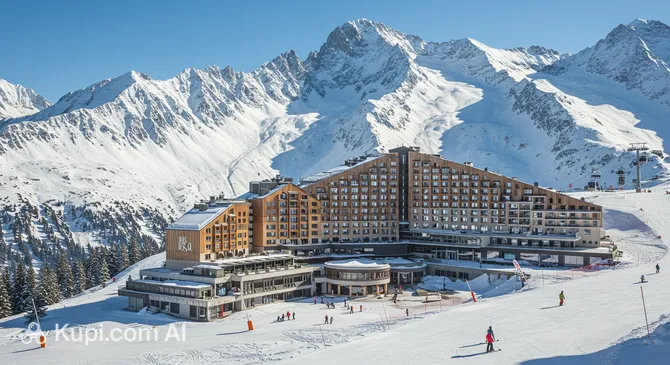
When choosing accommodation in Sölden, it is worth paying attention to its location. The central part of the resort is convenient due to its proximity to shops, restaurants, and entertainment venues. If your main goal is skiing, then choose hotels and apartments near the main gondola lifts, such as the Giggijochbahn or Gaislachkoglbahn. Many hotels also offer their own shuttles to the lifts.

Hotel Hubertus. Illustration.
Source: Kupi.com AI

Traveler photos:

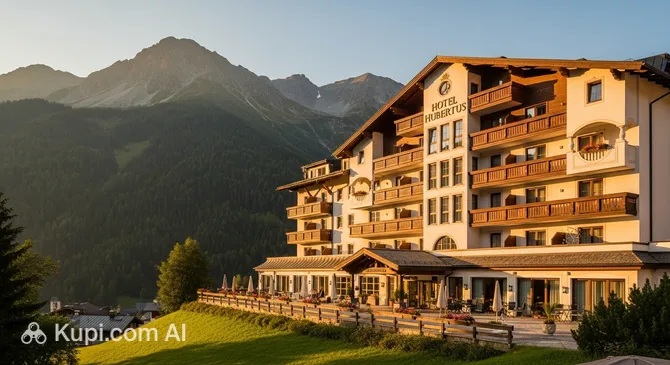
Among the many options, for example, the Hubertus Hotel stands out, offering comfortable accommodation and good service. In general, Sölden is known for its hospitality and quality of service, regardless of the category of the selected accommodation. For those looking for a more secluded getaway, chalets or apartments located a little away from the busy center are suitable.

The price range for accommodation in Sölden varies from budget options to luxury offers. It is recommended to book your stay in advance, especially if your trip falls during the peak ski season (from December to March) or the popular summer months. Most hotels and apartments are available for booking through popular online platforms, and you can also always contact the property directly.

Nearby Cities

For those who want to explore the surroundings, Sölden serves as an excellent starting point for day trips to several interesting nearby places:

CityPopulationDistance
Merano40 48535 km
Imst10 50437 km
Telfs16 04638 km
Lana12 28641 km
Seefeld in Tirol3 30043 km

These nearby destinations provide an insight into the diverse culture and landscapes of Austria. For example, a trip to Innsbruck, the capital of Tyrol, will give you an encounter with rich history, the famous Golden Roof, and majestic Alpine panoramas. Kufstein will charm you with its medieval fortress towering over the Inn River and its cozy old town. Each of these cities offers its own unique attractions, making them an excellent choice for a short trip from Sölden to experience Tyrolean flair.

Shopping & Souvenirs

Sölden, being a popular ski resort, offers shopping opportunities primarily oriented towards fans of active winter holidays. Here you will find many shops specializing in high-quality ski and snowboard equipment, sportswear, and outdoor accessories. While Sölden is not a traditional shopping capital, it provides a good choice of products related to Alpine sports, as well as charming local products and souvenirs.

The main shopping artery of Sölden is its central street, Dorfstraße. Along this street and in its immediate vicinity, tourists will discover various sports shops, boutiques, souvenir stalls, and shops selling local Tyrolean goods. It's a pleasant place for a stroll after a day spent on the slopes, where you can combine window shopping with enjoying the Alpine atmosphere.

In Sölden, you won't find huge multi-story shopping centers, as the town maintains its charm as an Alpine village. However, some large sports shops may offer a wide range of products under one roof, resembling mini-malls dedicated to outdoor gear. Small shopping galleries or groups of shops can also be found in some hotel complexes or central buildings.

Permanent large markets are not a characteristic feature of the Sölden shopping scene. Nevertheless, depending on the season, you may come across occasional local craft fairs or festive markets, especially in the lead-up to Christmas, offering regional delicacies and handmade goods. It's always useful to check local event posters upon arrival.

When looking for souvenirs to remember your trip to Sölden, pay attention to traditional Tyrolean products. Popular choices include local schnapps and liqueurs, delicious Tyrolean speck (cured ham) and Alpine cheeses, handmade wooden items, clothing or accessories featuring an edelweiss, and charming cowbells. Given Sölden's connection with James Bond thanks to the 007 Elements installation, you can also find themed merchandise.

007 Elements. Illustration.
Source: Kupi.com AI

Traveler photos:

Shops in Sölden usually operate on a standard Austrian schedule. This means they are open from Monday to Friday, from approximately 9:00/10:00 to 18:00/19:00, and on Saturdays they work on a reduced schedule, often closing around 13:00 or 17:00. Many shops, especially those oriented towards tourists, such as ski rentals and souvenir stalls, may have extended hours during the peak ski season and even open on Sundays for a limited time. Credit and debit cards (Maestro, Visa, Mastercard) are widely accepted in most establishments, but it's always useful to have some cash for small purchases or in smaller, more traditional shops.

For tourists residing outside the European Union, there is an opportunity to reclaim Value Added Tax (VAT) on purchases made in Austria. To take advantage of this, look for "Tax Free Shopping" signs in shops, ensure your purchases meet the minimum amount, and ask the salesperson for a Tax Free form. These forms must be stamped by customs when leaving the EU.

Reached the end of the page?

That means the route is fully explored