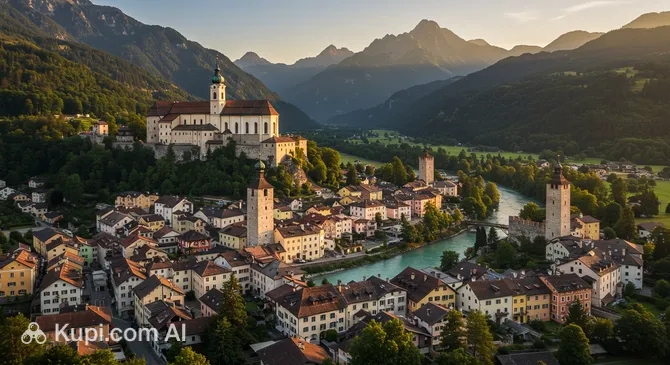
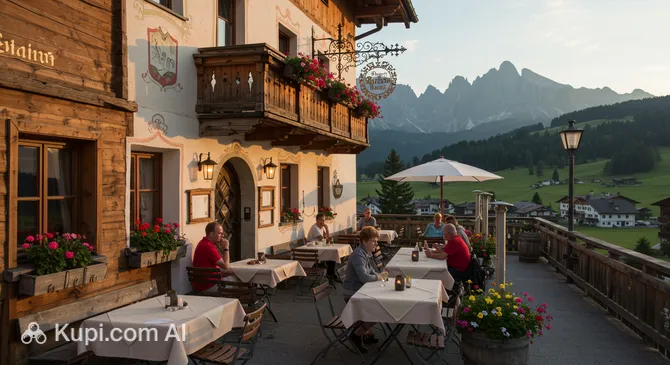
Shopping in Klausen is the complete opposite of the hustle and bustle of huge metropolises. Here you won't find multi-story department stores or endless rows of mass-market brands. Instead, the town offers a concept of "slow shopping": walks through ancient streets, visits to cozy family shops and boutiques where the owners know every customer by face. This is the perfect place to find unique, authentic items permeated with the spirit of South Tyrol.
The heart of commercial life is the Historical Center, in particular, the main pedestrian axis passing through the Upper and Lower Town (Oberstadt and Unterstadt). Strolling along the picturesque facades with bay windows, you will discover many small shops. They sell high-quality clothing, Italian shoes, home goods, books, and, of course, local delicacies. The architecture adds a special charm to shopping: many shops are located in buildings that are hundreds of years old.
If your goal is large-scale shopping with visits to international brand stores, keep in mind that there are no large shopping centers in Klausen itself. For this, it's better to head to nearby Bolzano (about 25–30 minutes by train or car), where large galleries and shopping complexes such as "Twenty" or the shops under the Laubengasse arcades are located. Klausen, on the other hand, specializes in intimate and exclusive trade.
Markets deserve special attention. Every week, local farmers bring fresh produce to the town, but the main event of the year is the Medieval Christmas Market (Klausner Gassl Advent). It takes place in December and is fundamentally different from others: almost no electric lighting is used, the streets are lit by torches and candles, and the vendors are dressed in historical costumes. On the stalls, you can find items made of wool, felt, wood, and traditional handmade Christmas decorations.
As souvenirs from Klausen, tourists most often take home the gastronomic treasures of the region. Be sure to buy some real South Tyrolean speck, crunchy "schüttelbrot" bread, and a jar of local honey or jam. Alcohol connoisseurs should look for white wines from the Isarco Valley (Sylvaner or Kerner) or grappa. Also popular are the products of local craftsmen: carved wooden figurines and cosmetics based on mountain herbs, such as mountain pine (Sarner Latsche).
When planning your purchases, remember the local operating hours. Most shops are open from 09:00 to 12:00 or 12:30, after which they close for a lunch break (siesta) until 15:00 or 15:30. In the evening, trade winds down around 18:00–19:00. On Sundays and public holidays, almost everything is closed except for souvenir shops during high season. Credit cards from major payment systems are accepted, but for visiting markets or buying small souvenirs, it's better to have some cash euros with you.
Tourists who are permanent residents outside the European Union can use the Tax Free system when purchasing goods for the minimum amount set by law in one store. Look for "Global Blue" or "Tax Refund" stickers in the windows and don't forget to ask the seller for a special receipt to process your tax refund when leaving Italy.