Support

Bruneck

About

Bruneck, or Brunico in Italian, is a charming medieval town nestled in the heart of South Tyrol. It is situated in the picturesque Puster Valley (Val Pusteria) at an altitude of about 835 meters above sea level, at the foot of the majestic Dolomites. Thanks to its border location, Italian and Austrian cultures are wonderfully intertwined here, creating a unique atmosphere.
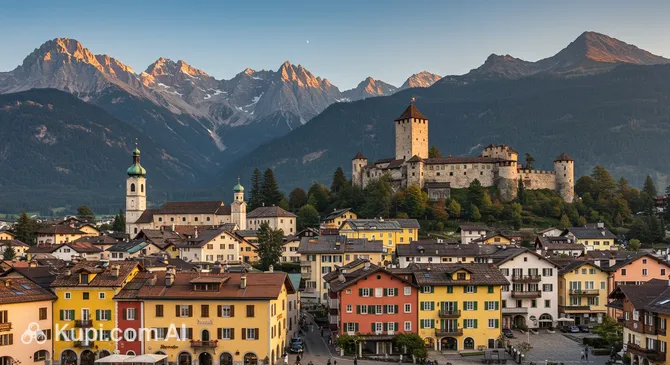
Bruneck. Illustration.
Source: Kupi.com AI

With a population of approximately 16,580 people, Bruneck is not only the administrative center of the Puster Valley but also an important transport hub. From here, it is easy to reach the famous Kronplatz ski resort, part of the world's largest ski carousel, Dolomiti Superski, which attracts winter sports enthusiasts from all over the globe to this region of Italy.

The town charms visitors with its historic center: narrow streets, old houses adorned with colorful frescoes, medieval city gates, and churches create a feeling of traveling back in time. Towering over the town is Bruneck Castle, once the residence of the prince-bishops of Brixen; today, it is open to visitors, offering a glimpse into its centuries-old history. Another major attraction is the Messner Mountain Museum Ripa, located within the castle walls and dedicated to mountain peoples from around the world.

Bruneck is not just about history and culture; it is also a fantastic place for outdoor activities. In summer, hiking and cycling along scenic Alpine trails are popular, while in winter, the town transforms into a paradise for skiers and snowboarders due to its proximity to Kronplatz. Cozy cafes and restaurants invite you to enjoy authentic Tyrolean and Italian cuisine.

If you are looking for a destination that combines rich history, outdoor adventure, and immersion in a unique Alpine culture, Bruneck will be a true discovery for you. This town warmly welcomes every traveler, offering unforgettable experiences.

You can find more interesting facts on the history of Bruneck page.
Weather Overview

The climate in Bruneck is characterized by clearly defined seasons. Summers here are generally cool: in July and August, the average temperature is around 12.6-12.7°C, while maximums can reach 17-18°C. This period sees the highest amount of precipitation (5-6 mm per month), distributed over about 21-22 days. Winters in Bruneck are cold, with an average January temperature of around -6.8°C and minimums dropping to -10.1°C. Winter precipitation (2-4 mm per month) most often falls as snow, with the number of days with precipitation ranging from 10 to 15 during the winter months. Overall, expect a cool summer with frequent but light rainfall, and frosty winters with a moderate number of snowy days. For more detailed information on climate conditions, visit the weather in Bruneck page.

Average monthly temperature

Average monthly precipitation

Interesting Facts

In addition to its picturesque Alpine landscapes and ski slopes, Bruneck holds many surprising stories and cultural treasures. Here are just a few little-known facts that will help you see this charming town from a new perspective:

Bruneck Castle. Illustration.
Source: Kupi.com AI

Traveler photos:

  • The town was founded in 1256 by Bishop Bruno von Kirchberg, after whom Bruneck is named. The majestic Bruneck Castle, built even earlier in 1251, is not only a historical symbol today but also the location of the Messner Mountain Museum Ripa, dedicated to the culture of mountain peoples worldwide.

  • Bruneck is the birthplace of the outstanding 15th-century painter and sculptor Michael Pacher. His works, which blend late Gothic and early Renaissance elements, adorn many churches and museums in Europe and had a significant influence on the art of the Alpine region.

  • The town's parish church, the Church of the Assumption (Pfarrkirche Mariä Himmelfahrt), houses the largest organ in all of South Tyrol. Its majestic sound attracts connoisseurs of sacred music.

  • The town is famous for its old frescoes decorating the facades of many houses in the historic center. These vibrant wall paintings, some of which date back to the Middle Ages, turn a walk through Bruneck into a real journey through time.

How to Get There

Bruneck is located in the picturesque Puster Valley in South Tyrol, and a trip here is an opportunity to enjoy views of the Alps even while en route. This region of Italy boasts a well-developed transport infrastructure. You can find more details on how to get to Bruneck on our dedicated page, and below we look at the main transport hubs travelers usually use to reach the resort.

Bruneck itself does not have its own airport, so travelers most often fly into neighboring cities. One of the most convenient options for those arriving from the north is Innsbruck Airport (IATA: INN) in Austria, located about 68.5 km away. The journey from there by taxi or transfer takes about an hour and a half to two hours.

The closest to the town is the regional Bolzano Airport (IATA: BZO), located at a distance of about 60 km. It handles fewer flights but provides the fastest access to the valley—the journey to Bruneck takes less than 2 hours.

For international flights, travelers often choose the large Venice Marco Polo Airport (IATA: VCE), located 147 km to the south. Many flights from all over the world arrive here, and the drive to the mountains takes about 3–4 hours.

Summary information on the nearest airports:

AirportPassenger trafficDistance
Bolzano106 62960 km
Innsbruck Airport862 20269 km
Treviso Airport3 mln129 km
W. A. Mozart Salzburg Airport1.8 mln137 km
Venice Marco Polo Airport11.6 mln147 km

Railway travel is an excellent and eco-friendly alternative to the car. Bruneck has its own station, but for long-distance journeys, large hubs are often used with a subsequent transfer (usually in Fortezza) to local trains on the Puster Valley line.

An important hub is Innsbruck Central Station (Austria), located 66 km away. High-speed trains from Germany and Northern Europe arrive here. From the south, a convenient arrival point is Venice-Mestre Railway Station (about 148 km), one of the largest transport hubs in the region, receiving trains from all over Italy.

Below is information about the nearest major railway stations:

StationPassenger trafficDistance
Innsbruck Railway Station14.1 mln66 km
Rosenheim Bus Station7.3 mln118 km
Salzburg Hauptbahnhof5.5 mln141 km
Villach Central Station4.4 mln147 km
Venezia Mestre Railway Station31 mln148 km

Main Attractions

Bruneck, a charming town in South Tyrol, offers its guests a variety of interesting sites that blend rich history, culture, and magnificent Alpine landscapes. Everyone will find something to enjoy here, from medieval castles to modern museums and breathtaking mountain peaks.

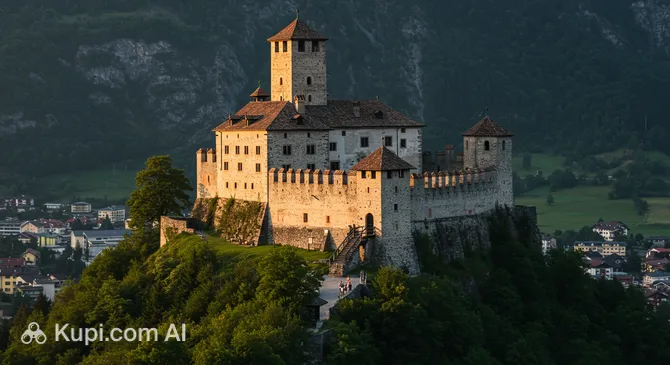
One of the town's main gems is the majestic Bruneck Castle (Castello di Brunico). This medieval fortress, perched on a hill overlooking the town, was founded in the 13th century by Bishop Bruno von Kirchberg. The castle served as an episcopal residence and administrative center. Today, it attracts tourists with its well-preserved architecture, historic atmosphere, and the fact that it houses one of the branches of the famous Messner Mountain Museum.

Bruneck Castle. Illustration.
Source: Kupi.com AI

Traveler photos:

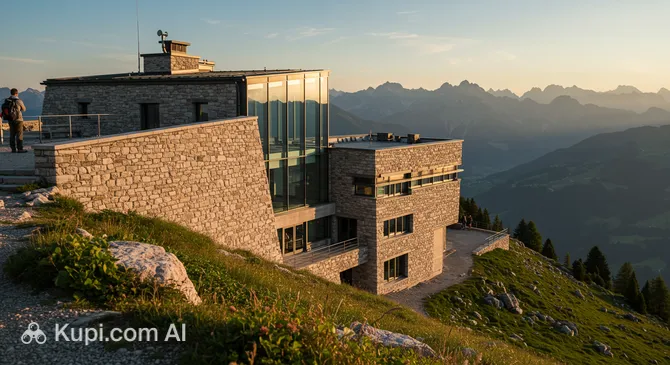
Inside the walls of Bruneck Castle is the Messner Mountain Museum Ripa. Created by the legendary mountaineer Reinhold Messner, this museum is dedicated to mountain peoples from all over the world, their culture, religion, and way of life. The museum's exhibition offers a unique look at the relationship between humans and mountains, making it a must-visit for anyone interested in mountaineering and ethnography.

Messner Mountain Museum Ripa. Illustration.
Source: Kupi.com AI

Traveler photos:

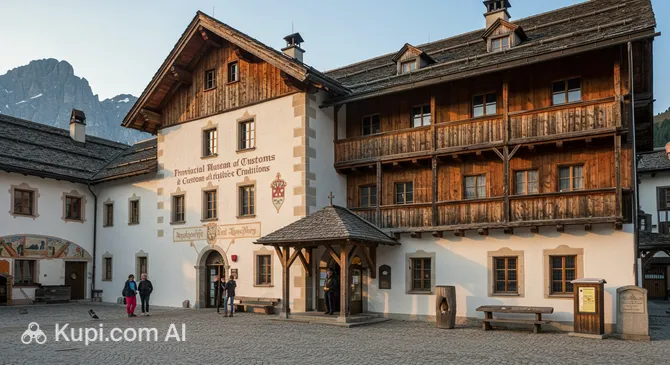
For those who want to dive deeper into local culture, the South Tyrolean Folklore Museum (Südtiroler Volkskundemuseum) in Dietenheim, near Bruneck, is well worth a visit. This open-air ethnographic museum features an extensive collection of old farmhouses, craft workshops, and outbuildings moved here from various parts of the region. Visitors can see how Tyrolean peasants lived and worked in the past and learn about traditional crafts and daily life.

Provincial Museum of Customs and Traditions. Illustration.
Source: Kupi.com AI

Traveler photos:

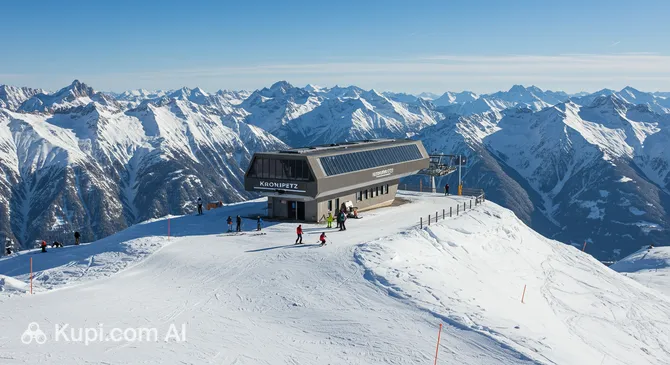
Outdoor enthusiasts and mountain landscape lovers should certainly turn their attention to the Kronplatz ski resort. This famous mountain, reaching a height of 2,275 meters, is one of the most popular and modern ski centers in the Dolomites. In winter, numerous slopes for skiers and snowboarders of all levels are available, while in summer, Kronplatz attracts tourists with hiking and cycling routes and spectacular panoramic views. You can reach the summit using the Kronplatz cable car, which is an adventure in itself.

Kronplatz Ski Resort. Illustration.
Source: Kupi.com AI

Traveler photos:

Local Cuisine

The gastronomy of Bruneck is a wonderful blend of Italian, Austrian, and Ladin culinary traditions, reflecting the rich cultural heritage of South Tyrol. The local cuisine is famous for using fresh, seasonal products, many of which are harvested in the surrounding Alpine meadows and forests. Travelers can expect a true gastronomic adventure full of authentic flavors and aromas.

Be sure to try the famous Tyrolean Knödel—hearty bread or potato dumplings with various fillings, ranging from speck to cheese. Another iconic dish is Schlutzkrapfen, local ravioli (mezzelune) filled with spinach and ricotta. You also cannot overlook Speck—a fragrant, dry-cured ham served with crusty bread and local cheeses. Hearty soups are also popular, such as barley soup with smoked meats (Gerstensuppe), as are dishes featuring game or fresh mushrooms, especially in season.

For dessert, you will enjoy classic apple Strudel (Apfelstrudel) or its curd cheese version, as well as various sweets with forest berries. As for drinks, take note of the local beers and wines produced in South Tyrol. These drinks perfectly complement the hearty dishes of the regional cuisine.

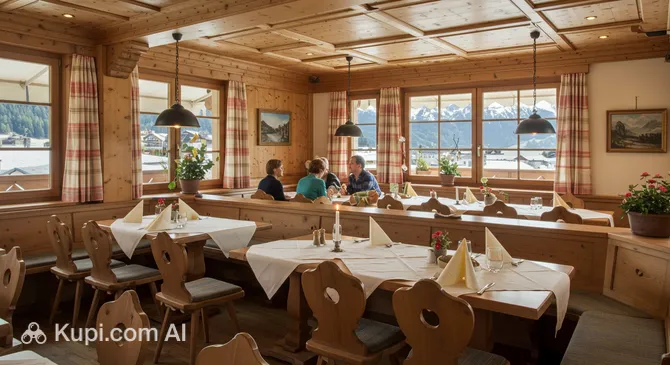
You can get acquainted with the local cuisine in numerous restaurants and traditional taverns (Stuben), where dishes prepared according to old recipes are served. One such place where you can appreciate local specialties is the Hotel Oberraut Restaurant. Also, stop by the farmers' markets to buy the freshest produce, homemade cheeses, and sausages. During certain seasons, especially in autumn, you can find stalls with roasted chestnuts and fresh pastries on the streets, and the town comes alive with gastronomic festivals and harvest fairs.

Oberraut Hotel Restaurant. Illustration.
Source: Kupi.com AI

Traveler photos:

The gastronomic scene of Bruneck attracts visitors with its authenticity and loyalty to tradition. Signature dishes like hearty Knödel, delicate Schlutzkrapfen, and aromatic Speck are the region's calling cards. Here, the quality of local products is valued, skillfully combining the simplicity of rural cooking with the sophistication of Alpine delicacies to offer tourists an unforgettable taste experience.

Travel Tips

Welcome to charming Bruneck! To make your trip to this Alpine town in Italy as comfortable and pleasant as possible, we have prepared some practical tips.

  1. Clothing and Essentials:

    Bruneck is located in South Tyrol, so the weather here can be changeable. Bring clothes that can be layered, as even in summer, evenings can be cool. Comfortable shoes are a must for walking around the town and possibly on mountain trails. Don't forget sunscreen, sunglasses, and a hat, especially if you plan on active outdoor activities. When visiting churches, clothing that covers shoulders and knees is recommended. In Italy, Type F and L sockets are used, so you might need an adapter.

  2. Transport:

    The center of Bruneck is quite compact and easy to explore on foot. For getting around the town and its surroundings, there is a well-developed public transport system—SAD buses. Taxis are available but can be expensive. If you plan to extensively explore the Dolomites and surrounding valleys, renting a car can be a good option.

  3. Finances:

    The local currency is the Euro (EUR). ATMs (Bancomat) are easy to find throughout the town. Credit and debit cards are accepted in most shops, restaurants, and hotels. Tips (mancia) are appreciated for good service (usually 5-10%), but often a service charge (coperto) is already included in the bill.

  4. Health and Safety:

    Pharmacies (Farmacia) are easily recognized by a green cross; information about duty pharmacies is usually available on the doors or online. In case of a medical emergency, call 112. It is recommended to have valid travel insurance. Bruneck is a very safe town. Nevertheless, observe usual precautions against petty theft, especially in crowded places.

  5. Communication:

    The official languages in South Tyrol are Italian and German, and many locals speak both fluently. English is also common in the tourism sector. Knowing a few basic phrases in Italian ("Grazie"—thank you, "Prego"—you're welcome, "Buongiorno"—good day) or German ("Danke", "Bitte", "Guten Tag") will be greatly appreciated. SIM cards can be purchased at mobile phone shops. Wi-Fi is available in many hotels, cafes, and public places.

  6. Local Etiquette:

    When entering shops, cafes, or restaurants, it is customary to say hello ("Buongiorno" or "Guten Tag" during the day, "Buonasera" or "Guten Abend" in the evening). Punctuality is valued. Locals are generally polite and hospitable, though they may seem a bit reserved at first.

  7. What to Avoid:

    Try not to be excessively noisy in public places, especially in churches and quiet residential areas. Avoid discussing sensitive political topics loudly, particularly those concerning local autonomy, unless you are sure of the context.

  8. Additional Tip:

    Pay attention to shop opening hours. Many of them, especially small private shops, may close for a lunch break (pausa pranzo or Mittagspause), usually from 12:30-1:00 PM until 3:00-3:30 PM. Also, don't miss the opportunity to visit local markets where you can find fresh products and handmade crafts.

We hope these tips help you better prepare for your trip and get the most enjoyment out of your stay in beautiful Bruneck!

Entertainment & Nightlife

Bruneck, a charming Alpine town in Italy, offers its guests a cozy and relaxed atmosphere for evening relaxation. While you won't find noisy districts packed with night clubs like in a metropolis, Bruneck delights with a variety of bars, cafes, and restaurants where you can spend pleasant time after a busy day.

The main evening life is concentrated in the historic town center along its picturesque streets. The atmosphere here is predominantly calm and friendly, perfect for conversation. Establishments are often decorated in a traditional Tyrolean style or a modern Alpine design. The crowd is a mix of locals and tourists. Most bars are open until midnight or slightly later, especially on weekends. The dress code is generally casual and informal.

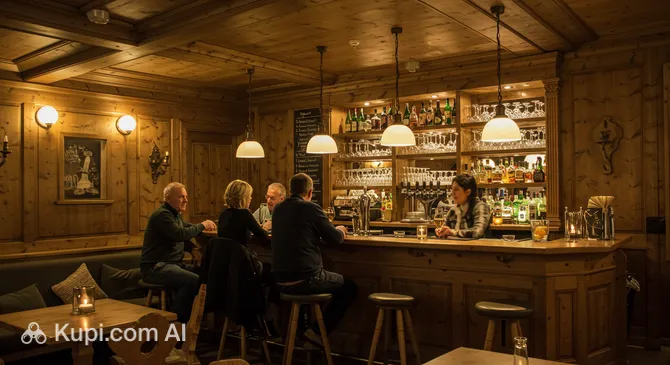
For a pleasant evening, you can stop by Bar-Café Feldmessner, known for its cozy setting and good selection of drinks. It's a great place to feel the local flavor. Dinner lovers will appreciate restaurants like the Hotel Oberraut Restaurant or the popular Pizza Baki, where you can not only have a delicious meal but also enjoy the city's evening ambiance.

Feldmessner Bar Café. Illustration.
Source: Kupi.com AI

Traveler photos:

The best time to visit bars is Friday and Saturday evenings when the town comes alive. Prices in Bruneck's establishments are considered moderate, in line with European standards. It is convenient to move around the town center on foot in the evening. For trips to more remote areas or hotels, you can use taxi services, which are best ordered in advance through your hotel or by phone.

Bruneck is considered a very safe town, and nighttime walks through its central streets usually cause no concern. Nevertheless, it is always worth observing standard precautions. If you need a taxi, you can call one by phone or ask the staff at your hotel or the establishment where you are relaxing to do it for you.

During the day, Bruneck also offers many interesting activities. You can visit the unique Messner Mountain Museum Ripa, located in Bruneck Castle, or the Folklore Museum to get to know the region's culture better. Active leisure enthusiasts will appreciate the proximity to the mountains and opportunities for hiking, and in winter—to the famous Kronplatz ski resort, reachable via the Kronplatz cable car.

Parks & Museums

Bruneck, a charming town in South Tyrol, offers its guests not only picturesque Alpine landscapes but also a rich cultural heritage reflected in its museums and historical monuments. Here, you can perfectly combine outdoor walks with educational excursions.

While there may not be large urban parks in the traditional sense right in the center of Bruneck, its entire territory is surrounded by magnificent nature. The town sits in the Puster Valley at the confluence of the Rienza and Aurino rivers, offering countless opportunities for hiking and cycling. The embankments of the Rienza River are perfect for leisurely promenades, while the nearby slopes and forests beckon with fresh mountain air. In winter, these same landscapes transform into a paradise for winter sports fans, especially thanks to the proximity to the famous Kronplatz ski resort.

Bruneck Castle. Illustration.
Source: Kupi.com AI

Traveler photos:

The town's main historical landmark is the majestic Bruneck Castle. This medieval structure, founded in the 13th century by Bishop Bruno von Kirchberg, who gave the town its name, towers on a hill and offers stunning views of the surrounding area. Today, it houses one of the exhibitions of the famous mountaineer Reinhold Messner.

For a deeper immersion into the region's culture, it is worth visiting the museums. One of the most significant is the Messner Mountain Museum Ripa, located in the aforementioned Bruneck Castle. This museum is dedicated to mountain peoples from around the world, their culture, religion, and daily life. The exhibition presents a fascinating journey through the traditions of the inhabitants of the Himalayas, the Andes, the Alps, and other mountain regions.

Messner Mountain Museum Ripa. Illustration.
Source: Kupi.com AI

Traveler photos:

Another interesting site is the South Tyrolean Folklore Museum in Dietenheim, near Bruneck. This open-air ethnographic museum allows visitors to plunge into South Tyrol's past. It features old farmhouses, outbuildings, craft workshops, and everyday objects that tell the story of the lives of peasants, craftsmen, and the aristocracy of past centuries.

Provincial Museum of Customs and Traditions. Illustration.
Source: Kupi.com AI

Traveler photos:

In addition to these key sites, the historic center of Bruneck itself, with its narrow streets, painted house facades, and ancient city tower, is a kind of open-air museum. For a more authentic experience, stroll through the less busy alleys of the Stadtgasse (Via Centrale) or visit the local market if it is open during your visit to feel the true atmosphere of a Tyrolean town.

Getting Around

Getting around Bruneck and its surroundings is quite convenient thanks to the well-developed public transport system typical of the South Tyrol region. The core of the transport network is made up of buses, including city routes (Citybus) and regional lines connecting Bruneck with other settlements in the Puster Valley and mountain areas.

The fare system is integrated into the general South Tyrol transport network. The Südtirol Pass (for locals and long-term stays) and various tourist cards, such as the Mobilcard (for 1, 3, or 7 days) or Guest Passes, which are often provided for free when staying in hotels and apartments, are very popular. These cards allow unlimited use of most types of public transport in the region, including city and regional buses, as well as regional trains. Single tickets are also available and can be purchased at ticket offices, machines at stations, in tobacco shops (tabacchi), or directly from the driver (sometimes with a small surcharge). The fare depends on the distance. For route planning, viewing schedules, and getting up-to-date tariff information, it is very convenient to use the SüdtirolMobil mobile app. Current tariffs can also always be checked on the official website of the region's transport service. Overall, the system is considered economical, especially when using passes; for example, a single short-distance trip usually costs a few euros, but daily or multi-day cards offer significant savings.

Travelers should remember that tickets not purchased from the driver must be validated when entering the bus or at the railway station before boarding the train. Usually, special yellow or blue machines are used for this. Buses run according to a schedule, which can be found at stops or online. Operating hours may be reduced in the evenings and on weekends, especially on less popular routes.

One feature of Bruneck's transport system is its proximity to the popular Kronplatz ski and tourist resort. Lifts and cable cars leading to the top of the mountain are an important means of transportation for tourists in both winter and summer, and are effectively integrated into the town's tourist infrastructure. The lower stations of the cable cars can be easily reached by city buses.

As an alternative to public transport, taxis are available in Bruneck, though this is a more expensive way to get around. Bicycle rental is very popular, as the region is famous for its picturesque cycling paths. Renting a bike is a great way to explore the town and its surroundings during the warmer months.

Accommodation

Bruneck offers a wide range of accommodation options capable of satisfying the needs of various travelers. Here you can find everything from cozy family guesthouses and self-catering apartments to mid-range hotels and more luxurious resorts. Budget travelers will also be able to find suitable options, although classic hostels may be fewer in number.

For tourists, areas located near the historic town center are particularly convenient, as they provide easy access to major attractions like Bruneck Castle or the Messner Mountain Museum Ripa. Accommodation options near the lifts to the Kronplatz ski resort are also popular, especially during the winter season.

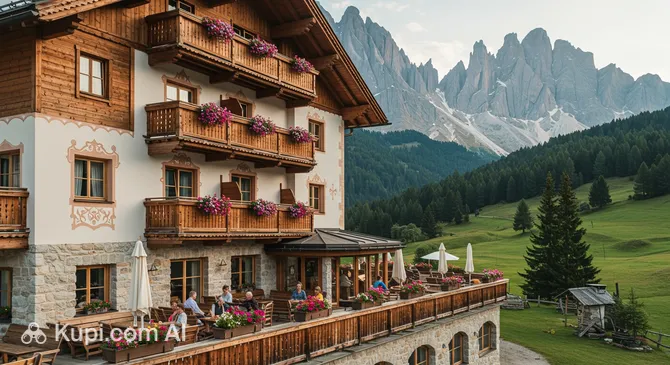
Hotel Petrus. Illustration.
Source: Kupi.com AI

Traveler photos:

Among the well-known options are, for example, Hotel Petrus and Winkler Sport & Spa Resort, which offer comfortable stays and a variety of services. The price range varies from relatively affordable offers to premium-class options. You can book accommodation through popular online platforms or directly on the websites of hotels or guesthouses.

Booking Tip: If your trip falls during the peak tourist season (especially in winter during the ski season or in summer), it is recommended to book your accommodation well in advance to ensure the best choice and prices.

Nearby Cities

For those who wish to explore the surrounding area, Bruneck serves as an excellent starting point for day trips to several interesting nearby locations:

CityPopulationDistance
Brixen22 01124 km
Klausen5 00034 km
Bolzano107 31757 km
Merano40 48562 km
Laives17 95462 km

These nearby destinations provide a glimpse into the diverse culture and landscapes of the region.

Shopping & Souvenirs

Shopping in Bruneck is a pleasant addition to a vacation in this charming Alpine town. Here, you won't find massive shopping malls; instead, you can enjoy the atmosphere of cozy streets with small shops offering high-quality goods, sports equipment, local delicacies, and traditional South Tyrolean souvenirs. The town is especially valued for its authentic regional products and crafts.

The main shopping life of Bruneck is concentrated in its historic heart. The main artery for shopping is Via Centrale (Stadtgasse), a picturesque pedestrian zone lined with historic buildings. Here and in the adjacent streets, such as Via Bastioni (Graben), you will find many fashion boutiques, sporting goods stores, jewelry shops, bookstores, as well as shops offering traditional Tyrolean items and souvenirs.

There are no large shopping centers in Bruneck in the way one might expect in a major city. The shopping format here is more intimate, focused on individual shops and family-run stores. However, you may come across small shopping galleries or department stores that house several sections under one roof.

In Bruneck, as in many towns in Italy and especially the South Tyrol region, markets are held periodically. These are often weekly farmers' markets where local producers offer the freshest products: cheeses, speck (smoked ham), bread, honey, and seasonal fruits and vegetables. These markets are a great opportunity to taste and buy authentic Alpine delicacies. It is best to check the days and times locally, as they may change depending on the season. The town also hosts themed fairs, such as Christmas or craft fairs.

As souvenirs from Bruneck, it is worth bringing back items that reflect the spirit of South Tyrol. These could be wood carvings (beautiful figurines, kitchen utensils), traditional Tyrolean hats and elements of national clothing, high-quality local products (speck, Alpine cheeses, grappa, apple schnapps, honey), as well as items made of natural wool and ceramics with local motifs.

Shops in Bruneck are usually open from Monday to Saturday. Standard working hours are approximately from 9:00-10:00 AM to 6:00-7:00 PM. Many small shops, especially family-run ones, may close for a lunch break (siesta)—typically from 12:30 PM to 3:00 PM. During the tourist season, some shops may stay open longer and without a break. On Sundays, most shops are closed, except for some souvenir shops and grocery stores in tourist areas. Cash (Euro) and bank cards (Visa, Mastercard) are widely accepted. In small shops and at markets, cash may be preferred.

For tourists from non-EU countries, a value-added tax refund system (Tax Free) operates in Italy. If you make purchases over a certain limit (usually around 155 euros in one store in one day), you can ask the seller to issue a special Tax Free check. By presenting this check along with the unopened purchases and your passport at customs when leaving the EU, you can receive a refund of part of the tax paid.

Reached the end of the page?

That means the route is fully explored