Support

Fussen

About

Füssen is a charming Bavarian town, nestled at the foot of the Allgäu Alps in southern Germany, on the picturesque banks of the River Lech. With a population of about 15,800, this town captivates with its unique atmosphere where history harmoniously blends with natural beauty. Narrow cobbled streets, old houses with painted facades, and majestic mountain landscapes create a fairytale feel.
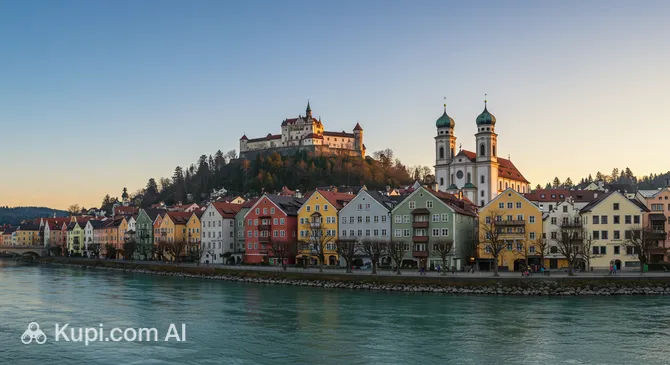
Füssen. Illustration.
Source: Kupi.com AI

Füssen is famous for its rich historical heritage, rooted in the times of the Roman Empire. In the Middle Ages, it was home to the influential Benedictine Monastery of St. Mang, which remains one of the town's main attractions today. One of Füssen's key features is its location: it serves as the gateway to the famous Neuschwanstein Castle and is the end point of the popular "Romantic Road of Germany" tourist route, which gives it a special appeal.

In addition to its historical treasures, Füssen is known as a recognized hydrotherapeutic resort with mineral springs and healing muds, offering excellent opportunities for wellness. The town is an ideal starting point for exploring the surrounding Alpine valleys, lakes, and, of course, the royal castles. Füssen is a place where everyone will find something for themselves: from peaceful strolls through the historic center to active outdoor recreation. Don't miss the chance to immerse yourself in its magical atmosphere!

You can find more interesting facts on the history of Füssen page.
Weather Overview

The weather in Füssen is characterized by a temperate climate with clearly defined seasons. Summer, especially in July and August, offers comfortable warm days with an average temperature of about 15.9°C, while maximum values can reach 20.5°C. It is worth noting that the summer months, including May, June, July, and August, are the wettest, with rainfall around 6 mm and a significant number of rainy days (from 18 to 22). Winters in Füssen are quite cold: the average January temperature is -1.9°C, and night frosts can drop the thermometer to -5.7°C. In winter, the amount of precipitation decreases (3-4 mm per month), but days with precipitation, often in the form of snow, remain regular (13-17 days per month).

In general, expect a warm but rainy summer and cold winters with frequent precipitation. Spring and autumn are transitional periods with gradual temperature changes and moderate rainfall. For more detailed trip planning, we recommend checking the detailed information about the climate of Füssen.

Average monthly temperature

Average monthly precipitation

Interesting Facts

Beyond its famous castles, the cozy Bavarian town of Füssen holds many surprising stories and lesser-known facts that make it even more attractive to curious travelers. Here are just a few of them:

St. Mang's Benedictine Monastery. Illustration.
Source: Kupi.com AI

Traveler photos:

  • The End Point of the "Romantic Road": Füssen is the southern terminus of one of Germany's most famous and scenic tourist routes — the "Romantic Road." This approximately 350 km long road connects Würzburg and Füssen, passing through many medieval towns and castles.

  • The Dance of Death in the Monastery: In the St. Mang's Benedictine Abbey, one of the town's oldest buildings, lies the unique St. Anne's Chapel. Its walls are adorned with an impressive series of "Dance of Death" (Totentanz) frescoes created in the 17th century — a rare and significant example of this genre in Southern Germany.

  • The Capital of Lute Makers: Starting from the 16th century and for several centuries thereafter, Füssen was one of the most important European centers for the production of lutes and violins. Masters from Füssen were famous for their art across the continent, and their instruments were highly valued in royal courts.

  • The Legend of the Lechfall Waterfall: The picturesque Lechfall waterfall on the River Lech, located near the historic center, is not only impressive for its natural power but also shrouded in legend. One of them says that it was here that St. Magnus, the patron saint of Füssen, made a miraculous leap across the gorge while escaping from heathens.

How to Get There

Füssen is located in southern Bavaria, right at the foot of the Alps. Thanks to Germany's developed transport network, getting here is quite easy, although there are no direct flights to the town itself. You can find all the details and plan your perfect route by visiting the how to get to Füssen page.

There is no airport in the town of Füssen itself, so travelers usually fly into nearby major cities. The most popular option is Munich Airport (MUC). It is a major international hub receiving flights from all over the world, located about 119 km from Füssen. The journey from the airport by rental car or taxi takes about 1.5–2 hours, and there is also a convenient train connection with a transfer in central Munich.

An alternative and often more budget-friendly option is Memmingen Allgäu Airport (FMM), located in Memmingen. It is significantly closer — only 58 km from Füssen. This airport is often used by low-cost carriers. Travel time by car from here is less than an hour.

For clarity, here is a summary of the main airports located relatively close to the town:

AirportPassenger trafficDistance
Memmingen Allgäu Airport3.2 mln58 km
Innsbruck Airport862 20260 km
Altenrhein Airport84 10086 km
Friedrichshafen Airport339 55691 km
Franz Josef Strauss Airport39.8 mln119 km

Traveling by train is one of the most scenic ways to get to the region. There is a railway station in Füssen itself, but it is the terminus for regional lines. The key transfer hub for most tourists is Munich Central Station (München Hauptbahnhof), about 90 km from Füssen. High-speed trains from all over Europe arrive here, after which tourists transfer to a regional train that takes them directly to the Alpine beauty of Füssen in two hours.

You can also use the route via Augsburg Hauptbahnhof, which is located at a similar distance. This is a major transport hub from where it is also convenient to plan a trip toward the Alps. Transfer time to Füssen by car or bus from these major stations takes about 1.5 hours.

Below is information on the major railway hubs convenient for planning your route:

StationPassenger trafficDistance
Innsbruck Railway Station14.1 mln63 km
Augsburg Hauptbahnhof18.3 mln90 km
Munich Hauptbahnhof164.3 mln90 km
Rosenheim Bus Station7.3 mln111 km
Zürich Hauptbahnhof154.6 mln164 km

Main Attractions

Füssen, a charming Bavarian town, is famous for its fairytale castles and picturesque surroundings. It is a place where history comes alive at every turn, offering tourists unforgettable experiences. Among the many attractions, several stand out as absolute must-visits.

Undoubtedly, the crown jewel of the region is Neuschwanstein Castle. This fairytale castle, built by King Ludwig II, inspired Walt Disney to create Sleeping Beauty's Castle. Its romantic appearance, majestic interiors, and breathtaking views of the Alps attract millions of tourists from all over the world. A visit to Neuschwanstein is an immersion into the world of dreams and fantasies of the Bavarian monarch.

Neuschwanstein Castle. Illustration.
Source: Kupi.com AI

Traveler photos:

Located near Neuschwanstein is Hohenschwangau Castle. This castle was the summer residence of the Bavarian kings and the place where Ludwig II spent his childhood. Hohenschwangau is less pompous than its famous neighbor but no less interesting for its history and cozy atmosphere. Inside, original 19th-century interiors telling the story of the royal family's life have been preserved.

Hohenschwangau Castle. Illustration.
Source: Kupi.com AI

Traveler photos:

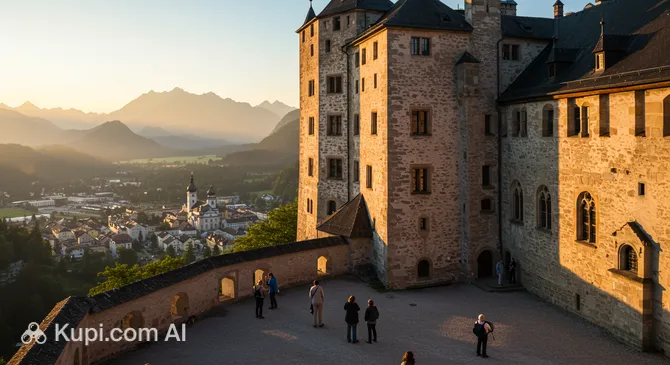
Rising right in Füssen is the High Castle (Hohes Schloss). The former summer residence of the Prince-Bishops of Augsburg, this castle is one of Bavaria's best-preserved medieval castle complexes. Its painted facades, which create the illusion of three-dimensional architectural elements, are particularly impressive, as is the art gallery featuring works of late Gothic and Renaissance art.

High Castle. Illustration.
Source: Kupi.com AI

Traveler photos:

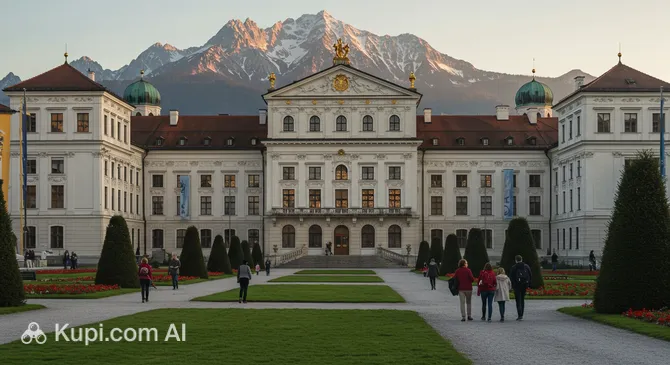
For those who want to dive deeper into the history of the Bavarian monarchy, the Museum of the Bavarian Kings is a must-see. Located on the shores of Lake Alpsee, between Neuschwanstein and Hohenschwangau castles, the museum offers a fascinating exhibition dedicated to the Wittelsbach dynasty, their lives, culture, and contribution to Bavarian history.

Museum of the Bavarian Kings. Illustration.
Source: Kupi.com AI

Traveler photos:

To enjoy the best view of Neuschwanstein Castle, head to Mary's Bridge (Marienbrücke). This narrow bridge spanning the Pöllat Gorge offers a breathtaking panorama of the castle against the mountain backdrop. It's the perfect spot for photos and unforgettable impressions, though keep in mind it can get quite crowded during peak season.

Marien Bridge. Illustration.
Source: Kupi.com AI

Traveler photos:

Local Cuisine

The cuisine of Füssen is a true immersion into the gastronomic traditions of Bavaria, where hearty dishes, rich flavors, and the simplicity of quality ingredients are valued. Thanks to its proximity to the Alps, special attention is paid here to fresh dairy products, particularly aromatic cheeses, and, of course, meat. The city's gastronomic scene offers authentic flavors that will warm you and leave pleasant memories.

Be sure to try Swabian Spätzle — delicate homemade egg noodles served with various sauces, as a side dish to meat, or as a standalone meal. Their cheese version — Käsespätzle, baked with aromatic local cheese and topped with crispy fried onions, is particularly popular. Equally famous are various Bavarian sausages, such as bratwurst, traditionally served with sauerkraut or potato salad and, of course, sweet Bavarian mustard. Fans of hearty food should also look out for the region's classic meat dishes.

Speaking of drinks, one cannot fail to mention the famous Bavarian beer. In Füssen, you will find many varieties from local breweries that perfectly complement any traditional dish. Among non-alcoholic drinks, Apfelschorle (apple juice with mineral water) is popular, as are various herbal teas and freshly squeezed juices.

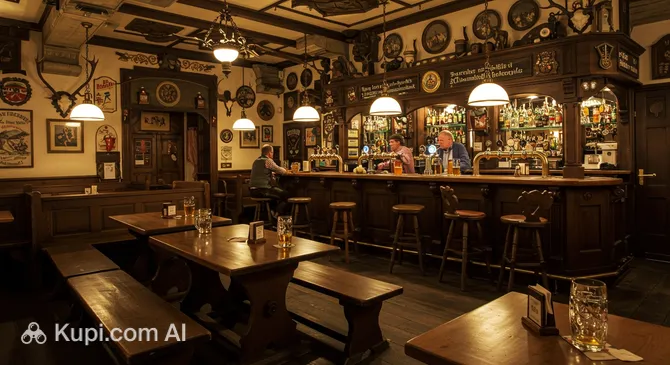
Locals and tourists enjoy their meals in traditional Bavarian restaurants and gasthofs, where a cozy and welcoming atmosphere prevails. Visit local farmers' markets to taste fresh regional products: cheeses, sausages, bread, and pastries. During city festivals and fairs, you can sample street food. To experience the authentic spirit, visit, for example, the Bavarian pub, where you can enjoy local drinks and snacks.

Bavarian Pub. Illustration.
Source: Kupi.com AI

Traveler photos:

The gastronomic experience in Füssen is not limited to restaurants. The town often hosts culinary festivals where you can get a deeper look at Bavarian recipes, try seasonal delicacies, and immerse yourself in the atmosphere of a true feast of flavor. This is a wonderful opportunity not only to eat well but also to feel the local color.

Travel Tips

Welcome to charming Füssen, a fairytale town at the foot of the Alps! To make your journey through this picturesque corner of Germany as comfortable and memorable as possible, we have prepared some practical tips.

  1. Clothing and Useful Items: The climate in Füssen is Alpine, so the weather can be changeable. In summer, bring light clothing but don't forget a sweater or jacket for evening walks and possible cold spells. In winter, a warm jacket, hat, gloves, and a scarf are essential. A key wardrobe element is comfortable shoes for walking on the old town's cobblestones and hiking to the castles. Don't forget a European adapter (Type F) for your electronic devices. if you plan to visit churches, choose modest clothing that covers shoulders and knees.

  2. Getting Around Town: Füssen is a compact town, and its historic center is easy to explore on foot. For trips to the famous Neuschwanstein and Hohenschwangau castles, as well as the surrounding area, it is convenient to use local buses (RVA/RVO). Consider getting a Füssen Card, which can provide discounts on transport and attractions. Taxis are available but can be expensive. Renting a car makes sense if you plan to travel extensively around Bavaria, but it's not necessary within the town itself, and parking can be limited and paid.

  3. Financial Matters: The official currency in Germany is the Euro (EUR). You can exchange money at banks or exchange offices, but it's better to have some cash with you upon arrival. Credit and debit cards (Visa, Mastercard) are widely accepted in most hotels, restaurants, and shops. ATMs (Geldautomat) are easy to find. Tipping (Trinkgeld) in restaurants is welcome but not mandatory; usually, 5-10% of the bill is left if the service was good, or the bill is simply rounded up.

  4. Health and Safety: Füssen is a very safe city. Nevertheless, standard precautions against pickpockets in crowded tourist areas won't hurt. Pharmacies (Apotheke) are easy to find by the red letter "A"; information about duty pharmacies (Notdienst) operating at night and on weekends is usually posted on the doors of closed pharmacies. Be sure to take out medical insurance before your trip. In emergencies, call 112.

  5. Language and Connectivity: The official language is German. In tourist areas, many people speak English. However, knowing a few basic phrases in German will be appreciated by the locals: "Hallo" (Hello), "Guten Tag" (Good day), "Grüß Gott" (traditional Bavarian greeting), "Danke" (Thank you), "Bitte" (Please). A SIM card for mobile internet can be purchased at supermarkets or mobile phone shops. Wi-Fi is available in most hotels and many cafes.

  6. Local Etiquette: Germans, and Bavarians in particular, value punctuality. A handshake is the standard greeting when meeting someone. In public places, especially on transport, try not to make noise. Pay attention to waste sorting rules if you are staying in an apartment. "Grüß Gott" is a common and friendly greeting in Bavaria; don't hesitate to use it.

  7. What to Avoid: Try to avoid loud conversations in restaurants or on public transport — it may be perceived as impolite. Also, avoid directly comparing Bavaria to other regions of Germany in a critical way or making negative comments about local traditions.

  8. Special Tip for Füssen: If you plan to visit Neuschwanstein and Hohenschwangau castles, we strongly recommend booking tickets online in advance, especially during high tourist season. This will help avoid hours-long queues and guarantee entry at your desired time.

We hope these tips help you plan an unforgettable trip to Füssen and enjoy its fairytale atmosphere and the beauty of the Bavarian Alps!

Entertainment & Nightlife

Füssen, a charming Bavarian town famous for its fairytale castles, also offers guests cozy evening entertainment. While it is not a metropolis with a bustling 24/7 life, you can find pleasant places to relax after a busy day.

Nightlife in Füssen is mainly concentrated in its historic center, the Altstadt. Here you will find traditional Bavarian pubs, small bars, and restaurants open until late evening. The atmosphere in these establishments is generally very friendly and relaxed. The crowd is mixed, consisting of both locals and tourists. There is usually no specific dress code; a comfortable style is welcomed. Most bars are open until midnight or 1:00 AM, especially on weekends. There are few classic-style clubs; the focus is more on a quieter way of spending time.

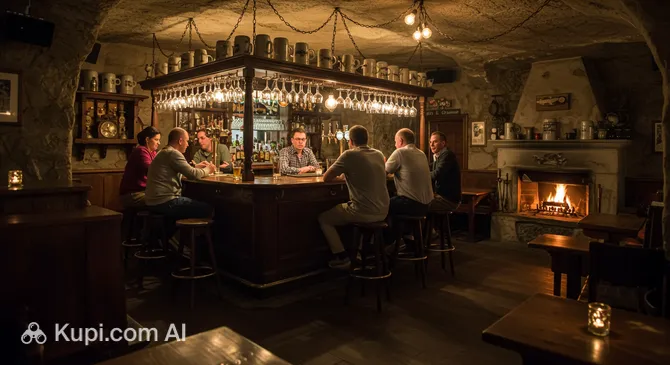
Among the popular places to spend an evening is the Bavarian pub, where you can immerse yourself in the atmosphere of genuine German hospitality and try local beer. Another interesting venue is Vitus Höhle (Vitus Cave), which offers a cozy setting for evening gatherings. Restaurants like KÖDAI can also offer a pleasant dinner in the evening.

Vitus Cave. Illustration.
Source: Kupi.com AI

Traveler photos:

Practical Tips: The best time to visit bars is after 8:00 PM. Average drink prices are moderate. Walking is the most convenient way to get around the city center at night. Füssen is considered a safe city, but it's always wise to take standard precautions. If you need a taxi, you can call one by phone or find them at designated stands.

During the day, Füssen offers plenty of cultural activities. Be sure to visit the famous castles, such as Neuschwanstein Castle and Hohenschwangau Castle. Also interesting are the High Castle and the Museum of the Bavarian Kings. For nature lovers, there is the Ziegelwies Forest Adventure Center or the picturesque Auwald Trail.

Parks & Museums

Füssen, a charming Bavarian town, offers its guests not only famous nearby castles but also wonderful opportunities for outdoor relaxation and immersion in the region's rich history through its parks and museums.

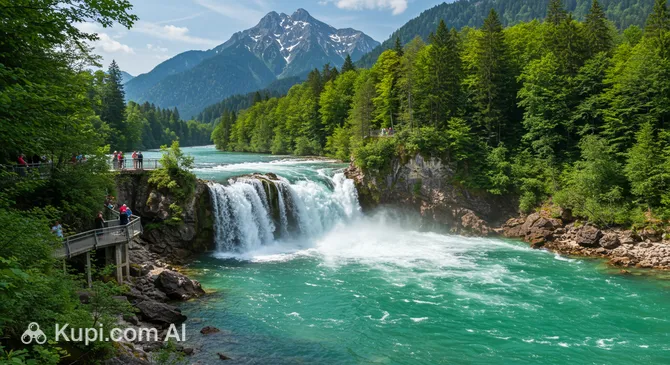
For nature lovers, Füssen has several wonderful spots. One of the most impressive is Lechfall — a picturesque waterfall on the River Lech, where water crashes over a series of cascades. It's a great place for walks and photos, especially impressive after rain. Near the waterfall, you can find a bust of King Maximilian II.

Lechfall. Illustration.
Source: Kupi.com AI

Traveler photos:

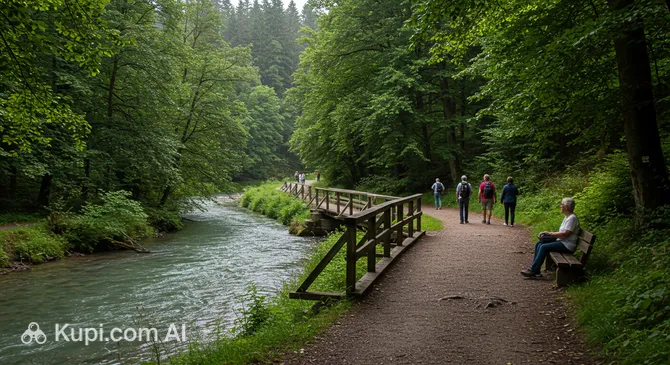
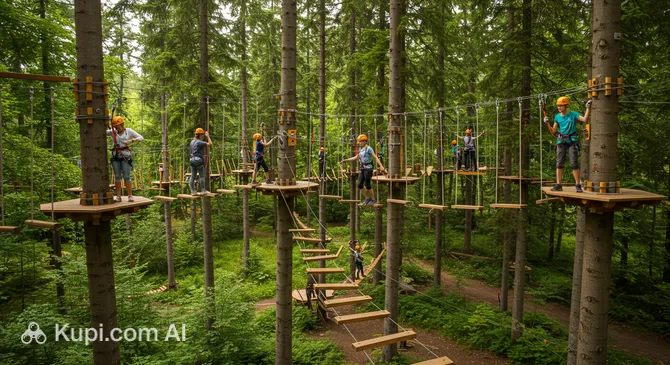
If you prefer forest walks, the Auwald Trail provides that opportunity. This nature route takes you through the floodplain forest along the river, allowing you to enjoy peace and fresh air. For family vacations with an educational twist, the Ziegelwies Forest Adventure Center is perfect, where you can learn a lot about the forest ecosystem and even walk along a treetop path.

Auwald Trail. Illustration.
Source: Kupi.com AI

Traveler photos:

Ziegelwies Forest Adventure Center. Illustration.
Source: Kupi.com AI

Traveler photos:

Füssen's cultural heritage is just as rich. Be sure to visit the Museum of the Bavarian Kings, located on the shores of Lake Alpsee, near the famous Neuschwanstein and Hohenschwangau castles. The museum's exhibition is dedicated to the history of the Wittelsbach dynasty and their connection to this region, shedding light on the life and reign of the kings, including the "fairytale" King Ludwig II.

In the heart of the old town rises the High Castle (Hohes Schloss), the former summer residence of the Prince-Bishops of Augsburg. Today, its walls house a branch of the Bavarian State Painting Collections, where you can see late Gothic painting and sculpture. A unique feature of the castle is the illusionary paintings on the facades, creating the effect of three-dimensional architectural details.

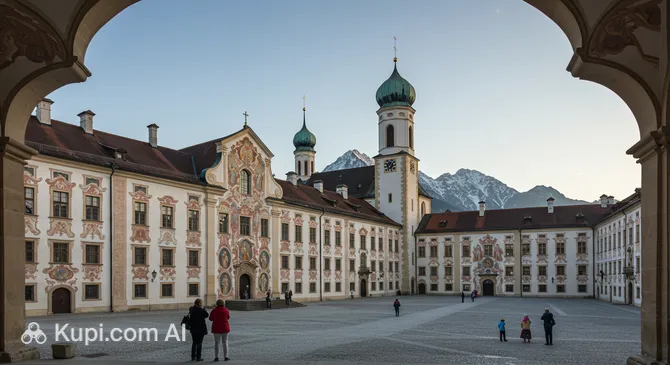
Another significant historical and cultural site is St. Mang's Benedictine Abbey. This former monastery, founded in the 8th century, holds a rich history. Today it houses the Museum of the City of Füssen, featuring exhibits on the city's history, including traditional lute and violin making. The Baroque basilica and the monastery library deserve special attention.

For those traveling with children or interested in fauna, the Allgäu Reptile Zoo, which features a collection of reptiles from around the world, might be of interest.

Allgäu Reptile Zoo. Illustration.
Source: Kupi.com AI

Traveler photos:

For an authentic experience, stroll through the lesser-known streets of Füssen's old town that branch off from the main Reichenstraße to discover cozy courtyards and traditional houses. And after visiting Lechfall, walk a bit further along the River Lech on one of the paths — it's often less crowded there, allowing you to enjoy the tranquility of nature.

Getting Around

Public transport in Füssen consists mainly of a bus network that provides convenient travel both within the town and to its famous surroundings. The historic center of Füssen itself is quite compact and easily explored on foot. The main operator is RVA (Regionalverkehr Allgäu), whose buses connect the train station, the town center, and key tourist sites, including Neuschwanstein and Hohenschwangau castles.

The fare system is quite simple. Tickets can be purchased directly from the bus driver, at vending machines at some stops (if available), or at the tourist information center. The approximate cost of a single ticket within the city is a few euros, while a day pass (Tageskarte), which is beneficial when planning several trips, can cost around 5-10 euros depending on the coverage zone. It's always best to check the RVA official website or the Füssen tourist information center for exact and up-to-date fare information. Notably, many hotels and guesthouses in Füssen provide their guests with a guest card (e.g., Füssen Card or Königscard), which often includes free travel on local buses, including popular routes to the castles (e.g., lines 73 and 78). For longer trips around Bavaria, the "Bavaria Ticket" (Bayern-Ticket) is convenient, valid on regional trains and many bus lines.

Tourists are advised to check bus schedules in advance, especially if traveling on weekends or in the evening when intervals between buses may increase. Schedules are usually available at stops, on the operator's website, or at the tourist office. Tickets bought from the driver are typically already validated. If you use a ticket that requires validation, you must do so in a special machine when boarding the bus or on the platform if one is present. Füssen railway station provides good connections to other Bavarian cities such as Munich and Augsburg.

As an alternative to public transport, taxis are available in Füssen, although this option is significantly more expensive. Given the picturesque surroundings, bicycle rentals are very popular — a great way to explore the region at your own pace. For short distances within the town, many prefer to move on foot, enjoying the atmosphere of the ancient streets. There are no special types of transport like a metro or tram in Füssen, but buses effectively deliver passengers to all main points, including the Tegelbergbahn cable car station.

Accommodation

Füssen offers a variety of accommodation options to satisfy the needs and budget of any traveler. Here you will find cozy family-run guesthouses (Gasthof) and self-catering apartments, as well as mid-range hotels and more luxurious options, especially in the picturesque surroundings.

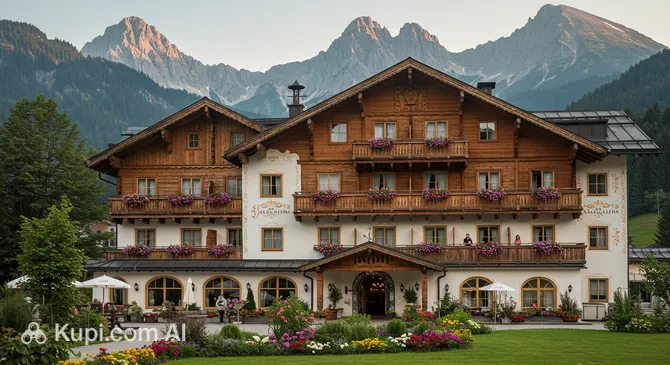
The most popular areas to stay are in Füssen's historic center, which provides easy access to main attractions such as the High Castle and St. Mang's Benedictine Abbey. Also in high demand are hotels and guesthouses in the immediate vicinity of the famous Neuschwanstein and Hohenschwangau castles, which offer spectacular views. One notable option for a comfortable stay is the AMERON Neuschwanstein Alpsee Resort & Spa, which offers high-end service and spa treatments.

Neuschwanstein Alpsee Resort & Spa. Illustration.
Source: Kupi.com AI

Traveler photos:

Prices range from budget options to luxury suites. It is recommended to book accommodation in Füssen in advance, especially if your trip falls during the peak tourist season (summer and Christmas holidays), as popular places fill up quickly. The main booking methods are popular online platforms and direct inquiries to hotels or guesthouses.

Nearby Cities

For those looking to explore the surroundings, Füssen serves as an excellent starting point for day trips to several interesting nearby locations.

Close by are notable towns such as Garmisch-Partenkirchen, famous for its Alpine landscapes and proximity to Germany's highest mountain, the Zugspitze, making it an ideal spot for mountain lovers. Just half an hour away is Kempten, one of Germany's oldest cities, attracting visitors with a rich history dating back to Roman times and a picturesque old town. Also worth noting is Kaufbeuren, a charming Bavarian town with a well-preserved historic center and a cozy atmosphere.

CityPopulationDistance
Marktoberdorf18 76924 km
Bobingen17 75730 km
Peiting11 58830 km
Schongau12 40131 km
Garmisch-Partenkirchen27 24931 km

These nearby destinations allow for a more complete understanding of Bavaria's diverse culture, history, and landscapes, complementing the experience of visiting Füssen.

Shopping & Souvenirs

Füssen, a charming Bavarian town, offers its guests a pleasant and authentic shopping experience, focused mainly on traditional goods, souvenirs, and local delicacies rather than major retail chains. You won't find huge malls here, but you can enjoy the atmosphere of small shops and boutiques selling unique items.

The main shopping arteries of Füssen are located in its picturesque Old Town (Altstadt). Stroll along the pedestrian Reichenstraße and its adjacent side streets, such as Schrannengasse. Here you will find many shops offering clothing, footwear, jewelry, books, as well as traditional Bavarian goods and handmade items. The atmosphere of these streets themselves invites leisurely shopping.

There are no large modern shopping centers in Füssen, which is typical for small historic towns in Germany. Shopping here is more about finding unique items in small family-run shops and boutiques than browsing standard chain department stores. This gives the process a special charm and allows you to find truly original things.

While there are no large permanent markets in Füssen, a farmers' market (Wochenmarkt) is held from time to time, usually once a week. At these markets, local farmers and producers offer fresh products such as cheeses, sausages, bread, honey, as well as seasonal fruits and vegetables. This is a great opportunity to taste and purchase regional delicacies.

As for souvenirs, you should definitely bring back something from Füssen that reminds you of Bavaria and the famous royal castles. Items featuring Neuschwanstein Castle and Hohenschwangau Castle are popular, as are figures of King Ludwig II, traditional Bavarian clothing (Trachten) or its elements, wooden crafts, beer steins, and local sweets and liqueurs. You will find many souvenir shops both in the city center and near the main attractions.

Shops in Füssen are generally open Monday through Friday from about 9:00-10:00 AM to 6:00-7:00 PM, and on Saturdays they often close earlier, around 2:00-4:00 PM. Most shops are closed on Sundays, except for some souvenir shops and stores on tourist routes. Credit cards (Visa, Mastercard) are accepted in most places, but it's always useful to have some cash on hand, especially for small purchases or at markets.

For tourists from non-European Union countries, a Tax Free system operates in Germany. This means that when purchasing goods for a certain amount (usually from 25 euros on one receipt), you can get a VAT refund. Look for stores with the "Tax Free Shopping" logo. Don't forget to ask the seller for a special Tax Free form and present it along with your purchases at customs when leaving the EU to get a stamp, after which you can process the tax refund.

Reached the end of the page?

That means the route is fully explored