Support

Potosi

Attractions

About

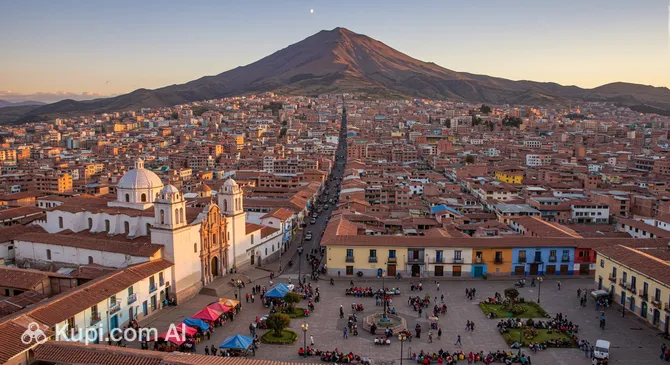
Potosí is a city that literally floats in the clouds, nestled among the rugged and majestic Andes. It is one of the highest settlements in the world, where every breath is filled not only with thin mountain air but also with the spirit of a legendary past. Founded in the mid-16th century, it became a symbol of colonial splendor and untold riches, attracting adventurers from all over the world for centuries.

Today, approximately 264,000 people live here, and the city serves as an important administrative and cultural center that Bolivia is rightfully proud of. Its location at an altitude of over 4,100 meters above sea level determines its cool climate and special rhythm of life. Narrow cobbled streets, ancient squares, and grand mansions immerse guests in an atmosphere of former wealth, while the incredible history of Potosí can be read in every stone of its architectural ensemble.

Potosí. Illustration.
Source: Kupi.com AI

The dominant feature of the landscape remains the famous Cerro Rico ("Rich Mountain"), whose silver depths once changed the global economy. In addition to its industrial heritage, the city delights with its Baroque cathedrals and cozy cafes, creating a striking contrast with the harsh mountain nature. Here, time seems to slow down, allowing travelers to enjoy the authentic traditions of the region.

To visit Potosí is to take a journey back in time and touch one of the most fascinating chapters in the annals of South America. This city with a strong character will not leave anyone indifferent who is ready to discover its secrets and enjoy the unique beauty of the highlands.

Weather Overview

The climate of Potosí is entirely dictated by its extreme high-altitude location in the Andes. Eternal coolness reigns here, and even in the warmest months, such as October and November, daytime temperatures rarely exceed +16°C. The year is clearly divided into wet and dry seasons, which is important to consider when planning your trip.

The period from January to March is considered the rainiest: the number of days with precipitation reaches 25 per month, and the average temperature stays in the range of +4°C to +13°C. Winter, which in the Southern Hemisphere lasts from May to August, is, by contrast, characterized by very dry weather (0–2 rainy days). However, nights during this time become truly frosty: in June and July, temperatures often drop to -3°C, although during the day the air warms up to +14°C under the bright mountain sun.

Expect a cool and wet summer season, followed by dry winters with clear days and night frosts. To choose the right wardrobe for your trip, we recommend checking in advance what weather in Potosí is forecasted for your preferred dates.

Average monthly temperature

Average monthly precipitation

Interesting Facts

Помимо основных достопримечательностей, Потоси хранит множество увлекательных секретов и легенд, которые делают его историю по-настоящему живой. Вот несколько фактов, которые помогут лучше понять уникальный характер этого «серебряного» города:
  • A bridge of silver and bones. There is an ancient legend that the silver extracted from the depths of Cerro Rico would have been enough to build a bridge from Potosí straight to Madrid. However, locals add with sad irony that a second bridge could have been built alongside it — out of the bones of the indigenous people and slaves who perished in the mines over the centuries of the colonial era.

  • Birthplace of the dollar sign. Many historians believe that the familiar dollar sign ($) was born right here. It is thought that the symbol originated from the overlapping of the letters P, T, S, and I (the abbreviation for Potosí), which were minted on Spanish coins. The National Mint of Bolivia preserves samples of those very coins that served as a global currency for centuries.

  • The miners' dual faith. A unique religious dualism exists in Potosí. On the surface, miners are devout Catholics who attend mass. But when they descend underground, they enter the domain of El Tio (The Uncle) — the spirit of the underworld, depicted as a devil-like figure. They bring him offerings of cigarettes, coca leaves, and alcohol, asking for protection and rich veins, as they believe God has no power in the deep depths of the mountain.

  • A phrase that became an idiom. The city's wealth in the 16th and 17th centuries was so staggering that it gave rise to the expression "vale un Potosí" ("worth a Potosí"). This phrase was even used by Miguel de Cervantes in "Don Quixote." To this day, the expression is used in Spanish to describe something of incredible value or price.

National Mint of Bolivia. Illustration.
Source: Kupi.com AI

Traveler photos:

How to Get There

Getting to Potosí is a small adventure in itself, as the city is located at a significant altitude in the mountains. There are no direct international flights, so travelers usually combine a flight to one of the nearby major cities with ground transportation. You can find out more about how to get to Potosí and choose the most convenient route on our dedicated page.

There is no active commercial airport within the city of Potosí that accepts regular tourist flights. The nearest transport hub on our list is Uyuni Airport (IATA: UYU), located in the city of Uyuni. It is approximately 150 km from Potosí. This is a small but important airport for the region. The journey from there by taxi or bus takes about 4 hours.

Another option is to use a larger aviation hub, such as Jorge Wilstermann International Airport (IATA: CBB). It is located in the city of Cochabamba, which is about 242 km from Potosí. This is an international airport with high passenger traffic, receiving flights from various countries. However, keep in mind that the journey along mountain roads from there will take about 6 hours and 25 minutes.

For clarity, here is a summary of the main airports through which you can reach the region:

AirportPassenger trafficDistance
Uyuni42 997150 km
J Wilsterman Airport2.7 mln242 km
Capitan Oriel Lea Plaza Airport339 735246 km

In addition to air travel, bus service remains the primary way to reach Potosí. The city is connected by regular routes to centers such as Sucre, La Paz, and Oruro. Buses in Bolivia are the most common and budget-friendly form of transport, allowing you to enjoy the picturesque views of the Andes on the way to your destination.

Main Attractions

Potosí is a city with a rich history, and its main attractions are living witnesses to its former greatness. Every building here tells a unique story from the times when the city was the center of global silver production.

The main symbol of the city's economic power is undoubtedly the National Mint of Bolivia (Casa Nacional de la Moneda). This monumental building, occupying an entire city block, was once the place where silver coins were minted for the entire Spanish Empire. Today, it is one of the best museums in South America, where you can see original wooden minting presses, a huge collection of coins, works of art, and even minerals.

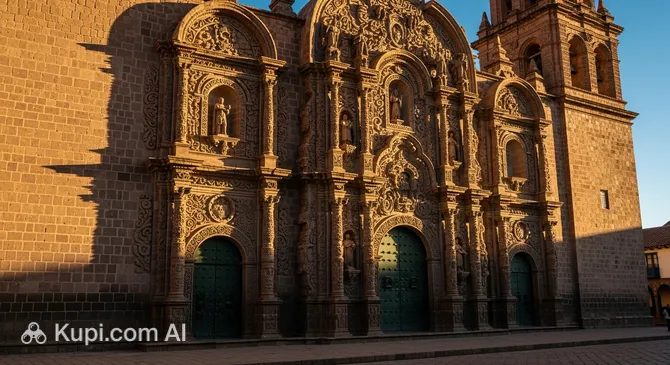
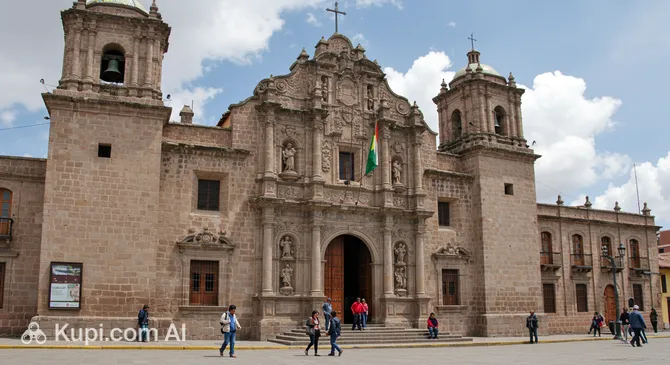
A true gem of colonial architecture is the Church of San Lorenzo de Carangas. Its facade is considered one of the most outstanding examples of the "Andean Baroque" style. It is decorated with incredibly intricate stone carvings where Christian motifs are whimsically intertwined with images from indigenous mythology, such as sirens playing the charango (a local string instrument). This church is a vivid example of the fusion of two cultures.

Church of San Lorenzo de Carangas. Illustration.
Source: Kupi.com AI

Traveler photos:

For a deeper immersion into the colonial era, it is worth visiting the Santa Teresa Museum. Located in an active convent, it offers a glimpse into the closed world of monastic life in the 17th and 18th centuries. Its halls house valuable works of religious art, antique furniture, and household items that convey the spirit of that time.

To take a break from the rich cultural program, you can head to Los Pinos Recreational Park, which serves as a green oasis in this high-altitude city. You can end the day at the cozy Tambo Señorial Restaurant, which serves local cuisine, allowing you to fully experience the hospitality of Potosí.

Local Cuisine

The cuisine of Potosí is a true discovery for lovers of authentic Andean flavors. At high altitudes, food here must be not only tasty but also hearty to provide energy and warmth. Local culinary traditions harmoniously combine the heritage of indigenous peoples and Spanish colonial recipes, creating a unique palette of flavors imbued with the character of the mountains.

Among the main dishes, calderada holds a special place. This is a thick and rich soup made from meat, potatoes, corn, and a bouquet of aromatic spices. This dish is perfect for restoring strength in the cool climate. Gourmets should also pay attention to the grilled meats: not only familiar beef is prepared here, but also tender llama meat, which is a traditional delicacy of the region. For breakfast or as a quick snack, locals choose salteñas — famous juicy pastries filled with meat and vegetables, which are best eaten hot right on the street.

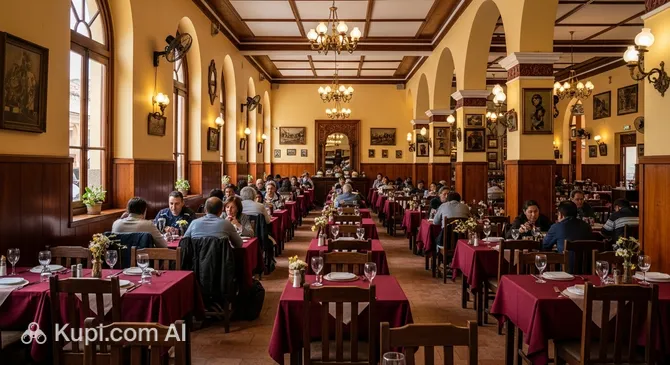
Tambo Señorial Restaurant. Illustration.
Source: Kupi.com AI

Traveler photos:

The gastronomic landscape of the city cannot be imagined without traditional drinks. The main warming elixir of Potosí is considered to be api — a thick, sweet, and spicy drink made from purple corn with the addition of cinnamon and cloves. Its aroma wafts through the morning markets and evening streets. If you want to enjoy local dishes in a historical atmosphere, we recommend visiting the Tambo Señorial Restaurant, where the menu reflects the city's best culinary traditions.

The food culture in Potosí is multifaceted. Tourists can choose between cozy colonial-style restaurants and colorful city markets that offer a true gastronomic adventure. At the markets, you can try fresh local cheeses, exotic fruits, and unusual desserts prepared according to ancient family recipes. The city lives through its cuisine, and food festivals are periodically held here, where the best chefs treat guests to unique delicacies.

Travel Tips

Visiting Potosí is a unique experience that requires special preparation, as you are heading to one of the highest cities in the world. To ensure your journey through this historical corner, which Bolivia is so proud of, is as comfortable and safe as possible, we have prepared a list of proven recommendations.

  1. Clothing and Gear. The main rule here is to dress in "layers." Mountain weather changes rapidly: it can be hot in the sun and piercingly cold in the shade. Be sure to bring thermal underwear, a fleece jacket, and a windproof jacket. Due to the thin atmosphere, the sun here is very aggressive, so sunscreen with a high SPF, sunglasses, and a hat are necessary even in cloudy weather. Shoes should be comfortable, with a thick sole suitable for walking on cobblestones.
  2. Transport Nuances. Given the difficult terrain and altitude, walking can quickly become tiring. For getting around the city, it is most convenient to use taxis. It is important to remember that there are no meters in the cars, so the price of the trip must be agreed upon in advance before you get into the vehicle. Trips around the center are inexpensive. Public transport (minibuses) is colorful and cheap, but often overcrowded, which can be uncomfortable if you are not used to it.
  3. Finances and Cash. Cash is king in Potosí. Bank cards are only accepted in some hotels and tourist restaurants, but terminals often don't work due to connectivity issues. Always have a supply of local currency (bolivianos) in small bills and coins — sellers and taxi drivers often don't have change for large notes. It's best to exchange dollars or euros at official exchange offices (Casas de Cambio) in the city center.
  4. Health and Acclimatization. An altitude of over 4,000 meters is a serious test for the body. In the first few days, avoid physical exertion, alcohol, and heavy food. Drink more water and try the local remedy for altitude sickness (soroche) — coca leaf tea (mate de coca), which is legal and served everywhere. Pharmacies (Farmacias) are frequent in the center, but few are open 24/7, so it's better to bring a basic first-aid kit with you.
  5. Language and Connectivity. The primary language of communication is Spanish. English is only understood by guides and staff at expensive hotels. Learn a few basic phrases or download an offline translator — it will make life much easier. For connectivity, we recommend buying a local SIM card (operators Entel or Tigo provide the best coverage in the mountains), as Wi-Fi in cafes and hotels is often slow and unstable.
  6. Etiquette and Photography. Local residents, especially the older generation and women in traditional outfits (cholitas), can react negatively to cameras. Never take photos of people without their permission — it is considered rude and can lead to conflict. A polite "¿Puedo sacar una foto, por favor?" (Can I take a photo, please?) often changes the attitude. When entering shops or taxis, it is customary to say hello ("Buenos días" or "Buenas tardes").
  7. What to Avoid. It is strictly not recommended to drink tap water — buy only bottled water. Also, avoid running or walking quickly, even if you are late: at this altitude, it can lead to instant shortness of breath, dizziness, and a sharp decline in well-being.
  8. Gifts for Miners. If you plan an excursion to the famous Cerro Rico mines, it is customary to buy small gifts for the miners working there. Usually, this is coca leaves, juice, or soda, which can be purchased at the "Miners' Market." This is not just charity, but an important part of local etiquette and a show of respect for their hard work.

Following these simple rules will help you adapt faster to the high-altitude conditions and focus on the main thing — the incredible history and atmosphere of Potosí. Be open to new experiences, respect local traditions, and this harsh but beautiful city will reward you in kind!

Entertainment & Nightlife

Nightlife in Potosí has its own unique character, shaped by the harsh climate and high altitude. Do not expect the loud clubs of megacities or parties until dawn here — the city goes to sleep quite early. However, it is this intimacy that gives the evenings a special charm. Entertainment is mainly concentrated in the historical center, around the main 10 de Noviembre square and the adjacent colonial streets.

The city's evening culture consists of cozy bars and pubs where travelers from all over the world gather to warm up after a windy day. One of the most popular meeting spots is Café-Pub 4060. The number in the name symbolizes the city's altitude above sea level. It has a warm international atmosphere, serves excellent craft beer, and the walls are covered with messages from tourists from various countries. It’s a great spot for a relaxed start to the evening.

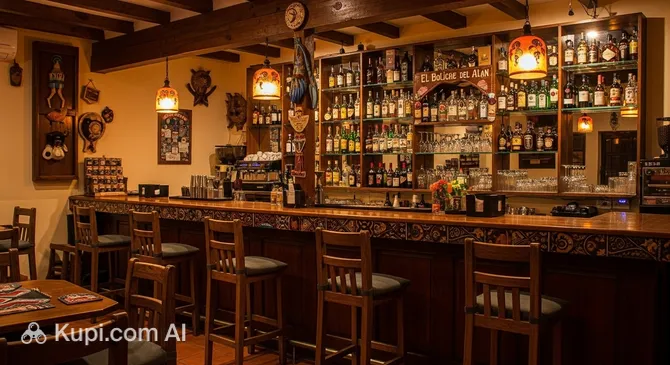
If you are looking for a place with more local flavor and live music, check out El Boliche Del Alan. This is a bar with a relaxed vibe where local rock bands often perform. There is no such thing as a dress code in Potosí's establishments: due to the cold nights, when temperatures often drop to freezing, the best outfit is a warm fleece and comfortable boots.

El Boliche Del Alan. Illustration.
Source: Kupi.com AI

Traveler photos:

For those who prefer quieter cultural leisure, there are cinemas in the city, such as Multicine Universal, where you can watch world premieres. Also, keep an eye on the schedule at the Teatro IV Centenario. Folklore music concerts and theatrical performances are periodically held here, helping visitors gain a deeper understanding of the traditions of the Bolivian highlands.

Practical tips for evening leisure:

  • The trickery of altitude. Remember that at an altitude of over 4,000 meters, alcohol intoxication occurs much faster and is harder to recover from than at sea level. It is recommended to consume drinks in moderation and drink plenty of water.
  • Safety. The historical center is considered relatively safe, but the streets empty out very quickly. After 10:00 PM, it is not recommended to walk alone in dark alleys outside the tourist zone.
  • Transport. The best way to get to your hotel at night is to call a radio-taxi. It is inexpensive and reliable. Ask a bartender or waiter to call a trusted car for you.

Parks & Museums

Potosí, despite its harsh high-altitude appearance and rich industrial past, possesses a surprisingly vibrant cultural life. The city offers travelers a unique combination of green oases, which are especially valued here at high elevation, and world-class museums that preserve the memory of the colonial splendor.

Finding lush vegetation at 4,000 meters is no easy task, so every green zone in the city becomes a true treasure. One of the favorite places for quiet relaxation among locals and tourists is Los Pinos Recreational Park. This space allows you to escape the stone labyrinths of the center and enjoy nature. The "green heart" role is also fulfilled by the main square — Plaza 10 de Noviembre. Surrounded by historical buildings, it is decorated with well-kept flower beds and even palm trees, which have surprisingly adapted to the cold climate.

The museum map of Potosí is sure to impress even the seasoned traveler. The National Mint of Bolivia is rightfully considered the main historical treasury. This is not just a museum, but a huge complex occupying an entire block. Here you can see ancient wooden machines for minting coins, which were once driven by mules, and a rich collection of silver.

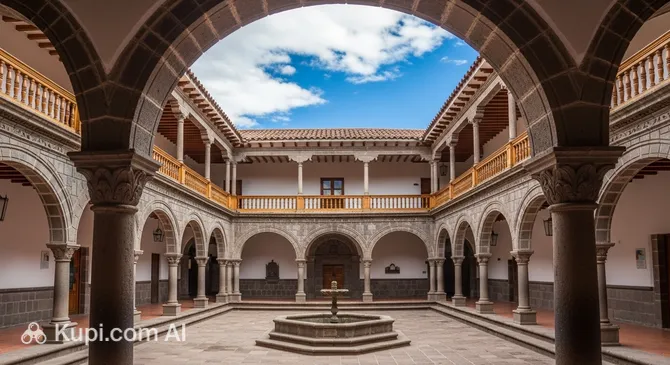
Equally interesting is the Santa Teresa Museum, located within the walls of an ancient convent. A tour here turns into a mystical journey into the past: visitors can see the nuns' cells, unique sculptures, and religious household items that were hidden from prying eyes for over three centuries.

Saint Teresa Museum. Illustration.
Source: Kupi.com AI

Traveler photos:

Speaking of architectural masterpieces that are themselves open-air museums, one cannot overlook such a monument as the Church of San Lorenzo de Carangas. Its stone portal is perhaps the most striking example of the "Mestizo" style in the Andes, where Catholic symbols are intertwined with indigenous beliefs in incredibly complex carvings. This facade can be studied for hours, constantly revealing new and amazing details.

For those seeking special experiences, we suggest climbing to the observation deck or the roof of the San Francisco Monastery. From there, a breathtaking panorama opens up over the tiled roofs of the city and the majestic Cerro Rico mountain, allowing you to see all of Potosí as if in the palm of your hand.

Getting Around

The public transport system in Potosí is a colorful and rather chaotic mechanism that differs significantly from standard European models. You won't find a metro, trams, or modern trolleybuses here. The city's transport network is fully adapted to the challenging mountain terrain and narrow colonial streets, which large-scale transport simply cannot navigate.

The main way for locals to get around is via minibuses (often called "micros") and shared taxis ("trufi"). Minibuses are easy to spot: they are small, often brightly painted, and decorated with stickers. Route numbers and key points (markets, squares, stations) are usually handwritten on signs displayed behind the windshield. There is no strict schedule: transport runs frequently, but intervals depend on the time of day and traffic congestion.

Fares are paid exclusively in cash. There are no transport cards, validators, or apps for buying tickets online in Potosí. Money is handed personally to the driver upon entry or, more commonly, when exiting the vehicle. The fare is fixed and very low (usually 1.50–2 bolivianos). Tourists are strongly advised to always carry small coins, as drivers often do not have change for large bills.

There are few official stops in the city. To catch a minibus, you simply stand on the side of the road and wave your hand at the approaching bus. To get off, it's enough to say loudly to the driver "Me quedo!" (I'm staying/getting off) or "En la esquina, por favor" (On the corner, please). Transport starts early in the morning, around 6:00 AM, and runs until approximately 9:00 PM. In the later hours, traffic intensity drops sharply.

A popular and affordable alternative is taxis. There are many cars in the city, and this is the most convenient way to get to a specific attraction if you don't want to figure out the complex routes. An important feature: there are no meters in taxis. The cost of the trip must be agreed upon in advance, before getting into the car. Prices within the city are usually fixed and low, but they can be inflated for foreigners, so don't hesitate to bargain. Ride-hailing apps (like Uber) practically don't work here, but you can ask hotel staff to call a reliable "radio-taxi."

Renting a car or using car-sharing in Potosí is not recommended due to the extremely narrow streets, steep climbs, and the specific driving style of local residents. Within the historical center, walking remains the best way to get around; however, remember the altitude: walk slowly to avoid shortness of breath.

Accommodation

Где остановиться:

Accommodation options in Potosí, much like the city itself, are steeped in the spirit of history and the colonial past. You won't find ultra-modern skyscrapers of glass and concrete or five-star chain resorts here. Most hotels and hostels are located in restored old mansions with internal courtyards (patios), allowing tourists to feel the atmosphere of past centuries. The range of housing varies from budget backpacker hostels to cozy mid-range boutique hotels offering a decent level of comfort.

The most popular and convenient area to stay is the Historic Center (Centro Histórico). By staying here, you will be within walking distance of the main attractions, such as the famous National Mint of Bolivia and the central square. This is particularly important at high altitudes: staying in the center will save you from having to make tiring climbs up steep streets when returning to your hotel after excursions. Additionally, the main tourist infrastructure is concentrated in this area: cafes, currency exchange offices, and souvenir shops.

National Mint of Bolivia. Illustration.
Source: Kupi.com AI

Traveler photos:

Important tip for choosing a room: Potosí is a cold city, and night temperatures here often drop below freezing, while central heating in buildings is a rarity. When booking, be sure to check for the presence of a heater (calefacción) in the room. In budget places, you might only be offered extra warm alpaca wool blankets, which is also good, but an electric heater will make your stay much more comfortable.

The price range in the city is very democratic. Budget travelers can find a bed in a hostel for a very modest sum, while prices for double rooms in the city's best hotels remain affordable by international standards (mid-plus level). You can book accommodation through popular international online platforms to guarantee a spot upon arrival. However, if you are traveling during the low season, you can often find a free room by visiting in person and simply walking around the city center.

Nearby Cities

Для тех, кто хочет исследовать окрестности, Потоси служит отличной отправной точкой для однодневных поездок в несколько интересных близлежащих мест: One of the most popular destinations for travelers is **Sucre**, located relatively nearby. It is the constitutional capital of Bolivia, known as the "White City" due to its impeccably preserved colonial architecture. Here, at a lower altitude, the climate is significantly milder and warmer, making a trip here a pleasant break from the harsh highlands. Another important destination is **Uyuni**. Although the journey can take several hours, this city serves as the main gateway to the famous Salar de Uyuni — the world's largest salt flat. The landscapes here resemble something from another planet, and they are the reason many tourists come to this region. You can also look into the mining town of **Llallagua**. It is less touristy but allows for a deeper dive into the industrial history of the region and a look at the lives of miners outside of Potosí itself.
CityPopulationDistance
Betanzos4 84732 km
Sucre300 00079 km
Tarabuco2 44298 km
Challapata12 684130 km
Camargo4 502131 km
These nearby destinations provide an insight into the diverse culture and landscapes of the region, from colonial elegance to the rugged natural beauty of the Andes.

Shopping & Souvenirs

Shopping in Potosí is a fascinating immersion into local traditions and culture, quite different from the typical shopping trips in major metropolises. You won't find huge shopping malls with global brands here, but the city offers unique opportunities to purchase authentic handmade crafts. Potosí, known for centuries as the "silver capital," is still famous for its jewelry, as well as its vibrant textiles and unusual souvenirs related to mining life.

The city's commercial life is mainly concentrated in its historical center. One of the main arteries for walking and shopping is the pedestrian part of Calle Sucre, often called Pasaje Boulevard. This busy street, framed by colonial buildings, is full of small shops, souvenir stalls, pastry shops, and photo studios. It is also worth strolling down Bolívar street, where you can find shops with clothing, electronics, and daily goods.

There are no large modern malls in the conventional sense in Potosí. Trade here takes place in the form of small galleries (galerías) and passages hidden inside old mansions. This gives the shopping process a special charm: you move from one courtyard to another, discovering local clothing brands or handmade goods stalls.

The true heart of commerce in Potosí is the markets. The most colorful and famous among them is the Miners' Market (Mercado de los Mineros). This is perhaps the only place in the world where tourists can freely buy dynamite, detonators, and ammonite. Of course, you cannot take this out of the country, but such kits are bought as gifts for miners when visiting the Cerro Rico mines. Coca leaves, 96% alcohol (drinkable, used for rituals), and cigarettes are also sold here. For more traditional purchases, head to the Central Market (Mercado Central), where you can buy fresh fruit, local sweets, and inexpensive food.

As souvenirs from Potosí, it is worth bringing back:

  • Silver: Items made from this metal are cheaper here than in Europe and often feature fine filigree work. Look for shops with the "Platería" sign.
  • Textiles: Bright "aguayo" fabrics, scarves, hats, and sweaters made from alpaca or llama wool. They provide excellent warmth in the cold high-altitude climate.
  • Mining souvenirs: Small figures of llamas, minerals, or decorative elements related to the history of mining.
  • Sweets: Traditional Bolivian candies and locally produced chocolate.

Shops in Potosí usually operate from 9:00 AM to 7:00 PM or 8:00 PM. It is important to remember the siesta: many small shops and even some institutions close for a lunch break from approximately 12:30 PM to 2:30 PM. The main method of payment is cash (bolivianos). Credit cards are only accepted in large supermarkets, tourist shops, and some restaurants, so always have a supply of banknotes, especially when visiting markets where moderate bargaining is also appropriate.

The Tax Free system (VAT refund) is not as widely spread in Bolivia as in Europe. It is impossible to arrange a VAT refund in small souvenir shops and markets in Potosí. Expect that the price you see or agree upon is final.

After a busy trip to the shops and markets, you can relax in a cozy place, for example, visit Café-Pub 4060 to have a snack and discuss your purchases in a relaxed atmosphere.
Reached the end of the page?

That means the route is fully explored