Support

Guaratingueta

About

Guaratinguetá is a true Brazilian hidden gem, nestled in the state of São Paulo within the scenic Paraíba do Sul river valley. Located between the two major metropolises of Rio de Janeiro and São Paulo, this city serves as an excellent starting point for exploring the heart of Brazil. Surrounded by green hills and picturesque landscapes, Guaratinguetá also offers easy access to the Atlantic coast.
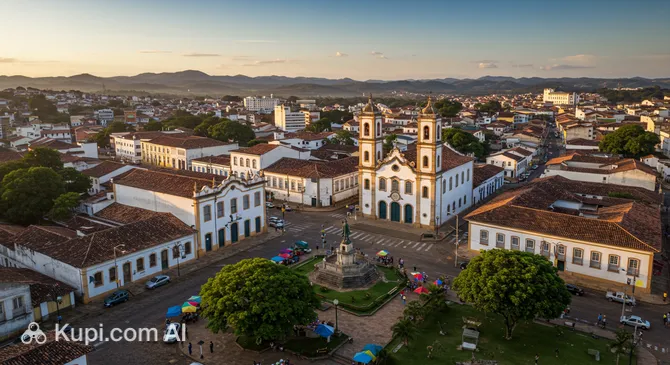
Guaratingueta. Illustration.
Source: Kupi.com AI

With a population of just over 119,000 people, Guaratinguetá maintains the charming, relaxed atmosphere characteristic of provincial life. The city is a fascinating blend of contrasts: ancient churches sit harmoniously alongside modern cafes, while lively markets give way to quiet streets where time seems to slow down. Despite its size, the city is an important municipal center and a vital transport hub.

Guaratinguetá is famous for its friendly atmosphere and the hospitality of its locals. Visitors can admire colonial-era architecture, stroll through charming squares and parks, and immerse themselves in the unique culture and traditions of the region. A trip here is a chance to feel the authentic rhythm of Brazilian life away from the urban hustle and discover another jewel of this amazing country.

You can find more interesting facts on the history of Guaratinguetá page.

Weather Overview

The weather in Guaratinguetá will delight lovers of warmth. Summer here, from December to February, is typically warm, with average temperatures ranging from 22.7-23.2°C. This period also sees the highest number of rainy days, though the rains themselves are mostly light (about 7-8 mm per month, spread over 22-23 days). Winter months, from June to August, bring cooler weather with average temperatures around 17.3-18.1°C and significantly less rainfall (about 1 mm per month), making this period much drier. Overall, expect a warm summer with frequent but light rain, and a mild, dry winter. To better plan your trip, check out the detailed information on the Guaratinguetá Climate page.

Average monthly temperature

Average monthly precipitation

Interesting Facts

Beyond its well-known attractions, Guaratinguetá holds many surprising stories and facts that make this Brazilian city truly special. Here are just a few that will let you see it from a new perspective:

  • Guaratinguetá is one of the oldest cities in the state of São Paulo. Its history dates back to the 17th century when the first Portuguese settlers arrived. The city's name is of Indigenous origin: in the Tupi language, "Guaratinguetá" means "the place where the herons live." Indeed, these graceful birds can still be frequently seen near local water bodies today.

  • The city is the birthplace of Saint Anthony Galvão (Frei Galvão)—the first canonized saint of Brazilian origin. His home, now a museum, and his chapel attract many pilgrims and tourists, especially during the annual June festivals held in his honor.

  • Guaratinguetá boasts magnificent examples of colonial architecture, with the Church of Saint Anne being a standout. Many historical buildings in the city center are carefully preserved, giving it the unmistakable charm of bygone eras.

  • Unique local traditions are still very much alive here. Guaratinguetá regularly hosts colorful folklore festivals featuring traditional dances, music, and craft fairs. Locals also enjoy sharing legends about the mysterious herons, an encounter with which is believed to bring good luck.

How to Get There

Guaratinguetá occupies a strategically important position in the Paraíba do Sul river valley; however, the city does not have its own civil airport for scheduled passenger flights. Travelers will first need to fly into one of the major aviation hubs in the state and then continue their journey by land. You can find out more about how to get to Guaratinguetá on a separate page, and below we will outline the main arrival options.

The most popular choice for international travelers is São Paulo-Guarulhos International Airport (IATA: GRU). It is located in the city of São Paulo, approximately 150 km from Guaratinguetá. This is the country's main gateway with massive passenger traffic. Since there is no airport in Guaratinguetá itself, you will need to transfer to ground transport upon arrival. A trip by car or bus along the President Dutra highway takes about 2 to 2.5 hours.

If you are looking for a closer option, consider São José dos Campos Airport (IATA: SJK). It is located in the city of São José dos Campos, just 83.8 km from the center of Guaratinguetá. This is a regional airport with light passenger traffic, ensuring quick processing. The journey from here by taxi takes about 1 hour and 20 minutes. Additionally, Congonhas Airport (IATA: CGH) in São Paulo, located 176 km from the city, is frequently used for domestic flights.

For convenience, here is a summary of the main airports:

AirportPassenger trafficDistance
Sao Jose dos Campos85 00084 km
Angra dos Reis92 km
Sao Paulo-Guarulhos International Airport41.3 mln150 km
Sao Paulo/Congonhas Airport22 mln176 km
Galeão Antonio Carlos Jobim International Airport14.5 mln201 km

As passenger rail service is practically non-existent in this region, the primary way to reach Guaratinguetá from the airports is by road. The city is intersected by the important federal highway Via Dutra (BR-116), which connects the two largest metropolises in the country. Comfortable intercity buses run regularly from the terminals in São Paulo and Rio de Janeiro, making a stop at the Guaratinguetá bus station.

Main Attractions

Guaratinguetá, nestled in the state of São Paulo, attracts travelers with its rich history and spiritual heritage. The city is known as the birthplace of the first Brazilian saint, Frei Galvão, which leaves a special mark on its atmosphere and landmarks. Here are several key places worth visiting in Guaratinguetá:

Santuário de Frei Galvão (Shrine of Frei Galvão) is undoubtedly the main attraction for pilgrims and tourists. This modern and spacious church complex is dedicated to Saint Antônio de Sant'Ana Galvão. Thousands of believers come here to pray, touch the relics, and receive the famous "Frei Galvão pills," known for their healing properties. The atmosphere here is filled with faith and peace.

Casa de Frei Galvão (House of Frei Galvão) is the place where the saint was born and spent his childhood. Today, it is a memorial museum that allows visitors to step into the 18th-century atmosphere and learn more about Frei Galvão's life before his monastic journey. The exhibition includes period household items and personal belongings related to the saint, making the visit particularly educational for those interested in his biography.

Catedral de Santo Antônio (Cathedral of Saint Anthony) is the city's main Catholic church, serving as both an important religious center and an architectural landmark. Dedicated to the city's patron saint, Saint Anthony, the cathedral impresses with its interior decor and is the venue for major church services and celebrations. Its history is closely intertwined with the development of Guaratinguetá itself.

Museu Histórico e Pedagógico Conselheiro Rodrigues Alves (Conselheiro Rodrigues Alves Historical and Pedagogical Museum) is another landmark for those interested in Brazilian history. The museum is dedicated to the life and work of Francisco de Paula Rodrigues Alves, a prominent political figure who twice served as President of Brazil and was born in Guaratinguetá. The museum's exhibition tells the story of his contribution to the country's development and introduces the history of the region.

Local Cuisine

The gastronomy of Guaratinguetá is a delicious blend of Portuguese, African, and Indigenous culinary traditions, offering tourists a unique taste experience. This is a city where food is not just about satisfying hunger, but an important part of culture and daily life.

Be sure to try feijoada—a hearty and aromatic black bean stew with various types of meat and smoked sausages. This dish is often prepared according to family recipes and is a true pride of the local cuisine. Another iconic dish is tutu de feijão, which is a bean purée mixed with manioc flour, often served with a fried egg and sausages.

Among the local delicacies, queijo minas stands out—a delicate fresh cheese that pairs perfectly with homemade jams, such as guava jam, or simply with fresh bread. For dessert, don't miss the chance to try pudim de leite—a delightful caramel flan that melts in your mouth.

Street food in Guaratinguetá also deserves attention. Try the crispy pastel—fried savory pastries with various fillings, from meat to cheese—or coxinha—teardrop-shaped croquettes filled with shredded chicken. Be sure to refresh yourself with freshly squeezed juice from exotic tropical fruits. For those who want to get to know local alcoholic drinks, try the famous cachaça—Brazilian sugarcane rum, which is the base for the popular caipirinha cocktail. Many establishments also offer various brands of local beer, perfect for quenching thirst on a hot day. The city markets are an excellent place not only to buy fresh produce but also to feel the authentic atmosphere. Here you can find fresh vegetables, exotic fruits, and local honey.

The dining culture in Guaratinguetá is diverse: from cozy family restaurants serving traditional dishes to lively street stalls and markets. Locals often prefer to have lunch at small eateries offering "prato feito" (a set meal). The city also periodically hosts gastronomic festivals where you can get a deeper look at local cuisine and artisanal products.

Travel Tips

Planning a trip to Guaratinguetá? Wonderful! To ensure your journey to this interesting city in Brazil goes smoothly and leaves only pleasant impressions, we have prepared a few practical tips.

  1. Clothing and essentials: The climate in Guaratinguetá, São Paulo state, is typically warm and humid. Pack light, breathable clothing made from natural fabrics. Essential items include comfortable shoes for walking around the city and its surroundings, sunscreen, a hat, and sunglasses. During the rainy season (usually from December to March), a light raincoat or umbrella may be useful. When visiting religious sites, such as the Shrine of Frei Galvão, choose modest clothing that covers shoulders and knees. Don't forget an adapter for electrical appliances—Brazil uses Type N sockets, and voltage can vary (often 127V or 220V).
  2. Transport: It is convenient to get around Guaratinguetá using city buses—the most affordable method. Taxi services and popular ride-hailing apps (like Uber or 99) are also available. Renting a car may be worthwhile if you plan to explore the surroundings and neighboring cities on the "Valley of Faith" religious route, such as Aparecida.
  3. Finances: The official currency is the Brazilian Real (BRL). You can exchange currency at banks or exchange offices ("casas de câmbio"). Credit and debit cards (Visa, Mastercard) are accepted in most hotels, restaurants, and large shops. However, it is recommended to always have some cash on hand for small expenses, markets, or small establishments. ATMs ("caixas eletrônicos") are widespread. Before your trip, check with your bank regarding the terms for using cards abroad. Tips in restaurants are often already included in the bill (around 10%); in other cases, they are at your discretion.
  4. Health and Safety: Pharmacies ("farmácias" or "drogarias") are easy to find in the city, and some are open 24 hours. For medical assistance, tourists are recommended to have international medical insurance. If necessary, you can visit public hospitals ("hospitals") or private clinics. Guaratinguetá is considered a relatively peaceful city, but as with anywhere, observe basic precautions: do not leave belongings unattended, and avoid displaying expensive jewelry or large sums of money, especially at night and in secluded areas.
  5. Communication: The official language is Portuguese. The level of English proficiency among the local population may be low, especially outside of the tourist infrastructure. Learning a few basic phrases in Portuguese will significantly ease communication and be appreciated by the locals. For example: "Olá" (Hello), "Obrigado/Obrigada" (Thank you m/f), "Por favor" (Please), "Quanto custa?" (How much is it?). A SIM card from a local operator (Claro, Vivo, TIM) can be purchased at official stores by presenting your passport. Wi-Fi is available in most hotels, cafes, and some public spaces.
  6. Local Etiquette: Brazilians are known for their friendliness and openness. When meeting, it is customary to shake hands. Informal communication is the norm, even with people you don't know well. Using the informal "you" (você) is common. Behave calmly in public places and respect the personal space of others. Patience and a smile will help you build rapport.
  7. What to Avoid: Try to avoid intense discussions on politics or football unless you are sure of your interlocutor's mood—these topics can be very sensitive for locals. Also, you should not photograph people without their explicit permission, especially in religious sites or in their private lives.
  8. Unique feature of Guaratinguetá: The city is the birthplace of the first saint of Brazil—Frei Galvão. Visiting the Shrine of Frei Galvão (Santuário de Frei Galvão) is a key experience for many tourists and pilgrims. Show respect for the religious feelings of believers and the traditions of this place. It is an important center for spiritual tourism in the region, so be prepared for a potentially large number of pilgrims, especially on religious holidays.

We hope these tips help you better prepare for your trip and enjoy every moment in hospitable Guaratinguetá. We wish you an unforgettable journey!

Entertainment & Nightlife

Nightlife in Guaratinguetá, while not as boisterous as that of major metropolises, has its own unique charm and energy. Thanks to the presence of a university campus (UNESP) in the city, there are always many young people, which sets the tone for many venues. Evening entertainment here primarily consists of cozy bars with live music, pubs for friendly gatherings, and a few clubs for those who love to dance. The main fun begins closer to the weekend, from Thursday evening through Saturday.

The epicenter of evening activity is the Centro (Downtown) district and the area around Avenida Presidente Vargas. Most gastronomic establishments and bars are concentrated here and in the Pedregulho neighborhood. The atmosphere in the city is democratic and relaxed: there is no dress code in most places, and people dress in casual style. The crowd is diverse—from students to couples enjoying the evening cool after a hot day.

If you're looking for a place with character, be sure to check out Casa do Rock. This venue is a true mecca for fans of guitar riffs. Local bands and cover groups perform here regularly, creating a great atmosphere for those who prefer rock and pop-rock. The interior matches the vibe, and the menu offers a good selection of drinks and snacks.

For those who want to dance and listen to more diverse music, Ponto de Encontro is a great choice. It is a popular spot among youth, featuring the rhythms of sertanejo (Brazilian country), funk, and pop music. It’s always crowded and lively, especially on Friday and Saturday nights. Another excellent option for a relaxed evening is Bar do Celso or Casa da Cerveja—traditional establishments where you can enjoy an ice-cold beer and typical Brazilian snacks ("petiscos") in an authentic setting.

Practical tips: Most bars open around 6:00 PM, with peak attendance around 9:00 PM–10:00 PM. The average check in these establishments is quite affordable: a glass of beer costs about 10–15 BRL, and a cocktail around 20–30 BRL. For getting around at night, it's best to use taxis or apps like Uber and 99, as this is the safest and most convenient way to reach your hotel when public transport is infrequent. The areas with bars are considered safe, but as always, keep an eye on your personal belongings.

As for daytime entertainment, besides visiting the religious shrines mentioned earlier, it’s worth checking out Buriti Shopping Guará. This is the city's main shopping and entertainment complex, featuring a modern cinema—a great place to escape the midday heat while watching the latest movie releases. Also, during the day, it's pleasant to walk along the shaded paths of the parks, enjoying the calm pace of life in the Brazilian interior.

Parks & Museums

Guaratinguetá is a city that harmoniously combines the charm of green oases for outdoor relaxation with a rich cultural heritage reflected in its museums and historical monuments. Here, everyone will find something to their liking, whether it's a quiet stroll through a park or an immersion into the region's history.

One of the top spots for nature lovers in Guaratinguetá is the Parque Ecológico Municipal Anthero dos Santos (Anthero dos Santos Municipal Ecological Park). It is a wonderful place for family outings, jogging, or simply enjoying the fresh air. The park offers visitors green lawns and shaded alleys, and it occasionally hosts local events, allowing you to feel like part of the city's community life.

Another lovely green area is the Bosque da Amizade (Friendship Grove). Although it may be smaller in size, this cozy spot is perfect for a short break from the city's hustle and bustle, offering peace and the chance to be alone with nature right within the city limits.

When it comes to cultural heritage, Guaratinguetá is proud of its museums. A key one is the Museu Frei Galvão (Frei Galvão Museum), dedicated to the life and legacy of Saint Antônio de Sant'Ana Galvão, the first canonized saint of Brazilian origin, who was born in this city. The museum allows visitors to learn more about his deeds and his significance for the faithful, showcasing personal belongings, documents, and religious artifacts.

Another important cultural site is the Museu Histórico e Pedagógico Conselheiro Rodrigues Alves (Conselheiro Rodrigues Alves Historical and Pedagogical Museum). It is located in the house where Francisco de Paula Rodrigues Alves, a former president of Brazil, was born. The museum's exhibition tells the story of the city and the life of this outstanding political figure, featuring furniture, documents, and everyday items from that era.

The architectural landmark of the city is the majestic Catedral de Santo Antônio (Cathedral of Saint Anthony). Its impressive architecture and rich interior decoration attract both worshippers and art lovers alike. It is also worth paying attention to the city's other historic churches, each with its own unique history and atmosphere.

For a more authentic experience, stroll through the central streets of the city, taking note of the colonial architecture of some buildings. Stop by the local market to experience the daily life of Guaratinguetá and perhaps try some local delicacies. This will allow you to gain a deeper understanding of the character of this hospitable Brazilian city.

Getting Around

Getting around Guaratinguetá can be done in several ways, and public transport plays an important role for both locals and tourists. The foundation of the city's transport system is the bus.

Buses are the primary mode of public transportation in Guaratinguetá. The city bus network connects various neighborhoods, including the center, outskirts, and important sites. Routes and schedules can usually be found at main stops or by asking locals. Buses are generally an affordable way to get around.

The fare payment system on Guaratinguetá buses most often involves paying cash directly to the conductor or driver upon boarding. Sometimes city transport cards may exist, which can be topped up for more convenient payment and potentially small discounts. It is recommended to have small change for the fare.

Practical tips for tourists: Single-trip tickets are purchased right on the bus. To make the bus stop at your desired location, it is customary to signal the driver in advance (for example, by extending your arm). During rush hours, buses can be crowded. The schedule is usually more frequent on weekdays and is reduced on weekends and holidays. Main routes generally operate from early morning until late evening.

In addition to buses, other ways of getting around are available in Guaratinguetá. Taxis can be found at designated stands or called by phone. Also, in Brazilian cities, it is common to use moto-taxi services for quick trips over short distances. In recent years, ride-hailing apps have also gained popularity, offering a convenient alternative to traditional taxis. For leisurely strolls through the city center or for short distances, you can always choose walking.

There are no unique or exotic types of public transport, such as subways, trams, or cable cars, in Guaratinguetá. The transport system is typical for Brazilian cities of this size, oriented toward bus services and individual transport.

Accommodation

In Guaratinguetá, travelers will find a variety of accommodation options to suit different preferences and budgets. The city offers a choice ranging from cozy guesthouses (pousadas) and budget hotels to more comfortable mid-range hotels. Apartment rentals are also available, which can be convenient for families or those planning a longer stay.

In addition to these general categories, Guaratinguetá may feature specific hotels or resort complexes that deserve special attention due to their unique offerings, location, or high level of service. When choosing, it is recommended to check current offers, reviews, and ratings for specific establishments to find the most suitable option.

When selecting a place to stay in Guaratinguetá, you should consider the purpose of your trip. Central areas usually offer convenient access to city infrastructure, shops, and restaurants. If you are looking for a quieter atmosphere, you might consider options in neighborhoods slightly away from the center. Also, take into account the proximity to transport hubs if you plan to travel actively around the city or its surroundings.

To ensure the best selection and prices, it is recommended to book accommodation in advance, especially if your trip coincides with the peak tourist season, local festivals, or other significant events. Prices for accommodation in Guaratinguetá vary: you can find budget-friendly options as well as hotels with higher levels of comfort and corresponding costs. The main booking methods are popular online platforms and aggregators, as well as direct booking through official hotel websites.

Nearby Cities

For those who want to explore the surrounding area, Guaratinguetá serves as an excellent starting point for day trips to several interesting nearby locations:

CityPopulationDistance
Aparecida36 2177 km
Roseira10 34417 km
Piquete14 12321 km
Cachoeira Paulista32 29424 km
Pindamonhangaba160 61431 km

These nearby destinations provide a glimpse into the diverse culture and landscapes of the Brazilian region. Each of these cities offers its own unique attractions, whether they be natural beauties, historical centers, or cultural events, making them great options for short trips from Guaratinguetá.

Shopping & Souvenirs

Shopping in Guaratinguetá offers tourists the chance to purchase both essentials and unique local goods. The city is not a major center for fashion or luxury, but here you can find interesting souvenirs and items reflecting the region's culture. Special attention should be paid to goods related to the city's religious heritage, as well as local delicacies.

The main shopping points are concentrated in the city center, especially along major streets like Rua Comendador Rodrigues Alves and its adjacent streets. Here you will find a variety of shops: from small clothing and shoe boutiques to hardware stores and pharmacies. A stroll through these streets will allow you to feel the local flavor and find something to your liking.

For a more concentrated shopping experience, you can visit Buriti Shopping Guará. This is the city's main shopping center, where shops of famous Brazilian and international brands, a food court, a cinema, and entertainment zones are gathered under one roof. You can spend several hours here browsing and relaxing.

While Guaratinguetá may not have large European-style flea markets, it is worth visiting the Mercado Municipal (Municipal Market). It is an excellent place to buy fresh fruits, vegetables, local cheeses, sweets, and spices. Occasionally, craft fairs are held in the city where local artisans display their work—a great opportunity to buy authentic souvenirs.

As souvenirs from Guaratinguetá, tourists often choose items related to Saint Frei Galvão, who was born here: figurines, medallions, and prayer books. Local sweets (doces caseiros) are also popular, especially those based on milk and fruit, as well as regional cachaça, coffee, and handmade items such as ceramics or textiles.

Most shops in Guaratinguetá operate Monday through Friday from approximately 9:00 AM to 6:00 PM, and on Saturdays from 9:00 AM to 1:00 PM or 3:00 PM. Shopping centers usually have longer hours, including Sundays and holidays. Brazilian Reais (BRL) are accepted for payment, as well as credit and debit cards in most establishments. It is recommended to carry some cash for small purchases at markets or in small shops.

The Tax Free refund system for tourists on most goods in Brazil is not well-developed and generally does not apply to everyday purchases. Therefore, you should not count on a VAT refund upon leaving the country for goods bought in Guaratinguetá.

Reached the end of the page?

That means the route is fully explored