Support

Ubatuba

About

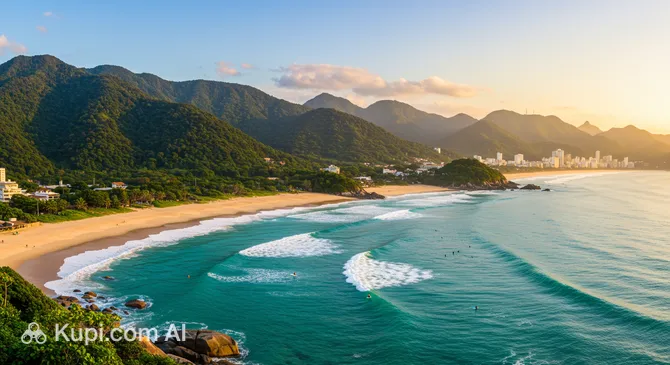
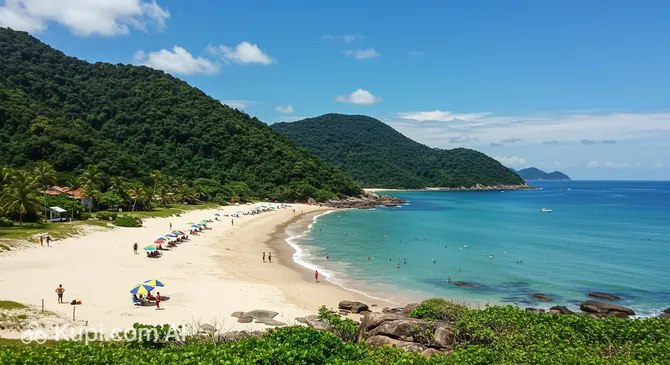
Ubatuba is a true gem of the Atlantic coast of Brazil, nestled between the majestic green mountains of the Serra do Mar and the vast expanse of the Atlantic Ocean. The city is part of the famous Costa Verde (Green Coast) and is located approximately 225 kilometers northeast of São Paulo, right on the line of the Tropic of Capricorn.
Ubatuba. Illustration.
Source: Kupi.com AI

Thanks to its unique location, Ubatuba is famous for its mild tropical climate, which provides comfortable weather year-round, as well as its incredibly lush nature. With a population of about 91,824 people, the city retains the charm of a provincial resort but is also immensely popular, especially among residents of São Paulo coming here in search of sun and sea.

What makes Ubatuba so attractive to tourists? First and foremost, it boasts over one hundred beaches to suit every taste — from secluded coves to lively surf spots. Additionally, dozens of picturesque waterfalls, mysterious islands accessible for boat trips, and vast national parks ideal for hiking and wildlife observation await you here. It is a true paradise for surfing, diving, and ecotourism enthusiasts.

Ubatuba is actively developing as a tourist center, offering a variety of accommodation options. Authentic Brazilian culture, the freshest seafood in local restaurants, and the consistently warm welcome from residents will turn your trip to Ubatuba into an unforgettable adventure and provide many bright impressions. Be sure to consider this corner of Brazil for your next journey!

You can find more interesting facts on the Ubatuba city history page.
Weather Overview

The weather in Ubatuba is warm year-round, though it has its own seasonal characteristics. Summer, which lasts here from approximately December to March, is characterized as hot and humid. For example, in January, the average temperature is around 23.3°C (with maximum values up to 26.4°C), and rainfall can reach 9 mm with 26 rainy days. Winter months, such as June and July, bring drier and cooler weather. In July, the average temperature drops to 17.6°C (the minimum can be around 13.7°C), and the amount of precipitation significantly decreases to 2 mm, with usually about 7 rainy days. Overall, expect a warm summer with frequent rain and a mild, drier winter. For more detailed information on climate conditions and monthly forecasts, check out the weather in Ubatuba page.

Average monthly temperature

Average monthly precipitation

Interesting Facts

Beyond its famous beaches and natural beauty, Ubatuba holds many curious details and stories that not all tourists are aware of. This city on the coast of Brazil can surprise even the most seasoned traveler.

Tenório Beach. Illustration.
Source: Kupi.com AI

Traveler photos:

  • A Name with History: The name "Ubatuba" originates from the indigenous Tupi language and means "place of many canoes" or "abundance of boats." This name reflects the region's ancient connection to waterways and fishing, which continues to this day.

  • Surfing Capital: The city is rightfully considered the "surfing capital" of the state of São Paulo. Its coastline, including world-famous beaches like Itamambuca and Félix (though other local beaches offer excellent waves as well), regularly hosts major competitions and attracts surfers from all over Brazil and the world.

  • Unique Fruit Festival: Every year, Ubatuba hosts the colorful Cambucá Festival (Festa do Cambucá). It is dedicated to the rare local fruit of the same name, which looks like a small apple with a sweet and sour taste. This celebration is a vibrant expression of local culture and gastronomic traditions.

  • Island with a Mysterious Past: Located just off the coast of Ubatuba is the Anchieta Island State Park. This island is famous not only for its rich flora and fauna but also for the intriguing ruins of a former political prison that operated in the first half of the 20th century. Today, these ruins, shrouded in legends, attract tourists interested in history.

How to Get There

Since Ubatuba itself does not have its own airport for regular passenger flights, most tourists arrive via the major transport hubs of neighboring metropolises. You can find more details about all ways to get to the city on a separate page, while below we will look at the main air gateways.

The most popular option for international and domestic flights is São Paulo-Guarulhos International Airport (IATA: GRU). It is located in the city of São Paulo, about 142 km from Ubatuba. It is the country's largest airport with a huge passenger flow, receiving flights from all over the world. The journey from here by taxi or transfer will take about 4 hours, depending on traffic on the mountain sections of the road.

The closest airport to the resort is São José dos Campos airport (IATA: SJK), located in the city of the same name, São José dos Campos. The distance to Ubatuba is only about 83 km. Despite its convenient location, it is a small regional airport with a limited number of flights. The journey from here to the coast will take approximately 2.5 hours. Many travelers also use Congonhas airport (IATA: CGH) in São Paulo, which is convenient for domestic flights within Brazil.

For convenience, here is summary information on the main airports used to reach the resort:

AirportPassenger trafficDistance
Sao Jose dos Campos85 00083 km
Angra dos Reis94 km
Sao Paulo-Guarulhos International Airport41.3 mln143 km
Sao Paulo/Congonhas Airport22 mln162 km
Galeão Antonio Carlos Jobim International Airport14.5 mln203 km

As for rail transport, there are no direct passenger trains to Ubatuba. The railway network in this region of Brazil is primarily used for freight transport or short-distance tourist excursion routes that do not connect the city with the main airports.

Therefore, the primary way to get to Ubatuba from airports or other cities remains road transport. Comfortable intercity buses run regularly from São Paulo and Rio de Janeiro. The drive by car goes along scenic but winding roads through the Serra do Mar mountain range, so it's worth allowing extra time for the journey and enjoying the rainforest views.

Main Attractions

Ubatuba, located on the picturesque coast of Brazil, is famous for its numerous beaches and natural beauty. This city offers tourists a variety of attractions, from educational centers to breathtaking viewpoints.

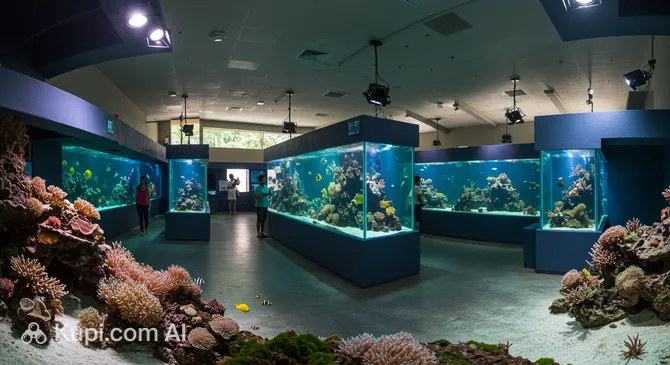
One of the most popular attractions is the Ubatuba Aquarium. Here, visitors can discover the amazing diversity of the region's marine life, seeing sharks, rays, seahorses, and many other ocean inhabitants. The aquarium not only entertains but also serves an important educational role by highlighting the need to preserve marine ecosystems. It is a great place for the whole family to visit.

Ubatuba Aquarium. Illustration.
Source: Kupi.com AI

Traveler photos:

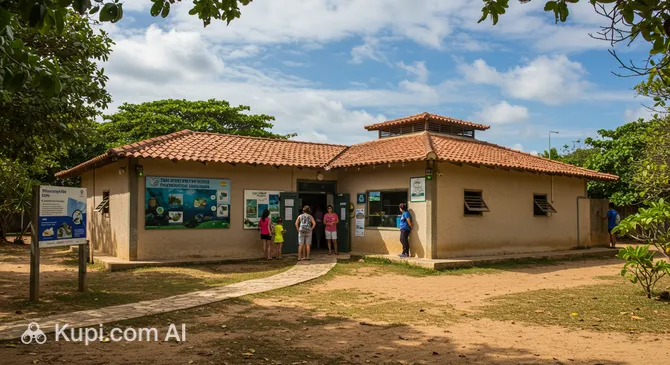
No less interesting is the TAMAR Project Foundation – Ubatuba. This organization is dedicated to the conservation of sea turtles, and its center in Ubatuba allows visitors to learn more about these fascinating creatures and the efforts to protect them. You will be able to see turtles of different species and ages, as well as learn about the challenges they face in the wild. Visiting this center is both engaging and informative.

Tamar Project Foundation – Ubatuba. Illustration.
Source: Kupi.com AI

Traveler photos:

Of course, when speaking of Ubatuba, its magnificent beaches must be mentioned. One of these is Tenório Beach. This beach attracts tourists with its beauty, clean water, and peaceful atmosphere suitable for family vacations. Here, you can not only sunbathe and swim but also enjoy beautiful views of the Atlantic Ocean. The beach is well-equipped and offers various amenities for a comfortable stay.

Tenório Beach. Illustration.
Source: Kupi.com AI

Traveler photos:

For those who want to enjoy panoramic views, the Toninhas and Praia Grande Lookout is a must-visit. This point offers a stunning view of two popular beaches – Toninhas and Praia Grande – as well as the surrounding green hills and the endless ocean. It is an ideal spot for photo sessions, especially at sunset when the sky turns vibrant colors.

Local Cuisine

The gastronomy of Ubatuba is a true immersion into a world of flavors where the freshest bounty of the Atlantic Ocean plays the leading role. The foundation of local cuisine is, of course, seafood: squid, shrimp, mussels, and a variety of fish, among which the famous Brazilian "peixe" (fish) prepared in numerous ways stands out. Travelers will appreciate the wealth of choices and the freshness of ingredients that make every dish unforgettable.

Among the dishes that are a must-try in Ubatuba is moqueca — a fragrant fish or seafood stew with coconut milk, tomatoes, onions, peppers, and dendê palm oil. This dish perfectly reflects the blending of cultures in Brazilian cuisine. No less popular is pastel de camarão — crispy fried pastries with a juicy shrimp filling, often sold right on the beaches. Special attention should be given to the local exotic fruit cambucá, which is used to make jams, liqueurs, and desserts, and in whose honor festivals are even held.

To refresh yourself on a hot day, try freshly squeezed exotic fruit juices or the famous Brazilian cocktail caipirinha made with cachaça, lime, and sugar. Non-alcoholic drink lovers will enjoy the nutritious and refreshing açaí, served as a thick smoothie or with granola and fruit. And for those who appreciate unique flavors, there is a liqueur made from the aforementioned cambucá fruit.

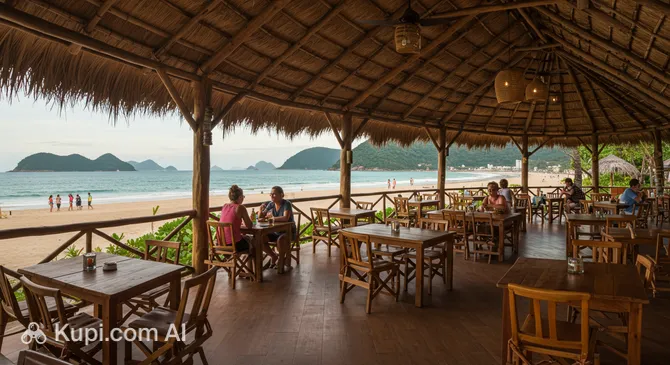
The dining culture in Ubatuba is diverse. Locals and tourists love to snack at lively street markets, where you can find fresh fruit and local delicacies, or buy snacks from beach vendors. The city abounds with restaurants for every taste and budget: from simple eateries to exquisite establishments, many of which are located right on the ocean shore, allowing you to enjoy dinner with a sunset view. For example, you can visit the Praia Grande Restaurant to appreciate local culinary traditions. In addition to traditional Brazilian cuisine, international dishes including pizza, pasta, and vegetarian options are also available.

Praia Grande Restaurant. Illustration.
Source: Kupi.com AI

Traveler photos:

The gastronomic scene of Ubatuba attracts tourists with its authenticity and diversity. Regularly held seafood fairs and festivals, such as the Fisherman's Festival or the Cambucá Festival, provide an opportunity not only to enjoy delicious dishes but also to immerse yourself in local culture and experience the music and hospitality of the residents. This makes Ubatuba an attractive destination for gastronomic tourism.

Travel Tips

Welcome to Ubatuba! To make your journey to this charming corner of Brazil as comfortable and memorable as possible, we have prepared some practical tips. They will help you better navigate the area and enjoy every moment of your vacation.

  1. Clothing and essentials: Ubatuba has a tropical climate, so choose light and breathable clothing: shorts, T-shirts, sundresses, and of course, swimwear. Don't forget sunscreen with high SPF, a hat, and sunglasses. A light raincoat or umbrella will come in handy, especially during the summer season (December to March) when tropical downpours are possible. Comfortable shoes, such as sandals or sneakers, are necessary for walking on beaches and trails. Electrical outlets in Brazil are Type N, so you may need an adapter.

  2. Transport in the city: You can get around Ubatuba on local buses (linhas municipais), which connect the city center with the main beaches. Taxis and ride-hailing apps (such as Uber or local equivalents) are also available, especially for trips to more remote beaches. If you plan to actively explore Ubatuba's many beaches (there are over a hundred!), renting a car could be a good option, but note that parking issues may arise during the high season.

  3. Finances: The local currency is the Brazilian real (BRL). Credit cards are accepted in most hotels, restaurants, and large stores. However, it's always useful to have some cash for small purchases, paying at beach kiosks, or bus fares. ATMs (caixas eletrônicos) are available, but it's safer to use those located in bank branches or shopping centers. Check your bank's terms for using cards abroad. An approximate daily budget could be from 200 to 400 reals per person (excluding accommodation), depending on your plans. Tips are usually 10% and are often already included in the bill at restaurants; if not, they are welcomed.

  4. Health and safety: Pharmacies (farmácias) are easy to find; some may operate 24 hours or on a duty schedule (plantão). If you need medical assistance, contact a "Pronto Socorro" (emergency point) or private clinics. Ubatuba is generally a safe city for tourists, but as always, stay vigilant, especially in crowded places and after dark. Do not leave valuables unattended on the beach and be cautious in less crowded areas. Try to move along well-lit streets.

  5. Communication: The official language is Portuguese. English is common in tourist establishments but not among the entire population. Learning a few basic phrases in Portuguese will significantly ease your communication and earn the favor of locals: "Olá" (Hello), "Obrigado/Obrigada" (Thank you – male/female), "Por favor" (Please), "Quanto custa?" (How much does it cost?). A local SIM card (chip) can be purchased at mobile phone shops. Wi-Fi is available in many hotels, cafes, and restaurants.

  6. Local etiquette: Brazilians are known for their friendliness and openness. Greetings usually include a handshake, sometimes hugs and kisses on the cheek between acquaintances. Casual dress is acceptable in most places, especially in a beach town. When visiting churches, it's worth dressing more modestly. Direct eye contact during conversation is considered the norm.

  7. What to avoid: Try not to display expensive jewelry or large sums of cash to avoid attracting pickpockets. Avoid walking alone on deserted beaches or unlit streets at night.

  8. Additional tip: Ubatuba is known as the "surfing capital of the state of São Paulo." If you're interested in this sport, many beaches offer lessons and board rentals. Also, be prepared for sudden tropical downpours, especially in summer – it's part of the local flavor! Before visiting some beaches that are only accessible during low tide, check the tide table.

We hope these tips help you plan an unforgettable trip to Ubatuba! Enjoy the magnificent beaches, delicious açaí, and the relaxed atmosphere of this Brazilian paradise.

Entertainment & Nightlife

Ubatuba, known for its stunning beaches, also offers tourists a lively nightlife, especially during peak season. The atmosphere here is more relaxed and casual than the club scene of a metropolis. Evenings are spent to the sound of live music in cozy bars and restaurants where you can enjoy Brazilian cuisine and refreshing cocktails.

The center of evening entertainment in Ubatuba is the Itaguá district, particularly Rua Guarani and its surrounding areas. This area is home to many bars, restaurants with open terraces, and shops that stay open late. It is a popular spot for both tourists and locals to take a walk, have dinner, and immerse themselves in the lively atmosphere of the coastal city.

Among the popular venues is Wok e Sushi Bar, which offers not only Asian cuisine but also a pleasant setting for evening relaxation. Such places typically attract a mixed crowd – from young people to families. The dress code is generally casual, matching the resort mood. Many bars feature live music, especially on weekends.

Wok e Sushi Bar. Illustration.
Source: Kupi.com AI

Traveler photos:

In addition to specialized bars, many restaurants in the Itaguá district, such as Patiêiro Burger, also stay open late, offering not just dinner but also the chance to spend time with drinks in good company. Peak activity in the bars usually occurs after 9:00 PM or 10:00 PM. Prices vary but generally remain affordable, especially compared to large tourist hubs in Brazil. Although there are few traditional nightclubs, some venues host DJ parties, especially during high season.

Regarding safety, the Itaguá district is considered quite safe for evening walks; however, standard precautions should always be observed. Getting around the city at night is most convenient by taxi or ride-hailing apps. It is recommended to use official taxis or trusted services.

During the day, Ubatuba also offers various forms of entertainment. Families with children can visit the Ubatuba Aquarium or Trombini Park. Lovers of educational activities will appreciate the Life in the Marine Museum or the TAMAR Project Foundation – Ubatuba, dedicated to sea turtle conservation. Of course, the main daytime entertainment remains the numerous beaches, such as Tenório Beach or Toninhas Beach.

Parks & Museums

Ubatuba is not just about famous beaches; it is also a place where you can connect with the region's nature and culture. The city offers diverse leisure opportunities, from secluded green spots to interesting museums that tell stories of history and marine life.

While Ubatuba is famous for its numerous beaches, which are magnificent natural areas in themselves, a few especially attractive spots are worth highlighting. Tenório Beach is a popular family destination due to its calm waters and developed infrastructure. It is surrounded by lush vegetation, creating a cozy atmosphere. Another beach worth noting is Toninhas Beach, known for its waves that attract surfers and its picturesque landscapes. For those interested in the conservation of marine fauna, the TAMAR Project Foundation – Ubatuba is a must-visit. This is not just a park, but an important center for protecting sea turtles, where you can learn much about these amazing creatures and the efforts to save them.

Tenório Beach. Illustration.
Source: Kupi.com AI

Traveler photos:

The cultural life of Ubatuba also offers interesting discoveries. The Ubatuba Aquarium is one of the most visited sites, especially by families with children. It showcases a rich variety of the region's marine life and is a great opportunity to get to know the underwater world of the Atlantic Ocean. An interesting addition is the Life in the Marine Museum, which tells the story of the ecosystems and fishing history in the area.

Ubatuba Aquarium. Illustration.
Source: Kupi.com AI

Traveler photos:

Among the historical attractions of Ubatuba, the Barra Lighthouse stands out, located in a scenic spot and serving as a landmark for mariners. It offers beautiful coastal views and is a popular spot for photography. Nearby, you can find the Exaltation of the Holy Cross Church Square, which is the historical and spiritual heart of the city, reflecting its colonial past.

Barra Lighthouse. Illustration.
Source: Kupi.com AI

Traveler photos:

For those seeking less touristy but authentic experiences, it's worth heading to one of the many "secret" beaches accessible via trails through the Atlantic Forest. It's also a great idea to visit the Toninhas and Praia Grande Lookout at sunset, which offers breathtaking panoramic views of the coast.

Getting Around

When planning your travels around Ubatuba, keep in mind that this is a resort city stretching along the coast with many beaches. The main form of public transport here is the bus. They connect the city center with various districts and, most importantly for tourists, with the majority of popular beaches. The route network is quite developed, but intervals can vary depending on the season and time of day. In some areas, you may also find shuttle vans (vans or "lotações") that offer faster but slightly more expensive trips along fixed routes.

The fare payment system on Ubatuba buses usually involves buying a ticket directly from the conductor or driver upon entry. Cash payment is common. In some cases, there may be rechargeable transport cards that offer a small discount or convenience for frequent trips, but for a short-term visit, paying in cash is usually the simplest option. The fare is typically fixed within the city or divided into several zones depending on the distance. It is recommended to carry small change for payment.

For tourists using public transport in Ubatuba, a few points are useful to know. Bus stops are not always clearly marked, so you sometimes have to rely on locals or check with the driver. To get the bus to stop, it is customary to signal with your hand. You can try to find bus schedules at main terminals or online, but they are not always strictly followed. During peak hours and weekends, buses can be overcrowded, especially on popular beach routes. Public transport typically runs from early morning until late evening, but there are generally no night routes.

Besides public transport, other ways to get around are available in Ubatuba. Taxis can be found at designated stands, called by phone, or through apps. Ride-hailing services via mobile apps (such as Uber or local equivalents) are also popular and can offer more competitive prices. Given the length of the beaches and the scenic surroundings, renting a bicycle can be a great alternative for exploring nearby areas and staying fit. For trips to distant or hard-to-reach beaches, some tourists prefer to rent a car, which provides greater flexibility.

Ubatuba does not have any unique historical modes of transport, such as an old metro or funiculars. The city's transport system is focused on practicality and ensuring connectivity between its various parts, primarily for locals and the many tourists who come to enjoy the beaches and nature.

Accommodation

In Ubatuba, travelers will find a wide range of accommodation options capable of satisfying diverse preferences and budgets. The city offers everything from budget hostels and cozy pousadas (traditional Brazilian guest houses) to comfortable mid-range hotels and short-term rental apartments. You can also find more luxurious options, especially near the popular beaches.

When choosing a place to stay in Ubatuba, consider areas near well-known beaches like Tenório Beach or Toninhas Beach, which offer beautiful views and easy access to the sea. The central areas of the city, such as Itaguá, are also popular due to their proximity to restaurants, shops, and certain attractions like the Ubatuba Aquarium or the Comodoro Magalhães Pier. The choice of neighborhood depends on your priorities: a quiet beach holiday or an active city life.

Tenório Beach. Illustration.
Source: Kupi.com AI

Traveler photos:

The price range for accommodation in Ubatuba varies from budget to mid-range and higher, depending on the type of accommodation, its location, and the season. During the peak season, especially during the Brazilian summer holidays (December-February) and public holidays, it is recommended to book accommodation in advance, as demand increases significantly. The most common booking methods are popular online platforms and travel aggregators, as well as direct booking through hotel or pousada websites.

Nearby Cities

For those looking to explore the surroundings, Ubatuba serves as an excellent starting point for day trips to several interesting nearby locations:

CityPopulationDistance
Sao Luis do Paraitinga10 73133 km
Caraguatatuba113 31739 km
Cunha22 08642 km
Paraty37 53345 km
Ilhabela32 19751 km

Each of these cities offers unique experiences and is worth considering when planning short excursions from Ubatuba:

São José dos Campos is a major technological and industrial hub that may be of interest to those fascinated by science and modern technology. Here you can visit Santos Dumont Park or learn more about Brazil's aerospace industry, making it an educational destination for a day trip.

Jacareí offers a more relaxed pace of life compared to large metropolises. It is a good option for those who want to experience the daily life of a typical Brazilian city, stroll through its parks like Parque da Cidade, and try local cuisine in authentic establishments.

Angra dos Reis is a true paradise for lovers of beach holidays and sea adventures. The city is famous for its archipelago of over 300 islands, crystal-clear water, and excellent opportunities for diving, snorkeling, and boat tours to secluded beaches and picturesque bays.

Pindamonhangaba attracts visitors with its rich history and well-preserved colonial architecture. Visitors can explore the historical center, visit old churches such as the Matriz de Nossa Senhora do Bom Sucesso, and learn more about the coffee-growing past of the Vale do Paraíba region.

Guaratinguetá is known as the birthplace of the first Brazilian saint, Frei Galvão, making it an important center for religious tourism and pilgrimage. Additionally, the city is interesting for its historic buildings, museums, and cultural events reflecting its heritage.

These nearby destinations allow you to gain insight into the diverse culture, history, and natural beauty of the region, complementing your holiday experience in Ubatuba.

Shopping & Souvenirs

Ubatuba, being a popular beach resort in Brazil, offers its guests diverse shopping opportunities, although it is not a major commercial hub. Here you will find many shops specializing in beachwear, surf gear, souvenirs, and local handicrafts. The main focus is on products related to coastal recreation.

The primary shopping activity is concentrated in the central part of the city, especially along Rua Guarani and its adjacent streets. Here you will find boutiques, shops with beach accessories, souvenir stalls, and small shopping galleries. Lively retail points can also be found in the Itaguá beach area (Praia do Itaguá), where restaurants and tourist-oriented shops are concentrated.

There are several shopping centers in Ubatuba offering more concentrated shopping. Among them, it is worth noting Ubatuba Shopping, where you can find clothing, shoes, and accessory stores, as well as a food court and entertainment. Another popular spot is Shopping Villa Guarani, which offers a cozy atmosphere and a selection of shops.

Ubatuba Mall. Illustration.
Source: Kupi.com AI

Traveler photos:

Although Ubatuba does not have large traditional markets like major cities, you can find local fairs (feiras) here, especially during the high season. These often sell fresh fruit, local delicacies, handmade goods, and souvenirs. Such fairs are usually located near popular beaches or in the city center.

As souvenirs from Ubatuba, tourists often bring back handicrafts made by local artisans, colorful hammocks, beachwear with local motifs, jewelry made from natural materials (shells, seeds, wood), and surf-related items. Local coffee and cachaça (Brazilian rum) are also popular choices.

Most shops in Ubatuba are open from morning (around 9:00-10:00 AM) until evening (6:00-8:00 PM), and during the tourist season and weekends, many may stay open longer, especially in shopping centers and on busy streets. Both cash (Brazilian reals) and bank cards are accepted. It is recommended to have some cash on hand for small purchases and at markets.

Information on the Tax Free system for tourists in Brazil is not as widespread as in some other countries. If you plan major purchases, it is worth checking the possibility of a tax refund directly at the store. However, as a rule, for most goods purchased by tourists in Ubatuba, this option is not standard.

Reached the end of the page?

That means the route is fully explored