Support

Obidos

About

Óbidos is a picturesque town nestled on the northern bank of the Amazon River in the state of Pará. This place has a unique geographical feature: it is here that the bed of the great river narrows to one of its tightest points, forming a kind of "gateway" to the interior of the region. A trip here allows you to see how truly multifaceted Brazil is, full of natural wonders and hidden gems far from the bustling metropolises.

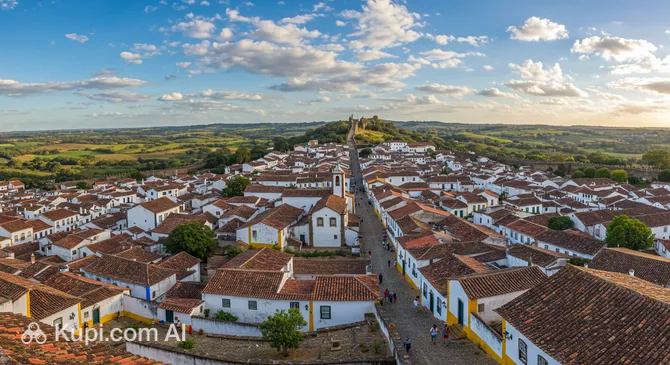
Obidos. Illustration.
Source: Kupi.com AI

With a population of around 49,000, Óbidos maintains an atmosphere of intimacy and genuine hospitality. Life here flows at a leisurely pace, in the rhythm of the river, and walks around the town are an aesthetic pleasure thanks to its narrow streets and colorful, tiled-roof houses. The rich history of Óbidos is felt in the architecture of ancient churches and fortifications, reminding us that the town has always been an important strategic and trading post in the Amazon.

The main value of Óbidos for a tourist is its authenticity and stunning panoramic views of the river. Here, you can immerse yourself deeply in the original culture of the region, get to know local traditions, and enjoy the beauty of nature without the crowds of tourists. If you are looking for a place with soul and true Brazilian character, this cozy town on the Amazon will be an excellent stop on your journey.

Weather Overview

The climate in this region is typical of the equatorial zone: it is warm and humid practically year-round. The temperature background is stable, so the weather in Óbidos is rarely cool. Average figures vary in a comfortable range from +26°C to +30°C, and nights remain warm, rarely cooling below +24°C.

The hottest period occurs in September and October, when daytime temperatures regularly reach +33°C. The first half of the year, from January to May, is characterized by high humidity: this is the rainy season, when the number of days with precipitation ranges from 24 to 28 per month. From August to October, the driest period arrives, and rain bothers travelers much less frequently — only 7–11 days per month.

Travelers should expect hot weather at any time of the year. The main difference between the seasons is the amount of moisture: the first half of the year brings frequent downpours, while the months from August to October delight with a large number of dry and sunny days.

Average monthly temperature

Average monthly precipitation

Interesting Facts

Beyond its main attractions, Óbidos holds many fascinating secrets and urban legends that make getting to know it even more exciting. Here are a few surprising facts that reveal the character of this Amazonian town.

  • "The Key of the Amazon." Due to its unique geographical position at the narrowest part of the riverbed, the town has historically played a vital strategic role. It controlled the passage of all vessels and collected duties, and in the 19th century, a fortress was built to protect the region from pirates and smugglers.

  • Portuguese Heritage. Óbidos was founded in 1697 and named after the town of the same name in Portugal. This historical connection is traced not only in the name but also in the preserved colonial atmosphere of the streets.

  • "Water Carnival." While the rest of Brazil immerses itself in the rhythms of samba, a unique celebration called "Carnaval das Águas" takes place here. Locals organize grand water battles in the streets, drenching each other with buckets, hoses, and barrels, turning the town into one big refreshing party.

  • The Legend of the Giant Snake. Local folklore says that a mythical creature resembling a huge snake inhabits the waters of the Amazon near Óbidos. Residents often tell tourists stories of its mysterious appearances, adding a touch of mysticism to the journey.

  • Ancient Sanctuary. The town is home to the Church of Saint Anne, built in the 18th century — one of the oldest in the Amazon. It remains the center of spiritual life today, where colorful festive processions are held annually.

How to Get There

When planning a trip to the heart of the Amazon, it is worth considering that logistics in this region have their own unique characteristics. You can explore all the ways to get to the city to choose the most suitable route; however, for most tourists from distant regions, the journey begins with a flight.

There is no airport in Óbidos itself that accepts regular passenger flights. The closest and most convenient option is Santarém Maestro Wilson Fonseca Airport (STM), located in the city of Santarém. It is about 99 km from Óbidos and serves as the main air gateway for this part of the state.

It is important to remember that there is no direct road from the airport to Óbidos. Travelers will have to take a multi-stage route: first, you must get from the terminal to the river port of Santarém by taxi or bus. From there, the journey continues by water — via speedboat or ferry. This water part of the trip takes approximately 3 hours and allows you to immediately immerse yourself in the Amazon atmosphere.

For clarity, here is summary information for the nearest airport:

AirportPassenger trafficDistance
Santarem-Maestro Wilson Fonseca Airport404 07399 km
Parintins40 097164 km
Itaituba17 000265 km
Maues15 000295 km

There is no rail service in this part of Brazil, so it is impossible to reach Óbidos by train. The river replaces main highways here. Since the town sits on the banks of the Amazon, water transport is the primary way of connecting with the outside world, and many travelers arrive here specifically by boats and motor ships from neighboring ports.

Main Attractions

The main historical attraction and symbol of the city is Fort Pauxis (Forte Pauxis). The history of the settlement began with this fortification, built by the Portuguese at the end of the 17th century on the left bank of the Amazon. Today, the restored fort building attracts tourists with its colonial architecture and preserved antique cannons. This place is definitely worth a visit to touch the era of the region's exploration and enjoy the magnificent river view that opens from the fortress walls.

For those seeking the best panoramic views, Serra da Escama is the ideal destination. At the top of this hill lie the ruins of another defensive structure — Fort Gurjão. The climb is well worth the effort: from the height, a breathtaking panorama opens up over the "Gorge of the Amazon" — the narrowest and deepest part of the great river's bed. This is a unique opportunity to see the scale of the water element and take perhaps the most impressive photos of your trip.

The historical center of Óbidos deserves special attention. A stroll through its streets feels like a journey back in time: many Portuguese-style mansions with bright facades and tiled roofs have been preserved here. In the heart of the old town stands the majestic Church of Saint Anne (Igreja de Sant'Ana). Tourists love this place for its calm, peaceful atmosphere and the chance to see authentic Amazonian backwoods architecture, untouched by modern development.

If you want to relax in nature like the locals do, head to Igarapé de Curuçambá. This is a popular recreation area with the clear and refreshing waters of a stream located near the town. Here you can swim to escape the equatorial heat and enjoy a picnic in the shade of the trees. Visiting this spot allows you to feel the relaxed rhythm of life in the Pará region and see the beauty of the local nature up close.

Local Cuisine

The gastronomy of Óbidos is a true kaleidoscope of Amazonian flavors that will surprise even sophisticated gourmets. Local cuisine is closely tied to the river and the forest, so the basis of the diet consists of fresh fish, cassava, and exotic fruits. Food here is not just about satisfying hunger, but a way to immerse yourself in the authentic culture of the state of Pará, where every dish holds the warmth of tradition.

The main gastronomic symbol that is definitely worth trying is tacacá. It is a hearty soup made from cassava flour, dried shrimp, and the spicy juice of tucupi leaves. The dish has a unique, slightly numbing taste and is often served in traditional bowls made from gourd shells. No less popular is peixe no tucupi (fish in tucupi) — tender fillet stewed in a fragrant cassava sauce with local spices. In restaurants and street stalls, you can find many variations of this recipe, each unique in its own way.

Special places on the menu are occupied by the gifts of the tropical forests. In Óbidos, fruits such as açaí, cupuaçu, bakuri, and taperebá are widely common. They are served as standalone desserts or used as bases for refreshing juices, ice cream, and sweet pies. For drinks, tourists should look for fresh juices from these exotic fruits, as well as cane sugar-based drinks that are great for toning up on a hot day.

The food culture in the city is democratic and open. While there are cozy family restaurants, the real life bustles in the street markets. It is here, among the aromas of fried bananas and spices, that locals and tourists gather to snack and socialize. Throughout the year, small gastronomic festivals take place in Óbidos, turning the streets into a large celebration of taste where you can try the best homemade sweets and fish delicacies.

Travel Tips

A trip to the heart of the Amazon requires special preparation, as Óbidos is not a typical tourist metropolis, but an original town with its own way of life. To ensure your trip to this colorful corner, which Brazil is proud of, goes smoothly and leaves only pleasant memories, we have gathered several important practical recommendations.

  1. Clothing and Equipment. Given the hot and humid equatorial climate, bring loose-fitting clothes made of natural fabrics such as cotton or linen. Be sure to pack comfortable closed shoes with non-slip soles — they will be useful for climbing the hills to the forts. Don't forget a high-quality repellent: the proximity of the river and forests guarantees the presence of mosquitoes and gnats, especially at sunset.

  2. Transport Within the City. The historical center of Óbidos is compact and most pleasant to explore on foot. However, the streets here often run at an incline. For longer distances (for example, from the port to the hotel with luggage), the most popular means of transport are moto-taxis. Ride-hailing apps practically don't work here, so negotiate with drivers on the spot or ask hotel staff to call a trusted car.

  3. Financial Matters. Although some hotels and large stores may accept cards, Óbidos is a city of cash. Always keep small bills with you for street food, souvenirs, and fares. There are few ATMs in the city, and they are often "empty" or do not service foreign cards. The best solution is to withdraw the necessary amount in advance at a major transport hub, such as Santarém.

  4. Health and Water. In tropical conditions, it's critical to stay hydrated, but you should only drink bottled water. Avoid drinks with ice from street stalls if you're not sure about the quality of the water it was made from. There are pharmacies in the city, but there may be no 24-hour service points, so put together a first-aid kit with basic medicines (for stomach upset, allergies, and antipyretics).

  5. Communication and Language. Be prepared for the fact that English is practically not used here. Primary communication is in Portuguese. Download an offline translator to your phone and learn a few basic polite phrases. Wi-Fi is available in most guesthouses (pousadas), but mobile internet may work intermittently, especially during rains. It's better to purchase a SIM card in a major city upon arrival in the country.

  6. Local Etiquette. People in the state of Pará are known for their openness and hospitality. It's customary to greet shopkeepers and drivers. Life here flows at a relaxed pace, so showing impatience or haste in restaurants may be met with bewilderment. Treat the slowness of service as part of the local flavor.

  7. What to Avoid. It is strongly recommended not to swim in the Amazon River in places not intended for it. Óbidos is located in the narrowest and deepest part of the riverbed, so currents here are extremely strong and dangerous. Swim only where the locals do, for example, in the Igarapé de Curuçambá stream, where the water is calm and clear.

  8. Schedule Features. Consider the siesta factor: during the hot midday hours (roughly from 12:00 PM to 3:00 PM), many small shops and institutions may close. Additionally, since the main route to the city is via the river, always double-check the boat and ferry schedules the day before departure — they can change due to weather conditions or water levels.

Óbidos is a city that reveals itself to those ready to slow down and observe. By following these simple tips, you can avoid minor domestic troubles and fully devote yourself to exploring the unique culture, history, and nature of this amazing place on the banks of the great river.

Entertainment & Nightlife

Nightlife in Óbidos is fundamentally different from the noise of megacities with their neon signs and indoor clubs. Here, in the heart of the Amazon, evening entertainment is inextricably linked with the street, the river, and warm social interaction. As the sun sets and the heat subsides, the town comes alive: locals head to the squares to discuss news, listen to music, and enjoy the cool breeze coming off the river. This is the time for leisurely walks and immersion in the authentic atmosphere of the Brazilian interior.

The town squares become the center of attraction in the evening. The most popular meeting place is Praça de Sant'Ana (Saint Anne Square). It is here, in the shadow of the ancient church, that the social life of the town bustles. In the evenings, small kiosks and mobile food stalls open around the square. This is the perfect place to try authentic Amazonian street food, such as hot tacacá in a gourd, and observe the steady lifestyle of the townspeople. The atmosphere here is very democratic and safe, suitable for family strolls.

If you are looking for more lively entertainment or concerts, look toward Praça da Cultura (Culture Square). This is the main venue for town celebrations and festivals. On ordinary days, young people often gather here, and on holidays, a stage is set up for performances by local musical groups playing forró and brega — rhythmic music that makes it impossible to stand still.

An evening promenade along the Orla de Óbidos (Waterfront) is a special pleasure. Small open-air bars and snack stalls are located along the river. There is no strict dress code: shorts and sandals are perfectly appropriate. Order a bottle of ice-cold beer or fresh fruit juice and enjoy the view of the dark waters of the Amazon under the starry sky. Prices in such places are very affordable, and the crowd is friendly and open.

One cannot fail to mention the main event that many strive to witness in this city — Carnapauxis. This is a unique local carnival known as the "Festival of the Mascarado Fobó." If your trip falls in February or March, you will witness an incredible spectacle as the streets fill with people in colorful costumes and masks, and the fun continues until morning.

Practical tips for evening walks:

  • Safety: Óbidos is a quiet town, and walking in the center (especially around the waterfront and main squares) is safe. However, avoid unlit outskirts and deserted alleys late at night.
  • Transport: It can be difficult to hail a car on the street at night. It is better to pre-arrange with a moto-taxi driver (the most popular transport here) to pick you up or ask the establishment staff to call a trusted driver.
  • Payment: Many street stalls and small bars only accept cash, so keep small bills on hand.

While Óbidos is not famous for world-class museums, the daytime cultural program is also interesting. Be sure to visit the Casa da Cultura (House of Culture), located in a historical building. Here you can see exhibitions dedicated to the history of the town and the daily life of local residents. It is also worth checking out the restored forts, which serve as open-air museums during the day, telling the story of the military past of the "Gorge of the Amazon."

Parks & Museums

Óbidos offers travelers a harmonious blend of natural beauty and rich historical heritage. The green zones here are not just manicured city squares, but true corners of tropical nature pressing right up to the residential blocks, while museums and monuments preserve the memory of the strategic importance of this place, of which Brazil is proud.

Among the natural areas, Igarapé de Curuçambá is a particular favorite for locals and tourists. This is a picturesque recreation area surrounded by dense Amazonian vegetation. The main feature of this spot is the clear and cool waters of the stream, which offer a rescue from the equatorial heat. Here you can not only swim in the natural pool but also have a picnic in the shade of the trees, enjoying the sounds of the forest.

In the very heart of the city, Praça de Sant'Ana (Saint Anne Square) serves as a green oasis. It is a classic Brazilian square with spreading trees, flower beds, and benches, serving as the heart of social life. In the evenings, it is pleasant to stroll here, feeling the cool breeze from the river, and during the day, to take shelter from the scorching sun and admire the view of the majestic church that dominates the square's architectural ensemble.

The cultural life of Óbidos is centered around its historical past. The main guardian of memory is the Casa da Cultura (House of Culture). The museum is housed in a restored colonial mansion and offers visitors an immersion into the daily life and traditions of the region. The exhibition includes archaeological finds, old photographs of the city, and items related to the famous local "Fobó" carnival. This is the best place to understand the soul of the town and its people.

It is impossible to talk about the museums of Óbidos without mentioning Fort Pauxis (Forte Pauxis). Although technically a defensive structure, today it functions as a historical monument open to the public. Walking along its walls and examining the preserved cannons, tourists can imagine what the outpost looked like in the 17th century. From the fort's grounds, you can find perhaps the best view of the river, making its visit interesting not only for history buffs but also for photographers.

The entire historical center of the town can be called an open-air museum. Narrow cobblestone streets and rows of colorful Portuguese-style houses create a unique atmosphere. Take note of the Quartel General (General Barracks) — another example of military architecture, recalling the times when Óbidos was the main guardian of the Amazon.

Insider Tip: If you want to see nature from an unusual perspective, take a trip to Lago Grande (Great Lake), located nearby. This place is less known among tourists than the city waterfront, but it is ideal for bird watching and seeing the famous Amazonian Victoria Regia water lily in its natural habitat.

Getting Around

The transport system in Óbidos is arranged quite differently from that in large metropolises. Here you won't find a metro, trams, or an extensive network of city buses. The town is quite compact, and its historical center with narrow streets is not adapted for large-scale transport. Moving around the city has its own specifics, dictated by the local way of life and geography.

The most popular, affordable, and common means of transport is the moto-taxi. This is the true circulatory system of the city. Drivers in special vests wait at intersections, near squares, and by the port. It's a fast way to get to any point, navigating the hilly terrain. For tourists, it can be a kind of attraction, but safety should be kept in mind: always demand a helmet before the ride.

Classic car taxis also exist in the city, but there are significantly fewer of them than motorcycles. Usually, they can be found at stands near the main squares or you can ask to have a car called from your hotel's reception. It's important to note that popular international ride-hailing apps (Uber and similar) practically don't work here, or there are simply no cars in them. Don't count on car-sharing or network bike rentals either — these services have not yet reached the Amazon backwoods.

The fare payment system is extremely simple: cash reigns supreme here. There are no transport cards, passes, or validators. Payment is made directly to the driver at the end of the trip. It is highly recommended to have small bills with you, as moto-taxi drivers often don't have change for large banknotes. The fare within the city is usually fixed and very affordable, but for trips to remote areas, it's better to agree on the price in advance.

For seeing the main attractions, you likely won't need transport at all. The historical center of Óbidos is perfect for walking. Distances between museums, the waterfront, and main churches are small, and walking will allow you to get a better look at the colonial architecture. However, keep in mind that the city's landscape is uneven, and you will periodically have to go up and down slopes.

If you plan to cross to the opposite bank of the river or visit neighboring settlements, your "public transport" will be boats. Small motorboats (catraias) run from the city port. The schedule often depends on the vessel's occupancy, and tickets are purchased at the kiosks on the pier or directly from the captain. This is not just moving from point A to point B, but a part of the local population's daily life, which is interesting to experience.

Accommodation

Accommodation in Óbidos reflects the modest and authentic character of the city itself. Here you won't find large international hotel chains, high-rise complexes, or luxury resorts. The housing stock primarily consists of small, cozy pousadas (guesthouses) and mid-range hotels run by local families. This creates a special homey atmosphere: owners often greet guests personally, and the service is characterized by simple but sincere Brazilian hospitality.

When choosing a place to stay, tourists are recommended to focus on the Historical Center (Centro Histórico) and the areas adjacent to the waterfront. By staying here, you will be within walking distance of the main attractions, the river port, and restaurants. This is not only convenient logistically but also safe for evening walks. Living in the center allows you to fully feel the flavor of the old town, waking up to views of colonial facades or the river.

The price range for housing in the city varies from budget to mid-range. The cost of a night's stay here is generally significantly lower than in the large tourist centers for which Brazil is famous. Most options offer a basic set of amenities: a clean room, air conditioning (which is critical in the local climate), a private bathroom, and breakfast included in the price. Luxury apartments are hard to find, but comfort and cleanliness are guaranteed in most top-rated pousadas.

Booking Tips:

  • Book in Advance: Although finding housing isn't usually a problem, the situation changes dramatically during holidays. If your trip coincides with the Carnapauxis carnival (February-March) or the Festival of Saint Anne (July), you need to book a room several months in advance. During these periods, the city is overflowing, and available rooms disappear instantly.
  • Communication Methods: Óbidos is a city where digitalization has not yet peaked. Many small pousadas are not listed on major international booking platforms. Often, the best way to book a room is through direct contact via WhatsApp or a phone call.
  • Payment: Clarify payment methods in advance. Some guesthouses may not accept bank cards or may require a cash deposit or bank transfer upon booking.

Nearby Cities

For those looking to explore the surroundings, Óbidos serves as an excellent starting point for day trips to several interesting nearby locations. Traveling along the Amazon River is an adventure in itself, providing access to the unique towns and natural attractions of the region.

The nearest neighbor is the town of Oriximiná, located just 41 km away. This destination is perfect for ecotourism lovers: the region is famous for its picturesque waterfalls, river beaches, and the rich traditions of Quilombola communities (descendants of African settlers) who carefully preserve their culture.

A little further downstream is the major port of Santarém. This is one of the most important tourist centers in the state of Pará, known worldwide for the phenomenon of the "Meeting of the Waters" — the place where the clear blue waters of the Tapajós River meet the muddy waters of the Amazon, flowing side by side without mixing. A trip here also opens the way to the famous village of Alter do Chão with its white sandbars, often called the "Caribbean of the Amazon."

CityPopulationDistance
Oriximina75 00041 km
Curua13 78344 km
Juruti55 17971 km
Alenquer54 96087 km
Belterra17 145104 km

These nearby destinations provide an insight into the diverse culture and landscapes of the region, making your stay in the Amazon even more fulfilling and memorable.

Shopping & Souvenirs

General Overview. Shopping in Óbidos is an opportunity to immerse yourself in the authentic atmosphere of the Amazonian interior, far from the glossy windows of megacities. You won't find boutiques of global brands or high-fashion stores here. Trade in the city is primarily focused on the daily needs of local residents, yet it is this simplicity that attracts travelers. The main value of local shopping lies in unique regional products and handmade goods that cannot be bought outside the state of Pará.

Main Shopping Streets. The commercial life of the city is mainly concentrated in the Historical Center (Centro Histórico) and on the streets adjacent to the port. Strolling through these blocks, you can find small shops with clothing, shoes, and household goods located in old colonial buildings. This area is convenient for walking: the shops are close to each other, and a shopping trip can be combined with sightseeing.

Shopping Centers. It is important to note that there are no large shopping centers or malls in the conventional sense in Óbidos. All trade is conducted in the street retail format — small private shops and family stores. If you need extensive shopping or specialized electronics, it is better to plan this in a larger neighboring city, such as Santarém.

Markets. The heart of local trade is the Municipal Market, located near the waterfront. This is the most colorful place in the city, worth visiting even if you don't intend to buy anything. They sell the freshest fish from the Amazon, exotic fruits, medicinal herbs, and spices. At the market, you can feel the true aromas and tastes of the region and chat with the vendors, who are happy to talk about their goods.

Souvenirs. From a trip to Óbidos, it's worth bringing back goods that reflect the richness of Amazonian nature. Look for bio-jewelry (biojoias) — jewelry skillfully made from seeds, fibers, and wood of local plants. A popular souvenir is painted gourd bowls — cuias, which are traditional to this region. Gourmets should definitely buy a bag of Brazil nuts, homemade sweets from cupuaçu or bakuri fruits, as well as a bottle of local cachaça infused with jambu herb, which causes a slight numbing of the tongue.

Opening Hours and Payment. Shops are usually open from 8:00 AM to 6:00 PM on weekdays and until noon on Saturdays. It's worth remembering the "siesta" tradition: many small shops may close for a lunch break from 12:00 PM to 2:00 PM or 3:00 PM. Regarding payment, cash remains the primary and most reliable means of transaction here, especially at the market and in small kiosks. Supermarkets and larger stores accept cards, but terminals may work intermittently due to unstable connections.

Tax Free. The tax refund system (Tax Free) does not operate in Óbidos. This is a small city oriented toward the domestic market, so tourists should not expect special tax deductions when making purchases.
Reached the end of the page?

That means the route is fully explored