Support

Historic Center of Salvador

About

The Historic Center of Salvador (Salvador de Bahia) is a unique architectural and cultural district of the city of Salvador, the capital of the state of Bahia in Brazil. This area, added to the UNESCO World Heritage list in 1985, is famous for the exceptional preservation of its historic buildings and its significant contribution to the formation of Brazilian culture. Immersing yourself in its atmosphere is a true journey back in time.
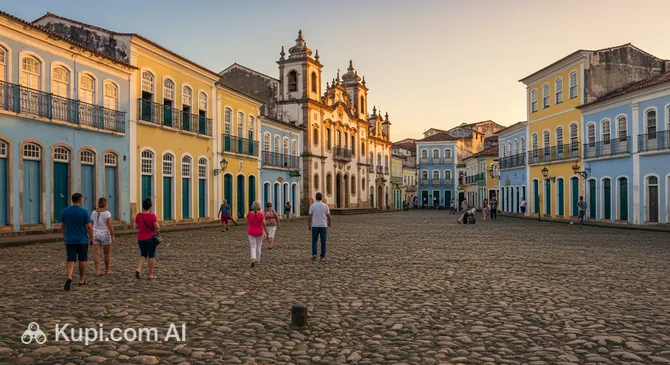
Historic Center of Salvador. Illustration.
Source: Kupi.com AI

Traveller photos:

The heart of the old city charms visitors with a variety of bright, colorful buildings designed in Renaissance and Baroque styles. Facades decorated with rich moldings shimmer with all the colors of the rainbow, creating a unique picture. The Historic Center of Salvador reflects an amazing blend of European, African, and Indigenous traditions, making it one of the most important historical and cultural centers in South America.

Along its cobblestone streets, you will find dozens of colonial-era churches and monasteries, each holding its own secrets and relics. Additionally, there are numerous museums, art galleries, as well as cozy cafes and shops where you can buy souvenirs to remember your trip. A walk through the Historic Center of Salvador will give you unforgettable impressions and a deeper understanding of the rich history and culture of this amazing region.

Contacts

Since the Historic Center of Salvador is an extensive urban area, it does not have a single official contact center. You can easily reach this iconic district from any part of Salvador by public transport, taxi, or even on foot if you are staying nearby. For detailed information on the opening hours of specific museums, churches, and other sites within the Historic Center of Salvador, as well as available tours, we recommend contacting local tourist information points upon arrival in the city or visiting the official tourism websites of Salvador.

How to contactContact
AddressCentro, Salvador - BA, 40080-001, Brazil

What to Do

Immerse yourself in the heart of Brazilian history by strolling through the Historic Center of Salvador, also known as Pelourinho. Here, narrow cobblestone streets await, framed by bright, multi-colored houses from the colonial era. Every turn reveals majestic churches, lively squares, and architectural gems holding centuries-old secrets. This is a place where you can wander for hours, soaking up the atmosphere of the past and enjoying the unique flavor of Salvador.

Be sure to visit the famous São Francisco Church, whose interior is striking with its abundance of gilding and intricate Baroque carvings. Equally impressive is the church of Nossa Senhora da Conceição da Praia, built in the colonial style. Another landmark of the historic center is the Lacerda Elevator — a unique Art Deco structure that serves not only as an important transport hub connecting the Upper and Lower cities but also offers breathtaking views. It carries thousands of passengers daily and has become an integral part of city life.

The historic center is about more than just architecture. Here you will find fascinating museums, such as the Afro-Brazilian Museum, where you can learn more about the African heritage that has had a huge influence on the culture of Brazil, as well as various archaeological exhibits. The district is famous for its lively festivals, street music performances, and a vibrant atmosphere that allows you to fully immerse yourself in authentic Brazilian culture. It is a place where history comes to life at every step, offering unforgettable experiences.

Getting There

Getting to the Historic Center of Salvador, also known as Pelourinho, is quite simple as it is the heart of the city. From anywhere in Salvador, you can reach it by taxi, city bus, or rental car. The district is conveniently located in the central part of the city, near the Atlantic coast, making it easily accessible for tourists.

Many travelers start their exploration of the historic center at Praça da Sé, one of the area's key landmarks. Another popular way to get right into the heart of the old town is by using the famous Lacerda Elevator (Elevador Lacerda). This unique transport hub not only offers breathtaking views but also quickly whisks visitors from the Lower City to the Upper City, where Pelourinho is located.

If you are arriving in Salvador via the Salvador-Deputado Luís Eduardo Magalhães International Airport (SSA), the most comfortable option to reach the historic center is by taxi. Alternatively, you can use public transport: first take a bus or the metro to the nearest transfer point, then switch to a route heading to the city center.

Thanks to its compact layout, the historic district is perfect for exploring on foot. However, keep in mind that the streets here are hilly, with frequent inclines and declines, and paved with cobblestones, so comfortable shoes will be essential for a pleasant experience exploring all its corners.

Nearest city: Salvador

History & Facts

The Historic Center of Salvador, also known as Pelourinho, carries a rich and multi-layered history that began with the city's founding in 1549. Salvador served as the first capital of Brazil and remained so for over two centuries until 1763. It was during this period that the foundations of a unique cultural code were laid, resulting from the close interaction of European, African, and Indigenous traditions. This blend of cultures left an indelible mark on the city's architecture, music, cuisine, and lifestyle, making it one of the most colorful in the country.

One of the dramatic chapters in Salvador's history, closely tied to its historic center, is its role in the transatlantic slave trade. Starting in 1558, the city became the first slave market in the New World, where thousands of Africans were brought for grueling labor on sugar plantations. This tragic legacy deeply influenced the ethnic and cultural composition of the population, and today, Afro-Brazilian culture is an integral and vibrant part of Salvador's identity, manifesting most vividly in its historic heart.

The architectural landscape of Salvador's Historic Center is a true journey through time. It has preserved many magnificent Renaissance buildings, striking in their beauty and scale. A special place is occupied by the numerous colonial churches, numbering more than thirty. Each is a unique monument of religious art, decorated with gilding, carvings, and tiles. To protect the city from sea attacks, the impressive São Marcelo Fort was built in the 17th century, and it remains one of Salvador's symbols today.

Despite suffering from earthquakes and fires over the centuries, the historic center has been restored, preserving its unique authenticity and historical spirit. Thanks to this exceptional heritage, the historic part of Salvador was designated a UNESCO World Heritage site, attracting travelers from all over the world who wish to experience the living history of Brazil.

Time Needed

To get a general overview of the Historic Center of Salvador, feel its unique atmosphere, and see the main sights, it is recommended to set aside at least one full day. This will be enough for a leisurely walk through the cobblestone streets, seeing the main squares, and getting to know the colonial architecture.

However, if you are a connoisseur of history and architecture and plan to visit several museums and churches, you should plan for two days. This approach will allow you to delve deeper into the rich past of this district of Salvador, explore the numerous temples without rushing, look into museums, and simply enjoy the inimitable flavor of Pelourinho. You will be able not only to see the iconic sites but also to feel the spirit of the old town, sit in one of the local cafes, and observe the street life.

Working Hours

The Historic Center of Salvador, known as Pelourinho, is generally accessible for walking 24/7, allowing you to enjoy its unique atmosphere at any time of day or night. However, keep in mind that most specific attractions within the center, such as museums, churches, and some historic buildings, typically operate on a standard schedule, usually from 9:00 AM to 5:00 PM. In the evening, the area takes on a new life: numerous cafes and restaurants open, and you can often see performances by musicians and dancers in the streets.

Since the operating hours of individual sites may vary, and some may require prior booking or ticket purchases, it is strongly recommended to check current information on the official websites of these attractions or contact local tourist information centers directly before your visit. The historic center itself is open to visitors year-round, making it an attractive destination in any season.

Nearby

Visiting the Historic Center of Salvador is undoubtedly a highlight, but you shouldn't limit yourself to just this area. Exploring the surroundings will allow you to dive deeper into the atmosphere of Salvador and discover even more interesting spots, each with its own unique history and charm.

Near the Historic Center of Salvador, you'll find many other attractions that will complement your experience and make your trip even more rewarding. From cozy bars to significant cultural sites, there is something for everyone. Below is a list of some of these attractions, including their distance from the center.

NameDistance
O Cravinho0 km
Cuco Bistrô0.1 km
House of Carnival of Bahia0.1 km
Museum of Mercy0.2 km
Afro-Brazilian Museum0.4 km
Mercado Modelo0.4 km
Café e Cana Botequim0.7 km

Reached the bottom of the page?

Looks like you know this route inside out