Support

Alma

About

Alma is a cozy and welcoming city in the province of Quebec, situated in a picturesque location where the Saguenay River originates from the majestic Lake Saint-Jean. Its geographical position makes it a true gateway to one of the most beautiful and wild regions Canada is famous for — Saguenay–Lac-Saint-Jean. Here, modern urban amenities and vast natural landscapes blend in perfect harmony.

Alma. Illustration.
Source: Kupi.com AI

With a population of about 31,000, the city maintains a peaceful pace of life, free from the hustle and bustle of major metropolises. Alma is an important economic hub, known for its achievements in hydroelectric power and aluminum production. The fascinating history of Alma is closely intertwined with the industrial development of the region; however, today the city attracts visitors primarily with its atmosphere of serenity, clean air, and well-kept streets lined with cozy cafes.

For tourists, Alma offers numerous opportunities for outdoor activities. It is an ideal starting point for exploring the region's water riches: from exciting kayaking to peaceful walks along the shore. The city is also famous for its cycling routes, allowing visitors to explore the surrounding forests and enjoy water views. If you are looking for a place to experience authentic Canadian hospitality and get closer to nature, Alma should definitely be on your itinerary.

Weather Overview

The climate in Alma is characterized by pronounced seasonality, which is typical for this region of Quebec. Summer is generally mild and comfortable for outdoor activities. The warmest month is July, with an average temperature of 20.0°C and daytime highs up to 24.2°C. However, tourists should not forget their umbrellas: even at the peak of the season, rain is possible, as the number of rainy days in summer ranges from 14 to 15 per month.

Winter brings true Canadian frosts and snowy landscapes. The coldest month is January, when the average temperature drops to -13.1°C, and nights can cool down to -17.3°C. Spring and autumn are quite fleeting but beautiful in their own way: May already pleases with average figures of 10.1°C, and September retains remnants of summer warmth with comfortable 14.6°C before the first frosts begin in November.

Overall, expectations for the trip can be summed up as follows: prepare for a warm summer with occasional rain and cold, long winters. To ensure your suitcase is packed correctly, we recommend checking the current weather in Alma and the weather forecasts for the coming days before you fly.

Average monthly temperature

Average monthly precipitation

Interesting Facts

Behind Alma's modest facade lies an energetic city with a rich history and a unique way of life. Here are a few facts to help you better understand the character of this corner of Quebec:

  • Industrial Giant. Alma is known for its industrial records. It hosts a large-scale aluminum plant and a powerful hydroelectric station. These facilities do more than just provide jobs; they power a significant part of the region, confirming the city's status as an important economic hub.

  • Winter Character. This is a city where winter shows itself in all its glory, with average temperatures often hovering around -10°C. However, for residents of Canada, this is no obstacle — frosty days here are filled with snowmobiling, ice festivals, and active outdoor sports.

  • Sporting Glory. Hockey in Alma is more than just a game. The city is the birthplace of many talented athletes, and locals deeply revere their ice traditions. A prime example is the "Mario Tremblay Center," a multi-functional complex named after the famous local who became an NHL legend.

  • Myths and Traditions. The city's life is inextricably linked to Lake Saint-Jean. Locals love to tell legends about the mysterious inhabitants of the lake's depths, and throughout the year, they host colorful festivals that combine gastronomy, history, and a love for the water.

How to Get There

When planning a trip to this picturesque corner of Quebec, it's worth considering the logistics in advance, as there are typically no direct flights to the city itself. You can find out more about how to get to Alma by exploring various routes that combine air travel and ground transportation.

The most convenient option for most travelers is flying to a regional hub. The closest is Saguenay-Bagotville Airport (YBG). There is no airport in the city of Alma itself, so you will arrive in the city of Saguenay, located about 54 km away. The drive from there by car or taxi takes 45 to 60 minutes. This is a regional hub with moderate passenger traffic that handles domestic flights.

For international flights, Jean Lesage International Airport Quebec (YQB) is the best choice. It is located in Quebec City, approximately 196 km from Alma. This is a major transport hub with high passenger traffic, offering a wide range of flights. The estimated travel time by ground transport from this airport to your destination is about 2.5–3 hours, depending on the route and weather conditions.

For your convenience, here is a summary of the main airports:

AirportPassenger trafficDistance
Saguenay-Bagotville Airport200 00054 km
Quebec City Jean Lesage International Airport1.7 mln197 km
Chibougamau Airport30 000250 km
Mont Joli Airport60 000254 km
Baie-Comeau Airport22 500261 km

If you prefer rail travel, it is important to note that there is no train station in Alma itself. The nearest major hub is the Quebec City Train Station (XLJ), located about 195 km from Alma. From the station, you will need to reach your final destination by bus or rental car, which will take about 2.5–3 hours.

Below is information about the nearest train stations:

StationPassenger trafficDistance
Quebec Railway Station1.2 mln195 km
Sainte-Foy Railway Station750 000201 km
Charny Station50 000206 km

Main Attractions

Although Alma is primarily known as an industrial center, the city and its surroundings offer unique opportunities for tourists to discover the history and nature of the Lac-Saint-Jean region. The main attractions here are linked to the water and the industrial heritage, which locals carefully preserve and transform into fascinating tourist sites.

One of the most significant cultural landmarks is "The Builders' Odyssey" (L'Odyssée des Bâtisseurs). This museum complex immerses visitors in the history of hydroelectricity and the industrial development of the region. The exhibition, housed in a historic building, tells the story of how water became the driving force of progress. On the complex's grounds, there is an old water tower; climbing it offers a magnificent panoramic view of the city and the vast waters.

For nature and outdoor enthusiasts, the Dam-en-Terre Resort Center is a major draw. Located on the shores of the majestic Lake Saint-Jean, this complex offers not only beach recreation but also a rich cultural program. A popular theater operates here in the summer, and picturesque hiking and cycling trails crisscross the territory. It is the perfect place to feel the atmosphere of a true summer for which Canada is so famous, far from the city noise.

Alma also serves as a convenient starting point for visiting Pointe-Taillon National Park (Parc national de la Pointe-Taillon), located nearby. This park is known for its endless sandy beaches with unusual reddish sand and dense forests. Here, you can rent a bike and ride along smooth, well-maintained paths, watching for beavers and moose in their natural habitat, or simply have a picnic on the shores of the enormous lake.

The city is an important hub for the famous "Blueberry Trail" (Véloroute des Bleuets) cycling route. Even if you don't plan a multi-day trip around the entire lake, riding the section of the trail within Alma's city limits will allow you to see beautiful bridges and the Saguenay River embankments, turning a simple walk into a small adventure.

Local Cuisine

Alma's culinary scene is a mirror of the generous nature of the Saguenay–Lac-Saint-Jean region. Local cuisine is famous for being hearty, simple, and using the freshest products. The main delicacy here is rightfully considered to be fish caught in the waters of Lake Saint-Jean. Local menus often feature dishes made from northern pike, walleye, and Atlantic salmon, prepared using both modern recipes and traditional methods — over an open fire or in a smokehouse.

However, the true king of the table in this region is the famous Lac-Saint-Jean tourtière (tourtière du Lac-Saint-Jean). Unlike standard meat pies, this monumental dish is slow-cooked in a deep vessel where cubes of several types of meat, potatoes, and broth simmer under a thick crust. This dish has sacred meaning for locals: it is prepared for large family holidays, and every cook has their own secret ingredient. Game lovers should also try cipâte — a thick, aromatic multi-layered ragout that is perfect for warming up on cold Canadian evenings.

St-Hubert Express. Illustration.
Source: Kupi.com AI

Traveler photos:

Street food in Alma also has its own flavor. Classic Quebecois poutine — french fries with cheese curds and hot gravy — is often served here with a "forest" twist: adding mushrooms or pieces of smoked local fish. Those with a sweet tooth will definitely enjoy maple syrup desserts: from taffy and maple cream on toast to exquisite pastries. In the summer, the city markets are filled with the aroma of fresh berry pies, as the region is also famous for its blueberries.

Speaking of drinks, one cannot fail to mention the craft brewing culture that flourishes in Quebec. In local pubs and bars, you will be offered an excellent selection of ales and stouts from regional microbreweries, often with the addition of spruce needles or wild berries. Among non-alcoholic drinks, traditional épinette (spruce beer) and hot tea with maple syrup are popular, which locals drink to keep their spirits up.

The dining culture here is democratic and focused on coziness. Residents love to gather in family restaurants, such as St-Hubert Express, where you can have a delicious lunch in a relaxed setting. And if you want to fully immerse yourself in the city's gastronomic life, try to catch the Festival des Saveurs du Lac-Saint-Jean. This event brings together farmers, chefs, and foodies, offering a taste of the best this land has to offer in an atmosphere of general celebration.

Travel Tips

Preparing for a trip to Alma requires attention to detail, as this city is in the heart of a region with a unique climate and culture. To ensure your trip to this land, of which Canada is so proud, is as comfortable and surprise-free as possible, we have gathered several proven recommendations for you.

  1. Clothing and Seasonality. The weather in the region is changeable. Even in summer, evenings can be cool, so the layering principle in clothing is your best friend. If you plan excursions into nature (which you definitely should!), bring comfortable trekking shoes and strong repellents: mosquitoes and blackflies can be quite numerous in the forests near the water.

  2. Transportation. Alma is a city where distances can be significant, and public transport (the Taxibus system) has its own specifics and schedules geared toward locals. For a complete tour of the surroundings and trips around Lake Saint-Jean, it is strongly recommended to rent a car. This will give you the necessary freedom of movement.

  3. Finance and Tipping. The official currency is the Canadian dollar. Bank cards are accepted almost everywhere, but having a little cash for small purchases at seasonal stalls doesn't hurt. Remember an important detail of local etiquette: in restaurants and taxis, it is customary to leave a tip of 15–20%, as it is usually not included in the final bill.

  4. Health and Safety. This is a very quiet and safe city where you can walk without fear. However, when heading to national parks, follow the rules of conduct in the wild. Pharmacies (such as the Jean Coutu or Familiprix chains) are easy to find in the center, but 24-hour ones may not be available — it's better to stock up on necessary medications in advance.

  5. Language Barrier. Alma is located deep within a French-speaking region. Although hotel staff often speak English, in small shops and on the street, the primary language of communication will be French. Learning a few phrases, like "Bonjour" (Hello) and "Merci" (Thank you), will greatly ease communication and endear you to the locals.

  6. Local Etiquette. Residents of the region are known for their hospitality and simplicity. It's customary to greet bus drivers, shopkeepers, and even passers-by on quiet streets. Waiting in line (for example, at a bus stop or in a cafe) is considered a strict rule of good manners — never try to cut ahead of others.

  7. What to Avoid. You should not start a conversation with locals directly in English without first greeting them in French. This may be perceived as a lack of respect for the local culture. Also, try not to compare local dialects or cuisine with European French traditions in a dismissive tone — Quebecers are very proud of their identity.

  8. Blueberry Season. If your trip falls in August, you will arrive at the peak of the wild blueberry season for which this land is famous. Be sure to visit local farm stands and try the fresh berries or the famous chocolate-covered blueberries — it is the region's main and most delicious souvenir.

By following these simple tips, you can avoid minor hassles and fully focus on the beauty of nature and the warm hospitality of Alma. Be open to new experiences, and this city will surely return the favor!

Entertainment & Nightlife

Nightlife in Alma features a cozy and laid-back atmosphere, characteristic of Quebec's small but lively towns. You won't find massive mega-clubs with world-famous DJs here; instead, the city is famous for its welcoming pubs, microbreweries, and bars where it's easy to strike up a conversation with the locals. Most evening activity is concentrated in the Downtown (Centre-ville) area, especially along the city's main artery — Avenue du Pont — and the adjacent Rue Sacré-Cœur.

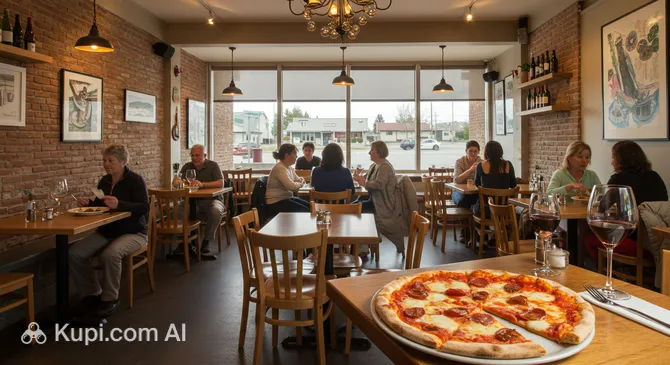
Evening leisure here often begins with a delicious dinner with friends. Local establishments offer an excellent balance between food quality and a relaxed environment. For instance, a popular spot to start the evening is Pizzeria Salvatore. This place is great for a hearty snack before heading out to the bars, offering a casual atmosphere and a diverse menu.

Salvatore Pizza. Illustration.
Source: Kupi.com AI

Traveler photos:

If you prefer classic Quebecois comfort, it's worth visiting St-Hubert Express. Although it is a chain, it is much loved by locals and often serves as a meeting point for large groups before evening entertainment. After dinner, many move to local bars where live music — ranging from folk to rock — can be heard, and bartenders offer a wide selection of craft beer produced in the Lac-Saint-Jean region.

Atmosphere and Dress Code. A casual style prevails in Alma. You won't need evening gowns or formal suits; jeans and a neat shirt or sweater will be appropriate in any establishment, including late-night bars. The crowd is diverse, from local college students to workers and tourists, creating a friendly and safe vibe. Most bars stay open until 2:00–3:00 AM, but restaurant kitchens may close as early as 9:00 or 10:00 PM, so it's better to eat dinner early.

Safety and Transport. Alma is a very safe city, and night walks through the well-lit center (especially around Avenue du Pont) are worry-free. However, public transport does not run at night. If you plan to stay out late or if your accommodation is far from the center, it's recommended to save the number of a local taxi service (such as Taxi d'Alma) in advance, as hailing a car on the street can be difficult.

Regarding daytime entertainment, the city offers an equally rich program. Cultural life thrives at Salle Michel-Côté, which regularly hosts concerts and theatrical productions. Shopping enthusiasts can spend time at the Plaza d'Alma shopping center, and on warm days, it's worth strolling along the waterfront or visiting city parks, which often host outdoor festivals and celebrations.

Parks & Museums

Alma harmoniously combines industrial power with a commitment to preserving nature and culture, offering guests well-kept green spaces and interesting exhibition venues. City parks here are not just places for walking, but true oases of tranquility by the water, while museums and galleries provide a deeper understanding of the soul of the Lac-Saint-Jean region.

One of the most beloved recreation spots for locals and tourists alike is Parc de la Falaise. This picturesque green area is located along the river and is perfect for those seeking solitude within the city. It features comfortable walking paths surrounded by dense vegetation, leading to viewpoints overlooking the water. The park also serves as an excellent location for picnics and morning jogs, allowing you to enjoy fresh air and birdsong just minutes from the center.

In the heart of the city lies Parc Scott, which serves as the main open-air city square. Located on the banks of the Petite-Décharge River, it is famous for its magnificent views of the rushing waters and the dam. In the summer, the park comes alive with fountains, flower beds, and open-air concerts, while in winter, it transforms into a fairytale place with festive lighting. It is the perfect spot to feel the pulse of city life and admire the sunset.

The cultural scene of Alma is inconceivable without the Langage Plus Contemporary Art Center. This gallery is a significant attraction for lovers of modern art. It regularly hosts exhibitions by Canadian and international artists experimenting with forms and meanings. A visit to the center will be interesting for those who want to see a modern interpretation of Quebec's cultural codes and participate in creative workshops or meetings with authors.

Although "The Builders' Odyssey" is often mentioned as a top attraction, it is also worth noting in the context of museums. This place is a true treasure trove of the region's industrial memory. The exhibits here are interactive and engaging even for children: they clearly show how the development of water resources shaped the face of modern Quebec. Special attention should be paid to the opportunity to climb the historic water tower, which offers perhaps the best panorama of the city and the surrounding forests.

For those looking for unconventional experiences, we suggest visiting the Alma Public Library. It is not just a book repository but a modern architectural space that often hosts intimate exhibitions of local photographers and artisans. Stopping by is a great way to see the everyday cultural life of the townspeople without the tourist polish.

Getting Around

The transport infrastructure of Alma has its own characteristics typical of small towns in the province of Quebec. You won't find the subways or trams familiar to big cities here, and the public transport system is organized in a specific way. To make moving around the city comfortable, tourists should choose a suitable navigation method in advance, based on their plans and budget.

The most convenient and recommended option for travelers is renting a car. Considering that many natural attractions and the beaches of Lake Saint-Jean are scattered at considerable distances from each other, a personal vehicle will give you the necessary freedom. You will be able to explore the picturesque surroundings at your own pace without being tied to a schedule. Rental points are available both in the city and at nearby airports.

If you don't plan to get behind the wheel, a reliable alternative is traditional taxis. Local services such as Taxi Alma and Taxi Naudville operate in the city. It is important to remember that hailing a car on the street with a wave of the hand is almost impossible here. Taxis must be called in advance via a dispatcher. This is the surest way to get to a restaurant in the evening or reach a museum without extra hassle.

The city also has a public transport system called Taxibus (a hybrid of a shared taxi and a bus organized by zones). However, for short-term tourists, this option may be inconvenient. Using the service requires not only booking the trip in advance (at least one hour), but also often requires prior registration or membership in the system. Due to the complexities of obtaining access for city guests, we recommend prioritizing regular taxis or a rental car.

During the warmer months, cycling becomes an excellent way to get around. Alma is integrated into an extensive network of bike paths connecting various districts and parks. The city center (Centre-ville) is quite compact, so it is quite comfortable to move around shops, cafes, and the waterfront on foot, enjoying the atmosphere of this cozy corner that Canada is proud of.

Accommodation

Alma offers a variety of accommodation options suitable for most travelers, though you are unlikely to find ultra-luxury five-star resorts from global brands here. The city's hotel stock focuses on comfort, functionality, and heartiness. The offerings mainly consist of mid-range hotels, classic North American motels ideal for road trippers, and cozy Bed & Breakfasts (B&Bs), which are called gîtes in French-speaking Quebec.

Regarding location, the City Center (Centre-ville) is considered the most convenient place to stay. By staying here, you will be within walking distance of restaurants, shops on Avenue du Pont, and the scenic Saguenay River waterfront. This is an excellent choice for those who want to feel the rhythm of the city and enjoy an evening stroll. Another popular option is staying along the main transport arteries at the entrance to the city. Modern motels with large, free parking lots are concentrated here, which is especially valuable for tourists touring the region in a rental car.

Since the city is the gateway to Lake Saint-Jean, campsites and cottage rentals (chalets) in nature, located slightly away from the city bustle and closer to the water, are very popular during the warm season. This allows for a combination of comfortable lodging with outdoor relaxation and beautiful sunrise views.

Booking Tips: Summer (especially July and August) is the high tourist season in the Lac-Saint-Jean region. During this time, Alma attracts festival-goers, cyclists, and families, so booking accommodation at least 2–3 months in advance is highly recommended. In winter, demand can also spike during major hockey tournaments or at the peak of the snowmobiling season.

In general, prices for accommodation in Alma can be described as moderate (mid-price segment). They are typically lower than in major tourist centers like Quebec City or Montreal. Booking is easily done through popular international online platforms; however, for reserving rooms in small family-run B&Bs ("gîtes"), it is sometimes better to contact the owners directly or use local Quebecois tourism aggregators.

Nearby Cities

For those who want to explore the surroundings, Alma serves as an excellent starting point for day trips to several interesting nearby locations:

Just 46 km away is Saguenay — the main urban center of the region. This is an ideal destination for lovers of majestic nature and comfortable recreation. Here you can admire the famous Saguenay Fjord, visit interesting museums, and enjoy excellent restaurants. The city offers a unique combination of urban life and wild landscapes.

If you are ready for a longer trip, head to Quebec City, located about a two-hour drive away. The provincial capital, a UNESCO World Heritage site, enchants with its old architecture, cobblestone streets, and the famous Château Frontenac. It’s an opportunity to touch the living history of North America.

Very close by, 33 km away, is Jonquière. Although administratively part of Saguenay, this district has preserved its unique atmosphere. It is famous for its parks, festivals, and cozy cafes, making it a great spot for a short and relaxed afternoon outing.

CityPopulationDistance
Chambord2 90033 km
Jonquiere66 00033 km
Roberval10 22742 km
Saguenay144 74646 km
Dolbeau-Mistassini14 10256 km

These nearby destinations provide a great overview of the diverse culture and landscapes of the region.

Shopping & Souvenirs

Overview: Shopping in Alma is more practical and heartfelt than glamorous. As the main commercial hub of the Lac-Saint-Jean Est region, the city offers an excellent selection of stores where you can find everything you need: from quality outdoor gear to unique local products. You won't find lines for luxury boutiques here, but you can enjoy a calm shopping process and interactions with friendly salespeople, who are often the business owners themselves.

Main Shopping Districts: The heart of the city's commercial life is Downtown (Centre-ville), especially the bustling Avenue du Pont. A stroll along this street allows you to browse small independent shops offering clothing, books, home goods, and sports equipment. It's the perfect place to feel the rhythm of the city, combining shopping with relaxation in cozy nearby coffee shops.

Shopping Centers: For those who prefer "all-under-one-roof" shopping, the main destination is Centre Alma. This is the largest shopping complex in the city, housing popular Canadian and international brands of clothing, footwear, and electronics. It also features large supermarkets and pharmacies, making it a convenient point to restock supplies before heading into nature.

Markets: Seasonal fairs and farm stands hold a special place in the region's culture. During the summer and autumn, local producers offer the freshest goods. Since the region is famous for its dairy farms and berry plantations, this is where you should look for the true taste of Quebec: artisanal cheeses, fresh pastries, and, of course, the famous local blueberries in all forms.

Souvenirs: The region's signature brand is wild blueberries (bleuets). From Alma, be sure to bring back chocolate-covered blueberries, jams, syrups, or even blueberry tea. Maple syrup products and warm items are also popular: knitted hats, scarves, or wool socks that will keep you warm at home and remind you of the Canadian winter. Art lovers should pay attention to the work of local artisans, often displayed in small shops downtown.

Hours and Payment: Most shops are open Monday to Wednesday from 9:30 AM to 5:30 PM. On Thursday and Friday, they usually stay open later — typically until 9:00 PM, which is convenient for evening shopping. On weekends, the schedule is reduced: until 5:00 PM on Saturday and often until 5:00 PM or earlier on Sunday. Bank cards (Visa, MasterCard) are accepted everywhere, and contactless payments are widely common. Cash might only be needed at small seasonal stalls.

Taxes: It is important for tourists to remember that price tags in Canada are shown without taxes. At the checkout, about 15% will be added to the total (federal GST and provincial Quebec QST). Currently, there is no Tax-Free refund system for foreign tourists on ordinary consumer goods in Canada, so you should account for this surcharge when planning your budget.

Reached the end of the page?

That means the route is fully explored