Support

Rimouski

About

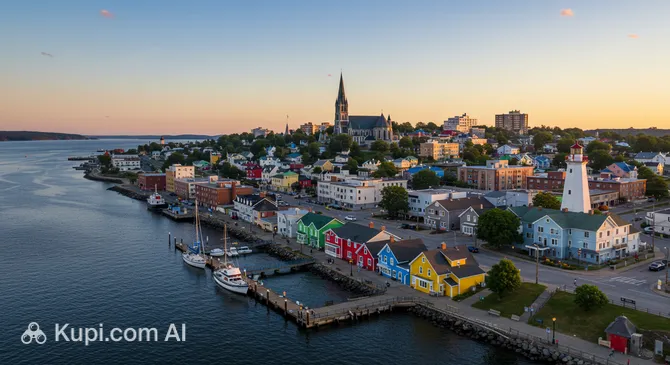
Rimouski is a cozy and atmospheric city located in eastern Quebec, right on the picturesque south shore of the majestic St. Lawrence River. This destination is ideal for travelers wishing to discover the authentic provincial life for which Canada is famous. Here, vast expanses of water and a comfortable urban environment blend in a wonderful way.

Rimouski. Illustration.
Source: Kupi.com AI

Despite its status as an important administrative center for the Bas-Saint-Laurent region and a population of approximately 48,600 people, the city retains the charm and warmth of a small settlement. Rimouski is not just an industrial hub, but a place with a friendly community where modern amenities coexist with quiet streets and colorful architecture.

Neat wooden houses in the center and a rich maritime culture give the city a special charm. By exploring the history of Rimouski, you can understand how closely the lives of locals are tied to the river and shipping. Walks along the promenade, fresh air, and the sight of passing ships create a unique atmosphere of tranquility and romance.

This city will be a wonderful discovery for those seeking solitude away from noisy tourist routes but unwilling to sacrifice comfort. Rimouski invites you to enjoy the beauty of nature and sincere hospitality, offering an authentic Quebec experience.

Weather Overview

The climate of Rimouski is characterized by distinct seasonality, offering travelers different holiday scenarios depending on the time of year. Winters here are truly invigorating: the coldest month is January, with an average temperature of -9.4°C, when nighttime figures can drop to -12.5°C. Summer, on the other hand, delights with mild warmth without exhausting heat—in July, the air warms up to an average of 17.3°C, creating ideal conditions for walks along the St. Lawrence River.

Precipitation is distributed fairly evenly throughout the calendar, so a light raincoat or umbrella may come in handy in any season. Expect a fresh, comfortable summer and a frosty winter, while overcast or rainy days occur consistently—from 11 to 13 times a month. To choose the best dates for your trip and prepare for nature's whims, we recommend checking the detailed weather in Rimouski before you depart.

Average monthly temperature

Average monthly precipitation

Interesting Facts

Beyond its main attractions, Rimouski holds many fascinating secrets and dramatic stories that make it a unique spot on the Quebec map.

  • The Canadian "Titanic": One of the most tragic pages in the region's history was the sinking of the RMS Empress of Ireland in 1914. The ship collided with a Norwegian vessel in dense fog near the city and sank in just 14 minutes. This tragedy, which claimed over a thousand lives, is considered one of the largest maritime disasters in history. A memorial pavilion is open in Rimouski where you can see artifacts recovered from the wreck site.

  • Guardian of the River: Just eight kilometers from the center, in the Pointe-au-Père district, lies a unique historical complex with a lighthouse. This place is not only an important navigational landmark but also a symbol of maritime romance that attracts photographers and history buffs.

  • An Unavoidable Hub: Its geographical location has made Rimouski a strategically important transport center. The city is situated on the main road of Southern Quebec and is linked by rail to major centers in Canada, meaning travelers exploring the region almost inevitably find themselves here.

  • Cultural Pulse: Rimouski is famous for its festivals, which bring the city to life throughout the year. Local celebrations, often dedicated to music, art, and maritime themes, create a unique atmosphere and bring residents and visitors together.

How to Get There

Planning a trip to this picturesque corner of Quebec requires attention to logistics, as the city is located some distance from the major metropolises. You can find out all the ways to get to the city to choose the most convenient route that combines comfort and optimal travel time.

The nearest and most convenient hub for travelers is Mont-Joli Airport (IATA: YYY). It is located in the neighboring town of Mont-Joli, just 30.2 km from the center of Rimouski. The journey from the terminal to the city by taxi or transfer usually takes about 30–40 minutes. This is a regional airport that primarily handles domestic flights.

For international flights or a wider choice of connections, tourists often use Québec City Jean Lesage International Airport (IATA: YQB). It is located in Quebec City, approximately 281.8 km away. This is a major transport hub, but keep in mind that the ground transfer from here will take time: a trip by car or bus will take roughly 3 to 3.5 hours.

For clarity, here is summary information on the main airports in the region:

AirportPassenger trafficDistance
Mont Joli Airport60 00030 km
Baie-Comeau Airport22 50081 km
Saguenay-Bagotville Airport200 000183 km
Presque Isle Municipal Airport21 633197 km
Bathurst Airport51 888227 km

Rail travel is also a popular way to travel across Canada. One of the key transport hubs for transfers when traveling from remote regions is the Quebec City Railway Station (IATA: XLJ). The station is located in Quebec City, 270.2 km from Rimouski. Further travel from the station to your final destination by bus or car will take approximately 3 hours.

Below is information about the major railway stations used as transit points:

StationPassenger trafficDistance
Quebec Railway Station1.2 mln270 km
Sainte-Foy Railway Station750 000280 km
Charny Station50 000281 km

Main Attractions

Rimouski offers travelers a unique combination of maritime history, cultural heritage, and breathtaking natural landscapes. The city and its surroundings are rich in places that allow for a deep immersion into the atmosphere of the Bas-Saint-Laurent region.

One of the most significant attractions is the Pointe-au-Père Maritime Historic Site. This is a must-visit for anyone interested in the sea. Here, you can climb the second-tallest lighthouse in Canada, built in 1909, and enjoy the panoramic view. The complex also includes a museum dedicated to the tragedy of the liner "Empress of Ireland" and the actual submarine "Onondaga," which you can enter to learn about the daily life of submariners.

Nature lovers should head to Bic National Park. Located at the mouth of the St. Lawrence River, this park is famous for its picturesque bays, rocky capes, and islands. It is an ideal spot for observing harbor and grey seals, which love to bask on the coastal rocks. The park offers many routes for hiking and cycling, and the sunsets here are considered some of the most beautiful in the world.

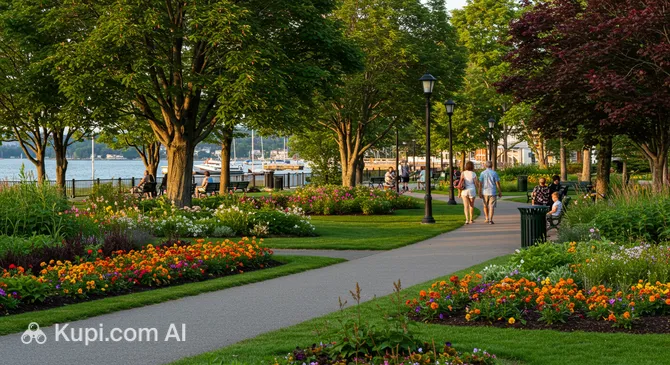
Beauséjour Park. Illustration.
Source: Kupi.com AI

Traveler photos:

In the heart of the city, along the banks of the Rimouski River, lies Beauséjour Park. This is a spacious green zone loved by both locals and tourists. In summer, it's pleasant to walk along the well-kept trails or ride a bike, while in winter, the park transforms into a center for active recreation with a skating rink and cross-country ski trails. Monumental sculptures harmoniously integrated into the landscape add a special charm to the place.

For connoisseurs of architecture and antiquity, the Maison Lamontagne is of great interest. Built in 1744, it is one of the oldest half-timbered buildings in Quebec. Today, it houses a museum that tells the story of life in New France and demonstrates unique construction methods of that time. Visiting this house allows you to literally touch the history of the region's first settlers.

Local Cuisine

Rimouski's cuisine is a true feast for foodies, inextricably linked to the generous bounty of the St. Lawrence River. Due to its coastal location, the core of many local menus consists of the freshest seafood. Travelers should definitely try the local oysters, mussels, and Atlantic salmon, the taste of which is considered a benchmark here for its exceptional quality.

Among the region's signature dishes, you'll find not only classic maritime delicacies but also original local recipes. In cozy bistros and cafes, you can find unusual seaweed soups and appetizing smoked salmon sandwiches. The city's gastronomic map would be incomplete without the famous Quebec poutine—a hearty dish of French fries topped with cheese curds and thick gravy, prepared here with full respect for tradition.

For dessert, locals highly recommend ordering "pouding chômeur" (poor man's pudding). This sweet treat, which appeared during the Great Depression, has become a true symbol of home comfort and resilience in the province of Quebec. Soaked in maple syrup or caramel, this cake is the perfect end to a meal.

Regarding drinks, the developed culture of craft production is noteworthy. The city's establishments widely feature varieties from local microbreweries that experiment with seasonal ingredients. Also, a hallmark of the region is ice cider, produced from apples frozen on the vine—this drink has a rich flavor and is often served as an aperitif.

Farmer's markets hold a special place in the food culture. These are not just retail outlets, but community hubs where producers proudly offer homemade cheeses, fresh pastries, seasonal vegetables, and maple syrup. Visiting a market is a great way to assemble a picnic basket and then head, for example, to Beauséjour Park to enjoy a meal in the lap of nature. Additionally, vibrant gastronomic festivals take place in Rimouski throughout the year, where chefs compete in craftsmanship, turning food into art.

Travel Tips

Preparing for your trip to Rimouski is the key to ensuring your introduction to the maritime gateway of the Bas-Saint-Laurent region goes smoothly and comfortably. We have compiled a list of practical recommendations to help you easily navigate local specifics and get the most enjoyment out of your visit to this picturesque corner.

  1. Clothing and Gear: The weather by the river is changeable, and the humidity is high. Even in summer, be sure to bring a windbreaker or a fleece jacket, as the breeze from the St. Lawrence River can be chilly, especially in the evenings. In winter, layered warm clothing, a hat, a scarf, and waterproof shoes with thick soles are necessary. If you plan to visit religious sites, such as the Saint-Germain Cathedral, choose a conservative style of clothing that covers your shoulders and knees.

  2. Transport: Although buses (Citébus) and a collective taxi system (Taxibus) operate in the city, it is highly recommended to rent a car for a full exploration of the surroundings and trips to national parks. The distances between natural attractions can be significant, and a car will give you the necessary freedom. In the city center, it is pleasant and convenient to get around on foot or by bicycle.

  3. Finances: The official currency is the Canadian dollar (CAD). Credit and debit cards (Visa, Mastercard) are accepted everywhere, but having some cash on hand for small purchases at farmers' markets won't hurt. There is a strong tipping culture in Canada: in restaurants and taxis, it is customary to leave 15–20% of the bill, as a service charge is usually not included.

  4. Health and Safety: Rimouski is a very quiet and safe city where you can walk without fear even in the evening. Pharmacies (for example, the Jean Coutu or Familiprix chains) are easy to find within the city, but please note that 24-hour locations are rare—it's better to have a basic set of medicines with you. For emergency medical assistance or to call the police, use the universal number 911.

  5. Communication: Rimouski is a French-speaking city. Although staff in tourist areas often speak English, the primary language of communication is French. Local residents will be very appreciative if you start a conversation with a polite "Bonjour" (Good day) and end with "Merci" (Thank you). Free Wi-Fi is available in many cafes, hotels, and public libraries.

  6. Local Etiquette: Quebecers value politeness and personal space. It is customary to greet bus drivers when entering and shopkeepers in small stores. Maintain your distance in lines and never try to jump ahead—this is considered extremely rude. When meeting someone, a firm handshake and a smile are appropriate.

  7. What to Avoid: Do not assume that everyone is obliged to speak English with you, and avoid showing impatience if you aren't understood immediately. Also, avoid comparing local dialects or cuisine with France in a dismissive tone—residents are proud of their unique Quebec identity.

  8. Nature Tip: When walking along the coast, always be aware of the tides. Water in the St. Lawrence estuary rises rapidly, and some sections of beaches or rocks can be cut off from land in minutes. Before long walks along the water, be sure to check the tide schedule (marées), which can be found in local apps or tourist centers.

Rimouski charms with its steady pace of life and hospitality. By following these simple tips, you can avoid minor inconveniences and focus entirely on the beauty of the sunsets, the taste of fresh seafood, and the unique atmosphere of this northern land.

Entertainment & Nightlife

Entertainment and nightlife:

Even though Rimouski is not a metropolis, its nightlife is vibrant, largely thanks to its status as a student city. The presence of the University of Quebec at Rimouski (UQAR) sets the pace: people here love to have fun and appreciate good craft beer and live music. Evenings in Rimouski are spent in a warm, almost family-like atmosphere where it is easy to make friends with the locals.

The epicenter of evening entertainment is Rue Saint-Germain Est. It is here, in the city center, that most of the popular bars, pubs, and restaurants are concentrated. In the summer, terraces fill with people enjoying the river views and sunsets, while in winter, life moves into the cozy interiors of the establishments. The crowd here is diverse: from students and youth to tourists and local old-timers.

If you are looking for specific places to experience the spirit of the city, keep an eye out for these establishments:

  • Le Bien, le Malt — a cult microbrewery in the heart of the city. This place is a must-visit for beer lovers: they brew excellent stouts, IPAs, and seasonal varieties. The atmosphere is relaxed, perfect for starting the evening.
  • Distillerie du St. Laurent — although the production is located a bit further out, their bar offers a unique experience. Here, you can try the famous gin made with St. Lawrence River seaweed and signature cocktails in a stylish interior.
  • La P'tite Grenouille — if you're in the mood for a party and dancing, this place fits the bill perfectly. Live music is frequent here, with chansonniers performing, and the atmosphere is louder and more casual.

In Quebec, the "5 à 7" tradition (from 5:00 PM to 7:00 PM), the local equivalent of happy hour, is very popular. This is the best time to head to a bar, grab a comfortable table, and order drinks at special prices. The dress code in most places is casual; pretension is not welcome here. The average price for a pint of beer is 7–9 CAD, while cocktails will cost around 12–16 CAD.

In terms of safety, Rimouski is one of the calmest cities in the province. The center and the Saint-Germain street area are well-lit and safe for walking even late at night. However, public transport practically stops running at night. The most reliable way to get back to your hotel is to call a taxi (e.g., Taxi 800) or use the Taxibus service if you are registered in the system.

The daytime cultural program in the city is just as rich. For art lovers, there is a regional museum and the Salle Desjardins-Telus concert hall, which hosts theatrical productions and musical shows. If you want to combine entertainment with outdoor activities, head to Beauséjour Park.

Beauséjour Park. Illustration.
Source: Kupi.com AI

Traveler photos:

This is a versatile spot where you can have a picnic or ride a bike during the day, and during city holidays, the park often becomes a venue for festivals and open-air concerts.

Parks & Museums

Rimouski is famous for its harmonious blend of rich cultural heritage and magnificent natural landscapes. The city offers tourists the chance not only to immerse themselves in the history of the Bas-Saint-Laurent region but also to enjoy fresh air in well-kept green zones, which are an integral part of the urban environment here.

Among the natural areas, Beauséjour Park, located along the banks of the Rimouski River, holds a special place. It is a true green oasis within the city, ideal for family vacations. In summer, there are kilometers of cycling and walking paths, and spacious lawns attract picnic enthusiasts. In winter, the park transforms, offering excellent cross-country ski trails and an open-air skating rink, making it a hub of attraction year-round.

Another important natural artery is the Sentier du Littoral. This is a picturesque walking and cycling trail stretching along the St. Lawrence River estuary. A stroll here allows you to observe the tides, breathe the healing salty air, and enjoy views of the coastal marshes, home to many birds. This place gives a sense of unity with nature, while being just a few steps away from the city infrastructure.

For a dive into cultural life, visit the Musée régional de Rimouski (Rimouski Regional Museum). It is housed in the region's oldest stone church, built in 1823, which in itself makes it an architectural monument. The museum's exhibitions successfully combine contemporary art, science, and regional history, offering visitors interactive displays and a deep look at the development of society in this corner of Quebec.

As a tip from the locals, we recommend heading to Saint-Barnabé Island (Île Saint-Barnabé). This island, located right across from the city, is accessible via a tour boat. There are no cars or noise here, only hiking trails, camping spots, and legends about the hermit Toussaint Cartier, who lived here in the past century. It is an ideal place for those seeking silence and authentic experiences in the heart of nature.

Getting Around

The public transport system in Rimouski is adapted to the quiet pace of life in a small city and is managed by the Société des transports de Rimouski (STR). There is no metro or tram system; the primary means of transport for residents and guests is the Citébus bus network. These bus routes are designed to connect key points of interest: the city center, the university campus, major shopping centers, and the hospital. The buses are modern, clean, and run strictly according to schedule.

An interesting feature of the local transport infrastructure is the Taxibus system. This is a form of collective transport that serves areas with low passenger flow where large buses do not go. Taxibus works on a shared-ride principle: passengers are picked up and dropped off only at specially marked stops. While this is a convenient service for locals, tourists should note that using Taxibus often requires a prior phone call, which may not always be convenient for spontaneous trips.

Paying for fares on Citébus buses is highly simplified. A single ticket can be paid for in cash directly to the driver upon boarding, but it is crucial to have the exact amount (coins), as the buses do not provide change. For those who plan to move around a lot, it's more economical to purchase a strip of tickets or a monthly pass. These can be bought at authorized points of sale throughout the city, most commonly at Jean Coutu, Familiprix, or Uniprix pharmacies, as well as some convenience stores.

The transport schedule has its nuances. On weekdays, buses run regularly from early morning until evening; however, on weekends and holidays, the number of trips is reduced, and the intervals between them increase. Before planning a trip, it is strongly recommended to check the current schedule on the carrier's website or in navigation apps to avoid being stuck at a stop waiting for the last bus that has already left.

Given the geography of the region and the remoteness of some natural attractions, many tourists prefer alternative ways of getting around. For trips to the lighthouse or national parks, it is most convenient to use classic taxi services or rent a car. In the summer season, cycling is extremely popular: the city is permeated with a network of bike paths, and a ride along the waterfront on the "Sentier du Littoral" route will be more than just a way to get from point A to point B—it will be a pleasant adventure in itself.

Accommodation

Rimouski offers travelers a variety of accommodation options that reflect the welcoming character of the Bas-Saint-Laurent region. You won't find massive skyscrapers of international luxury chains here, but the city is rich in cozy mid-range hotels, high-quality motels, and charming bed and breakfasts (B&Bs or Gîtes). For nature lovers, picturesque campgrounds and cottages located close to national parks are available.

When choosing an area to stay, consider the purpose of your trip. Downtown (Centre-ville), especially around Saint-Germain Street, is an excellent choice for those who want to be in the heart of the action. Staying here puts you within walking distance of the best restaurants, bars, and the waterfront, allowing you to enjoy evening strolls without needing to drive. This is the most convenient location for tourists without a car.

Another popular option is accommodation along Boulevard René-Lepage and Route 132, which stretches along the St. Lawrence River. Many motels and hotels are concentrated here, offering rooms with stunning water views and Rimouski’s famous sunsets. This area is ideal for road trippers, as there are usually no parking issues, and access to main roads is very convenient for further exploration of the Gaspé Peninsula.

Local Gîtes—small family-run guesthouses—deserve special mention. They provide a wonderful opportunity to immerse yourself in the local culture, chat with the hosts, and taste homemade breakfasts prepared from local products. These places are often located in historic buildings and feature unique interiors and a warm atmosphere.

Booking Tip: Rimouski is an important transit point and a popular tourist destination during the summer season (June to September). During this time, demand for accommodation is very high, so it is strongly recommended to book your rooms several months in advance. If you plan to visit during major festivals, you should take care of your lodging even earlier.

The price range in the city can be described as moderate. Budget options and campgrounds are available for cost-conscious travelers, while 3-4 star hotels offer comfort at prices that are usually lower than in major metropolises like Montreal or Quebec City. Reservations are easily made through popular online platforms, but for small B&Bs, it is sometimes more advantageous or reliable to contact the owners directly.

Nearby Cities

For those who want to explore the surrounding area, Rimouski serves as an excellent starting point for day trips to several interesting nearby locations. The city's geographical position allows for routes both along the south shore of the St. Lawrence River and further inland or even to the opposite shore.

Saguenay deserves special attention. Although the trip takes some time, it is well worth it: the city is the gateway to the majestic Saguenay Fjord, one of Quebec's most beautiful natural creations. Here, you can enjoy cruises, hiking, and the unique urban atmosphere of the Chicoutimi district. Another interesting destination is Baie-Comeau, located on the North Shore (usually involving a ferry crossing). This place attracts lovers of wilderness and grand hydroelectric structures.

Below is information on nearby cities you can visit:

CityPopulationDistance
Mont-Joli6 66330 km
Forestville53 km
Matane14 46287 km
Baie-Comeau21 53691 km
Rivière-du-Loup20 000101 km

These nearby destinations offer a glimpse into the diverse culture and landscapes of the region, making your trip through Eastern Canada even more rich and memorable.

Shopping & Souvenirs

Shopping in Rimouski is a calm and pleasant activity that allows you to combine the search for necessities with immersion into the local culture. As the commercial center of the Bas-Saint-Laurent region, the city offers a great balance between major chain stores and unique shops run by local artisans. You won't find the bustle of huge metropolises here, but you can purchase high-quality outdoor clothing, exclusive regional products, and handmade goods.

The heart of the city's commercial life is Rue Saint-Germain Est. A walk down this street is an aesthetic pleasure: here, in historic buildings, you'll find cozy boutiques, bookstores, art galleries, and jewelry stores. It's the perfect place to find designer clothing, rare books, or simply enjoy the window displays designed with great taste.

For larger-scale shopping, head to Carrefour Rimouski. This is the largest shopping center in the region, housing dozens of stores from well-known Canadian and international brands under one roof. You can find everything here: from electronics and sports equipment to cosmetics and fashion. The shopping center is convenient due to its infrastructure and large parking lot, making it a popular spot for both locals and tourists.

The Rimouski Public Market (Marché public de Rimouski), which operates during the summer season (usually from May to October) on Saturdays, deserves special attention. It is a true showcase of the region's gastronomic wealth. Farmers and producers bring the freshest cheeses, homemade sausages, fresh pastries, honey, and seasonal fruits. Visiting the market isn't just about buying food; it's an opportunity to chat with the passionate people who create these products.

Gastronomic gifts are the most common souvenirs brought from Rimouski. Be sure to look for maple syrup products, smoked fish (especially salmon and trout), and local alcoholic beverages, such as gin with seaweed. Woolen goods and warm clothing are also popular, as they are made with high quality here, given the harsh winters. Art lovers will appreciate paintings and driftwood crafts created by local masters inspired by the sea.

Shops in the city are usually open from 9:30 AM to 5:30 PM from Monday to Wednesday and on Saturday. On Thursday and Friday, they tend to stay open later—until 9:00 PM—which is convenient for evening shopping. On Sundays, most retail outlets operate on a reduced schedule, until 5:00 PM. Cash in Canadian dollars and bank cards (Visa, Mastercard, American Express) are accepted everywhere. Contactless payment via phone is also widespread.

It is important to remember that in Canada, prices on tags are listed without taxes. At the checkout, about 15% will be added to the total (federal GST and provincial QST). As for the Tax-Free system, the federal tax refund program for foreign tourists was abolished several years ago, so you should not expect a VAT refund when leaving the country.
Reached the end of the page?

That means the route is fully explored