Support

Armstrong

About

Armstrong is a charming and cozy city nestled in the picturesque North Okanagan valley in the province of British Columbia. Despite its modest size and population of around 5,000, it boasts that unique atmosphere of warmth and hospitality that Canada is so famous for. The measured rhythm of rural life blends harmoniously here with a developed infrastructure that makes every tourist's stay comfortable and engaging.
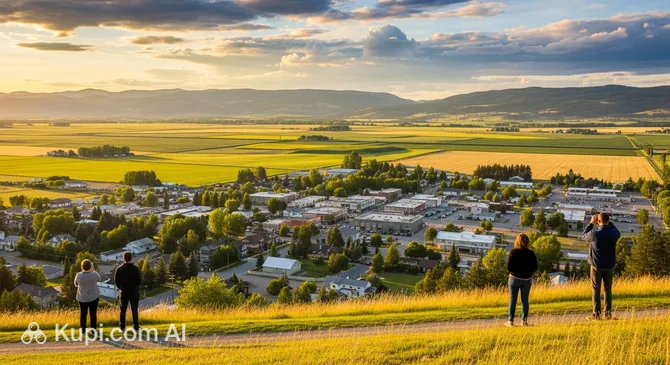
Armstrong. Illustration.
Source: Kupi.com AI

The city carefully preserves its traditions, which are rooted deep in the past. The rich history of Armstrong is inextricably linked to the development of agriculture and farming in the region. It was this agrarian heritage that shaped the unique character of the city, which is now rightfully considered an important agricultural center of the valley.

One of Armstrong's main "calling cards" is cheese production. Local creameries are known far beyond the region, and tourists enjoy visiting tastings to sample famous varieties. Additionally, the city is famous for the annual Interior Provincial Exhibition (IPE) — a grand event that attracts thousands of guests looking to immerse themselves in a true festival atmosphere with rodeos, parades, and exhibits.

Armstrong is the perfect stop for those seeking peace, wishing to enjoy natural beauty, and wanting to experience the authentic culture of the Canadian countryside. Come here to rest your soul and discover the taste of real farm life.

Weather Overview

The climate in Armstrong is characterized by distinct seasonality, allowing travelers to enjoy a variety of activities year-round. Summers delight with warmth, perfect for visiting famous local farms, while winter brings a bracing chill.

The warmest months are July and August, when the average temperature stays around 20°C, and daytime highs often reach 27°C. This is also the driest period, favorable for outdoor strolls. In winter, the thermometer drops below zero: in January and February, average temperatures range from -4°C to -6°C, and night frosts can reach -10°C.

Precipitation is distributed relatively evenly, although November is often the wettest month with 17 rainy days. When planning your trip dates, be sure to check the detailed weather in Armstrong to be prepared for any whims of nature. Overall, expect a warm summer with plenty of sunny days and cool winters with occasional snowfall.

Average monthly temperature

Average monthly precipitation

Interesting Facts

Beyond its main attractions and famous cheese, Armstrong holds many fascinating secrets and historical details that often escape the notice of ordinary tourists. Here are a few facts that will help you look at this cozy town from a new perspective:
  • "Celery City." In the early 20th century, Armstrong held the unofficial but proud title of the "Celery Capital" of Western Canada. The local peat soils were perfect for growing this crop, and until the 1940s, crunchy celery was the main export product that made the region famous across the continent.

  • A banker, not an astronaut. Many travelers mistakenly assume the city was named after the famous astronaut or jazz musician. In fact, the settlement was named after London financier E. C. Heaton Armstrong. He helped secure funding for the construction of the Shuswap and Okanagan Railway, which put the city on the map.

  • A geographical "island." Armstrong has a curious administrative feature: it is entirely surrounded by the territory of another municipality — the Township of Spallumcheen. This creates a unique symbiosis where urban life flows seamlessly into rural landscapes, and locals consider the two entities as one.

  • A fair with a century of history. The famous Interior Provincial Exhibition (IPE), of which the city is very proud, has been held here since 1899. It is one of the few agricultural fairs in the country that has managed to preserve its traditions for over a hundred years, evolving from a modest farmer's gathering into a grand festival.

How to Get There

When planning a trip to this cozy corner of British Columbia, it is worth thinking through your route in advance. The city is located away from busy metropolises, which gives it a special charm but requires attention to logistics. You can find out all the ways to get to the city to choose the most comfortable option for your journey.

The most convenient and fastest way to reach the region is by air. Armstrong does not have its own airport, so the main flow of tourists is handled by Kelowna International Airport (YLW). It is located just 56 km from the city. This is a major transport hub serving many flights, from which you can easily reach your destination by rental car or taxi in less than an hour.

A good alternative is Kamloops Airport (YKA), located about 93 km away. This is a regional airport often chosen by travelers planning a broader itinerary through the province. The drive from here will take a little longer, but the scenic views along the way compensate for the extra kilometers.

Below is a summary of the nearest airports you can use for your arrival:

AirportPassenger trafficDistance
Kelowna International Airport2.1 mln56 km
Kamloops Airport311 69693 km
Penticton Airport160 000113 km
Castlegar Airport74 000170 km
Trail Regional Airport22 000192 km

Main Attractions

Despite its modest size, Armstrong offers guests a rich cultural and gastronomic program. The city carefully preserves its heritage and knows how to surprise with unique entertainment that is hard to find in major metropolises. Here are a few places that are definitely worth including in your travel itinerary.

The absolute center of attraction for tourists is the famous Village Cheese Company. This place has long been a symbol of the city and a mandatory stop for all foodies. Here, you can not only purchase the freshest artisanal cheese but also watch the magic of its production: the manufacturing process is open to visitors' eyes. Guests are offered tastings of many varieties, from classic squeaky cheddar to savory signature creations.

To get to know the cultural code of the region, head to the Armstrong Spallumcheen Museum and Art Gallery. The exhibit is housed in a colorful historic building and tells the story of the first settlers' lives, the history of the railway, and the development of agriculture in the valley. The proximity to the art gallery, which showcases the works of local creators, allows you to see how harmoniously the past and present intertwine here.

A truly unique experience can be found at the Caravan Farm Theatre. This is one of Canada's leading professional outdoor theater venues, located on a working farm on the outskirts of town. The stages here are fields, barns, and forests, with nature itself providing the scenery. The productions are known for their high quality and special atmosphere, and in winter, spectators are often transported to the performance site by horse-drawn sleighs.

If you just want to relax and enjoy the small-town atmosphere, stop by Memorial Park. This is the green heart of Armstrong, featuring an outdoor pool for hot summer days, shaded alleys for strolls, and picnic areas. In the summer, the park comes alive with free outdoor concerts that bring locals and travelers together.

Local Cuisine

Armstrong's gastronomic scene is a true embodiment of the "farm-to-table" concept. Thanks to its status as the region's agricultural hub, the local cuisine is based on the freshest seasonal products grown literally next door. You won't find pretentious fine-dining restaurants here, but you can enjoy honest, hearty, and incredibly delicious food prepared with heart.

The main culinary symbol of the city is undoubtedly cheese. Armstrong is famous for its artisanal creameries, and leaving without trying the local cheddar or gouda would be a missed opportunity. Particularly popular are "cheese curds" — fresh squeaky cheese grains that are a perfect snack or the base for the Canadian dish poutine. It is also worth paying attention to home-baked goods: meat pies and fruit tarts are prepared here according to old recipes passed down through generations.

Among beverages, cider holds the top spot. Thanks to the abundance of fruit orchards in the Okanagan Valley, local producers create magnificent varieties of this drink — from dry and tart to sweet dessert options. Fans of non-alcoholic drinks will appreciate fresh-squeezed juices and craft coffee served in cozy city coffee shops, often accompanied by a fresh donut or bun.

The food culture in Armstrong is centered around social interaction and supporting local producers. The epicenter of gastronomic life is the Armstrong Farmers' Market — the oldest continuously operating market in the province. This is where locals and tourists alike have breakfast with fresh pastries, buy vegetables straight from the garden, and exchange news. For a full meal, travelers usually choose family bistros and diners, where a relaxed atmosphere prevails and portions are generously sized.

Travel Tips

Armstrong is an incredibly welcoming city, but as with any trip to the Canadian countryside, a little advance preparation will make your vacation much more comfortable. We have gathered a list of useful recommendations to help you easily navigate the area, avoid minor inconveniences, and get the most out of your trip.

  1. Clothing and Seasonality. The style of dress here is extremely democratic and relaxed — casual style is suitable for any situation. In the summer, the Okanagan Valley can be very hot, so be sure to bring a hat and sunglasses. In winter, a warm windproof jacket and hat are necessary. Most importantly, bring comfortable shoes without heels, as many interesting locations (farms, fairs, parks) involve walking on dirt paths or grass.

  2. Transport. Armstrong is a small town, and public transport is limited (it runs infrequently and there are few routes). The best option is renting a car. This will give you the freedom to move between creameries, neighboring towns, and natural attractions. Taxi apps (like Uber) may be unreliable or have long wait times, so it's better not to rely on them as your primary mode of transport.

  3. Finances. The official currency is the Canadian Dollar (CAD). Most shops, restaurants, and gas stations accept international bank cards. However, we strongly recommend having cash on hand (bills of 5, 10, and 20 dollars). You will need them at farmers' markets, when buying products at roadside stands, or at the IPE fair. Tipping in cafes and restaurants is customary at 15–20% of the bill.

  4. Health and Safety. Armstrong is a very safe city with a low crime rate; you can walk around safely even in the evening. There are pharmacies, but they are not open 24 hours, usually closing by 6:00 PM or 8:00 PM, so it is better to have personal medications with you. The emergency number (police, ambulance, fire) is 911. Be careful on rural roads at dusk: there are many deer in this region that may run onto the highway.

  5. Communication. The primary language is English. Locals speak quite clearly, but knowing basic phrases will be helpful. Wi-Fi is available in most hotels and cafes, but cell signal may be weak on remote farms. Travelers from Europe should remember that Canada uses Type A and B sockets (with flat pins), so take care to bring an adapter for charging your gadgets.

  6. Local Etiquette. In small towns in British Columbia, it is customary to be polite and open. It is normal to greet a stranger on the street or exchange a few words about the weather while waiting for coffee. If you visit a farm, be respectful of the owners' work: do not litter and follow signs.

  7. What to Avoid. The main rule is do not enter private agricultural land without permission. Fields and orchards are private property and the farmers' workplace. Even if there is no fence, it doesn't mean the territory can be used for a picnic or a photo shoot. Always ask for permission or use specially equipped tourist areas.

  8. Opening Hours. Keep in mind that the rhythm of life here is relaxed. Many shops, cafes, and even tourist sites may close quite early — around 5:00 PM or 6:00 PM, and operate on reduced schedules on Sundays. Plan your shopping and dinners in advance so you don't find yourself in front of closed doors.

By following these simple tips, you can avoid unnecessary stress and immediately settle into a relaxed vacation vibe. Armstrong is open to friends, and locals are always happy to help travelers who treat their city with respect and interest.

Entertainment & Nightlife

Nightlife in Armstrong isn't about loud clubs with neon signs and dancing until dawn; it’s about coziness, warm conversation, and unique local entertainment. Evenings here pass at a measured pace, ideal for those who want to take a break from the hustle and bustle and immerse themselves in the friendly atmosphere of the Canadian province. Most activity is concentrated along the main street — Pleasant Valley Road, where the city's key establishments are located.

The crown jewel of evening leisure, which draws guests from all over the province, is the Caravan Farm Theatre. This professional outdoor theater is located in a rural area near the city. Performances here are a true adventure: the forest and fields serve as the sets, while light and sound create a magical atmosphere. In winter, audiences are taken to the stage on horse-drawn sleighs, making the evening absolutely unforgettable.

If you are looking for a place to grab a glass of local beer and chat with the residents, head to the Branding Iron Pub, located in the historic Armstrong Hotel. It is a classic pub with a relaxed atmosphere where sports matches are often broadcast and hearty meals are served. There is no strict dress code: casual style or even hiking gear is perfectly appropriate. The crowd here is open and down-to-earth, mostly local farmers and neighbors who know each other by name.

For movie lovers, the famous Starlight Drive-In Theatre is just a 10-15 minute drive from Armstrong (towards the town of Enderby). It is one of the last remaining drive-in theaters in North America, where you can watch modern films under the starry sky from the comfort of your car. The massive 15 by 36-meter screen creates an impressive effect, and the nostalgic 50s atmosphere attracts many couples and families during the warm season.

When planning your evening, keep a few important points in mind:

  • Opening hours: Life in the city winds down early. Most restaurant kitchens close around 8:00–9:00 PM; bars may stay open until midnight, but it’s best to check the schedule in advance.
  • Transport: Public transport does not run at night. Taxi services, such as Armstrong Taxi, are available, but there are few cars, so it is best to call them well in advance. If you plan to drink, arrange for a designated driver beforehand, as distances between locations can be significant.
  • Safety: Armstrong is an exceptionally safe place. You can walk around the city center in the evening without worry. The only real danger is unlit rural roads and wild animals that may run onto the highway.

Parks & Museums

Despite its compact size, Armstrong offers travelers a surprising combination of well-kept urban spaces and corners of untouched nature. Cultural life here is closely intertwined with the history of land development, so a walk through local parks and museums becomes a true journey back in time, allowing you to better understand the soul of this part of Canada.

For nature lovers, a true discovery will be the Thomas Hayes Ecological Park. This is a protected area of several hectares with convenient walking trails of varying difficulty. The park is a mosaic of forests and wetlands, making it an ideal place for bird and wildlife watching. Tourists appreciate this spot for its silence and the opportunity to see the natural ecosystem of the Okanagan Valley in its pristine form.

If you prefer more active recreation with panoramic views, look at Mount Rose Swanson. Although technically a natural area on the outskirts of town, it is an integral part of Armstrong's recreational life. It features a network of trails leading to several viewpoints. The climb does not require mountaineering equipment, and the reward for the effort is a breathtaking view of the city, the patchwork of farm fields, and Okanagan Lake in the distance.

The main guardian of the city's memory is the Armstrong Spallumcheen Museum and Art Gallery. This is not just a collection of exhibits, but a living space where history sits alongside modern creativity. The museum complex includes several historic buildings that transport visitors to the era of the first settlers. Here you can see antique farm machinery, recreated interiors of bygone times, and learn about the role of the railway in the region's development. The art gallery at the museum regularly exhibits works by local masters, from paintings to ceramics, reflecting the modern cultural code of the community.

Special attention should be paid to the architecture of the city center itself, which serves as an open-air museum. Strolling through the streets, you will see beautifully preserved buildings from the early 20th century, many of which are still used for their original purpose. This creates a unique atmosphere of continuity between generations, rare in modern cities.

Insider Tip: If you find yourself in Thomas Hayes Ecological Park at sunset, keep your camera ready. At this time of day, the light hits the marsh grasses at a special angle, creating a "golden glow," and the chance to see deer or beavers increases significantly.

Getting Around

The public transport system in Armstrong matches the measured rhythm of life in this small city. You won't find subways, trams, or trolleybuses here. The primary mode of transportation for locals remains the private car, and for tourists not planning to rent a vehicle, a basic but reliable bus network is available, connecting the city with neighboring settlements.

The only form of public transport is the BC Transit regional bus system. Route #60 (Enderby/Armstrong/Vernon) passes through Armstrong, connecting the city with the larger center of Vernon. This is a great budget option for those who want to take a day trip around the region; however, you should keep in mind that trips are not very frequent, and schedules may be significantly reduced on weekends and holidays.

The fare payment system on buses is as simple as possible but requires preparation. The most common method is paying cash to the driver upon boarding. It is important to remember that buses do not provide change, so you must prepare the exact amount in change beforehand. The fare for a regional route is usually a few dollars. There are also Day Passes, which are economical if you plan a round trip; these can be purchased directly from the driver.

An alternative to buses are local taxi services, such as Armstrong Taxi. Unlike in metropolises, you shouldn't count on instant car service through popular apps like Uber or Lyft — they may not operate in rural areas or may have very long wait times. It is better to order a taxi by phone in advance, especially if you need to reach a station or an important event late in the evening.

For getting around the city itself, transport will likely not be necessary. Armstrong's historic center and main shopping streets are compact and easy to explore on foot. If you want more mobility to visit remote farms, the best solution is to rent a car at your arrival airport, as rental offices are rare within the city. The bicycle infrastructure here is more for recreational use, but the roads are quiet enough for comfortable riding.

Accommodation

The choice of accommodation in Armstrong perfectly matches the spirit of this cozy town: you won't find pretentious skyscrapers or luxury chain giants here. Instead, travelers can expect atmospheric and affordable lodging options. The hotel stock consists primarily of classic motels, small family-run inns, and charming Bed and Breakfasts (B&Bs), where the hosts personally greet guests and are ready to share local news over a cup of coffee.

Geographically, accommodation options can be roughly divided into two categories. For those traveling by car and planning active trips around the region, the motels located along the main transport artery — Highway 97 — are most convenient. This provides a quick exit toward Vernon or Kamloops. If you want to experience the rhythm of local life, it’s worth looking for guest houses in the historic center or on the outskirts, where you can stay right on the grounds of working farms, enjoying the peace and rural scenery.

The most important booking tip concerns the period of the city's main fair — the Interior Provincial Exhibition (IPE). This event takes place in late August and early September and attracts tens of thousands of visitors. During these days, finding a room on the spot is absolutely impossible: experienced tourists book accommodation six months or even a year in advance. During the rest of the year, the demand subsides, and you can find a suitable option even just a few days before arrival.

The price range in Armstrong can be described as budget and mid-range. The cost of living here is generally lower than in neighboring Kelowna or the major resorts of the Okanagan. While many motels are listed on large online booking platforms, for small B&Bs and campgrounds, it is often better to book directly through their own websites or by phone — this frequently helps find spots that do not appear on aggregators.

Nearby Cities

For those who want to explore the surrounding area, Armstrong serves as an excellent starting point for day trips to several interesting nearby places. Its convenient location in the valley allows you to quickly reach key regional tourist centers, each with its own unique character.

The closest neighbor is the city of Vernon, located just a few minutes' drive away. It is famous for its stunning lakes — Kalamalka and Okanagan — which become centers for beach holidays and water sports in the summer. In winter, tourists are drawn to the world-class Silver Star mountain resort nearby.

If you want to dive into the atmosphere of a larger city, head to Kelowna. This is the heart of the Okanagan Valley wine region. Here, you can stroll along the lively waterfront, visit numerous vineyards with tasting rooms, or explore the cultural district with its museums and galleries.

Lovers of changing landscapes will enjoy a trip to Kamloops. The landscape here becomes more desert-like and hilly, reminiscent of the prairies. The city offers excellent hiking opportunities and is also known for its wildlife park, where you can see bears and other animals in their natural habitat.

CityPopulationDistance
Vernon44 60021 km
Coldstream10 31425 km
Salmon Arm17 70629 km
Lake Country12 92246 km
Kelowna142 14666 km

These nearby destinations provide a glimpse into the diverse culture and landscapes of the region, making your journey through British Columbia even more rich and memorable.

Shopping & Souvenirs

Shopping in Armstrong is an opportunity to get to know the local culture and support regional producers. You won't find massive shopping malls with international brands here; instead, the town is rich in small family-owned shops, antique stores, and farm stands. Purchases here are often gastronomic in nature or fall into the category of handmade goods.

The center of commercial life is Pleasant Valley Road. Along it, often in historic buildings, you'll find clothing stores, souvenir shops, and home goods stores. This area is perfect for a leisurely stroll, during which you can browse for unique gifts and peek into the windows of local boutiques.

For the everyday needs of residents and tourists, there is Armstrong Mall. This is a small indoor complex containing a supermarket, a pharmacy, a liquor store, and service points. It isn't designed for large-scale tourist shopping, but it is a convenient place to restock groceries or purchase travel essentials.

The Armstrong Farmers' Market deserves special attention. It is one of the oldest operating markets in the province, held on Saturdays during the warm season (usually from late April to October). On the exhibition grounds, local farmers and artisans offer fresh vegetables, fruits, home-baked goods, honey, and flowers. Here you can find interesting handmade items that make excellent mementos of your trip.

Among popular souvenirs, local cheese leads the way. Armstrong is known for its cheese-making traditions, so various types of cheddar or gouda are often bought as delicious gifts. It is also worth looking at sweets from local confectioners and the work of artisans: ceramics, knitwear, or wooden toys sold in the shops of the central part of the city.

Shops are generally open from 9:00–10:00 AM to 5:00–6:00 PM. Keep in mind that on Sundays and public holidays, many small shops may be closed or operate on a reduced schedule. Bank cards are accepted almost everywhere, but it is recommended to have cash on hand for purchases at the farmers' market or small kiosks.

In the province of British Columbia, taxes are added to the price on the tag: federal (GST) and provincial (PST), which together increase the cost by about 12%. Travelers should remember that Canada does not offer foreign tourists a value-added tax refund upon departure, so you should not count on being reimbursed for these expenses.

Reached the end of the page?

That means the route is fully explored