Support

Banff

About

Banff is a charming resort town nestled in the heart of the Rocky Mountains. It is famous for its unique atmosphere of unity with nature and serves as a true gateway to a world of majestic landscapes and breathtaking adventures. The town is located in the province of Alberta, within the territory of Canada's oldest national park — Banff. Despite its worldwide fame, Banff remains a small town with a population of about 9,000 people, which gives it a special charm and coziness.
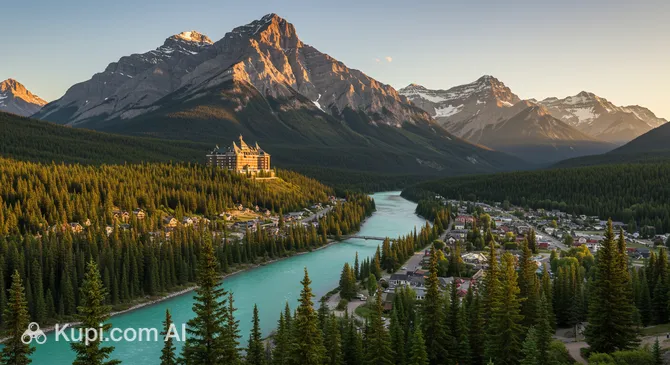
Banff. Illustration.
Source: Kupi.com AI

The climate here is typically mountainous: with snowy, long winters ideal for skiing, and short but sunny and warm summer months perfect for hiking and exploring the surroundings. The main attraction is, undoubtedly, Banff National Park itself, which offers countless opportunities for outdoor activities: from hiking along scenic trails to observing wild animals in their natural habitat.

Among the iconic places that are a must-visit in Banff and its surroundings is Sulphur Mountain (Sulphur Mountain), whose summit can be reached by gondola to enjoy panoramic views of the Bow River Valley. No less famous are the crystal-clear lakes, such as Lake Louise and Moraine Lake, whose turquoise waters framed by snow-capped peaks have become the hallmark of the region. It is also worth visiting the historic Banff Upper Hot Springs, where you can relax after an eventful day.

Banff is a place where everyone will find something for themselves: whether it be seeking solitude amidst pristine nature, active sports, or simply the desire to enjoy the beauty of the Canadian Rockies. A trip here promises unforgettable impressions and a boost of energy for a long time.

You can find more interesting facts on the history of the city of Banff page.
Weather Overview

When planning a trip to Banff, it's worth considering its mountain climate with clearly defined seasons. Expect cold, snowy winters and short, moderately warm summers with frequent but usually not very heavy precipitation. In winter, from December to February, average temperatures hover around -13°C...-14°C, and nightly minimums can drop to -18°C, creating ideal conditions for winter sports. Summer months, especially July and August, bring milder weather: the average temperature is about +12°C, and daily maximums can rise to +18.5°C, which is comfortable for hiking and exploring the national park. Precipitation is distributed throughout the year, with June often being the month with the most rainy days (about 20), although the total amount of precipitation remains low. For more detailed information and to plan your trip, check the detailed description of Banff's climate.

Average monthly temperature

Average monthly precipitation

Interesting Facts

In addition to its world-famous mountain landscapes and lakes, Banff hides many curious details and stories that make it even more attractive to explorers. Ready to learn some little-known facts about this amazing town?

  • Canada's highest town: Banff is located at an altitude of 1,383 meters above sea level, making it the highest town in Canada. This provides not only stunning views but also unique climatic conditions.

  • "Animal" streets: As you walk through Banff, pay attention to the street names. Many of them are named after animals that live in the national park, such as Bear Street (Bear Street), Wolf Street (Wolf Street), and Caribou Street (Caribou Street).

  • Birthplace of Canada's National Parks: It was the discovery of hot springs in 1883 at the site of what is now the Cave and Basin National Historic Site (Cave and Basin National Historic Site) that led to the creation of Banff, Canada's first national park, and marked the beginning of the entire national park system of the country.

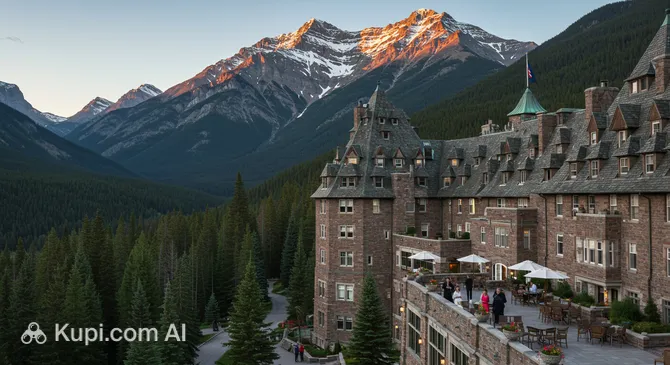
  • Haunted Castle: The majestic Banff Springs Hotel, known as the "Castle in the Rockies," is shrouded in legends of ghosts. The most famous of them is the story of the "Ghost Bride," who is rumored to still roam the hotel corridors.

Banff Springs Hotel. Illustration.
Source: Kupi.com AI

Traveler photos:

How to Get There

A journey into the heart of the Canadian Rockies begins with choosing a convenient route. Since the town is located within a national park, most tourists arrive via the major transport hubs of neighboring cities and then continue along scenic highways. You can learn more about how to get to Banff by exploring all available options, but the most popular method remains flying followed by a transfer.

The main air gateway for travelers is Calgary International Airport (IATA: YYC). There is no airport in the town of Banff itself, so this air hub, located in the city of Calgary, is considered the most convenient option. It is located approximately 109 km from the resort. The journey from the airport to Banff via the Trans-Canada Highway takes about 1.5–2 hours by taxi or rental car. Regular shuttles and buses also run between the airport and Banff, making this the most popular route among tourists.

Alternatively, you can consider Edmonton International Airport (IATA: YEG). It is located in the city of Edmonton, much further away — at a distance of about 273 km from Banff. Travel time by car will be approximately 3–4 hours. This option might be interesting if you plan to visit the capital of Alberta or found more favorable airfares.

For clarity, here is a summary of the main airports:

AirportPassenger trafficDistance
Calgary International Airport18.9 mln109 km
Red Deer Regional Airport17 000161 km
Canadian Rockies International Airport184 973175 km
Castlegar Airport74 000256 km
Lethbridge Airport38 000262 km

Regarding rail connections, it is important to note that regular passenger trains used as public transport do not run directly to Banff. The town's historic railway station primarily serves the famous luxury tourist train, the Rocky Mountaineer, which offers panoramic journeys through the mountains but is not a means for a quick transfer. The nearest VIA Rail national network station is in the town of Jasper or Edmonton, from where you will have to reach Banff by bus or car.

Main Attractions

Banff, the jewel of the Canadian Rockies, offers tourists not only breathtaking landscapes but also a series of unique attractions, each telling its own story. Here are just a few of the places you shouldn't miss during your visit:

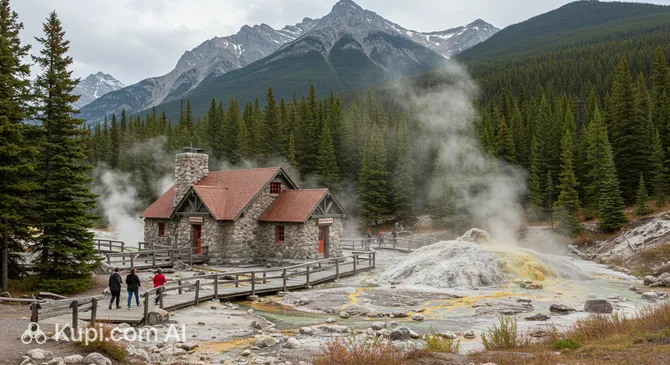
One of the key attractions is the Cave and Basin National Historic Site (Cave and Basin National Historic Site). It was here in 1883 that hot springs were discovered, which served as the impetus for the creation of Canada's first national park — Banff. Today, visitors can explore the cave with its emerald pool, learn more about the history of the site and its significance to Indigenous peoples and the development of the country's park system. This place literally breathes history and is a must-visit to understand the roots of Banff.

Cave and Basin National Historic Site. Illustration.
Source: Kupi.com AI

Traveler photos:

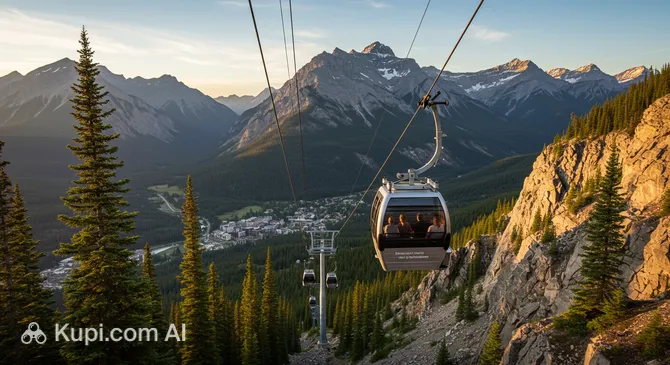
It is impossible to imagine a visit to Banff without ascending Sulphur Mountain, and the most popular way to do this is with the Banff Gondola. In just a few minutes, you will find yourself at an altitude of over 2,200 meters, from where stunning panoramic views of the surrounding mountain ranges and the Bow River Valley open up. At the summit, you will find equipped observation decks and boardwalks, including the trail to the historic Sulphur Mountain Cosmic Ray Station — a National Historic Site where cosmic ray research was once conducted.

Banff Gondola. Illustration.
Source: Kupi.com AI

Traveler photos:

The legendary Banff Springs Hotel, known as the "Castle in the Rockies," also deserves attention. This is not just a hotel, but a true architectural gem and a historical symbol of Banff. Its majestic appearance in the Scottish Baronial style is impressive, and its rich history, spanning over a century, is full of interesting facts and even legends. Even if you are not staying here, it is worth strolling through its grounds or peeking inside to feel the atmosphere of luxury and antiquity.

Banff Springs Hotel. Illustration.
Source: Kupi.com AI

Traveler photos:

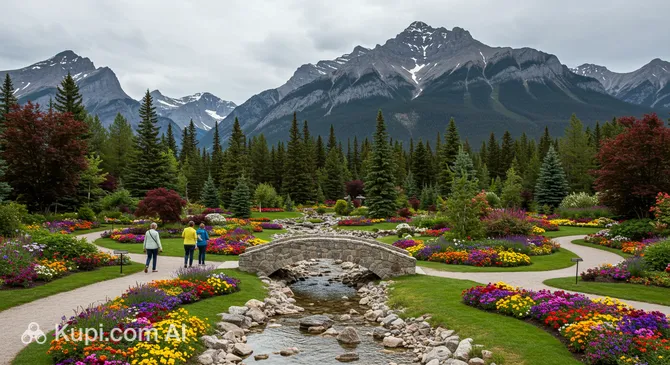
For a more tranquil break and to enjoy the beauty of landscape design, visit the Cascade of Time Garden (Cascade of Time Garden). Located at the foot of Cascade Mountain, behind the Parks Canada administration building, this magnificent garden with terraces, flower beds, ponds, and stone structures is the perfect place for a leisurely stroll. It offers beautiful views of the town and the surrounding mountains, and the garden itself is a true oasis of peace and harmony.

Cascade of Time Garden. Illustration.
Source: Kupi.com AI

Traveler photos:

Local Cuisine

The culinary scene in Banff is a delightful blend of Canadian Rocky Mountain traditions and modern culinary trends. Fresh local products are valued here, and the menus of many establishments reflect the richness of the region's wilderness. Prepare for hearty dishes that warm you up after an active day in the fresh air, and a cozy atmosphere perfect for long conversations.

Be sure to try the famous Alberta beef — succulent steaks and hearty burgers made from it are the hallmark of local cuisine. Don't miss the chance to taste game dishes, such as venison or bison, which are often prepared according to traditional recipes. Fish lovers should look out for trout or salmon from mountain rivers. And, of course, being in Canada, you must try poutine – french fries with melted cheese curds and gravy, served here in many variations.

As for drinks, Banff will delight connoisseurs of craft beer – local breweries and pubs, such as the Canadian Brewhouse (Banff), offer a wide selection of varieties, from classic ales to experimental lagers. It is also worth trying Canadian wines, especially from the British Columbia region. Among non-alcoholic drinks, berry juices, herbal teas, and, of course, high-quality coffee, which will help you perk up before a new day of adventure, are popular.

Dining culture in Banff is diverse: from cozy cafes and family restaurants to elegant fine-dining establishments. Locals and tourists often choose places where the focus is on seasonal products and authentic flavors. For example, at The Bison Restaurant, you can enjoy dishes made from local ingredients, including, as the name suggests, bison meat, in a stylish yet relaxed setting. For burger lovers, The Eddie Burger + Bar is an excellent choice. Many establishments offer stunning mountain views, making the meal even more memorable.

The Bison Restaurant. Illustration.
Source: Kupi.com AI

Traveler photos:

In general, the gastronomic experience in Banff is not just about satisfying hunger, but a real immersion into the atmosphere of the Rocky Mountains. Everyone will find a dish to their liking here, whether it's a hearty dinner after a day on the slopes or a light lunch with a view of the majestic peaks. Discover new flavors and enjoy the hospitality of this amazing corner of Canada!

Travel Tips

Welcome to Banff! To make your trip to this amazing corner of the Canadian Rockies as comfortable and memorable as possible, we have prepared some practical tips. They will help you better navigate and enjoy every minute spent here.

  1. Clothing and Essentials: The climate in Banff is mountainous and changeable. Layering is your best friend at any time of year. In winter (December-March), a warm waterproof jacket, insulated pants, a hat, gloves, and winter boots are essential. In summer (June-August), light clothes are useful, but also bring a fleece or sweater, a raincoat, and definitely comfortable closed-toe shoes for walking and hiking. Don't forget sunscreen, sunglasses, and insect repellent (especially in summer). For electronics, you will need an adapter (Type A and B sockets are used in Canada).

  2. Transport Around Town and Surroundings: The town of Banff itself is small and easily explored on foot. For trips to main attractions like Lake Louise or Johnston Canyon, the local Roam Transit bus network is excellent. It is an eco-friendly and convenient way to get around, avoiding parking issues. Taxis are available but can be expensive. Renting a car gives more freedom to explore the national park, but note that parking at popular spots is limited, especially in peak season. Book a car in advance if you plan on this option.

  3. Finances: The local currency is the Canadian Dollar (CAD). You can exchange money at banks or exchange offices in Banff, but the rate may be better at Calgary Airport or your own bank before the trip. Credit and debit cards (Visa, MasterCard) are accepted almost everywhere. ATMs are widely available. An approximate daily budget (excluding accommodation) could be 100-200 CAD. Tipping is common practice in Canada: 15-20% in restaurants, 1-2 CAD per drink in bars, and 10-15% for guides and taxi drivers.

  4. Health and Safety: There are pharmacies in Banff, but not all are open 24/7. If you need medical attention, contact the Banff Mineral Springs Hospital. Travel insurance with good coverage is a must! Banff is a very safe town, but the main risks are related to wildlife and outdoor activities. Always carry bear spray (and know how to use it) while hiking, do not approach wild animals, and never feed them. Store food in animal-proof locations.

  5. Communication: The official languages in Canada are English and French, but English is used everywhere in Banff and the province of Alberta. Most locals speak English, and you will easily be able to communicate. A local SIM card can be purchased at Calgary Airport or at mobile stores in Banff. Wi-Fi is available in most hotels, cafes, and restaurants. Useful apps include Parks Canada (park info, trail maps) and Roam Transit (bus schedules).

  6. Local Etiquette: Canadians are generally very polite and friendly. A simple "Hello" and "Thank you" are always appropriate. It is customary to wait your turn in line. The main rule in the national park is respect for nature. Follow "Leave No Trace" principles: take all your trash with you, do not pick plants, and do not disturb animals.

  7. What to Avoid: It is strictly forbidden to feed wild animals. It is dangerous for both you and them, and it is also illegal. Also, avoid getting too close to animals for photos – always maintain a safe distance. Do not leave food or trash unattended, especially in nature, to avoid attracting wild animals.

  8. Extra Tip: To enter Banff National Park (including the town itself), a Park Pass is required. It can be purchased online, at park entry gates, or at visitor centers. Plan your visits to popular spots like Lake Louise or Moraine Lake for early morning or later in the evening to avoid large crowds, especially during the summer.

We hope these tips make your trip to Banff even more pleasant and carefree. Enjoy the incredible beauty of the Canadian Rockies and the hospitality of this unique place!

Entertainment & Nightlife

When the sun sets behind the majestic Rocky Mountains, Banff is in no hurry to fall asleep. Despite its status as a secluded mountain resort, the town offers a surprisingly lively nightlife capable of satisfying a variety of tastes. From cozy pubs with fireplaces to dance clubs — there is a place here to relax and have a fun evening after an eventful day of adventures.

The main center of evening entertainment in Banff is its main street — Banff Avenue, as well as the adjacent side streets. This is where most of the bars, restaurants with evening programs, and several nightclubs are concentrated. The atmosphere in Banff establishments is predominantly casual and friendly. The crowd is mixed: tourists from all over the world and locals who love active recreation. The dress code in most places is casual, although you can dress up for some more sophisticated restaurants or lounge bars. Most bars are open until late evening, and clubs usually operate until 2 AM, especially on weekends.

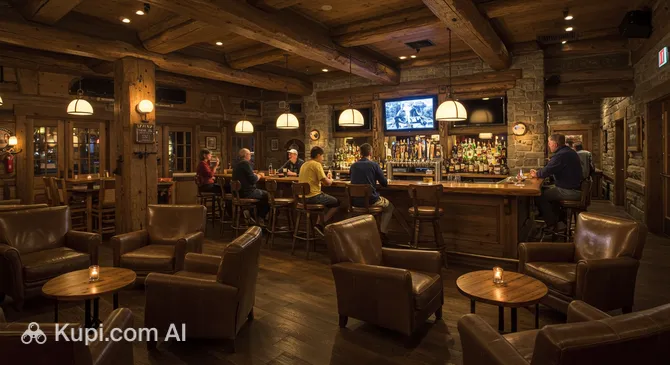
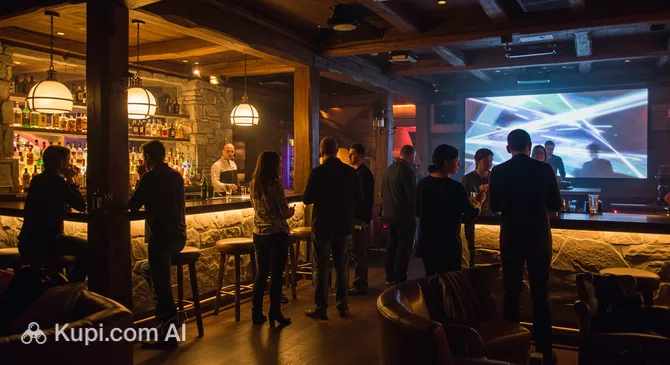
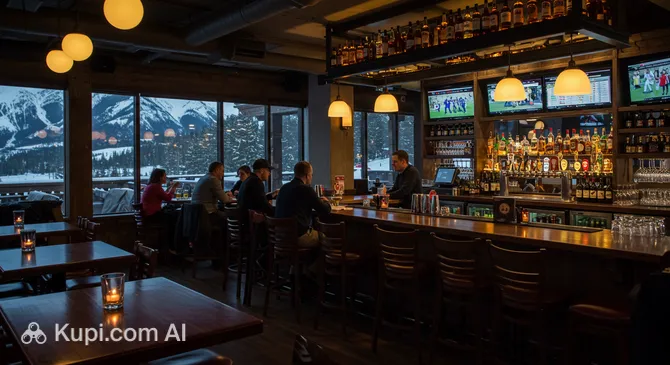
Among the popular places for evening relaxation, several establishments stand out. If you are looking for a place with a good selection of beer and sports broadcasts, check out the Canadian Brewhouse (Banff), known for its lively atmosphere. For those who want to combine dinner with subsequent dancing or cocktails, The Eddie Burger + Bar is a great fit, transforming from a burger joint into a popular party spot. Another worthy option is the Rundle Bar, offering a variety of drinks and often live music or DJ sets.

The Eddie Burger + Bar. Illustration.
Source: Kupi.com AI

Traveler photos:

Practical tips for nightlife in Banff: The best time to visit bars is after 8:00 PM - 9:00 PM; clubs usually come alive closer to midnight. Average drink prices are comparable to other tourist cities in Canada: a pint of beer will cost about 8-10 CAD, and a cocktail 12-16 CAD. At night, it is convenient to get around Banff on foot, as most establishments are in the center. Taxi services are also available; they can be called by phone or found at special stands. Banff is considered a very safe city, and night walks along the illuminated central streets generally do not cause concern. Nevertheless, it is always worth taking usual precautions.

Canadian Brewhouse (Banff). Illustration.
Source: Kupi.com AI

Traveler photos:

While the main focus in Banff is on outdoor activities, there is also plenty to do during the day in terms of cultural entertainment. You can visit the Banff Park Museum National Historic Site to learn more about the history of the region, or take a stroll through the picturesque Central Park. There are no theaters or large amusement parks in the traditional sense in Banff, as its main "stage" and "attraction" is the nature of the Rocky Mountains itself.

Parks & Museums

Banff is not only about majestic mountain peaks and turquoise lakes, but also about cozy green corners in the very heart of the town, as well as places where you can touch its rich history and culture. Strolling through the parks and visiting museums will help you gain a deeper understanding of the unique character of this famous resort in Canada.

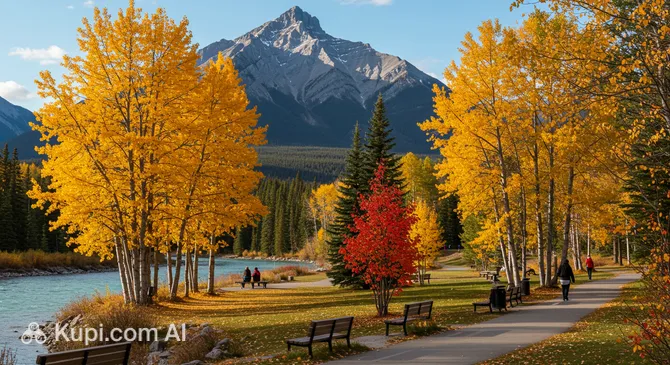
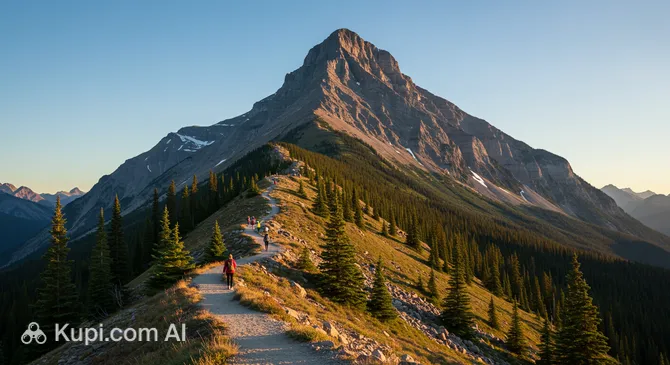
For those seeking outdoor relaxation without leaving the town, Banff offers several beautiful parks and gardens. One such place is Central Park, located along the picturesque Bow River. This is an ideal spot for a leisurely walk, a picnic, or simply relaxing on the grass with a book while enjoying the mountain views. No less charming is the Cascade of Time Garden (Cascade of Time Garden). This magnificently maintained garden with terraces, flower beds, and stone structures, located near the Parks Canada administration building, offers a peaceful atmosphere and great photo opportunities. For lovers of more active recreation, the Tunnel Mountain Trail is a popular and relatively easy route that rewards you with panoramic views of the town of Banff, the Bow River valley, and the surrounding peaks.

Central Park. Illustration.
Source: Kupi.com AI

Traveler photos:

Tunnel Mountain Trail. Illustration.
Source: Kupi.com AI

Traveler photos:

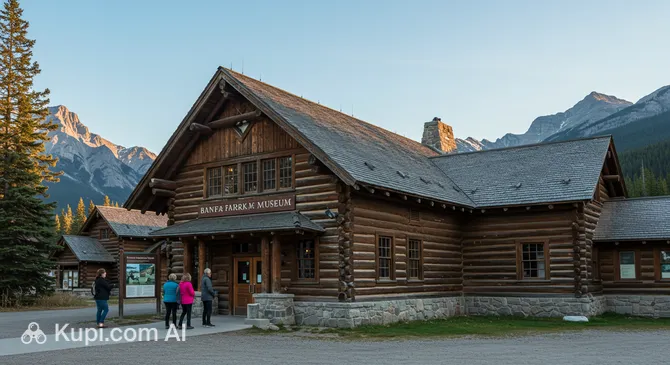
You can immerse yourself in the history and culture of the region by visiting local museums. A key one is the Banff Park Museum National Historic Site (Banff Park Museum National Historic Site). This is the oldest natural history museum in Western Canada, housed in a charming historic building. Its exhibitions are dedicated to the flora and fauna of the Rocky Mountains. Another iconic site is the Cave and Basin National Historic Site (Cave and Basin National Historic Site), considered the birthplace of the Canadian national park system. Here you can learn about the history of the discovery of thermal springs and their significance. Also worth mentioning is the Whyte Museum of the Canadian Rockies (Whyte Museum of the Canadian Rockies), which houses an extensive collection of art and artifacts reflecting the history and culture of this mountain region.

Banff Park Museum National Historic Site. Illustration.
Source: Kupi.com AI

Traveler photos:

Speaking of Banff's architectural heritage, the majestic Banff Springs Hotel must be mentioned. This "Castle in the Rockies" is not only a luxury hotel but also an important historical landmark with unique architecture. A stroll through its grounds or halls allows you to feel the atmosphere of a bygone era. The main street of the town, Banff Avenue, also preserves many historic buildings that give it a special charm.

For those looking for off-the-beaten-path routes and authentic experiences, we suggest walking across the Banff Pedestrian Bridge, which offers wonderful views of the Bow River and Mount Rundle. And to see unique geological formations — hoodoos — head to the Hoodoo Lookout, which is especially beautiful at sunrise or sunset.

Getting Around

Getting around Banff and its immediate surroundings is quite simple, even if you don't have your own car. The town is compact, and the bulk of its infrastructure is concentrated around Banff Avenue, making walking a pleasant way to explore the center. However, for access to more distant attractions and for the convenience of tourists, there is a well-organized public transport system.

The main form of public transport in Banff is the Roam Transit bus network. These buses are easily recognizable thanks to their bright design, often decorated with images of local wildlife. Roam Transit offers several routes that cover not only the town itself but also popular tourist spots, such as the base of Sulphur Mountain (where the Banff Gondola is located), the Cave and Basin National Historic Site, as well as services to the neighboring town of Canmore and to famous lakes such as Lake Louise (some routes may be seasonal). There are no subways, trams, or trolleybuses in Banff, given its size and location in a national park.

The payment system on Roam Transit buses is quite flexible. You can pay for a single trip with cash directly to the driver (it's recommended to have the exact amount, as change may not be given). More convenient options are day or multi-day passes, which allow for an unlimited number of trips during their validity period. Rechargeable smart cards and the Token Transit mobile app are also available, through which you can purchase tickets and passes online. The cost of travel and passes is quite affordable; it's always best to check the official Roam Transit website for current information.

Practical tips for tourists: Tickets and passes can be purchased at machines at some stops, at visitor information centers, or online via the app. When boarding the bus, you must present your ticket, pass, or activated mobile ticket to the driver. Buses run on a schedule, which can be found at stops and on the Roam Transit website. Operating hours usually cover early morning to late evening, with more frequent intervals during peak tourist season. Many buses are equipped with special bike racks, which is very convenient for those who want to combine a bus trip with a bike ride.

In addition to Roam Transit buses, other modes of transport are available in Banff. Taxis can be called by phone or found at designated stands, though this is a more expensive option. During the summer months, bicycle rentals are very popular – a great way to explore the town's trails and surroundings at your own pace. For trips to very popular and sometimes restricted locations for private transport, such as Moraine Lake or the upper parking lot at Lake Louise during peak season, special Parks Canada shuttles may operate; information on these should also be checked in advance. Renting a car provides maximum freedom but comes with the challenge of finding parking at popular spots, especially in summer.

Accommodation

Banff offers a wide range of accommodation options capable of meeting the needs and budget of any traveler. Here you will find budget hostels for cost-conscious tourists and social butterflies, as well as comfortable mid-range hotels offering excellent value for money. For those seeking luxury and first-class service, Banff offers magnificent resorts with a full range of services. Additionally, renting apartments and cottages is popular, which is especially convenient for families or large groups who prefer home comfort and independence.

Most housing options are concentrated along the town's main street, Banff Avenue, and in its immediate vicinity. Staying in this area provides easy access to shops, restaurants, the Banff Visitor Centre, and public transport stops. The Tunnel Mountain area is known for its resort hotels and lodges, offering a more secluded atmosphere and often stunning mountain views, while remaining within easy reach of the town center.

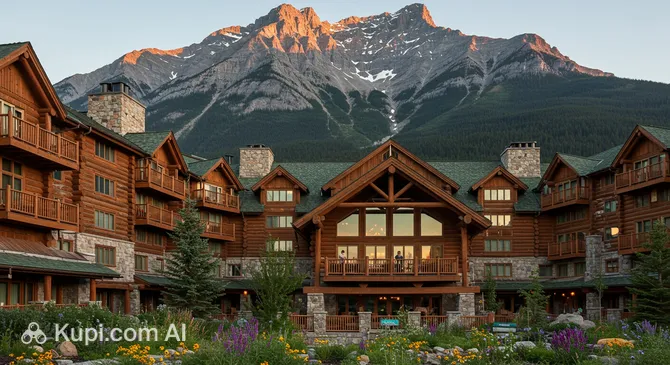
Among the iconic hotels in Banff, the legendary Banff Springs Hotel stands out, known as the "Castle in the Rockies," offering luxurious accommodation and a rich history. Another popular choice is the Tunnel Mountain Resort, which offers a variety of accommodation options from standard rooms to chalets, ideal for family vacations. It is also worth considering The Rimrock Resort Hotel, located on the slope of Sulphur Mountain and offering breathtaking views.

Tunnel Mountain Resort. Illustration.
Source: Kupi.com AI

Traveler photos:

When planning a trip to Banff, especially during peak season (summer and winter holidays), it is strongly recommended to book accommodation in advance, as popular options fill up quickly. The price range varies from budget to luxury. Booking is easy to do through popular online platforms or directly on hotel websites. Keep in mind that local taxes and fees are often added to the room rate.

Nearby Cities

For those who want to explore the surrounding area, Banff serves as an excellent starting point for day trips to several interesting nearby locations:

For example, Calgary, the largest city in the province of Alberta and a former Winter Olympics capital, offers a chance to dive into a vibrant urban atmosphere with its famous Calgary Stampede rodeo, modern skyscrapers, museums, and parks. It is located only about 1.5–2 hours away from Banff by car. For a quieter and more authentic trip, you can choose the charming town of Cochrane, located even closer to Banff. It attracts visitors with its historic main street, famous local ice cream, and relaxing foothill atmosphere.

Here is information on some cities that could be destinations for your day trip from Banff:

CityPopulationDistance
Canmore13 99219 km
Cochrane25 85377 km
Calgary1 239 220106 km
Airdrie61 581110 km
Olds9 184122 km

These nearby destinations allow for a more complete picture of the region's diverse culture and landscapes, complementing your impressions of staying in Banff.

Shopping & Souvenirs

Banff offers a charming and diverse shopping experience that perfectly complements the experience of a Rocky Mountain vacation. While it is not a huge metropolis with giant shopping malls, you will find many unique shops, boutiques, and galleries here. The town is famous for outdoor goods, high-quality clothing, and gear for nature adventures, as well as local artisan products, works of art, and, of course, Canadian souvenirs.

The main shopping area of Banff is undoubtedly its main artery — Banff Avenue. Strolling along this bustling street, you will discover most of the town's shops: from well-known sportswear and equipment brands to small boutiques offering jewelry, local ceramics, Canadian designer clothing, and art galleries. Numerous souvenir shops are also located here. Another street worth the attention of shoppers is Bear Street, parallel to Banff Avenue. It is quieter and offers several interesting specialized shops and galleries.

While Banff cannot boast of huge malls like in big cities, there are several small shopping complexes. One of them is the Town Centre Mall (Town Centre Mall), located right on Banff Avenue. In it, you will find several clothing and souvenir shops, as well as food outlets. It's a convenient place to find everything you need under one roof, especially in bad weather.

Town Centre Mall. Illustration.
Source: Kupi.com AI

Traveler photos:

Large, permanent food or flea markets are not a characteristic feature of the Banff shopping scene. However, in the summer months, farmers' markets or craft fairs may sometimes be organized, where you can buy fresh local products, homemade pastries, and handmade items. It's best to check for information on such events at the Banff Visitor Centre upon arrival.

What should you bring back from Banff as a keepsake? Of course, classic Canadian souvenirs: maple syrup and maple-based sweets, items featuring the maple leaf, and figurines of moose and bears. Items made of ammolite — a unique gemstone mined in Alberta — are popular. Also look out for Indigenous art (ensure its authenticity), warm wool clothing, high-quality outdoor gear that will last for years, and local artwork reflecting the beauty of the Rockies.

Most shops in Banff are usually open seven days a week, especially during the high tourist season (summer and winter). Standard operating hours are approximately from 10:00 AM to 6:00 PM or 7:00 PM, but many shops on Banff Avenue, especially souvenir and clothing stores, can stay open longer, until 9:00 PM - 10:00 PM. Credit cards (Visa, MasterCard, American Express) are accepted everywhere, and you can also pay with debit cards and cash in Canadian dollars (CAD).

In Canada, a Goods and Services Tax (GST) applies, and in some provinces, a Provincial Sales Tax (PST). Only GST (5%) applies in Alberta. Foreign tourists may be eligible for a refund of part of these taxes under the Tax Free program for certain goods purchased to be taken out of the country. We recommend checking the current rules and conditions for tax refunds in participating stores or on official Canadian government websites, as conditions may change.

Reached the end of the page?

That means the route is fully explored