Support

Thunder River

About

Thunder River is a cozy corner tucked away among picturesque forests and mountain rivers in the heart of British Columbia. This small settlement, located in the northern part of the region, is ideal for those seeking solitude and wishing to enjoy the pristine beauty for which Canada is famous. Here, time seems to slow down, allowing travelers to take a break from the noise of megacities and immerse themselves in an atmosphere of peace and harmony.

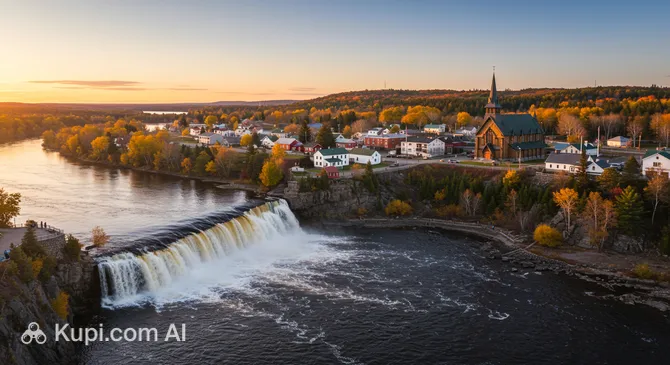
Thunder River. Illustration.
Source: Kupi.com AI

Administratively, Thunder River is more of a small community than a major urban center, but that is precisely where its special charm lies. Although Thunder River's history is not full of high-profile global events, it is closely intertwined with the development of wild lands and life in harsh but beautiful northern conditions. Local residents, many of whom are experienced hunters, fishermen, and guides, create an incredibly welcoming and soul-stirring atmosphere here.

The main reason to visit these parts is the unique natural landscapes. Tourists can expect breathtaking views of untouched lakes and dense coniferous forests that look like they've come straight off a postcard. It is a true paradise for fans of active recreation: local rivers offer excellent fishing opportunities, and the surrounding areas are perfect for hiking, camping, and watching wildlife in its natural habitat.

Evenings in Thunder River are especially beautiful: sitting by a campfire to the sound of rushing water and breathing in the fresh air, you can truly reset. If you dream of feeling northern authenticity and being alone with nature, this hospitable corner is definitely worth including in your travel itinerary.

Weather Overview

The climate in this region of British Columbia is characterized by a rugged northern character, which is important to consider when planning a trip. The current weather in Thunder River is often changeable, and the seasons here are quite pronounced. Winters are long and frosty: in January and February, the average temperature stays around -10...-11°C, and at night the air can cool down to -14.5°C.

The summer period brings relief, but don't expect intense heat. July is the warmest month with an average of +14.5°C, while maximum temperatures rarely exceed +20.4°C. Precipitation falls evenly throughout the year in small amounts (about 2–5 mm per month); however, the number of days with precipitation is high—from 13 to 19 days each month, indicating frequent cloudiness or light snow and rain.

Expect a cool, fresh summer and cold winters with frequent but minor precipitation.

Average monthly temperature

Average monthly precipitation

Interesting Facts

Thunder River is not just a point on the map, but a place with a unique character that is worth learning more about before your trip. In addition to picturesque landscapes, this corner of British Columbia hides several curious features that give it a special charm.
  • A Telling Name. The name Thunder River was not given to the settlement by chance. The waters of the local river rush along the rocky bed with such speed and force that they create a deafening roar resembling claps of thunder. This natural show looks especially impressive in spring and summer, attracting photographers and fishing enthusiasts to the swirling rapids and waterfalls.

  • Proximity to Wildlife. In the vicinity, you can easily encounter moose, deer, and even bears. To ensure such proximity is safe for everyone, Thunder River uses special "bear-proof" trash cans. This detail of the urban environment emphasizes that caring for nature and safety is a top priority here.

  • Gateway to a Northern Fairytale. The town is considered an ideal starting point for exploring the wild and sparsely populated territories for which Canada is so famous. Due to its distance from large cities and the absence of light pollution, there are excellent conditions for stargazing, and at night, lucky travelers can see the mesmerizing northern lights—Aurora Borealis.

  • Local Traditions. Residents of Thunder River are proud of their independence and ability to live in harmony with the forest. Festivals dedicated to traditional crafts, hunting, and fishing are regularly held here, as well as cozy farmers' markets where you can taste real local food and soak up the community spirit.

How to Get There

When planning a trip to this picturesque and secluded corner of British Columbia, it is worth thinking through the logistics in advance, as there are no direct flights to the settlement itself. You can find out more details about how to get to Thunder River on a separate page, but here we will look at the most convenient route options via the nearest transport hubs.

Since Thunder River itself has no airport, tourists will have to fly to one of the region's cities followed by a car trip. One of the most convenient options is Kamloops Airport (YKA). It is located in the city of Kamloops, approximately 190 km from Thunder River. This is the nearest regional airport receiving regular flights. The journey from here by rental car or taxi will take about 2.5–3 hours, passing along a scenic highway.

For those looking for more flight options, Kelowna International Airport (YLW) is suitable. This is a major transport hub located in the city of Kelowna, about 253.5 km from the destination. The road from Kelowna will require more time—roughly 3.5–4 hours of driving, but this option often wins due to the larger number of available flights and convenient connections.

You can also consider flying through Prince George Airport (YXS), which is located in the city of Prince George, about 296 km to the north. This is a good alternative route if you are planning a trip from the northern side of the province.

For clarity, here is a summary of the main airports through which you can reach the region:

AirportPassenger trafficDistance
Kamloops Airport311 696190 km
Williams Lake Airport25 000194 km
Quesnel Airport6 363240 km
Kelowna International Airport2.1 mln253 km
Prince George Airport450 494296 km

As for rail connections, there is no station in Thunder River itself. The nearest major railway lines pass through neighboring regions; however, using the train to get exactly here might not be the most practical option due to complex logistics and the need for long transfers to road transport. The main method of travel in this part of Canada remains the car, which gives you the freedom to explore the natural beauty along the way.

Main Attractions

Thunder River is a place where the main attractions are not man-made monuments or museums, but the majestic creations of nature. Travelers stop here to feel the power of the Canadian elements and enjoy the silence of the British Columbia forests. Since it is a very small settlement, the main sights are connected with the surrounding landscape and opportunities for ecotourism.

Thunder River and Rapids. The river itself, which gave the area its name, is perhaps the main visual focal point of the district. This turbulent mountain artery fully lives up to its "thunderous" name. Walking along accessible stretches of the bank, you can watch the icy water crash noisily against the rocks, forming picturesque cascades and foamy rapids. It is an ideal location for landscape photography and meditative relaxation to the sounds of the water.

North Thompson River Valley. Thunder River is located in the scenic North Thompson River Valley, which serves as a natural corridor for wildlife migration. This is one of the best places in the region for observing fauna in its natural environment. Attentive tourists often spot mule deer, moose, and even black bears on the banks and at the edges of the forest. A journey through the valley is a real chance to see wild nature without barriers.

Wild Trails and Fishing Spots. The surroundings of the settlement are permeated with a network of unofficial trails and access points to the water, which are highly valued by lovers of solitude. There are excellent fishing spots here, where you can try your luck at catching trout in peace. For those who prefer hiking, the surrounding coniferous forests offer the purest air and an atmosphere of pristine wilderness characteristic of the province's north.

Local Cuisine

The gastronomic scene in Thunder River is a true immersion into northern traditions, where the freshness of products and proximity to nature play the leading role. The basis of the local menu is fish caught in the region's cleanest rivers. You should definitely try the salmon, trout, or walleye here. A particularly popular preparation method is "cedar plank style": the fish is baked on natural wood, becoming infused with a unique coniferous aroma and smoky flavor.

For those ready for bold culinary experiments, the local cuisine offers game dishes. Venison or moose steaks are considered real delicacies here, and the most daring gourmets might decide to try stewed bear meat. Forest treasures—blueberries, cloudberries, and cranberries—are widely used as side dishes and sauces for meat, giving the dishes a piquant acidity and making the flavor more intense.

The food culture in Thunder River is characterized by simplicity and warmth. Instead of pretentious restaurants, life bustles at farmers' fairs and gastronomic markets. Here you can buy homemade cheeses, freshly baked bread, thick honey, and forest berry jams. During town festivals, food is often cooked right on the street over an open fire, creating an atmosphere of a communal picnic.

As for drinks, the hallmark of the place is aromatic herbal teas brewed with fresh river water. Alcohol enthusiasts should check out Canadian craft beers and local ciders, which pair perfectly with the hearty dishes of northern cuisine.

Travel Tips

A trip to Thunder River is an immersion into the world of wild nature, requiring certain preparation to ensure your holiday is comfortable and safe. We have collected a list of practical recommendations to help you enjoy the beauty of this secluded corner without unnecessary worries.

  1. Clothing and Gear. The weather in the region is changeable, so dress according to the "onion" principle (in layers). Even in summer, evenings can be cool, so a fleece sweater and a windproof jacket are mandatory. For walks in the forest and along the riverbank, comfortable trekking shoes with good grip and water protection are necessary. If you are going in winter, bring thermal underwear and a warm down jacket designed for temperatures below -15°C.

  2. Transport. Public transport in the settlement itself and its surroundings is practically non-existent. The only reliable way to get around is by rental car. We recommend choosing a crossover or SUV to feel confident on gravel roads. Be sure to fill up a full tank whenever possible, as gas stations can be rare.

  3. Finances. The official currency is the Canadian dollar. Canada is a country with a developed banking system, but Thunder River is a remote place. Cash is vital here for purchases at small fairs or for paying local guides. There may be no ATMs in the village, so withdraw cash in advance in larger cities (Kamloops or Kelowna). Tips in cafes are usually 15–20%.

  4. Health and Safety. The nearest hospitals are a significant distance away, so be sure to bring an extended first-aid kit with essential medicines. The main safety aspect is wild animals. Purchase a special "bear spray" and learn the rules of behavior when encountering predators. It is better to boil water from natural sources.

  5. Communication. The primary language is English. Be prepared for mobile signal and mobile internet to disappear as you move away from the highway or settlement. We recommend downloading offline maps of the area in advance (e.g., Google Maps or Maps.me). Wi-Fi is usually available at accommodation sites, but the speed may be low.

  6. Local Etiquette. Residents of Thunder River are open and friendly people; it is customary to greet those you meet on forest trails. A key behavioral norm is respect for nature and private property. Do not enter fenced areas without permission and strictly follow the "pack it in, pack it out" rule, leaving campsites perfectly clean.

  7. What to Avoid. Never feed wild animals, even if they seem cute and come close (e.g., deer or chipmunks)—this is dangerous and punishable by fines. Also avoid solo hikes deep into the forest without notifying someone of your route and estimated return time.

  8. Leisure Licenses. If you plan to fish in the Thunder River or neighboring lakes, remember that a special license is required in British Columbia. It can be purchased online or at some local stores. Fishing without a license risks serious fines and confiscation of gear.

Thunder River is a place where civilization gives way to majestic elements, and proper preparation will allow you to feel at home here. By following these tips, you can focus on the main thing: the sound of the mountain river, the purest air, and unforgettable landscapes.

Entertainment & Nightlife

Nightlife in Thunder River is radically different from what residents of megacities are used to. Here you will not find noisy districts with neon signs, night clubs with loud music, or cocktail bars open until dawn. This is a place where the concept of "entertainment" takes on its original meaning, returning travelers to their roots and communication with nature. Evening leisure here is an atmosphere of taiga romance, silence, and tranquility.

The main "centers of attraction" after dark are the campsites and guest lodge areas. Tourists gather around campfires to share stories of the day, roast marshmallows, and enjoy hot tea or drinks brought with them. The dress code here is as casual as it gets: comfortable fleece clothing, warm jackets, and trekking boots. The crowd consists mainly of outdoor enthusiasts, fishermen, and road-trippers seeking solitude.

The lack of urban light pollution turns the sky over Thunder River into a real open-air planetarium. Stargazing is the most popular night activity in these parts. In clear weather, the Milky Way is incredibly distinct, and if you're lucky, you can witness the mesmerizing northern lights. You don't need to look for special platforms for this—just head to the riverbank or an open clearing away from the camp lights.

In terms of safety, night walks require special attention. Thunder River is surrounded by wild forest, so wildlife activity increases as dusk falls. Walking alone outside the illuminated areas of the campsites is not recommended. Taxis or public transport do not operate here at night, so you must rely only on your car or your feet. Be sure to carry a powerful flashlight and bear protection, even if you are just walking from your car to your tent.

Daytime entertainment in Thunder River harmoniously complements the quiet evenings. During daylight hours, travelers set out to explore the surrounding forests, go photo hunting, or fish on the river. There are no theaters or museums in the classic sense, but nature itself acts as a grand exhibition space, where every bend in the trail opens up new picturesque views.

Parks & Museums

In Thunder River and its surroundings, the line between cultural heritage and natural wealth is almost non-existent. Since this small settlement is located in the heart of the wilderness, you won't find the usual urban parks with paved paths or large museum complexes. The main attractions are protected areas, and the region's history is written not in books, but in landscapes formed by glaciers and early settlers.

Green Zones and Nature Parks

The surroundings of Thunder River are essentially one giant natural park, but there are several protected areas that deserve special attention from tourists.

Finn Creek Provincial Park. Located very close by, this park is a must-visit for nature lovers. It is a small but picturesque area that protects the Finn Creek floodplain. The park is especially interesting in late summer and early autumn when Chinook and Sockeye salmon come here to spawn. Watching this natural cycle from convenient viewing platforms leaves an indelible impression and allows you to feel the power of nature's life force.

Blue River Black Spruce Provincial Park. Located nearby, this park is a unique example of wetlands and spruce forests. It is an ideal place for quiet walks and birdwatching. An atmosphere of mystery and tranquility reigns here: mossy trees and mirror-like water surfaces create landscapes that look like they've stepped off the pages of a fairytale. Tourists value this place for the opportunity to see rare plant species and enjoy the cleanest air.

Museums and Cultural Heritage

In Thunder River itself, there are no classic museums or art galleries, which is quite expected for such a secluded place. However, the cultural context of the region is closely linked to the history of the railway and the exploration of the wild west, which can be studied in the nearest settlements.

Valemount Museum. If you are willing to take a short trip north, this museum is an excellent point for getting acquainted with the history of the region. The exhibition is housed in an old railway station building and tells about the lives of the first pioneers, loggers, and railway workers. Here you can see artifacts from the time of the railway construction, which played a key role in the development of the entire province and linked together the regions that make up Canada.

"Living History" of the Railway. The railway line itself, passing through the North Thompson Valley, is a kind of open-air museum. Watching powerful freight trains pass against the backdrop of majestic mountains is a sight reflecting the industrial romance of the region. Local residents can often tell fascinating stories about old stations and ghost settlements that once flourished along the tracks.

Insider Tip

Don't just look for culture in buildings. The real "museum" of Thunder River is by the water. Find a safe descent to the North Thompson River at sunset: the combination of the sounds of rushing water, the scent of pine needles, and the view of the old railway bridge will give you that authentic sense of belonging to history that many go to northern British Columbia for.

Getting Around

It is important to note right away that Thunder River is not a large metropolis but a small settlement in the wilderness, so the usual system of urban public transport does not exist here. You will not find a subway, trams, trolleybuses, or even regular city bus routes here. The region's infrastructure is geared towards road travelers and nature lovers, which determines the specifics of movement.

The main and practically only way of moving within the settlement and around its scenic surroundings is by car. Distances between interesting natural locations can be significant, and pedestrian infrastructure is limited to hiking trails. If you arrived in the region without personal transport, it is highly recommended to rent a car in the nearest major cities (Kamloops or Prince George), as there are no rental points in Thunder River itself.

Connection with the "outside world" is maintained by intercity bus carriers operating along the Yellowhead Highway (Highway 5). Companies such as Ebus operate routes between Vancouver, Kamloops, and Edmonton. However, it should be kept in mind that buses do not make stops on demand at any point on the highway. The nearest official stop is usually in the neighboring settlement of Blue River, located about 20 km to the south of Thunder River.

As for rail transport, tracks of the national company VIA Rail pass through the valley. Trains following the legendary "The Canadian" route (Vancouver – Toronto) pass by the scenic landscapes of Thunder River. Boarding and disembarking are possible at the station in Blue River. This is a "flag stop," so you must inform the carrier of your intention to get off or on the train in advance, at least 48 hours before the trip, so the train makes a stop.

Fares and Tickets: Since there is no local transport, this only refers to buying tickets for intercity buses or trains.
— Tickets must be booked strictly online on the carriers' websites (Ebus or VIA Rail) in advance.
— Printing the ticket is not mandatory; it is enough to show the QR code on your smartphone screen to the driver or conductor.
— Paying the driver in cash when boarding on the highway is generally not possible.

Alternative modes of transport popular in cities, such as taxis, Uber, Lyft, or car-sharing, are completely absent in Thunder River. You won't be able to call a car through an app here due to the lack of service and often unstable mobile internet. Bicycle rental is also not developed as an organized urban service; bikes can only be found at some private lodges or brought with you.

Tourists visiting this region should remember the main rule of logistics: complete autonomy. Canada is famous for its long roads, so plan your movements in advance, monitor the fuel level in the tank (gas stations are rare), and allow extra time, as weather conditions on mountain roads can make adjustments to the travel schedule.

Accommodation

Accommodation options in Thunder River fully match the spirit of this secluded place: here you won't find high-rise chain hotels or luxury resorts with rooftop pools. Lodging in this area is geared towards travelers seeking unity with nature, fishermen, and road-trippers traveling along the scenic Yellowhead Highway. The main formats are cozy roadside motels, wooden cabins, and guest lodges located in the wilderness.

Location Features

Since Thunder River itself is a small community, there is no clear division into districts. Most accommodation options are concentrated along Highway 5, providing easy access and mobility. Another popular category of lodging is located directly by the water—on the banks of the North Thompson River or near lakes. These places are chosen by those for whom peace and the opportunity to start fishing literally two steps from the porch are priorities.

Types of Accommodation

Tourists should look for the following categories:

  • Lodges and Guest Houses. This is the most atmospheric option. Often these facilities offer full board and guide services for fishing or hunting. Interiors are usually in a rustic style with plenty of wood and fireplaces.
  • Campsites and RV Parks. In the warm season, this is perhaps the most popular way to stay overnight. Equipped sites allow you to stay with a tent or in a motorhome, enjoying the starry sky and the sounds of the forest.
  • Motels. Simple and functional options for those on the road looking for a clean bed and a hot shower for one night.

It is worth noting that due to the small size of the settlement, the choice of lodging directly in Thunder River is limited. Travelers often consider options in the neighboring village of Blue River (about 20 km to the south), where the tourist infrastructure is slightly more developed and there are several year-round mid-range hotels.

Booking and Prices

The price range varies from budget (a tent spot at a campsite) to above average (specialized fishing lodges with a service package). During the peak tourist season (from June to September), demand for accommodation significantly exceeds supply.

Booking Tip: It is highly recommended to book your overnight stay in advance, at least 1–2 months before the trip. Many small family-run hotels and lodges may not be represented on major international booking aggregators. The best way to guarantee a spot is to look for the official websites of local establishments and contact the owners directly by phone or email. This is also a great opportunity to check road conditions and current weather with the locals.

Nearby Cities

For those who want to explore the surroundings, Thunder River serves as an excellent starting point for day trips to several interesting nearby locations. Although distances in this region of Canada can seem significant, the scenic roads turn any trip into a separate adventure.

One of the most attractive destinations is Salmon Arm, located on the shores of the magnificent Shuswap Lake. This city is famous for having the longest wooden wharf in North America and a relaxed resort atmosphere, perfect for walks by the water. A bit further away is Kamloops—a major regional center where travelers can find a variety of urban entertainment, museums, and parks situated among unique semi-desert landscapes. Fruit orchard and lake scenery lovers should look towards Vernon, which serves as the gateway to the sunny Okanagan Valley.

CityPopulationDistance
Jasper4 590105 km
Revelstoke8 400154 km
108 Mile Ranch1 700156 km
Hinton9 882170 km
Salmon Arm17 706171 km

These nearby destinations provide insight into the diverse culture and landscapes of the region, complementing the experience of a secluded holiday in Thunder River with vivid impressions of life in neighboring cities.

Shopping & Souvenirs

Shopping in Thunder River has its own unique specifics, completely dictated by the remoteness and "wild" character of the area. Here you won't find the usual shopping avenues, world-brand boutiques, or huge entertainment complexes. Purchases in this corner of British Columbia are more utilitarian: travelers buy what is necessary for surviving in the forest, comfortable outdoor recreation, or continuing their journey along the scenic highway. Shopping here is a visit to colorful local shops where the owner often stands behind the counter, ready to tell a few stories about the area.

Main shopping activity is concentrated along the region's main transportation artery—Highway 5 (Yellowhead Highway). This is where the few gas stations, roadside general stores, and trading posts are located. In such places, the assortment is surprisingly diverse: fishing tackle, warm wool socks, fresh pastries, and handmade souvenirs can sit next to each other on one shelf. These are not just stores, but important communication points where you can find out the latest news about the weather and road conditions.

There are no large shopping centers in Thunder River itself or its immediate vicinity. For a full shopping experience, including visiting brand clothing stores, electronics, or jewelry salons, tourists need to head to the region's larger cities. The nearest point for major shopping is Kamloops (about 2.5–3 hours drive south), home to malls such as Aberdeen Mall or Northhills Shopping Centre. A full range of goods and services familiar to a city dweller is presented there.

While there are no permanent markets in the settlement, during the summer season, farmers' fairs are organized in neighboring communities (e.g., in Valemount or Blue River). This is a great opportunity to purchase fresh local products that cannot be found in supermarkets. Locals offer homemade jams from forest berries (blueberries, huckleberries, cloudberries), honey from mountain apiaries, jerked meat, and freshly smoked fish. The atmosphere at such markets is very friendly and homey.

As souvenirs from Thunder River, it is worth bringing back something reminding you of the rugged beauty of the north. Pay attention to the work of local craftsmen: knitted items from natural wool, carved wooden figurines, or jade jewelry, for which British Columbia is famous. Gastronomic souvenirs are also very popular: maple syrup, smoked salmon in gift packaging, or herbal teas will make a great gift for friends and loved ones.

Store opening hours here depend on the season and the flow of tourists. Small shops and souvenir stores are usually open from 9:00 to 17:00 or 18:00. Roadside complexes and gas stations may work longer or around the clock. Regarding payment, most places accept credit cards (Visa, MasterCard); however, having cash Canadian dollars is highly desirable. At small, remote points or fairs, terminals may not work due to connectivity issues.

Tourists should remember that in Canada, taxes are not included in the price shown on the tag. At the checkout, the federal Goods and Services Tax (GST) and the Provincial Sales Tax (PST) will be added to the cost of the goods. There is currently no Tax Free refund system for tourists in the usual European sense in the country, so you should account for this surcharge when planning your budget.
Reached the end of the page?

That means the route is fully explored