Support

Port Hope

About

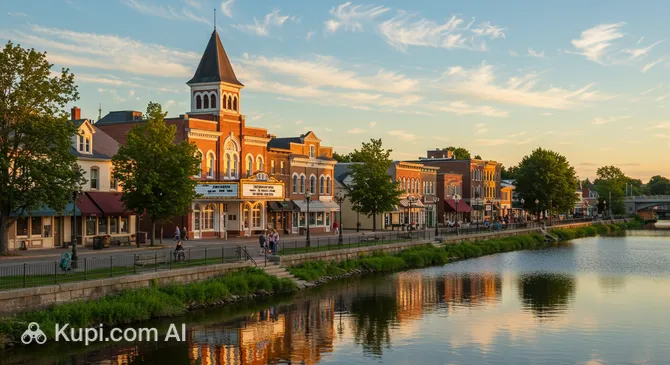
Port Hope is a cozy and picturesque town located in the south of Canada, stretching along the shores of the majestic Lake Ontario. Situated just an hour's drive east of Toronto, it serves as the perfect sanctuary for travelers seeking to trade the hustle and bustle of the metropolis for the tranquil proximity of nature and a relaxed pace of life.

Port Hope. Illustration.
Source: Kupi.com AI

Despite its modest size and a population of approximately 16,753 people, the town plays an important role as a cultural hub for the region. An atmosphere of unhurriedness and sincere hospitality prevails here. The unique history of Port Hope literally comes to life on its streets: beautifully preserved Victorian houses, historic buildings, and fishing boats at the piers create a pleasant sense of traveling back in time.

The town is surrounded by green hills and parks, making it a wonderful place for long walks and enjoying breathtaking sunsets. Tourists here can expect not only architectural beauty but also extensive opportunities for active recreation on the water, visits to modern galleries, and colorful farmers' markets. Port Hope is an excellent choice for a family trip or a romantic weekend surrounded by authentic culture.

Weather Overview

The climate in this region is characterized by distinct seasonality, allowing for a variety of vacation plans year-round. Summers in the town are usually warm and pleasant, ideal for walks by the lake: the hottest month is July with an average temperature of 22.2°C, when daytime air warms up to a comfortable 25.4°C. This is the best time for visiting festivals and outdoor recreation.

Winters here are true Canadian winters, but tempered by the proximity to Lake Ontario. In January, the coldest month, the average temperature is about -4.0°C, and night frosts can reach -7.2°C. Spring and autumn delight with mild weather: already in May, the air warms up to 12.7°C, and September retains its summer warmth with average figures around 18.3°C, making these months an excellent choice for those who do not like the heat.

Precipitation is distributed fairly evenly throughout the year: the number of rainy or snowy days varies from 8 to 13 per month, so an umbrella or raincoat in your luggage won't be superfluous. Expect a warm summer with occasional rain and cool, snowy winters. To make your trip as comfortable as possible, we recommend checking what weather in Port Hope is forecast for your dates.

Average monthly temperature

Average monthly precipitation

Interesting Facts

Beyond its picturesque streets and rich history, Port Hope hides many surprising details and local legends that make it a truly unique place to explore.

  • Literary heritage and the boat-house. The famous writer Farley Mowat, known for his books about nature, lived in Port Hope. In his honor, an unusual art object was installed in the town—a house with a roof shaped like an inverted boat, which has become a symbol of the town's creative spirit.

  • Scrap metal giants. One of the most unexpected locations is the gallery-shop Primitive Designs. Here, visitors are greeted by massive sculptures of robots and dinosaurs assembled from recycled metal, which amaze with their scale and detail.

  • Walking with llamas. At the local Haute Goat farm, you can have a completely unique animal interaction experience. Guests are invited not only to taste fresh farm cheeses but also to walk the trails in the company of friendly llamas or get to know the goats.

  • Maritime symbol of the town. An important part of the historic identity is the museum ship "William Price." This vessel serves as a living reminder of the times when Port Hope was a thriving center of maritime trade, allowing visitors to touch the region's fishing traditions.

How to Get There

When planning a trip to this picturesque corner of Ontario, it is important to think about your route in advance. Port Hope is conveniently located relative to major transport hubs, making it easy to get here both by air and by rail. You can find out more about how to get to Port Hope by studying various route options and choosing the one that best suits your journey.

There is no airport within Port Hope itself, so travelers usually fly into major air hubs in neighboring cities. The most popular choice is Pearson International Airport (IATA: YYZ), located in Toronto. It is the largest airport in the region, receiving flights from all over the world. It is about 110 km from Port Hope, and the drive by taxi or rental car along the highway usually takes about 1.5 hours, depending on traffic.

Another convenient option is Billy Bishop Toronto City Airport (IATA: YTZ), which is also in Toronto but closer to the downtown core. The distance to Port Hope is about 96 km, and the car trip will take just over an hour. For those traveling from the USA, Buffalo Niagara International Airport (IATA: BUF) in Cheektowaga may be suitable.

For clarity, here is summary information on the main airports:

AirportPassenger trafficDistance
Billy Bishop Toronto City Airport1.7 mln96 km
Greater Rochester International Airport2.6 mln105 km
Niagara Falls International Airport95 000108 km
Pearson International Airport44.8 mln110 km
Buffalo Niagara International Airport5 mln118 km

Railway communication is also a popular way to reach the region. The nearest major hub is Toronto Downtown Station (known as Union Station) in Toronto, located about 94 km from Port Hope. From there, you can continue your journey on commuter trains or buses; the travel time by car from the station is about an hour.

You can also consider arriving at Guildwood Station, located in the eastern part of Toronto. It is closer to Port Hope—at a distance of about 76 km. The drive from this station to the town by car will take approximately 50-60 minutes, making it a convenient transfer point for those coming from the west who want to avoid central Toronto traffic.

Below is a table with the nearest and most significant railway stations:

StationPassenger trafficDistance
Guildwood Railway Station242 00076 km
Toronto Downtown Station72 mln94 km
Rochester NY Railway Station123 329105 km
Buffalo Depew Station122 682119 km
Syracuse Railway Station160 301198 km

Main Attractions

Attractions:

Port Hope is a true treasure trove for those who appreciate a blend of history, nature, and unusual entertainment. The town is famous for its beautifully preserved 19th-century architecture, yet it also features unique modern spots that are definitely worth including in your travel itinerary.

One of the town's calling cards is the famous Capitol Theatre. It is one of Canada's last remaining operating "atmospheric" theaters, with an interior styled as a medieval courtyard under a starry sky. A visit to this National Historic Site allows you to not just watch a movie or a play, but to immerse yourself in the magic of the 1930s.

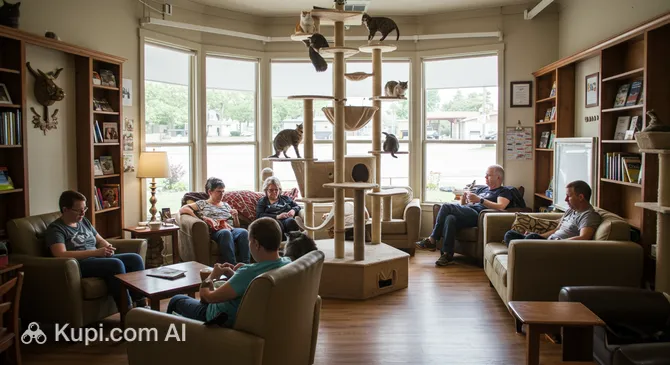
For those looking for warmth and coziness, the Toe Beans Cat Cafe is a real find. This charming spot in the town center attracts tourists with the opportunity to relax over a cup of coffee in the company of friendly cats. A relaxing atmosphere reigns here, perfect for a break during a walk, and interacting with the fluffy residents provides a wealth of positive emotions.

Toe Beans Cat Cafe. Illustration.
Source: Kupi.com AI

Traveler photos:

Nature lovers should take a stroll along the banks of the Ganaraska River, which picturesquely winds through the entire town. This location is known throughout the province for the seasonal migration of salmon and trout. Watching the fish overcome the river's rapids in the town center (the "Salmon Run") has become a popular spectacle, attracting photographers and naturalists in the spring and fall.

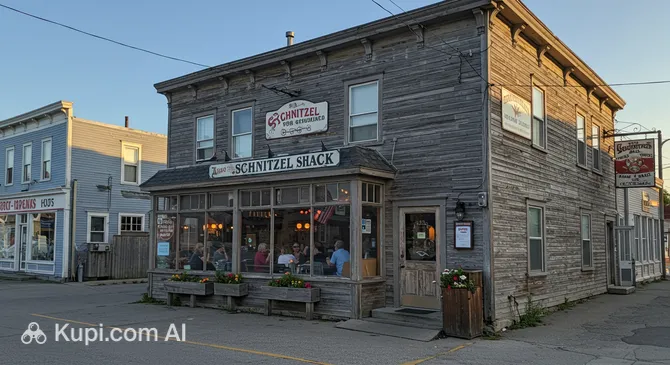
Gastronomic tourism is also part of getting to know the town. The local establishment The Schnitzel Shack is known far beyond the area for its authentic cuisine. Tourists come here to try the famous schnitzels and enjoy hearty dishes in a relaxed setting. It is an excellent choice for ending a busy day, allowing you to experience the taste of local hospitality.

The Schnitzel Shack. Illustration.
Source: Kupi.com AI

Traveler photos:

Local Cuisine

Port Hope's cuisine is a vivid reflection of the culinary traditions of Canada with an emphasis on the freshness and quality of local products. Thanks to its location on the shores of Lake Ontario, fish and seafood occupy a special place on local menus. The main gastronomic pride of the region is considered to be dishes from the fresh catch: you should definitely try the delicate smoked salmon, pickerel, or the hearty Canadian fish soup, which is prepared here with special care.

The town's gastronomic scene is surprisingly diverse for its size. There are cozy restaurants offering Italian and American cuisine, such as Trattoria Gusto with its exquisite pasta or Olympus Burger with its artisanal burgers. Lovers of hearty meat dishes should visit The Schnitzel Shack, known for its generous portions and homey atmosphere. And for those who want to combine a snack with pleasant company, the Toe Beans Cat Cafe is a great fit, where you can drink coffee surrounded by fluffy pets.

Street food in Port Hope is represented by colorful food trucks and snack bars. Tourists are strongly recommended to try the famous poutine—hot french fries with squeaky cheese curds and thick gravy—as well as smoked fish sandwiches. Those with a sweet tooth should stop by Queenies, where they bake magnificent buns and pies according to family recipes.

The town's food culture is closely linked to farmers' markets, where you can purchase fresh vegetables, berries, honey, and artisanal cheeses. Among the drinks, local cider and wines produced in the Ontario region deserve special attention. Additionally, the town regularly hosts gastronomic festivals, providing a great opportunity to get acquainted with the culinary secrets of local chefs.

Travel Tips

Welcome to Port Hope! To ensure your trip to this charming corner of Ontario goes flawlessly and leaves only warm memories, we have prepared a list of useful recommendations to help you feel confident in any situation.

  1. Clothing and Seasonality. The weather in the region is changeable: it can be hot and humid in summer, and snowy and windy in winter. The best principle is layering, so you can easily adapt to temperature changes. Be sure to bring comfortable flat shoes: the town's historic center is meant for long walks, and the paved streets require comfort.

  2. Transport. Port Hope's center is compact and best explored on foot. However, if you plan to visit surrounding farms or nature parks, we strongly recommend renting a car. Public transport is represented by local buses, but their schedule may not be very convenient for tourists. Taxi services (like Uber) operate, but the car arrival time may be longer than in larger Toronto.

  3. Finance and Tipping. The official currency is the Canadian dollar (CAD). Bank cards are accepted almost everywhere, from restaurants to museums. However, having some cash (5, 10, 20 dollar bills) is useful for purchases in small antique shops or at farmers' markets. The tipping culture here is the same as in the rest of North America: it is customary to leave 15–20% of the bill.

  4. Health and Safety. Port Hope is a very quiet and safe town where you can walk without worry even in the evening. The emergency number is 911. Pharmacies operate on a standard schedule; 24-hour locations may not be within walking distance, so it's better to have a basic first-aid kit with you. In the summer, use insect repellent when walking in nature.

  5. Connectivity and Communication. The primary language of communication is English. Local residents are very open and always ready to help if you get lost. Free Wi-Fi is available in most cafes, hotels, and the library. If you need constant connectivity, it is more economical to buy a SIM card in a large city upon arrival or use roaming, as there are few mobile shops in the town itself.

  6. Local Etiquette. Canadian politeness is not a myth. It is customary here to hold doors for those following you, smile when making eye contact, and frequently say "sorry," even in minor everyday situations. In lines, maintain distance and do not push—personal space is highly valued here.

  7. What to Avoid. If you visit during the salmon migration season, it is strictly forbidden to catch fish by hand, startle them, or enter the water in protected zones—there are serious fines for this. Also, remember that many beautiful historic mansions are private property. Admire them from the sidewalk, but do not step onto the lawns or porches for the sake of an impressive photo.

  8. Tip for Antique Lovers. Port Hope is considered one of the antique capitals of the province. Even if you don't plan on making major purchases, be sure to stop by the shops on Walton Street. Many of them resemble free museums where the owners will happily tell you the history of each item.

We hope these tips help you easily plan your trip and enjoy the atmosphere of comfort and hospitality for which Port Hope is so famous!

Entertainment & Nightlife

Entertainment and Nightlife:

Port Hope is a town where nightlife has its own special, measured rhythm. You won't find noisy metropolitan clubs with techno music until dawn here; instead, you'll discover cozy pubs, atmospheric restaurants, and cultural evenings steeped in the spirit of the Victorian era. Most evening activity is concentrated in the historic center, especially along the town's main artery—Walton Street.

An evening in Port Hope usually begins with a leisurely dinner. The town's gastronomic map offers excellent options to start. For example, the The Schnitzel Shack, popular among locals, is a wonderful place for a hearty meal with friends. It has a relaxed atmosphere, and the portions are generously sized, providing a great base before a pub crawl.

After dinner, life moves to the local pubs and taverns. The atmosphere in Port Hope's establishments is exceptionally friendly and casual. There is no dress code: "casual" style is appropriate everywhere. The crowd is diverse—from local youth to tourists and old-timers discussing the latest news. On weekends, many bars feature live music ranging from classic rock to jazz and country.

The cultural center of evening leisure is undoubtedly the famous Capitol Theatre. It is not just a cinema but a full-fledged venue for concerts, plays, and festival screenings. Many tourists specifically time their trips to coincide with evening performances to enjoy the unique "under the stars" interior.

If we talk about daytime entertainment that transitions smoothly into the evening, the town offers a calm and contemplative experience. Browsing antique shops, visiting museums, or relaxing in unusual spots is the town's hallmark. Be sure to stop by the Toe Beans Cat Cafe. Although this establishment is more oriented toward daytime visits, it provides a boost of positivity and peace that is much needed before an eventful evening.

Practical tips for night owls:

  • Opening hours: Keep in mind that Port Hope is a town of "early birds." Kitchens in most restaurants close around 9:00 PM–10:00 PM, while bars stay open until midnight or 1:00 AM on weekends. Plan your dinner in advance.
  • Prices: The average check for dinner with drinks is about 30–50 CAD per person; a pint of beer in a pub will cost 7–9 CAD.
  • Transport: The historic center is compact, and it is best to move between establishments on foot. Taxi services (Uber or local companies) may have longer wait times at night, so it is better to book a car in advance.

Safety is hardly an issue in Port Hope: it is one of the calmest towns in the region. Walking along the well-lit Walton Street or the waterfront even late at night is considered safe. However, as with any trip, it is worth using common sense and not leaving personal belongings unattended.

Parks & Museums

Port Hope is rightfully considered one of the greenest and most picturesque towns in the region. Here, the natural beauty of Lake Ontario harmoniously intertwines with a rich historical heritage, turning an ordinary walk into a fascinating journey. The town offers tourists not only well-kept waterfronts and beaches but also unique cultural venues that carefully preserve the spirit of the past.

Among the natural attractions, the Port Hope Conservation Area holds a special place. This park of about 36 hectares stretches along the banks of the Ganaraska River and serves as an ideal spot for those seeking seclusion with nature without leaving the town limits. Picturesque trails passing through woodlands are perfect for hiking and birdwatching, while equipped picnic areas attract families with children.

For lovers of lakeside relaxation, East Beach is a true find. This popular sandy area on the shore of Lake Ontario is where you can enjoy the sound of the surf, sunbathe, or have a picnic overlooking the endless water. Nearby are playgrounds and walking paths, making the beach a magnet during the summer months.

The town's cultural life, though lacking the scale of a metropolis, possesses its own unique charm. The primary guardian of early settlers' life is Dorothy’s House Museum. This charming cottage, built in 1869, is a classic example of working-class Victorian housing. The interior recreates an authentic 19th-century setting with original furniture and household items, allowing visitors to literally touch the history of daily life from that time.

Art connoisseurs should stop by the Northumberland Arts Gallery. Works by talented local artists and artisans are exhibited here, ranging from paintings to ceramics and textiles. The gallery serves as an important platform for the creative community and gives tourists the opportunity to purchase unique handmade souvenirs that reflect the local flavor.

In fact, the entire historic center of Port Hope can be called an open-air museum. The town is famous for having the "best-preserved main street in Ontario," where every building is an architectural monument. A simple stroll along Walton Street replaces a visit to a history museum: the shop facades, old signs, and majestic mansions create a complete illusion of time travel.

Insider Tip: If you find yourself here in the spring or autumn, be sure to visit Corbett’s Dam on the Ganaraska River. This is the best place to witness a spectacular natural phenomenon—the salmon and trout migration, when the fish leap out of the water, overcoming the rapids on their way to spawn.

Getting Around

The transport system in Port Hope is characterized by simplicity and compactness, perfectly matching the cozy atmosphere of this small town. There is no complex network of subways or trams here; the main form of public transport is buses. They connect residential areas with the historic center and shopping zones, making getting around the town accessible and clear even for first-time visitors.

The municipal service Port Hope Transit manages the bus movement, which runs along several key routes. Intra-city communication is provided by Route A and Route B, covering main streets and attractions. For tourists, Route C will be particularly useful—it is a shuttle connecting Port Hope with the neighboring town of Cobourg. The central transfer hub is the stop at the Town Hall. Note the schedule: buses run on weekdays and Saturdays (on a reduced schedule), but on Sundays and public holidays, public transport does not operate.

Fare payment follows a classic scheme. If you pay directly on the bus, only cash is accepted. It is critically important to have the exact amount in coins, as drivers do not provide change, and there are no bank card validators on board. For those planning to stay in town longer, it is more convenient to purchase passes or ticket blocks in advance. This can be done at official municipal institutions, such as the Town Hall or municipal offices.

Given the compactness of the historic center, many guests prefer to get around on foot. A stroll along Walton Street from one shop to another is a pleasure and allows you to observe architectural details. If you need to get to a distant area, go somewhere in the evening or on Sunday, the only reliable alternative is a taxi. Local dispatch services operate in the town, and it is recommended to order a car by phone in advance. Global ridesharing apps are also available, but wait times may be longer than usual.

During the warmer months, cycling becomes an excellent way to get around: the town has picturesque routes along the river and lake. Renting a car is justified if your plans include visiting rural farms, nature parks, or traveling around the region where city buses do not reach.

Accommodation

Where to Stay:

The choice of accommodation in Port Hope perfectly reflects the spirit of this historic town: you won't find massive glass skyscrapers or noisy "all-inclusive" resort complexes here. The region's hospitality is built on coziness, a personal touch, and a historic atmosphere. The primary accommodation stock consists of charming Bed & Breakfast (B&B) establishments, boutique hotels located in carefully restored 19th-century mansions, and classic roadside motels for transit travelers.

In terms of location, the town can be roughly divided into two key zones convenient for tourist stays:

  • Historic Center (Downtown). This is the ideal choice for those who want to immerse themselves in the atmosphere of the past. By staying here, you will be within walking distance of the main Walton Street, the Capitol Theatre, and the Ganaraska riverfront. Staying downtown often means accommodation in historic buildings with unique interiors and antique furniture.
  • Highway 401 Corridor. This area is located slightly north of the center and is well-suited for road travelers. Modern and budget-friendly motels and chain hotels are concentrated here. This is a practical option if Port Hope is a stopover for you during a larger trip through Ontario and quick access to the highway is important.

The price range varies from mid-range to high. Staying in historic boutique hotels and high-quality B&Bs usually costs more, offering a unique experience and home-cooked breakfasts made from local products in return. Motels on the outskirts offer more affordable prices, consistent with standard North American budget levels.

Booking Tip: Port Hope is a popular weekend destination for Toronto residents, and the number of rooms in historic hotels is limited. It is strongly recommended to book accommodation in advance (1–2 months), especially if your trip falls during the summer season, the salmon migration period (autumn), or during the jazz festival. You can use popular international online platforms as well as the hotels' own websites for booking—often, when contacted directly, the owners of small guest houses can offer better terms.

Nearby Cities

For those looking to explore the surrounding area, Port Hope serves as an excellent starting point for day trips. The town's location along the Lake Ontario corridor and convenient transport links make it easy to reach neighboring cultural and historical centers in the region.

CityPopulationDistance
Cobourg19 44010 km
Hamilton Township10 94214 km
Clarington92 01325 km
Cavan Monaghan8 82926 km
Peterborough82 09440 km

If you have time for a short journey, we recommend considering the following destinations:

Just 46 km from Port Hope is the city of Oshawa, often called the "Automotive Capital of Canada." This place is definitely worth a visit for history and architecture buffs to see the famous Parkwood Estate. This majestic mansion with luxurious gardens is not only a National Historic Site but also frequently serves as a filming location for popular movies. The Canadian Automotive Museum is also located here, telling the story of the region's rich industrial past.

A little further west is Whitby, which attracts tourists with its picturesque Port Whitby Marina. This is a great place for quiet walks along the Lake Ontario waterfront. Art lovers will appreciate the local Station Gallery, and those interested in history can visit the Lynde House Museum to learn more about the lives of the area's first settlers.

For those ready to drive a bit further, Markham is an interesting option. This city is famous for its historic Unionville district, which charms visitors with its old buildings, boutique shops, and cozy restaurants. A stroll along Unionville’s Main Street creates a sense of complete immersion in the atmosphere of a 19th-century small town, despite its proximity to the modern metropolis.

These nearby destinations provide an overview of the region's diverse culture and landscapes, harmoniously complementing the experience of a vacation in Port Hope.

Shopping & Souvenirs

General Overview: Shopping in Port Hope is a journey into the past, full of charm and unique finds. This town is widely known as one of the "antique capitals" of Ontario. Instead of noisy shopping malls and global brands, there is an atmosphere of intimate boutiques, family shops, and art galleries. Tourists come here not for mass-market goods, but for rare vintage items, interior decor, books, and works of local art.

Main Shopping Districts and Streets: The main artery for shopping is the historic Walton Street. A stroll along it provides aesthetic pleasure: shop windows are located in beautifully preserved 19th-century buildings. Here you will find the highest concentration of antique shops, gift stores, and fashion boutiques. The street descends toward the river, offering a convenient route where shopping can be combined with sightseeing.

Shopping Centers: There are no large malls of the usual metropolitan format within Port Hope itself. Commerce here is focused on small businesses and street retail. For those who need large chain stores or a big shopping center, the nearest option is a trip to the neighboring town of Cobourg (just 10-15 minutes by car), where Northumberland Mall is located, or to the larger Oshawa.

Markets: An important part of the local culture is the Port Hope Farmers' Market. It operates seasonally (usually from May to October) on Saturdays right behind the Town Hall. This is a great place to buy fresh local produce, homemade baked goods, maple syrup, flowers, and handmade crafts from local artisans. The atmosphere here is always lively and friendly.

Souvenirs: From Port Hope, it is worth bringing back something that holds history. This could be an antique brooch, a rare vinyl record, or a vintage decor item found in one of the many antique shops. Works by local artists—ceramics or paintings of town views—are also popular. Gastronomic souvenirs such as jams, honey, or farm cheese also make excellent gifts.

Opening Hours and Payment: Most shops in the town center open around 10:00 AM and work until 5:00 PM or 6:00 PM. On Sundays, many shops may close early or not open at all, so plan your main shopping for Friday and Saturday. Bank cards (Visa, MasterCard) are accepted almost everywhere, but for market purchases or small souvenirs, it is better to have some cash in Canadian dollars on hand.

Taxes (Tax Free): In the province of Ontario, a Harmonized Sales Tax (HST) of 13% is added to the cost of goods. It is important to remember that the price on the tag usually does not include the tax. Currently, Canada does not have a Tax Free return program for foreign tourists for regular consumer purchases, so you should not expect a VAT refund upon departure.
Reached the end of the page?

That means the route is fully explored