Support

Queens

About

The Queen's University District in Kingston is a truly special place on the map of Canada, where rich history, academic achievements, and boundless youth energy harmoniously intertwine to create a unique cultural identity. Located on the scenic shores of Lake Ontario, this area enchants visitors with its historic light limestone buildings, manicured green lawns, cozy cafes, and art spaces that set a unique pace of life.

Home to just over 10,000 residents, the district maintains a surprisingly intimate and friendly atmosphere without losing its urban dynamism. The university quarter is literally permeated with the student spirit: multilingual conversations can be heard everywhere, while bookstore displays, the aroma of fresh coffee, and the quiet halls of small galleries invite you in. This corner of Kingston is famous not only for its high academic status but also for its genuine hospitality—tourists are always welcome guests here.
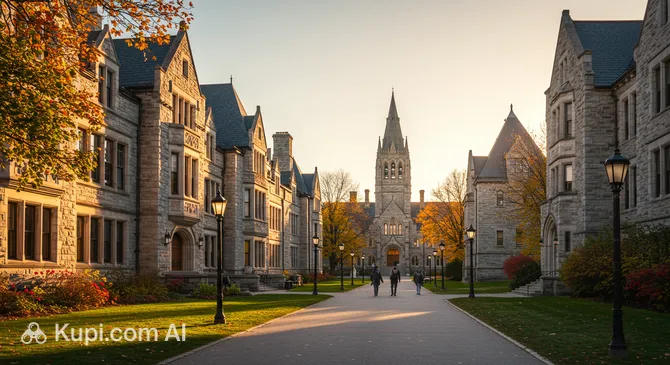
Queen's University District, Kingston. Illustration.
Source: Kupi.com AI

What makes the Queen's University District so attractive? First and foremost, it is its unique architecture: the majestic university buildings, notably Grant Hall, Ontario Hall, and Theological Hall, are striking in their historical appearance. Secondly, you can fully immerse yourself in the atmosphere of authentic university life, visit free art exhibitions at the Agnes Etherington Art Centre, or enjoy a leisurely stroll along the waterfront, which offers picturesque views of the lake and historic towers.

The Queen's University District is more than just a part of the city; it is a place with a soul that leaves a lasting impression. It serves as an ideal starting point for exploring Kingston and its surroundings, offering something special for every guest. Don't miss the opportunity to discover this amazing corner for yourself!

You can find more interesting facts on the history of the Queen's University District, Kingston page.

Weather Overview

Planning a trip to the Queen's University District, Kingston? You can expect a classic four-season climate here. Summers are usually warm: the average July temperature is about 22.3°C, with daytime highs reaching up to 25.6°C. Winters are cold, with average January temperatures around -4.6°C and nighttime lows dropping to -7.8°C. Overall, expect a warm summer with occasional rain and cold winters with frequent, though not very heavy, precipitation (averaging 3-4 mm per month, while the number of rainy/snowy days varies from 9 to 16 in different months).

To better plan your trip and find details about the weather in different months, visit the page: Climate of the Queen's University District, Kingston.

Average monthly temperature

Average monthly precipitation

Interesting Facts

Besides being a bustling student hub, the Queen's University District in Kingston holds many curious details and little-known stories. Here are just a few that might surprise you:

  • Did you know that the oldest university radio station in Canada is located right here on the Queen's University campus? Radio station CFRC began broadcasting back in 1922, long before many modern media outlets existed.

  • At the Agnes Etherington Art Centre, located in the university district and offering free admission, rumor has it that you can see not only works by Canadian masters but also several authentic paintings by Rembrandt. It is a true gem for art connoisseurs!

  • Many buildings on the Queen's University campus are constructed from local limestone, giving them a distinctive and recognizable appearance. Thanks to this architectural choice and well-planned green spaces, the university district is often called one of the most beautiful in Canada, and the university itself was founded in 1841, making it one of the oldest in the country.

How to Get There

When planning a trip to this picturesque corner of Ontario, it is important to think about the logistics in advance. The district is easily accessible from several transport hubs, allowing you to choose the best route based on your budget and time. You can find out more about how to get to the Queen's University District, Kingston by exploring all available options; below, we will look at the main air and rail gateways to the region.

The most convenient option for arrival is the local Kingston/Norman Rogers Airport (YGK). It is located directly in the city of Kingston, just 8.1 km from the center of the Queen's University District. This is a small regional airport that handles domestic flights. A trip from the terminal to the university by taxi or shuttle will take approximately 30-35 minutes.

If you are arriving on an international flight or looking for more flight options, consider Ottawa Macdonald–Cartier International Airport (YOW). This is a major aviation hub located in the city of Ottawa, about 138.4 km from the Queen's University District. The journey from Ottawa airport by car or bus takes about 3.5–4 hours. Travelers also sometimes use airports in the nearby USA, such as Syracuse Hancock International Airport (SYR) in Syracuse, though this requires a border crossing.

For convenience, here is a summary of the main airports:

AirportPassenger trafficDistance
Kingston/Norman Rogers Airport70 0008 km
Watertown Airport42 92046 km
Ogdensburg Airport35 00095 km
Hancock International Airport3.0 mln128 km
Ottawa Macdonald–Cartier International Airport4.6 mln138 km

Traveling by train can also be a comfortable way to reach the region, although it will require planning a transfer. There is no railway station directly in the Queen's University District, but you can arrive at the Ottawa Railway Station (XDS) in Ottawa, which is about 148.2 km from your destination. From there, you can reach Kingston by intercity bus or rental car, which takes about 4 hours.

Another option is to use the rail connection via Toronto and travel to Guildwood Station (XLQ). It is located in Toronto, 223.0 km from the Queen's University District. This route is suitable for those planning to visit several cities in Ontario in one trip.

Below is information about the nearest major railway stations:

StationPassenger trafficDistance
Syracuse Railway Station160 301126 km
Fallowfield Station148 km
Ottawa Railway Station800 000148 km
Rochester NY Railway Station123 329155 km
Guildwood Railway Station242 000223 km

Main Attractions

The Queen's University District in Kingston is not just an academic hub but also a place rich in culture and history, offering many interesting spots to visit. Historic architecture and a lively student atmosphere blend harmoniously here, creating a unique aura.

One of the main attractions is, of course, the Queen's University campus itself. A walk through its grounds allows you to admire the majestic limestone buildings built in a distinctive style, enjoy the well-kept green spaces, and feel the spirit of one of Canada's oldest universities. It is a wonderful place for leisurely strolls and getting a feel for the city's academic life.

For art lovers, the Agnes Etherington Art Centre is a must-visit. This art museum, located on the university grounds, boasts an impressive collection including historical Canadian art, works by European masters, contemporary art, and a significant collection of African art. The exhibitions are updated regularly, always offering visitors something new and truly interesting.

The picturesque Lake Ontario waterfront stretches out near the university district. This is the perfect spot for outdoor relaxation, jogging, or simply contemplating the vast waters. Beautiful views open up from here, especially at sunset, and the numerous parks along the shore, such as City Park, offer cozy spots for a picnic or a quiet afternoon.

Another notable site is the Museum of Health Care at Kingston. Located in the historic Ann Baillie Building, this unique museum tells the story of the history of medicine and healthcare in Canada through fascinating artifacts and interactive displays. A visit to the museum is educational for both adults and children interested in science and history.

Local Cuisine

The gastronomic scene of the Queen's University District in Kingston is a vibrant kaleidoscope of flavors, where Canadian culinary traditions harmoniously blend with international influences. Thanks to the multinational student and faculty body, it's easy to find both classic dishes and exotic treats. Cozy cafes, especially on Union Street and University Avenue, are popular spots offering guests fresh pastries, hearty sandwiches, and fragrant soups.

Among the dishes definitely worth trying is the famous Canadian maple pie—a real treat for those with a sweet tooth. Don't miss the chance to taste poutine—french fries topped with cheese curds and gravy—as well as smoked meat sandwiches, which are especially popular in local diners. Also, look out for fresh bagels, maple syrup pudding, and signature sandwiches with smoked salmon or turkey. The university center often hosts themed culinary evenings where you can get acquainted with cuisines from various cultures around the world.

Regarding beverages, in addition to traditional coffee and tea, you can enjoy local craft beer and cider, especially during festivals. In the colder months, a cup of hot chocolate will warm you up, and for an authentic Canadian experience, look for drinks with added maple syrup. Among non-alcoholic options, you'll always find fresh juice or lemonade.

The dining culture in the Queen's University District is diverse. Locals and tourists often choose small cafes for lunch or a snack. Street food and farmers' markets also play an important role: fairs are often held on weekends where you can buy fresh vegetables, cheeses, pastries, and homemade preserves. In the summer, food trucks offering Asian and Mediterranean cuisine are popular, and in winter, coffee shops with hot drinks and fresh baked goods are the go-to. In the fall, Kingston hosts a local food festival, bringing together the district's best restaurants and cafes, which provides an excellent opportunity to explore the region's gastronomic diversity.

Travel Tips

Welcome to the Queen's University District in Kingston! To make your trip to this vibrant academic corner of Canada as comfortable and enjoyable as possible, we have prepared some practical tips.

  1. Clothing and Essentials by Season:

    Kingston has a continental climate: warm summers and cold, snowy winters. Spring and autumn are unpredictable. Be sure to bring comfortable shoes for walking around the campus and the waterfront. In summer, light clothing, sunscreen, and a hat will be useful. In autumn and spring, dress in layers. In winter, you cannot do without a warm jacket, hat, gloves, and waterproof boots. Don't forget an adapter for electrical appliances (Canada uses Type A and B plugs, 120V voltage).

  2. Getting Around the District and City:

    The Queen's University District itself is quite compact and ideal for walking. For trips around Kingston, you can use Kingston Transit public buses. Taxis and popular ride-hailing services are also available. Renting a car can be useful if you plan to explore the surroundings, but it is not always necessary for getting around the university district, and parking can be limited.

  3. Financial Matters:

    The local currency is the Canadian Dollar (CAD). You can exchange money at banks or exchange offices. ATMs are widely available. Credit and debit cards (Visa, MasterCard) are accepted almost everywhere. It is recommended to notify your bank of your trip. Tipping in Canada is standard practice: 15-20% in restaurants and cafes; it is also customary to tip taxi drivers and other service personnel. In the university district, you can find relatively inexpensive cafes and cafeterias.

  4. Health and Safety:

    Pharmacies (e.g., Shoppers Drug Mart) are easy to find, and some are open late. If medical assistance is needed, tourists should go to walk-in clinics or hospitals, such as Kingston General Hospital, located near the university. Be sure to take out travel medical insurance before your trip. The Queen's University District is considered safe, but always follow standard precautions: watch your belongings and be attentive after dark.

  5. Language and Connectivity:

    The primary language of communication is English. Most of the population is fluent in English, so there should be no communication problems. A local SIM card can be purchased at mobile phone shops. Free Wi-Fi is available in many cafes, public spaces, and generally throughout the university grounds. Standard map applications will be useful for navigation and transit information.

  6. Local Etiquette and Communication:

    Canadians are generally polite and friendly. A greeting usually includes a smile, a nod, or a simple "Hello." It is customary to keep order and avoid making noise in public places. If you are asking someone for help, a polite "Excuse me" is appropriate. Queuing is the norm—don't try to jump the line.

  7. What to Avoid:

    Try not to litter—there are bins for that. Also, avoid loudly discussing controversial political topics if you are unsure of the appropriateness. Avoid excessive comparisons of Canada with the USA, as this may be perceived ambiguously.

  8. Additional Tip:

    Queen's University often hosts various events open to the public: lectures, exhibitions, concerts, and sporting events. Check the university's event calendar—it's a great opportunity to dive deeper into the local atmosphere and learn something new.

We hope these tips help you better prepare for your trip and get the most out of your stay in the Queen's University District in Kingston. We wish you an unforgettable experience!

Entertainment & Nightlife

The Queen's University District in Kingston is not just an academic center, but a place where young energy thrives, especially after dark. The nightlife here is vibrant and diverse, largely catering to the student population. This creates a special, laid-back atmosphere and makes the district one of the liveliest parts of the city after sunset.

The main hotspots for evening entertainment are traditionally the streets adjacent to the university campus, particularly sections of Princess Street and Division Street. Most of the bars, pubs, and small clubs are concentrated here, attracting both students and young Kingston residents looking for fun and socializing.

In the Queen's University District, you will find venues for every taste. Popular spots include The Ale House Canteen, known for its student nights and live music, and Stages Nightclub, which attracts those who love to dance until morning. Generally, options range from boisterous and affordable student pubs, where you can get a cheap bite and a beer, to more stylish bars with diverse cocktail menus. The atmosphere is predominantly informal and friendly. Most places have a very relaxed dress code, with the main focus on comfort. Venues typically come to life closer to midnight and stay open late, especially on Thursdays, Fridays, and Saturdays.

While not all venues may be listed in our catalog with direct links, the Queen's University District is famous for its lively student vibe, and you will easily find plenty of evening entertainment options beyond the examples mentioned. To stay up to date with the most current and popular spots, we recommend checking local online guides, maps, or simply asking students for advice—they always know the best spots.

The best time to experience the area's nightlife is Friday or Saturday evening when most venues fill up with crowds. Prices are generally student-oriented and quite affordable, especially for drinks and snacks in pubs. Getting around the district at night is convenient on foot, as many popular spots are within walking distance of each other. For longer trips, you can use taxis or popular ridesharing apps, which are widely available in Kingston.

The Queen's University District is generally considered safe for nighttime walks, especially on busy and well-lit streets like Princess Street. However, as in any city, it is wise to take basic precautions: try to stay in a group and avoid poorly lit or deserted alleys, especially if you are alone. You can call a taxi using local service numbers or mobile apps.

During the day, the Queen's University District also offers interesting leisure options. You can explore the university campus with its historic architecture, visit one of Kingston's museums, such as the Agnes Etherington Art Centre, walk along the scenic Lake Ontario waterfront, or relax in one of the nearby parks. Some university departments also host public lectures, theatrical performances, or exhibitions that may be of interest to the general public.

Parks & Museums

The Queen's University District in Kingston offers its guests a harmonious blend of scenic green spaces for relaxation and a rich cultural life centered around one of Canada's oldest universities. It is a place where history meets modernity, and nature perfectly complements the academic atmosphere.

The Queen's University campus itself is a vast park-like area with manicured lawns, centuries-old trees, and cozy squares, ideal for leisurely strolls and outdoor relaxation. Near the university lies Kingston's City Park—a popular spot for both students and locals. It offers excellent opportunities for picnics, active recreation, and simply enjoying nature by the shores of Lake Ontario. Along the lake's waterfront, you can also find many picturesque spots to spend time admiring the vast waters and sunsets.

The cultural heart of the district is undoubtedly the Agnes Etherington Art Centre, located directly on the university grounds. This renowned museum boasts an impressive collection spanning Canadian and European art, from the works of Old Masters to contemporary artists. For those interested in natural sciences, the Miller Museum of Geology is a must-visit, featuring fascinating displays of minerals, fossils, and dinosaurs that tell the history of the Earth. Occasionally, university departments organize small specialized exhibitions that may also be of interest.

The architecture of Queen's University itself deserves special attention. Many campus buildings, constructed from distinctive local limestone, are true historical landmarks and create the unique atmosphere of a venerable educational institution. A walk through the campus allows you to appreciate the grandeur of structures like Grant Hall with its famous clock tower, or the old academic buildings, each holding its own history. The historical architecture of Kingston, which was once Canada's first capital, is also felt in the immediate vicinity of the university district, where you can see many beautifully preserved 19th-century buildings.

For an authentic experience, try turning off the main campus paths to explore its quiet courtyards or attend one of the public lectures frequently held at the university—it's a great way to feel the city's academic spirit. Don't forget to stop by local student cafes and independent bookstores located around the campus to fully immerse yourself in the unique atmosphere of the Queen's University District.

Getting Around

Getting around the Queen's University District in Kingston and its surroundings is quite convenient thanks to a well-developed public transport system, primarily focused on bus services. The main operator is Kingston Transit, whose buses connect the university campus with various parts of the city.

The fare payment system in Kingston offers several options. Passengers can pay for single trips with cash directly when boarding the bus (usually exact change is required). A more cost-effective option for regular travel is transit passes—daily, weekly, or monthly—as well as reloadable smart cards. Special discounted rates or passes included in tuition fees are often provided for Queen's University students; this information should be confirmed with the university administration. It is best to check the official Kingston Transit website for current prices and pass types, as they are subject to change.

Tickets can be purchased or transit cards reloaded at authorized sales points, which often include major stores, pharmacies, or the Kingston Transit office itself. You validate your ticket or card upon entering the bus. Buses run according to a schedule that may vary depending on the day of the week and the season (for example, there may be fewer trips during holidays). It is convenient to plan routes using online maps or mobile apps that show real-time transit movement. Public transport operating hours typically cover from early morning to late evening, but service on some routes may end earlier.

In addition to buses, other modes of transport are available in the Queen's University District and Kingston. Taxis and ridesharing services (such as Uber or Lyft, if available in the city) offer a faster but more expensive option to get to your destination. Given the compact nature of the campus and its surroundings, walking is an excellent way to travel short distances. Cycling is also popular: there may be bike lanes and bike rental points in the area, which is particularly convenient for students.

A specific feature of the transport system in the university district is its focus on the needs of students and university staff. This is reflected in the convenient location of stops, the frequency of buses on key routes connecting the campus with residential areas and the city center, and the availability of special student passes. This makes public transport a very attractive choice for daily travel.

Accommodation

When planning a trip to the Queen's University District in Kingston, you will find a variety of accommodation options to suit different preferences and budgets. Given the nature of the area, you can find budget-friendly options geared toward students and their visitors, as well as more comfortable hotels and apartments for tourists wishing to experience the university atmosphere and Kingston as a whole.

Accommodation in the Queen's University District is primarily concentrated around the campus and adjacent streets, which is very convenient for university visitors and those who want to immerse themselves in the student environment. Here you will find diverse options: from rooms in the private sector and cozy guesthouses to comfortable mid-range hotels. While large hotel complexes are more commonly found in other parts of Kingston, this district offers a unique combination of affordability and proximity to academic buildings, libraries, cafes, and shops. The focus is on practical and convenient lodging, so luxury resorts are less common here.

As for the price range, it is quite broad: from budget options to the mid-range segment. It is recommended to book accommodation in advance, especially if your trip coincides with the start of the academic year, major university events, or the peak tourist season in Kingston. For searching and booking, it is convenient to use popular online platforms that offer a wide selection and price comparisons, or to contact selected hotels or apartment owners directly.

Nearby Cities

For those who want to explore the surrounding area, the Queen's University District, Kingston serves as an excellent starting point for day trips to several interesting nearby locations:

CityPopulationDistance
Kingston132 4851 km
Kingston130 0001 km
Collins Bay10 km
Loyalist Township16 97119 km
South Frontenac18 64624 km

Among the nearest towns worth visiting is South Frontenac, located just 24 km away. This place is ideal for nature lovers and those seeking a quiet getaway, offering picturesque landscapes and opportunities for outdoor activities. A bit further, at 71 km, is Belleville, which attracts visitors with its location on the shores of the Bay of Quinte and offers various water activities and cultural events. You should also consider a trip to Brockville (76 km), known as the "City of the 1000 Islands," which will charm you with its views and the chance to go on a river cruise.

These nearby destinations provide a glimpse into the diverse culture and landscapes of the region.

Shopping & Souvenirs

Shopping in the Queen's University District, Kingston, offers its own special experience, closely tied to the academic atmosphere and student life. You might not find giant shopping malls like those in major metropolises here, but you can immerse yourself in the cozy atmosphere of bookstores, purchase unique souvenirs with the famous university's branding, and visit small local shops.

The main retail spots in the Queen's University District are primarily concentrated on the streets adjacent to the Queen's University campus. Pay attention to University Avenue and the nearby sections of Princess Street—the main shopping artery of all Kingston. This is where bookstores, shops with university merchandise, small clothing boutiques, and cozy cafes are located, where you can take a break between purchases.

There are no large shopping centers directly within the Queen's University District. If you are looking for a wider selection of goods and well-known chain stores, you should head to other areas of Kingston. For example, the Cataraqui Centre shopping mall is located some distance away, but it is easily accessible by public transport or car.

While there may not be permanent large markets on campus, we highly recommend visiting the Kingston Public Market. It is the oldest market in Ontario, located in Kingston's historic center, which is easy to reach from the university district. Here, especially on Saturdays, you can find fresh farm products, local handicrafts, antiques, and, of course, souvenirs. It's a wonderful opportunity to feel the authentic atmosphere of the city.

As souvenirs from the Queen's University District and Kingston in general, tourists often choose:

  • Clothing and accessories with Queen's University branding: T-shirts, hoodies, caps, scarves, and pins make great reminders of the trip.
  • Books: University bookstores offer a wide selection of literature, including academic works, fiction, and publications related to the history of the university and the region.
  • Local crafts: In small galleries and souvenir shops, you can find unique handmade items—from ceramics to jewelry.
  • Traditional Canadian goods: Don't forget about maple syrup, items featuring the maple leaf, or other Canadian symbols.

Most shops in the Queen's University District and Kingston generally operate from 10:00 AM to 6:00 PM or 7:00 PM on weekdays. On Thursdays and Fridays, some stores may extend their hours. On weekends, the schedule is usually shorter, especially on Sundays. Major credit and debit cards (Visa, MasterCard, American Express) are accepted almost everywhere. Cash is also useful, especially at markets or small independent shops.

Regarding tax refunds (Tax Free), Canada has a Harmonized Sales Tax (HST in Ontario). Unfortunately, a general refund program for tourists on most purchased goods, similar to those in some European countries, is currently not in effect. Prices in shops are usually listed without tax; it is added to the total at the checkout.

Reached the end of the page?

That means the route is fully explored