Support

Repulse Bay

About

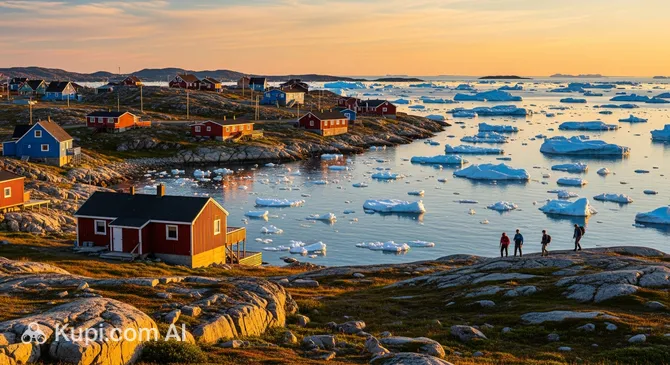
Welcome to Repulse Bay, officially known as Naujaat, a captivating destination situated directly on the Arctic Circle. This remote hamlet offers intrepid travelers a rare opportunity to experience the pristine beauty and authentic culture of the North. Located in the Kivalliq Region of Nunavut, Canada, the community is renowned for its welcoming atmosphere and deep connection to the land and sea.

Repulse Bay. Source: Kupi.Binoculars

The geography of the area is defined by rolling hills, tundra, and the stunning coastline of Hudson Bay. As its Inuktitut name suggests, which translates to "nesting place for seagulls," the region is teeming with birdlife and marine animals. Exploring the history of Repulse Bay reveals a fascinating past that stretches from the Thule people to 18th-century whalers and explorers, all of whom navigated these rugged waters.

Visitors are drawn to this unique location for its exceptional wildlife viewing opportunities. The waters are famous for migrating narwhals, often visible from the shore during summer, as well as seals, walruses, and polar bears. One of the most significant landmarks is the stone cairn marking the Arctic Circle, a perfect spot for a memorable photo. Whether you are hiking the tundra under the Midnight Sun or watching the Northern Lights dance across the winter sky, Repulse Bay promises an unforgettable Arctic adventure.

Weather Overview

Travelers venturing to this Arctic destination must be well-prepared for its distinct polar climate. The weather in Repulse Bay is characterized by long, frozen winters and a brief, relatively mild summer season that brings the landscape to life.

Winter dominates the calendar, with extreme cold persisting from late autumn through spring. February is typically the coldest month, featuring an average temperature of -32.8°C and lows that can drop to -35.3°C. During this period, the air is very dry with minimal measurable precipitation, although snow cover is persistent.

By contrast, the short summer offers a welcome thaw. July is the warmest month, seeing average temperatures of 10.6°C and highs reaching up to 14.8°C. While total precipitation remains low throughout the year, usually peaking at just 2mm per month, the frequency of wet days increases in late summer and autumn. Expect cool summers with occasional rain and extremely cold, dry winters.

Interesting Facts

Beyond its reputation as a prime wildlife viewing spot, Repulse Bay holds many fascinating secrets rooted in exploration and geography. Here are some intriguing details about this Arctic community that might surprise you.

  • A Name Born of Frustration: The English name "Repulse Bay" dates back to 1742 when Captain Christopher Middleton sailed into the waters hoping to find the Northwest Passage. When he discovered the bay was a dead end surrounded by land, he was "repulsed" and forced to turn back, permanently stamping his disappointment onto the map.

  • The Seagull Connection: While the English name speaks of exploration, the traditional Inuktitut name, Naujaat, describes the land itself. It translates to "nesting place for seagulls," referencing the nearby cliffs that serve as a breeding ground for thousands of seagulls every June.

  • Straddling the Line: The community is one of the few places in the world situated directly on the Arctic Circle. A stone cairn marks the exact latitude, allowing visitors to stand with one foot in the high Arctic and the other in the sub-Arctic zone.

  • Historic Stone Houses: The famous Scottish explorer Dr. John Rae used this area as a strategic base in the 1840s while searching for the lost Franklin Expedition. He built a stone structure known as Fort Hope, the ruins of which can still be visited just a short hike from the hamlet.

How to Get There

Reaching this remote Arctic destination is an adventure in itself, as the hamlet is isolated from the rest of Canada’s road and rail network. There are no highways leading here, and the only practical year-round method of entry is by air. For travelers planning their logistics, you can read more about how to get to Repulse Bay on our detailed transport page.

Most visitors fly into Naujaat Airport (YUT), a small airstrip located just minutes from the community. The standard route typically involves flying from a major southern hub, most commonly Winnipeg, to the regional hub of Rankin Inlet. From Rankin Inlet, scheduled flights connect to Repulse Bay. Airlines such as Calm Air operate these routes, though schedules can be subject to weather conditions in the Arctic. Upon arrival, the village is easily accessible, and transportation to your accommodation is usually arranged in advance with local outfitters or lodges.

During the short summer season, it is occasionally possible to reach the area by sea via expedition cruise ships that navigate the Hudson Bay and the Arctic Circle. However, there are no regular passenger ferries servicing the community. Because of the logistical challenges involved in Arctic travel, it is highly recommended to book flights well in advance and allow for flexibility in your itinerary.

Main Attractions

While Repulse Bay is a small and remote community, it serves as a gateway to some of the most spectacular natural and historical sites in the Canadian Arctic. Visitors here are not looking for bustling museums or theme parks, but rather for authentic encounters with the land, its history, and its wildlife. The attractions here are defined by the rugged beauty of the tundra and the deep cultural heritage of the Inuit people.

One of the most significant historical sites in the area is Fort Hope. Built in 1846 by the renowned Scottish explorer Dr. John Rae, this stone structure served as his headquarters while he mapped the area and searched for the lost Franklin Expedition. Today, visitors can take a scenic hike from the community to the ruins of the fort. Standing amidst the weathered stones offers a poignant connection to the era of Arctic exploration and the resilience required to survive in this harsh environment.

For those seeking a unique geographical milestone, the Arctic Circle Cairn is an essential stop. Repulse Bay is one of the few communities in the world situated directly on the Arctic Circle (66°33′ North). A stone monument marks this invisible line, providing the perfect backdrop for a memorable photograph. It is a simple yet powerful spot where travelers can reflect on their journey to the top of the world.

Nature enthusiasts often use the hamlet as a launching point to explore Ukkusiksalik National Park. Located surrounding Wager Bay, this vast protected area is accessible by boat or charter plane from the community. The park is famous for its reversing falls, archaeological sites of the Thule people, and an incredibly high density of polar bears. It offers a true wilderness experience for those willing to venture further into the tundra.

Finally, the waterfront and surrounding waters themselves are a major draw, particularly for Narwhal Watching. The region is known as a prime summer habitat for these "unicorns of the sea." During the migration season, it is often possible to spot pods of narwhals, as well as beluga whales and seals, swimming close to the shore. Local outfitters can also arrange boat tours for a closer look at the marine life that sustains the local culture.

Local Cuisine

The culinary landscape of Repulse Bay, or Naujaat, is deeply rooted in the traditions of the Inuit people and the resources of the land and sea. Known locally as "country food," the diet here relies heavily on wild harvest rather than agriculture. For visitors, this offers a rare chance to taste some of the freshest and most organic ingredients on the planet, sourced directly from the surrounding Arctic waters and tundra.

One of the absolute staples you must try is Arctic Char. This cold-water fish is abundant in the region and is celebrated for its rich flavor and vibrant pink flesh. Locals often enjoy it as quaq—frozen raw fish sliced thin—which is considered a delicacy and an excellent source of energy in the cold climate. It is also delicious when smoked, dried into jerky (known as pipsi), or simply pan-fried. Another iconic traditional food is muktuk, consisting of whale skin and blubber, often from the narwhal or beluga. It has a nutty flavor and is traditionally eaten raw, providing a vital source of vitamins.

Complementing these protein-rich dishes is bannock, a simple yet beloved quick bread that is a fixture at almost every meal. Fried or baked, this dense and filling bread is perfect for soaking up soups or enjoying with jam and butter. When it comes to beverages, hot tea is the undisputed king of the North. You will find that a steaming cup of tea is the standard gesture of hospitality in any home or gathering. Alcohol availability is restricted in the hamlet, meaning there are no bars or liquor stores; instead, the focus is on warm, non-alcoholic drinks that comfort the soul after a day out in the elements.

The food scene in Repulse Bay is modest and community-oriented rather than commercial. You will not find bustling restaurant districts or street food stalls here. Most travelers dine at the restaurant within the local hotel, which serves a mix of standard Canadian fare and, occasionally, local specialties. For snacks and supplies, the local Co-op and Northern Store are the main hubs. However, the best way to experience authentic local cuisine is often through cultural programs or local outfitters, who may prepare traditional meals as part of a guided tour, offering a true taste of life on the Arctic Circle.

Travel Tips

Planning a trip to Repulse Bay, or Naujaat, is an exciting undertaking that requires a bit more preparation than your average vacation. To help you navigate the unique logistics of the Arctic and make the most of your time in this welcoming community, here are some essential practical tips.

  1. Clothing and Gear: The key to comfort in the Arctic is layering. Even in summer, temperatures can be cool, so bring thermal base layers, a fleece mid-layer, and a waterproof, windproof outer shell. Sturdy, waterproof hiking boots are essential for the rocky terrain. If visiting in winter, you will need heavy-duty parka, insulated pants, and rated boots. Don't forget sunglasses and sunscreen, as the sun reflection off water and snow can be intense, and a sleep mask is highly recommended during the 24-hour daylight of summer.

  2. Transportation: There is no public transit system like metros or buses, and car rental agencies do not exist here. The hamlet is small enough to be walkable, which is how most visitors get around the village itself. For travel outside the community or to the airport, locals use ATVs in the summer and snowmobiles in the winter. Your hotel or local outfitter will typically arrange airport transfers and transport for excursions.

  3. Finances: The official currency is the Canadian Dollar (CAD). While the local Northern Store and Co-op accept major credit and debit cards, systems can occasionally go offline due to weather or satellite issues. It is wise to bring a sufficient amount of cash with you, as ATMs may be unreliable or empty. Tipping is appreciated by guides and at the hotel restaurant, similar to the rest of North America.

  4. Health and Safety: Medical facilities are limited to a local Health Centre (Nursing Station) that handles basic care and emergencies; serious cases require a medical evacuation flight to a southern hospital. Be sure to bring an ample supply of any personal prescription medications. Safety-wise, the biggest concern is wildlife; never wander outside the town limits without a local guide or a firearm, as polar bears are a real and present danger in the area.

  5. Communication: English is widely spoken and understood, though Inuktitut is the primary language for many residents. Learning a simple greeting like "Aingai" (Hello) is a great way to show respect. Cell phone coverage is available but limited to specific carriers (often Bell or Ice Wireless), and internet access via satellite can be slower than what you are used to, so plan for a digital detox.

  6. Local Etiquette: The community is friendly and close-knit. It is customary to smile and wave at passersby. When entering a home or certain public buildings, always remove your shoes at the door. If you wish to photograph locals—especially elders or children—or their property (such as drying fish or skins), always ask for permission first out of respect for their privacy.

  7. What to Avoid: Do not import or consume alcohol without checking the specific current regulations, as Naujaat is a "restricted" community where possession is strictly controlled to promote community wellness. Also, avoid walking on the sea ice without a guide, even if it looks solid; currents and tides make the ice conditions unpredictable and dangerous.

  8. Shopping Tip: Be prepared for "northern prices" at the grocery stores, which reflect the high cost of air freight. If you want to buy authentic souvenirs, look for local carvings made of soapstone, bone, or ivory. Buying directly from local artists not only provides you with a unique keepsake but also directly supports the local economy.

By packing the right gear and respecting the local customs and environment, you will be well-equipped to enjoy the raw beauty of Naujaat. Embrace the slower pace of life in the North, and you are sure to have a safe and truly memorable Arctic experience.

Entertainment & Nightlife

When it comes to entertainment and nightlife in Repulse Bay (Naujaat), visitors must adjust their expectations to the realities of a remote Arctic hamlet. You will not find bustling nightclub districts, neon-lit bars, or late-night discos here. Instead, the "nightlife" is defined by the rhythms of nature and the close-knit community spirit. The experience is peaceful, authentic, and deeply connected to the land, offering a stark contrast to the urban energy of southern cities.

It is important to understand that Naujaat is a restricted community regarding alcohol. There are no bars, pubs, or liquor stores within the hamlet. The regulations around alcohol are strict to promote community wellness, and possession is controlled. Consequently, evening entertainment does not revolve around drinking but rather around social gatherings and outdoor phenomena. For travelers, this offers a unique chance to detox and engage with the local culture in a clear-minded and meaningful way.

During the winter months, the primary nocturnal attraction is the mesmerizing Northern Lights (Aurora Borealis). With minimal light pollution, the skies above the hamlet transform into a spectacular canvas of dancing green and violet lights. The best "venue" for this is simply a short walk to the edge of town, away from streetlights—though always with safety in mind. Conversely, in the summer, the phenomenon of the Midnight Sun means the concept of "night" disappears entirely. It is common to see locals and visitors hiking, fishing, or boating well past midnight under bright sunlight.

Social life in the hamlet centers around community facilities rather than commercial entertainment venues. The Naujaat Community Hall is often the heartbeat of the village in the evenings. Depending on the schedule, you might find community feasts, traditional square dances, or high-energy games of bingo, which are incredibly popular across Nunavut. Visitors are generally welcomed warmly at these events, providing a genuine glimpse into the joy and resilience of Inuit culture.

For a quiet place to relax and socialize indoors, the dining room at the Naujaat Hotel (operated by Inns North) serves as the main hub for travelers. While it is not a bar, it is the place where visitors gather to share meals, drink coffee, and exchange stories about their day's adventures. It offers a warm, comfortable atmosphere where you can unwind after a long day in the cold. Another focal point for community interaction is often the local Co-op store, which serves as a general meeting place for residents running evening errands.

Safety is the most critical consideration for any evening activity in Repulse Bay. If you plan to walk to the edge of town to view the aurora or enjoy the midnight sun, you must be vigilant about polar bears. These predators are a real danger, especially at night or when visibility is poor. It is highly recommended to stay within the illuminated areas of the hamlet or hire a local guide with a firearm for any excursions beyond the immediate village limits. Dress codes are purely functional: wear your warmest parka and insulated boots.

Regarding daytime entertainment, the options are similarly low-key and nature-focused. There are no movie theaters, amusement parks, or large museums. Daytime activities primarily involve outdoor excursions, such as hiking to the Arctic Circle cairn or boating. However, visitors can stop by the Naujaat Visitor Centre (often located within the hamlet office or airport) to learn more about local history or view displays of local art and carvings, which replace the typical tourist attractions found elsewhere.
Parks & Museums

In Repulse Bay (Naujaat), the concept of parks and museums is defined not by manicured gardens or grand exhibition halls, but by the vast, untamed wilderness and the living history of the Inuit people. The entire region functions as an open-air museum, where the landscape tells the story of centuries of survival, exploration, and cultural adaptation. Visitors here will find that the most profound galleries are the hillsides dotted with wildflowers and the historical sites resting quietly on the tundra.

The most significant protected area in the vicinity is Ukkusiksalik National Park. Although it requires a boat or charter plane trip to reach Wager Bay, it is the crown jewel of the region's natural spaces. The park surrounds an inland sea and is teeming with wildlife, including one of the highest densities of polar bears in the country, as well as caribou, wolves, and golden eagles. For tourists, this is a pristine sanctuary where you can witness the Arctic ecosystem in its purest form, featuring reversing saltwater falls and over 500 archaeological sites that trace the history of the Thule culture.

Closer to the hamlet, the "green spaces" are the rolling hills of the tundra itself. During the short summer, the landscape transforms from white to a vibrant tapestry of lichen, moss, and blooming wildflowers such as purple saxifrage and Arctic poppies. Hiking along the coastline offers a peaceful retreat where the only sounds are the wind and the calls of the seagulls nesting in the nearby cliffs. These natural areas are freely accessible and offer unparalleled opportunities for photography and berry picking in the late summer.

While there are no formal, large-scale museums in the hamlet, the Naujaat Visitor Centre often serves as the cultural touchpoint for travelers. Typically located near the hamlet office or airport, it provides information on the area’s geography and history. Small displays often feature local artifacts, maps, and information about the whaling era, giving visitors context before they head out to explore the historical sites in person.

The true "galleries" of Naujaat are found in the homes of its residents and at the local Co-op. The community is renowned for its talented artisans, particularly its carvers who work with soapstone, caribou antler, and ivory. Rather than viewing art behind glass, visitors have the unique chance to see master carvers at work or purchase intricate sculptures directly from the source. These pieces reflect the deep spiritual connection the Inuit have with the animals and legends of the North, making the entire village a vibrant, living center of art.

For a walk through history, the ruins of Fort Hope act as an important open-air historical site. Located a short hike from the community, the stone remains of Dr. John Rae’s 1846 headquarters offer a tangible link to the days of Arctic exploration. Standing beside the weathered stones, visitors can imagine the harsh conditions faced by early explorers and the invaluable assistance provided by the local Inuit, making it a poignant historical landmark.

Insider Tip: If you are interested in local art, do not be shy about asking locals where to find carvers. Many artists sell their work personally, and purchasing a carving of a dancing bear or a narwhal directly from the artist is not only a memorable experience but also supports the local economy more effectively than buying from a gallery down south.

Getting Around

Travelers arriving in Repulse Bay, or Naujaat, should be aware that the city's transport infrastructure is vastly different from what one might find in a typical urban center. There is no public transport system in the traditional sense; you will not find subways, city buses, trams, or trolleybuses operating here. The community is small, compact, and isolated, meaning that the large-scale transit networks common in southern cities are neither necessary nor existent.

For most visitors, the primary mode of transportation within the hamlet is simply walking. The village is concentrated within a relatively small area, making it easy to navigate on foot. Key locations such as the hotel, the Co-op store, the Northern Store, and the community hall are all within walking distance of each other. However, tourists must be mindful of the weather; even short walks require appropriate clothing during the harsh winter months to prevent frostbite.

While there are no car rental agencies or ride-sharing apps like Uber, a local taxi service is usually available. This typically consists of private vehicles operating as taxis for a flat rate per trip within the community. These taxis do not use meters, and the cost is generally fixed regardless of the distance, which is never very far. It is essential to carry cash (Canadian Dollars) for these rides, as electronic payment methods or travel cards are not accepted for transport services.

The most distinctive feature of local transport is the heavy reliance on seasonal off-road vehicles. In the winter, snowmobiles are the standard way to travel, while ATVs (All-Terrain Vehicles) rule the roads in the summer. While tourists cannot typically rent these vehicles to drive themselves due to safety and insurance reasons, local outfitters often provide transport via snowmobile or ATV sleds (known as qamutiiks) for guided excursions or trips out onto the land.

For arrival and departure, transport from the airport is almost exclusively handled by local accommodations. When you book a stay at the local hotel or lodge, an airport shuttle is usually arranged for you. It is highly recommended to confirm this transfer in advance, as there are no taxi stands or ticket kiosks at the airstrip. In summary, getting around Naujaat is a personal and informal experience, relying on walking, local hospitality, and the specialized vehicles built to withstand the Arctic terrain.

Accommodation

Accommodation options in Repulse Bay (Naujaat) are extremely limited, reflecting the remote and intimate nature of this Arctic hamlet. Visitors should not expect the variety found in larger tourist destinations; there are no backpacker hostels, chain motels, or sprawling luxury resorts here. Instead, the accommodation is functional and comfortable, primarily designed to cater to government workers, contractors, and the adventurous travelers who visit for wildlife viewing.

Because the community is small and compact, the concept of "neighborhoods" does not apply in the traditional sense. Accommodation is centrally located, placing guests within easy walking distance of the airport, the Northern Store, the Co-op, and the shores of Hudson Bay. This central convenience means that no matter where you stay, you are never far from the heart of the village or the open tundra.

The primary place to stay is the Naujaat Hotel, which is operated by the Inns North network. As the main hospitality provider in town, it offers standard, clean rooms equipped with essential amenities such as private bathrooms, cable television, and Wi-Fi. The hotel also serves as the social and dining hub for visitors, featuring a dining room that provides full meal services—a critical feature since there are no standalone restaurants in the hamlet.

Travelers should be prepared for "northern pricing." Due to the high cost of shipping supplies and operating in the Arctic, room rates are generally higher than comparable accommodation in southern Canada, often falling into a higher price bracket despite offering mid-range amenities. It is highly recommended to book well in advance, as the limited number of rooms can fill up quickly, especially during the busy summer construction and tourism season. Reservations are typically made directly via phone or email.

Nearby Cities

For those looking to explore the surroundings, Repulse Bay serves as an excellent base for day trips to several interesting nearby locations, provided one plans for air travel in this vast, roadless region:

City Population Distance (km)
Iqaluit 7740 884
Arviat 3300 715
Rankin Inlet 2800 499
Baker Lake 2069 516
Cambridge Bay 1766 840

Rankin Inlet (Kangiqliniq) is the primary transportation and business hub of the Kivalliq region and the most accessible destination for a short visit. Located approximately 500 km south, it is often the connecting point for flights to Repulse Bay. Visitors here can explore a vibrant arts community, particularly known for its unique Inuit ceramics produced at the Matchbox Gallery. The town also offers a rich history of mining and serves as a gateway to Marble Island, a site steeped in whaling history and local legends.

Situated inland to the southwest is Baker Lake (Qamani'tuaq), the only community in Nunavut not located on the coast. It sits close to the geographic center of Canada and is renowned worldwide for its printmaking and textile arts, with many masterpieces displayed at the Jessie Oonark Centre. For nature lovers, it serves as the entry point to the Thelon Wildlife Sanctuary, offering a landscape that differs significantly from the coastal tundra of Repulse Bay.

These nearby destinations offer a glimpse into the diverse culture and landscapes of the region, showcasing the distinct artistic traditions and geographical variety of Nunavut.

Shopping & Souvenirs

Shopping in Repulse Bay (Naujaat) is a unique experience defined by necessity and local culture rather than commercial tourism. As a remote Arctic community, the retail scene is small and focused primarily on essential goods like groceries, outdoor gear, and household supplies. However, for the discerning traveler, the true treasure lies in the incredible local craftsmanship. While you will not find designer boutiques or window displays, you will discover authentic Inuit art that reflects the deep spirit of the North.

Given the compact size of the hamlet, there are no designated shopping districts or bustling high streets. The commercial activity is concentrated along the main roads in the center of the village, within easy walking distance of the residential areas and the hotel. A stroll through the town center will take you past the few retail establishments available, which serve as the vital lifelines for the community.

Travelers should be aware that there are absolutely no shopping malls in Repulse Bay. The closest equivalent to a department store is the Northern Store and the Issatik Co-op. These large, multi-purpose establishments sell everything under one roof, from fresh produce and canned goods to winter parkas, ATVs, and hunting rifles. They are the retail hubs of the village where locals purchase almost all their daily necessities.

There are no formal flea markets or fixed street markets in the town. Instead, the "marketplace" is often informal and community-based. Local artisans may sell their wares at the Co-op, the community hall during events, or directly from their homes. If you are lucky, you might encounter a pop-up sale where fresh "country food" (locally harvested fish or meat) or handmade crafts are available, but these are irregular and rely on word-of-mouth.

The best souvenirs to bring back from Naujaat are undoubtedly pieces of Inuit art. The community is home to highly skilled carvers known for their intricate work with soapstone, caribou antler, bone, and walrus ivory. Popular items include sculptures of dancing bears, narwhals, and hunters. Additionally, you might find beautiful handmade clothing items like mitts or kamiks (boots) made from seal skin, which are both practical for the cold and culturally significant.

Stores typically operate from Monday to Saturday, opening around 9:00 AM or 10:00 AM and closing by 5:00 PM or 6:00 PM. Sunday hours are often reduced, or the stores may be closed entirely. While the Northern Store and Co-op accept major credit and debit cards, telecommunication outages can occur in the Arctic, rendering card machines useless. It is highly recommended to carry sufficient Canadian cash to ensure you can make purchases if the electronic systems go down.

Nunavut is one of the most tax-friendly jurisdictions in Canada for shoppers. There is no Provincial Sales Tax (PST) applied to purchases here; you only pay the federal Goods and Services Tax (GST) of 5%. While there is no specific tax refund program for tourists at the point of sale, the lower overall tax rate makes purchasing higher-value items like art relatively more affordable compared to other provinces.

Reached the end of the page?

That means the route is fully explored