Support

Squamish

About

Squamish is a picturesque gem of British Columbia, nestled between majestic mountain peaks and the sparkling waters of the Howe Sound fjord. Despite its compact size and population of about 19,500, the town boasts a unique atmosphere that harmoniously blends the tranquility of a small settlement with the dynamic spirit of an outdoor adventure hub. It is an ideal destination for travelers dreaming of escaping the urban hustle to find themselves at one with pristine nature.

The town is located just an hour's drive from Vancouver, and the journey follows the famous Sea to Sky Highway, which is rightfully considered one of the most beautiful roads in the world. Traveling through these parts, you will quickly understand why Canada is famous for its landscapes: dense forests, waterfalls, and rocky cliffs surround Squamish on all sides, creating incomparable panoramas.

The cultural identity of the town has been shaped over centuries. The fascinating history of Squamish is closely intertwined with the traditions of Indigenous peoples and the exploration of wild lands, which is reflected in local art galleries and craft shops. Today, the town streets are full of life, featuring many cozy cafes and meeting spots where an atmosphere of friendliness and openness prevails.
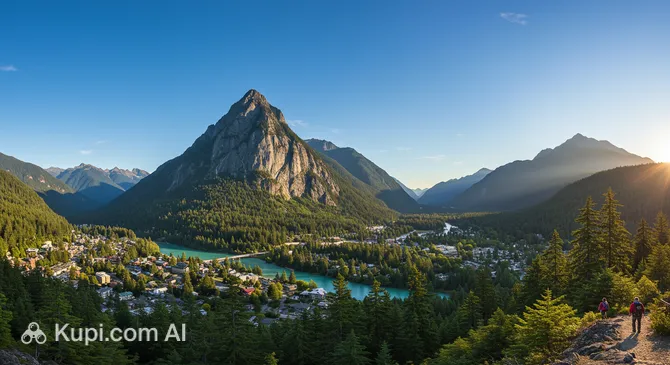
Squamish. Illustration.
Source: Kupi.com AI

Squamish is world-renowned as a true "mecca" for rock climbing, attracting enthusiasts from every corner of the planet. Beyond conquering cliffs, the region offers endless opportunities for hiking, thrilling mountain biking, kayaking, and even diving in the fjord. For those seeking less extreme recreation, there are scenic walking trails and viewpoints with breathtaking vistas.

Visiting Squamish is a chance to feel true freedom and recharge with mountain energy. Come here to discover new horizons and enjoy one of North America's most impressive corners.
Weather Overview

The climate of Squamish can be described as temperate, with clearly defined seasons, each of which is attractive to travelers in its own way. To plan your wardrobe and outdoor activities wisely, we recommend checking the weather in Squamish for your travel dates in advance.

The summer period, especially July and August, is the warmest and most favorable time to visit. The average temperature during these months is around 15–16°C, with daytime highs often reaching 20–21°C. This is also the driest time of year: the number of days with precipitation drops to 10–11 per month, making summer ideal for hiking and rock climbing.

Winter here is cool but not extremely freezing. In January and February, average temperatures stay in the range of -1°C to -2.3°C, sometimes dropping to -5°C at night. However, be prepared for high humidity: winter sees the highest number of "wet" days—up to 22 per month—so waterproof clothing and footwear will be indispensable.

Spring and autumn bring a change of scenery. May already pleases with warming temperatures between 8–12°C, while October reminds us of approaching winter with temperatures dropping to 6°C and more frequent precipitation. Expect a relatively dry and warm summer, giving way to a cool winter with frequent rain.

Average monthly temperature

Average monthly precipitation

Interesting Facts

Squamish is not just a picturesque dot on the map, but a place that holds many fascinating secrets and titles that not all tourists are aware of.
  • The town proudly bears the unofficial title of the "Climbing Capital of Canada." The main magnet for thrill-seekers is Stawamus Chief Provincial Park, home to the famous granite wall that climbers from all over the world dream of conquering.

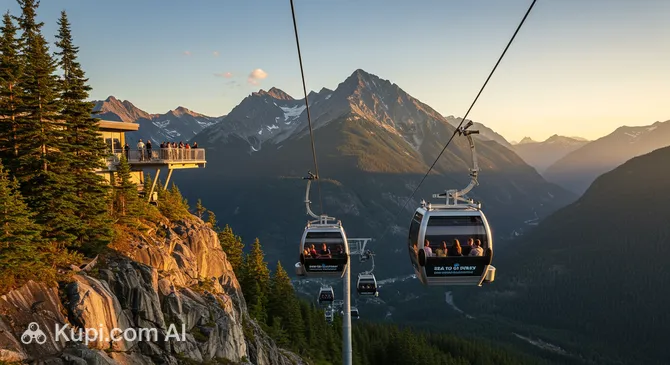
  • The area surrounding the town features one of the country's most impressive aerial crossings—the Sea to Sky Gondola. In just ten minutes, the lift takes guests to an altitude of nearly 900 meters, offering views of fjords and waterfalls, while local sunsets are considered among the most beautiful on the coast.

  • Squamish is a popular filming location for Hollywood directors. Thanks to its proximity to Vancouver and its unique natural backdrops, scenes from many famous films and TV series have been shot here, so the forest trails and mountain landscapes might look surprisingly familiar to you.

  • The town boasts a rich multicultural heritage, where the history of European settlers is closely interwoven with the ancient traditions of the Squamish Nation. This fusion of cultures is clearly visible in the works of local artists and themed festivals dedicated to nature and art.

Sea to Sky Gondola. Illustration.
Source: Kupi.com AI

Traveler photos:

How to Get There

When planning a trip to this picturesque corner of British Columbia, it is wise to think through the logistics in advance, as the town is surrounded by mountains and fjords. You can find out more details on how to get to Squamish to choose the most convenient route. The main flow of tourists arrives here via the transport hubs of the neighboring metropolis, Vancouver, from where the famous Sea to Sky highway begins.

Squamish itself does not have its own airport for scheduled passenger flights. The closest and most convenient option is Vancouver International Airport (IATA: YVR), located in Vancouver, approximately 56 km from Squamish. This is a major international hub receiving flights from all over the world. The journey from the airport by rental car or bus takes about 1 hour and 45 minutes, allowing you to enjoy the coastal views.

An alternative option is Abbotsford International Airport (IATA: YXX), which is also not in Squamish but serves the Greater Vancouver region. The distance to downtown Squamish is about 94 km. This airport is less crowded, but the journey from it will take longer—roughly 2 hours and 40 minutes by taxi or transfer.

For your convenience, here is a summary of the main airports:

AirportPassenger trafficDistance
Coal Harbour Seaplane Base500 00046 km
Vancouver International Airport24.9 mln56 km
Nanaimo Harbour120 00082 km
Nanaimo Airport375 00089 km
Abbotsford Airport1.3 mln94 km

As for rail connections, there is no active station for regular long-distance passenger trains in the town of Squamish. The nearest major station is Vancouver Station (Pacific Central Station), located in Vancouver, about 48 km from Squamish. From the station, you can reach your destination by bus or car in about 1 hour and 30 minutes.

Below is information regarding the nearest railway station:

StationPassenger trafficDistance
Vancouver Railway Station265 62648 km
Esbjerg Railway Station753 06071 km
Milwaukee General Mitchell Station126 756260 km

Main Attractions

Squamish is often called the adventure capital of Canada, and its list of attractions fully justifies this title. From majestic granite cliffs to unique historical exhibits, every traveler will find a place here that leaves a lasting impression.

One of the most popular draws is the Sea to Sky Gondola. It is more than just a lift; it is a true journey into the clouds, taking you to an elevation of 885 meters above sea level in just 10 minutes. At the summit, visitors are greeted not only by spectacular panoramic views of Howe Sound and the coastal mountains but also by the famous Sky Pilot Suspension Bridge and numerous walking trails of varying difficulty. It is the perfect place to enjoy alpine nature without the need for a grueling climb.

For those who prefer active recreation and want to test their strength, Stawamus Chief Provincial Park is a must-visit. The massive granite monolith towering over the town is considered one of the largest in the world and attracts climbers from across the globe. Tourists can hike to one of the three peaks via specially maintained trails. The ascent requires physical effort, but the view from the peaks is worth every single step.

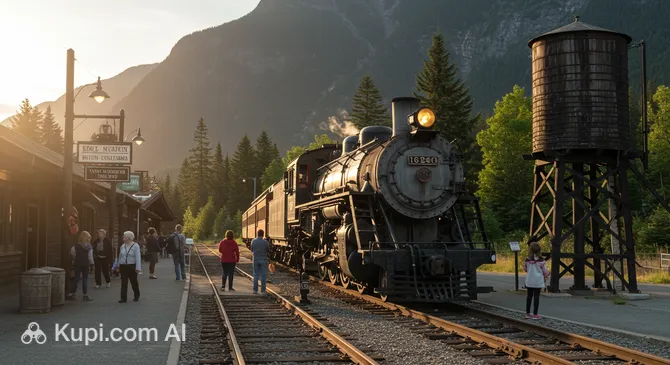
Railway Museum of British Columbia. Illustration.
Source: Kupi.com AI

Traveler photos:

History and machinery buffs should visit the Railway Museum of British Columbia. This open-air museum houses one of the most significant collections of railway rolling stock in North America. Here you can see the legendary Royal Hudson locomotive, peek inside vintage railcars, and learn how the railway shaped the history of the Canadian West. This atmospheric site will be interesting for both adults and children.

Local Cuisine

Squamish's gastronomic culture is a fascinating journey where the bounty of the Pacific Ocean, Indigenous traditions, and modern culinary trends intertwine. Thanks to its location between the mountains and the ocean, local restaurants focus on the freshest ingredients: from morning-caught seafood to forest berries and wild game.

The main dish that every visitor to the region must try is cedar-plank salmon. This cooking method, inherited from the Indigenous people, gives the fish a unique smoky aroma and a delicate texture. Smoked trout, mussels, and crabs also frequently appear on menus, while meat lovers will appreciate wild game dishes, such as juicy bison burgers.

The dining culture here is characterized by a relaxed and friendly atmosphere. Locals value the "farm-to-table" concept, so many establishments serve cheeses, vegetables, and meats from local producers. On weekends, the Farmers Market becomes a center of attraction, where you can buy artisanal bread and homemade jams. Food trucks serving a variety of street food—from fish tacos to wild mushroom buns—are also common on the town's streets.

Drinks hold a special place in the town's life. Squamish is famous for its thriving craft brewing culture. Festivals are held here in the summer where you can sample dozens of varieties of local ales and lagers. If you want to diversify your culinary experience with something more exotic, it’s worth stopping by the Indian Masala Bar & Grill, which adds bright, spicy colors to the culinary palette of this northern town.

Travel Tips

Welcome to Squamish—the outdoor adventure capital of the world! To ensure your introduction to this picturesque corner that Canada is so proud of is as comfortable and safe as possible, we have prepared a list of practical recommendations. These tips will help you feel confident both on the mountain trails and the cozy town streets.

  1. Clothing and Gear. The weather in the region is changeable, so the principle of layering is your best ally. Even in summer, be sure to bring a high-quality waterproof windbreaker (a membrane jacket is ideal) and a fleece, as evenings by the fjord can be cool. Comfortable trekking shoes with good grip are essential for walks, as rocks and forest trails are often damp and slippery.
  2. Transportation. Although the town has bus service, schedules can be infrequent, and routes don't always reach remote natural attractions. The most convenient way to get around is a rental car. This will give you the freedom to explore the surroundings at your own pace. Taxi apps work, but wait times can be long, especially if you are outside the center.
  3. Finances. The official currency is the Canadian dollar. Bank cards are accepted almost everywhere: in hotels, restaurants, and supermarkets. However, it is recommended to carry a little cash for payments at small farmers' markets or campgrounds. It is customary to leave a tip of 15–20% of the bill in cafes and restaurants, as tips make up a significant portion of staff earnings.
  4. Health and Safety. Squamish is surrounded by wilderness, so encounters with wild animals (including bears) are a reality here. Always carry "bear spray" when heading out on trails and know how to use it. There are pharmacies in town and the Squamish General Hospital for emergencies. The universal emergency number is 911.
  5. Communication. The primary language is English. Locals speak it fluently and are friendly toward tourists. Free Wi-Fi is available in many cafes and at the Adventure Centre (Visitor Centre). Mobile reception within town is excellent but can cut out in deep canyons or high in the mountains, so download offline maps in advance.
  6. Local Etiquette. Squamish has a relaxed and friendly atmosphere. It is customary to greet passersby on trails and thank bus drivers when exiting. A key rule of behavior is strict adherence to the Leave No Trace principle. All trash must be carried out with you, even organic waste (like apple cores), to avoid attracting wildlife to hiking trails.
  7. What to Avoid. Categorically avoid feeding any wild animals—this is not only dangerous but also illegal, and carries heavy fines. Also, do not underestimate the difficulty of the routes: do not attempt to conquer the Stawamus Chief peaks in unsuitable footwear (like flip-flops) or without a supply of water, even if you see hundreds of people heading up.
  8. Tip for Drivers. Popular parking lots at main attractions (especially Shannon Falls and the Sea to Sky Gondola) fill up very quickly, especially on weekends. Plan to arrive at a location before 9:00 AM or later in the evening to guarantee a spot and avoid the crowds.

Squamish is a place where nature dictates the rules, and respecting them guarantees you an amazing vacation. Follow these simple tips, and your journey will be filled only with bright emotions and breathtaking views!

Entertainment & Nightlife

Squamish's nightlife differs significantly from the noisy parties of major metropolises. You won't find massive nightclubs with strict face-control or discos operating until dawn here. The local evening culture embodies the "après-adventure" style. After a day spent on the cliffs or mountain trails, tourists and locals gather in cozy pubs, craft breweries, and lounge bars to relax in a friendly atmosphere, discuss the summits conquered, and enjoy live music.

The epicenter of evening activity is Downtown Squamish, particularly the area along the main street, Cleveland Avenue. This is where most of the establishments are concentrated, and life hums until late evening. The crowd here is very laid-back: there is practically no dress code, and it is perfectly normal to show up at a bar in jeans, a fleece, and even trekking boots. The style of venues ranges from traditional English-style pubs to modern gastropubs with signature cuisine.

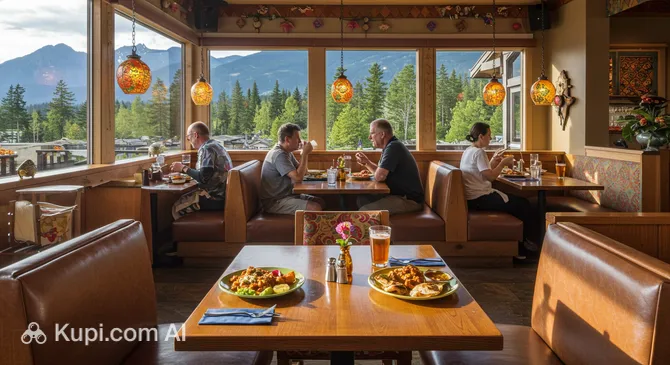
If you are looking for a place with a colorful atmosphere and excellent food to start your evening, it’s worth checking out Indian Masala Bar & Grill. This spot is popular not only for its spicy dishes but also for its good selection of drinks, making it a great point for a dinner that smoothly transitions into evening socializing. On weekends, many downtown bars invite local musicians playing folk, rock, or blues, creating a particularly soulful environment.

Indian Masala Bar & Grill. Illustration.
Source: Kupi.com AI

Traveler photos:

Local craft breweries, located both downtown and in the industrial park area, are a vital part of the town's entertainment culture. They often stay open until 10:00 PM or midnight and serve as primary social hubs. Prices for drinks and snacks are moderate, with an average evening bill around 30–50 Canadian dollars per person. When planning a night out, keep in mind that the kitchen in many places closes earlier than the bar, usually around 9:00 PM or 10:00 PM.

In terms of safety, Squamish is a very quiet town. Walking through the center at night is safe, and the crime rate is extremely low. However, remember that the town borders the wilderness. When returning home through unlit outskirts, be alert: encounters with wildlife (bears or coyotes) are possible even within town limits. For getting around at night, it is best to use local taxi services (such as Squamish Taxi), as public transport is infrequent and popular apps like Uber may be unavailable or have long wait times.

The daytime entertainment program in Squamish is also rich and varied, offering alternatives to active sports. History and tech enthusiasts should definitely visit the Railway Museum of British Columbia, where you can not only view historic trains but also ride a miniature railway. And if you want to see the town in the glow of the sunset, the Sea to Sky Gondola operates until evening (hours vary by season), offering perhaps the most romantic viewpoint in the region, which often hosts outdoor evening concerts.

Parks & Museums

Squamish is a town where the boundaries between the urban environment and the wilderness are virtually non-existent. Parks literally start at the doorstep, and museums serve not just as repositories for exhibits, but as living witnesses to the era of exploring the West. The town's green zones offer a range of activities from meditative walks to extreme climbs, while cultural sites tell stories of the gold rush, railway construction, and Indigenous life.

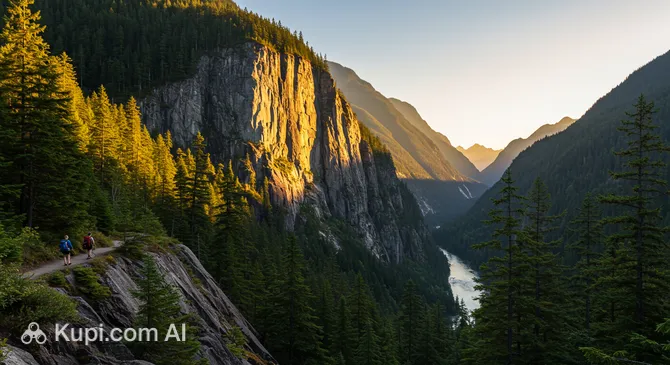
The undisputed dominant feature of the landscape is Stawamus Chief Provincial Park. This giant granite monolith, towering over the town, draws travelers with its monumental beauty. For tourists, the park is primarily interesting for its hiking trails: the ascent to the peaks requires endurance, but the reward is breathtaking views of Howe Sound. Even if you don't plan a difficult climb, a walk at the base of the cliff among ancient trees will provide a sense of oneness with nature.

Stawamus Chief Provincial Park. Illustration.
Source: Kupi.com AI

Traveler photos:

Another important natural location is the area around the Sea to Sky Gondola. Although it is a technical structure, it opens access to an extensive network of high-alpine trails that were previously only accessible to experienced mountaineers. Here, you can cross the impressive Sky Pilot Suspension Bridge and enjoy alpine meadows without the grueling uphill hike. It is also worth mentioning the nearby Shannon Falls Provincial Park, home to the third-highest waterfall in British Columbia—an ideal spot for picnics and stunning photographs.

The region's cultural and historical heritage is vividly presented at the Railway Museum of British Columbia. This is a large-scale open-air complex that mimics a mid-20th-century railway station. Visitors can step inside vintage railcars, see the luxurious interiors of Victorian-era trains, and learn about the role the railway played in unifying Canada. This place is especially popular with families thanks to the opportunity to ride a miniature train.

Although it is located slightly south of town, the Britannia Mine Museum cannot go unmentioned. Once the largest copper mine in the British Empire, it has been transformed into a fascinating historical site. Visitors can put on hard hats and take an underground tour on a mine car to see firsthand the working conditions of miners from the last century and feel the atmosphere of the region's industrial history.

If you want to see Squamish through the eyes of the locals and avoid the crowds, head to the Squamish River Estuary. This is a quiet conservation area with flat paths laid out among tall grasses and water channels. It offers perhaps the most unusual perspective of the Stawamus Chief—from the bottom up—and is also the best place in town for bird watching, including bald eagles during the winter season.

Getting Around

The public transport system in Squamish is fairly compact and consists primarily of a bus network operated by BC Transit. There are no subways, trams, or trolleys, which is to be expected for a town of this size. Buses run on main routes connecting Downtown with residential areas such as Brackendale, Highlands, and Valleycliffe. It is a reliable way to get around, but be aware that service intervals can range from 30 to 60 minutes, with fewer trips on weekends and holidays.

Squamish buses use a convenient payment system. You can pay for your fare with cash when boarding (it is important to have the exact change, as drivers do not provide change) or use the modern Umo service. This is a contactless system that allows you to pay via a mobile app or a special reloadable card. Paper tickets (sold in sheets of 10) and monthly passes are also available at authorized outlets, such as City Hall or the Brennan Park Recreation Centre.

If you plan to travel a lot in a single day, buying a DayPASS is a cost-effective option. When using the Umo app, the system will automatically apply a daily cap after your second trip, preventing overpayment. Tourists are advised to check schedules in advance on the official BC Transit website or use Google Maps, as they display real-time bus arrival times quite accurately.

Since Squamish is an outdoor recreation town, alternative modes of transport are incredibly popular. The bicycle is perhaps the primary mode of transport for many locals and tourists: the town is crisscrossed with a network of bike lanes and scenic trails. Bike rentals are easy to find downtown. For trips to remote nature parks or the start of trekking routes, a rental car or taxi (local services like Squamish Taxi) is best. Ridesharing and services like Uber are less developed here than in big cities, so you shouldn't rely solely on them.

An important feature of the transport logistics is intercity connection. Since there is no passenger rail station in town, connections to Vancouver and Whistler are provided by private shuttles like the Squamish Connector. These are comfortable buses that run daily and are an excellent alternative for those traveling without a car. It is best to book tickets for these online in advance.

Accommodation

The choice of accommodation in Squamish perfectly reflects its status as the outdoor adventure capital. You won't find the massive luxury chain skyscrapers typical of metropolises here. Instead, the town offers cozy lodges, classic motels, atmospheric bed and breakfasts (B&Bs), and modern apartments. "Cabin in the woods" style accommodations and glamping sites are particularly popular, allowing you to enjoy comfort surrounded by wilderness.

When choosing an area, let your plans guide you. Downtown is ideal for those who want to be within walking distance of cafes, breweries, and shops. It is a convenient base for evening strolls after an active day. If you are traveling by car and planning early departures into the mountains, consider options along the Sea to Sky Highway—there are many motels with convenient parking located here. For those seeking seclusion, the neighborhoods of Brackendale or Valleycliffe, situated closer to rivers and forest trails, are perfect choices.

The opportunities for camping, which is elevated to a cult status here, deserve special mention. You can stay in a tent or an RV in scenic, specially equipped zones. One of the most sought-after locations for such recreation is at the foot of the famous granite monolith in Stawamus Chief Provincial Park. This spot allows you to wake up to views of majestic cliffs and head straight onto the trail.

Stawamus Chief Provincial Park. Illustration.
Source: Kupi.com AI

Traveler photos:

Booking Tip: Squamish is an extremely popular destination, especially during the summer season (June to September) and the winter holidays. Good accommodation options at reasonable prices are booked up several months in advance. It is highly recommended to book your stay early, as soon as you have decided on your travel dates, to avoid being left without a roof over your head or overpaying.

Price ranges vary from budget (campgrounds and hostels) to above average (boutique hotels and rental cottages). Prices peak in the summer. Booking is most convenient through major international online platforms, though many small guest houses and campgrounds have their own websites for direct booking, where you can sometimes find better deals.

Nearby Cities

For those looking to explore the surrounding area, Squamish serves as an excellent starting point for day trips to several interesting nearby locations.

Just an hour's drive south is Vancouver—a vibrant metropolis that offers a stark contrast to the quiet of mountainous Squamish. It is the perfect destination for those who want to dive into urban life: stroll through the famous Stanley Park, visit the colorful Granville Island Public Market, or enjoy world-class gastronomic diversity in local restaurants.

History buffs and food lovers should pay attention to Richmond. This city is famous for its authentic Asian cuisine and renowned night market. Additionally, it is home to the historic Steveston fishing village, where you can taste the freshest seafood right on the pier and visit the Gulf of Georgia Cannery museum.

Burnaby attracts travelers with its blend of shopping and nature. It features one of the country's largest shopping centers—Metropolis at Metrotown—as well as the scenic Burnaby Mountain Park, offering magnificent panoramic views of the inlet and surrounding cities. The Burnaby Village Museum, an open-air museum, allows you to step back into the 1920s and learn more about the region's past.

CityPopulationDistance
West Vancouver42 47341 km
North Vancouver85 93543 km
Vancouver2 264 82347 km
Whistler11 85448 km
Sechelt10 20050 km

These nearby destinations provide insight into the diverse culture and landscapes of the region, making your trip even more rewarding.

Shopping & Souvenirs

Shopping in Squamish has its own unique character that perfectly reflects the spirit of this adventure town. You won't find the massive multi-story malls with luxury brands common in big metropolises here. Instead, the town's retail scene focuses on an active lifestyle, supporting local producers, and a cozy atmosphere. Squamish is the ideal place to purchase high-quality outdoor gear, unique handmade items, and organic products.

The heart of the town's retail is the Downtown area, with Cleveland Avenue considered the main shopping artery. A stroll down this street will delight lovers of slow shopping: it is home to independent bookstores, vintage clothing shops, home goods boutiques, and art galleries. The atmosphere here is very friendly, and many shop owners personally chat with customers, sharing stories about their goods.

While there are no traditional indoor shopping malls, the town features convenient open-air shopping plazas. The largest and most popular is Garibaldi Village Shopping Centre, located north of the center. This hub concentrates large chain stores, supermarkets, pharmacies, and outdoor brand outlets. It is the best place to stock up on food or buy everything needed for camping and hiking, for example, at the well-known Canadian store Canadian Tire.

The Squamish Farmers’ Market holds a special place in the town's life. During the summer season (usually from April to October), the downtown area turns into a lively fair every Saturday. Tourists and locals come here not just for fresh farm products, but for unique souvenirs as well. You can find handmade ceramics, natural cosmetics, jewelry, and paintings by local artists. In the winter, the market often moves indoors but retains its charm.

When choosing souvenirs from Squamish, it’s worth looking at what the region is famous for. First and foremost, this means outdoor gear—many famous outdoor brands test their products here, and the selection of mountain apparel is vast. Items featuring Indigenous designs, locally produced craft chocolate (such as the Xoco brand), and freshly roasted coffee are also popular. Interesting themed gifts can be found in the gift shop offered by the Sea to Sky Gondola: high-quality textiles and home decor featuring mountain views are frequently brought home from there.

Most shops in the town center are open from 10:00 AM to 5:00 PM or 6:00 PM; on Sundays, hours may be shorter. Large supermarkets in the shopping plazas stay open longer—often until 9:00 PM or 10:00 PM. Credit and debit cards are accepted almost everywhere, and contactless mobile payment is also widespread. Cash might only be needed at the market or for small purchases at stalls.

Tourists should keep in mind Canada's taxation specifics. The price shown on a product's price tag is usually not the final price—tax will be added at the register (in British Columbia, this is a combination of GST and PST, totaling 12%). There is currently no Tax Free (tax refund) system in Canada for tourists on ordinary consumer goods exported in luggage, so plan your budget with the tax surcharge in mind.

Reached the end of the page?

That means the route is fully explored