Support

Truro

About

Truro, often called the "Heart of Nova Scotia," is a vibrant and welcoming town located at the junction of the province's key transportation routes. Thanks to its strategic location, it serves as an ideal base for travelers wishing to explore the Atlantic coast for which Canada is so famous. Despite its relatively small population of about 13,000, the town boasts a developed infrastructure and a unique charm.
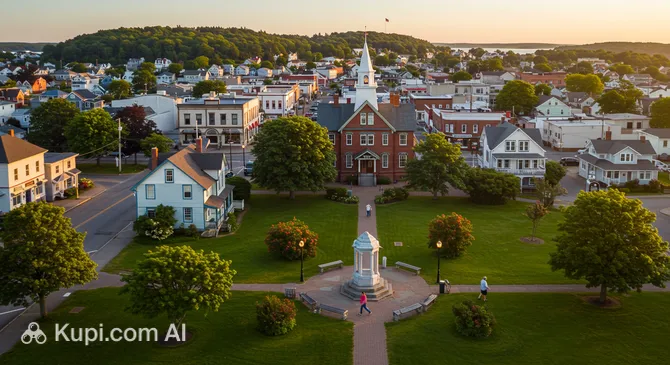
Truro. Illustration.
Source: Kupi.com AI

Locals carefully preserve the memories of the past, and Truro's history is closely intertwined with the development of the railways, which transformed the settlement into an important economic hub. However, the town's main trademark today is its unique natural phenomena. It is here, on the Salmon River, that you can witness the famous tidal bore—an impressive wave traveling upstream, caused by the world's highest tides in the Bay of Fundy.

Fans of active recreation and peaceful walks should definitely visit Victoria Park. This magnificent natural reserve covering more than 400 hectares is located right within the town limits. Here, you will find picturesque hiking trails, deep gorges, and the beautiful Joe Howe falls, creating an atmosphere of solitude and peace just minutes from the town center.

Truro is a place where urban life harmoniously blends with the majesty of nature. Whether it's watching the power of the tides or walking under the canopy of ancient trees, this cozy corner of Nova Scotia will give you bright and warm impressions.

Weather Overview

The climate in this region features distinct seasonality, allowing travelers to enjoy various types of recreation depending on the time of year. Summer in Truro is usually warm and comfortable: the hottest months are July and August, when the average temperature stays around 20°C, and daytime air often warms up to 24–25°C.

Winter brings frosty freshness and snow. In January and February, average figures drop to -4°C, and night temperatures can reach -9°C. Transitional seasons, spring and autumn, are quite cool: while pleasant weather around 10°C is established by May, March and November are more reminiscent of winter months.

A characteristic feature of the local climate is the regularity of precipitation. Expect warm summers and cold winters, with rainy or snowy days occurring quite often—from 9 to 15 days per month throughout the year. The current weather in Truro will help you better plan your wardrobe for the trip, whether it's light clothing for walks in Victoria Park or warm clothes for winter adventures.

Average monthly temperature

Average monthly precipitation

Interesting Facts

Beyond its main attractions, Truro holds many fascinating secrets and unexpected features that give it a special character. Here are a few facts that will help you see this town from a new perspective:

  • "The Underwear Capital": Truro holds this amusing unofficial title thanks to the Stanfield's company. This legendary factory, founded in the 19th century, became famous nationwide for its high-quality textiles and played a key role in the region's economic development.

  • The Second Life of Trees: In the 1990s, the town faced Dutch elm disease, which threatened its historic alleys. Instead of simply cutting down the dying trees, the administration invited sculptors who turned the trunks into dozens of unique wooden statues depicting historical figures and animals. Now, it is a true open-air gallery.

  • Jacob’s Ladder: Victoria Park is home to the famous "Jacob’s Ladder." This steep climb, consisting of 175 steps, has become a challenge of sorts for tourists and locals alike. It is said that conquering it without stopping is an excellent way to test your endurance on the way to the top of the gorge.

  • Railway Heritage: The nickname "The Hub" stuck to the town for a reason. Historically, it is here that Nova Scotia's main railway lines intersect, and even the architecture of the town's central part is largely dictated by this transportation past.

How to Get There

Thanks to its central location in the province of Nova Scotia, this town is a major transportation hub that is easy to reach in various ways. You can explore all available routes and plan your trip by following the link: more about how to get to Truro.

The most popular way to reach the region remains a flight followed by a trip by car or bus. The closest and most convenient option is Halifax Stanfield International Airport (YHZ). Please note that this airport is located near Halifax, approximately 56.5 km from Truro. It is the region's largest aviation hub with high passenger traffic. The drive from the terminal to Truro's center by rental car or taxi takes about 45–50 minutes via the highway.

An alternative option could be Greater Moncton Roméo LeBlanc International Airport (YQM), located in the neighboring province of New Brunswick. It is in the city of Moncton, about 138 km from Truro. The trip from here will take longer—roughly 1 hour and 30 minutes—but this airport also handles many flights and may be convenient depending on your route.

For clarity, here is summary information on the main airports located in relative proximity to the town:

AirportPassenger trafficDistance
Halifax Stanfield International Airport4.0 mln57 km
Charlottetown Airport410 773103 km
Greater Moncton International Airport661 629138 km
Saint John Airport180 000205 km
Fredericton International Airport377 346260 km

Traveling by train is also a scenic way to reach Atlantic Canada. Main railway lines pass through major stations in neighboring cities. One of the key points is Halifax Railway Station (XDG). It is located in Halifax, about 84 km from Truro. From the station, you can reach your destination by bus or transfer, which takes about an hour.

Another important transport hub is the Moncton Railway Station (XDP). It is located in Moncton, about 142 km from Truro. This station serves trains coming from Central Canada and is often used by tourists as a transfer point for further travel through Nova Scotia.

Below is information about the nearest major railway stations:

StationPassenger trafficDistance
Halifax Railway Station84 km
Moncton Railway Station142 km

Main Attractions

Truro offers interesting sites that reveal the history and culture of the region. Tourists can visit museums dedicated to local heritage and see unusual open-air monuments. Below are the main sites worth your attention.

Located in the town center, the Colchester Historeum is a regional museum and archive. The exhibition is housed in a historic brick building and covers various periods of life in Colchester County. It features materials on Truro's railway past, the history of the first settlers, and the development of local industry. The museum also operates a research center housing genealogical records and old maps.

Near the town's southern border is the Millbrook Cultural & Heritage Centre, which introduces visitors to the culture of the Mi'kmaq people. The landmark is a tall statue of the legendary hero Glooscap standing in front of the entrance. Inside the complex, artifacts, traditional clothing, and everyday items of the indigenous people are gathered, while multimedia exhibits tell stories of ancient legends and the community's history.

An unexpected attraction is the Sections of the Berlin Wall, located on the Dalhousie Agricultural Campus in neighboring Bible Hill. Six concrete segments were brought here after the fall of the wall and installed as a monument. The fragments retain their original graffiti and are available for free viewing.

On Saturdays, the Truro Farmers' Market opens in town. It occupies the historic fire hall building and the adjacent plaza. This is a popular spot where local farmers and artisans offer seasonal vegetables, homemade baked goods, honey, and handcrafted items.

Local Cuisine

Truro's gastronomic scene is a harmonious blend of Nova Scotia's maritime traditions and the region's rich agricultural heritage. Thanks to its proximity to the Bay of Fundy and fertile lands, local restaurants and cafes offer dishes made from the freshest ingredients, emphasizing seasonality and product quality.

The main highlight of any table here is seafood. Be sure to try Atlantic lobster, served both whole and as a filling for hearty lobster rolls. Another trademark of the region is the thick, creamy seafood chowder with fish, shellfish, and potatoes. For those who want to try something typically local and filling, an excellent choice is the donair—a dish that has become iconic in the province. It features spiced beef wrapped in a pita with tomatoes, onions, and a special sweet sauce made from condensed milk.

Those with a sweet tooth should look for desserts made with wild blueberries, for which the Truro area is famous. The most well-known treat is the blueberry grunt—stewed berries topped with soft dumplings, often served with a scoop of ice cream or whipped cream. Items made with maple syrup harvested in local forests are also popular.

Regarding drinks, the consumption culture here is closely linked to local production. Nova Scotia is known for its vineyards, so you should order a glass of Tidal Bay appellation white wine, which pairs perfectly with seafood. Beer lovers will appreciate the output of local craft breweries experimenting with various ales and lagers. Among non-alcoholic drinks, berry juices and freshly roasted coffee are popular.

The food culture in Truro is characterized by being casual and unpretentious. Locals love cozy family diners and small bistros with a friendly atmosphere. A special place in the townspeople's lives is reserved for the Saturday market trip, where you can not only buy groceries but also have a snack of fresh pastries or street food right from the stalls while enjoying the social atmosphere.

Travel Tips

Preparing for a trip to Truro won't require complex efforts, but knowing a few local features will make your journey much more comfortable. This small town in Nova Scotia lives at its own steady pace, and to help you feel at home here, I have compiled a list of the most important practical recommendations.

  1. Clothing and Essentials. The weather by the Bay of Fundy is changeable and windy even in summer. Dress in layers: a T-shirt, a fleece, and a windproof jacket is the perfect set. If you plan to head down to the river during low tide, be sure to bring rubber footwear or sneakers you don't mind getting dirty: the local red clay is very sticky and hard to wash out of light fabrics.
  2. Transport. Truro is known as "The Hub," but public transport within the town is limited and buses run at long intervals. For a full exploration of the surroundings and Victoria Park, I highly recommend renting a car. Apps like Uber might not be enough here, so save local taxi service numbers in your phone in advance.
  3. Finances. The official currency is the Canadian dollar (CAD). Visa and Mastercard are accepted everywhere, even in small coffee shops. However, for visiting the Saturday farmers' market, it's better to have some cash. Tipping is an important part of the culture: in restaurants and taxis, it is customary to leave 15–20% of the bill if the service was good.
  4. Health and Safety. The town is very calm and safe for tourists. The main "threat" is nature: in tall grass and forested areas (including Victoria Park), ticks are active in spring and summer. Use repellents and check your clothes after walks. Pharmacies and medical clinics are easy to find in the center and shopping areas.
  5. Communication. English is spoken here. Locals are very happy to chat but may use slang terms characteristic of "Maritimers" (residents of the seaside provinces). Free Wi-Fi is available in most cafes, in the library, and in hotels. If you need mobile internet, a SIM card can be purchased at the Truro Mall.
  6. Local Etiquette. Nova Scotia has a culture of politeness. It is customary to greet strangers on walking trails, hold doors for those behind you, and thank the driver when exiting the bus. In lines, no one pushes or rushes—show patience and respect for others' personal space.
  7. What to Avoid. The main safety rule in Truro is never mess with the tides. Do not walk on the exposed riverbed or clay flats if you do not know the exact time the tide starts. The water in the Bay of Fundy comes in as fast as a galloping horse, and you can find yourself trapped in minutes.
  8. Extra Tip. Truro is home to a large population of urban white-tailed deer that roam freely on streets and in yards. Locals are used to them, but tourists should remember: these are wild animals. Do not try to feed them or get too close for a selfie, especially if it's a doe with fawns.

I hope these tips help you avoid minor troubles and focus on the main thing—Truro's amazing nature and hospitality. By following simple rules and respecting local traditions, you are guaranteed to get the warmest memories from your trip to the "Heart of Nova Scotia."

Entertainment & Nightlife

Nightlife in Truro is characterized by a calm and friendly nature, typical of small towns in Nova Scotia. Here, you won't find massive night clubs with laser shows; instead, the town is famous for its cozy pub culture, live music, and "kitchen party" atmosphere where every guest feels like an old friend. Most activity is concentrated in the town center, especially around Inglis Street, which has become a kind of epicenter for evening entertainment.

Fans of craft beer and casual socializing should stop by The Nook and Cranny. This popular brewpub is located in the heart of town. Local musicians often perform here, playing everything from Celtic folk to classic rock, and the menu features an excellent selection of local drinks. Another iconic spot is the Salty Dog Brewing Company, where you can try exclusive beers brewed right here in Truro. The atmosphere in these establishments is casual and conducive to long conversations.

If you're looking for a place with a more energetic vibe and hearty food, check out Belly Up BBQ & Grill. This establishment is known not only for its grilled dishes but also for regular live band performances on weekends. It draws a diverse crowd, from young people to couples looking to dance and have a good time.

The atmosphere and dress code in Truro's venues are as relaxed as possible. You won't need evening gowns or formal suits; casual style (jeans, a shirt, or a sweater) is appropriate everywhere. The crowd here is very open and polite, so don't be surprised if locals strike up a conversation with you at the bar.

Practical Tips: Most bars and pubs are open until 1:00 AM or 2:00 AM on Fridays and Saturdays, and close earlier on weekdays—around midnight. It's best to arrive by 8:00–9:00 PM to get a good table, especially on concert nights. The average check for dinner with drinks is about 30–50 CAD per person.

Safety and Transport: Downtown Truro is considered safe for night walks, and the streets are well-lit. However, public transport does not run at night, and distances can be deceiving. The most reliable way to get back to your hotel is to call a taxi. It is recommended to save the numbers of local taxi services in advance, as hailing a car on the street is difficult here, and popular apps may have few active drivers at night.

As for daytime entertainment, the town offers more relaxed leisure activities. Besides walking in Victoria Park, you can visit Cineplex Cinemas to catch the latest movie releases or head to the Bible Hill Bowlacade, which is located just across the river. These are great options for families or for a rainy day before diving into the town's evening life.

Parks & Museums

Truro offers travelers much more than might appear at first glance. In addition to the well-known sights, the town and its surroundings hide many cozy spots for outdoor relaxation and cultural leisure. By exploring these places, you can deeper feel the relaxed atmosphere for which this region of Atlantic Canada is famous.

For those who prefer active recreation, The Cobequid Trail is a real find. This is an extensive network of walking and cycling paths totaling about 18 kilometers. The route passes through diverse landscapes: from dense forests and fields to the banks of the Salmon River. A walk or bike ride here is not just exercise, but also an opportunity to safely observe the tides from equipped viewing platforms, avoiding the dangerous mud at the water's edge.

If you are looking for solitude and aesthetic pleasure, be sure to visit the grounds of the Dalhousie Agricultural Campus in neighboring Bible Hill. Here you will find the magnificent Rock Garden—a true masterpiece of landscape design. This quiet oasis houses an impressive collection of alpine plants and flowers, skillfully integrated into the rocky terrain. It is an ideal place for a leisurely walk with a camera or reading a book in silence.

On the same campus, there is a curious historical site—the Little White Schoolhouse Museum. This is an old rural school building that preserves the spirit of past centuries. Although the museum is small, it represents a touching monument to the history of education in the region and perfectly complements a walk through the campus.

For family recreation, Kiwanis Park is perfect. It is a cozy green area with a pond, located within the town. The park is popular with locals thanks to its convenient paths and calm atmosphere. Here you can have a picnic, feed the ducks, or just relax on a bench after a busy day.

In the very heart of Truro, the Civic Square next to the modern public library is a center of attraction. It is an example of great modern urbanism: the space serves as a meeting place and a venue for summer concerts and fairs. In winter, the square turns into an open-air ice rink, and in summer it's nice to just sit on the lawn or near the famous wooden sculptures that decorate this block.

Getting Around

Truro's transport system is compact and simple, much like the town itself. You won't find subways, trams, or trolleybuses here. Since the town is relatively small, many tourists prefer to get around on foot, especially in the historic center; however, for trips to shopping centers or outlying parks, you may need transport.

The main form of public transport is the bus system managed by the Colchester Transportation Cooperative Limited (CTCL). The route network covers key points in town, including the center, the hospital, the university campus, and the Truro Mall. Buses run on fixed routes, which are usually loops covering residential and commercial areas.

The fare payment system here is conservative. There are no complex validators or turnstiles on the buses. Payment is made to the driver upon entry. The most reliable way is to have cash (coins) with you, and the exact amount is required as drivers do not provide change. The cost of a single trip is about 3–4 CAD. For those planning to use the bus frequently, there are bus passes (sheets of tickets) or monthly cards available at certain sales points, such as Town Hall or some pharmacies and stores.

It is important to consider the schedule. Buses in Truro do not run as frequently as in major cities: the interval can be about an hour. They usually run from early morning until early evening (around 6:00–7:00 PM). Note that on Sundays and public holidays, public transport may not run at all, so be sure to check the current schedule on the official town or CTCL website before planning your trip.

Given the nature of the bus service, taxis are a popular alternative. Several local services operate in town and can be called by phone. This is the most convenient way to get to a restaurant in the evening or to get to the station with luggage. Ridesharing apps (like Uber) may be unstable in this region or have few available cars, so it is better to rely on traditional taxi fleets.

For fans of an active lifestyle, Truro offers great opportunities for cycling. The town's terrain in the central part is quite flat, and the presence of a developed network of trails, such as the Cobequid Trail, allows you to move safely between areas while avoiding busy roads. If you don't have your own bike, it's worth checking in advance for rentals at local sports shops, as there are no automated bike-sharing stations on the streets.

In summary: for comfortable travel around Truro, it is best for a tourist to combine walking with using taxis for evening outings or long distances. The bus is suitable for those who are not in a hurry and want to save money while traveling along the town's main routes during the day.

Accommodation

Accommodation options in Truro perfectly match its status as a hospitable provincial town and a major transport hub. Here you won't find massive skyscrapers with luxury suites, but the town offers an excellent choice of housing for a comfortable stay. The core of the hotel stock consists of reliable mid-range hotels, many of which belong to famous international chains, as well as cozy motels and atmospheric bed and breakfasts (B&Bs) located in historic buildings.

When choosing a place to stay, you should focus on your travel goals. If you are traveling by car and plan to use Truro as a base for regional trips, look at the Robie Street area and the zones near highway exits. Large chain hotels with spacious parking lots and easy highway access are concentrated here. This is the most practical option for transit tourists.

For those who want to feel the spirit of the town and explore on foot, the historic center (Downtown) is the ideal choice. By staying here, you will be within walking distance of the restaurants on Inglis Street and picturesque Victoria Park. This part of town more frequently features small private inns offering a more homey and intimate atmosphere.

Price Range and Booking: The cost of living in Truro can be described as moderate (budget and mid-range segments). However, seasonality should be taken into account. Summer, especially July and August, is the peak of tourism activity in Nova Scotia. During this time, as well as during the fall foliage season, the demand for housing rises sharply. Travelers are strongly encouraged to book rooms in advance, at least a few weeks before the trip, using popular online platforms or contacting hotels directly.

Nearby Cities

For those looking to explore the surroundings, Truro serves as an excellent starting point for day trips to several interesting nearby locations:

Just an hour's drive south is Halifax—the vibrant capital of Nova Scotia and the region's largest city. This is an ideal destination for those who want to experience the atmosphere of a large port city. Here you can walk along the famous wooden boardwalk, visit the historic Citadel, or stop by the Maritime Museum of the Atlantic.

For a longer but memorable journey, you can head to Charlottetown, located on the neighboring Prince Edward Island. The road there is an adventure in itself, as it includes driving across the majestic Confederation Bridge. Charlottetown charms with its Victorian architecture and its status as the "Cradle of Confederation."

If you are interested in a trip to the neighboring province of New Brunswick, consider Moncton. This city is known for its natural phenomena, such as Magnetic Hill, and serves as another important cultural center of the Maritimes.

CityPopulationDistance
New Glasgow20 60955 km
Caribou Island61 km
Halifax403 13183 km
Amherst9 55090 km
Hatchet Lake25095 km

These nearby destinations offer a glimpse into the diverse culture and landscapes of the region, making your stay in Truro even more rewarding.

Shopping & Souvenirs

Shopping in Truro is a pleasant combination of practicality and local flavor. As the region's commercial center, the town attracts residents of surrounding settlements to its large stores, but for tourists, the cozy boutiques and shops in the historic part hold the most interest. Here you can find both travel essentials and unique items reflecting the spirit of Nova Scotia.

The heart of independent trade is Downtown Truro, especially the Inglis Street area. This lively artery is famous for its atmosphere: it is home to women's clothing boutiques, stylish gift shops, home goods stores, and bookstores. A walk through this area provides aesthetic pleasure thanks to beautiful window displays and historic architecture. It's also worth checking out neighboring Prince Street, which hosts various services and specialty shops.

For those who prefer classic shopping under one roof, there is the Truro Mall. This is the town's main shopping center, located on busy Robie Street. While it's not giant in size, it offers a good range of popular Canadian clothing, footwear, and accessory brands. It's a convenient place to update your wardrobe or buy electronics if you forgot something at home.

A special place in the town's commercial life is held by the Truro Farmers' Market. On Saturdays (and sometimes other days during the season), the historic fire hall building is filled with vendors. This is the best spot for buying authentic goods: from the freshest local baked goods and cheeses to artisan products like knitwear, handmade jewelry, and natural cosmetics.

When choosing souvenirs, look for products from the legendary Stanfield's factory. Truro is called the "Underwear Capital" of Canada for a reason: high-quality knitwear from this brand makes for a practical and fun gift with a history. Edible souvenirs are also popular: jars of wild blueberry jam, locally produced maple syrup, and items featuring traditional Nova Scotia tartan patterns.

Shops in Truro are usually open from 09:30 or 10:00 AM to 5:00 or 6:00 PM. Large retail outlets and supermarkets may stay open until 9:00 PM, especially on Thursdays and Fridays. On Sundays, many small shops downtown are closed or operate on a reduced schedule (from 12:00 PM to 5:00 PM). The primary method of payment is bank cards (Visa, Mastercard), which are accepted almost everywhere. Cash (Canadian dollars) is mostly useful at the market or for small purchases.

Tourists should note that Nova Scotia has a Harmonized Sales Tax (HST) of 15%, which is added to the price of most items at the checkout. The tax refund system (Tax Free) for foreign tourists on consumer goods in Canada was abolished, so you should not expect a VAT refund upon departure.

Reached the end of the page?

That means the route is fully explored