Support

Wawa

Attractions

About

Wawa is a picturesque village in the province of Ontario, often called the gateway to the northern wilderness. Despite its modest population of around 3,000 people, this place possesses a unique charm and strategic importance for travelers exploring the Lake Superior region. The town is surrounded by dense forests and crystal-clear waters, creating an atmosphere of seclusion and tranquility.

Located at the intersection of important transportation routes, Wawa attracts tourists traveling through the country of Canada with its breathtaking landscapes and hospitality. The climate here is typical of northern regions: snowy winters turn the town into a snowmobiling hub, while moderately warm summers are ideal for hiking and fishing.
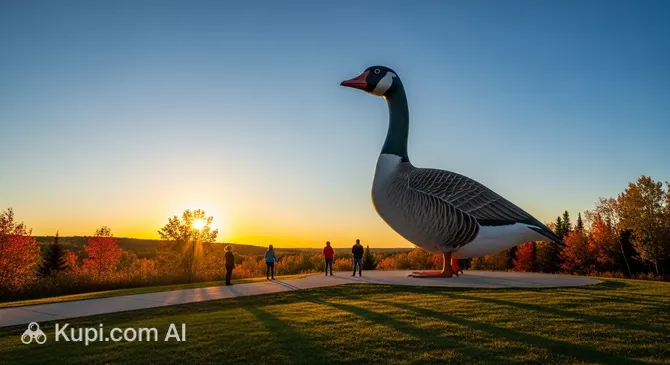
Wawa. Illustration.
Source: Kupi.com AI

The town's name itself comes from the Ojibwe indigenous language and translates as "wild goose." The fascinating history of Wawa is closely intertwined with the development of the mining and logging industries, which played a key role in the settlement's establishment. Today, echoes of the past blend harmoniously with modern tourism infrastructure.

The town's main landmark is the famous Canada Goose statue — a massive monument that greets guests at the entrance and has become one of the most photographed objects in North America. In addition, nature lovers should definitely visit the picturesque Magpie Falls (Scenic High Falls) and walk the trails of the nearby provincial park, which offers stunning views of Lake Superior.

Wawa is an ideal place for those who want to take a break on a long journey and connect with authentic northern nature. Be sure to plan a stop in this cozy corner to enjoy the silence, fresh air, and magnificent views.

Weather Overview

The climate in this region features a pronounced seasonality characteristic of Northern Ontario. When planning your trip, be sure to check the expected weather in Wawa to choose your wardrobe correctly. Winters here are long and frosty, while summers are moderately warm and pleasant for walking.

In the winter period, especially in January and February, the average temperature drops to -10°C, while night-time lows of -14...-15°C are common. Precipitation occurs frequently, averaging 14–15 days per month, which, combined with low temperatures, guarantees a stable snow cover.

The summer months bring long-awaited warmth. In July and August, the air warms up to a comfortable 20°C during the day, with average daily values around 16°C. This is the best time to visit, though you should be prepared for variable cloudiness: rainy days happen about 11–12 times per month, although the intensity of precipitation is usually low.

Spring and autumn are quite cool: by October, the average temperature falls to 7°C, and in November, it drops below zero. Overall, expect moderately warm summers with periodic precipitation and cold, dry-feeling but snowy winters.

Average monthly temperature

Average monthly precipitation

Interesting Facts

Beyond its main attractions, Wawa holds many fascinating secrets and historical details that make this northern corner truly unique.

  • The Goose That Saved the Town. The famous Canada Goose statue didn't appear by chance, but as a strategic move. In 1960, a new highway was set to bypass the town center, which threatened local businesses with ruin. Entrepreneurs decided to install a massive monument to catch drivers' attention and entice them to turn off the road. The current steel bird is actually the third one; the first was made of plaster and quickly deteriorated under the harsh weather.

  • The Final Link of the Highway. For a long time, a continuous road trip across the country of Canada was impossible specifically because of the difficult terrain around Wawa. The section of road south of town, called "The Gap," became the most difficult and expensive stretch of the Trans-Canada Highway. It wasn't until 1960 that builders managed to conquer the granite cliffs and swamps, finally closing the nation's single road network.

  • Inspiration for Great Artists. The rugged beauty of the local landscapes attracted members of the famous Group of Seven. Artist A.Y. Jackson was so enchanted by the views of Lake Superior that he purchased a cottage at Sandy Beach. Here he created hundreds of sketches and paintings that brought fame to the wilderness of this region.

  • A Golden Beginning. Although the town's modern history is closely linked to iron ore and timber, a brief but stormy gold rush broke out here at the end of the 19th century. There was even a "Wawa City" on the shores of the lake, which disappeared as quickly as it appeared when prospectors realized the region's true wealth lay in iron deposits, not gold.

How to Get There

When planning a trip to this picturesque corner of Ontario, it's worth thinking about logistics in advance, as there are no direct flights to the village itself. We recommend learning more about how to get to Wawa to choose the most suitable route considering transfers to ground transport.

The most convenient option for many tourists is Sault Ste. Marie Airport (YAM). It's important to note that there is no air hub in the village of Wawa itself, but you can fly into this airport, which is located approximately 169 km from your destination. The trip from there by rental car or taxi will take several hours. This is a regional transport hub that accepts regular flights and has the necessary infrastructure for a comfortable arrival.

Another accessible option is Victor M. Power Airport (YTS), located in the city of Timmins. It is further away — at a distance of about 260 km. The road trip will take more time; however, this airport handles a significant passenger flow and may offer alternative connection options if tickets to Sault Ste. Marie are unavailable.

For clarity, here is a summary of the main airports located in relative proximity to the region:

AirportPassenger trafficDistance
Sault Ste. Marie Airport160 406169 km
Chippewa County Airport52 500195 km
Timmins Victor M. Power Airport200 000260 km
Emmet County Airport57 420269 km
Sawyer International Airport85 000270 km

In addition to air travel, road connections play a vital role. Wawa is located on the famous Trans-Canada Highway (Highway 17), making the town accessible for road-trippers and bus tours traveling along the scenic shores of Lake Superior.

Main Attractions

The main magnet for travelers in this region is undoubtedly its pristine nature. The town serves as an excellent starting point for exploring the rugged beauty of Northern Ontario, where rocky shores meet endless waters and dense forests hide picturesque cascades.

One of the most impressive natural locations is Sandy Beach. Unlike the rocky shores typical of this region, here you will find a wide stretch of soft sand bordered by dunes and forest. This place, with its majestic views of Lake Superior, inspired the famous Canadian artists of the Group of Seven. The beach is equipped with boardwalks and information panels telling the story of the area's cultural and natural heritage. Although the water is often brisk even in summer, walks along the coast and sunset picnics leave unforgettable impressions.

Fans of powerful water elements should visit the Scenic High Falls on the Magpie River. The water flow here thunders down from a height of 23 meters, creating a spectacular sight. Convenient trails lead to the waterfall, and equipped observation decks allow you to safely enjoy the view and take striking photos. There are rest areas at the base and the top where you can stop and listen to the sound of the water surrounded by the forest.

Just a few minutes' drive south of the town begins the famous Lake Superior Provincial Park. This is a vast protected area offering tourists hundreds of kilometers of hiking trails of varying difficulty. One of the park's main attractions is Agawa Rock, which preserves ancient indigenous pictographs painted in red ochre directly onto the stone walls above the water. These drawings can only be seen in calm weather by walking along a special trail along the edge of the lake.

Right at the town's edge lies Wawa Lake, which gave the settlement its name. It is an ideal spot for those who don't want to travel far into the wilderness. The lake is famous for excellent fishing: you can catch walleye or northern pike here. On the shore is Lion’s Beach, popular among locals and tourists, featuring playgrounds and swimming areas, making it a great choice for family recreation.

Local Cuisine

Wawa's gastronomic scene is a reflection of Northern Ontario's rugged but welcoming character. You shouldn't look for high-end molecular cuisine here; the food in this region is simple, hearty, and prepared from the freshest local ingredients. The town's culinary traditions are closely linked to the gifts of nature: lakes full of fish and forests rich in game and berries.

The main delicacy that every guest must try is fresh freshwater fish. Since Wawa is located near Lake Superior and many inland waters, local menus often feature walleye (which locals call pickerel) and lake trout. The fish is usually prepared simply: breaded and fried to a golden crust and served with French fries and lemon, or grilled.

You can't visit rural Canada without trying the classic poutine. This high-calorie and warming dish, consisting of French fries, thick gravy, and fresh cheese curds, is perfect for refueling after long snowmobile rides or hikes. In the summer season, be sure to try desserts with wild blueberries. These berries grow in abundance in the surrounding forests, so blueberry pies here are particularly fragrant and delicious.

As for drinks, a signature of the entire country that is also popular in Wawa is the Caesar cocktail. This is a spicy mix of vodka, Clamato juice, spices, and Worcestershire sauce, often garnished with a celery stalk or even a pickled bean. Beer lovers should look out for craft varieties from small Northern Ontario breweries, which are often featured in local bars.

The food culture in Wawa is characterized by casual comfort. Family restaurants, roadside diners, and cozy cafes predominate, where the owners often serve the guests themselves. In summer, food trucks (chip trucks) located near the famous Goose statue are especially popular. This is a great way to have a quick and tasty snack outdoors while enjoying the atmosphere of a small northern town.

Travel Tips

A trip to Wawa is an immersion into a true northern fairy tale, where rugged nature dictates the rules. To make your journey to this secluded corner of Ontario as comfortable and safe as possible, we have prepared a list of important recommendations to help you avoid common mistakes.

  1. Clothing and Essentials: The main principle here is layering. Even in summer, evenings by Lake Superior can be cool, so a windbreaker and a fleece sweater are mandatory. In winter, serious gear is needed: thermal underwear, a windproof parka, and insulated footwear. Important: if you are traveling in June or July, be sure to bring strong repellents and long-sleeved clothing — the black fly season in Northern Ontario can be an unpleasant surprise.

  2. Transport: In a town of about 3,000 people, public transport is practically non-existent, and services like Uber do not work here. The only reliable way to get around is a rental car. Without a car, you won't be able to reach the natural attractions and parks located outside the town limits.

  3. Finances: The official currency is the Canadian Dollar (CAD). Most stores, hotels, and gas stations in Wawa accept credit cards (Visa, Mastercard), but always have some cash (about 50–100 dollars) with you. It will come in handy in small souvenir shops or roadside diners. It is customary to leave a tip of 15–20% of the bill.

  4. Health and Safety: Wawa is a very safe place in terms of street crime, but the wilderness requires caution. There is a hospital (Lady Dunn Health Centre) and pharmacies in town, but note that they do not operate 24/7. The main safety threat is wild animals on the roads (especially moose). Be extremely careful while driving at dusk and dawn.

  5. Communication: The primary language of communication is English. Although Canada is a bilingual country, French is heard less frequently here. Mobile reception works well in the town itself, but once you drive 10–15 km on the highway, the signal may disappear. We strongly recommend downloading offline maps of the region to your smartphone in advance.

  6. Local Etiquette: Residents of northern towns are known for their openness and friendliness. It is customary here to greet strangers on walking trails or acknowledge oncoming drivers on country roads with a nod. Politeness and "small talk" (brief conversation about the weather or the road) in a store queue is the norm.

  7. What to Avoid: Never ignore your fuel gauge. Distances between gas stations in Northern Ontario can be huge, and there may be no mobile signal to call for help. Make it a rule: if you see a gas station, fill the tank, even if it's half full.

  8. Additional Tip: If you plan to buy alcohol, remember that in Ontario it is sold in specialized stores (LCBO or The Beer Store), which often close quite early (around 6:00 PM – 9:00 PM) and may have reduced hours on Sunday. Plan your purchases in advance so you aren't left without drinks for an evening picnic.

By following these simple tips, you can focus on the main thing — enjoying the majestic landscapes and unique atmosphere of the Canadian North. Wawa knows how to charm its guests, and proper preparation will make your acquaintance with this town truly warm, regardless of the weather outside.

Entertainment & Nightlife

Nightlife in Wawa has its own special northern flavor. Given that it is a small village with a population of about 3,000, you won't find noisy nightclubs with DJs or neon entertainment districts here. Evening leisure here is primarily about cozy gatherings in local pubs, a delicious dinner after a day in nature, and warm, unhurried conversation.

The centers of attraction in the evening are the restaurants and bars located mainly along the town's main arteries — Mission Road and Broadway Avenue. The atmosphere in these establishments is as relaxed and casual as possible. There is no strict dress code: tourists in fleece jackets and hiking boots feel just as comfortable as the locals. The crowd is always friendly, and the bar counter often becomes a place where travelers exchange stories about their routes through Northern Ontario.

Among the specific places to spend a pleasant evening, the Viking Restaurant is worth highlighting. This establishment is popular with both locals and tourists due to its homey atmosphere and hearty dishes that are great for recharging. Another well-known location is the restaurant and lounge at the Wawa Motor Inn (often referred to as Log Fires). This is one of the few places where you can linger a bit longer, enjoying drinks in a cozy setting reminiscent of the traditions of loggers and pioneers.

When planning your evening, it's important to remember that the rhythm of life in Wawa differs from that of large cities. Most restaurant kitchens close by 9:00 PM – 10:00 PM, and bars rarely stay open into the late night. Prices here are moderate: dinner with drinks will cost an average of 30–50 CAD. The town is very safe for night walks; however, due to the lack of standard taxi services or Uber, think about your logistics in advance if your hotel is far from the center.

During the day, entertainment in Wawa is of a more relaxed and educational nature. If you want a break from hiking, check out the Heritage Doors cultural project — a series of artistic panels throughout the town telling the history of the region. A visit to the legendary Young’s General Store is also a must for any daytime itinerary. This colorful place, with a stuffed moose at the entrance, is where you can buy not only souvenirs but also the famous pickles from a barrel, homemade fudge, and ice cream.

Parks & Museums

The cultural and natural landscape of this northern town is inextricably linked to its history and geography. You won't find massive museum complexes or classic French gardens in Wawa, but the town offers unique green spaces and original art objects that allow for a deep immersion into the atmosphere of Northern Ontario.

Among the green zones, a special place is held by Lion's Beach Park, located on the shores of Wawa Lake. This is a favorite vacation spot for locals and tourists, offering not only picturesque views of the water but also a well-maintained area. It features picnic zones, a playground, and a sandy beach, making the park ideal for family time. In summer, town festivals are held here, and the walking path along the shore allows you to enjoy the peace and fresh air.

Another important spot is the area around the tourist information center, often called Goose Park. This is where the famous symbol of the town stands. It is not just a place for a photo but also a well-kept green area with benches and information boards about the region's nature. It offers a panoramic view of the surrounding hills, and its convenient location at the entrance to the town makes the park a great spot for a first stop and a rest after a long drive.

Instead of traditional museums, Wawa offers guests a unique open-air cultural project — the Heritage Doors. This is a kind of street gallery consisting of artistically designed panels scattered throughout the town. Each "door" is dedicated to a specific stage in the settlement's history: from indigenous life and the fur trade era to the gold rush and the development of the mining industry. Walking the route of these art objects replaces a visit to a local history museum, allowing you to study the past in an interactive format.

A special role in preserving the spirit of old times is played by the legendary Young’s General Store. While technically a retail outlet, its interior and atmosphere resemble an ethnographic museum. Inside, you can see taxidermy of local animals, antique household items, and the famous barrel of pickles. This place conveys the authentic culture of northern trading posts, where trade and social interaction always went hand in hand.

Wawa's architectural appearance is modest but expressive. It's worth paying attention to the historic buildings in the town center, which have preserved features of mid-20th-century construction from the industrial boom period. The simple but sturdy structures reflect the harsh climate and pragmatic character of the first settlers who built their lives far from civilization.

Insider Tip: Be sure to visit the lookout at the old mine park (if access is open) or walk along the Voyageur Hiking Trail passing nearby. There you can find hidden corners of wild nature away from the tourist eye, where the sweetest blueberries grow and the silence is broken only by the sound of the wind in the tops of the pines.

Getting Around

Given Wawa's small size and population of about 3,000, it is important for tourists to realize right away that there is no developed public transport system like in large metropolises. The town has no subways, trams, trolleybuses, or even regular intra-city bus routes. The settlement's infrastructure is organized such that the main means of transportation is a personal or rental car.

The only form of public transport connecting Wawa with the outside world and neighboring cities is the intercity buses of Ontario Northland. They make stops in the town while following routes along the Trans-Canada Highway. It is best to purchase tickets for these buses in advance online on the carrier's official website or at a service point. Prices vary depending on the distance of the trip, but it is impossible to use these buses to move around inside the town itself — they are intended exclusively for transit.

For local trips around town, such as from a hotel to a restaurant or shop, you can use the services of local taxi companies. It's important to note that it's not customary here to hail a car on the street. Taxis must be ordered by phone in advance. Popular aggregators and ride-hailing apps like Uber or Lyft do not work in Wawa, so do not count on them when planning your routes.

Payment in taxis is often made in cash, although some drivers may accept cards. We recommend always having a small amount of Canadian dollars in small bills with you. The cost of a trip around town is usually fixed or depends on the zone, but prices are quite affordable due to the compact nature of the settlement.

The central part of the town, known as the "Townsite," is compact enough to easily explore on foot. However, it's worth remembering that the famous Goose statue and the tourist information center are located some distance from the residential quarters, near the highway. The distance between the center and the highway zone is several kilometers, and covering it on foot, especially with luggage, can be tiring. For visiting natural attractions in the area, renting a car is practically a mandatory condition for a comfortable vacation.

Accommodation

The choice of accommodation in Wawa perfectly matches the spirit of the place: you won't find high-rise five-star hotels or luxury spa resorts from global chains here. The town's hotel stock is focused on practicality, comfort, and proximity to nature. The main offerings consist of classic roadside motels, cozy Bed and Breakfasts (B&Bs), and fishing lodges, which are ideal for travelers crossing the province on the Trans-Canada Highway or outdoor enthusiasts.

Geographically, accommodation options can be divided into two main zones. The first and most popular is along Highway 17. Staying here is convenient for those on a transit journey who want to get back on the road quickly in the morning. These hotels often offer rooms with direct outdoor access to the parking lot, which is handy for unloading luggage. The second zone is the town center and lakefronts. Here, the atmosphere is defined by silence and water views. Cottages and cabins around Wawa Lake or the Michipicoten River are suitable for those planning to stay for a few days for fishing or hiking.

Many local hotels, such as the regionally famous Wawa Motor Inn or the picturesque Mystic Isle Motel, have become legends among road travelers thanks to their hospitality and convenient location (note that availability at specific hotels should be checked in advance). Most establishments offer more than just a place to sleep, providing special northern amenities: fish cleaning stations, snowmobile parking in winter, and BBQ areas in summer.

The price range in Wawa can be described as budget to mid-range. Room rates usually vary from affordable options to moderately expensive ones if you are renting an entire cottage. The luxury segment is practically non-existent here, but cleanliness and basic comfort are guaranteed almost everywhere.

Booking tip: Despite the town's small size, the demand for accommodation can be high. During the summer season (July–August) and during the winter snowmobile season, hotels fill up very quickly. It is strongly recommended to book rooms several weeks before your trip. You can use popular online platforms for this, but many small motels and lodges prefer direct booking by phone or through their own websites.

Nearby Cities

For those looking to explore the surroundings, Wawa serves as an excellent starting point for day trips to several interesting nearby locations. Given the vast distances of Northern Ontario, the concept of "nearby" is relative here, but a trip to neighboring cities will provide unforgettable views along the famous Trans-Canada Highway.

The most convenient option for a visit is Sault Ste. Marie, located to the south. This is a major border hub where you can visit the famous locks connecting Lakes Superior and Huron, as well as the unique Canadian Bushplane Heritage Centre. If you are ready to head northwest, the city of Thunder Bay will impress you with the Sleeping Giant natural monument and Fort William Historical Park. Also interesting is Timmins — a city with a rich mining history, ideal for those interested in geology and industrial tourism.

CityPopulationDistance
White River60777 km
Chapleau2 900104 km
Hornepayne1 300136 km
Marathon3 273144 km
Manitouwadge2 700148 km

These nearby destinations provide insight into the diverse culture and landscapes of the region, significantly expanding the geography of your journey through the province of Ontario.

Shopping & Souvenirs

Shopping in Wawa is radically different from the usual shopping trips in major metropolises. You won't find multi-story shopping malls with brand boutiques or high-fashion outlets here. Instead, the town offers a cozy, authentic atmosphere of a northern trading post. Purchases here are more of an immersion into local color: tourists buy high-quality outdoor gear, handmade items, and gastronomic souvenirs reminiscent of the flavors of Northern Ontario.

Main commercial life is concentrated on two main streets: Broadway Avenue and Mission Road. Broadway Avenue is the heart of the business center ("downtown"), home to small family-owned clothing stores, pharmacies, hardware shops, and flower boutiques. Mission Road, which runs closer to the Trans-Canada Highway, is oriented toward travelers: here you will find gas stations with an expanded range of goods and the main souvenir spots.

There are no large shopping malls in the traditional sense in Wawa. The role of main shopping areas is played by chain supermarkets and department stores, such as John's Independent Grocer, where you can buy groceries and essentials. The absence of giant complexes is compensated for by the warmth of service: store owners often know their customers by name and are always ready to help with choosing fishing or hiking gear.

The most famous shopping spot, which is a true town landmark, is Young’s General Store. It's not just a store, but a historic market with the unique atmosphere of an old-fashioned shop. Guests are greeted by the famous stuffed moose on the porch, and inside, among the wooden shelves, you can find literally everything: from warm flannel shirts and moccasins to fresh homemade pastries. The huge barrel of pickles is especially popular — every tourist feels it's their duty to fish out one pickle for a snack.

Souvenirs from Wawa usually reflect the spirit of the Canadian North. First and foremost are items featuring the town's symbol — the Canada Goose (T-shirts, mugs, magnets). It's also worth looking for wild blueberry products (jams, syrups, tea), for which this region is famous. Connoisseurs of unique items will like the work of local artisans and indigenous peoples: beadwork jewelry, wood carvings, or traditional leather footwear.

Stores in the town usually operate on a standard schedule: from 9:00 AM to 6:00 PM on weekdays, with some open later on Fridays. On Saturdays, the working day is often shorter, and on Sundays, many small shops may be closed, with the exception of grocery supermarkets and souvenir stores during the tourist season. Bank cards (Visa, Mastercard) and Canadian cash are accepted almost everywhere.

Tourists should remember the taxation system in Canada. Prices on price tags are usually listed without taxes. When paying at the checkout, a Harmonized Sales Tax (HST) of 13% will be added to the cost of the goods. There is currently no Tax-Free refund system for tourists leaving the country, so plan your budget with this markup in mind.

Reached the end of the page?

That means the route is fully explored