Support

Bayamo

About

Bayamo is not just the administrative center of Granma province, but a true cradle of national culture, a city with deep traditions and a proud character. It possesses a unique atmosphere where colonial charm harmoniously intertwines with a relaxed pace of life, inviting travelers to immerse themselves in the authentic lifestyle of the island.

Located in the eastern part of the country at the foot of the Sierra Maestra mountains, the city is the second-oldest settlement founded by Europeans in Cuba. Today, it is home to over 235,000 people. The climate in this region is tropical and hot, which contributes to the lush blooming of vegetation and the creation of picturesque landscapes around the city limits.
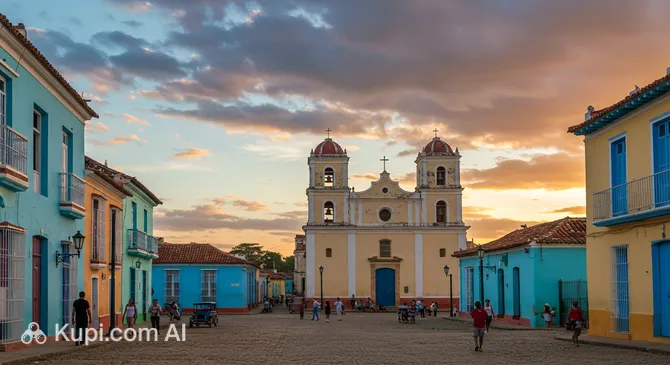
Bayamo. Illustration.
Source: Kupi.com AI

The event-filled history of Bayamo plays a key role in the self-identity of the local residents. The city was founded in 1513 by the conquistador Diego Velázquez. It was here that the country's national anthem was first performed and the independence movement was born, making a visit to this place particularly significant for those interested in the region's past.

The city's main "calling card" is its traditional horse-drawn carriages, which is why Bayamo is often called "The City of Carriages". This is not just a tourist attraction but a fully-fledged mode of transport that has survived through the centuries. A stroll through the historical center will inevitably lead you to the shady Céspedes Park and the famous Anthem Square, where the architecture transports guests back to the era of colonial grandeur.

Bayamo is an ideal destination for those seeking sincerity and the warmth of human connection away from overcrowded beach resorts. Come here to enjoy the tranquility of ancient streets, taste the local cuisine, and feel the true Cuban spirit.

Weather Overview

The climate in this region is characterized by stable warmth typical of the tropics. It is almost never cold in Bayamo: even in the winter months, such as January and December, the average temperature stays at a comfortable 25°C, and during the day the air often warms up to 30°C. The hottest period is summer, especially August, when average figures reach 29.5°C and daytime highs can exceed 34°C.

When planning your trip, it is important to consider the distribution of rainfall. The wet season lasts from May to October, peaking in May (with about 21 rainy days) and October. In contrast, winter and early spring are very dry: for example, in February, it rains on average only 3 days. To choose the most suitable time for your visit, we recommend checking the weather in Bayamo for your preferred dates in advance.

Expect a hot summer with high humidity and frequent rainfall, and a warm, predominantly dry winter, ideal for sightseeing.

Average monthly temperature

Average monthly precipitation

Interesting Facts

In addition to its main attractions, Bayamo holds many fascinating secrets and heroic stories that make it unique even by the standards of this event-rich country.

  • Sacrifice in the Name of Freedom. Bayamo bears the unofficial title of the "Heroic City." In 1869, to prevent the city from falling to advancing Spanish troops, the local residents made the dramatic decision to burn their homes to the ground. This is why, despite being one of the oldest cities in Cuba, fewer original colonial buildings have survived here than in Trinidad—many historical structures were rebuilt from the ashes.

  • Birthplace of the Anthem. It was on the streets of this city that patriot Perucho Figueredo, sitting on horseback, wrote the lyrics to the national anthem, "La Bayamesa." This is the only place in the country where you can see a fresco in a church (the Cathedral of San Salvador de Bayamo) depicting the blessing of the flag and the performance of the anthem.

  • Chess Capital. Bayamo is considered the cradle of Cuban chess. Historical chronicles show that a passion for the game flourished here long before Capablanca’s world fame. Every year, the city hosts a prestigious tournament in memory of Carlos Manuel de Céspedes, who was not only the "Father of the Fatherland" but also a passionate chess player who carried his pieces with him even during military campaigns.

  • Ancient Casabe Bread. In this region, the culinary traditions of the island's indigenous people—the Taíno—are carefully preserved. Bayamo is famous for its production of "casabe," a crispy unleavened bread made from cassava (yuca) root. This dish hasn't changed its recipe for centuries and remains an important part of local gastronomy.

How to Get There

When planning a trip to this colorful city, it is important to consider the specifics of local logistics. Although Bayamo has its own airport named after Carlos Manuel de Céspedes, it mainly handles domestic flights (mostly from Havana). Therefore, most international tourists arrive in the eastern part of the country via international hubs in neighboring provinces and then travel to their destination by land. We recommend studying the details and planning your route in advance by checking information on how to get to Bayamo.

The optimal choice for most travelers is Holguín. The Frank País Airport located here is the closest international terminal to Bayamo. The distance is only about 56 km, allowing you to reach your hotel by taxi or transfer in less than two hours. This is the fastest and least tiring option after a long flight.

Another popular route is via Santiago de Cuba. The local Antonio Maceo Airport accepts many flights and is located 94 km from the destination. The journey from here takes a bit longer—approximately 2 hours and 40 minutes—but the picturesque views of the eastern part of the island will make the trip enjoyable.

As a backup option, you could consider flying into Camagüey, home to the Ignacio Agramonte International Airport. Keep in mind that this is the least convenient logistics hub for a trip to Bayamo: the distance exceeds 170 km, and the travel time by car is about 4.5–5 hours.

Summary data for the nearest airports for transfer planning:

AirportPassenger trafficDistance
Sierra Maestra Airport49 km
Frank Pais Airport1 mln56 km
Antonio Maceo Airport2.7 mln94 km
Mariana Grajales Airport157 km
Ignacio Agramonte International Airport250 000172 km

Main Attractions

Bayamo is a city with a rich heritage, so most of its iconic sites are inextricably linked to revolutionary history and the formation of the Cuban nation. It is best to start exploring the city from its heart—Céspedes Park (Parque Céspedes). This spacious and shaded square, also known as the Plaza de la Revolución, is the hub of social life. Bronze statues of national heroes—Carlos Manuel de Céspedes and Perucho Figueredo—stand here. It is an ideal spot to relax on a bench, listen to live music, and observe the leisurely pace of the townspeople's lives.

Just steps away from the main square is the Cathedral of San Salvador de Bayamo (Catedral del Santísimo Salvador de Bayamo). This is not just a religious building but a true symbol of patriotism. It was here in 1868 that the national anthem was first performed publicly. The cathedral was heavily damaged during the Great Fire of 1869 but was lovingly restored. Inside, you can see a unique fresco depicting the historical moment of the blessing of the flag and the performance of the anthem, making this church the only one of its kind in all of Cuba.

For an immersion into history, the Carlos Manuel de Céspedes Birthplace Museum is a must-visit. This beautifully preserved two-story colonial-era mansion is where the "Father of the Fatherland" was born. The museum's exhibition offers a glimpse into the lifestyle of wealthy 19th-century families: it features original furniture, the revolutionary's personal belongings, and documents from that era. A walk through the inner courtyard with its fountain and statues transports visitors back to the past when decisions fateful to the country were made here.

If you want to see the more modern and creative side of the city, head to Paseo Bayamés. This lively pedestrian street is decorated with bright murals, sculptures, and installations by local artists. It is home to shops, cozy cafes, and restaurants. Walking along the Paseo is a great way to combine shopping with street art viewing, as well as to try local delicacies in a relaxed setting.

Fans of unusual exhibits will be interested in the Wax Museum (Museo de Cera). This is the only gallery of its kind in the country. The collection features realistic figures of famous Cuban musicians, writers, and patriots, as well as characters from local folklore. Although the museum is small, it leaves a lasting impression thanks to the craftsmanship of the figures and the opportunity to take original photographs.

Local Cuisine

The gastronomic scene of Bayamo is a vivid reflection of the culinary traditions of eastern Cuba, where Spanish heritage is closely interwoven with the customs of the island's indigenous inhabitants. Here, food is not just a way to satisfy hunger but an important part of the cultural code, so travelers should prepare for hearty, simple, yet incredibly tasty discoveries.

The main culinary symbol of the city, which every tourist must try, is casabe. This is an unleavened flatbread made from cassava (yuca) root, a recipe preserved since the time of the Taíno people. Unlike regular bread, casabe can be stored for months. Locals eat it with everything: from roast pork to a simple combination of butter and garlic. It is often served as a side dish to thick soups or the famous ajiaco—a rich stew made with vegetables and various types of meat.

Meat lovers should look out for chicharrones—crispy pieces of fried pork skin or meat. In Bayamo, they are prepared with great skill and serve as the perfect snack while walking around. Local establishments also excel at making "ropa vieja" (shredded beef in tomato sauce), but pork remains the king of the table in Granma province.

Among drinks, the absolute favorite and pride of the region is Aliñao. This is a sweet, thick alcoholic drink made from fruits boiled in syrup with added rum and alcohol. There is a beautiful tradition: a barrel of Aliñao is prepared when a woman announces her pregnancy and is only opened after the child's birth or on their fifteenth birthday. Among non-alcoholic drinks, Pru Oriental is popular—a refreshing fermented infusion of roots and herbs with a unique, slightly spicy taste.

The food culture in Bayamo is informal and hospitable. The center of gastronomic life is the pedestrian street Paseo Bayamés. It hosts many cafes, street food stalls, and ice cream kiosks where local families love to relax. For a more substantial meal, it's best to choose private restaurants—"paladares." This is where you can expect home-cooked quality, large portions, and the chance to try real Creole cuisine in an authentic atmosphere.

Travel Tips

Welcome to Bayamo! To ensure your trip to this historic corner of Cuba is as comfortable as possible and leaves only warm memories, we've prepared a list of useful recommendations to help you feel confident in any situation.

  1. Clothing and Sun Protection. Given the hot climate of Granma province, opt for loose clothing made from natural, breathable fabrics (cotton, linen). The sun here is very intense, so a hat and high-SPF sunscreen are essential even on cloudy days. For walking on the cobblestones of the historical center, bring comfortable flat shoes or well-fitting sandals.
  2. Transport Specifics. Bayamo is the "City of Carriages," so using horse-drawn coaches here is not just a tourist attraction but a legitimate form of public transport. Be sure to agree on the price of the ride with the coachman before boarding. Bicitaxis are also convenient for short distances, and for trips out of town, it's better to book an official taxi through your hotel.
  3. Financial Matters. Cash (Euros or US Dollars) is your best friend on this trip. International cards may not work in small private restaurants ("paladares") and souvenir shops. Only change currency at official CADECA exchange offices or banks. Always keep small bills for tips, which are welcomed almost everywhere here.
  4. Health and First Aid. Local pharmacies may have shortages of familiar medicines, so bring everything you might need: from painkillers to stomach remedies. The main safety rule: drink only bottled water and avoid iced drinks from street kiosks. Also, don't forget repellent, as mosquitoes are active in the tropics.
  5. Connectivity and Language. The main language of communication is Spanish; English is not widely understood, so download an offline translator and maps in advance. To access the internet, you'll need ETECSA cards, which can be bought at telecommunications offices or hotels. Wi-Fi is usually only available in specifically designated zones (parks and hotel lobbies).
  6. Local Etiquette. Cubans are very open and friendly. It is customary to say hello ("Buenos días" or "Buenas tardes") when entering a shop or getting into a taxi. If you want to photograph colorful locals, always ask for permission—it's a sign of respect. A calm and polite tone will always help resolve any problem faster than being demanding.
  7. What to Avoid. Do not buy cigars from random street sellers—they will almost certainly be low-quality fakes, even if the packaging looks convincing. Also, try not to display large sums of money or expensive jewelry in crowded places to avoid attracting the attention of pickpockets.
  8. Immerse Yourself. Don't limit yourself to just museums. Be sure to set aside an evening for a stroll along the pedestrian street Paseo Bayamés. It's here, among street artists, musicians, and families with children, that you'll feel the real, living rhythm of the city that you can't experience from a tour bus window.

By following these simple practical tips, you can avoid everyday troubles and focus entirely on the unique culture and hospitality of Bayamo. We wish you a safe and exciting journey!

Entertainment & Nightlife

Nightlife in Bayamo, much like the city itself, is characterized by a special soulfulness and authenticity. You won't find noisy metropolitan raves here, but you can immerse yourself in the atmosphere of a true Cuban fiesta, where music plays on every corner and dancing continues until dawn. Evening entertainment here is steeped in national flavor and focused on social interaction.

The epicenter of evening activity is the pedestrian street Paseo Bayamés. As dusk falls, it turns into the city's main promenade. Local residents come here with their families to stroll, discuss the news, and enjoy the evening breeze. There are many small open-air bars and cafes where you can have a cocktail and listen to street musicians. On weekends, "Cuban Nights" (Noches de la Cubanía) are often held here—street festivals with fairs and performances by artists.

For connoisseurs of traditional music, Casa de la Trova "La Bayamesa" should be a mandatory stop on the itinerary. This legendary venue is located in a historic mansion near Céspedes Park. The province's best musicians gather here to perform classic Cuban son, bolero, and guaracha. The atmosphere is very informal: tourists dance alongside locals, and the rum flows freely. Entry usually costs a nominal fee, but the memories are priceless.

If you're looking for a more vibrant show and a disco, consider Cabaret Bayam. This is a classic Cuban cabaret located on the outskirts of the city on the road to Santiago de Cuba. The evening usually starts with a colorful stage performance featuring feathered dancers and a live orchestra, and after midnight, the hall turns into a dance floor with modern Latin American and international music. This place is popular among young people and stays open until morning.

For those who prefer a more relaxed evening, the Piano Bar at the Sierra Maestra Hotel is a good choice. This venue features a relaxed atmosphere, air-conditioned seating, and a good selection of drinks. Here, you can spend the evening in conversation accompanied by live piano music, away from the street bustle.

Practical Tips and Safety:

  • Dress Code: In most places, the clothing style is casual; however, men might not be allowed into nightclubs and cabarets in shorts and flip-flops—it's better to wear trousers and closed shoes.
  • Transport: Horse-drawn carriages are rarer at night, so to move between the center and outlying clubs (like Cabaret Bayam), it's better to use a bicitaxi or call an official taxi.
  • Safety: Bayamo is a peaceful city, and walking in the center (especially around Paseo and Céspedes Park) is safe even late at night. However, avoid unlit outskirts and keep an eye on your belongings in crowds.

During the day, the city offers more cultural leisure. It’s worth stopping by the Bayamo Theater (Teatro Bayamo)—one of the region's main stage venues, hosting plays and concerts. For family outings, the Parque de Diversiones "Granma" amusement park or a visit to the Céspedes Cinema, one of the oldest in the province, which has preserved its historical charm, are excellent options.

Parks & Museums

The cultural landscape of Bayamo is harmoniously complemented by green oases, creating ideal conditions for leisurely strolls and immersion into the region's past. The city offers travelers not only shady alleys to escape the tropical heat but also unique museum collections that have no equivalent elsewhere in Cuba.

The main green artery and "living room" of the city is Céspedes Park (Parque Céspedes). It is a spacious garden-square surrounded by colonial architecture and sheltered by the canopies of ancient trees. Marble benches and monuments to national heroes are placed here, making the park an ideal spot to get acquainted with the city's atmosphere. For a more relaxed natural escape, visit Chapuzón Park (Parque Chapuzón), located on the banks of the Bayamo River. This is a popular recreational area where locals love to spend their weekends having picnics by the water.

Among cultural institutions, the Wax Museum (Museo de Cera) is the absolute leader in tourist interest. This is the only gallery of its kind in the country. It features realistic, life-sized figures of famous Cuban musicians (such as Benny Moré), writers, and patriots. The exhibition is small, but it leaves a vivid impression thanks to the high quality of the work by local artisans.

To dive deep into the region's history, visit the Provincial Museum (Museo Provincial), located in the historic building where Manuel Muñoz Cedeño—the man who orchestrated the national anthem—was born. The museum's collections span from pre-Columbian times to the present day, with a special focus on the events of 1869 when residents burned their own city. Archaeological finds, rebel weapons, and 19th-century household items are kept here.

The Anthem Square (Plaza del Himno) also serves as an architectural gem. This historic open-air space is where "La Bayamesa" was first performed. The square is surrounded by iconic buildings and is a mandatory stop on any cultural route.

For family leisure, you can drop by the city Aquarium (Acuario de Bayamo). While it is smaller than those in the capital, you can get to know the inhabitants of local rivers and the Caribbean Sea here, providing an educational break in your sightseeing program.

Insider Tip: If you want to see true tropical nature without traveling far from the region, head to the Cupaynicú Botanical Garden (Jardín Botánico Cupaynicú), located 15–20 minutes from the city. This is an amazing nature reserve with an ancient forest and a rich collection of orchids that few tourists know about, as most limit themselves to strolling through the center.

Getting Around

The public transport system in Bayamo is unique and differs significantly from the systems found in modern metropolises. You won't find a metro, tram tracks, or trolleybus lines here. The city takes pride in its status as an eco-friendly and traditional center, so the main role in passenger transport is played not by engines, but by horse-drawn and pedal-powered vehicles.

The city's signature and main form of transport are the horse-drawn carriages (coches). This is not just a tourist attraction but a real functioning system with licenses and plates. There are two types of carriages: those working as route taxis along fixed directions (usually cheaper, but you have to wait for them to fill up) and private ones that will take you anywhere by agreement. A ride in such a carriage is the most authentic way to feel the city's rhythm.

For traveling short distances, especially within the historical center and narrow streets, bicitaxis are indispensable. These are three-wheeled bicycles with a covered seat for two passengers. They are maneuverable, eco-friendly, and allow you to reach areas where cars are not permitted. Bicitaxi drivers can often give directions or recommend a good cafe.

Classic city buses ("guaguas") and trucks converted for passenger transport run between the center and outlying districts. However, this type of transport is primarily aimed at locals: they are often overcrowded, lack air conditioning, and don't follow a strict schedule. Using them can be difficult and uncomfortable for tourists without knowledge of Spanish and local geography.

The fare payment system here is as simple and conservative as it gets: cash only. There are no transport cards, passes, or mobile apps for paying for city transport. Payment is made directly to the driver or coachman upon boarding or at the end of the trip.

Practical Tips for Tourists:

The main rule when using any type of transport in Bayamo (except for official state taxis with meters) is to agree on the price in advance before you get into the carriage or bicitaxi. Prices for foreigners may differ from local rates, but bargaining is acceptable. Always carry small bills with you, as drivers often don't have change for large banknotes.

As an alternative, you can use official taxi services, which usually wait for customers near major hotels or in central squares. Renting a car for city trips is impractical: the center is compact, and many streets are pedestrianized. If you prefer independence, your own feet are the best choice—the main attractions are within walking distance of each other.

Accommodation

The hospitality infrastructure in Bayamo perfectly matches the spirit of the city: it is modest, authentic, and devoid of the grandiosity of major resorts. Here, you won't find giant all-inclusive chain complexes or skyscrapers with panoramic pools. The main selection of accommodation ranges from colorful mid-range state-run hotels to cozy private guesthouses that allow for a deeper immersion into the local culture.

When choosing an area to stay, most travelers prefer the Historical Center. By staying within walking distance of Céspedes Park or Paseo Bayamés, you'll be at the heart of the action: museums, music venues, and the best restaurants will be nearby. This is an ideal option for those who want to explore on foot and feel the rhythm of the city. Another popular zone is located a bit further from the center, along the highway to Santiago de Cuba, where larger hotel complexes with their own grounds and pools are situated.

A particularly popular choice in Bayamo are Casas Particulares (private guesthouses). These are licensed mini-hotels run by locals in their own homes. They are often beautiful colonial mansions with high ceilings and inner courtyards. Staying here is not just about a bed for the night; it’s a unique social experience: hosts often prepare delicious homemade breakfasts, help organize excursions, and treat guests with genuine care. The cost of such accommodation usually falls into the budget segment, but the level of comfort and cleanliness often exceeds that of state-run hotels.

Among the classic hotels, two iconic spots stand out, each offering its own style. In the very heart of the city, right on the main square, is the Hotel Royalton. This historic building appeals to those who appreciate colonial architecture and want to stay with a view of Céspedes Park. For those looking for more space and the chance to cool off on a hot day, Hotel Sierra Maestra is a good fit. It is located a few kilometers from the center and features a large outdoor pool, which is a rarity within Bayamo's city limits.

Booking Tips:

The price range in Bayamo can be described as budget and mid-range. Even the best accommodation options here cost significantly less than in Havana or Varadero. However, the number of rooms in the city is limited.

If you plan to visit during the "high season" (from November to March or in July-August), we strongly recommend booking your accommodation in advance. Popular "casas" and rooms at the Hotel Royalton fill up very quickly. State-run hotels can be booked through major online platforms or tour operators, while specialized rental services are convenient for finding private homes. Note that staying in the private sector often requires cash payment, so prepare small bills.

Nearby Cities

For those wanting to explore the surroundings, Bayamo serves as an excellent starting point for day trips to several interesting nearby locations. The city's convenient location allows for quick access to the coast or visits to neighboring cultural centers.

One of the most attractive options is Manzanillo, located on the shores of the Gulf of Guacanayabo. This city is often called the "Pearl of the Guacanayabo" for its unique architecture with Moorish motifs and its famous gazebo in the central square. It’s the perfect place to feel the sea breeze and enjoy the atmosphere of a port city.

You should also consider a trip to Holguín, known as the "City of Parks." Here, travelers can expect well-kept green squares and the famous Hill of the Cross (Loma de la Cruz); after climbing its steps, you can see a breathtaking panorama of the entire city. Art lovers will be interested in Las Tunas, which is famous for the sculptures decorating its streets and its calm pace of life.

CityPopulationDistance
Guisa50 92316 km
Jiguani60 32021 km
Buey Arriba31 32725 km
Cauto Cristo21 15926 km
Yara59 41533 km

These nearby destinations provide an insight into the diverse culture and landscapes of the region, making your journey through eastern Cuba even more fulfilling.

Shopping & Souvenirs

General Overview: Shopping in Bayamo is more of an immersion into the local atmosphere than a hunt for fashion brands. The city is not overflowing with luxury boutiques or huge shopping malls, but here you can find unique items that reflect the soul of the island's eastern part. Trade is focused on essentials, food, and, of course, colorful souvenirs that make shopping here a pleasant addition to your sightseeing.

Main Shopping Streets: The main artery for shopping enthusiasts is Paseo Bayamés, also known as General García Street. This is a lively pedestrian zone decorated with sculptures and greenery, where life hums from morning till evening. Various clothing stores, bookstores, pharmacies, and cozy cafes line the street. A walk along the Paseo allows you to combine shopping with viewing street art and observing the locals' daily life.

Shopping Centers: There are no European-style malls in Bayamo. Instead, there are state-run stores from the Tiendas Panamericanas and TRD Caribe chains. These are small department stores selling imported goods: cosmetics, household appliances, drinks, and food products. This is where you should look for quality Cuban rum and coffee in factory packaging, as the authenticity of products is guaranteed in such places.

Markets: For fresh tropical fruits and vegetables, head to the local agricultural markets—agromercados. They are always noisy and bright, with stalls overflowing with seasonal nature's bounty. Additionally, in the streets of the historical center, you can often find artisans selling their wares right in the open air. This is a great opportunity to chat with the makers and purchase handmade items without middleman markups.

Souvenirs: From a trip to Bayamo, you should definitely bring back a miniature model of a carriage carved from wood, as the city is called the "capital of coaches." A unique gastronomic souvenir is casabe—the traditional cassava flatbread with a recipe dating back to indigenous times. Leather goods, straw hats, musical instruments (maracas, claves), and, of course, the famous cigars and rum that symbolize the country, are also popular.

Opening Hours and Payment: Most shops are open from 9:00 AM to 5:00 PM or 6:00 PM, Monday to Saturday, and on Sundays many of them operate on reduced hours or are closed. In private shops and souvenir kiosks, the hours can be more flexible. For payments, you will need cash Cuban pesos (CUP), as foreign bank cards are not accepted everywhere, and in the private sector, cash is the only way to pay.

Reached the end of the page?

That means the route is fully explored