Support

Gap

About

Gap is a charming city often called the "soft capital of the Southern Alps." Located at an altitude of 735 meters above sea level, it holds the honorary title of the highest prefecture in France. Here, Alpine majesty and the relaxed atmosphere of Provence intertwine in a surprising way, creating a unique microclimate with plenty of sunny days and pure mountain air.

Despite its status as the administrative center of the Hautes-Alpes department and a population of about 40,000 residents, Gap retains the coziness and tranquility of a small town. Life here flows at a leisurely pace, allowing guests to enjoy every moment, whether it's a morning coffee on a sunny terrace or a slow stroll through the numerous green parks surrounding the city.
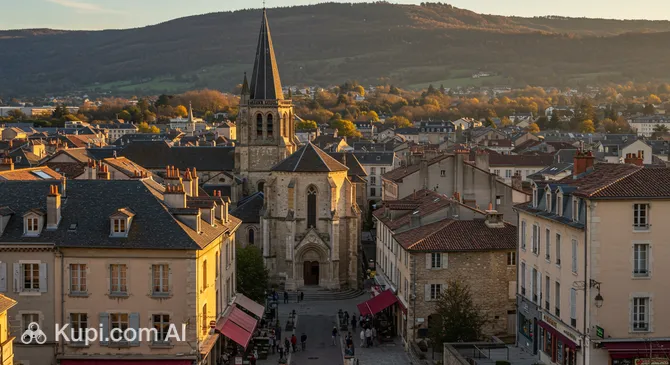
Gap. Illustration.
Source: Kupi.com AI

The heart of the city beats in its historic quarters. Walking through the pedestrian streets and admiring the colorful facades on Place Jean Marcellin, you will feel the spirit of past centuries. The rich history of Gap is clearly reflected in its architecture, the crown jewel of which is the majestic Neo-Gothic Cathedral of Notre-Dame-et-Saint-Arnoux. Its 70-meter bell tower serves as a recognizable symbol of the city and is visible from almost anywhere.

For travelers, Gap is an ideal starting point for exploring the region's natural treasures. The famous Écrins National Park and the picturesque Serre-Ponçon Lake are located in the immediate vicinity. This city is a must-visit for those looking for a harmonious combination of cultural discoveries, gastronomic pleasures, and active recreation against the backdrop of breathtaking mountain panoramas.
Weather Overview

The city's climate is shaped by its high-altitude location, combining features of Alpine weather with a large number of sunny days. If you are planning a trip and want to know what the weather in Gap will be like on specific dates, it is helpful to know the general seasonal trends of this region.

Winters here are quite cool and bracing. January is usually the coldest month, with an average temperature of about -1.8°C, while night frosts can reach -5.7°C. Precipitation in the winter period falls regularly: in December and January, 10 to 14 days of precipitation are recorded, which often creates picturesque snowy landscapes.

Summers in Gap are comfortable and not too hot, making them ideal for walking. In July and August, daytime temperatures rise on average to +22.6°C, while nights remain fresh (around +11°C). Spring arrives gradually, with May standing out as the wettest month of the year—statistics indicate 18 days of precipitation, so it's worth bringing a raincoat.

Expect moderately warm summers with occasional rain and cool winters with temperatures frequently dropping below zero.

Average monthly temperature

Average monthly precipitation

Interesting Facts

Beyond its architectural monuments, Gap holds many interesting features and titles that make it a unique spot on the regional map. The city surprises not only with its landscapes but also with its rich sporting and cultural heritage.

  • The highest prefecture. Gap is officially considered the highest prefecture in France. The city center is located at a significant altitude, which gives it a special atmosphere and makes it an ideal base for mountain sports enthusiasts.

  • A green city. Gap is famous for its parks. A few kilometers from the center is the Domaine de Charance—the former summer residence of bishops with magnificent gardens. Bernard Givaudan Park is also a popular spot for relaxation, where you can enjoy peace and nature.

  • City of festivals. In summer, the streets of Gap come alive with music and dance. The city's signature event is the International Folklore Festival, which gathers creative groups from around the world every July, turning the city into a colorful open-air stage.

  • Home of champions. Gap is proud of its sporting traditions and famous natives. Bernard Thévenet, a legendary road cyclist and two-time winner of the prestigious Tour de France, was born and lived here.

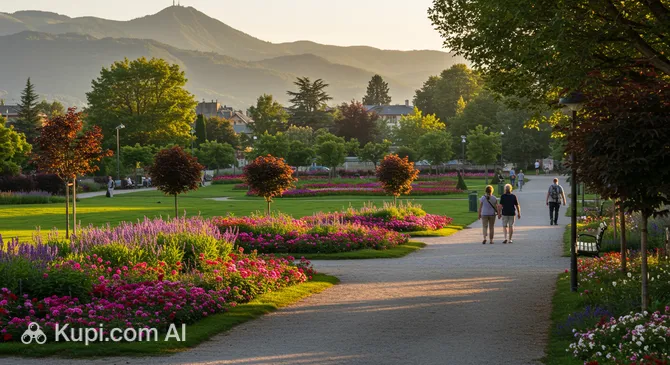
Bernard Givaudan Park. Illustration.
Source: Kupi.com AI

Traveler photos:

How to Get There

Gap is located in a picturesque mountainous area, so it doesn't have its own airport. However, thanks to the developed transport system in France, you can reach the city without much trouble by combining a flight with ground transport. Travelers usually fly into major cities in the region and then transfer to a car, bus, or train. You can find more details about all available routes on the how to get to Gap page.

The nearest major international hubs are the Marseille and Nice airports. The fastest option is often Marseille Provence Airport (MRS), located about 143 km from Gap. A trip from there by car on expressways will take about 2 hours. Another popular choice is Nice Côte d'Azur Airport (NCE), 135 km away. The drive from Nice by car takes approximately 2.5–3 hours, as part of the route may pass through more challenging road sections.

Below is a summary of the nearest airports:

AirportPassenger trafficDistance
Grenoble-Isère Airport307 979107 km
Avignon-Caumont Airport200 000119 km
Chambéry Airport169 000121 km
Levaldigi Airport113 398123 km
Nice Côte d'Azur Airport14.8 mln134 km

Rail travel is also a convenient way to approach the Alps. Keep in mind that the fastest trains (TGV) arrive at stations in nearby large cities, from which transfers are organized. For example, Grenoble Train Station is about 76 km from Gap; a car ride from the station to your destination will take about 1.5–2 hours. Another important hub is Valence TGV Station (about 100 km from Gap), from which the car journey takes approximately 1.5–2 hours.

List of the nearest major railway stations:

StationPassenger trafficDistance
Grenoble Railway Station8.8 mln76 km
Valence TGV Station3.3 mln100 km
Avignon Railway Station4.5 mln125 km
Aix-en-Provence TGV Railway Station3.7 mln130 km
Porta Susa Railway Station10 mln138 km

Main Attractions

Gap offers travelers more than just walks along ancient streets; it provides many interesting spots for cultural and active leisure. The city successfully combines historical heritage with natural beauty, giving guests the opportunity to immerse themselves in the Alpine atmosphere without leaving civilization.

One of the main gems of the surroundings is the Domaine de Charance. This magnificent garden and park ensemble is located on mountain slopes and surrounds the ancient castle of bishops. It is home to the National Alpine Botanical Garden, which features rare species of plants and wild roses. Tourists come here for walks around the picturesque lake, well-tended terraces, and breathtaking panoramic views of the city and the Durance valley.

For history and culture enthusiasts, the Musée Muséum départemental des Hautes-Alpes is a must-see. The museum's exhibition, located in the historical center, covers a vast period from prehistoric times to the present day. Here, you can see unique archaeological finds, ethnographic items, and works of art that tell the story of the life and traditions of the inhabitants of this mountain region over millennia.

Those who prefer outdoor recreation within the city limits should head to Bernard Givaudan Park. This is a massive green area of over 20 hectares, which locals call the "lungs" of Gap. The park is ideal for family picnics, morning jogs, or rollerblading. It is equipped with spacious playgrounds for children and sports zones for rugby and football.

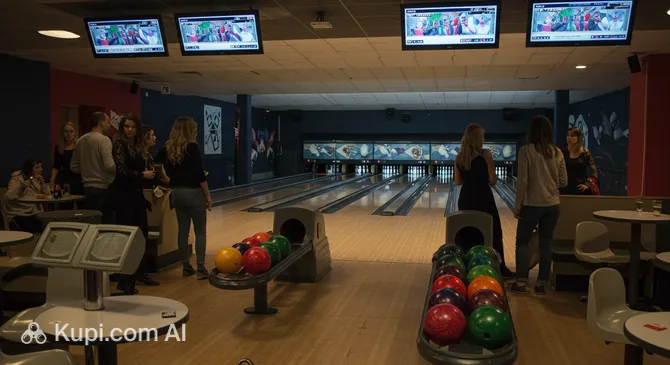
If you are looking for entertainment for a fun evening with friends or family, you can visit Bowling Gap. This is a popular leisure spot where you can not only compete in accuracy on modern lanes but also enjoy a pleasant time in a relaxed atmosphere after a busy day of sightseeing.

Bowling Gap. Illustration.
Source: Kupi.com AI

Traveler photos:

Local Cuisine

The cuisine of Gap is a delightful gastronomic union where hearty Alpine traditions meet the refined aromas of Provence. Local dishes are perfect for restoring energy after mountain walks. Be sure to try the famous gratin dauphinois—a delicate potato bake with cream that is the pride of the region. On cool days, tourists are warmed by hot cheese dishes: gooey fondue and aromatic raclette, prepared here with special skill.

The city's gastronomic landscape would be incomplete without local delicacies. At farmers' markets, the abundance of cheeses is staggering: from soft Brie to pungent Blue cheese and traditional mountain Tomme. Alpine smoked meats and game sausages serve as excellent additions. Sweet lovers should stop by local bakeries for almond pastries, tarts with fresh seasonal fruits, or desserts featuring chestnuts and nuts.

Food culture in Gap is steeped in respect for local products. Residents prefer leisurely meals, accompanied by a glass of wine from the Provence region or a small glass of strong Alpine herbal liqueur. In summer, the city comes alive with gastronomic festivals and fairs where producers personally present their best cheeses, wines, and harvests from the surrounding fields.

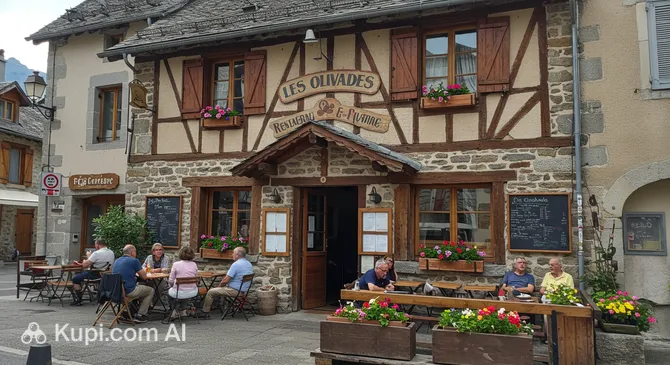
Les Olivades. Illustration.
Source: Kupi.com AI

Traveler photos:

To experience authentic cuisine in a cozy setting, you can visit Les Olivades restaurant, where regional culinary traditions are honored. Another pleasant spot for dinner is Le Bouchon, where a welcoming atmosphere and a menu reflecting the rich flavors of the Southern Alps await you.

Travel Tips

Preparing for a trip to Gap requires considering its unique location at the junction of high mountains and Provence. To ensure your journey to this "soft capital" is as comfortable as possible and leaves only pleasant memories, we have collected a list of current and proven recommendations.

  1. Clothing and Climate. Since the city is at an altitude of over 700 meters, the weather here is changeable. Even in summer, evenings can be cool, so use the "layering" principle: bring a light jacket or sweater that you can put on after sunset. Essential accessories include sunglasses and SPF cream, as the mountain sun in Gap is very active (there are 300 sunny days a year). For walking on the cobblestones of the old center and mountain trails, choose comfortable flat-soled shoes.

  2. Transport Accessibility. The city center is compact and best explored on foot. A unique feature of Gap is the completely free public transport (the L'Agglo en bus network). This is a great way to reach the outskirts or Charance Park at no cost. However, if you plan to visit Serre-Ponçon Lake or neighboring ski resorts, it is highly recommended to rent a car, as intercity buses run less frequently.

  3. Finances and Payment. The currency is the Euro (€). Bank cards are accepted in most restaurants, hotels, and supermarkets. Nevertheless, always have some cash (small bills and coins) for purchases in small bakeries, souvenir shops, and especially at street markets. Tips in France are usually included in the bill, but leaving 1–2 euros or rounding up the amount is a sign of good manners.

  4. Health and Safety. Gap is a peaceful and safe city where you can walk even after dark. Pharmacies are easy to spot by the flashing green cross (Pharmacie); on-duty pharmacies work according to a schedule, a list of which is usually posted on the doors of any closed pharmacy. The main precaution concerns nature: when heading into the mountains, always check the weather forecast and bring water.

  5. Language and Communication. The primary language is French. In tourist offices and large hotels, staff speak English, but in small cafes, you might not be understood. Download an offline translator and learn a few basic phrases. Locals very much appreciate tourists' efforts to speak their language, so a simple "Bonjour" (Hello) and "Merci" (Thank you) will open many doors.

  6. Local Etiquette. Politeness is the foundation of social interaction here. When entering a shop, cafe, or even boarding a bus, always greet the shopkeeper or driver. In restaurants, it's not customary to speak loudly or call a waiter across the room. Also, note that lunch hours are strictly regulated: from 12:00 PM to 2:00 PM.

  7. What to Avoid. Don't try to have lunch after 2:00 PM. Unlike tourist metropolises, in Gap, most restaurant kitchens close after lunch and only reopen for dinner (around 7:00–7:30 PM). If you get hungry at an odd hour, you'll have to rely on sandwiches from bakeries or fast food.

  8. Tip for Foodies. Don't miss the traditional markets in the city squares, which take place on Saturday and Wednesday mornings. This isn't just a place to shop, but a real ritual. This is where you can buy the best local cheeses, Alpine honey, sausages, and fresh fruit directly from farmers, often cheaper and better quality than in stores.

By following these simple tips, you will be able to feel not just like a tourist in Gap, but like a welcome guest. Enjoy the clean air, delicious food, and the leisurely pace of life in this amazing Alpine corner!

Entertainment & Nightlife

Nightlife in Gap differs from the noisy metropolises of the Côte d'Azur: you won't find massive nightclubs with world-famous DJs here, but you will immerse yourself in the atmosphere of genuine French "art de vivre" (the art of living). Evening entertainment in the city is focused on cozy socializing, gastronomic pleasures, and live music. The historical center becomes a magnet at dusk, especially the area around Place Jean Marcellin and the pedestrian Rue Carnot. This is where local youth and tourists gather to enjoy an aperitif on open terraces.

The culture of evening leisure in Gap often begins with a long dinner, smoothly transitioning into social sessions over wine. For the start of the evening, Le Bouchon restaurant is an excellent choice. This establishment is famous for its authentic atmosphere, where you can discuss the day's events to the sound of clinking glasses. The crowd here is diverse but always friendly, and the dress code is casual. Most places in the city don't have a formal dress code—a neat appearance is all you need.

Le Bouchon. Illustration.
Source: Kupi.com AI

Traveler photos:

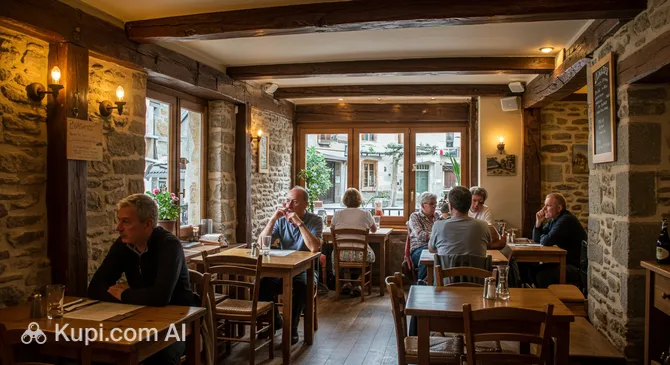
If you're looking for a place with a more refined setting for a romantic evening or quiet conversation, consider Les Olivades. In the evening, dim lighting and a relaxed atmosphere prevail, perfect for tasting local wines. Most bars and pubs in the center stay open until 1:00 or 2:00 AM. The average price for a cocktail varies from 8 to 12 euros, while a glass of wine or a pint of beer will cost 5–7 euros.

For those who prefer a more active night out and want to continue the fun after restaurants close, Bowling Gap is an ideal option. It’s not just a sports venue but a full entertainment complex that stays open late (often until 2:00 AM on weekends). It features a bar, billiard tables, and arcade games, with energetic music often playing in the evenings to create a club-like mood.

Safety and Transport: Gap is a very safe city, and night walks through the well-lit center pose no threats. However, keep in mind that public transport practically stops running at night. If you stay out late or your hotel is on the outskirts, it's better to note the numbers of local taxi services in advance, as hailing a car on the street at night can be problematic. The city center is compact, and most places are easily accessible on foot.

Regarding daytime and early evening entertainment, the city's cultural life is centered around the La Passerelle theater—the national stage of the Southern Alps, hosting plays, dance shows, and concerts. Cinema lovers can visit local movie theaters offering both global blockbusters and indie films. Additionally, evening markets and street festivals are regularly held in the city, especially during the summer season when music resonates from every alleyway.

Parks & Museums

Gap is a city where nature and culture are in constant dialogue, offering tourists a harmonious blend of well-kept green areas and informative exhibitions. Thanks to its past status as "Alpine Town of the Year," special attention is paid here to environmental conservation and creating comfortable spaces for outdoor relaxation.

The city's main natural attraction is rightfully considered the Domaine de Charance. Located at an altitude of about 1,000 meters, this park seems to hang over the city, offering spectacular views of the valley. It houses a Botanical Conservatory with rare varieties of roses and fruit trees. A walk around the picturesque lake or through the "Terraced Garden" brings peace, while active holidaymakers will appreciate the marked trails leading to the Brèche peak.

In the very heart of the urban area is the cozy Parc de la Pépinière. This is a favorite meeting spot for locals, where ancient trees provide pleasant shade on hot summer days. The centerpiece of the park is an elegant bandstand where concerts are often held. It is an ideal location for a short break between excursions or for a quiet read on a bench.

For those who prefer more active leisure, Bernard Givaudan Park is a great fit. This is an extensive recreational zone on the riverbank, equipped with modern sports fields. Here you can go skateboarding, play rugby, or simply have a family picnic on the spacious lawns while enjoying the view of the surrounding mountains.

Cultural life in Gap is centered around the Musée Muséum départemental des Hautes-Alpes. This institution is unique because admission is often free, making culture accessible to everyone. The museum's collection is incredibly diverse: from Bronze Age archaeological finds to ornithological collections and fine arts. Special attention should be paid to the hall dedicated to the region's history, where you can learn about the life of mountain folk and the Roman influence on the development of these lands.

Another important cultural site is the Écomusée de l'Artisanat (Ecomuseum of Craftsmanship), located in the surroundings. It immerses visitors in the atmosphere of the past century, showcasing the tools and techniques of rural masters: blacksmiths, shoemakers, and winemakers. This place allows for a better understanding of the labor traditions that shaped the character of local residents.

The architectural landmark that cannot be missed is the Cathedral of Notre-Dame-et-Saint-Arnoux. Built in Neo-Gothic style at the end of the 19th century, it impresses with its polychrome masonry of colored stones, symbolizing the region's geological diversity.

Insider Tip: If you want to see the city from an unusual perspective and avoid the crowds, climb Saint-Mens Hill (Colline de Saint-Mens). Easy walking trails are laid out here, and the summit offers perhaps the best panorama of Gap's rooftops and the Dévoluy mountain range, especially beautiful in the rays of the setting sun.

Getting Around

The public transport system in Gap is a real gift for tourists used to complex tariff zones and expensive tickets in Europe. The city's main feature is that all public transport here is completely free for both residents and visitors. This makes moving around the city and its surroundings as simple and accessible as possible.

The backbone of the transport network is the L'Agglo en bus system. It includes about 9 regular lines connecting the city center with peripheral districts, the railway station, and even neighboring communes like Tallard or Romette. The buses are modern, comfortable, and run fairly regularly, making it easy to plan routes without extra costs.

For moving around the historic center itself, it's most convenient to use the free electric shuttles called La Navette. These small, maneuverable buses run circular routes through narrow streets, connecting main parking lots, squares, and administrative buildings. They run every 10–15 minutes, and to catch one, it's often enough to simply wave to the driver if you are outside a stop but in a safe section of the road.

Since the fare is free, you don't need to look for ticket machines, download payment apps, or validate cards. Boarding is usually through the front door. The only rule to strictly follow is politeness: it is customary to greet the driver ("Bonjour!") when entering. This is an important part of local etiquette.

As for the schedule, buses usually run from 6:30 AM to 7:30 PM from Monday to Saturday. Be careful: on Sundays and public holidays, the number of trips is significantly reduced, and some lines may not run at all. Current route maps and operating hours can be picked up in paper form at the Tourist Office or found on the official website of the urban area.

As an alternative to public transport, bicycles are popular in Gap. Given the mountainous terrain, many tourists prefer electric bikes. There are rental points in the city, and the network of bike lanes is expanding. If you plan a trip outside the city to the lake or the mountains, it makes sense to rent a car, as the bus network does not cover remote tourist trails.

Taxi services are also available in Gap, but they operate differently than in metropolises. Hailing a car on the street is practically impossible, and there are few taxi stands (the main one is by the station). You must order a car by phone in advance, especially if you need to travel early in the morning or late in the evening when the free buses are no longer running.

Accommodation

Accommodation options in Gap perfectly match the character of this hospitable Alpine city. You won't find huge luxury resorts or pretentious five-star complexes typical of the Côte d'Azur here. Instead, the city offers a wide selection of cozy family hotels, functional chain hotels, and charming "bed and breakfast" guesthouses (chambres d'hôtes).

When choosing a place to stay, you should be guided by your plans and mode of transport:

  • Historical Center. The most atmospheric option. By staying in the area of pedestrian streets and squares, you'll be within walking distance of the main attractions, cafes, and nightlife. This is an ideal choice for those traveling without a car or who want to take a break from driving.
  • Outskirts and City Entrances. Modern chain hotels are located along the main transport arteries. They typically offer more spacious rooms and, importantly, private parking. This is a convenient option for car travelers using Gap as a base for trips around the Provence-Alpes-Côte d'Azur region.
  • Campsites and Nature. In the vicinity of the city, closer to nature, you can find excellent campsites and eco-lodges popular among trekking enthusiasts and fans of quiet relaxation.

The price range in Gap can be described as moderate and affordable. The bulk of the offer consists of mid-range hotels (2-3 stars) and budget options. The cost of living here is usually lower than in popular ski resorts or on the coast, making the city attractive for budget-conscious tourists.

Booking Tip: Gap is a popular tourist hub, especially during the summer and winter holidays. If your trip falls in July or August (the peak of festivals and sports events like the Tour de France), it is highly recommended to book your accommodation in advance—at least 2–3 months before. You can use both major international online platforms and local tourism office websites to find authentic options.

Nearby Cities

For those who want to explore the surroundings, Gap serves as an excellent starting point for day trips to several interesting nearby locations:

Just over an hour's drive north is Grenoble—a dynamic city known as the "Capital of the Alps." It’s worth visiting for a ride in the famous spherical cable car cabins to the Bastille Fort, which offers a breathtaking panorama of the city and mountain ranges. Grenoble is also rich in museums and historical monuments, offering a full cultural program for the day.

If you want to feel the atmosphere of real Provence, head south to the town of Manosque. This cozy corner, surrounded by hills and olive groves, is known for its beautifully preserved old center and the literary heritage of writer Jean Giono. Additionally, it is home to the factory of the famous L'Occitane brand, which offers fascinating tours for fans of fragrances and cosmetics.

CityPopulationDistance
Mont Dauphin11545 km
Barcelonnette2 60049 km
Digne-les-Bains16 48253 km
Alpe d'Huez1 30058 km
Briançon11 33958 km

These nearby destinations provide a glimpse into the diverse culture and landscapes of the region, from rugged Alpine peaks to the sunny valleys of Provence.

Shopping & Souvenirs

General Overview: Shopping in Gap is a pleasant combination of strolling through the cozy historical center and visiting modern shopping areas. As the administrative center of the department, the city offers the widest selection of shops in the region: from boutiques with fashionable clothes and perfumes to shops of local artisans. There is no metropolis bustle here, so you can shop at a relaxed pace while enjoying the Alpine atmosphere.

Main Shopping Streets: The heart of shopping in the city is the pedestrian zone in the historic center. The main shopping artery is Rue Carnot. It concentrates many clothing and shoe stores, bookstores, and jewelry salons. It’s also worth exploring the side streets around Place Jean Marcellin, where small boutiques with original goods, home decor, and souvenirs are hidden.

Shopping Centers: For larger-scale shopping, locals and tourists head to the outskirts of the city, where large commercial zones (Zones Commerciales) are located, such as the Tokoro area. Here you will find large supermarkets, sports hypermarkets (especially relevant for mountain tourism fans needing to update their gear), and appliance stores. These zones are convenient for purchasing groceries and everything needed for a long mountain holiday.

Markets: The markets of Gap are a true attraction and the pride of Provence. The largest and most colorful market takes place in the city center on Saturday mornings. The stalls fill the squares, offering fresh vegetables, fruits, cheeses, sausages, and handicrafts. A market also operates on Wednesdays, though it is slightly more modest. These are the best places to buy authentic products directly from farmers and experience the local flavor.

Souvenirs: From a trip to France and specifically from Gap, it’s worth bringing back gastronomic souvenirs. Look for tourtons—the famous local pastries with various fillings that are the culinary symbol of the Champsaur valley. Alpine honey, local berry jams, nut pies, and, of course, cheeses (like Tomme de Savoie) are also popular. Don’t forget lavender products, ceramics, and handmade soaps reflecting the influence of neighboring Provence.

Opening Hours and Payment: Shops in the center are usually open from 9:00 or 10:00 AM to 7:00 PM. It is important to remember the traditional lunch break, which can last from 12:00 PM to 2:00 PM, especially in smaller boutiques and private shops. Large supermarkets on the outskirts usually work without a break. Sunday is a day off for most shops. Bank cards are accepted almost everywhere, but it’s better to have cash euros for market purchases or small souvenirs.

Tax Free: Tourists residing permanently outside the European Union can use the tax refund system (Tax Free) when purchasing goods worth over 100.01 euros in one store. Look for the "Tax Free" sticker in windows or ask the staff for a tax refund form (bordereau de détaxe) before paying. This can save you a significant amount by returning the VAT upon leaving the country.

Reached the end of the page?

That means the route is fully explored