Support

Niort

About

Niort is a cozy and colorful city situated on the picturesque banks of the Sèvre Niortaise River in the Nouvelle-Aquitaine region. Located in western France, it serves as a gateway to the famous Marais Poitevin Natural Park, often referred to as "Green Venice." Thanks to its proximity to the Atlantic Ocean, the city enjoys a mild climate with plenty of sunny days, making walks through the city pleasant at any time of year.
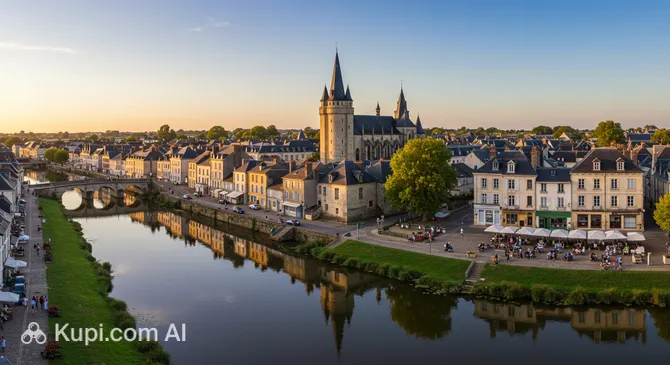
Niort. Illustration.
Source: Kupi.com AI

Despite being a major financial center known as the country’s "social economy capital," Niort has managed to preserve the unique charm of provincial elegance. Modern business districts coexist harmoniously with medieval streets, creating a unique atmosphere where the rhythm of the 21st century intertwines with the traditions of the past. It is an ideal destination for those seeking a balance between urban comfort and natural beauty.

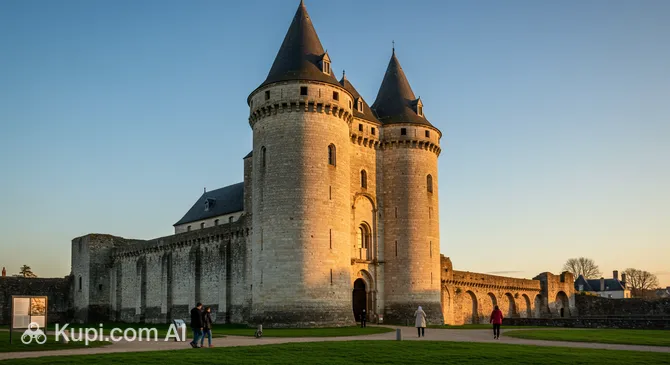
The heart of the city is adorned with powerful stone towers that capture the centuries-old history of Niort. The main symbol is the majestic Donjon—an impressive 12th-century fortress rising above the river. Additionally, travelers are drawn to the colorful markets, where they can explore local gastronomy, and the historic quarters perfect for leisurely strolls.

A visit to Niort offers the chance to enjoy true French art de vivre (the art of living). Whether exploring architectural monuments, taking a boat trip through the canals of the Poitou marshes, or dining in a cozy restaurant, this city is sure to leave warm and vivid impressions.
Weather Overview

The climate in Niort is mild and temperate, making travel comfortable for most of the year. Summer is pleasantly warm: in July and August, the average temperature is around 21.0°C, with daytime temperatures often reaching 26°C. This is the most favorable period for walking, as the number of rainy days is minimal (only 6–7 per month).

Winters in the city are cool but not harsh. In January, the average temperature stays around 6.2°C, and nighttime figures rarely drop below 3–4°C. However, this season is characterized by high humidity: for example, up to 15 days with precipitation are recorded in December. Spring and autumn bring pleasant freshness, although an umbrella wouldn't be out of place during these times.

Overall, expect a warm, mostly dry summer and a cool winter with frequent rain. To choose the ideal dates for your visit and pack properly, we recommend checking the detailed weather in Niort before you depart.

Average monthly temperature

Average monthly precipitation

Interesting Facts

Besides its famous architectural monuments, Niort holds many fascinating secrets and unique traditions revealed only to curious travelers. Here are a few facts to help you better understand the soul of this city.
Donjon of Niort. Illustration.
Source: Kupi.com AI

Traveler photos:

  • The city's main historical pride is the majestic Donjon of Niort. This 12th-century fortress, one of the largest in France, was built by order of the legendary royal couple—Henry II Plantagenet and Eleanor of Aquitaine.

  • Niort is called the gateway to "Green Venice"—the Marais Poitevin Natural Park. This is a unique area of marshlands where canals replace streets. A boat trip in the shade of the trees is considered a mandatory part of any tourist itinerary.

  • The city has its own gastronomic symbol—Angelica liqueur (Liqueur d’Angélique). This emerald-colored drink is made from the stems of the angelica plant, which grows abundantly in local marshes and has been used in cooking since ancient times.

  • Niort has always been a hub for creative personalities. Among its famous natives are the popular French actor and circus performer Jean Richard, as well as the renowned composer Jean-Michel Damas.

How to Get There

When planning a trip to this cozy corner of the Nouvelle-Aquitaine region, it is worth thinking about your route in advance. You can find all the details and consider various options by visiting the page on how to get to Niort, which contains complete information on transport links.

The city of Niort itself does not have its own airport serving regular passenger flights. However, travelers can use the airports in neighboring cities. One of the most convenient options is La Rochelle (LRH), located in the city of La Rochelle. This is the closest airport to Niort, situated just 58 km away. The drive from there takes about an hour and a bit.

For those looking for more international flight options, Nantes Atlantique Airport (NTE) is an excellent choice. This is a major international hub located in the city of Nantes, about 127 km from Niort. The journey by taxi or rental car takes around 2 hours. You can also consider Poitiers-Biard Airport (PIS) in the city of Poitiers (66 km from Niort), which serves regional and some European flights.

For clarity, here is a summary of the main airports:

AirportPassenger trafficDistance
La Rochelle294 15058 km
Poitiers-Biard Airport93 49266 km
Nantes Atlantique Airport7.2 mln127 km
Bellegarde Airport290 000137 km
Val de Loire Airport206 084153 km

The railway network in France is superbly developed, and the train is often the most comfortable way to travel. If you are heading to Niort via major transport hubs, take note of the Poitiers Railway Station. It is located in the city of Poitiers, about 68 km from Niort. This is an important hub with high passenger traffic where TGV high-speed trains arrive, making it easy to continue your journey to your destination.

Another significant transport center is the Nantes Railway Station in the city of Nantes (about 129 km from Niort). This is one of the largest stations in the region, welcoming millions of passengers annually. Upon arrival, tourists can transfer to a regional train or use road transport to reach Niort in a couple of hours.

Below is a table with the nearest major railway stations:

StationPassenger trafficDistance
Poitiers Railway Station3.5 mln68 km
Angers Saint-Laud Station5.7 mln127 km
Nantes Railway Station15.5 mln129 km
Tours Railway Station6.5 mln148 km
Saint-Pierre-des-Corps Station4.3 mln149 km

Main Attractions

Niort is a city where history literally comes to life on the streets. A walk through it feels like a journey through time, where every turn reveals new facets of architectural mastery from past centuries. It is best to start your exploration with its main landmarks and most iconic sites.

The absolute symbol of the city is the Donjon of Niort. This impressive 12th-century structure, consisting of two massive square towers, is considered one of the finest examples of Romanesque military architecture in France. Inside the fortress, there is a museum with ethnographic and archaeological collections detailing life in the Poitou region. However, many tourists come here for the rooftop observation deck, which offers a magnificent panorama of the city and the Sèvre Niortaise river valley.

Donjon of Niort. Illustration.
Source: Kupi.com AI

Traveler photos:

Fans of elegant architecture should definitely see Le Pilori. This former town hall, built in the Renaissance style, stands in sharp contrast to the rugged appearance of the Donjon. The building, with its turrets, gargoyles, and decorative elements, looks like a miniature castle. Today, it frequently hosts temporary art exhibitions, allowing visitors to view this historical monument from the inside as well.

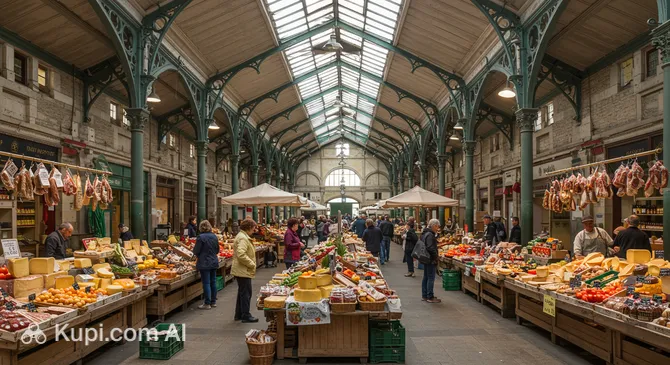
To get a real taste of local life, head to the Niort Covered Market. This is not just a marketplace, but a true architectural monument from the late 19th century in the Baltard style, constructed from cast iron and glass. A unique French provincial atmosphere reigns under its vaults: here you can find the freshest seafood, farm cheeses, and the famous local angelica sweets. The market is especially lively on weekend mornings.

Niort Covered Market. Illustration.
Source: Kupi.com AI

Traveler photos:

For those who want to dive deeper into culture and science, the Musée Bernard d’Agesci opens its doors. This unique cultural space combines three disciplines under one roof: fine arts, natural history, and the history of education. The museum is located in a beautiful former girls' high school building and is an excellent place for an educational family outing.

Local Cuisine

Niort's gastronomic scene is a wonderful blend of Atlantic gifts and the hearty peasant traditions of the Poitou region. The main culinary pride and a true symbol of the city is the angelica plant. Local masters have learned to use almost all of it: the stems are used to make emerald-colored candied fruits, which are added to pies, chocolate, and jams. This ingredient gives desserts a unique spicy taste with a light, pleasant bitterness.

City restaurants pay special attention to seasonal products. Proximity to the waters of the Marais Poitevin provides the kitchen with fresh river fish: eel stews and pike in sauce are prepared magnificently here. Meat lovers should try the traditional roast lamb or duck dishes. As a side dish, you will almost certainly be offered "mogette"—white beans stewed with vegetables, which is a classic of local cuisine.

If you are looking for a place for a tasty and filling lunch, you can stop by the Fried Chicken Niort-Sud restaurant, which serves poultry dishes that are very popular in this region. Overall, the food culture in Niort is casual: the quality of the ingredients is valued above fancy presentation, so even in small establishments, the food will be homemade and delicious.

Among the beverages, Angelica liqueur remains king. This thick, sweetish digestive with a strength of about 40 degrees is produced from the roots and seeds of the plant. It is drunk neat with ice or used as a base for refreshing cocktails. Additionally, wine lists always feature a wide selection of wines from the Nouvelle-Aquitaine region.

To immerse yourself in the local atmosphere, be sure to visit the Niort Covered Market. This is not just a landmark, but the center of gastronomic life: here you can buy and immediately taste the famous goat cheeses (such as Chabichou or Mothais-sur-Feuille), the freshest oysters brought from the coast, and fragrant pastries. Tourists often organize impromptu tastings here, enjoying the flavors of the region right at the stalls.

Travel Tips

A trip to Niort promises to be calm and relaxed, but a little preparation will make it even more comfortable and save you from unnecessary hassle. To ensure you feel confident in this cozy corner of France, we have gathered the most relevant recommendations regarding the local way of life.

  1. Clothing and Essentials: Style in the city is relaxed and casual, so evening wear is unlikely to be needed. The main rule is comfortable flat shoes, as the historic center is paved with cobblestones and walks through the natural park require comfort. Given the proximity to the Atlantic and the marshes, the weather can be changeable: even in summer, it's worth having a light windbreaker or raincoat. If you plan evening walks by the water, be sure to bring mosquito repellent.
  2. Transport: Niort is one of the few cities where public transport is completely free for everyone. The Tanlib bus network covers the entire city and its surroundings, making travel very budget-friendly. For trips around the center, the bus isn't necessary—all attractions are within walking distance. A car rental is only needed if you plan an independent trip deeper into the region.
  3. Finances: The official currency is the Euro (€). Bank cards (Visa, Mastercard) are accepted almost everywhere: in shops, restaurants, and museums. However, for purchases at the famous market or in small bakeries, it's better to have some cash (small bills). Tipping in France is not a strict obligation, as service charges are already included in the bill, but rounding up the amount or leaving a 1-2 euro coin is considered a gesture of politeness.
  4. Health and Safety: Niort is a peaceful and safe city where you can walk even late in the evening. Nevertheless, standard precautions don't hurt: keep an eye on your bags in crowded places, especially at the market. Pharmacies are easily recognized by a flashing green cross; many pharmacists speak English and can provide basic advice. The universal emergency number is 112.
  5. Communication: The primary language is French. In tourist offices and major hotels, staff speak English, but in small shops and cafes, this might be difficult. Locals really appreciate attempts to speak their language: learn basic phrases ("Bonjour"—hello, "Merci"—thank you, "S'il vous plaît"—please). This instantly improves the attitude toward a tourist. Free Wi-Fi is available in many public areas of the center.
  6. Local Etiquette: Politeness is highly valued here. When entering any shop, cafe, or even a bus, be sure to greet the staff or driver. In restaurants, it's customary to wait to be seated rather than taking a free table yourself. Also, the French speak quite quietly, so try not to raise your voice in public places.
  7. What to Avoid: Never touch fruits, vegetables, or cheeses at market stalls with your hands without the vendor's permission—this is considered rude. Also, don't plan an early dinner: most restaurants only open at 7:00 or 7:30 PM, and attempting to eat at 5:00 PM may end in failure as kitchens are closed then.
  8. Extra Tip: Remember the "French-style siesta." Many shops (except for large supermarkets) and institutions close for a lunch break from 12:30 PM to 2:00 or even 3:00 PM. Plan your shopping and important tasks for the morning hours or the latter half of the day, and dedicate lunchtime to gastronomic pleasures, just as the locals do.

By following these simple rules, you can easily blend into the rhythm of life in Niort and avoid typical tourist mistakes. Enjoy the hospitality of the locals, the delicious food, and the unique atmosphere of this city without being distracted by everyday trifles!

Entertainment & Nightlife

Nightlife in Niort differs from noisy metropolises with its intimacy and cozy atmosphere. You won't find massive nightclubs with long queues here; instead, the city is famous for its hospitable bars, pubs, and cultural venues where locals and students love to gather. An evening in Niort is primarily about socializing, good music, and leisurely walks through the beautifully lit streets of the historic center.

The epicenter of evening activity is Place de la Brèche and its surrounding quarters. This area is packed with venues featuring outdoor terraces that fill up right after sunset. In the warmer months, life also buzzes on the embankments of the Sèvre Niortaise: riverside bars offer great views and a relaxed setting. The crowd is diverse—from young people to respectable couples—and the dress code in most places is casual and relaxed.

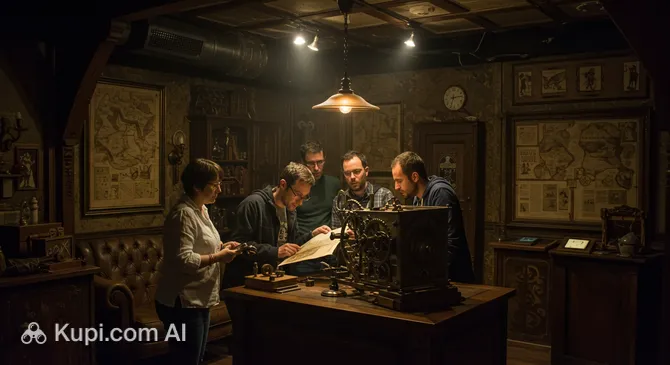
Escape Room Niort. Illustration.
Source: Kupi.com AI

Traveler photos:

For those who prefer to start their evening with active entertainment, the city offers great options for group activities. A popular spot is the Niort Escape Room. This exciting adventure is perfect for a group of friends or family, challenging you to solve puzzles and find ways out of complex situations. Such games are a great prelude to a later dinner or bar hopping.

If you're planning a long night, it's worth thinking about a hearty dinner in advance. Niort has many gastronomic spots that stay open late. Fans of simple and filling food might enjoy the Fried Chicken Niort-Sud restaurant. This place is suitable for a casual meal before heading out to dance or sample cocktails at nearby establishments.

The nighttime appearance of the main attractions deserves special attention. Even if the museums are already closed, be sure to walk to the fortress. The majestic Donjon of Niort looks completely different under the night illumination—mysterious and monumental. The square around it provides an excellent backdrop for evening photos and romantic walks.

Regarding safety, Niort is a peaceful city. The central areas (around the market, city hall, and Place de la Brèche) are well-lit and safe for walking even late at night. However, public transport stops running quite early, so if you stay out late, it's better to call a taxi or use car-sharing services. Bar prices are moderate: a glass of beer or wine costs on average 4–6 euros.

During the day, the city's entertainment program is just as rich. Cultural life is centered around the "Le Moulin du Roc" national stage, which hosts theater productions, concerts, and film screenings. The city also regularly holds street art festivals and fairs that often last until evening, seamlessly transitioning into nighttime festivities.

Parks & Museums

Niort is rightfully considered one of the "greenest" cities in France, where urban landscapes intertwine harmoniously with natural zones, and a rich historical heritage is carefully preserved in museum halls. This is a place where a park walk flows seamlessly into an excursion through medieval halls, offering tourists a perfect balance between outdoor relaxation and educational leisure.

The city's true pride is the Coulée Verte—a picturesque "green corridor" stretching along the banks of the Sèvre Niortaise River. It is an ideal spot for morning jogs, bike rides, or a leisurely stroll in the shade of plane and poplar trees. The route connects the city center with the beginning of the famous Poitou marshes, allowing travelers to watch as the urban environment gives way to wild nature.

Another important natural site is the Botanical Garden (Jardin des Plantes), located on a hillside. This terraced park offers not only a variety of flora, from exotic trees to neat flower beds, but also magnificent panoramic views of the river valley. A peaceful atmosphere reigns here, perfect for reading a book on a bench or watching the sunset.

Among cultural institutions, the Donjon of Niort holds a special place. Inside this powerful medieval fortress is a museum whose exhibition immerses visitors in the life and traditions of the Poitou region. Visitors can see reconstructions of 19th-century Poitevin house interiors, collections of traditional costumes, headdresses (the famous "calèches"), and archaeological finds detailing city life from ancient times.

The unique Musée Bernard d'Agesci cannot be overlooked. This cultural space is called "three museums in one": under the single roof of a former girls' high school, collections of fine arts (painting, sculpture), natural history (ornithology, geology), and the history of education are combined. This eclectic approach allows every visitor to find something interesting, whether it be old scientific instruments or paintings by regional masters.

Fans of industrial history and modern urbanism should visit Port Boinot. This is a former chamois leather factory transformed into a modern eco-park and cultural center. Industrial buildings reminding us of Niort's tanning past are preserved here, now surrounded by gardens, vegetable patches, and waterside relaxation areas, symbolizing the city's transformation in the 21st century.

An insider tip: pay attention to the gardens of Place de la Brèche (Jardins de la Brèche). Formerly a huge parking lot, this space has been transformed into a magnificent urban park right in the center. The lower part of the gardens is hidden from street noise and planted with aromatic plants, creating an amazing oasis of silence and scents in the heart of the city bustle.

Getting Around

The public transport system in Niort is a true gift for travelers and a rare example of exceptional hospitality. The main feature of urban mobility here is that public transport is completely free. This applies not only to local residents but to all visitors, saving tourists from having to figure out complex fare zones or look for ticket machines.

The foundation of the transport network is the bus system managed by Tanlib. There is no metro or tram in the city, as buses are the most effective solution for a population of about 60,000. The route network covers not only the historic center and residential neighborhoods of Niort but also connects the city with forty neighboring communes in the metropolitan area. The buses are modern, comfortable, and run strictly on schedule.

Since travel is free, you don't need to buy transit cards, validate tickets, or download payment apps. The boarding procedure is as simple as possible: you just enter the bus through the front door and take a free seat. The only important rule is to follow local etiquette: it is customary to greet the driver upon entering (a simple "Bonjour" is enough) and to exit through the middle or rear doors.

To plan your trips, we strongly recommend downloading the official Tanlib app or using Google Maps. In the app, you can track buses in real-time and build optimal routes. Note the operating hours: most routes start around 6:30 AM and finish around 8:00–8:30 PM. On Sundays and public holidays, the number of trips is significantly reduced, and some lines may not run at all.

Bicycles are an excellent alternative to buses in Niort. The city's terrain is mostly flat, and distances are short. The Tanlib service offers not only buses but also bicycle rentals, including electric models. Rental points and bike racks are located at key points in the city, including the railway station and Place de la Brèche. This is an ideal way to reach the start of natural trails along the Sèvre Niortaise River.

If you need to move around the city late at night when buses are no longer running, you can use taxi services. Taxi stands are located at the station and in the center, but it's better to book a car by phone or through popular aggregators in advance. For those traveling by car, there are both paid underground car parks in the center and free park-and-ride lots on the outskirts, from where you can easily reach the attractions via a free shuttle (Navette) that circulates through the city center.

Accommodation

Niort offers travelers a variety of accommodation options that will satisfy both budget tourists and those seeking extra comfort. Since the city is a major business hub (the insurance capital of France) and simultaneously the gateway to the Marais Poitevin tourist region, the hotel sector is well-developed. You will find reliable mid-range chain hotels as well as cozy family-run guesthouses (chambres d'hôtes) located in historic buildings. Apartment rentals are also gaining popularity, which is especially convenient for families and groups planning a long stay.

When choosing an area to stay, it is best to focus on the purpose of your trip. The most attractive area for tourists is the Historic Center (Centre-Ville). By staying here, you will be in the heart of the action, surrounded by pedestrian streets with shops and restaurants. This is a strategically convenient location: main attractions, such as the majestic Donjon of Niort, will be literally a few minutes' walk from your hotel. Living in the center also allows you to enjoy the evening illumination of historic buildings without needing to use transport.

If you are looking for a quieter and more romantic atmosphere, look at the quarters along the Sèvre Niortaise embankments. Hotels and guesthouses in this zone often offer views of the water and greenery, creating a resort-like feel right within the city limits. This is a great starting point for morning walks to the natural parks. For those who appreciate gastronomic delights, the Niort Covered Market is a handy landmark—staying nearby guarantees access to the freshest products and colorful breakfasts.

Booking Tips: Niort lives in two rhythms—business and tourism. On weekdays, hotels are often full of business travelers attending conferences, while in July and August, the city is flooded with tourists heading to "Green Venice." Therefore, if your trip falls in the summer or the middle of a work week, we strongly recommend booking your accommodation in advance—at least 3–4 weeks before your visit.

Price Range in Niort remains quite affordable compared to neighboring La Rochelle or Bordeaux.

  • Budget segment: Small hotels and hostels offer rooms from 50 to 70 euros per night.
  • Mid-range: Comfortable three-star hotels and quality apartments will cost between 80 and 110 euros.
  • High-end: Boutique hotels and more prestigious accommodation options start from 130 euros.

Booking is most convenient through major international online platforms, but many small guesthouses (B&Bs) welcome direct booking through their own websites, sometimes offering a complimentary breakfast as a bonus.

Nearby Cities

Niort's advantageous location in the Nouvelle-Aquitaine region makes it an excellent starting point for day trips. In just an hour or an hour and a half, you can reach the Atlantic coast, dive into medieval history, or visit unique theme parks. The city's surroundings are rich with interesting locations, each possessing its own unique character.

The most popular destination for tourists is undoubtedly La Rochelle. This famous port city is located just 56 km from Niort. Here you will be greeted by a fresh ocean breeze, the legendary towers of the Old Port guarding the harbor entrance, and one of the largest aquariums in Europe. A walk through the arcade streets and dinner with a view of yacht masts will be a great addition to your trip.

If you head northeast, after 68 km you will find yourself in the city of Poitiers. This is a place of amazing contrasts: on one hand, an enormous number of Romanesque churches and half-timbered houses have been preserved (it is known as the "city of a hundred bell towers"), and on the other hand, it is home to the famous high-tech park "Futuroscope," attracting fans of visual effects and science from all over the world.

Art and graphic enthusiasts should drive about 90 km southeast to visit Angoulême. Perched on a rocky plateau above the Charente River, this city is known as the international capital of comics. The streets here are decorated with huge murals, and in January, the city transforms into the world center of graphic art thanks to its famous festival.

Also within a comfortable driving distance are La Roche-sur-Yon—a city with a clear geometric layout founded by Napoleon—and Cholet, famous for its textile traditions and fashion. A trip to any of these cities will allow you to learn more about the culture of western France.

Below is a table with basic data about nearby cities to help you plan your route:

CityPopulationDistance
Fontenay-le-Comte13 30231 km
Parthenay10 23540 km
Perigny8 68452 km
Aytre9 24754 km
Luçon9 57656 km

Shopping & Souvenirs

Shopping in Niort is a leisurely and pleasant activity, free from the hustle and bustle of major metropolises. The city doesn't claim to be a high-fashion capital but offers an excellent balance between popular international brands and unique local artisan shops. It is particularly enjoyable to buy gastronomic souvenirs and items reflecting the spirit of the Poitou region here, combining shopping with a walk through beautiful historic streets.

Main commercial life is concentrated in the historic city center, the so-called "hyper-center." The main arteries for shopping enthusiasts are the pedestrian streets Rue Ricard and Rue Victor Hugo. Here you will find many clothing and shoe stores, perfumeries, and bookstores. Walking through this area is aesthetically pleasing thanks to the ancient architecture and lack of cars. It's also worth exploring the small alleys off these streets, where cozy boutiques with handmade jewelry and home decor are often hidden.

If you are interested in large shopping centers and well-known chain stores, head to the eastern outskirts of the city to the Espace Mendès France commercial zone. This is one of the largest shopping clusters in the region, bringing together hypermarkets, electronics stores, sporting goods, and furniture. You can get there on a free city bus, making the trip simple and economical.

However, the real soul of local trade is the markets. A must-see for every tourist is the Niort Covered Market (Les Halles de Niort). Life buzzes under the vaults of this magnificent glass and cast-iron building: here you can buy the freshest farm products, fish, and delicacies.

Speaking of souvenirs, it's impossible to leave Niort without angelica. This plant is the gastronomic symbol of the city. Look for emerald-green candied angelica stems, jams, candies, and the famous Liqueur d’Angélique in specialized confectioneries and souvenir shops. Additionally, local goat cheeses (such as "Chabichou du Poitou"), natural donkey milk soap, or leather goods—reminders of the city's rich tanning past—make excellent gifts.

Shops in central Niort are usually open from Monday to Saturday, from 9:30 or 10:00 AM to 7:00 PM. It's important to remember that many small private shops close for a lunch break from 12:30 to 2:00 PM or even 2:30 PM. Large supermarkets and shopping centers work through the day. Sunday is the traditional closing day for most shops, except for morning food markets and some bakeries.

Bank cards from major international systems are accepted everywhere, even for small amounts. Cash might only be needed at the market or for purchasing small souvenirs. Tourists residing permanently outside the European Union can use the Tax Free (Détaxe) system for one-time purchases over 100 euros in a single store, if the corresponding logo is displayed in the window.

Reached the end of the page?

That means the route is fully explored