Support

Cognac

About

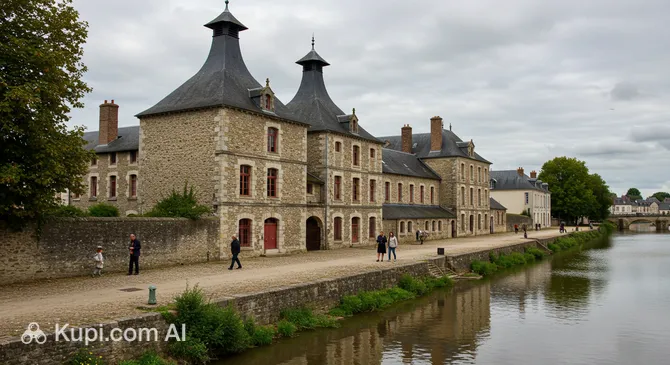
Cognac is a true French gem, nestled beautifully on the banks of the Charente River in the heart of the Nouvelle-Aquitaine region. This city, whose name is known worldwide thanks to the famous spirit, is the embodiment of elegance and traditions for which France is so famous. A special, intimate atmosphere reigns here, free from the hustle and bustle of metropolises, where every traveler feels like a welcome guest.

With a population of about 18,670 people, Cognac retains the charm of a cozy historic center. Strolling through the narrow cobbled streets, one can endlessly admire the old mansions and green embankments. The air here seems permeated with the aroma of oak barrels and vineyards, creating a unique mood at any time of year: in summer, the city is bathed in greenery, and in winter, it beckons with the warmth of its establishments.

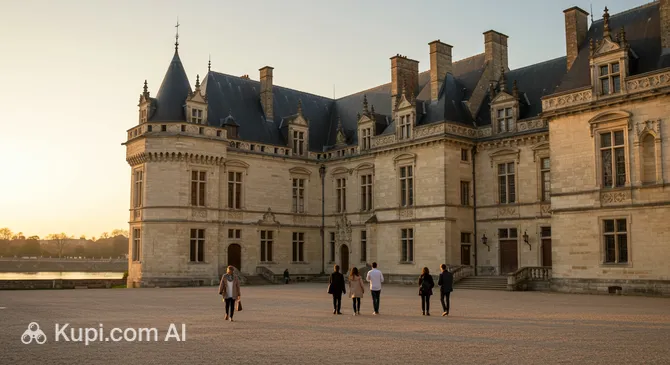
Cognac. Illustration.
Source: Kupi.com AI

The architectural appearance of the city is inextricably linked with its past. The rich history of Cognac is reflected in the majestic walls of the Royal Castle (Château de Cognac), where King Francis I was born, and in the numerous ancient cellars of the famous cognac houses. It is here, in the mysterious cool of the tasting rooms, that the legendary flavors are born, attracting gastronomy connoisseurs from all over the world.

Cognac is an ideal place for those looking for harmony between educational tourism and the enjoyment of life. Leisurely walks along the river, visiting museums, and, of course, discovering the secrets of producing the "drink of the gods" will make your visit unforgettable.

Weather Overview

The climate in Cognac can be described as mild and temperate, with a noticeable influence from the Atlantic Ocean, which makes the city pleasant to visit at any time of year. Summer brings warmth and sun: the hottest months, July and August, have an average temperature of about 21–22°C, while daily highs often reach a comfortable 27°C. This is an ideal time for walks, as the number of rainy days during this period is minimal — only about seven per month.

Winters in the region pass without severe frosts but are characterized by high humidity. In January and February, the average temperature stays in the range of 6–8°C, rarely falling below 4°C. However, travelers should bring an umbrella: for example, the highest number of days with precipitation is recorded in December (up to 16 days). Spring and autumn serve as a smooth transition, offering a pleasant coolness with average indicators from 10°C to 19°C.

Expect a warm, fairly dry summer and a cool, wet winter with moderate temperatures. To plan your wardrobe for the trip and choose the best dates, see the detailed information on what the weather in Cognac is like by month.

Average monthly temperature

Average monthly precipitation

Interesting Facts

Beyond its famous beverage and picturesque views, Cognac holds many fascinating stories and details that make a visit to this city truly special.
  • A Royal Cradle. The city is the birthplace of one of France's most famous monarchs — King Francis I. He was born in 1494 in the majestic castle known today as Château de Cognac. This place is unique because you can simultaneously touch royal history and learn the secrets of producing the noble spirit, as the castle has long been used for aging distillates.

  • The World Capital of Brandy. The production of the famous drink has been carried out here since the 17th century, and the skill of local winemakers is passed down from generation to generation. This is where the headquarters of legendary brands that have become symbols of luxury are located, such as the Hennessy Distillery and the historic House of Rémy Martin.

  • Architectural Treasures. Strolling through the old town, you can see the medieval Saint-Jacques Gate with its powerful towers and the Romanesque Church of Saint-Léger from the 12th century. Every stone of these buildings "breathes" history, creating a unique entourage of past eras.

  • Cultural Heritage. Cognac is officially listed as part of the intangible cultural heritage of France. This recognition highlights the uniqueness of the local craftsmanship ("savoir-faire") in creating the beverage, which residents are proud of and celebrate at annual themed festivals.

Château de Cognac. Illustration.
Source: Kupi.com AI

Traveler photos:

How to Get There

When planning a trip to this picturesque corner of the Nouvelle-Aquitaine region, it's worth thinking through your route in advance, as there are no direct flights to the city itself. Tourists usually choose a flight to one of the neighboring major hubs followed by a transfer. You can find out all the details and nuances of logistics by studying the page on how to get to the city of Cognac.

For those who prefer air travel, the most convenient option is Bordeaux Airport (IATA: BOD). This is a major international hub receiving many flights from different countries. It is located about 100 km from the destination, and a car journey from here will take about an hour and a half. Another option is the regional La Rochelle Airport (IATA: LRH), which is slightly closer but serves fewer destinations.

Below is information about the nearest airports that can be used to build a route:
AirportPassenger trafficDistance
La Rochelle294 15086 km
Bordeaux Airport6.6 mln100 km
Poitiers-Biard Airport93 492111 km
Roumanières Airport245 557117 km
Bellegarde Airport290 000119 km

Traveling by train is another popular and comfortable way to reach the region. Although there is no TGV high-speed train station in Cognac itself, you can reach major transport hubs nearby. One of the main options is Bordeaux-Saint-Jean Station, from where it is easy to arrange a transfer or change to a regional train. It is also convenient to use Poitiers Railway Station, located at a comparable distance.

List of the nearest major railway stations for planning your trip:
StationPassenger trafficDistance
Bordeaux Saint-Jean Station27.8 mln98 km
Poitiers Railway Station3.5 mln112 km
Agen Railway Station1.6 mln181 km
Nantes Railway Station15.5 mln194 km
Angers Saint-Laud Station5.7 mln198 km

Main Attractions

Attractions:

The city of Cognac is not just a point on the map, but a true mecca for history and gastronomy enthusiasts. Most of the iconic places here are somehow connected with the production of the legendary beverage; however, the architecture and atmosphere of these establishments are capable of impressing even those indifferent to alcohol. A walk through local attractions turns into a fascinating journey through the centuries, where every stone keeps its secrets.

One of the city's main architectural landmarks is the majestic Château de Cognac. This castle is famous not only for being the birthplace of King Francis I but also for its modern role — it houses the Baron Otard cognac house. Tourists are attracted by the unique opportunity to descend into the ancient cellars with thick walls that create ideal conditions for aging spirits and to touch the living history of France while tasting beverages in royal interiors.

Château de Cognac. Illustration.
Source: Kupi.com AI

Traveler photos:

It is impossible to imagine a visit to this city without visiting the headquarters of the most famous producer in the world. The famous Hennessy Distillery offers guests not just a tour, but a true interactive show. The journey often begins with a short boat crossing over the Charente River, after which visitors are immersed in a world of aromas and technology. Here you will be told about the complex blending process and shown the warehouses where precious stocks of "eau-de-vie" mature.

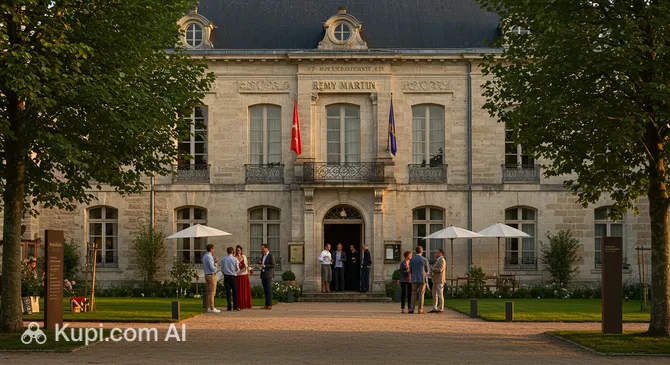
For those seeking refinement and luxury, the House of Rémy Martin opens its doors. This place is famous for its commitment to the traditions of producing cognac exclusively from grapes of the Grande Champagne and Petite Champagne sub-regions. A visit here often includes a ride on a private train through the extensive estate and an introduction to the art of barrel making, allowing you to see the inner workings of a prestigious brand.

Hennessy Distillery. Illustration.
Source: Kupi.com AI

Traveler photos:

Although cognac houses dominate the tourist program, the city itself invites leisurely strolls. Cozy parks and embankments, as well as historic buildings in the center, create a unique backdrop for relaxation after intensive tastings and excursions.

Local Cuisine

Cognac's gastronomy is a true feast for foodies, where centuries-old traditions intertwine with sophistication. In every recipe here, you can feel the influence of the region's main treasure, which adds unique notes to the dishes. Be sure to try the tender local duck cooked in a thick cognac sauce, or the freshest oysters served with grape vinegar. A special place on the table is occupied by foie gras pâté, which pairs perfectly with a crispy baguette.

Speaking of drinks, one must mention not only the "drink of the gods" itself but also the local pride — Pineau des Charentes. This is a sweet aperitif produced in the surrounding area, and it serves as a magnificent accompaniment to a meal. The culture of drinking here has been elevated to the rank of art: many restaurants offer tasting menus where each dish is paired with a specific variety of alcohol.

Rémy Martin House. Illustration.
Source: Kupi.com AI

Traveler photos:

For a deep immersion into the world of flavors, it is worth visiting the famous cognac houses. For example, the House of Rémy Martin offers not just tours, but also the chance to taste rare varieties aged for decades. This is an excellent opportunity to learn the intricacies of production and appreciate the richness of aromas directly at the source.

For those with a sweet tooth, local confectioners prepare exquisite desserts with the addition of the noble spirit: from cakes and creams to ice cream. And if you want to feel the rhythm of the townspeople's life, drop by the farmers' markets. Here, the stalls are bursting with fresh cheeses, seafood, and smoked meats, and in summer, gastronomic festivals with masterclasses from chefs often take place on the streets.

Travel Tips

Welcome to the world capital of exquisite spirits! To ensure your journey through this elegant city of France goes as smoothly as a tasting of an aged blend, we have prepared a list of useful recommendations to help you feel confident and comfortable.

  1. Clothing and Seasonality. The climate here is mild but humid, especially in winter and during the shoulder seasons. Even in summer, it's worth bringing a light jacket or cardigan for evening walks by the Charente River. The main tip: choose comfortable flat-soled shoes. The historic center is paved with cobblestones, and tours of cognac houses often involve descents into cool cellars with uneven floors.

  2. Transport. Cognac is a compact city, and its historic part is best explored on foot. Public transport is represented by Transcom network buses, but they do not run very frequently. If you plan to visit remote vineyards in the surroundings, we strongly recommend renting a car or booking a taxi in advance, as "hailing" a car on the street can be difficult.

  3. Finance. The currency is the Euro (€). Bank cards are accepted almost everywhere, including museums and restaurants. However, keep some cash with you (small denomination notes and coins) for payments at markets, in small bakeries, or for tips. In cafes, it is customary to leave 1–2 euros or round up the bill if you liked the service.

  4. Health and Safety. The city is very quiet and safe for tourists. Pharmacies are easily recognizable by a flashing green cross, but there are few 24-hour spots — the schedule for on-call pharmacies is usually posted on the doors of any of them. Tap water is drinkable, but many tourists prefer bottled water due to its specific mineral composition.

  5. Communication. In major tourist centers and cognac houses, staff speak English very well. However, in small shops and cafes, English proficiency may be basic. Download an offline translator and learn a few phrases: "Bonjour" (hello) and "Merci" (thank you) — this is a show of respect that is highly valued by locals. Wi-Fi is available in most hotels and public places.

  6. Local Etiquette. When entering a shop, bakery, or boarding a bus, always greet the staff or driver. Failing to say hello is perceived as rudeness. In restaurants, do not seat yourself at an empty table — wait for a waiter to approach and seat you.

  7. What to Avoid. During cellar tours, under no circumstances touch the walls or barrels unless the guide has given permission. The black coating on the walls is a special fungus that feeds on alcohol vapors (the "angels' share"); it is an important part of the aging ecosystem. Also, avoid noisy behavior and excessive alcohol consumption on the streets — a culture of moderate consumption is valued here.

  8. Restaurant Hours. Remember the strict meal schedule in France. Lunch usually lasts from 12:00 PM to 2:00 PM, and dinner begins after 7:00 PM. Between these hours, the kitchens of most establishments are closed, and finding a full meal will be difficult — you'll have to settle for sandwiches in bakeries.

By following these simple tips, you can avoid minor mishaps and focus entirely on enjoying the atmosphere, history, and flavors of this amazing corner of Charente. Have a pleasant trip!

Entertainment & Nightlife

Nightlife in Cognac differs from that of bustling metropolises: you won't find massive dance floors open until dawn or neon districts here. Instead, the city offers a sophisticated concept of "art de vivre" (the art of living). Evenings here are typically spent in elegant wine bars, on cozy terraces, or in gastronomic restaurants, enjoying long conversations and, of course, a glass of the local spirit. The atmosphere in establishments is usually relaxed yet respectable, so smart casual style will be appropriate almost everywhere.

The center of evening attraction is Place François Ier and the adjacent pedestrian streets. This is where most of the popular brasseries and bars are concentrated, where both locals and tourists gather. In summer, life hums on the embankments of the Charente River: many establishments open summer terraces by the water, where you can watch the sunset to the sounds of live jazz or blues. Special attention should be paid to rooftop bars at major hotels and cognac houses, which offer panoramic views of the tiled roofs of the old town.

For those who want to combine tasting with stunning views, the bar located on the territory of a famous production site would be an ideal location. For example, after visiting the complex where the Hennessy Distillery is located, you can head up to a conceptual bar (during the operating season) to try signature cognac-based cocktails. This is one of the city's trendiest spots, where modern design meets centuries-old traditions.

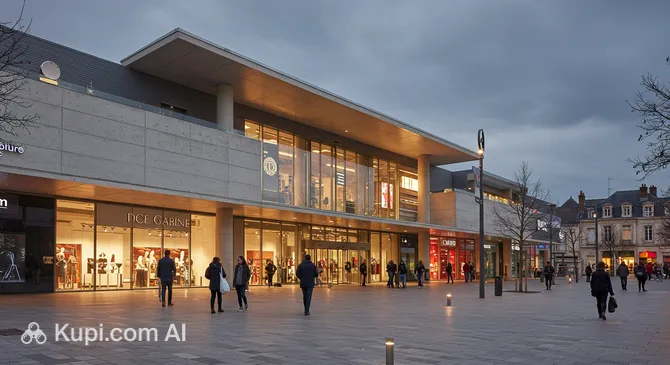
If you are looking for more active entertainment or shopping before dinner, it is worth checking out the Cognac Shopping Center. While this place is more oriented toward daytime leisure, you can find cafes and shops here to spend time pleasantly if the weather is not suitable for outdoor walks.

Cognac Shopping Center. Illustration.
Source: Kupi.com AI

Traveler photos:

Practical tips for night owls:

  • Opening hours: Most bars close around 01:00 or 02:00 AM. Restaurant kitchens usually stop taking orders as early as 9:30–10:00 PM, so plan your dinner in advance.
  • Safety: Cognac is a very safe city. You can safely walk through the historic center and embankments even late at night.
  • Transport: There are no night buses in the city. Taxi services operate, but there are few cars, especially on weekends. It is highly recommended to have the numbers of local taxi services handy or arrange a transfer in advance if you live far from the center.

The daytime cultural program is also rich and varied. In addition to gastronomic tours, the city offers visits to art museums and strolls through the picturesque public park surrounding the majestic Château de Cognac. In summer, the city turns into one big stage thanks to the famous Cognac Blues Passions festival, when concerts take place right on the streets and in gardens, lasting deep into the night.

Parks & Museums

Although the city is world-famous for the beverage of the same name, Cognac offers travelers more than just tasting rooms; it also features magnificent green oases and museums that preserve the memory of the region's rich cultural heritage. A walk through local parks and exhibition halls will allow you to see the city from a new, more peaceful and contemplative side, revealing its soul beyond the wineries.

Parc François Ier
This extensive forest park covering about 48 hectares is rightfully considered the "lungs" of the city and is protected by the state as a natural monument. Located in close proximity to the majestic Château de Cognac, the park is an ideal place for solitary walks among centuries-old oaks and lindens. Winding paths and a natural landscape create the atmosphere of an old English forest, where you can take a break from the city bustle while enjoying silence and fresh air.

Public Garden (Jardin Public)
In the heart of the city, surrounding the beautiful City Hall (Hôtel de Ville), lies the picturesque Public Garden. This is a classic English-style park created in the late 19th century, with manicured lawns, bright flower beds, artificial grottoes, and a decorative pond. Tourists are attracted here by the romantic atmosphere, the amphitheater-style summer theater, and the chance to meet free-roaming peacocks, which have become a sort of symbol of this place.

Museum of Cognac Arts (Musée des Arts du Cognac — MACO)
Located near the embankment and the Hennessy Distillery, this modern museum with an area of over 1600 m² is entirely dedicated to the history of the "drink of the gods." The exposition tells not about the production technology, but about the cultural phenomenon: the evolution of bottles, label design, advertising posters, and the craftsmanship of glassblowers. This interactive space will be of interest to everyone who wants to understand how a local product won world fame and became a symbol of luxury.

Museum of Art and History (Musée d'Art et d'History)
Housed in the elegant Dupuy d'Angeac mansion right on the grounds of the Public Garden, this museum offers an immersion into the past of the Charente region. The collection includes archaeological finds, earthenware, furniture, paintings, and everyday items. A special charm is given to the museum by the combination of rich 19th-century interiors with exhibits that tell the story of the lives of ordinary people of that era.

For wildlife lovers, a walk along the "Green Corridor" (Coulée Verte) along the banks of the Charente River will be a real discovery. This is a picturesque walking route where you can observe local fauna and enjoy views of the water, while being just a few minutes' walk from the lively center.

Getting Around

Cognac's transport system perfectly matches its intimate and cozy character. Since the city is quite compact, there is no metro or trams here, and the main and practically only type of public transport is buses. For most tourists staying in the historic center, the main attractions will be within walking distance; however, the bus network can be useful for trips to outlying districts or to large shopping centers on the outskirts.

The municipal transport network is called Transcom. It connects the city center with residential quarters, the railway station, and neighboring communes that are part of the Greater Cognac urban area. The route network consists of several regular lines (designated by letters A, B, C, etc.) that run with intervals of approximately 30 to 60 minutes. It is important to note that buses mostly run during the day — from about 7:00 AM to 7:30 PM. On Sundays and public holidays, service on most lines may be limited or entirely absent.

The fare payment system here is as simple and democratic as possible. Tickets can be purchased directly from the driver when boarding the bus (it is advisable to have small change with you). The cost of a single trip is very affordable and is usually around 1 euro. The ticket is valid for one hour and allows for transfers. For those who plan to move around a lot, there are day passes or 10-trip passes that can be bought at the specialized Espace Transcom kiosk on Place Gambetta or from network partners (in some tobacco kiosks).

An excellent alternative to buses is the bicycle. The city's terrain is predominantly flat, and picturesque bike paths are laid out along the Charente River, ideal for leisurely rides. A bike rental service operates in the city, often integrated with the Transcom transport system (the Vélomod' service). You can rent a two-wheeled vehicle for various periods — from half a day to a week, which is very convenient for tourists wishing to explore the surrounding vineyards independently.

If you need to get somewhere late at night or with heavy luggage, it is better to use a taxi. Unlike in large metropolises, it is not customary to "hail" a car on the street with a wave of a hand. There are taxi ranks at the railway station and in the center, but the most reliable way is to order a car by phone or via an app in advance. This is especially relevant for trips to restaurants outside the city limits or early departures to the station.

For regional travel (for example, to neighboring Saintes or Angoulême), the railway station (Gare de Cognac) is used. It is located about 10–15 minutes' walk from the central Place François Ier. Regional TER trains stop here, serving as a convenient addition to the city's transport system, allowing you to quickly and comfortably reach other interesting locations in the Charente department.

Accommodation

The choice of accommodation in Cognac, much like the city itself, is characterized by elegance and a commitment to tradition. There aren't many huge chain hotels here, but cozy boutique hotels located in historic buildings, charming guest houses (chambres d'hôtes), and apartments are widely represented. The range of offers varies from budget options near the station to luxury estates where you can feel like a true aristocrat.

Where best to stay: City districts

For most tourists, the ideal place to stay is the Old Town (Vieux Cognac). This is a labyrinth of narrow cobbled streets where the main life is concentrated. By choosing a hotel here, you will be within walking distance of restaurants, shops, and the main historical attraction — the majestic Château de Cognac. Living in the center is also convenient for those who plan to move on foot: all the key museums will be literally around the corner.

Another popular location is the embankment of the Charente River. Hotels located here offer picturesque views of the water and a calm atmosphere. This is an excellent choice for a romantic weekend. In addition, it is easy to get to the famous production sites from here, such as the Hennessy Distillery, which is located on the bank. If you are traveling by car and looking for peace and quiet, consider accommodation options in the city's surroundings, among the vineyards, where rooms in old farmhouses are often for rent.

Booking tips and prices

Cognac is a small city, and the number of rooms in good hotels is limited. It is strongly recommended to book accommodation in advance (at least 2–3 months), especially if your trip falls during the summer season or the days of the Cognac Blues Passions festival (usually in July). During these periods, finding a free room on the day of arrival is practically impossible.

The pricing policy in the city is moderate but depends on the level of comfort:

  • Budget segment: Small 2-3 star hotels or apartments will cost 60–90 euros per night.
  • Mid-range: Comfortable rooms in the center or high-quality guest houses cost on average 100–160 euros.
  • Luxury: Staying in five-star hotels or exclusive spa complexes starts from 200–250 euros per night.

It is most convenient to book through major international online platforms; however, many intimate guest houses have their own websites where prices may be slightly lower when contacting them directly.

Nearby Cities

For those looking to explore the surroundings, Cognac serves as an excellent starting point for day trips to several interesting nearby locations. The Nouvelle-Aquitaine region is rich in historical and cultural discoveries that are easily accessible by car or train.

Just a half-hour drive away is Saintes — a city with an impressive Roman heritage. Here you can travel back to ancient times by visiting the ancient amphitheater and seeing the Arch of Germanicus, which majestically rises on the riverbank. Art and graphic novel enthusiasts should definitely visit Angoulême, located on a picturesque plateau. This city is known as the world capital of comics: its streets are decorated with huge murals, and the annual festival attracts thousands of fans. If you are drawn to the sea, head to La Rochelle. The old port with its famous guardian towers, the lively atmosphere on the embankments, and excellent seafood restaurants will provide unforgettable impressions of meeting the Atlantic.

CityPopulationDistance
Saintes25 28725 km
Angoulême41 71138 km
Soyaux9 76141 km
Rochefort23 58456 km
Royan18 49956 km

These nearby destinations provide an insight into the diverse culture and landscapes of the region, making your trip even richer and more multi-faceted.

Shopping & Souvenirs

Shopping in Cognac is a pleasant addition to the cultural program, allowing you to take home a piece of the French "art de vivre" (the art of living). You won't find endless rows of global mass-market brands here like in Paris, but you can enjoy strolling through cozy boutiques offering high-quality clothing, home decor, and, of course, gastronomic delights. The city is famous for its specialized shops where the main focus is on local products and craftsmanship.

The heart of the city's commercial life is the pedestrian streets in the historic center, radiating from Place François Ier. The main shopping artery can be called Rue d'Angoulême. This is a lively pedestrian zone where clothing stores, perfumeries, bookstores, and jewelry salons are concentrated. Strolling here, tourists can combine shopping with sightseeing of ancient architecture, occasionally looking into the windows of small family shops that often offer unique goods unavailable in large chains.

For those who prefer more concentrated shopping or need a wide range of goods in one place, the Cognac Shopping Center is suitable. This is a modern space where fashion clothing, accessories, electronics, and household goods stores are gathered under one roof. It is convenient to shop here in any weather, and the presence of parking makes it attractive for car travelers.

City markets deserve special attention as they are an important part of local culture. The main point of attraction for gourmets is the Covered Market (Les Halles), located in a beautiful 19th-century building reminiscent of the architecture of the famous Parisian Baltard market. It operates in the mornings from Tuesday to Sunday. An incredible atmosphere reigns here: the stalls are bursting with the freshest seafood (Marennes-Oléron oysters are a must-buy), farmhouse cheeses, vegetables, and meat delicacies. It is the best place to buy edible souvenirs or products for a picnic.

Speaking of souvenirs, it is impossible to leave Cognac without a bottle of the eponymous spirit. It is best to purchase it directly in the boutiques at the cognac houses or in specialized wine shops (cavistes) in the city center, where you will be offered rare vintages and professional advice. Besides alcohol, a popular gift is Pineau des Charentes (the local aperitif), as well as the famous "guinettes" — cherries in cognac covered in dark chocolate. Glass and oak products, reminiscent of winemaking traditions, are also valued.

Shops in the city center are usually open from 10:00 AM to 7:00 PM, but it's worth remembering the traditional French lunch break, which can last from 12:30 PM to 2:30 PM, especially in smaller boutiques. Sunday is a day off for most shops, except for food markets, which operate until noon. Bank cards (Visa, MasterCard) are accepted almost everywhere, but at the market or in small souvenir shops, cash may be required for small amounts.

Tourists residing permanently outside the European Union can use the Tax Free system (VAT refund) when purchasing goods for an amount exceeding 100 euros in one shop. Be sure to look for the "Tax Free" sticker in the window and don't forget to ask the seller to issue a special form (bordereau de vente) when paying, which will then need to be presented at customs when leaving the EU.
Reached the end of the page?

That means the route is fully explored