Support

Angouleme

About

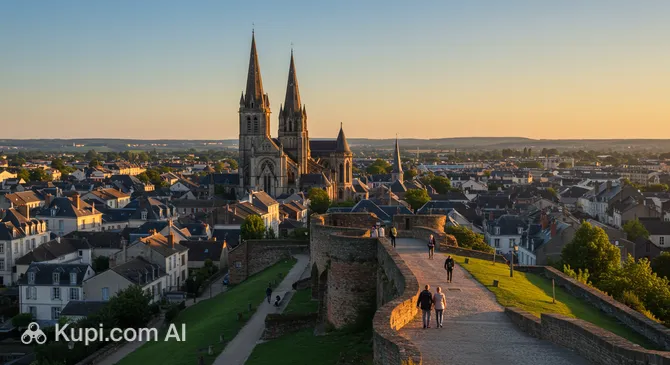
Angoulême is the heart of the French province, cozily situated on a picturesque hill overlooking the Charente River. The city is located in the center of the Nouvelle-Aquitaine region, making it an ideal starting point for exploring the southwest of the country. If you are planning a trip through France, be sure to stop by here to enjoy breathtaking views of the green valley from the heights of the ancient ramparts.

Angoulême. Illustration.
Source: Kupi.com AI

Despite its status as the administrative center of the Charente department, the city, with a population of about 41,700, maintains a friendly and intimate atmosphere. It is easy to feel at home here while walking through the winding streets and relaxing in cozy cafes. The rich history of Angoulême has left behind a magnificent legacy: from the 12th-century Romanesque Cathedral of Saint-Pierre to the majestic Town Hall, which combines Gothic and Renaissance elements.

However, the city's true fame comes from its modern culture. Angoulême is known as the international capital of comics. The city literally breathes creativity: the facades of buildings are decorated with vibrant frescoes and murals, turning the streets into an open-air museum. This is a place where the past meets a creative future, inviting tourists to be inspired by art and experience authentic French charm without the bustle of large metropolises.

Weather Overview

The climate in Angoulême can be described as mild and temperate, making the city pleasant to visit at almost any time of year. Thanks to the ocean's influence, there is no extreme heat or harsh frosts here, though travelers should be prepared for variable cloudiness.

Summer is the most popular time for a visit. In July and August, the average temperature stays around 21–22°C, and during the day, the air often warms up to a comfortable 26–27°C. This is also the driest period of the year: the number of rainy days drops to eight per month, which is ideal for long walks through ancient streets and comic festivals.

Winters here are cool but without severe cold. In January and February, the thermometer rarely drops below +3°C, with average values fluctuating around 6–8°C. December is considered the wettest month, with precipitation occurring up to 17 days. To make sure you pack the right wardrobe, be sure to check the detailed weather in Angoulême for your travel dates before you go.

Spring and early autumn offer a pleasant freshness. In May and September, the temperature is about 15–19°C, though it's still worth bringing an umbrella: rain during this period is not uncommon. Overall, expect a warm summer with occasional rain and mild, wet winters.

Average monthly temperature

Average monthly precipitation

Interesting Facts

Angoulême is not just a beautiful city on a hill, but a place with a surprising history and unique traditions. Beyond its main attractions, it holds many fascinating secrets revealed only to curious travelers.

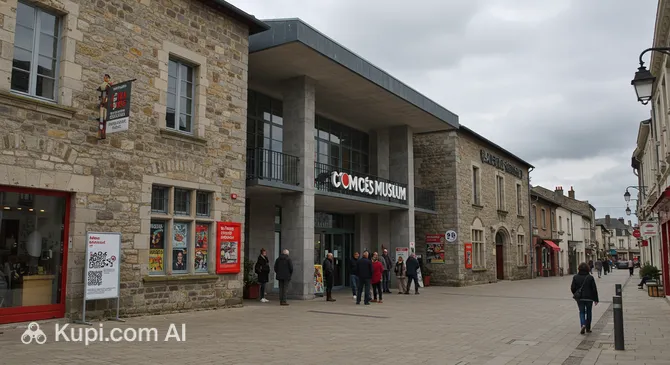
  • The city is officially recognized as the world capital of the "ninth art." The streets here have been turned into a real open-air museum: many house walls are decorated with massive frescoes and murals featuring graphic novel characters. To fully immerse yourself in this atmosphere, you should visit the Comic Strip Museum, which houses a unique collection of works from around the world.

  • Historically, Angoulême was a major center for the paper industry in France. Today, "Le Nil" museum operates in the buildings of former factories on the Charente River. There, you can see ancient machines in action and learn how centuries-old production traditions became an integral part of the region's modern culture.

  • This corner of the country was the birthplace of many outstanding personalities. For example, Jean-Louis Gassée, one of the key executives at Apple in the 1980s, and the famous artist Jean Giraud, known as Moebius, whose work had a colossal impact on the global comic book industry, were both born here.

  • Local residents carefully preserve their traditions by organizing colorful festivals. A special place is held by "La Nuit des Bandes Dessinées"—the Night of Comic Strips. During this time, the city literally doesn't sleep: street performances, exhibitions, and meetings with authors take place, turning Angoulême into a hub for fans of the genre from all over Europe.

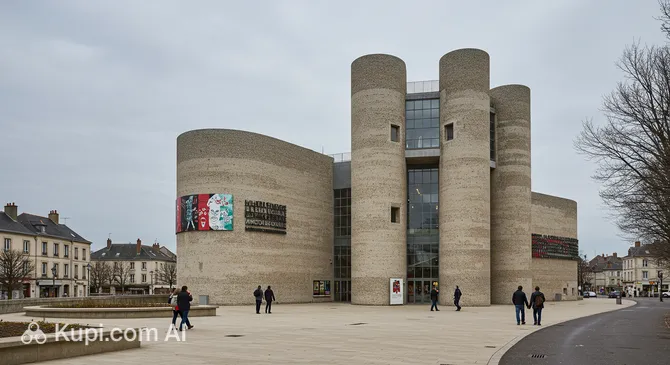
Comics Museum. Illustration.
Source: Kupi.com AI

Traveler photos:

How to Get There

When planning a trip to this picturesque corner of the Nouvelle-Aquitaine region, it's worth thinking about your route in advance. Since there is no active passenger airport in the city itself, you can get here via neighboring major transport hubs. Traveling through France is comfortable thanks to the developed railway network. You can study all the ways to get to the city of Angoulême on a separate page, but here we will look at the most optimal options.

The nearest large international air hub is Bordeaux Airport (IATA: BOD), located 114 km from the city. This is the most convenient option for most tourists. From the airport, you can reach the Bordeaux train station, from where a high-speed train will whisk you to Angoulême in less than an hour. If you decide to rent a car, the drive will take about 1.5 hours.

Alternatively, you can consider regional airports such as Poitiers–Biard Airport or Bellegarde Airport in Limoges. They are closer (within a radius of 80–105 km) but handle fewer flights. A car trip from these airports will also take on average 1 hour 20 minutes to 1.5 hours.

Below is a table with the main airports in the vicinity:

AirportPassenger trafficDistance
Bellegarde Airport290 00083 km
Roumanières Airport245 55796 km
Poitiers-Biard Airport93 492105 km
Bordeaux Airport6.6 mln114 km
La Rochelle294 150120 km

The railway is certainly the fastest and most convenient way to reach Angoulême from neighboring metropolises. The city is located on a high-speed train line (TGV). A key transfer hub is Bordeaux-Saint-Jean Station (IATA: ZFQ). From here, TGV trains reach Angoulême in just 35–40 minutes. This is much faster and more comfortable than traveling by bus or taxi.

From the north, Poitiers Railway Station (IATA: XOP) serves as a convenient transfer point. The high-speed train covers the 104 km distance in about 40–45 minutes. Thanks to its excellent location on the Paris-Bordeaux main line, you can easily plan a trip with minimal travel time.

List of the nearest major railway stations for planning your route:

StationPassenger trafficDistance
Poitiers Railway Station3.5 mln105 km
Bordeaux Saint-Jean Station27.8 mln107 km
Agen Railway Station1.6 mln164 km
Tours Railway Station6.5 mln198 km
Saint-Pierre-des-Corps Station4.3 mln198 km

Main Attractions

Attractions:

Angoulême is a city of amazing contrasts, where medieval architecture harmoniously coexists with modern street art. A walk through its streets feels like a journey through time: from the grandeur of Romanesque temples to vibrant images from graphic novels. Here are a few iconic places that you should definitely include in your travel itinerary.

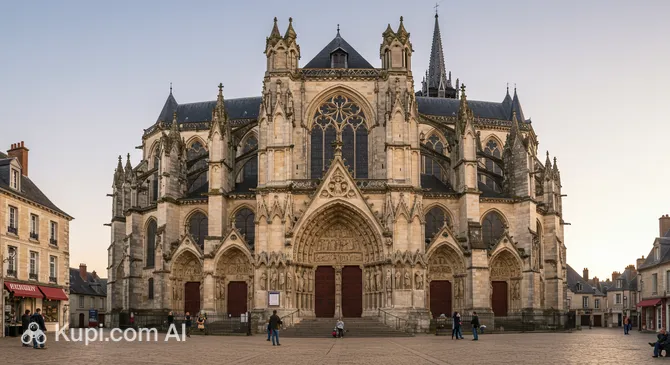
The absolute dominant feature of the city is the majestic Angoulême Cathedral (Saint-Pierre). This masterpiece of Romanesque architecture, built in the 12th century, captures the imagination with its unique facade. More than 70 sculptural scenes depicting the Last Judgment and the Ascension are carved into it, making it a true "stone Bible." Walk around the building to appreciate the scale of the domes and the elegance of the bell tower rising above the old town.

Angoulême Cathedral. Illustration.
Source: Kupi.com AI

Traveler photos:

For fans of modern culture, the Comic Strip Museum is a must-see. Located in converted wine warehouses on the banks of the Charente River, it houses one of the most extensive collections of graphic art in Europe. Here you can see original sketches by iconic authors, rare editions, and immerse yourself in the history of the "ninth art" from its origins to the present day. This place will be of interest not only to fans of the genre but to everyone who appreciates creativity and visual aesthetics.

History and ethnography enthusiasts should visit the Museum of Angoulême, located next to the cathedral in the former bishop's palace. Its exhibition is surprisingly diverse: from paleontological finds telling the story of the region's prehistoric past to an impressive collection of art from Africa and Oceania. A stroll through its halls will provide a sense of tranquility and allow you to learn a lot about the cultural heritage of this part of France.

Local Cuisine

Angoulême's gastronomic scene is a harmonious blend of rustic simplicity and French refinement, reflecting the richness of the Charente region. The local cuisine is famous for its meat delicacies and cheeses. Be sure to try Charente goat cheese, which has a delicate creamy taste with the aroma of meadow herbs, perfectly paired with a fresh, crispy baguette. For lovers of heartier dishes, traditional pâtés (grillons) and duck—prepared in many variations, from confit to rich stews—will hit the spot.

The proximity to the Atlantic Ocean brings its own flavors to the menu: fresh oysters can always be found at local markets and restaurants. However, the city's true signature in the world of sweets is the Galette Charentaise—a traditional cake made with butter and angelica that melts in your mouth. It's the perfect dessert to accompany a cup of coffee after a long walk along the fortress walls.

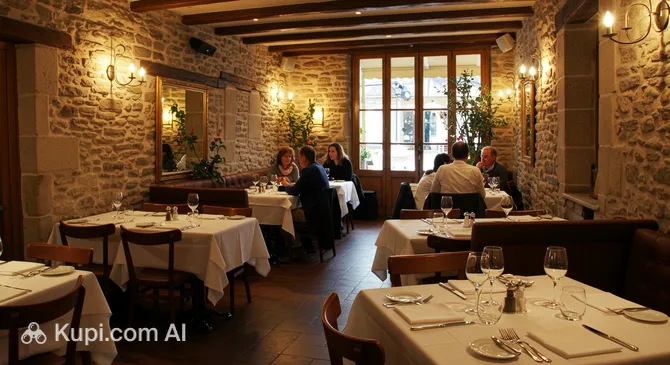
La Cour. Illustration.
Source: Kupi.com AI

Traveler photos:

When it comes to drinks, one cannot forget that Angoulême is in close proximity to the Cognac production zone. However, for an aperitif, locals often choose Pineau des Charentes—a sweet and aromatic fortified wine made by blending grape must and cognac spirit. It is served chilled and is excellent for stimulating the appetite before dinner.

The food culture here encourages a slow enjoyment of life. Tourists and locals often meet at weekly farmers' markets to buy local products or relax in cozy establishments in the center. If you are looking for an atmospheric place for lunch, visit La Cour restaurant, where you can appreciate local hospitality. And for those who want to spend an evening in a more casual setting with a drink, Bar-restaurant L’Espérance is a great choice.

Travel Tips

Angoulême is a city with a special charm, where medieval streets intertwine with the vibrant world of comics. To ensure your journey to this picturesque corner of the Nouvelle-Aquitaine region is as comfortable and carefree as possible, we have prepared a list of useful recommendations to help you plan your trip.

  1. Clothing and Footwear. The city is located on an elevation, and you will be walking a lot on cobblestones, steep climbs, and ramparts. Leave your high heels at home—comfortable sneakers or flat boots will be your best choice. The weather here can be changeable, so even in summer, it's worth having a light windbreaker or cardigan for evening walks.

  2. Transport. Angoulême's historic center (Le Plateau) is compact and best explored on foot. For trips to the lower part of the city or neighboring districts, use the STGA (Möbius) bus network. Renting a car is only justified if you plan trips to the vineyards or the Charente valley; within the old town, parking is limited and the streets are very narrow.

  3. Finances. The official currency is the Euro. Bank cards are accepted almost everywhere, but in small bakeries, souvenir shops, or markets, terminals may only work for purchases over a certain amount (e.g., from 10 euros). Always carry some cash in coins and small bills. In France, service is usually included in the bill, but leaving 1–2 euros on the table is considered good etiquette.

  4. Health and Safety. Angoulême is a calm and safe city. However, in crowded tourist spots, especially during the International Comics Festival, keep an eye on your personal belongings. Pharmacies are easily recognized by a green flashing cross; if you need help at night or on a Sunday, look on any pharmacy door for the list of duty points (Pharmacie de Garde).

  5. Communication. Although staff in tourist offices and large hotels speak English, this is not guaranteed in small cafes and shops. Download an offline translator and learn a few basic phrases. Locals greatly appreciate attempts to speak their language, even if it's a simple "Merci" (thank you). Free Wi-Fi is available in many public places, including the gardens by the town hall.

  6. Local Etiquette. Politeness is the key to the hearts of the locals. When entering a shop, cafe, or boarding a bus, be sure to say hello: a loud and clear "Bonjour" (daytime) or "Bonsoir" (evening) is a mandatory ritual. Ignoring this rule can be perceived as rudeness.

  7. What to Avoid. Don't plan lunch for 3:00 PM or 4:00 PM. Unlike in tourist megacities, kitchen hours are strictly observed here: lunch is typically served from 12:00 PM to 2:00 PM, and dinner starts after 7:00 PM. In between, you'll only find sandwiches or pastries in bakeries.

  8. Mural Hunting. Angoulême is the capital of comics, and those aren't just words. Be sure to stop by the tourist office for the "Murs Peints" (Painted Walls) route map. Don't limit yourself to the main streets: the most interesting frescoes are often hidden in side alleys and courtyards, and finding them will turn into an exciting quest.

We hope these tips help you feel the rhythm of life in Angoulême and avoid minor inconveniences. Enjoy every moment in this amazing city, where art lives right on the walls of the houses and history breathes in every stone!

Entertainment & Nightlife

Angoulême's nightlife is concentrated in its historical center—the "Plateau" (Le Plateau). While the city doesn't claim to be a bustling club capital, there is a special, creative atmosphere supported by numerous students from animation and comic strip schools. Evenings here are typically spent slowly, enjoying conversations on outdoor terraces or listening to live music in cozy venues.

The epicenter of evening activity is the area around Place des Halles and its adjacent streets, such as Rue de Genève. This is where the highest concentration of pubs, wine bars, and bistros is found. People come here to grab an aperitif after work or study. The crowd is diverse and casual, so there's no strict dress code in most places—casual style is appropriate everywhere.

To start your evening, a dinner at La Cour is an excellent choice. This establishment features a pleasant interior and a relaxed atmosphere, where you can enjoy a delicious meal before heading out to explore the city's bar scene. If you're looking for a place where food meets a casual bar vibe, check out Bar-restaurant L’Espérance. It is a popular meeting spot for locals and is often very lively.

Most bars are open until 1:00 or 2:00 AM, and it is especially lively from Thursday to Saturday. Prices in Angoulême are quite reasonable compared to large metropolises: a glass of beer or wine will cost on average 5–7 euros. Those who love to dance should look for places labeled "Club" or "Discothèque" closer to the edges of the center, though it's worth remembering that the nightlife here is more intimate than large-scale.

In terms of safety, Angoulême is a peaceful city. Walking through the illuminated historic center at night does not cause concern. However, given the city's terrain, walking back to your hotel can be tiring. Public transport practically stops running at night, and catching a taxi on the street is difficult. It is better to save the numbers of local taxi services in advance or order a car through an app.

Daytime entertainment in the city is just as varied. Besides museum tours, cultural life thrives at the National Theater (Théâtre d'Angoulême) and the modern Cité cinema complex. There are also bowling centers and escape rooms in and around the city for active recreation with friends or family. In summer, open-air concerts are often held, transforming ancient squares into makeshift stages.

Parks & Museums

Angoulême uniquely combines the dynamics of a cultural capital with the tranquility of a green provincial town, offering tourists relaxation for both the mind and soul. You can spend the morning exploring ancient artifacts and, after lunch, enjoy the quiet in shaded alleys or on the banks of the Charente River.

Among the natural areas, Jardin Vert (Green Garden) is particularly popular—a picturesque garden laid out at the foot of the fortress walls. It is an ideal spot for leisurely walks among sculptures, rose gardens, and centuries-old trees, where summer concerts are often held. For more active outdoor recreation, head to Parc de Frégeneuil. Located on the riverbank, it offers excellent conditions for picnics, children's games, and bike rides, making it a favorite holiday spot for local families.

The city's cultural life is centered in its unique exhibition spaces. The main historical treasury is the Museum of Angoulême, located next to the cathedral in the former bishop's palace. Its collection is impressively diverse: from paleontological finds discovered in the Charente valley to an extensive collection of art from the peoples of Africa and Oceania. This is a must-visit for those who want to broaden their horizons and see rare ethnographic exhibits.

Angoulême Museum. Illustration.
Source: Kupi.com AI

Traveler photos:

Of course, the city's calling card remains the "ninth art." The world-renowned Comic Strip Museum (Cité internationale de la bande dessinée) attracts graphic novel fans from all over the planet. It houses thousands of original plates, rare editions, and interactive exhibits that reveal the process of creating drawn stories. Also worth noting is the Museum of Paper (Le Musée du Papier), located in an old mill on the river. It tells the story of the city's industrial past when Angoulême paper was famous throughout Europe.

The architectural dominant connecting the eras remains the majestic Angoulême Cathedral. This Romanesque masterpiece with its famous facade serves as a perfect landmark during walks through the historic center. For panoramic views, walk along the ramparts (Remparts), which offer a breathtaking view of the valley and the tiled roofs of the lower town.

Insider tip: Instead of a regular guidebook, follow the "Painted Walls" route (Circuit des Murs Peints). This is a sort of open-air museum consisting of more than 20 massive frescoes on building walls. Find the "La Fille des Remparts" fresco—it is considered one of the most atmospheric and photogenic in the city but is often missed by tourists in a hurry.

Getting Around

Angoulême's transport system is compact, well-thought-out, and handles the local landscape perfectly. The main operator of passenger transport is the Möbius network. Since there are no metros or trams, the main load falls on buses. Travelers should remember the High Service Level (BHNS) lines—A and B. These buses run more frequently than usual, travel in dedicated lanes, and provide a quick connection between the railway station and the historic center located at the top of the hill.

The payment system is convenient and varied. The most popular option for tourists is a single ticket (Ticket 1 voyage), which is valid for one hour and allows for transfers. It's most advantageous to buy tickets in advance: via the Möbius mobile app, at machines at major stops, or at the sales office on Champ de Mars square. You can also buy a ticket from the driver when boarding, but it will cost slightly more. An SMS purchase option is also available for subscribers of local operators.

Strict control rules apply throughout France, and Angoulême is no exception. A ticket must be validated every time you board a bus, even if you are just transferring from one route to another. Fines for traveling without a ticket or with an unvalidated one can be substantial. When planning evening outings, note that buses usually run until 9:00 PM–10:00 PM, and intervals increase on Sundays and holidays.

Given that the heart of the city sits on a high plateau, walking uphill can be tiring. A great alternative is the city's electric bike rental system, Véliplane. Thanks to the electric motor, you'll easily overcome steep slopes while enjoying the city panorama. Rental points are located in strategic places, making this mode of transport very popular among visitors.

Taxis in Angoulême work according to a classic scheme: catching a car on the street by waving your hand is practically impossible. Cars wait for passengers at specially designated ranks (for example, at the station) or arrive by pre-order. This is the most comfortable way to get to your hotel at night. For those driving themselves, remember that parking is limited in the historic center, and the streets can sometimes be very narrow.

Accommodation

The choice of accommodation in Angoulême is quite diverse and capable of meeting the needs of most travelers, although you won't find an abundance of massive five-star resorts here. The city offers cozy boutique hotels located in historic buildings, reliable mid-range chain hotels, as well as a wide selection of apartments and guest houses (chambres d'hôtes) that allow for a deeper immersion into the atmosphere of the French province.

In terms of location, the most attractive area for tourists is "Le Plateau"—the historic city center situated on the hill. By staying here, you will be within walking distance of the main attractions, restaurants, and the famous painted walls. Living on the Plateau allows you to enjoy evening strolls through ancient streets without the need to use transportation.

Another popular district is L'Houmeau, located at the foot of the hill, near the Charente River and the railway station. This is a strategically convenient spot for those traveling by train or planning trips around the region. From here, it's easy to reach the Comic Strip Museum, and accommodation prices are often a bit more affordable than in the heart of the old town.

Important booking tip: Angoulême lives by the rhythm of its cultural events. If your trip coincides with the dates of the International Comics Festival (usually at the end of January), you must book accommodation several months, or better yet, six months in advance. During this period, the city is packed, and finding a vacant room is almost impossible. At other times of the year, especially in summer, it is recommended to book your stay 2–3 weeks before your visit.

The price range in the city can be described as moderate compared to Paris or Bordeaux. Budget options and small studios can be found starting from 50–60 euros per night, while comfortable mid-level hotels will cost between 80–120 euros. Booking is most convenient through popular international online platforms, where the widest selection and up-to-date guest reviews are available.

Nearby Cities

For those wishing to explore the surrounding area, Angoulême serves as an excellent starting point for day trips to several interesting nearby locations:

Just an hour's drive away is the town of Saintes, which will transport you back to antiquity. It preserves an impressive Roman amphitheater and the ancient Arch of Germanicus, reminding visitors of the region's rich past. Gastronomy and architecture enthusiasts should visit Périgueux—the capital of the historic Périgord region. This city is famous for its unique Byzantine-style Saint-Front Cathedral and its renowned markets featuring truffles and foie gras. And if you are interested in fine arts, head to Limoges, a world-famous center for porcelain and enamel production.

CityPopulationDistance
Soyaux9 7613 km
Cognac18 67038 km
Saintes25 28763 km
Saint-Junien11 25764 km
Périgueux30 06068 km

These nearby destinations provide a glimpse into the diverse culture and landscapes of the region.

Shopping & Souvenirs

Shopping:

Shopping in Angoulême is a relaxed and pleasant activity that perfectly complements strolls through the historic center. You won't find the bustle of huge metropolises here, but you can enjoy the atmosphere of cozy boutiques and bookshops. Since the city is situated on a hill, main commercial life is concentrated in the "Plateau" (Le Plateau) area. A feature of local retail is the abundance of shops dedicated to pop culture and graphic novels, which is not surprising for the world capital of comics.

The city's main shopping artery is the pedestrian street Rue Hergé, named after the creator of Tintin. Here, amidst beautiful architecture, you'll find shops of popular French and international clothing, cosmetics, and accessory brands. Walking along it, you'll seamlessly transition to Rue Goscinny (named after the author of Asterix), where the shopping route continues. In the labyrinth of narrow streets in the Old Town (Vieil Angoulême), independent boutiques, art galleries, and antique shops hide, where you can find unique handmade items.

For those who prefer a concentration of shops in one place, the Galerie Champ de Mars shopping center operates in the very heart of the city. This modern space is conveniently located near the main pedestrian zones. Inside, you'll find a supermarket, fashion boutiques, sporting goods, and a large electronics and book department, making it a convenient spot for quick and practical purchases.

It's impossible to imagine a French city without a market, and Angoulême is no exception. The covered market Les Halles d’Angoulême is a true temple of gastronomy, located in a magnificent 19th-century glass and iron building. It's worth coming here in the morning to buy the freshest local products: cheeses, seafood, vegetables, and meat delicacies. The atmosphere is lively and authentic, and the building's architecture is worth seeing in its own right.

The choice of souvenirs in Angoulême is closely tied to its cultural and gastronomic heritage. Here is what you should bring back with you:

  • Comics and memorabilia: This is the best gift from Angoulême. Check out specialized bookstores or the gift shop at the Comic Strip Museum. You can find rare editions, posters, and figurines of favorite characters there.
  • Charentaise slippers: Traditional checkered felt slippers known for their incredible comfort. They are a practical and warm souvenir that will last a long time.
  • Local delicacies: A bottle of Pineau des Charentes aperitif or a box of "Marguerites d’Angoulême" chocolates in the shape of a daisy will be excellent tasty reminders of your trip.

Shops in Angoulême are generally open from 10:00 AM to 7:00 PM, Monday through Saturday. It is important to remember that many small boutiques, especially outside main streets, close for a lunch break from 12:30 PM to 2:00 PM or 2:30 PM. On Sundays, most shops are closed, except for some food stalls and markets operating in the morning. Credit cards (Visa, Mastercard) are accepted almost everywhere, but it's better to have some cash for market purchases or small souvenirs.

Tourists residing permanently outside the European Union can take advantage of the Tax Free system (VAT refund) when purchasing goods for over 100 euros in one shop. Be sure to look for the "Tax Free" sticker in the window and remember to ask the salesperson to fill out a special form (bordereau de détaxe) when paying at the register, which you will then need to present to customs upon leaving the EU.
Reached the end of the page?

That means the route is fully explored