Support

Sceaux

About

Sceaux is a small but incredibly cozy town in the Île-de-France region, located just a few kilometers from Paris. This place is ideal for travelers who want to enjoy a measured pace of life without moving far from the dynamic capital. It is this multifaceted France that attracts those who appreciate a harmonious combination of modern comfort and traditional provincial charm.

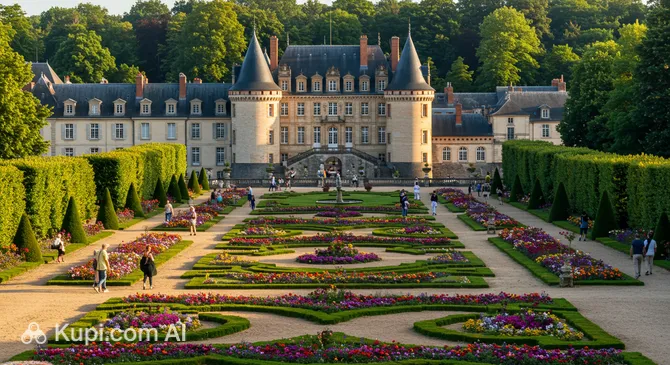
Sceaux. Illustration.
Source: Kupi.com AI

Despite its compact size and population of about 20,000, the town boasts a well-developed infrastructure and a special, tranquil atmosphere. Sceaux is literally immersed in greenery: picturesque parks and well-kept alleys make it a wonderful place for outdoor walks. Here you can see old buildings, look into cozy cafes, and walk along quiet streets where the rich history of Sceaux intertwines with modernity.

The main point of attraction for guests is the magnificent park ensemble and cultural sites that allow you to immerse yourself in an authentic environment without noisy crowds of tourists. The town is famous for its green zones, where locals love to spend their free time, and architectural monuments that create the unique look of this corner of the region.

Sceaux is worth visiting to see the "real" life of a French suburb, take a break from the hustle and bustle of the metropolis, and enjoy sincere hospitality. It is an excellent choice for those looking for inspiration in tranquility and beauty.

Weather Overview

The climate in this corner of France is mild and temperate, which makes trips comfortable in almost any season. Summer in Sceaux usually delights with warmth without exhausting heat: the average temperature in July and August is about 20°C, and on the warmest days, the air warms up to 25°C. This is an ideal time for long walks along the town's famous park alleys.

Winters here are cool but not freezing. In January, average figures stay at the level of 5°C, and night temperatures rarely drop below 2-3°C. When planning a trip, it is worth considering that rains are frequent guests here: the number of days with precipitation varies from 8 in summer to 15 in the off-season. To avoid making a mistake with your choice of clothing and umbrella, we recommend finding out in advance what the weather in Sceaux will be like for the dates of your trip.

Expect a comfortable warm summer and a cool, often cloudy winter with occasional precipitation throughout the year.

Average monthly temperature

Average monthly precipitation

Interesting Facts

In addition to the main architectural monuments and picturesque parks, Sceaux holds many fascinating secrets that reveal the city from a new side. Behind the quiet facade lie legends and traditions that give this place a unique atmosphere.

  • The Mystery of the Ancient Spring. One of the most intriguing city legends is associated with the local church. Long-time residents say the temple was built on the site of an ancient spring, the waters of which, according to legend, possessed healing properties. This story still attracts travelers to the church walls, hoping to touch the mystery of the past.

  • From Village to Modernity. The history of the city is not full of loud global upheavals, and that is its beauty. Sceaux has evolved from a modest rural settlement to a comfortable town, managing to maintain its connection with nature. On some streets, you can still find old houses that remember the times when agriculture flourished here.

  • Hidden Cultural Life. Sceaux is a city where live communication and local initiatives are honored. Cozy festivals, fairs, and sports competitions are regularly held here; they do not strive for world records but create a wonderfully warm and soulful atmosphere that unites residents and guests.

How to Get There

The city of Sceaux is located in close proximity to the French capital, making it easily accessible for travelers from all over the world. Thanks to the well-developed transport network of the Île-de-France region, you can get here quickly and comfortably. You can explore all the ways to get to the city in more detail on a separate page, and below we will look at the key transport hubs most often used by tourists.

The closest to Sceaux is Orly Airport (IATA: ORY). There is no airport in the city of Sceaux itself, however, Orly is located in the city of Paris, just 7.5 km from your destination. This is an international airport that receives many flights. A taxi or transfer ride from the terminal to the center of Sceaux will take approximately 30–35 minutes, depending on traffic conditions.

For international flights, Charles de Gaulle Airport (IATA: CDG)—the main air gateway to France—is also often chosen. It is located in the city of Paris, at a distance of approximately 32.1 km from Sceaux. The journey by car from here will be longer and will take about 1 hour and 10 minutes. This is a major transport hub where most transcontinental flights arrive.

For clarity, here is summary information on the main airports located in the region:

AirportPassenger trafficDistance
Paris Orly Airport33.1 mln8 km
Charles de Gaulle Airport70.3 mln32 km
Beauvais-Tille Airport6.5 mln76 km
Saint Gatien Airport65 664169 km
Val de Loire Airport206 084190 km

If you prefer to travel by train, the region offers excellent opportunities. One of the most convenient points of arrival is the Massy TGV Station (IATA: XJY). It is located not in Sceaux itself but in a neighboring transport hub (indicated as Paris in the data), just 5.9 km from the city center. This allows you to reach your destination by taxi or bus in about 25–30 minutes.

It is also worth noting the major railway hub Gare du Nord (North Station, IATA: XPG). It is located in the center of Paris, approximately 12.2 km from Sceaux. Trains from London, Brussels, and Amsterdam arrive here. The travel time by car from the station to Sceaux will be about 40 minutes.

Below is a table with the nearest railway stations for planning your route:

StationPassenger trafficDistance
Massy TGV Station1.5 mln6 km
Gare de Lyon113.2 mln9 km
Gare de l'Est34 mln12 km
Gare du Nord Station220 mln12 km
Marne-la-Vallée–Chessy Station11.5 mln37 km

Main Attractions

The main jewel of the city is undoubtedly the magnificent Parc de Sceaux. This grand garden and park ensemble was designed by the famous André Le Nôtre, the creator of the gardens of Versailles. Tourists are drawn here by the perfect geometry of the alleys, majestic cascades, and the Grand Canal. The park is especially popular in the spring, when the cherry orchard blooms in one of its sections: guests from all over the region flock here to admire the pink clouds of flowers and have a picnic under the trees.

In the center of the park stands the elegant Château de Sceaux. The current building, constructed in the 19th century in the Louis XIII style, looks very festive thanks to the characteristic combination of red brick and light stone. Inside the castle is the Musée de l'Île-de-France, which houses a rich collection of paintings, ceramics, and furniture. The exhibition allows you to immerse yourself in the history of the region and learn more about the life of the French aristocracy of past centuries.

Another architectural landmark worth noting is the Pavillon de l’Aurore. This small but exquisite 17th-century building is located in the gardens and is famous for its dome painted by the renowned artist Charles Le Brun. The pavilion is considered one of the best examples of classical architecture of that time and creates a wonderfully romantic atmosphere for leisurely strolls.

For those who want to feel the rhythm of the city's modern life, the pedestrian Rue Houdan is a must-visit. This is the lively heart of Sceaux, where the best local pastry shops, cheese stores, and cozy cafes are concentrated. A walk here will allow you to feel the true taste of the French "art de vivre" (art of living), try local delicacies, and purchase gastronomic souvenirs.

Local Cuisine

The local cuisine of Sceaux is a benchmark of French provincial gastronomy, where the quality of products and loyalty to tradition are paramount. People here do not chase fleeting culinary trends, preferring to cook according to old recipes. In the menus of cozy family restaurants, you should pay attention to classic meat dishes and hearty soups prepared with special attention to detail. The region is also famous for dishes made from seasonal vegetables, whose taste is revealed thanks to the skill of local chefs.

An integral part of the gastronomic experience in Sceaux is the baking culture. The morning here traditionally begins with a French breakfast: a hot croissant, a fresh baguette with butter, and a cup of strong coffee. Throughout the day, locals and tourists often stop by small bakeries to buy fresh sandwiches or pastries. This is the perfect street food option for those who want a snack while walking around the town.

The center of attraction for foodies on weekends is the farmers' markets. This is the best place to try and buy famous local cheeses, homemade sausages, and delicacies. The atmosphere at the market is always lively and friendly, allowing you to feel the true rhythm of the town's life. As for drinks, it is customary here to serve French wines with lunch or dinner, paired with the main course, and to conclude the meal with hot drinks in pleasant company.

Travel Tips

Preparing for your trip is the key to a calm and fulfilling vacation. Sceaux is a welcoming and safe town, but knowing local characteristics will help you avoid awkward situations and save time. We have compiled a list of useful recommendations that will make your journey through this picturesque corner of the Île-de-France region as comfortable as possible.

  1. Clothing and Shoes. The climate here is temperate but changeable, so it's best to dress in layers to easily adapt to changes in the weather. Since the main attraction is a huge park, be sure to bring comfortable shoes for long walks. If you plan to enter active churches, choose modest clothing that covers shoulders and knees.

  2. Transport. Sceaux is excellently connected to the capital by the RER B line (Sceaux or Parc de Sceaux stations), so renting a car is not a necessity here. Within the town itself, it is most pleasant to move around on foot. To call a taxi, it's better to use official apps (like Uber or G7), as hailing a car on the street in the suburbs can be difficult.

  3. Finances and Payment. The official currency is the Euro (€). Most restaurants and shops accept bank cards, but France maintains a love for cash in small shops: for buying a baguette in a bakery or souvenirs at the market, it's better to have small bills and coins with you. Tips are usually already included in the bill, but leaving 1-2 euros as a token of gratitude is considered good form.

  4. Health and Safety. Sceaux is considered a very quiet and safe area, but standard precautions (watching your bag in crowded places) still apply. Pharmacies are easy to find by the flashing green cross; many pharmacists speak English. Tap water is safe to drink unless there are warning signs.

  5. Communication and Language. The main language is French. Although staff in tourist spots may speak English, locals greatly appreciate politeness: be sure to learn the words "Bonjour" (Hello) and "Merci" (Thank you). For mobile internet, it is more profitable to buy a local prepaid SIM card (e.g., Orange or SFR) at tobacco kiosks or mobile phone stores.

  6. Local Etiquette. It is customary to say hello when entering any shop, cafe, or even a bus. This is not just a formality but an important part of the social culture. In public places, try to speak quietly: noisy behavior is not welcome here and may cause disapproval from those around you.

  7. What to Avoid. Do not have picnics on the park lawns where it is clearly not allowed (look for "Pelouse interdite" signs). Also avoid visiting popular places during peak hours on weekdays (from 8:00 to 9:30 and from 17:00 to 19:00) when locals are commuting to or from work.

  8. Seasonal Tip. If your visit falls in April, be sure to check the dates for the cherry blossom season in Parc de Sceaux. This event turns into a real "Hanami" festival in the French style, and to get a good spot for photos or relaxation under the blooming trees, it's better to come to the park early in the morning.

Following these simple tips, you can feel in Sceaux not just like a tourist, but like a welcome guest. Enjoy the atmosphere, delicious food, and magnificent views of this wonderful town!

Entertainment & Nightlife

Sceaux is not a city of noisy raves and neon signs open until dawn. The nightlife here has its own special, aristocratic, and measured character, fully consistent with the spirit of this cozy suburb. Evenings in Sceaux are created for those who appreciate "art de vivre" (the art of living): long dinners with wine, cultural events, and leisurely walks in a safe environment. If you are looking for wild parties, the proximity to the capital makes it easy to combine staying in quiet Sceaux with nightly adventures in Paris.

The epicenter of evening activity is the pedestrian Rue Houdan. This is where most of the establishments are concentrated, where locals love to spend time after work. The atmosphere here is very friendly and relaxed; the crowd is mostly local families, students from nearby universities, and the intelligentsia. The dress code in most places is casual, but a "casual chic" style will be most appropriate.

For cultural leisure in the evening, pay attention to the Les Gémeaux Theater. This is a national stage (Scène Nationale), known for its high-quality productions, jazz concerts, and dance shows. Another iconic spot is the historic Le Trianon cinema. The 1950s building is a landmark in itself, and it often screens art-house films and hosts meetings with directors. This is a great option for a quiet, intellectual evening.

If your soul demands dancing and large-scale clubs, the best solution is to head to Paris. Thanks to the RER B line, the journey to the Latin Quarter or Châtelet takes only about 20–25 minutes. Trains run until late at night (usually until 00:30–01:00; check the schedule), and on Fridays and Saturdays, you can use the Noctilien night buses if you stay in the capital until morning.

Practical Tips and Safety:

  • Safety: Sceaux is considered one of the safest suburbs of Paris. Night walks in the center and the park area do not cause concern, but as with everywhere, you should remain vigilant.
  • Prices: The average bill in bars and restaurants in Sceaux is often slightly lower than in central Paris, but the quality of products remains high. A glass of wine will cost approximately 5–8 euros.
  • Taxis: It is difficult to hail a car on the street at night. It is recommended to use the Uber or G7 apps, or pre-order a transfer if you plan to return late.

As for daytime entertainment, Sceaux offers a rich program for history and nature lovers. In addition to walking through the famous park and visiting the Musée de l'Île-de-France in the castle, you can visit local art galleries or enjoy shopping in the boutiques on the central streets. The city is perfectly balanced: by day it offers inspiration and aesthetic pleasure, and by evening—coziness and gastronomic delights.

Parks & Museums

The cultural and natural landscape of the town of Sceaux is a harmonious intertwining of an aristocratic past and a desire for an eco-friendly lifestyle. The town is rightly proud of its green spaces, which occupy a significant part of the territory, and museum collections that preserve the memory of the great eras of French history.

The undisputed dominant feature among the green zones is Parc de Sceaux. Although it has already been mentioned as the main attraction, its scale deserves separate attention: it is not just a garden, but an entire ecosystem covering more than 180 hectares. Here you can find both formal French parterres designed by André Le Nôtre and wilder, wooded areas ideal for a secluded getaway. Of particular interest to outdoor enthusiasts is the Grand Canal, along which picturesque running tracks are laid out.

Another important natural artery is the Green Corridor of Southern Paris (Coulée verte du Sud Parisien). This unique linear space passing through Sceaux connects the capital with the suburbs. For tourists, it is an excellent opportunity for a bicycle ride or a jog away from motor roads, while enjoying views of modern landscape architecture. A more democratic and modern atmosphere reigns here compared to the classic grandeur of the palace park.

Among the museum sites, the Musée de l'Île-de-France, located within the walls of the castle, takes center stage. Its exposition is the key to understanding how these lands have lived for centuries. Not only works of art are presented here, but also unique collections of ceramics, as well as documents telling about the development of the Paris region. The museum is interesting because it allows you to look at the history of France through the prism of the life of one of the most influential provinces.

Connoisseurs of fine arts should pay attention to the Stables Gallery (Galerie des Écuries). Temporary exhibitions of painting, photography, and contemporary art are regularly held in the building of the former stables of the Sceaux estate. This space often becomes a place of dialogue between classical 17th-century architecture and current artistic statements, attracting those seeking new impressions.

From an architectural point of view, the town is adorned by the Church of Saint-Jean-Baptiste (Église Saint-Jean-Baptiste). Founded back in the 12th century, it has preserved features of different eras and is a guardian of the town's spiritual history. Tourists will be interested in seeing the old stained-glass windows and feeling the silence of this sacred place, contrasting with the busy streets of the center.

Insider Tip: If you want to see an unusual architectural monument not included in standard guidebooks, take a walk to Lycée Lakanal. This prestigious educational institution is located in a magnificent building from the end of the 19th century, surrounded by its own park. Although entry inside is limited, an external inspection of this "temple of science" makes a strong impression and allows for atmospheric photos without crowds of tourists.

Getting Around

The transport system in Sceaux is part of the extensive and efficient network of the Île-de-France region. Since the town is a close suburb, it is perfectly integrated into the capital's infrastructure, allowing tourists to move quickly and comfortably. The main mode of transport here is the railway connection, supplemented by an extensive network of bus routes.

The town's main transport artery is the RER B express train line. It operates on the principle of a ground-level metro and connects Sceaux with the center of Paris and both international airports. Within the town limits, there are two stations: Sceaux and Parc de Sceaux, and the branch's terminus, Robinson, is nearby. Trains run frequently, with intervals of 5 to 15 minutes depending on the time of day. The journey to the center of the capital (for example, Châtelet station) will take only about 20–25 minutes.

In addition to the trains, RATP buses and local Vallée Sud Bus routes run in the town. They are convenient for travel between Sceaux districts or to neighboring towns where the railway does not reach. The buses are modern, clean, and run on a schedule that can be found at stops or in mobile applications. It is important to remember that it is customary to enter the bus through the front door, greeting the driver.

The fare payment system has its nuances, as Sceaux is in Fare Zone 3. A regular Ticket t+ used in the Paris metro is only suitable for bus trips here. For RER travel, you will need to buy a special "Origine-Destination" ticket (point-to-point), selecting the destination station in the machine. If you plan to travel a lot, it is more profitable to purchase a Navigo Découverte pass (weekly pass) or a Paris Visite tourist card (for zones 1–3), which cover all types of transport.

Tickets can be purchased at machines at any RER station (the menu is available in English and other languages) or through official mobile apps such as Bonjour RATP or Île-de-France Mobilités. The latter features a convenient function for buying tickets directly from your phone, which is then used as a contactless card at the turnstiles. Be sure to keep your ticket until the very exit from the station, as exit turnstiles also require validation, and inspectors work frequently.

As an alternative to public transport, the Vélib' Métropole bike-sharing system is popular in Sceaux. You can take a regular or electric bike at one of the automatic stations and return it to any other point in the network, including Paris. This is a great way to see the town in good weather. Taxi services and popular ride-hailing apps (Uber, Bolt) are also available, but walking is best for short trips around the compact town center.

If you stay late in Paris, remember that RER trains stop running around one in the morning. After this time, you can get to Sceaux on the Noctilien night buses (lines N14 or N21), which depart from major transport hubs in the capital. This is a safe and budget-friendly way to return to your hotel at night.

Accommodation

Choosing accommodation in Sceaux has its own characteristics, dictated by the status of this city as a prestigious and quiet suburb of Paris. Here you will not find noisy tourist hostels or huge resort complexes. The bulk of the offers consist of cozy mid-range hotels, often belonging to famous French or international chains, as well as private apartments and guest houses (chambres d'hôtes) that allow you to feel like a true local.

As for neighborhoods to stay in, Sceaux is quite compact, and almost any location here will be a good choice. However, the most attractive area is the historic center around the pedestrian Rue Houdan. Staying here, you will be within walking distance of the best bakeries, the market, and the entrance to the famous park. Another convenient option is to choose accommodation near the RER stations (Sceaux or Robinson), which will provide you with quick and direct access to the center of Paris.

The price range in Sceaux can be characterized as "average" and "above average." Although the cost per night here is generally lower than in the central districts of the capital, Sceaux is not a budget destination due to its exclusivity. Travelers looking for maximum savings should consider renting small studios through online platforms or look for budget chain hotels in neighboring towns (e.g., Antony or Massy), which are only one or two stops away by train.

Booking Tip: Since the number of hotels in the town itself is limited, rooms in them are in high demand, especially during the spring and summer seasons. If your trip coincides with the cherry blossom period in Parc de Sceaux (April), we strongly recommend booking your accommodation several months in advance. For searching and payment, it is most convenient to use major international aggregators, as not all small local hotels have their own direct booking systems in English.

Nearby Cities

For those who want to explore the surrounding area, Sceaux serves as an excellent starting point for day trips to several interesting nearby places:

Just a few minutes' drive away is Issy-les-Moulineaux. This city attracts tourists with an unusual combination of modern architecture and cozy green zones, the main one being the park on the Île Saint-Germain with its impressive sculpture by Jean Dubuffet. Also located here is the unique Museum of French Playing Cards, which will be of interest to history and design lovers.

Lovers of silence and nature should pay attention to Clamart. The town borders the picturesque Meudon forest, offering excellent opportunities for hiking and picnics. The historic center of Clamart has preserved the atmosphere of old France, making it a pleasant place for leisurely sightseeing and relaxation in local cafes.

Very close by is Antony — Sceaux's nearest neighbor. It is a lively town known for its magnificent market, which is considered one of the largest and highest-quality in the region. A trip here will allow you to plunge into the authentic everyday life of the French and purchase the freshest local products.

CityPopulationDistance
Fontenay-aux-Roses25 5311 km
Chatenay-Malabry34 1702 km
Le Plessis-Robinson30 0612 km
Bourg-la-Reine21 0502 km
Clamart52 9263 km

These nearby destinations provide an insight into the diverse culture and landscapes of the region.

Shopping & Souvenirs

Shopping in Sceaux reflects the aristocratic spirit and the measured lifestyle of this suburb. Here you will not find noisy retail giants or endless rows of mass-market brands. Instead, the town offers you to enjoy the "art de vivre" (the art of living) culture: small boutiques, family shops with a century of history, and exquisite gourmet stores create an atmosphere of comfort and exclusivity. This is the ideal place for those looking for high-quality goods, unique accessories, and the best products of the region.

The heart of the town's commercial life is the famous Rue Houdan. This lively pedestrian artery is considered one of the most popular shopping streets in the Île-de-France region. Walking along it, you will find dozens of clothing stores, stylish interior items, bookstores, and perfume boutiques. However, the street's main fame lies in its gastronomic establishments: some of the best pastry, cheese, and butcher shops are located here, with display cases that look more like works of art.

There are no huge shopping and entertainment complexes in Sceaux itself, which allows the town to maintain its intimate atmosphere. Fans of large-scale shopping with world brands should head to neighboring districts or to Paris, which is just a short trip away. Within the town, trade is concentrated in the format of street retail and small galleries, where owners often personally greet customers and help with choices.

Markets occupy a special place in the life of the townspeople. The main Sceaux Market (Marché du Centre), located near the pedestrian zone, is open on Wednesday and Saturday mornings. It is a true paradise for gourmets: the freshest seafood, farm vegetables, and fruits attract buyers from all around. On Sundays, a Bio Market (Marché Bio) often unfolds here, where you can purchase organic products. Visiting the market is not just about buying food, but an important social ritual and an opportunity to immerse yourself in the authentic French environment.

As souvenirs from Sceaux, it is best to bring gastronomic delights. Pay attention to handmade chocolate from local chocolatiers or a set of French cheeses, which they will vacuum pack for convenient transport. Also, a great gift would be souvenirs from the shop at the Château de Sceaux: there you can find high-quality reproductions, art books, stylish stationery, and decor items inspired by the history of the estate.

Shops in Sceaux are usually open from 10:00 to 19:00 from Tuesday to Saturday. It is important to remember that many small shops may close for a lunch break (roughly from 13:00 to 14:30 or 15:00). On Sunday, life is in full swing only in the first half of the day: grocery stores and the market work until 13:00, after which the town goes quiet. Monday is traditionally a day off for most boutiques. Bank cards (Visa, MasterCard) are accepted almost everywhere, but the market or a small bakery may require cash for small purchases.

The Tax Free (Détaxe) system is available to tourists from non-EU countries for a one-time purchase of more than 100.01 euros in one store. However, not all retail outlets in Sceaux provide this service; it mainly concerns larger clothing or decor boutiques. Be sure to check for a "Tax Free" sticker on the window or ask the salesperson before paying to issue the necessary documents for a VAT refund.
Reached the end of the page?

That means the route is fully explored