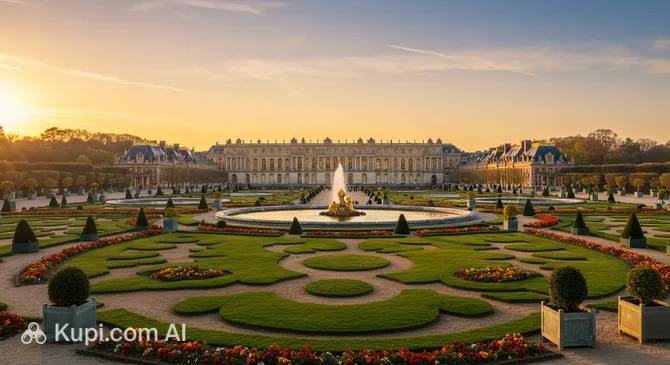
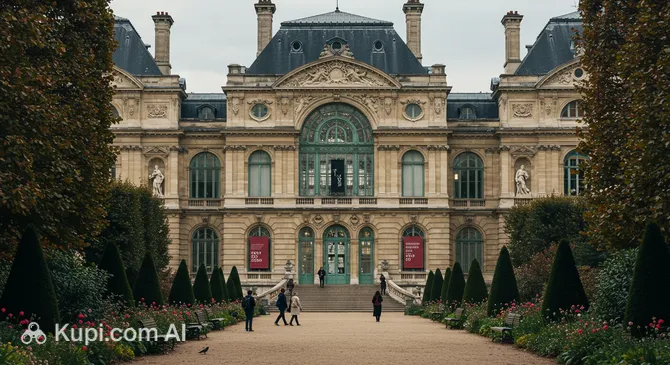
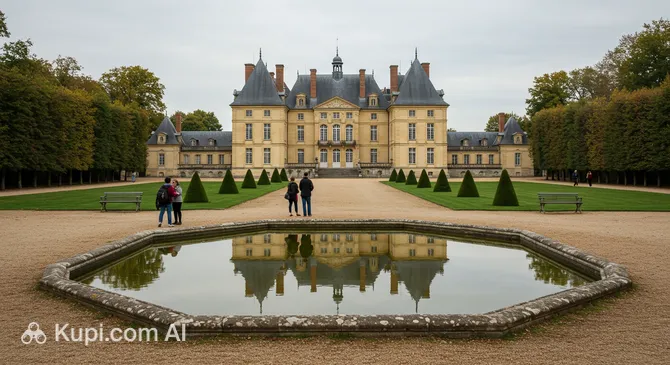
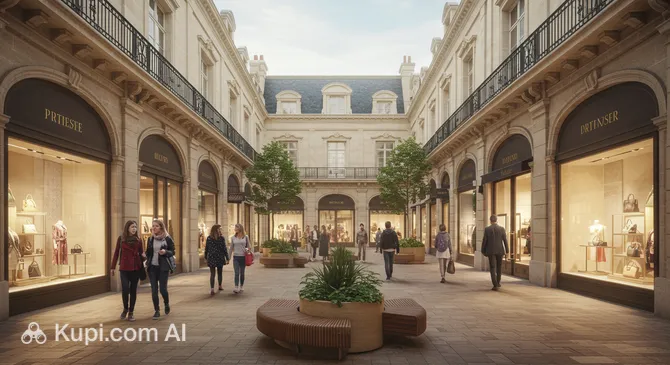
Versailles is not just a city, but a true gem of France, a world-famous symbol of royal majesty and refined art. Located near Paris, it attracts travelers with its unique atmosphere, where every corner breathes history.
Versailles. Illustration.
Source: Kupi.com AI
The city is situated in the picturesque Île-de-France region and is one of the country's most significant cultural centers. The population of Versailles is about 85,000 people. The climate here is temperate continental, with warm summers and mild winters, making it an attractive destination to visit year-round.
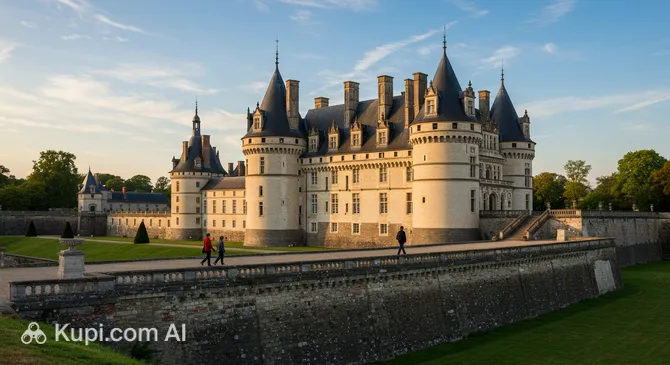
The main attraction, drawing millions of tourists, is undoubtedly the magnificent Palace of Versailles (Château de Versailles) – the former residence of French monarchs, which impresses with its scale and luxury. An integral part of the palace complex are the famous Gardens of Versailles, a masterpiece of landscape design with fountains, sculptures, and manicured alleys. The city of Versailles itself is also charming with its old streets and elegant architecture.
A trip to Versailles is a unique opportunity to immerse yourself in the era of French kings, enjoy masterpieces of world art, and simply have a pleasant time. This city undoubtedly will leave you with bright and unforgettable impressions.
The weather in Versailles changes depending on the season, offering different conditions for visitors. Summer here is generally warm: the average temperature in the hottest months, July and August, is about +19.8°C, while maximum daytime values can rise to +24-25°C. Precipitation in summer is not heavy, averaging 2-3 mm per month, but occasional rains are possible. Winters in Versailles are cool, but usually without severe frosts, with an average January temperature of about +5°C and minimum temperatures dropping to +2.5°C. There is also a small amount of precipitation in winter, although the number of days with rain can be quite high, especially in December and March (about 16 days). Overall, expect warm summers with occasional rain and cool winters with frequent but usually light precipitation. For more detailed information on weather conditions in different months, visit the Versailles Climate page.
Average monthly temperature
Average monthly precipitation
Interesting Facts
Beyond the world-famous palace and its gardens, Versailles holds many surprising stories and little-known details that make it even more intriguing and multifaceted. Here are just a few of them:
Petit Trianon. Illustration.
Source: Kupi.com AI
Traveler photos:
The city of Versailles is not an accidental settlement that grew around the palace. It was meticulously planned and built from scratch as a unified ensemble with the royal residence, serving as a grand stage for court life. This distinguishes it from many European cities that formed over centuries.
The famous "King's Kitchen Garden" (Potager du Roi), created by order of Louis XIV, was not just a vegetable garden for the royal table. It functioned as an advanced research center in horticulture, where they experimented with plant acclimatization and new growing methods. It continues its work today, preserving rare varieties of vegetables and fruits.
Versailles is home to the Royal Tennis Court (Salle du Jeu de Paume), which became the arena for one of the key events of the French Revolution. It was here in 1789 that the deputies of the Third Estate took the famous Tennis Court Oath, vowing not to disperse until a constitution was drafted.
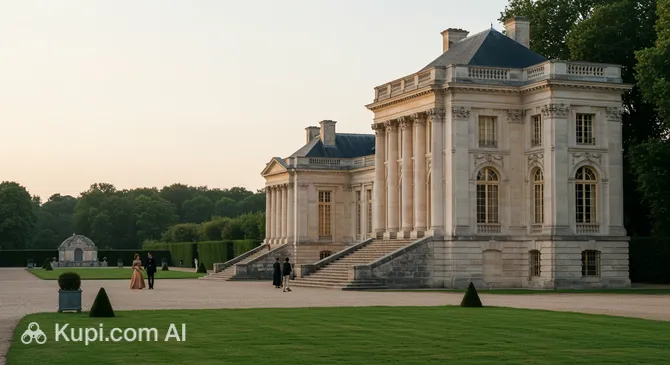
The elegant Petit Trianon, strongly associated with Marie-Antoinette as her private refuge, was originally built by Louis XV for his mistress, the Marquise de Pompadour. The Queen only took possession of it much later, adding another layer to the history of this secluded palace.
How to Get There
Reaching Versailles, famous for its magnificent palace and park complex, is possible in several main ways. Most often, tourists arrive via Paris international airports and then continue by train or car.
The main air gateways for travelers heading to Versailles are the major international airports of Paris. The closest and one of the most convenient is Orly Airport (ORY), located in Paris, approximately 18.9 km south of Versailles. A taxi ride from here to Versailles will take roughly 45–60 minutes, depending on traffic. Another major international hub is Charles de Gaulle Airport (CDG), also in Paris, about 38.7 km northeast of Versailles. A taxi transfer from Charles de Gaulle can take from 1 to 1.5 hours. Both of these airports are well-connected to central Paris, from where Versailles can be easily reached by RER Line C suburban trains. There is also Beauvais-Tillé Airport (BVA), located near Paris and serving mainly low-cost airlines; however, it is much further away, about 72.5 km from Versailles, so the journey from there will take longer.
For clarity, here is a summary of the main airports used to reach Versailles:
Rail connections also play a vital role in the transport accessibility of Versailles. Although Versailles itself is served by several of its own railway stations (e.g., Versailles-Chantiers, Versailles-Rive Gauche) where RER C trains from Paris arrive, travelers coming on high-speed TGV trains from other regions of France or Europe usually arrive at one of the major Paris stations. Among these, the closest station to Versailles is the Massy TGV Station (XJY), located in Paris, about 12.9 km away. From here, you can reach Versailles by taxi or by transferring to local trains. Other significant Parisian stations, such as Gare du Nord (XPG) or Gare de Lyon (LYY), are also major transport hubs. From these stations, a transfer to RER Line C trains is required, which go directly to Versailles stations, such as Versailles-Château - Rive Gauche, located in the immediate vicinity of the famous palace.
Below is information about some major railway stations in the vicinity from which you can continue your journey to Versailles:
Additionally, Versailles is easily accessible by car from Paris and other nearby cities via a well-developed road network. Local buses and taxi services are available for getting around within the city itself.
Main Attractions
Versailles is, above all, synonymous with the grandiose Palace of Versailles (Château de Versailles) and its magnificent gardens, which are the main pilgrimage destination for millions of tourists. This palace and park ensemble, the former residence of French kings, impresses with its scale, the luxury of its interiors, and the perfect geometry of its gardens. However, besides this world-famous wonder, the city itself and its surroundings hold other treasures worthy of your attention.
One of the gems of the Versailles estate is the Petit Trianon. This elegant palace, inextricably linked with the name of Queen Marie-Antoinette, served as her private refuge from courtly life. Visitors are drawn to its refined architecture, charming interiors, and the surrounding picturesque English Garden with the Temple of Love and the Queen's Hamlet. This place allows you to feel a more intimate and personal side of royal life.
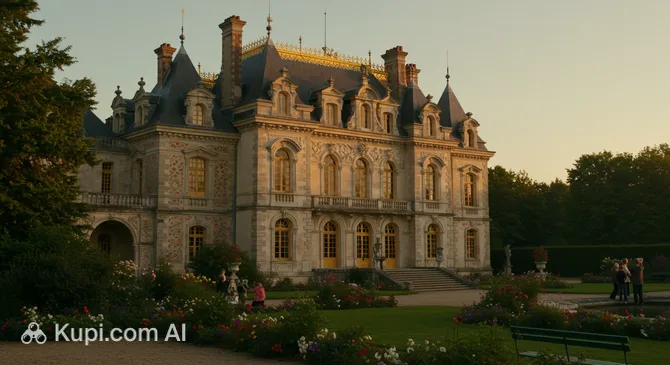
Not far from Versailles, in the town of Le Port-Marly, lies the amazing Château de Monte-Cristo – a fairytale castle built by the famous writer Alexandre Dumas. This eclectic mansion, surrounded by an English-style park, is the embodiment of the fantasies of the author of "The Three Musketeers" and "The Count of Monte Cristo." A visit to the castle and the neighboring neo-Gothic study, the Château d'If, will allow you to plunge into the world of the great novelist and admire his extraordinary personality.
Château de Monte-Cristo. Illustration.
Source: Kupi.com AI
Traveler photos:
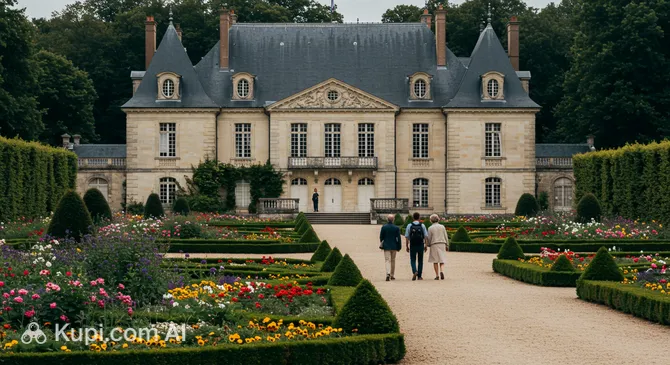
Another iconic site associated with great names in French history is the Château de Malmaison, located in Rueil-Malmaison. This elegant castle was the favorite residence of Napoleon Bonaparte and Empress Josephine. Today, it houses a museum dedicated to their lives and era. Visitors can see personal belongings of the imperial couple, perfectly preserved interiors, and enjoy a walk through the magnificent park, where Josephine gathered a unique collection of roses.
Château de Malmaison. Illustration.
Source: Kupi.com AI
Traveler photos:
Also deserving of attention is the majestic Château de Saint-Germain-en-Laye, located in the town of the same name. This former royal castle with a rich centuries-old history was the residence of many French monarchs. Today, its walls house the National Archaeology Museum, which boasts one of the richest collections of archaeological finds in Europe, from the Paleolithic to the Merovingian era. A stroll along the castle terrace, designed by André Le Nôtre, offers breathtaking views of the Seine Valley and Paris.
Château de Saint-Germain-en-Laye. Illustration.
Source: Kupi.com AI
Traveler photos:
Local Cuisine
Versailles' gastronomy, as one would expect from a city with such a rich royal past, is closely tied to the best traditions of French cuisine. Here, refinement, quality of ingredients, and elegant presentation are valued, making every meal a small event. A journey to Versailles is not just an encounter with history, but also an opportunity to enjoy sophisticated flavors reflecting the culinary heritage of France.
Among the dishes you should definitely try in Versailles, classic French delicacies stand out. Look for tender pâtés and terrines, and aromatic local cheeses that pair perfectly with a fresh baguette. Be sure to try traditional onion soup, especially if your trip falls during the cooler months. For dessert, airy éclairs, classic crème brûlée, or exquisite pastries from local pâtisseries await you.
It is customary to accompany a meal in Versailles with a glass of good wine – the choice here is extensive, from light regional wines to more full-bodied and well-known brands from across France. For a special occasion or simply to create a festive mood, champagne is ideal. Popular non-alcoholic drinks include fresh juices, aromatic coffee prepared in various ways, and a rich selection of teas.
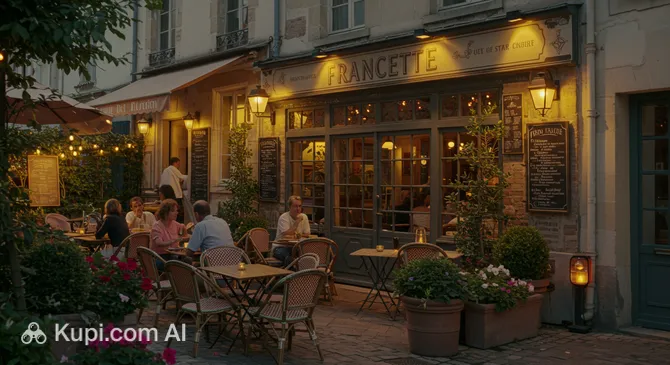
Francette. Illustration.
Source: Kupi.com AI
Traveler photos:
The food culture in Versailles offers options for every taste and budget. You will find fine dining restaurants with signature menus, as well as charming bistros and brasseries serving traditional French dishes in a more casual setting. Locals and tourists alike enjoy spending time in numerous cafes, savoring a cup of coffee with a croissant. One notable place to get acquainted with local gastronomy is the Francette restaurant. It is also worth visiting the city market (Marché Notre-Dame), one of the oldest and largest in the region, to experience the local flavor and purchase fresh products.
Versailles' culinary scene attracts tourists with the chance to experience authentic French cuisine in both its classic and modern interpretations. Whether it is a luxury dinner, a hearty lunch in a traditional bistro, or a light snack at a pastry shop, everyone will find something they like, taking away not only historical impressions but also delightful gastronomic memories of their trip to Versailles.
Travel Tips
Planning a trip to magnificent Versailles? To ensure your journey goes smoothly and leaves only the most pleasant impressions, we have prepared some practical tips. These recommendations will help you better navigate the city and enjoy its beauties to the fullest.
Clothing and Essentials: The climate in Versailles is temperate, so choose clothing according to the season. In summer, light clothing, sunglasses, and a hat will come in handy; in autumn and spring – layered clothing and an umbrella; in winter – a warm jacket, hat, and gloves. The key point is comfortable shoes, as you will be doing a lot of walking through the palace and vast gardens. Don't forget an adapter for electrical appliances (type E sockets are used in France).
Transport around the city and surroundings: Versailles itself is quite compact, and many attractions, including the palace, can be reached on foot from the railway stations. The main way to get to Versailles from Paris is the RER suburban trains (Line C). There is also a network of local buses in the city. Taxis are available but can be expensive. Car rental for getting around Versailles itself is usually not necessary but may be useful if you plan to explore the surrounding Île-de-France region.
Finances: The official currency is the Euro (EUR). Credit and debit cards (Visa, Mastercard) are accepted almost everywhere in shops, restaurants, and hotels. ATMs (distributeurs automatiques de billets) are easy to find. It is recommended to have a small amount of cash for minor purchases. Tips in France are often included in the bill (service compris), but it is customary to leave an additional 5-10% for good service. An approximate daily budget (excluding accommodation and entrance tickets to main attractions) can range from 50-70 euros per person.
Health and Safety: Pharmacies (pharmacies) are marked with a green cross; some of them may operate 24/7 or on a rotating duty schedule (information can be found on the door of the nearest pharmacy). For medical assistance, tourists are recommended to have travel insurance. Versailles is generally a safe city, but as everywhere, basic precautions should be observed: watch your belongings, especially in crowded places, and avoid walking in poorly lit areas after dark.
Communication: The official language is French. In tourist areas, hotels, and restaurants, many people speak English, but knowing a few basic French phrases (e.g., "Bonjour" – hello, "Merci" – thank you, "S'il vous plaît" – please) will be very helpful and appreciated by locals. SIM cards from local operators can be purchased in specialty stores or supermarkets. Wi-Fi is available in many hotels, cafes, and public places.
Local Etiquette: The French value politeness. When entering a shop or cafe, it is customary to say hello (Bonjour by day, Bonsoir in the evening). When addressing someone, start with "Excusez-moi" (excuse me). In public places, especially in museums and the palace, try to speak quietly. It is customary to follow queues and be patient.
What to avoid: Try not to be excessively noisy in public places, especially while visiting the Palace of Versailles, where an atmosphere of respect for history is important. Also, do not take photos with a flash where it is prohibited, so as not to damage exhibits or disturb other visitors.
Additional tip: The Palace of Versailles and Gardens are the main goal for most tourists. To avoid huge queues, it is strongly recommended to buy tickets online in advance. Consider buying a "Passeport," which gives access to the entire complex, including the Grand and Petit Trianons and the Queen's Hamlet. Arrive early to enjoy the beauty before the main influx of visitors.
We hope these tips help you plan an unforgettable trip to Versailles. Enjoy every moment in this historic place, steeped in the spirit of royal France!
Entertainment & Nightlife
Versailles, known for its royal splendor by day, offers more quiet yet elegant entertainment after dark. The nightlife here is not as bustling as in neighboring Paris, but it has its own charm, offering cozy bars, fine restaurants, and several places to spend an enjoyable evening.
The main concentration of evening establishments is in the city center, especially around the Notre-Dame market square (Marché Notre-Dame) and its adjacent streets. Here you will find a variety of bars – from traditional French bistros, where it is pleasant to have a glass of wine or local beer in the evening, to more modern cocktail bars offering signature drinks. Some restaurants also transform into lounge areas as evening falls.
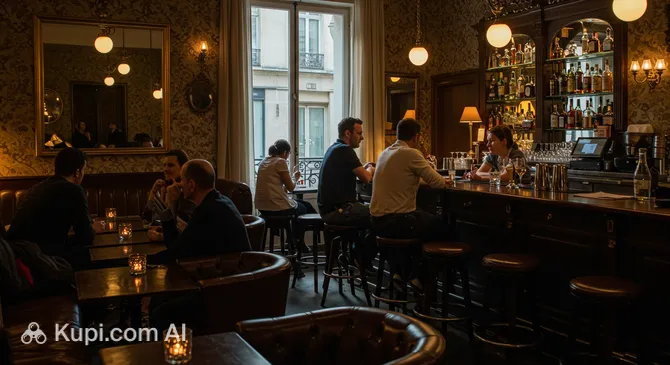
Among the places where you can spend an evening, it is worth noting Quinzerie — hotel and district bar, which offers a stylish and cozy atmosphere for relaxation. If you are looking for a place with music and a chance to dance, check out Aquarium Club. For those who prefer a more informal setting and original concepts, Vertical'Art Saint-Quentin-en-Yvelines might be of interest, combining a bar with a bouldering gym, although it is located in the nearby suburb of Saint-Quentin-en-Yvelines.
Quinzerie - Neighborhood Hotel and Bar. Illustration.
Source: Kupi.com AI
Traveler photos:
The atmosphere in Versailles nightlife spots is predominantly relaxed and respectable. The crowd here consists of both locals and tourists who appreciate quality leisure without excessive fuss. Most bars are open until midnight or 1:00 AM; clubs may stay open later, especially on Fridays and Saturdays. As for the dress code, it is usually casual, but smart casual style will be appropriate in most places, especially in more elegant bars and restaurants.
When planning your evening leisure, keep in mind that bars usually come alive after 8:00–9:00 PM, and clubs closer to midnight. Average drink prices are comparable to other cities in France: a glass of wine can cost from 5–7 euros, a cocktail from 10–15 euros. At night, public transport runs much less frequently, so taxis become the primary mode of transportation. It is recommended to find out the numbers of local taxi services in advance or use mobile apps to call them.
In terms of safety, the central areas of Versailles, where nightlife is concentrated, are considered quite peaceful. Nevertheless, it is always useful to observe standard precautions: keep an eye on your personal belongings and avoid poorly lit and deserted places late at night. You can call a taxi by phone, through an app, or find one at special stands near stations or major hotels.
While this section focuses on nightlife, it is worth mentioning that by day Versailles offers plenty of entertainment. In addition to the world-famous palace and gardens, you can visit various museums, such as the Maritime Museum or the Musée de l'Homme. For active family holidays, amusement parks like the AccroCamp Saint-Germain-en-Laye or Noah's World — Centre Dauphine are suitable. City theaters and concert venues also offer various evening programs that can be a great start to your evening before visiting a bar or club.
Parks & Museums
Versailles, in addition to its world-famous palace and park ensemble, offers guests other wonderful opportunities for outdoor relaxation and immersion in the world of art and history. The city and its surroundings are rich in picturesque parks, gardens, and unique museum collections that can satisfy the most discerning taste.
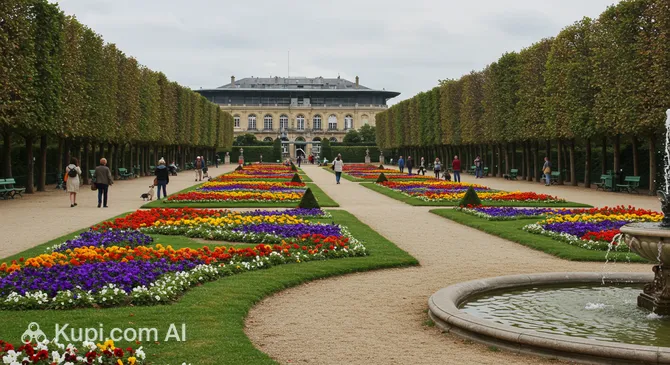
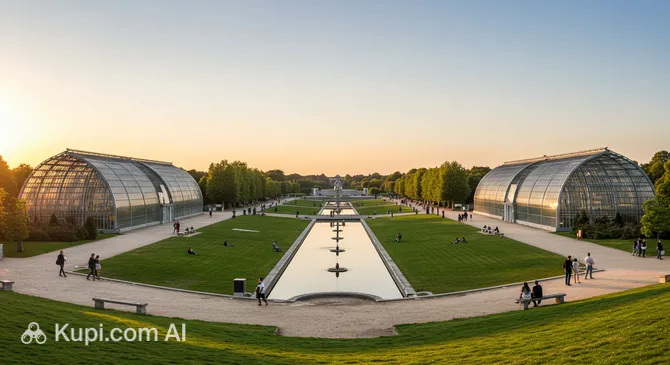
Undoubtedly, the main green gem is the Gardens of Versailles, stretching around the famous palace. Their grandiose landscapes, fountains, and sculptures are a masterpiece of garden art and a must-visit. However, beautiful places for walks can also be found outside the palace grounds. For example, the Bois de Boulogne, though closer to Paris, is easily accessible and offers vast spaces for recreation, lakes, gardens, and even children's attractions. It is a great place for a picnic or a bike ride.
Bois de Boulogne. Illustration.
Source: Kupi.com AI
Traveler photos:
For connoisseurs of modern landscape design, the Parc André Citroën will be of interest. This innovative park, located on the site of a former car factory, surprises with themed gardens, greenhouses, and water elements. From here, you can also ascend in a tethered hot air balloon to enjoy panoramic views of the surroundings.
Parc André Citroën. Illustration.
Source: Kupi.com AI
Traveler photos:
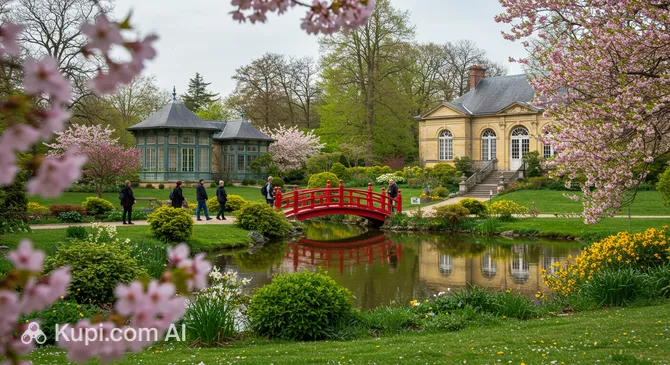
A unique combination of nature and culture is the Albert-Kahn Museum and Gardens. Here, in Boulogne-Billancourt, banker and philanthropist Albert Kahn created an amazing collection of gardens representing different parts of the world – from Japanese and English to French formal gardens. A stroll through these gardens is a journey in time and space, offering peace and aesthetic pleasure.
Albert Kahn Museum and Gardens. Illustration.
Source: Kupi.com AI
Traveler photos:
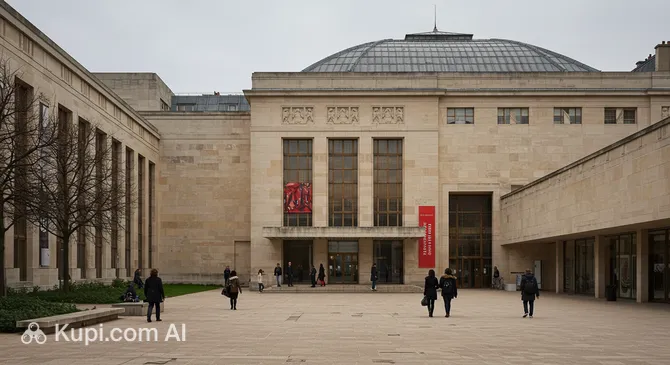
The Palace of Versailles itself is not only an architectural masterpiece but also a vast museum housing priceless collections of artworks, furniture, and historical artifacts. However, the cultural life of Versailles and its surroundings is not limited to it alone. For lovers of 20th and 21st-century art, the doors of the Musée d'Art Moderne de Paris, located in the Palais de Tokyo, are open. Its collections cover major movements in art from Fauvism to the present day and will be of interest to everyone who follows the development of artistic thought.
Musée d'Art Moderne de Paris. Illustration.
Source: Kupi.com AI
Traveler photos:
If you are drawn to Eastern art, be sure to visit the Musée Guimet (National Museum of Asian Arts). It holds one of the world's largest collections of Asian art outside of Asia, presenting masterpieces from India, China, Japan, Southeast Asia, and the Himalayan region. It is a true immersion into the diversity of Eastern cultures and philosophies.
Guimet Museum. Illustration.
Source: Kupi.com AI
Traveler photos:
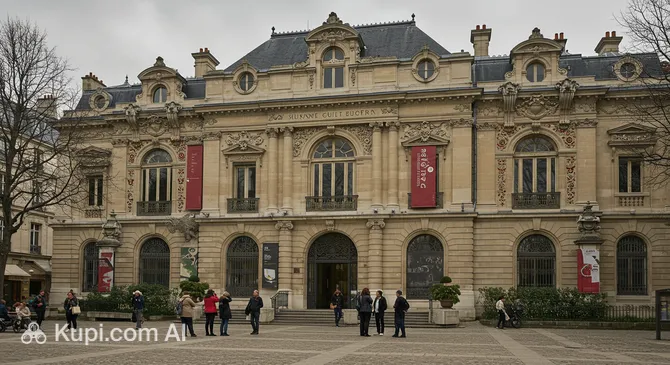
Fans of haute couture will appreciate the Musée Yves Saint Laurent in Paris, dedicated to the legacy of one of the greatest couturiers of the 20th century. Here you can see his iconic creations, sketches, and learn about the master's creative journey. Nearby is the Palais Galliera, the fashion museum of the City of Paris, which regularly hosts impressive themed exhibitions reflecting the history and modern trends of fashion.
Yves Saint Laurent Museum. Illustration.
Source: Kupi.com AI
Traveler photos:
Palais Galliera. Illustration.
Source: Kupi.com AI
Traveler photos:
Many of the mentioned museums and parks are historical or architectural attractions in their own right. For instance, the Château de Sceaux, located south of Paris but within easy reach of Versailles, is a magnificent palace and park ensemble. Its park, designed by André Le Nôtre (author of the Versailles Gardens), is a beautiful example of the French formal style. The castle itself houses the Musée de l'Île-de-France, dedicated to the history of the region.
Château de Sceaux. Illustration.
Source: Kupi.com AI
Traveler photos:
Insider Tip: When visiting the Albert-Kahn Museum and Gardens, pay special attention to the Japanese garden – it is a true oasis of tranquility, especially beautiful in spring during the cherry blossom season and in autumn when the maples turn crimson. And for those who want to dive deeper into the history of Versailles itself, beyond the palace, look for the King's Kitchen Garden (Potager du Roi), Louis XIV's historic vegetable garden where rare varieties of vegetables and fruits are still grown today – it is a lesser-known but very authentic place that allows you to touch living history.
Getting Around
Getting around Versailles and reaching its famous attractions is quite simple, thanks to a combination of suburban rail services and a local bus network. Although the city itself is relatively compact and many of its beauties can be explored on foot, knowing the features of the transport system will make your journey more comfortable.
The primary way to get to Versailles from Paris is by the RER Line C suburban train. Several stations in Versailles are served by this line, but for tourists heading to the palace, the most convenient is Versailles-Château - Rive Gauche, located just a few minutes' walk from the entrance. RER C trains also arrive at the Versailles-Chantiers station. It is important to remember that traveling on the RER from Paris to Versailles requires a special "Origine-Destination" ticket (Paris – Versailles); regular Parisian t+ tickets are not valid for this trip. There are no metro or tram lines within Versailles itself.
To travel specifically within the city of Versailles, you can use the Phébus local bus network. They connect various city districts, railway stations, and some outlying attractions. Bus routes and schedules can be found at stops or on the transport company's official website. This is a convenient option if you want to save time or if your legs are tired after long walks through the palace and gardens.
The fare payment system includes several options. For RER trains, tickets can be purchased at machines or ticket offices at stations in Paris and Versailles. For Phébus local buses, tickets can be bought directly from the driver (usually slightly more expensive) or you can purchase carnets – booklets of 10 tickets that offer a small discount. Various passes also exist, such as the Navigo Découverte card, which can cover trips to Versailles if it has the correct zones, but its purchase is practical only if you plan to travel a lot within the Île-de-France region. For route planning and up-to-date fare information, you can use the Île-de-France Mobilités app.
Here are a few practical tips: always validate your ticket before boarding an RER train (at special turnstiles or stamp machines at the station) and when entering a bus. Trains and buses usually run from early morning until late evening, but the frequency may decrease on weekends and holidays. Watch the signs at RER stations carefully to ensure you board a train heading specifically to Versailles (e.g., with the terminus Versailles-Château - Rive Gauche).
Besides public transport, alternative ways of getting around are available in Versailles. Taxis can be found near railway stations and major tourist sites, but this is a more expensive option. Bicycle rental is very popular – exploring the vast Versailles Gardens by bike is a pure pleasure. Rental points can be found both in the city and directly on the park grounds. Of course, the historic center of Versailles and the palace complex itself are perfectly suited for walking. Inside the Versailles gardens themselves, a small tourist train (Petit Train) runs, which, for an additional fee, helps you reach the Petit and Grand Trianons and other remote corners of the park.
Accommodation
In Versailles, a city with a rich royal heritage, travelers will find various accommodation options to suit different tastes and budgets. The choice ranges from cozy guest houses and apartments to elegant hotels, allowing every guest to find a comfortable refuge during their visit to this historic city in France.
The typical range of available accommodation in Versailles includes mid-range hotels, offering a good balance of price and quality, as well as more luxurious options for those seeking special comfort and service. Additionally, renting apartments is popular, which can be a convenient option for families or long stays. Budget options, such as hostels, are less common directly in Versailles but can be found in nearby areas or in Paris.
The most popular and convenient areas for tourists to stay are those located in the immediate vicinity of the Palace of Versailles and its gardens, as well as near railway stations like Versailles-Château - Rive Gauche or Versailles-Chantiers. This ensures easy access to both main attractions and transport links to Paris. Many hotels and apartments are within walking distance of major tourist routes, cafes, and restaurants. Notable accommodation options include, for example, the Vélizy Apartments, which offer comfortable living.
Velizy Serviced Apartments. Illustration.
Source: Kupi.com AI
Traveler photos:
As for the price range, it varies from moderate to high, depending on the hotel category, its location, and the season. Booking accommodation in Versailles, especially during peak tourist season (spring-summer) and major events, is strongly recommended in advance. This will not only guarantee availability but may also help you find better deals. The most common booking methods are popular online platforms and aggregators, as well as direct booking through official hotel websites.
Nearby Cities
For those who want to explore the surrounding area, Versailles serves as an excellent starting point for day trips to several interesting nearby locations. These short journeys will allow you to get to know the Île-de-France region and its diversity more deeply.
Meudon, located just a few kilometers away, attracts visitors with its rich history and natural beauty. Here you will find the famous Meudon Observatory, and the vast Meudon Forest offers great opportunities for walks and outdoor recreation. The city also preserves memories of many famous figures, including the sculptor Auguste Rodin.
Equally interesting is Saint-Cloud, known for its magnificent National Estate of Saint-Cloud. This park, once the site of a royal castle, offers spectacular views of Paris and is an ideal spot for a picnic or a leisurely stroll among historical landscapes. Various cultural events are also held here.
City
Population
Distance
Le Chesnay
27 683
3 km
Viroflay
16 752
3 km
Ville-d'Avray
11 225
5 km
Vélizy-Villacoublay
23 092
5 km
Saint-Cyr-l'École
19 792
5 km
These nearby destinations offer insight into the region's diverse culture and landscapes, complementing the experience of visiting Versailles itself.
Shopping & Souvenirs
Although Versailles is primarily associated with the majestic palace rather than large-scale Parisian-style shopping, the city still offers pleasant shopping opportunities. Here you will find charming boutiques, antique shops, and stores specializing in souvenirs and traditional French goods. Shopping in Versailles is more of a leisurely stroll through cozy streets in search of something special than a hunt for brands in huge malls.
The city's main shopping arteries are Rue de la Paroisse, where many clothing and accessory stores, bookstores, and pastry shops are concentrated, and the Quartier Notre-Dame, which is especially lively on market days. Here you can find both small independent shops and branches of some French chains. Also, stroll along Rue du Maréchal Foch and Rue Royale in search of interesting finds.
Large shopping centers in the heart of Versailles are not as common; the city is more famous for its boutiques and specialty shops. However, if you are looking for a wider selection of goods under one roof, shopping complexes can be found in the broader Versailles region. For example, check out Mon Grand Plaisir, located in the town of Plaisir, which offers a variety of shops and entertainment.
Mon Grand Plaisir. Illustration.
Source: Kupi.com AI
Traveler photos:
Special attention should be given to the Notre-Dame Market (Marché Notre-Dame). This is one of the oldest and largest markets in the Île-de-France region, established by decree of Louis XIII. It operates several times a week (usually on Tuesday, Friday, and Sunday mornings) and offers a huge selection of fresh produce: cheeses, deli meats, pastries, vegetables, fruits, and flowers. In the covered pavilions (Les Halles), trade also happens on other days. It is a wonderful place to feel the local atmosphere, try regional specialties, and purchase gastronomic souvenirs.
From Versailles, it's worth bringing home souvenirs related to its rich history: items featuring images of the Palace of Versailles, Louis XIV, or Marie-Antoinette. Quality French goods are popular – silk scarves, perfumes, exquisite chocolates, and macarons, as well as books on the art and history of France. Unique antiques can be found in antique shops. Don't forget gastronomic gifts like local cheeses, wines, or foie gras.
Shops in Versailles are usually open from 10:00 AM to 7:00 PM, Monday through Saturday. Many small boutiques may close for a lunch break (pause déjeuner), typically from 12:30/1:00 PM to 2:00/2:30 PM. On Sundays, most shops are closed, except for some souvenir shops in tourist zones and food markets. Bank cards (Visa, Mastercard) are accepted almost everywhere, but you might need cash (Euros) for purchases at the market or in small shops.
Tourists from non-EU countries can use the Tax-Free refund system when making purchases above a certain amount in a single store (usually from 100 Euros, but the amount may change). To do this, you need to ask the store for a special form (détaxe) and present it along with the purchases and your passport at customs when leaving the EU. Look for stores with the "Tax Free Shopping" sign.