Support

Raroia

About

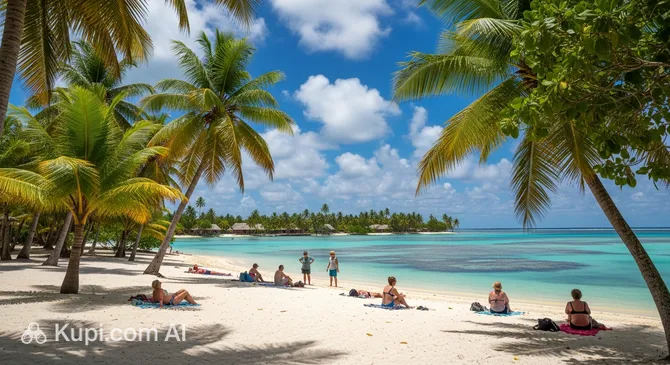
Welcome to Raroia, a breathtakingly beautiful atoll located within the Tuamotu Archipelago of French Polynesia. Known for its pristine natural environment and serene atmosphere, this destination offers a perfect escape for travelers seeking tranquility away from the bustling tourist hubs. The atoll consists of a ring of coral islets surrounding a deep, crystal-clear lagoon, creating a landscape that looks like it was plucked straight from a postcard.

Raroia. Source: Kupi.Binoculars

Geographically, Raroia is situated in the central part of the Tuamotus and enjoys a tropical climate with warm temperatures year-round. While the population is small, primarily residing in the main village of Garumaoa, the local community is welcoming and maintains a traditional Polynesian lifestyle. The atoll is perhaps most famous globally for a significant event in 1947: it was here that Thor Heyerdahl's legendary raft, the Kon-Tiki, completed its trans-Pacific journey. Visitors interested in the history of Raroia can visit the memorial site on the specific islet where the expedition made landfall.

Beyond its historical fame, Raroia is a haven for nature lovers. The lagoon is teeming with marine life, making it an exceptional spot for snorkeling and diving. You can explore untouched coral gardens or simply relax on the white sandy beaches that fringe the islets. Whether you are following in the footsteps of explorers or simply looking for a slice of paradise, Raroia invites you to experience its unique charm and timeless beauty.

Weather Overview

Raroia enjoys a consistent tropical climate that makes it an inviting destination throughout the year. The atoll is known for its stable warmth, with temperatures rarely fluctuating drastically between seasons. Travelers planning their trip can expect comfortable conditions for exploring the lagoon or relaxing on the islets, though it is always wise to consult the detailed weather in Raroia before departure to pack accordingly.

The average temperatures on the atoll generally hover between 25°C and 27°C. March and April are typically the warmest months, reaching averages of 27.0°C, while the period from July to September is slightly cooler, dipping to around 25.1°C. Rainfall is a frequent occurrence, with the number of wet days peaking in January at 25 days, and dropping to a low of 13 days in August. Despite the frequency of wet days, the precipitation volume is often quite light.

Expect warm, tropical temperatures year-round with a higher chance of rain showers in December and January, while the months of July and August offer slightly cooler and drier weather.

Interesting Facts

Beyond the serene beauty of its lagoon, Raroia holds a collection of fascinating stories that extend far beyond its shores.
  • The Kon-Tiki Finale: Raroia is globally famous as the landing site of the legendary Kon-Tiki expedition. In 1947, the balsa wood raft captained by Thor Heyerdahl crashed onto the atoll's reef after a 101-day journey across the Pacific from Peru, aiming to prove that ancient South Americans could have settled the islands.

  • A Living Memorial: The specific islet where the crew washed ashore is locally known as "Kon-Tiki Island." Today, it serves as a pilgrimage site for history buffs, featuring a commemorative marker that honors the daring voyage and the hospitality of the local Paumotu people who welcomed the explorers.

  • Treasure in the Lagoon: While the scenery is priceless, the lagoon holds actual treasure in the form of black pearls. Raroia is an active center for pearl farming, taking advantage of the pristine, nutrient-rich waters to cultivate the highly prized Tahitian pearls that are a hallmark of the region.

  • The Ngarue Pass: The atoll possesses only one navigable pass, known as Ngarue, which connects the deep ocean to the interior lagoon. This narrow channel creates strong currents that attract an abundance of marine life, making it a spectacular, albeit challenging, location for drift diving.

How to Get There

Reaching the remote and pristine atoll of Raroia is an unforgettable part of the travel experience in the Tuamotu Archipelago. Due to its isolated location, the journey typically involves a domestic flight from the main international gateway in Tahiti. Visitors planning their trip should be prepared for an island-hopping adventure. You can find detailed logistics and route options by reading more about how to get to Raroia.

While Raroia is served by its own local airfield (Raroia Airport), travelers exploring the wider region might also encounter Kauehi Airport (KHZ). It is important to note that this airport is located in the city of Kauehi, which is approximately 290 km away from Raroia. Since these locations are separate atolls separated by the ocean, ground transport like taxis or buses is not possible between them; travel would require a boat charter or a connecting flight.

For clarity, here is a summary of the main airports in the vicinity:

Airport Name City Passenger Traffic Km from City
Kauehi Airport Kauehi 290.7

Main Attractions

The Kon-Tiki Memorial Site is arguably the most historically significant spot on the atoll. Located on the islet where Thor Heyerdahl’s famous balsa wood raft crashed in 1947, this site marks the dramatic conclusion of the 101-day trans-Pacific expedition. For visitors, standing on the very sands where the crew made landfall is a moving experience, offering a tangible connection to one of the greatest maritime adventures of the 20th century.

The Ngarue Pass serves as the atoll's only navigable channel connecting the open ocean to the protected lagoon. This passage is a magnet for marine life, drawing in schools of fish, rays, and sharks that ride the strong currents. It is a premier location for drift snorkeling and diving, allowing thrill-seekers to glide effortlessly over vibrant coral formations while surrounded by the rich biodiversity of the Tuamotu Archipelago.

Garumaoa Village offers a charming glimpse into the daily life of the local Paumotu people. As the main settlement on Raroia, it is a quiet and welcoming place where time seems to slow down. Tourists can stroll through the sandy paths, visit the quaint local church, and interact with the friendly residents who maintain their traditional Polynesian lifestyle far removed from modern commercialism.

Pearl Farms are an integral part of Raroia's economy and a fascinating stop for travelers. The pristine waters of the lagoon provide the perfect environment for cultivating the world-renowned Tahitian black pearls. Visiting a local farm gives you the opportunity to learn about the delicate grafting and harvesting process, and often provides a chance to purchase these lustrous gems directly from the source.

Local Cuisine

Dining in Raroia is a reflection of its remote, atoll lifestyle. You won't find fine dining restaurants or extensive menus here; instead, the culinary experience is defined by incredible freshness and simplicity. The cuisine revolves almost entirely around what can be harvested from the lagoon and the few crops that grow on the coral islets, resulting in a true "sea-to-table" experience that connects visitors directly to the local environment.

The star of the table is undoubtedly the catch of the day. You must try the national dish of French Polynesia, Poisson Cru, which consists of raw tuna or reef fish marinated in lime juice and fresh coconut milk, often mixed with diced vegetables. In the Tuamotu Archipelago, you might also encounter Kaveu (coconut crab), a local delicacy prized for its rich, sweet meat. Grilled reef fish, such as parrotfish or grouper, served with rice or pain coco (coconut bread), is another staple meal that highlights the natural flavors of the produce.

When it comes to beverages, nature provides the best refreshment. Fresh coconut water, often drunk straight from the nut, is abundant and perfect for the tropical heat. For those looking for something stronger, you will typically find the famous local beer, Hinano, available in the village shops or guesthouses. While imported wines and spirits are available, the selection is usually limited due to the atoll's isolation.

The food culture in Raroia is intimate and communal. There are no bustling food markets or street food stalls in the traditional sense. Most visitors take their meals at their guesthouse (pension), where hosts prepare family-style dinners using ingredients caught or gathered that same day. A highlight for many tourists is a "motu picnic," where freshly caught fish is grilled over an open fire on a deserted islet, offering an unforgettable dining atmosphere surrounded by the turquoise lagoon.

Travel Tips

Visiting a remote atoll like Raroia requires a bit more foresight than a typical resort holiday, as amenities are limited and the lifestyle is wonderfully simple. To ensure your adventure to this secluded paradise is as smooth as it is memorable, here are some essential practical tips to help you prepare.

  1. Clothing and Gear: Pack lightweight, breathable tropical clothing and plenty of swimwear. Since Raroia is an atoll with sharp coral reefs, sturdy reef shoes are absolutely essential for protecting your feet while swimming or walking in the shallows. Don't forget high-SPF biodegradable sunscreen, a wide-brimmed hat, and a rash guard for sun protection. If you plan to attend a church service or walk through Garumaoa village, please dress modestly by covering swimwear with a t-shirt and shorts or a pareo (sarong).

  2. Transportation: There is no public transport, metro, or car rental service on Raroia. In the main village of Garumaoa, everything is within walking distance. For exploring the lagoon, the "Kon-Tiki" islet, or remote motus (islets), you will rely entirely on boat transfers organized by your guesthouse. Bicycles may occasionally be available to borrow from your hosts.

  3. Finances: Cash is king on Raroia. There are no ATMs or banks on the atoll, so you must withdraw sufficient Pacific Francs (XPF) in Tahiti before you depart. While some guesthouses might accept credit cards, connection issues can occur, and local shops generally only take cash. Tipping is not a traditional custom in French Polynesia, but a warm smile and a sincere "Mauruuru" (thank you) are always appreciated.

  4. Health and Safety: The atoll has a very basic infirmary, so it is vital to bring a complete personal first-aid kit and an ample supply of any prescription medications you need. Mosquito repellent is highly recommended to prevent bites, especially in the evenings. The sun is extremely strong here, so stay hydrated and avoid excessive exposure during midday.

  5. Communication: The main languages spoken are French and the local Paumotu dialect; English is not widely spoken outside of tourism-focused interactions at your guesthouse. Learning a few basic phrases in French will be very helpful. Wi-Fi is often slow or non-existent, so consider purchasing a Vini SIM card in Tahiti for the best chance of mobile coverage, though even that can be spotty.

  6. Local Etiquette: Politeness is highly valued in Polynesian culture. Always greet locals with a friendly "Ia Orana" (Hello) when passing them on the street. It is customary to remove your shoes before entering a private home or your guesthouse bungalow. Life here moves at a relaxed "island time" pace, so patience and a laid-back attitude are key.

  7. What to Avoid: strictly avoid standing on or touching the coral reefs. Coral is a living organism that is easily damaged and can cause nasty cuts. Additionally, fresh water is a scarce resource on atolls; avoid long showers and be mindful of your water usage to respect the local environment.

  8. Stock Up on Essentials: The village store in Garumaoa has a very limited selection of goods, mostly basic canned foods and staples. If you have specific dietary requirements, crave certain snacks (like chocolate or nuts), or need specific toiletries (like conditioner or feminine hygiene products), buy them in Tahiti and bring them with you.

By packing the right gear and embracing the island's slow, disconnected rhythm, you will find Raroia to be a deeply rewarding destination. Respect the fragile ecosystem and the warm hospitality of the locals, and you are sure to have an unforgettable experience in the Tuamotus.

Entertainment & Nightlife

Travelers arriving in Raroia expecting a bustling nightlife scene with thumping nightclubs and neon-lit bars will find themselves in for a surprise—though likely a pleasant one. The "nightlife" on this remote atoll is defined by absolute tranquility, the sound of waves breaking on the reef, and a sky so filled with stars it looks like a planetarium. There are no discos, commercial bars, or dedicated nightlife districts here. Instead, the evening entertainment is intimate, cultural, and deeply connected to the slow pace of island life.

The social hub of the atoll is the main village, Garumaoa. As the sun sets, the village settles into a quiet rhythm. The primary "venues" for an evening drink or a social gathering are the local family pensions (guesthouses). These are the places where guests and hosts come together after dinner to share stories, enjoy a cold Hinano beer, and occasionally listen to locals playing the ukulele or guitar. It is a warm, communal atmosphere where the dress code is always casual—shorts and flip-flops are the standard attire.

For those looking for a place to walk and soak in the atmosphere, the Village Quay in Garumaoa is the best spot. It serves as a gathering point where locals might fish in the cool evening air or simply sit and chat. It is a safe area for a night walk, offering an unobstructed view of the lagoon reflecting the moonlight. Since there are no streetlights outside the immediate village center, the stargazing here is world-class; you can often see the Milky Way with the naked eye.

Practical advice for evenings in Raroia revolves around preparation. There are no 24-hour convenience stores or late-night taxi services. The few small shops in the village close early, often around sunset, so if you want specific snacks or beverages for the night, you must buy them during the day. Alcohol is generally available at the village store or provided by your guesthouse, but selection is limited. Safety is rarely an issue in terms of crime, but the lack of lighting means you should always carry a flashlight or headlamp to avoid tripping on uneven coral paths or stepping on crabs.

While the nights are for resting and stargazing, daytime entertainment in Raroia is all about the outdoors. Visitors spend their days exploring the pristine lagoon, snorkeling in the crystal-clear waters near the Ngarue Pass, or taking boat excursions to the famous "Kon-Tiki" islet. For a touch of local culture, you might find locals weaving palm fronds or harvesting copra, offering a quiet but engaging look into the atoll's daily industry.

Parks & Museums

In Raroia, the concepts of "parks" and "museums" take on a different meaning compared to typical city destinations. Instead of manicured botanical gardens, you will find wild, uninhabited islets (motus) covered in coconut palms and indigenous flora. In place of enclosed galleries, the atoll offers open-air historical sites and a living culture that thrives in the village of Garumaoa. The entire atoll serves as a sanctuary for nature and a monument to human exploration.

Tahuna Maru (Kon-Tiki Islet) is the closest equivalent to a national park on the atoll. This is the specific motu where Thor Heyerdahl’s raft washed ashore, but beyond its history, it is a stunning natural reserve. The islet is fringed with pristine white and pink sands and dense tropical vegetation that shelters nesting seabirds. It is an ideal spot for visitors to immerse themselves in the raw, untouched beauty of the Tuamotus, offering a perfect setting for a picnic or a nature walk away from the main village.

The Lagoon and Coral Gardens serve as Raroia's vast, underwater park. While not a terrestrial park, the protected waters inside the lagoon function as a natural aquarium. The areas surrounding the coral heads are teeming with life, offering a vibrant display of biodiversity that rivals any curated zoo or garden. Exploring these shallow, crystalline waters allows tourists to observe the complex ecosystem of the atoll up close, swimming alongside colorful reef fish and harmless reef sharks in their natural habitat.

The Kon-Tiki Memorial acts as the atoll's primary historical "museum." Located on Tahuna Maru, this modest stone monument marks the site of the 1947 expedition's landing. While it lacks the walls and display cases of a traditional museum, standing before the plaque offers a powerful connection to history. It is a pilgrimage site for maritime enthusiasts, telling the story of the Paumotu people's hospitality and one of the most daring voyages of the 20th century without the need for audio guides or velvet ropes.

The Church of Garumaoa stands as the architectural and cultural heart of Raroia. In the absence of art galleries, the village church showcases the local aesthetic and community spirit. Often decorated with fresh flowers and woven palm decorations by the villagers, the structure reflects the deep spirituality of the population. Attending a Sunday service here offers a cultural immersion far more vivid than any exhibit, filled with the harmonious, unaccompanied singing (himene) that is unique to French Polynesia.

For a truly authentic experience, explore the Copra Plantations found on the larger motus. These coconut groves are the workplace for many locals and offer a glimpse into the agricultural backbone of the islands. Walking through the organized rows of palms, you can often see the traditional process of drying coconut meat (copra) in the sun, a practice that has defined the economy and landscape of the Tuamotu Archipelago for over a century.

Getting Around

Travelers planning a visit to Raroia should adjust their expectations regarding public transportation, as the system here is vastly different from what one might find in a typical city. There is no public transport network on the atoll—this means you will not find buses, metros, trams, or taxis. The infrastructure is minimal, designed for a small, tight-knit community rather than mass tourism. Movement is generally managed through private arrangements with your hosts or simply by walking.

Arriving at the destination is more convenient than on some other atolls because the Raroia Airport is connected to the main village, Garumaoa, by a road. You do not need a boat to get to your accommodation from the airfield. Instead, transfers are almost exclusively provided by local guesthouses (pensions). Your host will typically meet you upon arrival and drive you to the village, often using a pickup truck or utility vehicle to transport both passengers and luggage along the coral track.

While the road connects the airport and the village, the boat remains the primary mode of transport for exploring the rest of the atoll. To reach the remote motus (islets), the famous Kon-Tiki memorial site, or the pearl farms, you will need to travel across the lagoon. These transfers are not scheduled public ferries but are privately arranged excursions organized by your guesthouse. These boat trips are often a highlight of the stay, offering stunning views of the turquoise water.

For getting around the main village of Garumaoa, walking is the most practical and common option. The settlement is small, with sandy paths that are easy to navigate, and you can walk from one end to the other in a matter of minutes. There is no need for a map or a schedule; life here moves at a relaxed pace. Visitors are advised to bring comfortable walking sandals or reef shoes, as the terrain is a mix of sand and crushed coral.

Regarding alternatives, services like car rentals or ride-sharing apps do not exist here. However, some guesthouses may offer bicycles for their guests to use, which is a delightful way to explore the village and its immediate surroundings. When it comes to payment for any arranged transport or excursions, transactions are typically handled in cash (Pacific Francs - XPF). It is crucial to carry enough local currency, as credit card terminals are rare and often unreliable due to connectivity issues.

Accommodation

Accommodation in Raroia is quite different from the typical tourist experience found on the more developed islands of French Polynesia. There are no international hotel chains, luxury resorts, or high-rise apartments here. Instead, the lodging landscape is defined almost exclusively by family-run guesthouses, known locally as "pensions." These establishments offer a simple, authentic, and intimate way to experience the atoll, allowing visitors to live close to nature and the local community.

The vast majority of accommodation options are located in or near the main village of Garumaoa. Staying in this area is convenient as it keeps you close to the airport dock, the few village amenities, and the main church. The typical setup involves independent bungalows situated either in the host's garden or directly along the lagoon's edge. While the amenities are basic—often featuring cold water showers and fans rather than air conditioning—the charm lies in the direct access to the pristine beach and the warm hospitality of the hosts.

Because there are no standalone restaurants on the atoll, accommodation is almost always booked on a half-board or full-board basis (demi-pension or pension complète). This means your daily rate typically includes breakfast and dinner. Meals are a highlight of the stay, usually consisting of fresh seafood caught that very day, such as grilled parrotfish or raw tuna in coconut milk, served family-style in a communal dining area.

Booking Tip: Due to the very limited number of rooms available on the atoll, it is essential to book well in advance. Spontaneous arrivals are risky, as pensions can be fully booked months ahead, especially during local school holidays or the dry season.

In terms of pricing, options generally fall into the mid-range category. While the facilities are rustic, the cost reflects the remoteness of the location and the inclusion of meals. Booking is rarely done through instant-confirmation websites; instead, travelers typically reserve their stay through specialized travel agents in Tahiti or by contacting the pensions directly via email. Be prepared to pay in cash or via bank transfer, as credit card facilities are not always available on site.

Nearby Cities

While Raroia offers a secluded and peaceful atoll experience, travelers often combine their visit with stops at other iconic locations within the vast territory of French Polynesia. Given the significant distances across the ocean, these nearby cities and islands are best viewed as the next exciting chapters in your island-hopping itinerary rather than quick excursions.

Located within the same Tuamotu Archipelago, Rangiroa is a spectacular destination known for having one of the largest lagoons in the world. It serves as a lively contrast to the solitude of Raroia, offering world-class diving at the Tiputa Pass where you can swim alongside dolphins and manta rays.

For a complete change of scenery, the capital city of Papeete on the island of Tahiti provides a bustling urban experience. It features vibrant markets, historical sites, and a wide array of restaurants, acting as the primary cultural and commercial hub for the entire region.

Just a short ferry ride from the capital, Moorea captivates visitors with its dramatic volcanic peaks and lush greenery. Its magnificent bays and hiking trails make it a perfect spot for those wishing to explore the "high islands" and enjoy panoramic views that differ greatly from the low-lying atolls.

Further afield in the Marquesas Islands, Nuku Hiva offers a rugged landscape of towering waterfalls and deep valleys. Similarly, the island of Ua Pou is famous for its distinctive basalt pinnacles, providing a dramatic backdrop for travelers seeking adventure off the beaten path.

City Population Distance (km)
Papeete 131695 778
Moorea 18000 806
Nuku Hiva 3000 835
Rangiroa 2500 570
Ua Pou 2200 783

These destinations highlight the incredible diversity of the region, ranging from coral atolls to volcanic mountains and bustling port cities.

Shopping & Souvenirs

Shopping in Raroia is an experience defined by simplicity and necessity rather than luxury or variety. Travelers arriving here should adjust their expectations immediately: this is a remote atoll where the commercial scene is minimal, catering primarily to the basic needs of the local population. You will not find designer boutiques, electronics stores, or sprawling retail complexes. Instead, shopping here offers a rare chance to engage directly with the community, purchasing handmade crafts or locally harvested treasures in a relaxed, unhurried atmosphere.

The entire "shopping district" of the atoll is effectively contained within the main village of Garumaoa. There are no shopping streets in the traditional sense. The village typically hosts one or two small general stores, known locally as "magasins." These modest establishments stock essential items such as canned foods, basic toiletries, rice, flour, and frozen goods. For tourists, these shops are useful for picking up snacks or drinks, but they are not destinations for leisure shopping.

It is important to clarify that there are no shopping malls on Raroia. The infrastructure is far too small to support department stores or commercial centers. Visitors looking for branded clothing, extensive duty-free goods, or specific travel gear should ensure they complete all such purchases in Tahiti before boarding their flight to the Tuamotus.

Unlike larger islands that may have bustling municipal markets, Raroia does not have a formal daily market. The concept of a "farmers market" is replaced by informal exchanges. Fresh fish is often caught daily and consumed by families or supplied directly to guesthouses. Occasionally, you may find locals selling small batches of seasonal fruit, coconuts, or prepared food near the village quay, but this is sporadic and depends entirely on the day's harvest.

Despite the lack of retail infrastructure, Raroia offers one of the world's most authentic opportunities for buying souvenirs: Tahitian black pearls. The atoll is home to active pearl farms where you can purchase loose pearls or simple jewelry directly from the source. Buying here often ensures better prices than in Papeete and guarantees the provenance of the gem. Additionally, skilled local artisans create beautiful woven items from dried palm fronds (pandanus), such as hats, baskets, and mats, as well as jewelry made from seashells found in the lagoon.

Opening hours in Raroia are dictated by the sun and the slow pace of island life. The village stores generally open early in the morning, close for a long lunch break (siesta) during the heat of the day, and reopen for a few hours in the late afternoon. They are typically closed on Sunday afternoons and holidays. Regarding payment, cash is absolute king. Credit cards are rarely accepted in small shops, and internet connectivity issues can make card terminals unreliable even where they exist. Visitors must bring a sufficient supply of Pacific Francs (XPF) from Tahiti.

Tax-free shopping is not available on Raroia. The tax refund schemes for tourists in French Polynesia are generally processed at the international airport in Tahiti or in major accredited stores in Papeete. Given the informal nature of transactions on the atoll, you should not expect to receive VAT refund forms for purchases made here.
Nearby cities

Reached the end of the page?

That means the route is fully explored