Support

Makemo

About

Makemo is a captivating destination for travelers seeking tranquility and a genuine connection with nature. Located in the Tuamotu Archipelago of French Polynesia, this atoll is often celebrated for its stunning elongated shape and the breathtaking clarity of its waters. It serves as a significant administrative center for the surrounding atolls yet retains a peaceful, unhurried atmosphere that defines the true island lifestyle.

Geographically, the atoll is characterized by a vast, crystal-clear lagoon that stretches for dozens of miles, bordered by motus (islets) with pristine beaches. With a population of approximately 850 residents, the community is small and welcoming, primarily centered around the main village of Pouheva. The climate is tropical and sunny, making it an ideal year-round destination for those looking to escape the crowds of more commercialized islands.
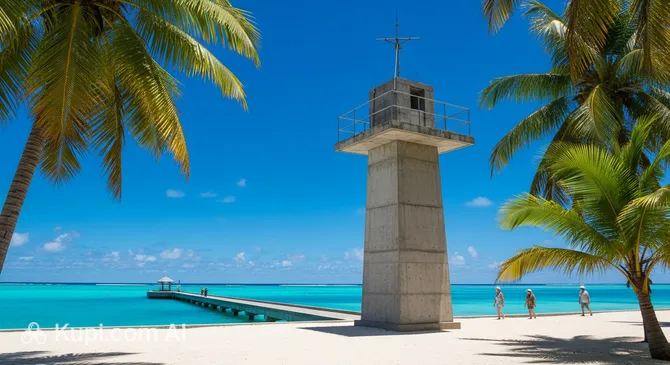
Makemo. Source: Kupi.Binoculars

The island is rich in local folklore, particularly the tales of the legendary hero Moeava, whose feats are still recounted by the elders. Visitors interested in the history of Makemo will find the local heritage fascinating, including the presence of one of the few historic lighthouses in the region. This structure not only guides ships but also stands as a testament to the atoll's importance in maritime navigation over the years.

For tourists, Makemo offers exceptional opportunities for underwater exploration. The two main passes, Arikitamiro and Pouheva, are renowned for their drift diving, where you can encounter schools of barracuda, sharks, and napoleon fish riding the currents. Another unique feature is the famous "pink sands" (les sables roses), a secluded beach area where the crushed coral creates a magical pink hue against the turquoise sea. Additionally, visitors can tour local pearl farms to learn about the cultivation of the famous Tahitian black pearl.

Whether you are an avid diver or simply seeking a serene retreat on the edge of the world, Makemo invites you to discover its hidden wonders. It is a place where time seems to slow down, allowing you to fully appreciate the raw beauty of the Pacific.

Weather Overview

Travelers planning a visit to this beautiful atoll can expect a warm, tropical climate year-round with very consistent temperatures. The average temperatures in Makemo typically range from 25.0°C to 27.0°C, creating a comfortable atmosphere for swimming and exploring the lagoon at any time. The warmest period generally occurs around March and April, where daily highs can reach 27.8°C, while the months of August and September offer slightly cooler and breezier conditions.

Rainfall is a common feature of the local weather pattern, often manifesting as brief, passing showers rather than prolonged downpours. January is usually the month with the highest frequency of rain, recording up to 27 wet days, whereas August tends to be the driest period with approximately 13 wet days. For those looking to time their visit perfectly, checking the detailed forecast for the weather in Makemo can help you prepare for these tropical conditions.

Interesting Facts

Beyond the scenic lagoon and pristine beaches, Makemo holds fascinating secrets that offer a deeper glimpse into its unique heritage. Here are some intriguing details that often go unnoticed by the casual visitor.

  • The Church of St. Joseph in the main village of Pouheva is a masterpiece of local craftsmanship. Its interior is renowned for featuring an elaborate chandelier and altar decorations made entirely from the iridescent mother-of-pearl shells harvested directly from the atoll's lagoon.

  • While the legend of the giant warrior Moeava is famous throughout the Tuamotus, Makemo is home to specific physical formations linked to his myth. Locals can point out the "Bain de Moeava" (Moeava's Bath), a natural hollow in the coral reef where the hero is said to have washed, serving as a tangible connection to the island's oral history.

  • In early European maritime records, this atoll was once identified as Phillips Island. This name was bestowed by the English navigator John Turnbull in 1803, though it never stuck and the indigenous name Makemo eventually prevailed.

  • The iconic Pouheva Lighthouse is more than just a navigational aid; built in 1936, it is one of the oldest standing concrete structures in the archipelago. Its construction is a rarity in the low-lying Tuamotu atolls, making it a significant historical monument from the colonial era.

How to Get There

Reaching the remote and beautiful atoll of Makemo is an adventure in itself, primarily relying on air travel within the expansive territory of French Polynesia. Most travelers arrive via domestic flights originating from Tahiti or other neighboring islands. For a comprehensive guide on planning your journey, you can read more about how to get to Makemo, which details the various routes and schedules available.

While Makemo has its own airfield serving the local community, visitors exploring the wider Tuamotu Archipelago might find themselves near other regional transport hubs. The Fakarava Airport (FAV) is one of the more significant airports in the vicinity, located in the city of Fakarava. However, it is important to note that this airport is situated approximately 198.7 km away from Makemo. Due to the oceanic geography, ground transport like taxis or buses is not possible between these islands; travel requires an inter-island flight or a sea voyage. Another nearby option is Kauehi Airport (KHZ) in Kauehi, roughly 158.5 km from Makemo, which serves as a smaller connecting point in the region.

For clarity, here is a summary of the main airports in the vicinity:

Airport Name City Passenger Traffic Km from City
Fakarava Airport Fakarava Medium 198.7
Kauehi Airport Kauehi 158.5

Regarding rail travel, there are no railway stations on Makemo or in the surrounding atolls of the Tuamotu Archipelago. The infrastructure in this part of French Polynesia is not designed for trains, and movement within the atoll is typically done by walking, cycling, or using small local vehicles. Visitors should rely entirely on air and sea transport for inter-island connections.

Main Attractions

Exploring Makemo offers a delightful mix of cultural heritage and untouched natural beauty. While the atoll is known for its peaceful ambiance, there are several key sites that visitors should not miss to fully appreciate the unique character of this destination. From historic structures to natural wonders, the attractions here provide a deep connection to the island's identity.

Pouheva Lighthouse stands as a proud sentinel near the main village and is one of the most recognizable landmarks on the atoll. Unlike many modern navigation aids, this historic structure has a distinct architectural charm that dates back to the early 20th century. For tourists, it serves as an excellent focal point for a walk along the ocean side, offering a striking contrast against the deep blue of the Pacific and a perfect backdrop for memorable photographs.

In the heart of the village, the Church of St. Joseph is a must-visit for those interested in local culture and craftsmanship. This place of worship is celebrated not just for its spiritual significance but for its stunning interior decor. The altar and chandeliers are intricately adorned with mother-of-pearl shells harvested from the local lagoon, showcasing the incredible artistry of the island's residents. It is a serene place to admire the fusion of faith and the natural gifts of the ocean.

For nature lovers, a boat excursion to Les Sables Roses (The Pink Sands) is an unforgettable experience. Located at a secluded spot on the reef, these sandbars are famous for their soft, pinkish hue created by crushed coral and foraminifera. The shallow, crystal-clear waters surrounding the sands make it an idyllic location for swimming, picnicking, and simply relaxing in a setting that feels completely removed from the rest of the world.

Finally, the Arikitamiro Pass acts as a magnet for underwater enthusiasts. As one of the two main entry points to the lagoon, it is renowned for its rich marine life. Divers and snorkelers flock here to witness the vibrant ecosystem, where currents bring in nutrients that attract schools of fish, sharks, and rays. It is a dynamic natural attraction that offers a thrilling glimpse into the biodiversity of the Tuamotu Archipelago.

Local Cuisine

The culinary experience in Makemo is a genuine reflection of life on a remote atoll, where the ocean provides the daily harvest and simplicity is the ultimate sophistication. Visitors should not expect elaborate fine dining; instead, the local cuisine offers fresh, organic, and flavorful meals prepared with ingredients sourced directly from the lagoon and the few fertile patches of soil on the islets. The food here is hearty, unpretentious, and deeply connected to the Polynesian tradition of sharing.

The absolute staple of the local diet is Poisson Cru (raw fish marinated in lime juice and coconut milk). In Makemo, this dish is exceptionally fresh, often prepared with lagoon fish like parrotfish or mahi-mahi caught just hours before serving. It is typically accompanied by rice or root vegetables such as taro and breadfruit. Another delicacy to look out for is the kaveu, or coconut crab. These land crabs are prized for their sweet, rich meat and are a specialty of the Tuamotu Archipelago, usually served steamed or in a curry.

For breakfast or a midday snack, you must try pain coco, a dense and slightly sweet bread made with coconut water and grated coconut. It pairs perfectly with a cup of coffee or hot chocolate. When it comes to beverages, nature provides the best refreshment: fresh coconut water, drunk straight from the nut, is abundant and hydrating. For those seeking an alcoholic option to enjoy while watching the sunset, the local Hinano beer is the standard choice, widely available and beloved across the islands.

Dining out in Makemo is a casual and intimate affair. There are very few standalone restaurants; instead, most social eating takes place at small, family-run establishments known as "Snacks". These spots serve generous portions of grilled fish, steak frites, and chow mein (a local favorite influenced by Chinese cuisine). Additionally, many tourists enjoy their best meals at their guesthouses (pensions), where hosts prepare communal dinners that allow travelers to taste authentic home-cooked family recipes. A highlight for many is the "motu picnic," where freshly caught fish is grilled over an open fire on a deserted beach during a day excursion.

Travel Tips

Visiting a remote atoll like Makemo is a dream experience, but the isolation that makes it so beautiful also requires a bit of extra preparation. To help you navigate island life smoothly and respect the local "Paumotu" way of living, here are some practical tips for your journey.

  1. Clothing and Gear: Pack lightweight, breathable fabrics like cotton or linen to stay cool in the tropical heat. A high-quality pair of reef shoes is absolutely essential for protecting your feet from sharp coral and stonefish while swimming. Don't forget a wide-brimmed hat, polarized sunglasses, and a rash guard for sun protection. If you plan to visit the Church of St. Joseph, remember to dress modestly, covering your shoulders and knees.
  2. Transportation: There is no public transport system, metro, or car rental agency on the atoll. The main village of Pouheva is small enough to navigate by walking or cycling, which are the primary modes of getting around. Most guesthouses (pensions) provide bicycles for their guests. For excursions to distant motus (islets) or the pink sands, you will rely on boat transfers organized by your host or local guides.
  3. Finances: The local currency is the CFP Franc (XPF). It is highly recommended to bring sufficient cash with you from Tahiti, as banking facilities on the atoll are limited and ATMs may not always be reliable or available. While some larger guesthouses may accept credit cards, small shops and snack bars usually operate on a cash-only basis. Tipping is not customary in Polynesian culture, but a warm smile is always appreciated.
  4. Health and Safety: Makemo has a small medical center (infirmary) for basic needs, but serious emergencies require evacuation to Tahiti. Bring a personal first-aid kit containing mosquito repellent (to prevent dengue), waterproof band-aids, and any prescription medications you need. Always drink bottled water or filtered water provided by your accommodation, as tap water is generally rainwater collected in tanks and may not be potable.
  5. Communication: The official language is French, and the local dialect is Paumotu (a variant of Tahitian). English is not widely spoken outside of tourism-focused interactions, so learning a few basic phrases is very helpful. Wi-Fi is available at most pensions but can be slow; for mobile data, purchasing a prepaid Vini SIM card in Tahiti before arriving is the best way to stay connected.
  6. Local Etiquette: Polynesians are incredibly friendly; greet passersby with a cheerful "Ia Orana" (Hello) and say "Mauruuru" (Thank you). It is polite to remove your shoes before entering a private home or your bungalow. Life here moves at a relaxed pace, so patience and a calm attitude are key virtues when interacting with locals or waiting for service.
  7. What to Avoid: Do not waste fresh water. On an atoll, fresh water is a precious resource often collected from rain, so keep showers short and turn off the tap while brushing your teeth. Also, avoid touching or standing on live coral reefs; this can damage the fragile ecosystem and result in painful cuts or infections for you.
  8. Additional Tip: Be mindful of "island time" and business hours. Local shops and services often close for a long lunch break or "siesta" during the hottest part of the day (roughly 12:00 PM to 2:00 PM) and may close early in the evening. Plan your snack runs and supply purchases for the morning or late afternoon.

By keeping these simple guidelines in mind, you will be well-equipped to relax and fully embrace the serene atmosphere of Makemo. Enjoy the warm hospitality of the locals and the breathtaking natural beauty of this Pacific gem!

Entertainment & Nightlife

Entertainment and nightlife in Makemo are defined by the island's serene and isolated character. Unlike the bustling tourist hubs of Tahiti or Bora Bora, you will not find neon-lit nightclubs, discos, or noisy bars here. Instead, the evening entertainment is authentically Polynesian: quiet, intimate, and centered around connection with nature and the local community. The nightlife "scene" is almost entirely concentrated in the main village of Pouheva, where the pace slows down even further as the sun sets.

The atmosphere after dark is incredibly relaxed and casual. The dress code is strictly "island style"—shorts, t-shirts, and flip-flops are the norm everywhere. Most evenings end early, with locals and visitors alike retiring to rest for the next day's sunrise. The primary form of social entertainment involves gathering for a communal meal or enjoying a "bringue"—a spontaneous musical get-together where locals play ukuleles and sing traditional songs. These often happen at guesthouses or near the waterfront.

For those looking for a place to eat and soak up the local vibe in the evening, options are limited to small, family-run establishments known as "Snacks." Local snack bars and small eateries are the go-to spots where you might find residents grabbing a late afternoon or early evening bite. They offer a simple setting to taste local dishes and chat with people. Another focal point for evening activity is the Pouheva Pier. It is common to see families walking here at dusk, children fishing off the edge, and groups of friends enjoying the cool ocean breeze under the stars.

Practical advice for the evening revolves around timing and preparation. "Night" starts early in the Tuamotus; most snacks and shops close by 7:00 PM or 8:00 PM. It is best to head out for dinner around 6:30 PM. Prices are generally moderate, but remember that credit cards are rarely accepted at small venues, so always carry sufficient cash (CFP Francs). Getting around is done on foot or by bicycle, as distances in the village are short.

Safety in Makemo is generally very high, and the village is safe for night walks. However, street lighting can be sparse or non-existent once you leave the main road of Pouheva. It is essential to carry a flashlight or use your phone's torch to avoid tripping on uneven coral paths. Be mindful of free-roaming dogs, which can be more active at night; usually, they are harmless, but it is wise to be cautious.

During the day, entertainment is low-key and devoid of commercial amusements like theaters or amusement parks. The "entertainment" is the lifestyle itself: watching the fishermen return with their catch, observing the weaving of pandanus leaves by local artisans, or visiting a pearl farm to see the harvest. The daily rhythm is dictated by the sun and the tide, offering a rare chance to disconnect from the modern world.

Parks & Museums

In Makemo, the concept of parks and museums is redefined by the atoll's geography and lifestyle. You will not find manicured city gardens or large enclosed exhibition halls here; instead, the entire lagoon serves as a vast natural park, and the island's culture is displayed in living workshops and religious sanctuaries rather than behind glass cases. The "museums" here are the places where daily life and tradition intersect.

Les Sables Roses (The Pink Sands) acts as the atoll's most spectacular natural reserve. Located roughly two hours by boat from the main village, this area is a pristine stretch of sandbars that emerge from the lagoon. The "park" here is the ocean itself, where the sand takes on a unique pinkish blush due to crushed red coral and foraminifera. It is an untouched environment perfect for eco-tourists, offering a serene setting for picnicking and swimming in waters that rival any swimming pool for clarity.

The Pouheva Waterfront serves as the community's central green space and gathering area. While not a formal park with gates, the open areas along the lagoon near the village pier are where the social life of Makemo unfolds. Shaded by coconut palms and ironwood trees, this area allows visitors to observe the comings and goings of fishing boats and the relaxed pace of island life. It is the perfect spot for a sunset stroll, offering uninterrupted views of the horizon and the refreshing trade winds.

For those seeking cultural insight akin to a museum visit, the local Pearl Farms offer an educational journey into the heart of the Tuamotu economy. These working farms function as living museums where visitors can witness the intricate process of grafting oysters and harvesting the famous Tahitian black pearl. Guides often explain the biology of the lagoon and the history of the trade, providing a fascinating look at how nature and human skill combine to create these gems.

The Fare Artisanal (Craft Center) in Pouheva can be considered the atoll's art gallery. Here, the skilled women of the village, known as "mamas," display their intricate weaving work. Using dried pandanus leaves and small shells, they create hats, mats, and baskets that are true works of art. Watching them work is a cultural experience in itself, preserving techniques passed down through generations. It is the best place to appreciate the artistic heritage of the Paumotu people and perhaps acquire a unique, handmade souvenir.

Finally, the Church of St. Joseph deserves a mention in this category for its interior, which rivals any art installation. The intricate chandeliers and altar decorations, handcrafted entirely from mother-of-pearl shells found in the lagoon, represent thousands of hours of local devotion and artistry. It stands as a monument to the island's spiritual history and the resourcefulness of its inhabitants, offering a quiet space for reflection and admiration of local craftsmanship.

Getting Around

Travelers arriving in Makemo will immediately notice the complete absence of a conventional public transport system. Due to the small size of the population and the narrow geography of the atoll, there are no buses, trams, metros, or scheduled public shuttles operating on the island. The infrastructure is simple and rural, designed for a community that lives within a compact village setting where most daily necessities are within easy reach.

The primary mode of "transport" for visitors is the bicycle. Cycling is the most popular and practical way to navigate the single main road that runs through the village of Pouheva and extends along the atoll. Most guesthouses (pensions) provide bicycles to their guests, often free of charge or for a small daily rental fee. Since there are no rental kiosks or automated bike-sharing apps, arrangements are made directly with your accommodation host.

For those who prefer not to cycle, walking is a viable and pleasant alternative. The main village is small enough to be explored entirely on foot, allowing tourists to soak in the peaceful atmosphere at a leisurely pace. There are no sidewalks in the traditional sense, but traffic is incredibly light, consisting mostly of a few local pickup trucks and scooters, making walking safe and stress-free.

Regarding "taxis," there is no official taxi service or ride-hailing app like Uber available on the atoll. Instead, transport from the airfield to your accommodation is almost exclusively handled by the guesthouses. It is standard practice for hosts to pick up their guests upon arrival in their personal vehicles. This transfer is usually arranged at the time of booking, and while it is often included in the room rate, it is wise to confirm this in advance.

Since there are no tickets, travel passes, or validation machines, the "payment system" for any transport needs is strictly cash-based. If you arrange a boat excursion to cross the lagoon or visit distant motus (islets), you will pay the operator directly. The local currency (CFP Franc) is required, as credit card terminals are rare to non-existent for these types of services. Visitors should ensure they have sufficient cash on hand before leaving the main island of Tahiti, as banking facilities here are limited.

The most unique "highway" in Makemo is the lagoon itself. For travel to the famous pink sands or remote parts of the atoll, motorboats act as the essential vehicle. These are not scheduled ferries but private charters or excursion boats organized by locals. Practical advice for tourists is to treat the lagoon crossing like a road trip: bring sun protection, water, and waterproof bags for your gear, as the ride can be wet and windy.

Accommodation

Accommodation in Makemo offers a refreshing departure from the large-scale luxury resorts found elsewhere in French Polynesia. Visitors here will not find international hotel chains or overwater bungalow complexes with room service. Instead, the hospitality landscape is defined by "Pensions de Famille" (family-run guesthouses), which provide an authentic and intimate experience. These establishments allow travelers to live closer to the local community, often sharing meals and stories with their hosts in a relaxed, home-like atmosphere.

The majority of these guesthouses are situated in or near the main village of Pouheva. Staying in this area is convenient as it keeps you close to the few shops, the medical center, and the main pier. Most properties are located directly on the lagoon side, offering stunning views of the turquoise water and easy access to swimming right from your doorstep. The accommodations typically consist of simple but comfortable bungalows, often built with local materials, nestled in gardens shaded by coconut palms.

Because there are very few standalone restaurants on the atoll, accommodation packages in Makemo almost always include meals. It is standard to book on a half-board (breakfast and dinner) or full-board basis. This is not just a practical necessity but a highlight of the stay, as hosts prepare fresh, locally sourced dishes—primarily fish caught from the lagoon—giving guests a true taste of Paumotu cuisine.

Booking Tip: Due to the limited number of rooms available on the atoll, capacity can fill up quickly, especially during local school holidays or the peak dry season. It is highly recommended to book your stay several months in advance. Additionally, always confirm your airport transfer with your host when booking, as they will personally pick you up upon arrival.

Regarding costs, the price range is generally moderate. While not backpacker-cheap due to the logistics of supplying a remote island, the rates are significantly lower than the luxury resorts of Tahiti. Booking can sometimes be done through major online travel platforms, but many smaller pensions rely on direct inquiries via email or through specialized travel agencies dedicated to the islands of Tahiti.

Nearby Cities

Located in the heart of the Tuamotu Archipelago, Makemo is a secluded atoll far removed from the bustling administrative centers of the country. In this vast region of the Pacific, the concept of a "nearby city" is relative, referring primarily to the major islands of the Society group. These destinations, though situated hundreds of kilometers away, serve as the essential hubs for logistics, commerce, and travel connections to the atoll.

The capital, Papeete, is the closest major urban center and the primary gateway for international and domestic visitors. Other popular destinations like Moorea and the Leeward Islands are also within the regional vicinity, accessible via the domestic flight network. The table below outlines the most prominent cities and islands in the region, detailing their population and distance from Makemo.

City / Island Population Distance (km)
Papeete 131,695 617
Moorea 18,000 644
Huahine 6,000 764
Raiatea 12,500 810
Bora Bora 10,605 841

Travelers should note that due to the oceanic geography, there are no road or rail links between these locations. Movement between Makemo and these "nearby" cities is exclusively conducted by air or long-distance sea voyages.

Shopping & Souvenirs

General Overview: Shopping in Makemo is a reflection of its peaceful, isolated lifestyle. You will not find bustling commercial districts or luxury boutiques here. Instead, the shopping experience is intimate and centered around basic necessities and the island's rich tradition of artisan craftsmanship. Visitors should come prepared with essentials, as local stores primarily stock food and basic household items, but the real treasures are found in the handmade creations of the local residents.

Main Shopping Areas/Streets: The retail activity is almost entirely concentrated in the main village of Pouheva. There is no designated "shopping district" in the modern sense; rather, a few small, family-owned grocery stores (often called magasins) are scattered along the main road that runs through the village. These shops are the lifeline of the community, selling everything from canned goods and frozen meats to flip-flops and fishing gear. A stroll down the village road allows you to visit these spots and interact with the friendly shopkeepers.

Shopping Malls: Travelers should be aware that there are no shopping malls, department stores, or large retail chains on the atoll. The infrastructure is rural and traditional. If you require specialized equipment, electronics, or specific fashion items, it is highly advisable to purchase them in French Polynesia's capital, Papeete, before traveling to the Tuamotu Archipelago.

Markets: While there is no large open-air food market, the cultural heart of shopping in Makemo is the Fare Artisanal (Craft Center). Located in the village, this is where the local women, known as "mamas," gather to create and sell their handicrafts. It serves as a vibrant marketplace for art rather than produce. Here, you can watch the artisans at work and purchase items directly from the hands that made them, ensuring an authentic connection to the island's culture.

Souvenirs: The best souvenirs from Makemo are those that come from the sea and the land. The atoll is famous for its intricate shell jewelry, particularly necklaces and earrings made from the iridescent mother-of-pearl found in the lagoon. Woven items such as hats, mats, and baskets made from dried pandanus leaves are also exquisite and durable. Additionally, since pearl farming is a key local industry, you can often buy loose Tahitian black pearls or mounted jewelry directly from the farms or the craft center, usually at better prices than in the main tourist hubs.

Opening Hours and Payment: Business hours in Makemo follow the rhythm of the sun and the "island time" philosophy. Shops typically open very early, around 6:00 AM or 7:00 AM, to take advantage of the cool morning air. They often close for a long lunch break (siesta) between 12:00 PM and 2:00 PM and reopen until roughly 5:00 PM or 6:00 PM. On Sundays and public holidays, most shops are closed. Cash is the primary method of payment. Credit cards are rarely accepted in small shops or by artisans, so it is crucial to carry sufficient CFP Francs (XPF).

Tax-Free: Tax-free shopping (détaxe) is generally not available in the small shops and craft centers of Makemo. The formal paperwork and refund processes found in large stores in Tahiti do not exist here. Prices are fixed and final, though they are often quite reasonable for the quality of handiwork provided.

Reached the end of the page?

That means the route is fully explored