Support

Kauehi

About

Kauehi is a serene and captivating atoll located in the western part of the Tuamotu Archipelago. Often overshadowed by its more famous neighbors, this hidden gem in French Polynesia offers a tranquil escape for travelers seeking pristine nature and authentic island life. The atoll is defined by its stunning, nearly rectangular lagoon, which is fringed by white sandy motus (islets) and vibrant coral reefs, creating a picture-perfect tropical paradise.
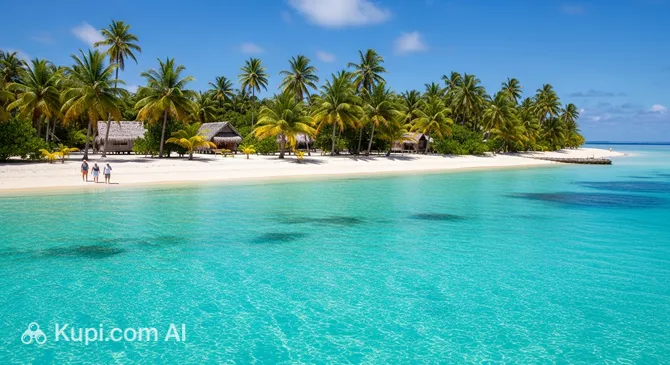
Kauehi. Source: Kupi.Binoculars

Geographically, Kauehi is recognized as a UNESCO Biosphere Reserve, highlighting the exceptional quality and biodiversity of its environment. The climate is tropical, offering warm and sunny weather year-round, which is perfect for exploring the outdoors. While the population is small, primarily concentrated in the charming village of Tearavero, the locals are known for their warm hospitality and deep connection to the ocean. Visitors can immerse themselves in the quiet rhythm of daily life here, far removed from the bustle of mass tourism.

Those curious about the local heritage will find the history of Kauehi fascinating, from its discovery by European explorers to its enduring Polynesian traditions. Today, the atoll is celebrated for its pearl farming, allowing visitors to see how the famous Tahitian black pearls are cultivated. Additionally, the lagoon offers world-class opportunities for snorkeling and diving, with an abundance of marine life including sharks, rays, and colorful reef fish.

If you are dreaming of a destination that combines untouched natural beauty with a sense of peaceful isolation, Kauehi is the perfect choice. Whether you are exploring the underwater wonders or simply relaxing on a deserted beach, this enchanting atoll promises an unforgettable experience in the heart of the Pacific.

Weather Overview

Kauehi enjoys a warm and consistent tropical climate throughout the year, making it an inviting destination regardless of the season. The temperatures are remarkably stable, generally hovering between 25°C and 27°C. The warmest months are typically March and April, with average temperatures reaching around 27.1°C, while the coolest period occurs in August and September, where the average dips slightly to 25.2°C.

Rainfall is a regular feature of the island's weather pattern, with a high number of "wet days" recorded throughout the year, peaking in January with up to 26 days of precipitation. However, these are often passing tropical showers rather than constant downpours. For those looking to time their visit perfectly, consulting the detailed guide to the weather in Kauehi is highly recommended. Expect warm, humid days year-round with frequent, likely brief, showers that help maintain the atoll's lush environment.

Interesting Facts

Beyond the pristine beaches and turquoise waters, Kauehi holds a collection of fascinating historical footnotes and unique local features. From its connections to legendary expeditions to its singular geographical traits, this atoll offers more than meets the eye.
  • A Connection to the HMS Beagle: While many associate the famous ship with the Galapagos, the first recorded European to visit Kauehi was none other than Captain Robert FitzRoy in 1835. He commanded the HMS Beagle during the same expedition that carried Charles Darwin around the world, marking Kauehi on the map of global exploration.

  • The "Vincennes" Legacy: In the 19th century, the American explorer Charles Wilkes visited the atoll and renamed it Vincennes after his own ship. Although the name did not persist among the local population, who retained the Polynesian name, it can still be found on some historical nautical charts.

  • The Solitary Gateway: Unlike many other atolls in the Tuamotus that have multiple entry points, Kauehi possesses exactly one navigable pass, known as Arikitamiro. This deep and wide channel is legendary among sailors for its incredibly clear water, where visibility can exceed 45 meters, offering a crystal-clear window into the marine world below.

  • A Fusion of Faith and Nature: In the main village of Tearavero, visitors can find a unique artistic landmark: a mural depicting the Virgin Mary. What makes this artwork special is its background, which intricately weaves in representations of the local flora and fauna, symbolizing the deep spiritual connection between the islanders' faith and their natural environment.

How to Get There

Reaching the remote and pristine atoll of Kauehi is an adventure that immerses you in the beauty of the Tuamotu Archipelago. Most travelers arrive by air, connecting through the main island of Tahiti or other nearby atolls. For a comprehensive guide on planning your journey, you can read more about how to get to Kauehi.

The atoll is served by its own domestic airfield, Kauehi Airport (KHZ). Located approximately 11.6 km from the main village of Tearavero, it is the primary entry point for visitors. Upon arrival, the transfer to the village typically takes about 20 to 30 minutes by car or truck via the road connecting the airfield to the settlement. As a small regional facility, it connects the atoll to the wider inter-island network.

Because flight schedules can be sporadic, travelers often transit through larger neighboring hubs. Fakarava Airport (FAV) in the city of Fakarava is the closest alternative, located about 56.6 km away. Another significant hub in the region is Rangiroa Airport (RGI) in Rangiroa, situated approximately 287.3 km from Kauehi. These airports handle a higher volume of passengers and offer more frequent connections, often serving as stopovers before the final short hop to Kauehi.

For clarity, here is a summary of the main airports:

Airport Name City Passenger Traffic Km from City
Rangiroa Airport Rangiroa Medium 287.3
Fakarava Airport Fakarava Small 56.6
Kauehi Airport Kauehi 11.6

There are no railway services in French Polynesia, and Kauehi does not have any train stations. Transportation within the archipelago is exclusively conducted by air or sea. Visitors rely on domestic flights for inter-island travel and use boats or small motor vehicles to navigate the atolls themselves.

Main Attractions

Arikitamiro Pass is the only navigable entry into the lagoon and serves as the primary attraction for diving enthusiasts visiting Kauehi. Known for its incredible water clarity and vibrant marine life, this pass offers an exhilarating drift diving experience. Divers can expect to encounter schools of grey sharks, eagle rays, and a multitude of colorful reef fish carried by the currents. The sheer visibility here often exceeds 45 meters, making it a spectacular window into the deep blue Pacific.

The charming settlement of Tearavero Village is the heart of the atoll and offers a glimpse into the authentic lifestyle of the Tuamotu Archipelago. Visitors can stroll through neat streets lined with white sand and bordered by low walls made of coral blocks. The village is filled with blooming flowers and shaded by coconut palms, providing a peaceful atmosphere where you can meet friendly locals and observe their daily connection to the sea.

Located within the village, the Saint-Marc Church is a significant historical and architectural landmark. Built in the mid-19th century, this structure is constructed entirely from coral blocks cemented with lime, a traditional method used before the arrival of modern materials. The church stands as a sturdy testament to the island's heritage and remains an active place of worship, offering a serene environment that reflects the enduring spirit of the community.

Pearl Farms are a vital part of Kauehi's economy and offer a fascinating insight into local industry. Several family-run farms operate on the lagoon's remote motus, maintaining the atoll's quiet and uncommercialized character. While formal tours are less common here than on larger islands, visitors may have the opportunity to observe the delicate process of grafting oysters and harvesting the famous Tahitian black pearls in an authentic, working environment.

The Kauehi Lagoon itself is a massive natural attraction, designated as a UNESCO Biosphere Reserve. Its pristine, turquoise waters are ideal for snorkeling, swimming, and boat excursions. Travelers can explore untouched islets with pink and white sand beaches, enjoy picnics in complete seclusion, and marvel at the protected coral gardens that teem with life, offering a serene escape far from the crowded tourist paths.

Local Cuisine

The local cuisine of Kauehi is a true reflection of its isolated, island lifestyle, heavily reliant on the bounty of the surrounding ocean and the fertile soil of the atoll. Gastronomy here is defined by freshness and simplicity, with most ingredients harvested just hours before being served. Visitors can expect a diet dominated by seafood, coconuts, and tropical root vegetables, offering an authentic taste of the Tuamotu Archipelago that is far removed from processed imports.

The undisputed star of the dining table is poisson cru au lait de coco (raw fish marinated in coconut milk). This national dish of French Polynesia is prepared daily using the freshest catch from the lagoon, typically tuna or mahi-mahi, "cooked" in lime juice and mixed with diced vegetables and freshly squeezed coconut milk. Another local delicacy worth trying is pahua (giant clam), which is abundant in the pristine waters of Kauehi. It can be served raw with a splash of lime, cooked in a curry, or prepared as a fritter.

For those who prefer cooked meals, grilled fish is a staple, often seasoned simply to let the natural flavors shine. Depending on the season and local regulations, you might also have the opportunity to taste kaveu (coconut crab), a highly prized crustacean known for its rich, sweet meat. Meals are typically accompanied by hearty sides such as uru (breadfruit), taro, or cassava, which are roasted or boiled to complement the protein-rich main courses.

To quench your thirst, nothing beats pape haari, or fresh coconut water, often enjoyed straight from the nut. It is the ultimate natural hydrator in the tropical heat. For a stronger beverage, the local Hinano beer is a ubiquitous sight, perfect for enjoying while watching the sunset. Fresh fruit juices, made from pineapple, grapefruit, or mango, are also popular and provide a refreshing burst of vitamins.

The dining scene in Kauehi is intimate and communal, differing significantly from the restaurant culture found on more developed islands. There are very few independent restaurants; instead, the culinary experience is centered around guesthouses (pensions). Here, hosts prepare family-style meals (table d'hôte) for their guests, often sharing stories and traditions over dinner. Small "snacks" (casual eateries) may operate in the village of Tearavero, serving simple lunches like steak-frites or chow mein, but the true essence of Kauehi's food culture is found in the home-cooked, shared meals that welcome travelers into the local family.

Travel Tips

Visiting Kauehi is a journey into the unspoiled heart of the Tuamotus, but its remote nature means that a little extra planning goes a long way. To ensure your adventure in this UNESCO Biosphere Reserve is as seamless and relaxing as possible, here are some essential practical tips to keep in mind.

  1. Clothing and Gear: The climate is tropical and humid, so pack lightweight, breathable fabrics like cotton or linen. Since the sun is very strong, a wide-brimmed hat, sunglasses, and reef-safe biodegradable sunscreen are non-negotiable. Crucially, bring sturdy reef shoes or water sandals; the coral can be sharp, and they are necessary for exploring the lagoon safely.

  2. Transportation: There is no public transport, metro, or taxi service on the atoll. The village of Tearavero is small enough to navigate easily on foot. Some guesthouses (pensions) may offer bicycles for their guests to use, which is a delightful way to explore the flat terrain, but do not expect car rental agencies or ride-hailing apps here.

  3. Finances: Kauehi is largely a cash-based economy. There are no ATMs or banks on the atoll, so it is critical that you withdraw sufficient Pacific Francs (XPF) in Tahiti before you arrive. While some larger pensions may accept credit cards, small shops and local artisans will likely only take cash. Tipping is not customary in Polynesian culture, but a warm smile is always appreciated.

  4. Health and Safety: Medical facilities are limited to a small infirmary, so bring a comprehensive first aid kit with essentials like antiseptics, painkillers, and any prescription medications you need. Tap water is generally rainwater collected in cisterns and may not be suitable for tourists to drink; stick to bottled or filtered water. Also, pack plenty of insect repellent to protect against mosquitoes.

  5. Communication: The primary languages are French and the local Paumotu dialect. English is not widely spoken outside of tourism-focused accommodations, so learning a few basic phrases in French or Tahitian will be very helpful. Wi-Fi is usually available at guesthouses but can be slow. For mobile data, purchase a Vini SIM card in Tahiti, as coverage from other providers may be non-existent.

  6. Local Etiquette: Polynesians are incredibly welcoming, and it is polite to greet everyone you pass with a friendly "Ia Orana" (Hello). When entering a home or a pension, it is customary to remove your shoes at the door. Dress modestly when walking through the village, saving your swimwear for the beach or boat trips.

  7. What to Avoid: Do not waste fresh water. On a remote atoll, fresh water is a precious resource collected from rain or desalination, so keep showers short and turn off the tap while brushing your teeth. Additionally, avoid touching or standing on live coral when snorkeling to preserve the delicate marine ecosystem.

  8. Shopping Tip: Shops in Kauehi have limited stock and irregular opening hours, often closing for a midday siesta. If you have specific dietary requirements, favorite snacks, or specific toiletries, it is best to buy them in Tahiti and bring them with you in your luggage.

By packing the right gear and respecting the local way of life, you will be perfectly set to enjoy the serenity of Kauehi. Leave the stress of the modern world behind and prepare to embrace the slow, rhythmic pace of island living in this beautiful corner of the Pacific.

Entertainment & Nightlife

Travelers arriving in Kauehi expecting a vibrant nightlife scene with pulsing nightclubs, neon-lit bars, or crowded dance floors will quickly discover that this remote atoll operates on a different rhythm. The concept of "nightlife" here is redefined by the island's tranquility and isolation. Instead of loud music and parties, the evening entertainment is centered around nature, silence, and the warmth of communal gatherings. The atmosphere is incredibly laid-back, where the dress code rarely exceeds a clean t-shirt and a pair of shorts.

The hub of social activity in the evening is almost exclusively found within the guesthouses (pensions) and the main village of Tearavero. Since there are no dedicated bars or pubs on the atoll, the dining tables of local accommodations effectively serve as the island's "nightspots." Here, guests and hosts gather for long, leisurely dinners that often extend into the night with storytelling and cultural exchange. If you are lucky, a local might bring out a ukulele, turning a quiet meal into an impromptu acoustic jam session under the open sky.

For those seeking a drink, options are limited. There are no liquor stores open late, and alcohol is generally not sold after hours. Visitors are advised to purchase their preferred beverages—whether it's the local Hinano beer or a bottle of wine—at the small village stores during the day or bring them from Tahiti. Enjoying a cold drink on the terrace of your bungalow while watching the sun dip below the horizon is the quintessential Kauehi happy hour.

The most spectacular "show" in Kauehi takes place overhead. With zero light pollution and clean air, the atoll offers some of the best stargazing opportunities in the world. A simple walk along the reef side or the lagoon beach reveals a dazzling canopy of stars, planets, and the Milky Way, visible with the naked eye. It is a mesmerizing experience that far outweighs the allure of a city club. For night walks, the area is exceptionally safe, but carrying a flashlight is essential as street lighting is minimal to non-existent, and you will want to avoid stepping on the numerous land crabs that emerge after dark.

During the daylight hours, entertainment is much more active but remains nature-focused. While there are no museums, theaters, or amusement parks, the lagoon serves as a vast playground. Visitors spend their days exploring pearl farms, snorkeling in the crystal-clear waters of the Arikitamiro Pass, or simply picnicking on deserted motus. The transition from these sun-soaked activities to the quiet, starry evenings creates a perfect balance for those seeking genuine relaxation.

Practical advice for the evening is simple: dinner is usually served early, around 7:00 PM, and the island sleeps early. There are no taxis or public transport services at night, so getting around is done entirely on foot or by bicycle within the village. The streets of Tearavero are safe for solo walkers, but the profound silence and darkness can be surprising to city dwellers. Embracing this stillness is key to enjoying your nights in Kauehi.

Parks & Museums

Kauehi is not a destination defined by manicured city parks or grand national museums; instead, the entire atoll serves as a living sanctuary where nature and culture are inextricably linked. Visitors will not find ticketed entrances or curated galleries, but rather a vast, open-air environment where the "green spaces" are pristine islets and the "museums" are the historic structures and daily traditions of the local community.

The Kauehi Lagoon acts as the atoll's primary natural park. Designated as a UNESCO Biosphere Reserve, this expansive body of water is a protected area dedicated to conservation and sustainable living. Unlike a traditional urban park, the "paths" here are navigated by boat or with a snorkel, leading explorers through coral gardens teeming with life. It is a pristine wilderness where the preservation of biodiversity takes precedence, offering a raw and untouched experience of the Polynesian environment.

Surrounding the lagoon are numerous Motus (islets), which serve as the local equivalent of recreational gardens. These uninhabited strips of land, often covered in coconut groves and native shrubs, offer secluded beaches with pink and white sands. They are the perfect spots for "picnics in the park," allowing visitors to relax in complete isolation, surrounded only by the sounds of the ocean and the wind in the palm fronds.

In terms of cultural heritage, the Saint-Marc Church in the village of Tearavero stands as the island's most significant architectural and historical landmark. Built in the 19th century entirely from coral blocks, the church is a masterpiece of traditional craftsmanship. While not a museum in the strict sense, it functions as a custodian of local history, preserving the architectural techniques of the past and serving as the spiritual center of the community.

While there are no art galleries, the local Pearl Farms offer a fascinating glimpse into the artistic and economic culture of the atoll. These working farms allow visitors to witness the cultivation of the famous Tahitian black pearl, a gem that is central to the identity of the Tuamotu Archipelago. Observing the grafting and harvesting process provides an educational experience comparable to a living museum, showcasing the delicate relationship between the islanders and the lagoon.

For a truly authentic experience, take the time to explore the village of Tearavero on foot. The village itself is a cultural exhibit, with its white sand streets, walls made of coral, and gardens filled with hibiscus and tiare flowers. It offers a rare opportunity to observe a way of life that has remained largely unchanged, where the rhythm of the day is dictated by the sun and the tides rather than by clocks.

Getting Around

Travelers planning a visit to Kauehi should be aware that the atoll does not possess a public transport system in the traditional sense. Due to its remote location and small population, there are no buses, metros, trams, or public taxi services operating within the village or across the island. The local infrastructure is minimal, designed to support a quiet, pedestrian-friendly lifestyle rather than mass transit.

The most important transport detail to arrange is your transfer from the airport. Although the airfield is located on the same landmass as the main village of Tearavero and is connected by a road, the distance is approximately 11 kilometers, making it unsuitable for walking with luggage. There are no independent taxi stands or shuttle counters at the terminal. Instead, transfers are almost exclusively arranged by guesthouses. Hosts typically meet their guests upon arrival using private trucks or cars to drive them to their accommodation. It is crucial to confirm this service in advance as part of your lodging booking.

For getting around the main village of Tearavero, walking is the most practical and common option. The settlement is compact, featuring charming white sand streets that are easy to navigate on foot. Most points of interest, including the church, the quay, and small local shops, are within a short walking distance of each other. The pace of life is slow, and strolling through the village offers a pleasant way to interact with the local community.

Bicycles serve as the primary alternative to walking and are the closest equivalent to "local transport" on the atoll. Many guesthouses provide bicycles for their guests, either free of charge or for a small daily rental fee. Cycling allows you to explore the length of the main islet and enjoy the coastal scenery at a leisurely pace. However, visitors should not expect to find formal bike rental shops or docking stations; availability is entirely dependent on your accommodation provider.

To explore the lagoon or visit distant motus (islets) that are not accessible by road, boat travel is necessary. These trips are not scheduled public ferries but are private excursions. You will need to organize boat transfers through your guesthouse or negotiate directly with a local boat operator. Since there is no ticketing system or transport apps, any payments for boat trips or rentals are handled directly in cash or added to your final accommodation bill. Carrying sufficient cash is essential, as digital payment platforms for transport do not exist here.

Accommodation

Where to Stay:

Accommodation in Kauehi is a world away from the glossy, large-scale tourism found on the more famous Society Islands. There are no luxury resorts, overwater bungalow complexes, or international hotel chains here. Instead, the atoll offers a small selection of authentic family-run guesthouses, known locally as "pensions." These establishments provide a warm, intimate experience that allows visitors to immerse themselves in the daily life of the Paumotu people.

The majority of accommodation options are located in or near the main village of Tearavero. Staying in this area is the most convenient choice for travelers, as it provides easy access to the atoll's only pass, the church, and the limited shops available. Being based in the village also means you are within walking distance of the community's social hub, making it easier to arrange boat excursions or simply chat with the locals.

A typical stay in Kauehi involves renting a simple but comfortable bungalow, often situated right on the beach or within a tropical garden. Amenities are generally basic, focusing on necessity rather than luxury; you might find cold water showers and fans instead of air conditioning. However, the true value lies in the hospitality. Most pensions operate on a half-board or full-board basis, meaning breakfast and dinner are included. These communal meals are a highlight, featuring fresh seafood and offering a chance to share stories with your hosts and fellow travelers.

Booking Tip: Because the number of rooms on the entire atoll is extremely limited—often fewer than a dozen in total—it is essential to book your accommodation well in advance. It is not uncommon for the best pensions to be fully booked months ahead, especially during the peak season (July and August) or local holidays. Do not arrive without a confirmed reservation.

Regarding costs, prices tend to be in the mid-range category. While the amenities are simple, the cost reflects the remoteness of the island and the inclusion of meals. Booking is typically done through direct email with the owners or via specialized travel agencies in Tahiti. Be aware that many smaller pensions do not accept credit cards, or the connection may be unreliable, so clarifying payment methods beforehand and carrying sufficient cash is highly recommended.

Nearby Cities

For those looking to explore the surroundings, Kauehi serves as an excellent base for day trips to several interesting nearby locations:

City Population Distance (km)
Papeete 131695 504
Moorea 18000 531
Raiatea 12500 681
Bora Bora 10605 707
Huahine 6000 634

Although the distances in the archipelago are significant, air connections make it possible to visit major regional highlights. Papeete, the capital located on Tahiti, is the vibrant heart of French Polynesia, offering bustling markets, shopping, and a taste of urban island life. Moorea attracts visitors with its stunning geography, featuring jagged green mountains and the spectacular Cook's and Opunohu Bays. Farther afield, Bora Bora is legendary for its world-famous lagoon and luxury atmosphere, providing a stark but beautiful contrast to the secluded charm of Kauehi.

These nearby destinations offer a glimpse into the diverse culture and landscapes of the region.

Shopping & Souvenirs

Shopping in Kauehi is a reflection of its peaceful, isolated lifestyle. Travelers should adjust their expectations, as this remote atoll is not a destination for retail therapy, luxury brands, or extensive souvenir hunting. Instead, the shopping experience here is authentic and subsistence-based, focused on basic necessities and unique local treasures. The options are limited to a few small family-run grocery stores and direct purchases from artisans or pearl farmers, offering a glimpse into the self-sufficient nature of the Tuamotu Archipelago.

There are no shopping districts or commercial avenues in Kauehi. The retail "scene" is entirely concentrated within the main village of Tearavero. Here, you will find a small number of general stores, known locally as "magasins." These humble establishments stock essential food items, canned goods, basic toiletries, and frozen products. They serve the daily needs of the local population and are the only places to restock supplies if you are self-catering. A walk down the village's main coral road will take you past these spots, which are often unmarked and integrated into family homes.

Unsurprisingly, there are no shopping malls, department stores, or chain boutiques on the atoll. The commercial infrastructure is minimal, and visitors looking for fashion, electronics, or extensive variety will need to do their shopping in Tahiti before arriving. Kauehi offers a refreshing break from consumerism, where the focus is on the environment rather than material goods.

Unlike larger islands with bustling municipal markets, Kauehi does not have a formal marketplace. Trade is often informal and community-driven. You might encounter locals selling fresh catch, such as fish or lobster, near the quay when fishing boats return. Occasionally, specialized items like homemade coconut bread or seasonal fruits are sold directly from homes or small roadside stands, but there is no fixed schedule or location for these exchanges.

Despite the limited options, there is one standout category for souvenirs: Tahitian black pearls. Kauehi is home to active pearl farms, and purchasing pearls directly from the source is a special experience. Visitors can often buy loose pearls or simple jewelry settings right at the farm, ensuring authenticity and often better prices than in city boutiques. Apart from pearls, you may find locally crafted items such as shell necklaces (using the vibrant "kahi" shells), woven pandanus hats, or coconut oil (Monoi), usually sold by artisans from their homes.

Opening hours in Kauehi are dictated by the island's slow pace. The small shops in Tearavero typically open early in the morning, around 6:00 or 7:00 AM, to take advantage of the cooler hours. They often close for a long midday break (siesta) from roughly 12:00 PM to 3:00 PM, reopening for a few hours in the late afternoon. On Sundays and public holidays, most shops are closed or have extremely limited hours.

Regarding payment, cash is absolutely essential. Credit cards are rarely accepted in the small village stores or by local artisans. Since there are no ATMs or banks on the atoll, tourists must bring a sufficient amount of Pacific Francs (XPF) from Tahiti to cover all their expenses, including groceries and souvenirs. Tax-free shopping and VAT refunds are not applicable here due to the informal and small-scale nature of the local economy.

Reached the end of the page?

That means the route is fully explored