Support

Kaukura Atoll

About

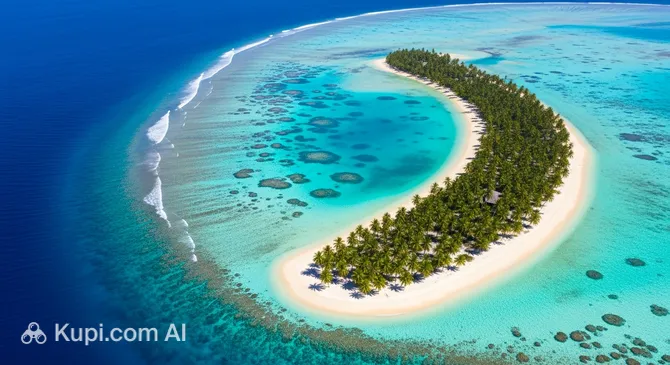
Welcome to Kaukura Atoll, a stunning oval-shaped coral formation located in the Palliser group of the Tuamotu Archipelago. This serene destination in French Polynesia offers travelers a chance to experience the authentic and quiet pace of island life, far removed from the bustle of major tourist hubs. With a population of approximately 542 inhabitants, the atoll maintains a close-knit community atmosphere where traditions are warmly preserved.

Kaukura Atoll. Source: Kupi.Binoculars

The geography of Kaukura is defined by its enclosed lagoon, which is remarkably shallow and renowned for its vibrant turquoise waters. Unlike some other atolls, Kaukura's lagoon is relatively difficult for large ships to enter, which has helped protect its pristine marine environment. While the history of Kaukura Atoll is deeply rooted in Polynesian seafaring traditions, today the island is best known as a primary supplier of fresh fish to the markets of Tahiti, highlighting the richness of its waters.

Visitors are drawn to this destination for its exceptional snorkeling and diving opportunities, where the underwater world teems with colorful reef fish. The atoll is also a significant site for black pearl farming, allowing guests to witness the cultivation of these famous gems firsthand. Whether you are exploring the charming main village of Raitahiti or simply relaxing on the sun-drenched motus, Kaukura promises an unforgettable escape into nature.

Weather Overview

Kaukura Atoll enjoys a warm and consistent tropical climate throughout the year, making it an inviting destination for travelers regardless of the season. The temperatures remain remarkably stable, generally hovering between 25°C and 28°C, ensuring a comfortable environment for swimming and exploring the lagoon. Even during the slightly cooler months of August and September, the average temperature rarely dips below 25.4°C, while the warmest period around March sees highs reaching up to 28.0°C.

When planning your trip, it is helpful to check the detailed weather in Kaukura Atoll to pack accordingly. Rainfall on the atoll is characterized by frequent but often light showers; while the number of "wet days" can be high—ranging from 15 days in August to 26 days in January—the actual precipitation volume is quite low, typically between 2mm and 8mm per month. Expect warm, sunny days interspersed with brief, refreshing showers that help maintain the lush beauty of the atoll without spoiling your outdoor adventures.

Interesting Facts

Beyond the main attractions, Kaukura Atoll holds many fascinating secrets that reveal its unique character within the Tuamotu Archipelago. From its specific geological formation to its place in maritime history, there is much to discover about this quiet island.

  • Captain Cook's Discovery: The atoll was visited by the renowned explorer Captain James Cook in 1774. He included it in the Palliser group, naming the cluster of islands after his friend and patron, Admiral Sir Hugh Palliser.

  • Sixty-Five Islets: The coral reef that forms the atoll is comprised of approximately 65 individual motus (islets). These small strips of land are scattered along the rim, creating a fragmented yet protective barrier around the central waters.

  • Ancient Stone Traps: While the island is known for fishing, the method is quite distinct; locals maintain traditional fish parks built from coral stones. These labyrinthine traps in the shallows are a sustainable heritage practice that allows the community to harvest fish without depleting the ecosystem.

  • Administrative Ties: Kaukura does not stand alone politically; it is part of the Commune of Arutua. It shares close administrative and cultural bonds with the neighboring atolls of Arutua and Apataki, forming a distinct sub-region within French Polynesia.

How to Get There

Reaching the secluded paradise of Kaukura Atoll is an adventure that typically involves air travel through the stunning Tuamotu Archipelago. Since the atoll is a remote destination, planning your journey requires attention to flight schedules and connections. For a detailed breakdown of routes and travel tips, you can read more about how to get to Kaukura Atoll.

While Kaukura is a distinct destination, travelers often transit through or fly near other major hubs in the region. One of the closest significant transport nodes is Fakarava Airport (FAV), located in the city of Fakarava, approximately 114 km from Kaukura Atoll. Another key gateway in the archipelago is Rangiroa Airport (RGI), situated in Rangiroa, about 137 km away. It is important to note that these airports are located on separate atolls; therefore, travel from these hubs to Kaukura would typically require a connecting domestic flight or a planned sea voyage, rather than a simple taxi or bus ride.

For clarity, here is a summary of the main airports in the vicinity:

Airport Name City Passenger Traffic Km from City
Rangiroa Airport Rangiroa High 137.2
Fakarava Airport Fakarava Medium 114.3
Tikehau Atoll Airport Tikehau Medium 180.7
Kauehi Airport Kauehi 166.1

There are no railway services available in this island region. Transportation within the Tuamotu Archipelago relies heavily on inter-island flights and boats. Once you arrive on the atoll, getting around is usually done on foot or by small local boats to visit the various motus.

Main Attractions

Raitahiti Village is the heartbeat of Kaukura Atoll and the primary settlement where visitors can experience the authentic lifestyle of the Tuamotu Archipelago. Located near the airfield, this charming village is characterized by its neat rows of coconut palms, colorful homes, and a peaceful atmosphere that feels worlds away from modern stress. A stroll through Raitahiti offers a glimpse into the daily lives of the friendly locals, with the village church standing as a central landmark and a gathering place for the community.

The Kaukura Lagoon is the atoll's most spectacular natural feature, renowned for its shallow, translucent turquoise waters that are teeming with marine life. Unlike many other atolls, the lagoon is relatively closed off, which has helped preserve its pristine ecosystem. It is particularly famous for its traditional fish parks—intricate labyrinths built from coral stones in the shallow water. These traps are a unique cultural heritage and a sustainable fishing method used by locals to catch species like parrotfish and jacks, making them a fascinating sight for visitors exploring by boat.

For nature enthusiasts, Motu Panao stands out as a significant islet located in the northwest of the atoll. Often cited as one of the most important landmasses on the reef rim, it offers a rugged and untouched environment perfect for those looking to connect with nature. The motu is an excellent spot for observing sea birds and enjoying the raw beauty of the Paumotu landscape, with endless views of the ocean meeting the coral reef.

Travelers intrigued by local legends should ask about the Stone of Tutonu, located near the deserted village of Faro on the eastern side of the atoll. According to local lore, this mystical stone served as a protector of the island against invading warriors in ancient times. Visiting this site is not just a tour of a physical location but a journey into the oral history and spiritual beliefs that are deeply woven into the identity of Kaukura's people.

Local Cuisine

The cuisine of Kaukura Atoll is a true reflection of its environment: simple, fresh, and dominated by the bounty of the ocean. As an island renowned for supplying fresh fish to the markets of Tahiti, Kaukura offers visitors the chance to taste seafood at its absolute freshest. The culinary experience here is less about elaborate restaurant menus and more about authentic Polynesian flavors prepared with catch-of-the-day ingredients, often sourced directly from the pristine lagoon just hours before being served.

The signature dish you must try is poisson cru à la tahitienne (raw fish marinated in lime juice and fresh coconut milk). While this is a staple throughout French Polynesia, the version in Kaukura is exceptional due to the high quality of the local lagoon fish, such as parrotfish or jackfish. Other local favorites include succulent grilled fish served simply with lime, fresh sashimi, and dishes featuring pahua (giant clams), which are often prepared in a savory curry or marinated in tart citrus juices.

Beyond seafood, the local diet relies heavily on coconuts, which grow abundantly on the motus. You will likely encounter pain coco (coconut bread), a dense and slightly sweet bread often served at breakfast or as a side to savory meals. For drinks, nothing beats the refreshing taste of fresh coconut water, enjoyed straight from the nut to hydrate after a day in the sun. For a relaxed evening beverage, the iconic Hinano beer is widely available and is the standard accompaniment to sunset gatherings.

Dining options on Kaukura are limited but charmingly intimate. You will not find large commercial restaurants here; instead, the food scene revolves around small, family-run "Snacks" and the dining tables of local guesthouses (pensions). Eating at a pension is a highlight of any trip, where hosts prepare generous communal meals that allow you to taste home-cooked regional specialties while connecting with local families in a warm, welcoming atmosphere.

Travel Tips

Visiting a remote destination like Kaukura Atoll is a rewarding experience that offers a true disconnect from the modern world, but it also requires a bit more preparation than a standard holiday. To help you make the most of your stay in this peaceful corner of French Polynesia, here are some essential practical tips to ensure your trip is smooth and enjoyable.

  1. Clothing and Gear: The climate is tropical and warm year-round, so pack lightweight, breathable fabrics like cotton or linen. Swimwear is a must, but equally important are reef shoes to protect your feet from sharp coral and stonefish in the lagoon. Don't forget high-SPF biodegradable sunscreen, a wide-brimmed hat, and good sunglasses. If you plan to attend a church service in Raitahiti, modest attire covering shoulders and knees is respectful.
  2. Transportation: Forget about metros, buses, or taxis; Kaukura is a small atoll where the pace of life is slow. The primary mode of transport within the village is walking or cycling, and many guesthouses provide bicycles for their guests. For travel between the airport and your accommodation, or to visit different motus (islets), transfers are almost exclusively arranged by boat or car through your host.
  3. Finances: Cash is king on the atoll. There are no ATMs or currency exchange bureaus on Kaukura, so you must withdraw sufficient Pacific Francs (XPF) in Tahiti before you arrive. While some larger pensions may accept credit cards, it is not guaranteed, and the connection can be unreliable. Tipping is not mandatory in Polynesian culture, but a warm smile and a sincere "Mauruuru" (thank you) are always appreciated.
  4. Health and Safety: Medical facilities are limited to a small local infirmary, so bring a well-stocked personal first-aid kit, including antiseptics for coral cuts, motion sickness pills for boat rides, and any prescription medications you need. Tap water is generally rainwater and may not be potable; stick to bottled water or boiled water. The island is very safe from crime, but always remain vigilant regarding ocean currents when swimming.
  5. Communication: The main languages are French and the local Paumotu dialect; English is not widely spoken outside of tourism-focused interactions. Learning a few basic phrases like Ia Orana (Hello) and Mauruuru (Thank you) goes a long way. Wi-Fi is usually available at guesthouses but can be slow. For mobile data, a Vini SIM card purchased in Tahiti typically offers the best coverage in the Tuamotu Archipelago.
  6. Local Etiquette: Polynesians are incredibly hospitable and friendly. It is customary to greet people you pass on the road with a smile or a nod. When entering a local home or certain guest bungalows, always check if you should remove your shoes at the door. Life here moves at "island time," so patience and a relaxed attitude towards schedules are key to fitting in.
  7. What to Avoid: Please do not walk on the coral reefs; they are fragile living ecosystems and essential to the atoll's survival. Also, be mindful of fresh water usage. On an atoll, fresh water is a precious resource collected primarily from rain, so keep showers short and avoid wastage.
  8. Shopping Tip: Shops in the village of Raitahiti are small and stock only basic necessities. If you have specific dietary requirements, favorite snacks, or need specific toiletries, it is highly recommended to buy them in Tahiti and bring them with you in your luggage.

By packing the right essentials and embracing the local way of life, you will find Kaukura Atoll to be a welcoming and restorative paradise. Leave your watch behind, respect the delicate environment, and prepare to immerse yourself in the timeless beauty of the Tuamotus.

Entertainment & Nightlife

Entertainment and nightlife on Kaukura Atoll are defined by tranquility and connection with nature rather than the pulsing beats of nightclubs or bustling bar strips. Visitors expecting a vibrant party scene will instead find a peaceful sanctuary where the evening entertainment revolves around communal dining, stargazing, and the gentle sounds of the ocean. The concept of "nightlife" here is intimately tied to the local lifestyle, which winds down early to align with the sun.

The hub of activity, such as it is, can be found in the main village of Raitahiti. There are no dedicated nightclubs or western-style cocktail bars on the atoll. Instead, the social center of the evening is typically your accommodation. Guesthouses, known locally as pensions, serve as the de facto restaurants and meeting places. Establishments like Pension Rekareka or Pension Vaitehi are where guests and hosts gather after sunset. The atmosphere is incredibly casual and warm; the dress code rarely requires more than shorts and a t-shirt, or a comfortable pareo.

For those looking for a drink, the options are simple. You can purchase cold Hinano beers or soft drinks from one of the small general stores in Raitahiti before they close in the early evening. Many visitors enjoy these beverages while sitting on the lagoon shore to watch the spectacular sunset, which is widely considered the premier evening "show" on the island. Occasionally, a local "Snack" (a small, informal eatery) may stay open for dinner, serving simple dishes like steak-frites or catch of the day, but opening hours can be unpredictable and often depend on the owner's schedule.

Practical advice for evenings on Kaukura is straightforward: bring a flashlight. Street lighting in Raitahiti is minimal to non-existent, and once the sun goes down, the atoll becomes pitch black. This lack of light pollution, however, makes for world-class stargazing. Simply walking to the water's edge provides a view of the Milky Way that is rarely seen in more developed areas. In terms of safety, the atoll is very secure for night walks, though you should be mindful of stray dogs and uneven coral paths.

Transportation at night is limited to walking. There are no taxis or public transport services running after dark. Since most accommodations are located within or near the village, getting around on foot is feasible, but having a torch or headlamp is essential. Prices for evening meals at pensions are usually fixed and included in half-board packages, while buying drinks at a store is affordable, with a beer costing a few hundred Pacific Francs.

While the nights are quiet, daytime entertainment on Kaukura is centered on the breathtaking lagoon. Visitors spend their days engaging in snorkeling excursions to see the vibrant coral gardens, visiting pearl farms to learn about the local economy, or taking boat trips to uninhabited motus for picnics. These activities ensure that by the time evening falls, most travelers are happily exhausted and ready for the early, peaceful night that the atoll offers.

Parks & Museums

In Kaukura Atoll, the concept of parks and museums is redefined by the pristine environment and the enduring traditions of its people. You will not find manicured city gardens or air-conditioned galleries here; instead, the entire atoll serves as a sprawling natural sanctuary, and the daily life of the inhabitants acts as a living museum of Paumotu culture. The "green spaces" are the lush, coconut-filled islets, and the "exhibits" are the ancient techniques used to harvest the sea's bounty.

The most significant natural area is undoubtedly the Kaukura Lagoon itself. Spanning a vast area protected by the coral ring, this aquatic park is the playground for both locals and visitors. Its shallow, translucent waters are perfect for snorkeling, acting as a natural aquarium where you can observe vibrant coral gardens and schools of tropical fish in their wild habitat. Unlike urban parks, this space changes with the tides and offers a sense of boundless freedom, inviting you to explore its turquoise expanse by boat or kayak.

For a terrestrial escape, the numerous Motus (islets) that form the atoll's rim offer untouched natural beauty. Motu Panao, located in the northwest, is a prime example of these wild sanctuaries. It is a haven for seabirds and features rugged vegetation adapted to the saline environment. Walking along its shores provides a stark contrast between the calm lagoon and the powerful ocean waves crashing against the outer reef, offering a raw and humbling nature experience that far exceeds any landscaped botanical garden.

Regarding cultural institutions, Kaukura does not possess formal museums or art galleries. However, the local Catholic church in the village of Raitahiti stands as a significant architectural and historical landmark. Rebuilt after cyclone damage, the church is the spiritual heart of the community and a testament to the resilience of the local population. Its simple yet dignified structure houses the collective history of the village, and attending a Sunday service offers a profound insight into the local culture, filled with harmonious himene (traditional singing) that no audio guide could replicate.

Another venue that serves an educational role similar to a museum is the local Pearl Farm. Since Kaukura is a producer of the famous Tahitian Black Pearl, visiting a farm provides a fascinating look into the delicate process of grafting and harvesting these gems. It is an interactive experience where you can learn about the biology of the oyster and the economic history of the Tuamotu Archipelago, effectively serving as a gallery of the ocean's most precious art.

For a truly authentic insight, ask a local to show you the Parcs à Poissons (Fish Parks). These traditional stone traps, built into the shallow reef channels, are unique to the region and have been used for generations. While they are functional tools for fishing, they are also historical monuments of engineering and sustainability. Viewing these intricate stone labyrinths offers a glimpse into the ancestral knowledge that has allowed the people of Kaukura to thrive in this remote oceanic environment for centuries.

Getting Around

Navigating Kaukura Atoll is a unique experience that differs significantly from visiting a standard city. It is important for travelers to understand immediately that there is no public transport system in the traditional sense. You will not find buses, metros, trams, or even a regular taxi service on the island. The infrastructure is minimal, designed for a small community of roughly 500 people, meaning getting around relies on simplicity, walking, and arrangements made through your accommodation.

The primary mode of transportation upon arrival is the airport transfer provided by local guesthouses (pensions). Since there are no taxi stands or car rental agencies at the airfield, your host will typically meet you upon arrival. Depending on the location of your lodging relative to the airport, this transfer will be conducted either by a private vehicle (often a pickup truck) or a boat. This service is usually arranged at the time of booking your accommodation and may be included in the room rate or charged as a small fixed fee.

For daily exploration within the main village of Raitahiti, the most effective and popular method of transport is walking. The village is small, flat, and compact, making it easy to traverse on foot. Most points of interest, including the church, the small general stores, and the lagoon shore, are within comfortable walking distance of each other. The pace of life is slow, and walking allows you to interact with the friendly locals and enjoy the peaceful atmosphere.

Bicycles are the main alternative to walking and are widely used by the local population. Many pensions offer bicycles to their guests, often free of charge or for a nominal daily rental fee. Riding a bike is an excellent way to explore the length of the islet and feel the ocean breeze. Since there are no paved highways or heavy traffic, cycling is safe and relaxed, though you should be mindful of sandy patches on the roads.

Travel across the lagoon to visit other motus (islets) or remote fish parks requires boat transport. There are no scheduled public ferries. Instead, boat trips function as private excursions or transfers organized by your host or a local guide. These are not "public transport" routes with timetables; they are bespoke trips that must be planned in advance. The boat is effectively the car of the lagoon, essential for reaching the more secluded parts of the atoll.

Regarding payment and tickets, the concept does not apply here. There are no travel passes, transport apps, or ticket validation machines. Any transport costs incurred—such as an airport transfer or a day trip by boat— are typically settled in cash (Pacific Francs) directly with the provider or added to your final bill at the guesthouse. It is highly recommended to carry sufficient cash, as electronic payment terminals are rare and often unreliable.

Practical advice for tourists is simple: plan ahead. Do not arrive at the airport expecting to hail a ride; you must confirm your pickup with your host before you fly. Operating hours for transport are dictated by the sun and your host's schedule, not a municipal timetable. If you need to go somewhere specific, discuss it with your pension owner over breakfast, as they are your primary resource for logistics on the atoll.

Accommodation

Accommodation on Kaukura Atoll is a far cry from the high-rise hotels and overwater bungalow resorts found on the more commercialized islands of French Polynesia. Here, the tourism infrastructure is delightfully undeveloped, offering an authentic immersion into island life. The lodging landscape consists almost exclusively of family-run guesthouses, known locally as "Pensions de Famille." These establishments provide a warm, intimate atmosphere where visitors are treated more like extended family members than typical hotel guests.

The primary area for accommodation is the main village of Raitahiti. Staying here offers the most convenience, as you will be close to the atoll's few general stores, the infirmary, and the main wharf. It is the hub of the community, allowing for easy interaction with locals and straightforward access to the lagoon. For those seeking absolute seclusion, some pensions may offer bungalows located on private motus (islets) across the lagoon. These remote options provide a "Robinson Crusoe" experience, surrounded by nature and silence, though they require boat transfers to reach the main village.

Because there are no independent restaurants on the atoll, accommodation packages in Kaukura are typically structured as Half Board (Demi-Pension) or Full Board. This means your daily rate usually includes breakfast and dinner, which are communal affairs hosted by the pension owners. The meals are a highlight of the stay, featuring fresh catch from the lagoon and local produce. It is important to clarify these meal arrangements when booking, as finding food outside of your guesthouse can be difficult, especially in the evenings.

Booking and Prices: Prices generally fall into the mid-range category. While the amenities are often simple (cold water showers are common, and air conditioning is rare), the cost reflects the all-inclusive nature of the meals and the logistical challenges of operating in such a remote location. Booking in advance is essential, as the total number of beds on the entire atoll is very low. Many pensions do not have instant booking engines; reservations are often made via direct email or through a travel agent specializing in the Tuamotu Archipelago. Be prepared to pay in cash (Pacific Francs) upon arrival, as credit card facilities are frequently unavailable or out of service.

Nearby Cities

While Kaukura Atoll offers a secluded escape, it is part of the vast and connected territory of French Polynesia. Travelers often plan their itineraries to include visits to other iconic destinations in the region, experiencing the contrast between the quiet Tuamotu atolls and the more bustling Society Islands:

Papeete is the vibrant capital of French Polynesia, located on the island of Tahiti. As the economic and cultural heart of the territory, it offers a lively atmosphere that differs significantly from the serene isolation of Kaukura. Visitors can explore the colorful Papeete Market to buy local crafts, vanilla, and oils, or enjoy the bustling waterfront promenade. It acts as the primary hub connecting the archipelagoes, making it a frequent stop for travelers in the region.

Moorea, situated just northwest of Tahiti, is known as the "Magical Island" due to its dramatic volcanic peaks and lush green valleys. It is a favorite destination for nature lovers, offering exceptional hiking trails and the stunning Opunohu Bay. The island's lagoon is perfect for encounters with stingrays and sharks, providing an adventurous complement to the diving experiences found in the Tuamotus.

Bora Bora is arguably the most famous island in the Pacific, renowned for its iconic Mount Otemanu and spectacular turquoise lagoon. Although it is located further away, it represents the pinnacle of luxury and natural beauty in the Society Islands. Travelers often combine a visit here with their time in the atolls to experience the diversity between the high volcanic islands and the low-lying coral formations.

City Population Distance (km)
Papeete 131695 367
Moorea 18000 391
Raiatea 12500 525
Bora Bora 10605 549
Huahine 6000 478

These nearby destinations offer a glimpse into the diverse culture and landscapes of the region, allowing travelers to experience the unique character of both the Society Islands and the Tuamotu Archipelago.

Shopping & Souvenirs

Shopping in Kaukura Atoll is a simple and authentic experience, far removed from the commercial retail therapy found in major tourist hubs. Visitors should not expect luxury boutiques, brand-name outlets, or extensive retail options; instead, commerce here is focused almost entirely on essential daily needs. The shopping scene reflects the quiet, self-sufficient lifestyle of the Paumotu people, offering a glimpse into how remote island communities function without the conveniences of modern consumerism.

The commercial activity is concentrated exclusively in the main village of Raitahiti. There are no designated shopping districts or bustling high streets. Instead, you will find a few small, family-run general stores, known locally as magasins. These shops are typically located along the village's main road and stock a variety of basic goods, ranging from canned foods, rice, and frozen meats to household supplies and simple clothing items like colorful pareos and flip-flops.

It is important to clarify that there are no shopping malls, department stores, or large supermarkets on Kaukura Atoll. The retail infrastructure is minimal and purely functional. Travelers looking for specific items, electronics, specialized toiletries, or extensive fashion collections are strongly advised to complete their shopping in the main islands of French Polynesia before traveling to the Tuamotu Archipelago.

Unlike the bustling municipal markets found in larger towns like Papeete, Kaukura does not have a permanent central market hall. However, the "market" here is often informal and spontaneous. Fresh fish is frequently sold directly at the quayside or near the marina when the fishing boats return, offering the freshest catch imaginable. Occasionally, you may find locals selling homemade goods, such as pain coco (coconut bread) or seasonal fruits, from small tables outside their homes or near the main wharf in the mornings.

Despite the limited retail options, Kaukura is an excellent place to purchase authentic local treasures, particularly Tahitian Black Pearls. As an atoll with active pearl farms, visitors often have the unique opportunity to buy loose pearls or simple jewelry directly from the producers. This "farm-to-buyer" experience not only ensures authenticity but can often result in better prices than in the capital. Additionally, keep an eye out for traditional Paumotu handicrafts, such as intricately woven pandanus hats, baskets, and shell necklaces, which are typically sold by local artisans directly from their homes.

Store hours in Kaukura generally follow "island time" and can be somewhat unpredictable. Most shops open early in the morning (around 6:00 or 7:00 AM), close for a long lunch break or siesta during the heat of the day (often from 12:00 PM to 3:00 PM), and reopen until the early evening (around 6:00 PM). Cash is the only reliable payment method. Credit cards are rarely accepted in the small village stores, and since there are no ATMs on the atoll, it is critical to bring enough Pacific Francs (XPF) to cover all your purchases for the duration of your stay.

Tax-free shopping (détaxe) is not available on Kaukura Atoll. The small local businesses do not have the administrative facilities to process tax refund forms for tourists. Any major duty-free purchases should be planned for your time in Tahiti or at the international airport before your final departure from the territory.
Reached the end of the page?

That means the route is fully explored