Support

Arutua

About

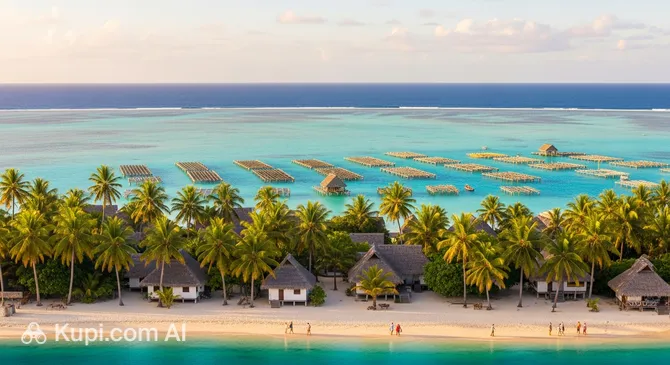
Arutua is a mesmerizing atoll located in the Tuamotu Archipelago, often celebrated for its nearly perfect circular shape and the breathtaking clarity of its central lagoon. This destination in French Polynesia is a haven for travelers seeking tranquility and an authentic connection with nature. Arutua offers a serene atmosphere far removed from the bustling crowds of more commercialized islands.

The atoll is home to a small, tight-knit community of approximately 725 residents, most of whom live in the main village of Rautini. Life here revolves around the ocean, and the history of Arutua is deeply intertwined with maritime traditions and the sustainable harvest of marine resources. The climate is typically tropical, providing warm and sunny weather that is perfect for exploring the pristine environment year-round.

Visitors are often drawn to Arutua for its renowned black pearl farms, which produce some of the finest pearls in the region. The lagoon is also famous for its abundance of fish and the unique "fish parks" (stone traps) located near the reef passes, showcasing a traditional method of fishing that is still in use today. Whether you are snorkeling in the crystal-clear waters or simply relaxing on the white sandy beaches, Arutua promises an unforgettable escape into paradise.

We invite you to discover the untouched beauty of Arutua, where the gentle rhythm of the waves and the hospitality of the locals create the perfect setting for a dream vacation.

Weather Overview

Arutua experiences a consistent tropical climate, offering warm and pleasant conditions year-round. The average temperatures remain remarkably stable, typically hovering between 25°C and 27°C. April is generally the warmest month, reaching highs of around 28°C, while the period from August to September brings slightly cooler averages near 25.5°C.

Rainfall is a common feature of the local climate, often occurring as frequent showers that keep the atoll lush. To better plan your daily activities, it is useful to consult the detailed guide on weather in Arutua. The wettest months in terms of frequency are typically November through March, seeing rain on up to 25 days per month. Conversely, the season from May to September offers slightly drier conditions, with August generally having the fewest wet days.

Interesting Facts

Beyond the mesmerizing blue of its lagoon, Arutua holds a collection of geographical curiosities and historical footnotes that set it apart from its neighbors. This atoll is not just a tropical paradise but a place defined by unique formations and a rich, layered identity.
  • A Geological Rarity: Unlike most atolls where land is strictly confined to the outer reef rim, Arutua features a rare and distinct islet located directly within the center of its vast lagoon, a phenomenon considered extremely uncommon in the archipelago.

  • Distinctive Geometry: While many atolls are circular or oval, Arutua is shaped roughly like a pentagon. This unique form is composed of approximately 57 separate groups of small islets, known as motus, which encircle the deep, nutrient-rich waters.

  • Names of the Past: Before it was widely known as Arutua, the atoll bore the Polynesian name "Ngaru-atua," which is often interpreted as "Wave of the Gods." In 1826, the British mariner Frederick Beechey charted it as "Cockburn Island," a name that appeared on European maps for many years.

  • Part of the Pallisers: Arutua belongs to a specific subgroup of the Tuamotu Archipelago known as the Palliser Islands. It shares this geological classification with its close neighbors, Apataki and Kaukura, with whom it shares similar formation histories and maritime traditions.

How to Get There

Reaching the remote and beautiful atoll of Arutua typically involves a combination of air and sea travel. Most visitors first fly into the main international gateway in Tahiti before connecting to a domestic flight. For a detailed breakdown of routes and transport options, you can read more about how to get to Arutua to plan your journey effectively.

While Arutua has its own local airfield, travelers exploring the wider Tuamotu Archipelago often pass through or consider nearby regional hubs. One of the most significant airports in the vicinity is Rangiroa Airport (IATA: RGI), located in the city of Rangiroa. It is approximately 101 km away from Arutua. Since these are separate islands, a direct taxi or bus transfer is not possible; travel between them requires a domestic flight or a sea voyage.

Another option in the region is Fakarava Airport (IATA: FAV), situated in Fakarava, roughly 148 km from Arutua. Like Rangiroa, this is a separate atoll, so connections involve inter-island transport. Both airports serve as key entry points for tourists visiting this part of French Polynesia, handling a steady stream of visitors drawn to the pristine lagoons of the Tuamotus.

For clarity, here is a summary of the main airports in the region:

Airport Name City Passenger Traffic Km from City
Rangiroa AirportRangiroaMedium101.1
Fakarava AirportFakaravaSmall147.7
Tikehau Atoll AirportTikehauSmall156.4
Kauehi AirportKauehiSmall186.4

There are no railway services available in Arutua or the surrounding islands of French Polynesia. The infrastructure on the atolls is not designed for trains; instead, transportation relies heavily on boats, inter-island flights, and small vehicles or bicycles for local travel on the motus. Visitors should plan to rely on air and sea connections to navigate the archipelago.

Main Attractions

The primary allure of Arutua lies in its spectacular natural environment, where the rhythm of life is dictated by the ocean. While it lacks the commercial theme parks or museums of larger cities, the atoll offers a genuine immersion into island life. The Lagoon of Arutua is the undeniable centerpiece, a vast and translucent expanse of water that teems with marine biodiversity. It is a playground for snorkeling and diving enthusiasts, offering high visibility and the chance to encounter schools of colorful reef fish, rays, and harmless reef sharks in their natural habitat.

For a glimpse into the local culture and history, a visit to the main village of Rautini is essential. Rebuilt after being devastated by a cyclone in 1983, the village stands as a testament to the resilience of the local community. Visitors can stroll through the quiet streets, observe the daily lives of the inhabitants, and visit the village church, which serves as a focal point for community gatherings. The village offers a peaceful atmosphere where you can disconnect from the world and appreciate the simplicity of atoll living.

Arutua is also renowned for its thriving aquaculture, specifically its Pearl Farms. The atoll is a significant producer of the famous Tahitian black pearl. Many family-run farms operate on the lagoon, and some welcome curious travelers to learn about the intricate process of pearl grafting and harvesting. Visiting a farm provides a unique opportunity to understand the local economy and perhaps purchase a high-quality pearl directly from the source as a memorable souvenir.

Another fascinating feature of the atoll is the traditional Fish Parks (parcs à poissons). These are intricate stone traps built into the reef passes and shallow waters, a method of sustainable fishing that has been passed down through generations. Seeing these structures from a boat or while snorkeling offers insight into how the islanders have harmoniously utilized their environment for centuries to secure food without depleting the ocean's resources.

Local Cuisine

The culinary experience in Arutua is a true reflection of its isolated, atoll lifestyle, where the ocean serves as the primary pantry. The local cuisine is simple, fresh, and incredibly flavorful, relying heavily on the daily catch from the pristine lagoon and the few crops that thrive in the coral soil. For visitors, this means a "sea-to-table" dining experience that is as authentic as it gets, far removed from the complex menus of international resorts.

The undisputed star of the table is Poisson Cru (ota 'ika), the national dish of French Polynesia. In Arutua, it is prepared with the freshest lagoon fish—often parrotfish or tuna—marinated briefly in lime juice and then bathed in freshly squeezed coconut milk. Another local favorite to try is grilled lagoon fish, usually cooked simply over an open fire or BBQ to highlight its natural sweetness. You might also encounter pain coco (coconut bread), a dense and slightly sweet loaf that perfectly complements savory seafood dishes.

When it comes to beverages, nature provides the most refreshing option: fresh coconut water. Harvested directly from the palms that line the motus, it is the perfect way to hydrate in the tropical heat. For those looking for something stronger, the famous Tahitian beer, Hinano, is widely enjoyed, along with tropical cocktails like Maitais, though these are typically served in a relaxed, home-style setting rather than fancy bars.

Dining in Arutua is an intimate affair. You will not find bustling food markets or high-end restaurants here. Instead, the food culture revolves around family-run pensions (guesthouses) and small "Snacks" in the village of Rautini. Meals are often communal, offering a wonderful opportunity to share stories with locals and other travelers while enjoying generous platters of lobster, shellfish, and uru (breadfruit). This hospitality ensures that every meal feels like a gathering of friends.

Travel Tips

Visiting Arutua offers a rare glimpse into authentic island life, but its remote nature requires a bit of foresight to ensure a smooth and enjoyable trip. Here are some practical tips to help you pack smart and navigate the local customs of this beautiful atoll in French Polynesia.

  1. Clothing and Gear: Pack lightweight, breathable fabrics like cotton or linen to stay cool in the tropical heat. Since the sun can be intense, a wide-brimmed hat and high-SPF biodegradable sunscreen are essential. Most importantly, bring sturdy reef shoes; they are crucial for protecting your feet from sharp coral and stonefish while swimming or exploring the shallow waters.

  2. Transportation: There is no public transport system like buses or metros on the atoll. In the main village of Rautini, you can easily get around on foot or by bicycle. For travel between the different islets (motus) or to visit pearl farms, you will rely entirely on boats, which are usually arranged by your guesthouse (pension) or local guides.

  3. Finances: The local currency is the Pacific Franc (XPF). It is critical to bring sufficient cash with you from Tahiti, as credit cards are rarely accepted at small "snacks" or local shops, and banking facilities on the atoll are extremely limited or non-existent. Do not count on finding a functioning ATM in Arutua.

  4. Health and Safety: There is a small medical center (infirmary) in the village, but it handles only basic needs. Bring a comprehensive personal first aid kit, including antiseptics for coral cuts, motion sickness medication for boat rides, and plenty of mosquito repellent to protect against insect-borne illnesses. Always drink bottled or purified water.

  5. Communication: The primary languages are French and Tahitian. While your hosts at guesthouses may speak English, it is not widely spoken in the village. It is helpful to download an offline translation app and learn a few basic words. Wi-Fi is generally available at pensions but can be slow or intermittent, so prepare to disconnect.

  6. Local Etiquette: Politeness is highly valued here. Greet locals with a warm "Ia Orana" (Hello) when passing them on the street. When entering a home or certain communal spaces, it is customary to remove your shoes. Dress modestly when walking through the village; save your swimwear for the beach or boat excursions.

  7. What to Avoid: Avoid touching or standing on live coral reefs. Not only can this cause nasty cuts, but it also damages the fragile marine ecosystem that the locals depend on. Also, never waste fresh water; it is a precious resource on coral atolls, often collected from rainfall.

  8. Dining Tip: Since there are no large supermarkets or restaurants with extensive hours, meals are often planned in advance. If you are not eating at your pension, let local snack bars know ahead of time if you plan to dine there, as they may catch or prepare food specifically based on expected guests.

With these preparations in place, you are ready to fully embrace the slow, peaceful rhythm of Arutua. Respecting the local way of life will ensure a warm welcome and a truly unforgettable experience in this pristine corner of the Pacific.

Entertainment & Nightlife

Nightlife in Arutua is a world away from the bustling clubs and neon lights of major tourist hubs. Instead of discos and loud bars, the evening entertainment here is defined by profound tranquility and a connection to nature. The atmosphere is incredibly laid-back, with the "nightlife" primarily revolving around the gentle sound of the ocean and the spectacular canopy of stars visible in the unpolluted sky. For visitors, the evening is a time to unwind, reflect on the day's adventures, and enjoy the company of fellow travelers and locals in a serene setting.

The social heart of the atoll after dark is undoubtedly the main village of Rautini. While you will not find nightlife districts or commercial nightclubs, the village pier and the areas surrounding the local church often become gathering spots. Locals may congregate here to fish in the cool evening air or simply chat. The dress code is universally casual—shorts, t-shirts, and flip-flops are the standard. The vibe is warm and welcoming, but visitors should respect the peaceful nature of the community; loud parties are not part of the local culture.

For dining and social drinking, the venue is almost exclusively your accommodation. The family-run pensions (guesthouses) serve as the island's restaurants and bars. Dinner is typically a communal affair served around 19:00, where guests share stories over plates of fresh seafood. If you are looking to enjoy a drink, such as the local Hinano beer or a glass of wine, this usually happens on the terrace of your pension or at one of the small "Snacks" (small local eateries) in the village before they close early in the evening. It is advisable to purchase any specific beverages you might want from the village store during the day, as late-night shops do not exist.

In terms of safety, Arutua is an exceptionally safe destination for night walks. The crime rate is virtually non-existent, and you can walk through Rautini without worry. However, street lighting can be sparse or non-existent in some areas. The most practical advice for moving around at night is to carry a reliable flashlight or headlamp to navigate the coral paths and avoid tripping. There are no taxis or ride-sharing services on the atoll; everywhere in the village is accessible on foot, and transport to other islets is done by boat, which is not available at night unless pre-arranged for an emergency.

Regarding daytime entertainment, do not expect to find theaters, museums, or amusement parks. Arutua's version of a theme park is its expansive lagoon. Entertainment is entirely nature-based, focusing on snorkeling, fishing excursions, and visiting the pearl farms scattered across the lagoon. For a touch of culture, observing local artisans weaving coconut fronds or attending a Sunday church service in Rautini provides a genuine look into the island's heritage, replacing the need for formal museums.

Parks & Museums

In Arutua, the concept of "parks and museums" is redefined by the atoll's geography and lifestyle. You will not find manicured city gardens or glass-encased historical exhibits here. Instead, the entire atoll serves as a vast, open-air natural reserve, and the culture is preserved not in galleries, but in the daily practices of the people and the architecture of the main village. The lagoon is the community's playground, and the history is written in the coral stones of the local landmarks.

The Central Lagoon serves as the atoll's primary "park" and recreational space. Spanning a vast area encircled by the reef, this natural wonder is where both locals and visitors spend the majority of their time. Its waters are incredibly clear, acting as a natural aquarium where you can observe manta rays, reef sharks, and thousands of tropical fish without barriers. It is the perfect setting for swimming, snorkeling, and boat excursions, offering a pristine environment that rivals any protected national park.

For a terrestrial escape, the uninhabited Motus (islets) scattered around the lagoon rim offer a raw and untouched wilderness experience. These small strips of land are covered in coconut palms and ironwood trees, fringed by pink and white sand beaches. They function as secluded natural sanctuaries where you can enjoy a picnic in absolute solitude, surrounded only by the sounds of seabirds and the ocean. These spots are accessible by boat and provide a stark, beautiful contrast to the inhabited village areas.

While traditional museums are absent, the Saint-Michel Church in the village of Rautini stands as the most significant cultural and architectural landmark. This charming structure is the heart of the community, reflecting the deep spiritual heritage of the islanders. Often adorned with fresh flowers and woven palm decorations, the church offers visitors a glimpse into the social fabric of Arutua. Its simple yet elegant design, often featuring coral-based construction materials, stands as a testament to the resourcefulness and faith of the local population.

The local Pearl Farms act as living museums of industry and culture. Since pearl farming is the economic backbone of the Tuamotu Archipelago, visiting one of these family-run establishments provides an educational experience comparable to a gallery tour. Guides—often the farmers themselves—demonstrate the delicate art of grafting and harvesting the famous Tahitian black pearls. It is a fascinating look at how the community interacts with the lagoon to create sustainable luxury.

For a truly authentic insight, look for the traditional Fish Parks (Parcs à Poissons) near the reef passes. These are not recreational parks but ancient, ingenious stone traps designed to catch fish as the tides change. They represent a centuries-old Polynesian engineering skill that is still in use today. Viewing these structures offers a direct link to the ancestral survival skills of the Paumotu people, effectively serving as an open-air historical exhibit.

Getting Around

Travelers arriving in Arutua should be aware that the city does not possess a conventional public transport system found in larger urban centers. There are no subways, trams, public buses, or trolleybuses operating on the atoll. The infrastructure is minimal and adapted to the specific geography of the archipelago, meaning that mass transit as you might know it is non-existent. The primary mode of transportation for any significant distance is not a vehicle on the road, but a boat on the lagoon.

The equivalent of a "shuttle bus" in Arutua is the boat transfer service used to move between the airport and the main village of Rautini or various guesthouses located on different islets (motus). These transfers are typically organized directly by your accommodation. Upon arrival at the airfield, you will usually be met by a representative from your pension who will transport you across the lagoon. This boat ride is often the first introduction to the stunning beauty of the destination, replacing a mundane commute with a scenic tour.

Regarding payment, there is no integrated ticketing system, and travel passes, smart cards, or transport apps are not available. The cost of boat transfers is often included in the price of your accommodation package, or it may be added as a separate fixed fee on your final bill. If you need to pay for a specific boat trip separately, cash in the local currency (Pacific Franc - XPF) is the only accepted method. Credit cards and digital wallets are generally not useful for transport services here.

For getting around the main village of Rautini, the most popular and practical alternatives are walking and cycling. The village is small enough to be navigated entirely on foot, allowing you to soak in the peaceful atmosphere at your own pace. Some guesthouses provide bicycles for their guests, which are perfect for exploring the coral paths. There are no taxi companies, car-sharing services like Uber, or car rental agencies on the atoll, so you will not be able to hail a ride or rent a vehicle upon arrival.

Practical advice for tourists centers on communication and planning. Since there are no scheduled public transport routes, you cannot simply wait at a stop for a ride. It is essential to confirm all transfer arrangements with your host prior to your arrival. If you wish to visit a specific attraction, such as a pearl farm or a distant motu, you must arrange a boat excursion through your guesthouse or a local guide. Operating hours are dictated by daylight and the availability of boat captains, so flexible planning is key.

Accommodation

Accommodation in Arutua is quite different from the luxury resort experience found on more commercialized islands like Bora Bora or Tahiti. Here, you will not find international hotel chains, sprawling resort complexes, or overwater bungalows with room service. Instead, the atoll offers a warm and authentic stay in family-run guesthouses, known locally as "pensions." These intimate establishments provide a unique opportunity to live alongside local families, offering a genuine immersion into the Paumotu way of life.

The options are generally simple but comfortable, ranging from rooms within a family home to independent bungalows located on the beach or perched near the lagoon. The atmosphere is casual and friendly, with a focus on hospitality rather than high-end amenities. Staying in a pension often feels more like visiting distant relatives than checking into a hotel, making it the perfect choice for travelers seeking connection and tranquility.

When choosing where to stay, there are two main areas to consider. The first is the main village of Rautini. Staying here offers the convenience of being close to the few local shops, the infirmary, and the church, allowing for daily interaction with the community. The second option is to stay on one of the private motus (islets) scattered around the lagoon. These locations are more isolated and require a boat transfer, offering a "Robinson Crusoe" experience with pristine beaches and absolute silence, perfect for those looking to completely disconnect.

Because dining options on the atoll are extremely limited—there are no standalone restaurants open for dinner—most accommodations operate on a half-board or full-board basis. This means your breakfast and dinner (and often lunch) are included in the price of your stay. Meals are typically communal and feature fresh seafood caught that day, providing a wonderful social setting to meet other travelers and your hosts.

Booking Tip: Due to the small number of guesthouses and their limited capacity (often just 3 to 5 units per pension), it is highly recommended to book several months in advance, especially if you plan to visit during the peak dry season. Last-minute availability is rare.

In terms of pricing, Arutua is generally more affordable than the luxury islands, falling into a mid-range category. While the amenities are basic, the cost reflects the logistical challenges of the remote location and the personalized meals provided. Booking is often done through specialized travel agencies in Tahiti or via direct email with the owners. Be prepared that many smaller pensions may not accept credit cards for on-site extras, so carrying sufficient cash is essential.

Nearby Cities

For those looking to explore the surroundings, Arutua serves as an excellent base for day trips or short visits to several interesting nearby locations:

City Population Distance (km)
Papeete131695387
Moorea18000409
Raiatea12500527
Bora Bora10605547
Huahine6000480

Although the distances in the archipelago can be significant, the capital city of Papeete is the primary hub for the region and offers a striking contrast to the quiet life of the atolls. As the economic and cultural center, it features the vibrant Papeete Market, where visitors can find local crafts, vanilla, and fresh produce. The city is also famous for its roulottes (food trucks) at Vai'ete Square, offering a lively dining experience that showcases the multicultural flavors of the islands.

Another renowned destination within reach for a planned excursion is Bora Bora. Known globally for its mesmerizing turquoise lagoon and luxury overwater bungalows, it is often considered the jewel of the Pacific. While Arutua offers authentic tranquility, Bora Bora provides high-end amenities and iconic views of Mount Otemanu. It is a perfect spot for travelers wishing to combine the raw beauty of the Tuamotus with the classic postcard scenery of the Society Islands.

Moorea, with its dramatic volcanic peaks and lush green valleys, offers a different kind of natural splendor. Known as the "Magical Island," it is a paradise for hikers and nature lovers. Visitors can explore the ancient agricultural terraces or swim with rays in the shallow lagoon waters. Its relaxed pace makes it a wonderful complement to the maritime lifestyle experienced in Arutua.

These nearby destinations offer a glimpse into the diverse culture and landscapes of the region.

Shopping & Souvenirs

Shopping in Arutua is a reflection of its peaceful, remote island lifestyle. Visitors should not expect bustling commercial centers, designer boutiques, or extensive retail therapy. Instead, the shopping experience here is focused on the essentials of daily life and the unique treasures produced by the atoll's natural environment. The primary allure for shoppers is the opportunity to purchase locally sourced goods, particularly the region's famous black pearls, directly from the people who harvest them.

The main—and effectively only—shopping area is located in the village of Rautini. As the central hub of the community, this is where you will find a few small general stores, known locally as "magasins." These family-run establishments line the village's main streets and stock basic groceries, canned goods, hygiene products, and frozen meats. They serve as the lifeline for the local population and are the best place for tourists to pick up snacks, drinks, or any forgotten toiletries.

There are no shopping malls or department stores in Arutua. The infrastructure is strictly traditional, and the retail landscape is composed entirely of small, independent structures. Travelers accustomed to large shopping complexes will find a starkly different, much simpler reality here, where commerce is conducted on a personal, neighborly scale.

While there is no formal, sprawling marketplace, the "market" scene is informal and organic. Fresh produce is often limited to what is grown in local gardens, but the real bounty is found at the pier or near the lagoon, where fishermen sell their daily catch. You may encounter small stands or tables set up by locals selling freshly caught fish, lobster, or seasonal fruits like coconuts and breadfruit. It is a cash-only, face-to-face exchange that offers a genuine connection with the island's food sources.

When it comes to souvenirs, Arutua offers something truly world-class: Tahitian Black Pearls. Since the atoll is a significant producer of these gems, visitors have the unique chance to buy loose pearls or simple jewelry directly from the pearl farms scattered across the lagoon. In addition to pearls, look for intricate handicrafts made by local artisans, such as kumu hei (fragrant bouquets), shell necklaces, and items woven from dried coconut fronds (pandanus), like hats and baskets.

Store opening hours in Arutua can be quite variable and are generally laid-back. Most small shops open early in the morning, around 6:00 or 7:00 AM, to take advantage of the cooler hours. It is common for businesses to close for a long lunch break (siesta) from roughly 12:00 PM to 2:00 PM, reopening until the early evening. On Sundays and public holidays, almost everything is closed, so it is wise to plan ahead.

Regarding payment, cash is absolutely essential. The local currency is the Pacific Franc (XPF). Credit cards are rarely accepted in the small village shops or by local artisans. While a tax-free refund system exists for tourists in French Polynesia, it typically applies to purchases made in larger, authorized stores in Tahiti. It is unlikely that you will be able to process tax refund paperwork for purchases made in the small, informal shops of Arutua.
Reached the end of the page?

That means the route is fully explored