Support

Tikehau

About

Tikehau is a mesmerizing coral atoll that looks like a crown of pink sand and lush coconut palms thrown onto the surface of the ocean. Located in the Tuamotu Archipelago of French Polynesia, this destination is renowned for its graceful oval shape and the incredible clarity of its vast lagoon. Often referred to as the "Pink Sand Island," Tikehau offers a tranquil atmosphere that feels worlds away from the hustle of modern life.

Geographically, the atoll consists of a series of motus (islets) surrounding a lagoon that is approximately 26 kilometers across. Despite its size, the island maintains an intimate feel with a population of around 500 residents, most of whom live in the main village of Tuherahera. The climate is tropical and warm year-round, making it an idyllic spot for travelers seeking sun and relaxation in a pristine environment.
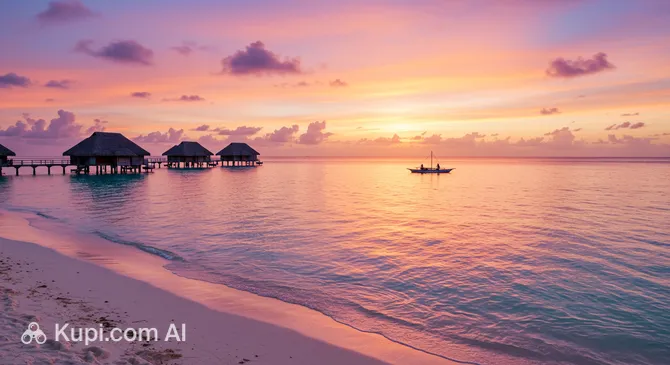
Tikehau. Source: Kupi.Binoculars

One of the most striking features of the atoll is its abundant marine life. The legendary explorer Jacques Cousteau once described this lagoon as having the highest concentration of fish in the entire archipelago. Divers and snorkelers flock to the Tuheiava Pass, the only opening in the coral reef, to swim alongside manta rays, barracudas, and sharks in a spectacular underwater ballet.

For those who prefer to stay above water, the "Île aux Oiseaux" (Bird Island) is a must-visit sanctuary for nesting seabirds like red-footed boobies and noddies. While enjoying the natural splendor, visitors can also delve into the history of Tikehau to understand how generations of Polynesians have thrived on this secluded atoll, maintaining a lifestyle deeply connected to the ocean's rhythms.

Whether you are walking along the unique pink sandy beaches or watching a sunset paint the sky in vibrant hues, Tikehau promises an unforgettable experience. It is the perfect destination for travelers looking to disconnect and immerse themselves in the raw, untouched beauty of the South Pacific.

Weather Overview

The climate in Tikehau is quintessentially tropical, offering warm and inviting temperatures year-round. Visitors can expect a very stable thermal environment, with average monthly temperatures fluctuating only slightly between 25.7°C in the cooler months of August and September, and rising to around 27.4°C in April. This consistency makes the atoll a reliable destination for sun-seekers, although the warmth is present during every season.

Rainfall patterns on the atoll are characterized by a high frequency of wet days, though the total precipitation volume recorded is often quite low. For instance, March may see rain on up to 26 days, while August typically records the fewest wet days, averaging around 15. To help plan your specific travel dates and packing list, you can consult the detailed guide on the weather in Tikehau.

Expect consistent warmth throughout the year with frequent, likely light showers that keep the landscape lush. The period from July to September is generally slightly cooler and experiences fewer rainy days, offering excellent conditions for outdoor activities and exploring the lagoon.

Interesting Facts

Beyond the stunning visuals of the lagoon, Tikehau holds several fascinating secrets that deepen the appreciation of this remote atoll. From geological oddities to enduring cultural traditions, there is much more to discover beneath the surface.
  • Hina's Bells: On the western coast of the atoll, visitors can find jagged fossilized coral formations known as "Hina's Bells." According to local legend, this area was associated with the goddess Hina, and due to unique erosion patterns, the rocks emit a distinct metallic, bell-like ringing sound when struck by waves.

  • The Science of Pink: The island's signature pink sands derive their color from microscopic marine organisms called foraminifera. These tiny creatures possess reddish shells that, when crushed and mixed with white coral sand over centuries, create the distinct rosy tint that lines the shores.

  • Traditional Fish Parks: The lagoon is dotted with "parcs à poissons," which are traditional fish traps constructed from stakes and wire mesh. This ancestral method allows fishermen to trap fish alive and keep them fresh in their natural environment until they are ready to be harvested for local consumption or export to Tahiti.

  • Peaceful Shark Coexistence: Tikehau is one of the few places where the density of sharks is incredibly high, yet the environment remains safe for swimming. Because the lagoon is so rich in natural prey, the resident blacktip and whitetip reef sharks are well-fed and generally ignore humans, allowing for unusually close and calm encounters.

How to Get There

Reaching the secluded paradise of Tikehau usually involves a scenic flight over the Tuamotu Archipelago. Most travelers arrive via domestic flights from the main island of Tahiti or from neighboring atolls. For a detailed breakdown of routes and logistics, you can read more about how to get to Tikehau to plan your journey effectively.

The most convenient entry point is the Tikehau Atoll Airport (TIH), which is situated directly on the atoll, approximately 13.7 km from the main tourist areas. This small regional airport welcomes daily flights and serves as the primary hub for visitors. Once you land, the transfer to your hotel or guesthouse generally takes about 40 minutes, depending on whether your accommodation is accessible by road or requires a subsequent boat transfer across the lagoon.

Another key transport hub in the vicinity is the Rangiroa Airport (IATA: RGI), located in the city of Rangiroa, about 55.7 km from Tikehau. It is important to note that this airport is on a completely different atoll. Therefore, you cannot take a taxi or bus from Rangiroa to Tikehau; travelers arriving here must catch a connecting inter-island flight or arrange a maritime transfer to reach their final destination.

For clarity, here is a summary of the main airports serving the region:

Airport Name City Passenger Traffic Km from City
Rangiroa Airport Rangiroa Medium 55.7
Fakarava Airport Fakarava Small 293.9
Tikehau Atoll Airport Tikehau Small 13.7

As Tikehau is a coral atoll surrounded by the ocean, there are no railway stations available. Transport within the atoll is typically managed by bicycles, small motorboats, or shuttle services provided by resorts.

Main Attractions

The allure of Tikehau lies in its pristine natural environment, offering a selection of attractions that are deeply connected to the ocean and the atoll's unique geography. While the island is a place of quiet retreat, there are several key sites that every visitor should explore to fully appreciate the beauty of this "Pink Sand Island."

Tuheiava Pass is the atoll's only opening to the ocean and serves as a world-renowned site for scuba diving and snorkeling. Located on the western side of the barrier reef, this pass is famous for its incredible density of marine life. Divers drift with the current to witness a mesmerizing underwater parade, including gray reef sharks, white-tip sharks, schools of barracuda, and majestic manta rays. For those who love the underwater world, a trip to the pass is often the highlight of their stay.

Another natural wonder is Motu Puarua, widely known as Bird Island. Situated in the middle of the lagoon, this small, rocky islet is a protected sanctuary for thousands of nesting seabirds. It is particularly famous for its colonies of Red-footed Boobies and Brown Noddies. While visitors typically observe the birds from the boat to avoid disturbing the habitat, the sight of countless birds swirling above the turquoise water is a photographer's dream and a testament to the atoll's untouched ecosystem.

The Pink Sand Beaches are the signature feature of Tikehau, but the most vibrant stretches are found on the secluded motus (islets) on the eastern side of the lagoon. These beaches owe their unique hue to crushed coral and foraminifera. Full-day lagoon excursions often make a stop here, allowing travelers to walk on the soft, rosy sands, swim in crystal-clear shallow waters, and enjoy a traditional Polynesian picnic in an almost surreal setting.

For a touch of local culture and industry, a visit to a Pearl Farm is a fascinating experience. Tikehau's lagoon provides the perfect conditions for cultivating the famous Tahitian black pearl. Visitors can take a guided tour to learn about the delicate grafting process, watch the harvesting of oysters, and understand the patience required to produce these gems. It is also an excellent opportunity to purchase high-quality pearls directly from the source as a keepsake of the journey.

Local Cuisine

The culinary experience in Tikehau is a direct reflection of its environment: fresh, simple, and deeply connected to the ocean. With a lagoon famously rich in marine life, it comes as no surprise that seafood is the star of nearly every meal. The "pantry" here is the coral reef, and the catch of the day is often brought directly from the fishing boat to the kitchen, ensuring a level of freshness that is hard to rival.

The absolute must-try dish is Poisson Cru au Lait de Coco (raw fish marinated in coconut milk). Considered the national dish of French Polynesia, it consists of fresh raw tuna or lagoon fish marinated briefly in lime juice and then tossed with diced vegetables and freshly squeezed coconut milk. Another local favorite is grilled fish, often mahi-mahi or parrotfish, usually served simply with a slice of lime to let the natural flavors shine. For a special treat, look for dishes featuring local lobster or slipper lobster, which are caught in the surrounding waters.

To accompany these meals, locals often serve pain coco, a dense and slightly sweet bread made with coconut water or milk, which is perfect for breakfast or dipping into sauces. When it comes to beverages, nothing beats the hydration of a fresh coconut (pape haari), often opened right in front of you with a machete. For an alcoholic option, the local Hinano lager is the ubiquitous choice, enjoyed cold while watching the sunset, though tropical cocktails made with fresh pineapple or papaya juice are also popular at resort bars.

The dining scene in Tikehau is laid-back and unpretentious. You won't find bustling food courts or fine dining boulevards here. Instead, tourists and locals mingle at small, family-run eateries known as "Snacks." These casual spots in the main village of Tuherahera offer generous portions of steak-frites, chow mein, and grilled fish in a rustic setting. Alternatively, one of the most memorable dining experiences is a "motu picnic," where grilled fish and coconut bread are served on a secluded pink sand islet during a lagoon excursion, offering a true taste of island life.

Travel Tips

Welcome to Tikehau, a serene paradise where life moves at the gentle pace of the tides. To help you fully embrace the tranquility of this remote atoll and avoid common logistical hurdles, we have compiled a list of essential practical tips for your journey.

  1. Clothing and Gear: Pack lightweight, breathable fabrics like cotton or linen to stay cool in the tropical heat. Since Tikehau is a coral atoll, reef shoes are absolutely mandatory; the coral can be sharp, and stonefish are a potential hazard in shallow waters. Don't forget a high-SPF, reef-safe sunscreen, a wide-brimmed hat, and a good pair of sunglasses. If you plan to visit the village church, bring modest clothing that covers your shoulders and knees.

  2. Transportation: Forget about subways or ride-hailing apps here. The main village of Tuherahera is small enough to explore on foot, but the most popular way to get around is by bicycle. Many guesthouses provide them for free or for a small rental fee. For visiting different motus (islets) or the pink sand beaches, you will rely entirely on boat transfers organized by your accommodation or local guides.

  3. Finances: The local currency is the Pacific Franc (XPF). It is crucial to bring sufficient cash with you from Tahiti. While there is a small post office with an ATM in the main village, it is not always reliable or stocked. Major resorts and dive centers usually accept credit cards, but local "Snacks" (small eateries), artisan shops, and grocery stores often operate on a cash-only basis. Tipping is not mandatory but is appreciated for exceptional service.

  4. Health and Safety: There is a small medical dispensary (infirmary) in Tuherahera for basic needs, but for serious emergencies, evacuation to Tahiti is required. Bring a well-stocked personal first-aid kit, including antiseptics for coral cuts and plenty of mosquito repellent, as mosquitoes can be active, especially at dusk. The island is very safe regarding crime, but always keep an eye on your belongings on the beach.

  5. Communication: French and Tahitian are the primary languages. English is spoken at the main resorts and dive shops, but knowing a few phrases in French will be very helpful in the village. Wi-Fi is available at hotels but can be slow and intermittent; consider this an opportunity to disconnect. If you need mobile data, buy a Vini SIM card at the airport in Tahiti before flying to Tikehau.

  6. Local Etiquette: Polynesians are incredibly warm and welcoming. It is customary to greet people you pass on the road with a smile and a friendly "Ia Orana" (Hello). When entering a local home or certain establishments, remove your shoes. While swimwear is perfect for the beach, please cover up with a sarong or t-shirt when walking through the village or visiting shops.

  7. What to Avoid: Do not touch or step on the coral reefs. Not only can this cause cuts and infections, but the coral is a fragile living organism essential to the atoll's ecosystem. Also, avoid wasting fresh water; on a remote atoll, freshwater is a precious resource, so keep showers short and turn off the tap while brushing your teeth.

  8. Sunday Slowdown: Be aware that life on Tikehau slows down even further on Sundays. Most shops and local "Snacks" will be closed as residents attend church and spend time with family. Plan your meals or buy supplies on Saturday to ensure you have everything you need for a relaxing Sunday.

By keeping these tips in mind, you will be well-prepared to slip into the "island time" rhythm of Tikehau. Enjoy the pink sands, the crystal-clear lagoon, and the warm hospitality that makes this atoll truly special.

Entertainment & Nightlife

Travelers seeking a vibrant nightlife scene with thumping bass, neon lights, and crowded dance floors might find Tikehau surprisingly quiet. This atoll is not a destination for partying till dawn; rather, it is a sanctuary of peace where the "nightlife" is defined by the brilliance of the Milky Way and the rhythmic sound of the ocean against the reef. The evenings here are magical in their tranquility, offering a rare chance to disconnect completely and enjoy the company of fellow travelers or locals in a serene setting.

There are no designated nightlife districts, nightclubs, or bustling promenades on the island. The entertainment centers almost exclusively around the resorts and the main village of Tuherahera, but even here, the pace is slow and relaxed. Most visitors retreat to their bungalows after dinner to rest for the next day's aquatic adventures. However, for those looking to enjoy a drink or a social atmosphere, the options, while limited, are high in quality and ambiance.

The primary hub for evening activity is the Tianoa Bar, located within the Le Tikehau by Pearl Resorts. Situated between the beach and the infinity pool, this venue is the quintessential spot for a "sundowner." It offers a romantic setting where you can sip on a tropical cocktail served in a coconut or a cold local Hinano beer while watching the sun dip below the horizon. The atmosphere is sophisticated yet casual, with a dress code that welcomes barefoot elegance.

Another option for a unique evening vibe is the communal area at the Ninamu Resort. While primarily for guests, this eco-lodge fosters a friendly, family-like atmosphere where travelers share stories of their dives and discoveries over drinks. In the main village of Tuherahera, you might find a local "Snack" (small eatery) open for an early dinner, such as Snack Tikehau, where the vibe is rustic and authentic. Occasionally, local musicians may play ukulele and sing traditional Polynesian songs, providing a heartwarming and culturally rich soundtrack to your meal.

Practical advice for evenings in Tikehau revolves around preparation. The "best time to go" is essentially sunset; by 9:00 PM, most of the island is asleep. Prices for drinks at resorts are comparable to international hotel standards, while local village spots are more affordable but require cash (Pacific Francs). Getting around at night is a challenge due to the lack of street lighting and public transport. If you are staying at a resort on a motu (islet), you are generally confined to that resort unless you have arranged a private boat transfer, which can be expensive and difficult to organize late at night.

Regarding safety, Tikehau is incredibly secure. Violent crime is virtually non-existent, making it safe to walk around the village of Tuherahera after dark. However, the main hazards are physical: the roads are unlit, and uneven coral paths can be treacherous without visibility. It is essential to carry a flashlight or use your phone's torch when walking. Also, be mindful of free-roaming dogs in the village; they are usually harmless but can be startling in the dark. There are no taxi services to call, so plan your movements in advance.

As for daytime entertainment, Tikehau does not offer theaters, museums, amusement parks, or shopping malls. The atoll itself is a living museum of natural history. The "theater" here is the underwater world of the lagoon, where the drama of marine life plays out daily. Cultural entertainment is often impromptu, such as watching locals weave palm fronds or prepare copra. For those accustomed to urban diversions, Tikehau offers a refreshing reminder that the best entertainment is often found in the simple beauty of nature.

Parks & Museums

In Tikehau, the concepts of "parks" and "museums" are redefined by the atoll's geography and lifestyle. You will not find manicured botanical gardens or grand halls filled with artifacts here. Instead, the entire atoll functions as a vast, open-air nature reserve, and the culture is preserved not in glass cases, but in the daily lives and traditions of the local Paumotu people. The "parks" are wild islets teeming with life, and the "museums" are the working farms and sacred spaces that tell the story of the island.

Motu Puarua (Bird Island) serves as the atoll's premier natural park. Located in the middle of the lagoon, this small, rocky islet is a protected sanctuary that offers a raw and untouched glimpse into the region's biodiversity. Unlike a city park where nature is tamed, here it is wild and cacophonous. It is a nesting ground for thousands of seabirds, including Red-footed Boobies and Brown Noddies. Visitors typically drift nearby in boats to observe the birds in their natural habitat, making it a paradise for ornithologists and nature lovers seeking an authentic wildlife experience.

For a recreational "green space" experience, the Pink Sand Motus on the eastern side of the lagoon act as the island's natural playgrounds. These secluded islets feature pristine beaches shaded by coconut palms and ironwood trees (aito). They are the local equivalent of a picnic park, where visitors can relax on the soft, rosy sands or explore the shallow, crystal-clear waters. These areas are perfect for travelers looking to escape civilization entirely and enjoy a private slice of paradise surrounded by the soothing sounds of the ocean.

As for cultural institutions, Tikehau does not possess formal museums or art galleries. However, the Pearl Farms operating within the lagoon offer an educational experience comparable to a living museum. These working farms provide guided tours that explain the intricate history and science of pearl cultivation in French Polynesia. Visitors can watch the grafting process and learn how this industry has shaped the local economy and culture over recent decades. It is a fascinating look at the intersection of nature and human craftsmanship.

The most significant architectural and historical landmark on the island is the Catholic Church of Tuherahera. Located in the heart of the main village, this charming structure is the center of community life. With its modest yet colorful design, often decorated with fresh flowers by the locals, it stands as a testament to the deep spiritual faith of the islanders. Attending a Sunday service here offers a profound cultural immersion, where the harmonious singing of the congregation provides a glimpse into the soul of Tikehau that no museum exhibit could replicate.

For a unique natural site that blends geology with legend, seek out the area known as Hina's Bells on the western coast. This rugged stretch of fossilized coral formations functions as a natural sculpture garden. When the waves crash against these jagged rocks, they produce a metallic ringing sound, which local legends attribute to the goddess Hina. It is a mesmerizing spot that combines the raw power of the ocean with Polynesian mythology, offering a stark contrast to the calm sandy beaches found elsewhere on the atoll.

Getting Around

Due to the intimate size and remote nature of Tikehau, there is no public transport system in the traditional sense. Visitors will not find buses, metros, trams, or trains on the atoll. The infrastructure is minimal and designed for a slow-paced island lifestyle rather than mass transit. The main islet, which houses the village of Tuherahera and the airport, is connected by a single road that is easily navigable without a vehicle.

The primary and most popular mode of transportation for tourists is the bicycle. The atoll is perfectly flat, making cycling an effortless and enjoyable way to explore the surroundings. Many guesthouses and resorts provide bicycles to their guests free of charge, while others may offer them for a small daily rental fee. For those preferring a bit more speed or less physical exertion, scooters and e-bikes are occasionally available for rent at the main village or through specific accommodations.

Since Tikehau is an atoll consisting of various islets (motus) surrounding a lagoon, boat transfers are an essential form of transport. If you are staying at a resort located on a private motu, the property will typically operate its own boat shuttle service to transport guests between the airport, the main village, and the resort. These schedules are usually fixed or arranged upon request, so it is important to coordinate with your hotel reception in advance.

Regarding payment, there are no travel passes, transport cards, or mobile ticketing apps. All transactions for rentals or private transfers are conducted in cash (Pacific Francs). If you rent a bicycle or scooter from a local shop or your host, you will simply pay a flat rate for the day or the duration of your stay. It is highly recommended to carry sufficient cash, as credit card facilities for small transactions can be rare or unreliable.

There are no taxi companies or ride-sharing services like Uber on the island. For arrival and departure, transport is almost exclusively handled by your accommodation. When you book your stay, you should confirm your flight details with your host to ensure a pickup is arranged. This transfer is often a unique experience in itself, typically involving a ride in a pickup truck or a collective van locally referred to as "Le Truck," followed potentially by a boat ride.

For a hassle-free experience, tourists should treat their accommodation provider as their primary transport coordinator. Whether you need to get to the dive center, visit a different part of the lagoon, or simply go shopping in the village, your host can usually organize the necessary logistics or point you toward the nearest bicycle rental. Remember that the island operates on "island time," so flexibility and patience are key components of getting around.

Accommodation

Accommodation in Tikehau is defined by its authenticity and intimacy. Unlike the sprawling mega-resorts found on some of the larger Society Islands, this atoll focuses on low-density, character-rich lodging. The options generally fall into two categories: traditional "Pensions de Famille" (family-run guesthouses) which offer a warm, communal atmosphere, and a select few luxury resorts that provide seclusion and iconic overwater bungalows.

When choosing where to stay, geography plays a significant role. Visitors can opt for the main village of Tuherahera, which is convenient for accessing the airport, local shops, and dive centers. Staying here allows for easy interaction with locals and exploration by bicycle. Alternatively, the luxury resorts are typically situated on private motus (islets) scattered around the lagoon. These locations offer unparalleled privacy and direct access to pristine pink sand beaches, though they require boat transfers to reach the main village.

For travelers seeking high-end amenities, the atoll features exclusive properties that blend luxury with the natural environment. Le Tikehau by Pearl Resorts is a well-known example, located on a private islet and famed for its pink sand beaches and traditional Polynesian bungalows. Another distinctive option is Ninamu Resort, an eco-friendly lodge catering to water sports enthusiasts, where the architecture is handcrafted from natural materials, offering a rustic yet upscale experience.

Booking Tip: Due to the small size of the atoll and the limited number of rooms available, accommodation can fill up quickly. It is highly recommended to book your stay several months in advance, especially if you are traveling during the peak season (June to October) or have your heart set on a specific type of overwater suite.

Price ranges vary significantly, from mid-range prices for guesthouses to luxury rates for the private island resorts. A practical consideration for Tikehau is that many guesthouses operate on a "half-board" basis (demi-pension), meaning breakfast and dinner are included in the room rate. This is a popular and convenient choice, as standalone restaurants are scarce outside the main village. Whether you choose a rustic pension or a private islet, staying here offers a unique opportunity to experience the genuine hospitality of French Polynesia.

Nearby Cities

Tikehau is located in the Tuamotu Archipelago, a vast chain of atolls scattered across the Pacific Ocean. Due to its island geography, the concept of "nearby" cities is quite different here compared to a continental setting. The atoll is relatively secluded, with its neighbors being other islands and atolls rather than contiguous towns. The primary connection to the wider world and other major destinations in French Polynesia is via air travel.

While the immediate vicinity includes other atolls like Rangiroa, many travelers combine their trip to Tikehau with visits to the more populous Society Islands. Below is a list of significant cities and islands that are accessible from Tikehau, along with their approximate distances and population figures. These destinations serve as key hubs for transport, commerce, and tourism in the region.

City / Island Population Distance (km)
Papeete 131,695 316
Moorea 18,000 331
Huahine 6,000 359
Raiatea 12,500 404
Bora Bora 10,605 416

It is important to note that the distances listed represent a direct line (as the crow flies). However, travel between these points typically requires a flight, often connecting through the main international gateway in Papeete. There are no road or rail links connecting Tikehau to these other islands, making the local airport the essential portal for all inter-island journeys.

Shopping & Souvenirs

Shopping in Tikehau is a modest and low-key affair, reflecting the atoll's remote location and small population. Visitors should not expect bustling commercial districts, luxury boutiques, or extensive retail therapy opportunities. Instead, the shopping scene is primarily focused on essential supplies for locals and a few unique souvenirs for tourists. The experience is intimate and authentic, often involving interactions with local artisans or small family-run business owners.

The main—and essentially only—shopping area is located in the village of Tuherahera. This is where the local life concentrates, and you will find a handful of general stores, locally known as "magasins." These small shops stock a variety of goods ranging from canned food and beverages to basic toiletries and clothing. Walking through the sandy streets of the village to pick up a few supplies is a pleasant way to see daily life on the atoll, but the selection is limited to necessities.

There are absolutely no shopping malls or large department stores on Tikehau. The retail infrastructure is completely devoid of international chains or branded outlets. Travelers are strongly advised to bring any specific pharmaceutical items, specialized batteries, or photography equipment they might need from home or from the main island of Tahiti, as finding replacements here is virtually impossible.

Unlike larger islands in French Polynesia like Tahiti or Moorea, Tikehau does not have a central municipal market. You will not find a bustling hall filled with vendors selling produce and crafts. However, fresh fish is often sold directly by fishermen near the quay when they return with their catch, and a small bakery in the village provides fresh bread and pastries, which is a staple of the local diet.

When it comes to souvenirs, the undisputed highlight of shopping in Tikehau is the Tahitian Black Pearl. Since the lagoon is home to several pearl farms, visitors have the unique opportunity to purchase loose pearls or jewelry directly from the source. Buying here often ensures authenticity and can offer better value than in city boutiques. Apart from pearls, look for locally handcrafted items such as woven hats, baskets, and mats made from pandanus leaves (pae'ore), as well as hand-painted pareos (sarongs) and coconut oil (Monoi), which make for beautiful and practical keepsakes.

Store opening hours in Tikehau operate on "island time." Generally, the small shops in Tuherahera open early in the morning, around 6:00 or 7:00 AM, and may close for a long lunch break (siesta) between 12:00 PM and 2:00 PM. They typically close for the day around 5:00 PM or 6:00 PM. It is important to note that most shops are closed on Sunday afternoons and holidays. Regarding payment, cash is king. While some pearl farms and larger lodgings may accept credit cards, the small village shops almost exclusively deal in the Pacific Franc (XPF). Ensure you withdraw enough cash in Tahiti or at the airport ATM upon arrival.

Tax-free shopping schemes are generally not applicable to the small transactions you will make on the atoll. The formal tax refund processes are typically reserved for significant purchases made in recognized tourist boutiques in Papeete. On Tikehau, the prices are fixed, and the focus is on the simple exchange of goods rather than complex retail tourism.

Reached the end of the page?

That means the route is fully explored