Support

Fakarava

About

Often referred to as the "Island of Dreams," Fakarava is a pristine coral atoll located in the Tuamotu Archipelago. As the second-largest atoll in French Polynesia, it offers a tranquil escape where the rhythm of life is dictated by the sun and the tides. The destination is world-renowned for its untouched beauty and was designated as a UNESCO Biosphere Reserve in 1977 to protect its rare and diverse ecosystem.

Geographically, Fakarava is a vast rectangular reef enclosing a shimmering lagoon, with a small but welcoming population of approximately 830 inhabitants. Most residents live in the main village of Rotoava, where the atmosphere is laid-back and friendly. The climate is tropical, offering warm temperatures year-round, making it an ideal location for exploring both land and sea.
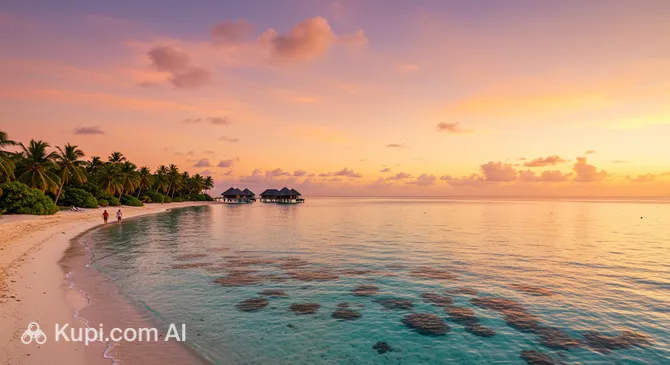
Fakarava. Source: Kupi.Binoculars

While the natural splendor is the main draw today, the history of Fakarava adds a layer of cultural depth to any visit. Ancient marae (sacred sites) can still be found on the atoll, whispering tales of the Polynesian ancestors who first settled these shores. Over time, the atoll has evolved from a quiet settlement into a bucket-list destination for nature lovers and divers.

The atoll is a diver's paradise, boasting two major passes that connect the lagoon to the ocean. The Garuae Pass in the north is the widest navigable pass in the country, teeming with rich marine life. In the south, the Tumakohua Pass is famous for its "wall of sharks," where divers can safely observe hundreds of grey reef sharks in their natural habitat. For those who prefer to stay above water, the atoll features stunning pink sand beaches that create a surreal and romantic landscape.

Whether you are seeking thrilling underwater adventures or simply wish to relax on secluded sands, Fakarava promises an unforgettable experience. It is a place to disconnect from the modern world and reconnect with the raw beauty of nature.

Weather Overview

Fakarava enjoys a pleasant tropical climate characterized by consistent warmth, making it an inviting destination at any time of year. The average temperatures remain remarkably stable, generally hovering between 25°C and 27°C. This steady climate ensures that the lagoon waters are always comfortable for diving and snorkeling, which are the atoll's primary attractions.

For those looking to time their visit perfectly, checking the detailed weather in Fakarava can be very helpful. The warmest period typically spans from February to April, where daily highs can reach around 27.9°C. In contrast, the months of August and September are slightly cooler, with average temperatures dipping to about 25.1°C, offering a refreshing breeze for land-based exploration.

While temperatures vary little, rainfall patterns are more distinct. The beginning of the year, particularly January and December, tends to be wetter, with rain recorded on up to 26 days per month, often in the form of brief tropical showers. Conversely, the driest period occurs around August, where the frequency of wet days drops significantly, providing the most consistent sunshine for sunbathers.

Interesting Facts

Beyond its reputation as a world-class diving destination, Fakarava holds fascinating secrets hidden within its vast lagoon and cultural history. Here are some intriguing facts that reveal the unique character of this remote atoll.

  • The Church of Coral: In the ancient village of Tetamanu, located near the southern pass, stands the historic Église Maria no te Hau. Built in 1874, this structure was constructed entirely from coral blocks and limestone by early missionaries, making it one of the oldest and most distinctive churches in the Tuamotu Archipelago.

  • A Water World: The geography of Fakarava is staggering in its proportions. The internal lagoon covers approximately 1,121 square kilometers, while the actual land mass is only about 16 square kilometers. This means the protected water area is nearly 70 times larger than the land, creating a true "aquatic planet" environment.

  • The Grouper Phenomenon: While the sharks of Fakarava are famous, they gather for a specific natural event. The atoll hosts one of the world's largest spawning aggregations of Camouflage Groupers. Once a year, usually in June or July, thousands of these fish congregate in the passes to spawn, attracting hundreds of predators in a spectacular display of marine life.

  • The Topaka Lighthouse: Near the main village of Rotoava, visitors can find the Phare de Topaka, a unique navigational marker shaped like a pyramid. Unlike traditional towering lighthouses, this modest stone pyramid has guided sailors into the lagoon for decades and serves as a quirky landmark on the northern tip of the atoll.

How to Get There

Reaching the remote and pristine atoll of Fakarava is an essential part of the adventure, with air travel being the primary means of access. Most visitors arrive via domestic flights connecting from the main island of Tahiti or other nearby atolls in the Tuamotu Archipelago. For a detailed guide on planning your trip, you can read more about how to get to Fakarava.

The atoll is served directly by Fakarava Airport (IATA: FAV), which is the main entry point for all visitors. Located on the main motu, the airport is the lifeline of the island. Although the geographic center of the atoll is calculated to be about 28.6 km away, the airport is situated conveniently close to the main village of Rotoava. Transfers to accommodations are typically arranged in advance with guesthouses, as the drive is short and scenic.

Another significant hub in the region is Rangiroa Airport (IATA: RGI), located in the city of Rangiroa, approximately 265 km from Fakarava. As one of the busiest airports in the archipelago, it often serves as a connection point for travelers island-hopping through French Polynesia. Since Rangiroa is a separate atoll, you cannot reach Fakarava by taxi from there; instead, a short inter-island flight is necessary to complete the journey.

For clarity, here is a summary of the main airports:

Airport Name City Passenger Traffic Km from City
Rangiroa Airport Rangiroa Medium 264.9
Fakarava Airport Fakarava Medium 28.6
Kauehi Airport Kauehi 79.4

There are no railway stations on Fakarava or in the surrounding Tuamotu Archipelago. The islands are small and scattered across the ocean, making train travel nonexistent. Upon arrival at the local airport, the most common methods of transport are shuttle trucks provided by pensions, rental bicycles, or small boats for crossing the lagoon.

Main Attractions

The primary allure of Fakarava lies in its pristine natural environment, recognized as a UNESCO Biosphere Reserve. While the atoll is quiet and undeveloped compared to other destinations, its attractions offer world-class experiences for nature enthusiasts and underwater adventurers. Here are the main highlights to explore during your stay.

Garuae Pass is the most famous landmark of the atoll and a legendary site for scuba divers. Located in the north, it is the widest navigable pass in French Polynesia, stretching over 1.6 kilometers. The pass creates a massive highway for marine life, allowing strong currents to bring in nutrient-rich water. Divers here can witness an incredible density of fish, including barracudas, manta rays, and hundreds of grey reef sharks, making it an adrenaline-filled experience unlike any other.

For a slightly different underwater encounter, the Tumakohua Pass in the south offers a more intimate but equally spectacular setting. This pass is renowned for its "Wall of Sharks," where divers and snorkelers can drift effortlessly past a congregation of hundreds of sharks patrolling the reef. The waters here are typically shallower and calmer than in the north, making it accessible for snorkelers who want to observe the vibrant coral gardens and the rich aquatic life near the surface.

A visit to Les Sables Roses (The Pink Sands) is an absolute must for those seeking visual perfection. Located at the southern edge of the lagoon, this remote set of sandbars is famous for its distinct pinkish hue, created by crushed coral and foraminifera shells. The contrast between the blush-colored sand and the turquoise water creates a surreal, dreamlike landscape. It is an idyllic spot for a picnic, swimming, and soaking up the sun in complete isolation.

Back on land, exploring the local Pearl Farms offers a fascinating glimpse into the economic heart of the Tuamotu Archipelago. Fakarava is home to several family-run farms where visitors can learn about the intricate process of grafting and harvesting Tahitian black pearls. These tours often provide a chance to purchase high-quality pearls directly from the source, serving as a beautiful and authentic souvenir of the islands.

Local Cuisine

The local cuisine of Fakarava is a direct reflection of its isolated, oceanic environment. With the lagoon at the doorstep of every home and guesthouse, fresh seafood is the undeniable star of the menu. The food here is simple, wholesome, and incredibly fresh, relying heavily on the daily catch and the ubiquitous coconut palm. Visitors should not expect elaborate fine dining; instead, the gastronomic experience is characterized by authentic Polynesian flavors served in a relaxed, open-air setting.

The absolute must-try dish is Poisson Cru au Lait de Coco (raw fish marinated in coconut milk). Considered the national dish of French Polynesia, it is prepared with fresh tuna or lagoon fish, "cooked" in lime juice, and then mixed with fresh vegetables like cucumber, tomatoes, and onions, all bathed in freshly squeezed coconut milk. Another local favorite is grilled fish, often mahi-mahi or parrotfish, usually caught just hours before being served. These savory mains are typically accompanied by staples such as rice, breadfruit (uru), or taro, providing a hearty balance to the light proteins.

For breakfast or a snack, look for pain coco (coconut bread). This dense, slightly sweet bread is made with grated coconut and is a beloved comfort food throughout the Tuamotu Archipelago. It pairs perfectly with tropical fruit jams or a simple cup of coffee in the morning.

When it comes to drinks, nothing beats the hydration of a fresh coconut, often opened right in front of you with a machete. It is the ultimate refresher after a day of diving or snorkeling. For an alcoholic option, the local lager, Hinano, is the drink of choice for enjoying the sunset. You might also find the classic Maitai cocktail, though on Fakarava, it is often prepared with a simple, rustic touch compared to the resorts on larger islands.

The dining culture in Fakarava is distinctly low-key and communal. There are very few standalone restaurants; instead, most social eating happens at "Snacks"—small, casual eateries located primarily in the main village of Rotoava. These spots serve generous portions of steak-frites, grilled fish, or chow mein at affordable prices. Additionally, most tourists dine at their pension (guesthouse), where hosts prepare family-style meals. These dinners offer a wonderful opportunity to taste home-cooked local recipes and share stories with fellow travelers.

Travel Tips

Welcome to Fakarava, a remote paradise where the pace of life slows down to match the gentle lapping of the lagoon. While this UNESCO Biosphere Reserve offers an idyllic escape, its isolation means that a little extra preparation goes a long way. To help you make the most of your adventure in the Tuamotu Archipelago, here are some practical tips to ensure a smooth and unforgettable journey.

  1. Clothing and Gear: Pack lightweight, breathable fabrics like cotton or linen to stay cool in the tropical heat. Since Fakarava is all about the water, bring multiple swimsuits and, most importantly, reef shoes to protect your feet from sharp coral and stonefish in the lagoon. A high-SPF, reef-safe sunscreen and a rash guard are essential for protection against the strong equatorial sun. The vibe here is ultra-casual; you won't need formal wear, but a light rain jacket is wise for sudden tropical showers.
  2. Transportation: Forget about metros, buses, or ride-hailing apps; they do not exist here. The primary mode of transport on the main motu is the bicycle. Most guesthouses (pensions) provide them for free or for a small rental fee, and the flat terrain makes riding easy and enjoyable. For airport transfers, you must arrange pickup with your accommodation in advance, as there are no taxis waiting at the terminal.
  3. Finances: The local currency is the Pacific Franc (XPF). While some larger diving centers and pensions accept credit cards, cash is king on Fakarava. There is only one ATM on the island, located in the main village of Rotoava, and it can run out of money or be out of service. It is highly recommended to withdraw sufficient cash in Tahiti before you arrive to cover meals at small snack bars, souvenirs, and tips.
  4. Health and Safety: Fakarava is generally very safe, but the environment poses minor risks. Treat any coral cuts immediately with lime juice (a local remedy) and antiseptic to prevent infection. There is a small medical center (infirmary) in Rotoava for basic needs, but serious emergencies require evacuation to Tahiti. Pack a personal first-aid kit containing mosquito repellent, motion sickness medication for boat rides, and basic painkillers.
  5. Communication: The official language is French, and Tahitian is widely spoken. While dive instructors and guesthouse hosts usually speak English, it is less common among the general population or in small shops. Learning a few words like "Ia Orana" (Hello) and "Mauruuru" (Thank you) will go a long way in earning smiles. Wi-Fi is available at most pensions but can be slow and intermittent; consider buying a Vini SIM card in Tahiti if you need reliable data.
  6. Local Etiquette: Polynesians are warm and welcoming, and greeting people you pass on the road is customary. Life here moves on "island time," so patience is a virtue—service may be slower than you are used to, but it is always friendly. When entering a home or a bungalow, it is polite to remove your shoes unless told otherwise.
  7. What to Avoid: Never stand on or touch the coral. Not only can you injure yourself, but you can also damage decades of growth in seconds. Fakarava is a Biosphere Reserve, and preserving its delicate ecosystem is a top priority for locals. Also, avoid wasting fresh water; it is a scarce resource on atolls, so keep showers short.
  8. Shopping Logistics: Shops in Rotoava have limited hours and often close for a long lunch break or "siesta" in the middle of the day. If you need supplies, snacks, or bottled water, try to visit the store in the morning. Don't rely on finding specific imported brands; embrace what is locally available.

By keeping these practicalities in mind, you will be free to fully immerse yourself in the magic of Fakarava. Whether you are drifting through the passes with sharks or cycling under the coconut palms, respecting the local rhythm and environment will ensure your stay is as relaxing as it is breathtaking.

Entertainment & Nightlife

Travelers arriving in Fakarava expecting a vibrant nightlife scene similar to Tahiti or major international resorts should adjust their expectations. The island is the epitome of tranquility, and "nightlife" here is defined by the rhythm of nature rather than the beat of a drum. There are no nightclubs, discos, or neon-lit strips. Instead, evenings are spent socializing in a relaxed atmosphere, enjoying a quiet drink under the stars, or sharing stories of the day's underwater adventures.

The hub of evening activity, such as it is, can be found in the main village of Rotoava. This is where the majority of the population lives and where visitors will find the few establishments that remain open after dark. The vibe is incredibly casual and intimate. The "dress code" rarely requires more than shorts, a t-shirt, and flip-flops (or bare feet). Most venues close relatively early, often by 9:00 PM or 10:00 PM, as the island wakes up with the sun for diving and fishing.

For a drink with a view, the bars attached to the larger guesthouses (pensions) are the best options. The Havaiki Pearl Lodge is a popular spot, even for those not staying there. It features a welcoming bar area where you can enjoy a cold Hinano beer or a freshly made cocktail while watching the sunset over the lagoon. It is a perfect place to mingle with other travelers and divers. Another local favorite for a casual evening meal and a drink is Snack Elda. Located in Rotoava, this eatery offers a friendly, unpretentious atmosphere where locals and tourists mix, enjoying fresh seafood and conversation.

Practical advice for the evening revolves around the island's remote nature. Since there are no taxis or public transport at night, getting around usually means walking or riding a bicycle. It is essential to carry a flashlight or headlamp if you venture out after sunset, as street lighting is minimal to nonexistent outside the immediate village center. This lack of light pollution, however, makes Fakarava a world-class destination for stargazing. Simply sitting on a pier or the beach and looking up at the Milky Way is often the highlight of the night.

In terms of safety, Fakarava is very secure, and violent crime is virtually unheard of. You can walk safely at night, but be mindful of local dogs, which can sometimes be territorial in the dark. Regarding payments, cash (Pacific Francs) is essential. While some larger lodges accept credit cards, smaller snacks and bars may strictly be cash-only, and the single ATM on the island is not always reliable.

As for daytime entertainment in the traditional sense—such as theaters, cinemas, amusement parks, or museums—Fakarava has none. The island does not cater to urban entertainment needs. Instead, the "museum" is the living coral reef, and the "theater" is the daily spectacle of marine life in the lagoon. Cultural entertainment does exist in the form of occasional Polynesian dance shows or music nights organized by the larger pensions, usually accompanied by a buffet of local dishes.

Parks & Museums

In Fakarava, the concepts of "parks" and "museums" are redefined by the atoll's pristine environment and deep-rooted traditions. You will not find manicured city gardens or grand exhibition halls here; instead, the entire atoll serves as a living sanctuary, and its culture is preserved in the daily practices of its people and the remnants of its history. Exploring Fakarava is an immersive experience where nature and heritage are seamlessly intertwined under the open sky.

The UNESCO Biosphere Reserve is essentially one vast, protected natural park that encompasses the entire atoll. Designated in 1977, this reserve is a testament to the harmonious coexistence between humans and nature. For tourists, this means that every swim in the lagoon or walk along the reef is a visit to a globally significant conservation area. The reserve protects rare flora and fauna, including the Tuamotu kingfisher and ancient coral formations, offering a pristine wilderness experience that is becoming increasingly rare in the modern world.

For a more accessible "green space," the Rotoava Beach and Coconut Groves offer a serene setting near the main village. While not a formal park with gates and benches, this stretch of coastline functions as the community's communal backyard. Visitors can stroll beneath the towering palms, relax on the white sand, or swim in the calm, translucent waters. It is a perfect spot for a casual picnic or simply to watch the sunset, surrounded by the lush tropical vegetation that thrives in this coral environment.

Since Fakarava does not have traditional indoor museums, the local Pearl Farms act as fascinating cultural galleries. Establishments such as the Havaiki Pearl Farm offer educational tours that function much like a museum visit. Here, you can learn about the intricate history and biology of the black pearl industry, which is vital to the local economy. Guides demonstrate the grafting process and explain the lifecycle of the oyster, providing a deep dive into an art form that defines the Tuamotu Archipelago.

The Village of Tetamanu, located at the southern pass, can be described as an open-air historical museum. Once the main capital of the atoll, it now stands as a quiet, atmospheric reminder of the past. The centerpiece is the Église Maria no te Hau (Church of Peace), built in 1874. Constructed entirely from coral blocks held together by lime, its architecture is a unique example of ingenuity and faith. Inside, the intricate shell chandeliers and the cool, stone-like interior offer a tangible connection to the early missionary era.

Another significant historical landmark is the Topaka Lighthouse (Phare de Topaka). Located on the northern end of the atoll near Rotoava, this stone pyramid structure looks more like an ancient monument than a functioning lighthouse. Standing at about 15 meters high, it has guided mariners for decades. Its unique shape and weathered stone construction make it a striking architectural site and a popular subject for photography, standing as a silent sentinel over the lagoon.

For a truly authentic experience, take the time to seek out the ancient Marae sites hidden within the vegetation. These sacred stone platforms were the center of social and religious life in pre-European times. While some are overgrown, they possess a powerful aura of history. Ask a local guide to show you one of these sites to gain a respectful understanding of the ancestral Polynesian culture that still resonates through the island today.

Getting Around

Navigating Fakarava is a unique experience because the city lacks a conventional public transport system. Tourists will not find subways, trams, city buses, or trolleybuses here. The infrastructure is designed for a slow-paced island lifestyle rather than urban commuting. Consequently, there are no travel passes, transport apps, or ticket validation machines to worry about.

The primary method of getting around the main motu (islet) is by bicycle. This is the de facto "public transport" of the island. The flat terrain and the single paved road running through the village of Rotoava make cycling effortless and enjoyable. Most guesthouses and pensions provide bicycles to their guests free of charge or for a nominal daily rental fee. E-bikes are also becoming increasingly popular and can be rented from a few local operators in the main village.

For arrival and departure, transport is almost exclusively handled by your accommodation. Since there are no taxi ranks or shuttle buses at the airport, it is essential to arrange a transfer with your host prior to landing. Guests are typically collected in open-air pickup trucks or vans. This service is often included in the cost of your stay, but if not, the price is usually a fixed rate payable directly to the lodge, often in cash.

While four-wheeled vehicles are rare for tourists, a limited number of scooters and small cars may be available for rent in Rotoava. However, availability is low, and advance booking is highly recommended. Payment for these rentals is generally made in the local currency, and credit card facilities may not always be available, so carrying sufficient cash is practical advice.

Given the geography of the atoll, boats serve as a crucial form of transport for reaching remote areas, such as the famous South Pass (Tumakohua). These are not scheduled public ferries but rather private excursions or transfers organized by dive centers and pensions. These boat trips must be booked in advance, and they offer a scenic way to traverse the vast lagoon that serves as the island's central highway.

Accommodation

Accommodation in Fakarava offers a refreshing departure from the large, international resort chains found elsewhere in French Polynesia. Instead of sprawling overwater bungalow complexes, the island specializes in authentic, intimate experiences provided primarily by family-run guesthouses, known locally as "pensions." These establishments allow visitors to immerse themselves in the Polynesian lifestyle, offering a warm welcome and a direct connection to the local culture.

The "Pension" experience is the heart of hospitality on the atoll. Ranging from simple rooms in a family home to stylish independent bungalows nestled in coconut groves or along the lagoon, they cater to various budgets. Staying in a pension often feels more like visiting friends than checking into a hotel. The atmosphere is laid-back and communal, with hosts frequently joining guests to share stories, local tips, and traditions. It is the perfect way to disconnect from the hustle of modern life and embrace the slow island rhythm.

Geographically, accommodation is concentrated in two distinct areas, each offering a different vibe:

  • Rotoava (North): The main village near the airport hosts the majority of the guesthouses. Staying here offers convenience, with access to small shops, snack bars, and bicycle rentals. The accommodations here often feature white sand beaches and beautiful coral gardens right on the doorstep.
  • Tetamanu (South): Located near the famous South Pass (Tumakohua), this area is remote and accessible only by a boat ride across the lagoon (about 1.5 hours). Accommodation here is more rustic and isolated, catering primarily to dedicated divers and those seeking a true "Robinson Crusoe" experience away from civilization.

Dining is a central part of the accommodation package in Fakarava. Due to the limited number of standalone restaurants, most pensions operate on a half-board basis (demi-pension), which includes breakfast and dinner. These meals are typically communal, served family-style at large tables. The cuisine features fresh, locally caught fish, homemade bread, and tropical fruits. This arrangement not only solves the logistics of finding food but also creates a social environment where travelers from around the world can bond over their daily adventures.

When planning your stay, it is crucial to book well in advance, especially during the peak diving season (June to October), as the limited number of rooms fills up quickly. Amenities in Fakarava are generally comfortable but eco-conscious; while some upscale pensions offer air conditioning, many rely on the ocean breeze and ceiling fans. Additionally, hot water may be solar-generated, and Wi-Fi can be intermittent. Finally, always arrange your airport transfer with your host at the time of booking, as there are no taxis waiting at the terminal.

Nearby Cities

Fakarava is situated in the Tuamotu Archipelago, a region defined by its remote coral atolls and vast distances from the bustling centers of French Polynesia. The closest major urban hub is Papeete, the capital located on the island of Tahiti. As the administrative and economic center of the country, Papeete serves as the primary gateway for international arrivals and the main transit point for domestic flights heading to Fakarava.

While Fakarava offers a secluded diving paradise, many travelers combine their trip with visits to the more developed Society Islands. Popular destinations such as Moorea and the world-famous Bora Bora are accessible via inter-island flights. These islands offer a contrast to the Tuamotus with their high volcanic peaks and luxury resorts. Other nearby options for island hopping include Raiatea, known as the "Sacred Island," and the lush, garden-like island of Huahine.

The following table lists the major cities and destinations in the region, along with their population and distance from Fakarava:

City Population Distance (km)
Papeete 131,695 441
Moorea 18,000 468
Huahine 6,000 579
Raiatea 12,500 625
Bora Bora 10,605 654

Shopping & Souvenirs

Shopping in Fakarava is a reflection of its peaceful, remote nature. Visitors should not expect bustling commercial centers or high-end fashion boutiques. Instead, the shopping experience is intimate and authentic, focused primarily on daily essentials and locally crafted treasures. The options are limited but meaningful, offering a chance to purchase items that are directly tied to the atoll's culture and natural resources, particularly its world-renowned pearls.

The entire commercial life of the atoll is concentrated in the main village of Rotoava. There are no specific shopping districts or pedestrian streets; rather, you will find a handful of small grocery stores (magasins), a bakery, and a few artisan workshops scattered along the single paved road that runs through the village. Exploring these few spots is easy to do by bicycle, allowing you to stop whenever a colorful pareo or a display of shell jewelry catches your eye.

It is important to note that there are no shopping malls or large department stores on Fakarava. The retail landscape is comprised entirely of small, family-owned businesses. If you require specific pharmacy items, specialized electronics, or branded clothing, it is highly recommended to purchase these in French Polynesia's capital, Papeete, before traveling to the outer islands.

Unlike the larger islands, Fakarava does not have a central, permanent market hall. However, you may occasionally find small, informal roadside stands where locals sell fresh fruit, coconuts, or the catch of the day. For handicrafts, there isn't a bustling flea market, but local artisans often display their work near the wharf when supply ships or cruise ships arrive, offering a pop-up market experience filled with handmade charm.

When it comes to souvenirs, the undisputed star is the Tahitian Black Pearl. Fakarava is home to several pearl farms where you can buy loose pearls or jewelry directly from the source, often at better prices than in Tahiti. Beyond pearls, look for shell necklaces (colliers de coquillages), which are intricately crafted by local women. Hand-painted pareos (sarongs), coconut oil (monoi), and local honey are also popular gifts that capture the essence of the Tuamotu Archipelago.

Business hours on the atoll operate on "island time." Shops typically open early, around 7:00 AM or 8:00 AM, but almost all close for a long lunch break (siesta) from roughly 12:00 PM to 2:00 PM or 3:00 PM. In the evening, stores close early, usually by 6:00 PM. Most shops are closed on Sunday afternoons. As for payment, cash (Pacific Francs - XPF) is essential. While pearl farms and some larger guesthouses accept credit cards, the small village shops often do not, and the single ATM on the island can be unreliable.

For tourists purchasing valuable items like pearls, a tax-free (détaxe) scheme may be available, allowing for a refund of the VAT (TVA) upon departure from French Polynesia. When buying pearls, ask the vendor for the necessary tax refund forms. You will need to present these forms and the goods at the customs office at the international airport in Tahiti before your final flight home.

Reached the end of the page?

That means the route is fully explored