Support

Anaa

About

Welcome to Anaa, a captivating atoll that stands out as a hidden gem within the vast expanse of French Polynesia. Known for its breathtakingly unique landscape and tranquil atmosphere, this oval-shaped atoll offers an authentic escape far from the bustling tourist hubs. The lagoon of Anaa is renowned for its shallow waters, which create a mesmerizing jade-green hue that contrasts beautifully with the deep blue of the surrounding ocean.
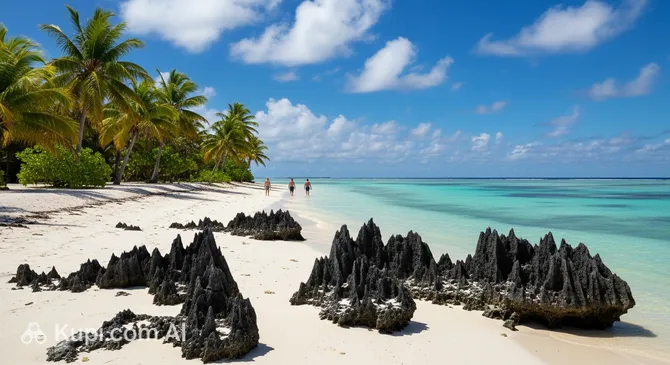
Anaa. Source: Kupi.Binoculars

Geographically, Anaa is part of the Tuamotu Archipelago and is distinguished by its lack of a navigable pass into the lagoon, which has helped preserve its pristine marine environment. While the population is small, centered mainly in the village of Tukuhora, the locals are known for their warm hospitality and dedication to sustainable living. Visitors delving into the history of Anaa will discover that this peaceful island was once the home of the formidable Parata warriors, adding a layer of legendary intrigue to its serene present.

One of the most striking features of Anaa is the presence of "feo", massive blocks of fossilized coral that rise up to three meters high along the shore, creating a surreal and photogenic landscape found nowhere else in the region. The atoll is also a world-class destination for fly fishing, particularly for bonefish, attracting enthusiasts from around the globe. Whether you are exploring the coral formations or simply soaking in the vibrant colors of the lagoon, Anaa promises an unforgettable journey into the heart of the Pacific.

If you are looking for a destination that combines raw natural beauty with deep cultural roots, Anaa awaits your arrival. It is the perfect spot for travelers seeking solitude, connection with nature, and a glimpse into the traditional Polynesian way of life.

Weather Overview

Anaa enjoys a warm, tropical climate throughout the year, characterized by very stable temperatures and consistent humidity. Visitors can expect average temperatures to hover comfortably between 24°C and 27°C regardless of the season. The warmest period typically spans from November to May, with April reaching an average temperature of 27.0°C, while the months of June through October are slightly cooler, dipping to an average of around 25.0°C in August.

Rainfall is a regular occurrence on the atoll, though it often manifests as frequent showers rather than continuous downpours. The weather is wettest around December and January, which can see precipitation on up to 25 days of the month. In contrast, August is generally the driest time of year, with fewer wet days, making it an excellent time for outdoor activities. Despite the frequency of rain, the warm air and water temperatures ensure that the lagoon remains inviting all year long.

Interesting Facts

Beyond the main attractions, Anaa holds many fascinating secrets that reveal the deep cultural and geological complexity of this remote atoll. From ancient navigation techniques to unique wildlife sanctuaries, the island offers more than just scenic beauty.
  • The Green Cloud Phenomenon: The lagoon of Anaa is so shallow and vibrantly colored that it creates a unique atmospheric effect. The jade-green water reflects sunlight onto the clouds above, creating a greenish glow on the horizon. Ancient Polynesian navigators used this telltale sign to locate the atoll from unmatched distances, long before the land itself became visible.

  • A Geological Anomaly: Unlike many other atolls in French Polynesia that were formed solely by subsidence, Anaa shows evidence of tectonic uplift. The famous "feo" blocks are actually ancient coral reefs that were pushed upwards by geological forces, creating a ring of sharp, fossilized coral walls that stand in stark contrast to the flat sandy islets found elsewhere in the Tuamotus.

  • Dominion of the Parata: While known as the home of warriors, few realize the extent of their historical power. In the 17th and 18th centuries, the Parata dynasty of Anaa effectively controlled a vast portion of the Tuamotu Archipelago. They were considered the supreme military force of the region, often launching long-distance canoe raids that cemented their reputation as the "Vikings" of these waters.

  • Sanctuary for Giants: The uninhabited islets of the atoll serve as a thriving sanctuary for the kaveu, or coconut crab. Due to the isolation and local conservation practices, these massive land crabs—which can crack coconuts with their claws—grow to impressive sizes here, maintaining a healthy population that is increasingly rare in other parts of the Pacific.

How to Get There

Reaching the remote atoll of Anaa involves a journey through the stunning Tuamotu Archipelago. Most travelers arrive by air, typically connecting via the main island of Tahiti. For a detailed guide on planning your trip, you can read more about how to get to Anaa and the various transport options available.

While Anaa is a specific destination, it is useful to know about the regional aviation hubs that serve the surrounding islands. The Fakarava Airport (FAV) is a significant facility located in the city of Fakarava, approximately 151 km from Anaa. Given the geography of the archipelago, travel from Fakarava to Anaa would require a subsequent boat charter or flight, as they are separate atolls. Another nearby option is the Kauehi Airport (KHZ) in Kauehi, situated about 184 km away. These airports primarily serve their respective local communities and tourists visiting those specific islands.

For clarity, here is a summary of the main airports in the vicinity:

Airport Name City Passenger Traffic Km from City
Fakarava Airport Fakarava Medium 151.1
Kauehi Airport Kauehi 184.6

As Anaa is a coral atoll located in the middle of the Pacific Ocean, there is no railway infrastructure on the island or in the surrounding region. The city of Anaa does not have a railway station, and train travel is not a mode of transport in French Polynesia. Visitors rely exclusively on flights and boats to navigate between the islands.

Main Attractions

Experiencing the Jade Lagoon is about more than just admiring its color; it is an invitation to immerse yourself in one of the most tranquil environments in French Polynesia. The shallow, sun-warmed waters are perfect for leisurely wading or floating, making it a safe and relaxing spot for visitors of all ages. Snorkelers should bring their gear to drift over the white sand bottoms, where the sunlight dances through the water, offering exceptional clarity for underwater photography and a chance to spot small, curious reef fish up close.

Explorers seeking a dramatic change of scenery should head to the Feo formations. While these ancient coral blocks are a geological wonder, they also provide a unique hiking experience. Navigating the rugged, weathered terrain requires sturdy footwear, but the effort is rewarded with unparalleled vantage points for landscape photography, especially during the "golden hour" when the shadows accentuate the jagged textures. It is a tactile experience where you can feel the history of the atoll beneath your fingertips while listening to the powerful sound of the ocean crashing against the outer reef.

To truly connect with the local culture, spend time in the village of Tukuhora. Beyond sightseeing, this is the place to engage with the artisans who carry on the Tuamotu tradition of shell craft. Visitors can often watch the intricate process of creating "lei" necklaces and even purchase these delicate souvenirs directly from the makers. Attending a Sunday service at the local church, regardless of your faith, offers a moving glimpse into community life, filled with harmonious singing and vibrant island attire.

For those with an adventurous spirit, the vast flats of the lagoon offer a world-class arena for fly fishing. This is an active pursuit where patience and stealth are key. Anglers can spend hours wading through knee-deep water, scanning the surface for the silver flash of the elusive bonefish. Even if you are a beginner, hiring a local guide is highly recommended, not just for the technical tips, but for the opportunity to learn how to read the water through the eyes of someone who has known these tides their entire life.

Local Cuisine

The local cuisine of Anaa offers a truly authentic taste of the Tuamotu Archipelago, deeply rooted in the bounty of the ocean and the versatility of the coconut palm. Given the atoll's isolation and sandy soil, the diet focuses heavily on fresh seafood caught daily from the pristine lagoon or the open sea. Visitors can expect simple yet flavorful meals where the freshness of the ingredients takes center stage, often prepared with traditional Polynesian methods that have been passed down through generations.

No culinary journey here is complete without trying Poisson Cru au Lait de Coco, the national dish of French Polynesia. It features raw tuna or lagoon fish marinated in lime juice and mixed with fresh vegetables and freshly squeezed coconut milk. On Anaa, this dish is exceptionally fresh, often made with fish caught just hours before serving. Another local delicacy to look out for is the Kaveu, or coconut crab. While these creatures are protected in some areas, they are a traditional part of the diet on Anaa and are renowned for their rich, sweet meat, often steamed or prepared in curry.

Shellfish also play a significant role in the local diet. You might encounter dishes featuring Pahua (giant clam) or Korori (pearl oyster muscle), which can be eaten raw with a splash of lime or cooked in creamy coconut sauce. To accompany these meals, locals often serve pain coco, a dense and slightly sweet bread made with grated coconut that is perfect for breakfast or dipping into savory sauces.

When it comes to beverages, the most refreshing option is undoubtedly Pape Haari, or fresh coconut water, often drunk straight from the nut. It provides essential hydration in the tropical heat. For something with a bit more kick, the local Hinano beer is a staple at social gatherings. On the non-alcoholic side, fresh fruit juices made from limes or grapefruits grown in the village gardens offer a zesty alternative to accompany a sunny afternoon.

The dining scene in Anaa is intimate and community-oriented. You will not find commercial restaurant chains or bustling food markets here. Instead, the culinary experience is centered around family-run guesthouses (pensions), where hosts prepare home-cooked meals for their guests. This communal dining style allows tourists to share stories with locals and enjoy generous platters of grilled fish, sashimis, and root vegetables in a relaxed, welcoming atmosphere. For a special treat, many hosts organize motu picnics, where lunch is grilled over an open fire on a secluded islet, offering the ultimate dining-with-a-view experience.

Travel Tips

Preparing for a trip to Anaa requires a bit more foresight than a standard vacation, as this remote atoll offers a true disconnect from the modern world. Here are some practical tips to ensure your adventure in this pristine corner of French Polynesia is as smooth as it is memorable.

  1. Clothing and Gear: Pack lightweight, breathable clothing suitable for a tropical climate, such as cotton or linen. A waterproof jacket is advisable for occasional showers. Crucially, bring sturdy reef shoes or water sandals; the fossilized coral "feo" formations and shallow lagoon floors can be sharp, and protecting your feet is essential. Don't forget biodegradable sunscreen, sunglasses, and a hat to shield yourself from the strong equatorial sun.

  2. Transportation: There is no public transport, metro, or taxi service on the atoll. Most visitors get around by walking or using bicycles, which are often provided free of charge by local guesthouses. For exploring the lagoon or visiting distant "motus" (islets), you will rely on boat transfers organized by your host. Car rentals are neither available nor necessary given the small size of the village and road network.

  3. Finances: Cash is king on Anaa. There are no ATMs or banks on the island, so you must withdraw sufficient Pacific Francs (XPF) in Tahiti before you arrive. While some guesthouses may accept credit cards, it is not guaranteed, and technical issues can occur. Small shops and local artisans will almost exclusively require cash.

  4. Health and Safety: The atoll is very safe with virtually no crime, but environmental hazards exist. Bring a basic first-aid kit containing antiseptic, band-aids, and pain relievers, as the local infirmary has limited supplies and hours. Treat any coral cuts immediately to prevent infection. Mosquito repellent is also a must, especially in the evenings.

  5. Communication: The main languages are French and the local Paumotu dialect. English is not widely spoken outside of the tourism sector, so learning a few basic phrases in French or Tahitian will be greatly appreciated. Wi-Fi is usually available at guesthouses but can be slow or intermittent. It is best to purchase a local SIM card (Vini) in Tahiti for better connectivity, though coverage may be spotty in remote areas.

  6. Local Etiquette: Polynesians are warm and welcoming. Always greet people with a smile and a friendly "Ia Orana" (Hello) when passing by. It is customary to remove your shoes before entering a home or a bungalow. When visiting the village, dress modestly (avoid wearing just swimwear) out of respect for the local community.

  7. What to Avoid: Do not walk on live coral or touch marine life while snorkeling; this protects both the fragile ecosystem and yourself from injury. Also, avoid wasting fresh water. On an atoll, freshwater is a precious resource collected primarily from rain, so keep showers short and be mindful of your usage.

  8. Limited Supplies: Shops on Anaa are small family-run "magasins" with limited stock. If you have specific dietary requirements, favorite snacks, or essential toiletries, buy them in Tahiti and bring them with you. Do not rely on finding specialty items on the atoll.

By packing the right essentials and embracing the slower, simpler pace of island life, you will be perfectly equipped to enjoy the unique magic of Anaa. Leave your stress behind and get ready to experience genuine Polynesian hospitality in one of the most beautiful settings on Earth.

Entertainment & Nightlife

Nightlife in Anaa is a world away from the neon lights and thumping bass of typical tourist party destinations. There are no nightclubs, discos, or commercial bars on this remote atoll. Instead, the evening entertainment is defined by a profound silence, the rhythmic sound of the ocean crashing against the reef, and a canopy of stars so bright they reflect in the calm lagoon. The "nightlife" here is about disconnecting from the noise of the modern world and reconnecting with nature and the local community.

The social hub of the atoll is the village of Tukuhora. While you won't find a bustling district of pubs, the village comes alive in its own subtle way after sunset. The atmosphere is incredibly laid-back and intimate. Locals often gather on their verandas or near the Main Wharf to enjoy the cool evening breeze, play the ukulele, and share stories. Visitors are often welcomed into these circles, offering a genuine cultural exchange that feels far more exclusive than any VIP lounge. The dress code is strictly island casual—shorts, t-shirts, and flip-flops are the norm everywhere.

For dining and evening drinks, the "venues" are the local guesthouses, known as pensions. Since there are no standalone restaurants open late at night, your guesthouse serves as your bar and dinner club. Meals are typically communal affairs where guests and hosts eat together at long tables. The evening often extends into late-night conversations over a cold Hinano beer or a glass of wine. It is a time to debrief on the day's fishing or exploration. If you are lucky, your hosts might organize a bonfire on the beach, roasting fresh catch under the open sky.

One of the most beautiful forms of evening entertainment in Anaa is attending a choir practice or service at the Saint-Joseph Church in Tukuhora. The Polynesians are famous for their harmonious himene singing, and the sound of their voices drifting through the open windows of the church is a mesmerizing experience. Even if you are not religious, stopping by to listen is a respectful and deeply moving way to spend an evening.

Practical advice for nights in Anaa revolves around preparation. The village goes to sleep early, often by 9:00 PM or 10:00 PM. There is no public transport or taxi service, so getting around means walking or riding a bicycle. Since street lighting is minimal to non-existent outside the main village path, carrying a good flashlight or headlamp is essential for safety to avoid tripping on uneven coral ground. The island is incredibly safe from a crime perspective, so night walks are worry-free, provided you watch your step.

During the daylight hours, entertainment shifts to exploring the unique landscape. Daytime activities are centered around the lagoon and the "feo" coral formations. Visitors can visit local artisan workshops to see the crafting of shell jewelry or explore the historic sites associated with the Parata warriors. While there are no amusement parks or theaters, the natural drama of the landscape provides all the spectacle you need.

Parks & Museums

In Anaa, the concept of parks and museums is defined not by manicured lawns or glass display cases, but by the raw, untouched beauty of the atoll itself. The entire island serves as an open-air sanctuary where nature is the primary exhibit and the local village acts as a living museum of Polynesian culture. Visitors here will not find ticketed entrances or audio guides; instead, they are invited to explore a landscape that has remained largely unchanged for centuries.

The most significant natural "park" on the atoll is the area dominated by the Feo. These are unique, fossilized coral formations that rise roughly three meters above the lagoon's edge, creating a jagged, sculptural landscape that is distinct to Anaa. Unlike the soft sandy beaches typical of the Tuamotus, the Feo offers a dramatic, rugged terrain that feels like a geological sculpture garden. Walking among these ancient coral blocks provides a fascinating look at the tectonic history of the region and offers photogenic contrasts between the grey stone, the green vegetation, and the turquoise water.

Another vast natural area worth exploring is the chain of uninhabited motus (islets) that make up the atoll's ring. These secluded spots act as de facto nature reserves, hosting thriving populations of seabirds and the impressive coconut crab, or kaveu. A boat trip to these remote corners allows visitors to experience the atoll's ecosystem in its most pristine state. The dense coconut groves and untouched shorelines provide a perfect setting for observing wildlife and enjoying the profound silence of the Pacific, far removed from human habitation.

Regarding cultural institutions, Anaa does not possess formal museums or art galleries. The history and artistic expression of the island are woven into the daily life of the village of Tukuhora. The cultural heart of the community is the Saint-Joseph Church. Rebuilt after the devastating cyclone of 1906, this structure is a testament to the resilience of the local people. Its interior features stunning craftsmanship, including chandeliers and decorations made entirely from local mother-of-pearl and shells, serving as a gallery of religious art that reflects the island's resources and faith.

For those seeking an art gallery experience, the artisan workshops within the village are the place to go. Anaa is famous throughout French Polynesia for its intricate shell crafts. Local women gather tiny, colorful shells from the beaches to create elaborate necklaces, head crowns, and decorative items. Watching these artisans at work offers a glimpse into a tradition passed down through generations, effectively functioning as a living exhibit of Paumotu heritage.

Historically, the atoll is dotted with the remnants of ancient marae (sacred temples), though many are hidden within the vegetation and are not formally signposted. These sites date back to the era of the Parata warriors, a fierce dynasty that once controlled the archipelago. While there is no explanatory signage, visiting these sites with a knowledgeable local guide brings the legends of the past to life, offering a deep connection to the spiritual history of the island.

Insider Tip: Ask your guesthouse host if they can show you the "Putoa" or "Putuahara" marae sites. While they may look like simple piles of coral stones to the untrained eye, hearing the oral history associated with them while standing on the sacred ground is a powerful experience you won't find in any guidebook.

Getting Around

Navigating the atoll of Anaa is a unique experience that differs significantly from visiting a bustling metropolis. Travelers should be aware that there is no formal public transport system on the island. You will not find subways, buses, trams, or scheduled public ferries here. The infrastructure is minimal, reflecting the remote and peaceful nature of the destination. Transport is largely informal and relies heavily on the services provided by local guesthouses.

The primary mode of getting around the main village of Tukuhora is simply walking or cycling. The village is small enough to be navigated entirely on foot, allowing visitors to soak in the atmosphere at a leisurely pace. Bicycles are the most popular "vehicle" for tourists and locals alike. Most family pensions (guesthouses) provide bicycles to their guests, often free of charge or for a nominal daily fee. This allows you to explore the single main road that runs through the village and reach nearby scenic spots with ease.

Since there are no ticket machines, travel passes, or transport apps, the concept of a "fare system" does not apply to daily movement within the village. If you are using a bicycle provided by your accommodation, the cost is usually bundled into your room rate. For the rare occasion where you might need a motorized transfer—such as moving heavy luggage from the airfield to your lodging—this is almost exclusively arranged by your host. Payment for these services, if not included, is settled in cash (Pacific Francs) directly with the guesthouse owner at the end of your stay.

For travel across the lagoon to visit distant "motus" (islets) or specific fishing spots, the boat acts as the essential vehicle. These are not public water taxis but private charters organized by your pension or local guides. Prices for these excursions vary depending on the distance and duration of the trip. It is highly recommended to discuss and confirm the cost of boat transfers in advance with your host to avoid any confusion.

Tourists should not expect to find taxis, ride-sharing services, or car rental agencies on the atoll. The local population uses private scooters or pickup trucks, and while hitchhiking is not a formal practice, the community is small and friendly; a local might offer a lift if they see you walking in the heat, usually out of pure hospitality rather than for payment. However, for reliability, always depend on the transport arranged by your accommodation.

A special feature of transport in this region is the "school boat" or communal shuttles used by residents for specific logistical needs, though these are generally not for tourist use. The true highlight of "transport" here is the journey itself—skimming across the jade-green lagoon in a small boat offers a scenic experience that far surpasses any historic tram or metro ride found elsewhere.

Accommodation

Accommodation in Anaa is quite different from the highly commercialized resort islands of French Polynesia. Visitors here will not find sprawling luxury hotel chains, overwater bungalows with glass floors, or high-rise buildings. Instead, the lodging landscape is defined almost exclusively by family-run guesthouses, known locally as "pensions de famille." These establishments offer an authentic and intimate experience, allowing guests to live closer to the local rhythm and culture. The options are generally simple, comfortable, and rustic, focusing on warm hospitality rather than opulent amenities.

The majority of accommodation options are concentrated in or near the main village of Tukuhora. Staying in this area is the most convenient choice for travelers, as it provides easy access to the few local shops, the church, and the main wharf. Being based in Tukuhora also makes it easier to arrange excursions, as most boat operators and guides live within the village. Some guesthouses are located right on the lagoon's edge, offering stunning views of the jade-green waters and immediate access for swimming or snorkeling right from your doorstep.

Because there are no independent restaurants or cafes on the atoll, accommodation in Anaa is typically booked on a half-board or full-board basis. This means your daily rate usually includes breakfast and dinner, and often a picnic lunch. The meals are a highlight of the stay, featuring fresh seafood caught by the hosts and traditional Polynesian dishes. Living in a guesthouse creates a communal atmosphere; meals are often shared at a large table with the host family and other travelers, providing a wonderful opportunity to exchange stories and learn about life on the atoll.

Booking Tips and Prices: Due to the very limited number of rooms available on the island, it is highly recommended to book well in advance, especially if you plan to visit during the peak fly-fishing season. Accommodation prices generally fall into the mid-range category, reflecting the cost of logistics in such a remote location rather than luxury fixtures. While some bookings can be made through online travel platforms, many guesthouses rely on direct email communication or bookings via travel agents in Tahiti. Be aware that payment often requires cash (Pacific Francs), as credit card facilities are rare and unreliable on the atoll.

Nearby Cities

For those looking to explore the surroundings, Anaa serves as a starting point for visiting several interesting locations within the broader archipelago and beyond. While the distances in the Pacific are vast, the inter-island flight network connects travelers to some of the most iconic destinations in French Polynesia.

One of the primary hubs is Papeete, the vibrant capital located on Tahiti. It offers a stark contrast to the quiet isolation of Anaa, featuring bustling markets, shopping centers, and a lively waterfront promenade. It is the best place to experience the urban side of Polynesian life, with museums and cultural centers that provide deep insight into the island's history.

Another spectacular destination is Bora Bora, world-renowned for its mesmerizing turquoise lagoon and Mount Otemanu. Often called the "Pearl of the Pacific," it is a favorite for honeymooners and luxury travelers. The island offers incredible snorkeling opportunities and a chance to relax in some of the most exclusive resorts in the world.

For nature lovers, Moorea presents a lush, volcanic landscape with jagged peaks and deep bays. It is known for its hiking trails, pineapple plantations, and the opportunity to swim with rays and sharks in its crystal-clear lagoon. Its relaxed vibe strikes a perfect balance between the bustle of Papeete and the remoteness of the outer atolls.

City Population Distance (km)
Papeete 131,695 433
Moorea 18,000 461
Raiatea 12,500 638
Bora Bora 10,605 673
Huahine 6,000 594

These nearby destinations offer a glimpse into the diverse culture and landscapes of the region, allowing travelers to experience everything from volcanic peaks to urban energy alongside the tranquility of the atolls.

Shopping & Souvenirs

Shopping in Anaa is an experience defined by simplicity and necessity rather than luxury or variety. As a remote atoll, it does not possess commercial shopping centers, fashion boutiques, or duty-free complexes. Instead, the shopping scene is limited to small, family-run convenience stores known as "magasins" that stock essential food items, basic toiletries, and household goods. For visitors, "shopping" here is less about retail therapy and more about engaging with local artisans or picking up supplies for a picnic on the lagoon.

The primary (and effectively only) area for any commercial activity is the main village of Tukuhora. There are no designated shopping streets or promenades. Instead, you will find a few small general stores scattered among the residential houses. These shops are the lifeline of the community, where locals purchase imported goods like rice, flour, and canned foods. A walk through the village might lead you to these humble establishments, which offer a glimpse into the day-to-day life of the islanders.

Travelers should be aware that there are no shopping malls or department stores on the atoll. The retail infrastructure is completely traditional. If you are looking for branded clothing, electronics, or extensive souvenir shops, these needs should be met in Papeete (Tahiti) before traveling to the outer islands.

Unlike larger islands, Anaa does not have a formal public market hall. However, the "market" here is an informal and often mobile concept. Fresh fish is typically sold directly at the quayside when the fishing boats return, or sometimes from coolers by the roadside. It is a cash-only, first-come-first-served system that guarantees the freshest catch imaginable. Occasionally, small pop-up stalls may appear during community events or church gatherings, selling prepared food or local produce like coconuts and breadfruit.

When it comes to souvenirs, Anaa offers something truly special: exquisite shell craftsmanship. The atoll is famous throughout French Polynesia for its tiny, colorful shells, particularly the yellow ones known as pupu. Local artisans, primarily women in the village, weave these shells into intricate necklaces, head crowns (hei), and decorative items. These are not mass-produced trinkets but authentic pieces of art. Purchasing these directly from the makers in Tukuhora is the best way to support the local economy and bring home a meaningful memento of your trip.

Opening hours for the small shops in the village can be unpredictable and generally follow "island time." Most stores open early in the morning, around 6:00 AM or 7:00 AM, to accommodate the cool hours of the day. They typically close for a long lunch break (siesta) from roughly 12:00 PM to 2:00 PM or 3:00 PM, and then reopen until early evening, around 6:00 PM. On Sundays and holidays, most shops are closed or have very limited morning hours.

Regarding payment, cash is absolutely essential. The small stores and local artisans do not accept credit cards, foreign currency, or mobile payments. There are no ATMs on the island, so tourists must withdraw sufficient Pacific Francs (XPF) in Tahiti prior to arrival. Tax-free shopping (détaxe) is not available on Anaa; this service is generally restricted to specific licensed retailers in Tahiti.

Reached the end of the page?

That means the route is fully explored