Support

Borkum

About

Borkum is a true island oasis nestled in the waters of the North Sea. This picturesque spot is part of the East Frisian Islands and is considered the northwesternmost point of Germany. The island is separated from the mainland by the expanse of the sea, which gives it a special atmosphere of seclusion and freedom, highly valued by travelers.

Borkum. Illustration.
Source: Kupi.com AI

The journey to the island usually involves a ferry crossing, and upon arrival, guests are greeted by the famous Borkumer Kleinbahn train. This historic transport has become a true symbol of the place. The rich history of Borkum is felt here at every step: from the ancient architecture to the leisurely pace of life that allows you to forget about the city bustle.

Despite its small population of about 5,200 people, the town is an official health resort with excellent balneological facilities. There is an excellent tourist infrastructure here: from modern spa hotels to cozy family pensions. The unique climate and healing sea air, rich in iodine, make a holiday here beneficial at any time of year.

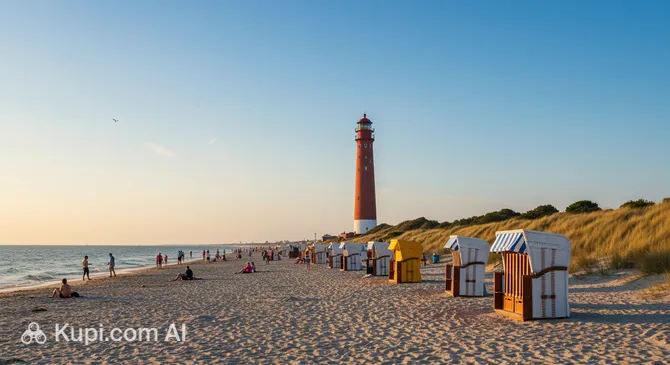
The island's nature is mesmerizing: long sandy beaches invite you to take long walks, and the unique ecosystem of the Wadden Sea allows you to observe seals in their natural habitat. Borkum is an ideal destination for those seeking harmony, wanting to enjoy romantic sunsets, and recharge with the energy of the North Sea.

Weather Overview

The island's climate is strongly influenced by the North Sea, which provides mild conditions year-round without extreme temperature fluctuations. If you are interested in detailed weather in Borkum during your visit, it's worth preparing in advance for fresh sea air and variable cloudiness.

The summer season here is comfortable and refreshing, without exhausting heat. August is considered the warmest month with an average temperature of about 18.4°C and highs up to 20.5°C. June and July also delight with pleasant warmth, but rain during this period is not uncommon: the number of days with precipitation varies from 11 to 16 per month.

Expect a moderately warm summer with frequent rain and cool, damp winters. In the winter months, especially in January and December, the temperature stays around 5-6°C, and the number of rainy days reaches 18. Autumn brings a gradual cooling, but even in October, the air often warms up to 12.8°C, allowing you to enjoy the island's nature in appropriate clothing.

Average monthly temperature

Average monthly precipitation

Interesting Facts

Beyond beach holidays and wellness treatments, Borkum holds many fascinating stories and unique features that far from all travelers know. Here are a few facts that reveal the character of this amazing island:
  • The island is home to several historic navigational towers, among which the New Borkum Lighthouse stands out. This majestic structure, built in 1879, invites guests to climb 308 steps for a breathtaking panorama of the Wadden Sea.

  • Tech enthusiasts will appreciate the local transport legend — the Borkum Island Railway. This is one of the oldest narrow-gauge railways in Germany, where you can still take a ride on a vintage steam train, as if traveling back in time.

  • Borkum has significant geographical importance: a special pole is installed on the upper promenade, officially marking the northwesternmost point of the country.

  • Here you can dive deep into the history of whaling and the life of the islanders by visiting the Dykhus Borkum Local History Museum. Notably, the island has preserved its oldest residential house, which has witnessed many eras.

  • The island's nature is unique thanks to its location in the "Borkumriff" National Park. Guests can take a walk along the famous mudflats of the Wadden Sea, a UNESCO World Heritage site, and observe seal colonies in their natural habitat.

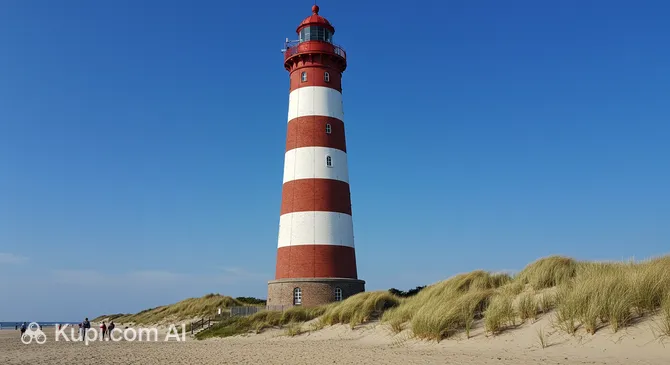
New Lighthouse Borkum. Illustration.
Source: Kupi.com AI

Traveler photos:

How to Get There

A journey to the island of Borkum is an exciting adventure that usually involves several stages, as it can only be reached by water or by a small private plane. To plan your perfect route, you can explore all ways to get to the city and choose the most convenient option for you.

Since there is no large passenger airport on the island itself, travelers usually fly into the nearest cities on the mainland and then transfer to a train or car to reach the ferry crossing in Emden (Germany) or Eemshaven (Netherlands). From there, the maritime part of the journey begins.

The closest airport to the island is Eelde Airport (IATA: GRQ), located in the neighboring Netherlands, in the city of Groningen. This is the most convenient arrival point for those wanting to minimize overland travel time. The distance to Borkum in a straight line is only about 52 km. A taxi or transfer from the terminal to the port of Eemshaven will take approximately 45–50 minutes. From there, a ferry will take you to the island in another 50 minutes. Eelde Airport is a compact and convenient hub for regional flights.

For those who prefer to fly through Germany, Bremen Airport (IATA: BRE) is an excellent choice. It is located in the city of Bremen, about 153 km from the island. This is an important transport hub for the region. The journey from here to the ferry crossing in Emden by car on the autobahn will take about 2 hours. Keep in mind that you will then need to cross by ferry (about 2–2.5 hours) or high-speed catamaran (about 1 hour). Bremen Airport has a developed infrastructure and is convenient for connections.

If you are flying from afar, your destination will likely be Schiphol (IATA: AMS) — one of Europe's largest airports, located in Amsterdam (about 191 km from Borkum in a straight line). Schiphol handles flights from all over the world. Although it is further away, the excellent Dutch rail connection allows you to reach the port of Eemshaven by train in about 3 hours, from where ferries depart for Borkum.

For clarity, here is a summary of the main airports:

AirportPassenger trafficDistance
Eelde Airport112 83352 km
Bremen Airport1.8 mln153 km
Munster Osnabruck International Airport1.3 mln175 km
Westerland - Sylt Airport125 745184 km
Amsterdam Airport Schiphol66.8 mln191 km

Rail connections play a key role in logistics, as many tourists switch to trains immediately after arrival. It is important to remember: trains from the mainland arrive directly at the ferry terminals (stations Emden Außenhafen in Germany or Eemshaven in the Netherlands), where passengers transfer to ships.

One of the key points is Bremen Main Station, located about 153 km from the island. This is a major transport hub from which trains regularly depart towards Emden. A trip on a regional express train to the port takes about 2 hours, making this route quite popular.

Also worth mentioning is Amsterdam Centraal station in the Dutch capital. Located 179 km from Borkum, this station serves millions of passengers annually and serves as a starting point for those planning to reach the ferry in Eemshaven via the Dutch rail network.

Below is a table of the nearest major railway stations:

StationPassenger trafficDistance
Bremen Hauptbahnhof43.8 mln154 km
Osnabrück Hauptbahnhof12.8 mln173 km
Amsterdam Centraal Station70.1 mln179 km
Hilversum Railway Station8.5 mln182 km
Ede-Wageningen Station9.1 mln186 km

Main Attractions

The main symbol of the island and a landmark for all travelers is the New Borkum Lighthouse. This majestic brick tower, rising above the town, remains active to this day, guiding ships into the mouth of the Ems River. Tourists climb up here not only for the history but also for the stunning views: the top platform offers a circular panorama of the dunes, town rooftops, and the endless North Sea. The lighthouse looks especially impressive in the evening when its lights begin to pierce the twilight.

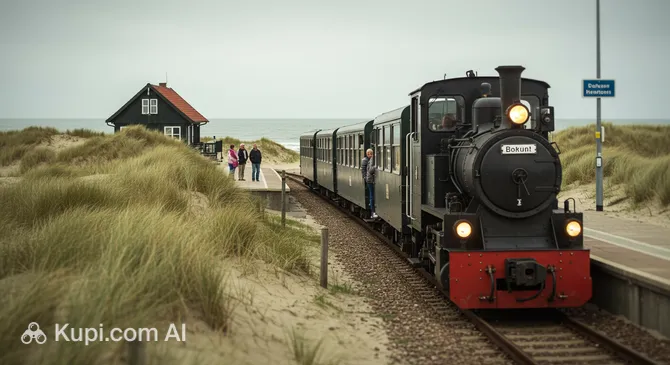
It is impossible to imagine a visit to the island without experiencing its unique transport — the Borkum Island Railway. For many guests, their introduction to the resort begins with it, as the train transports passengers from the ferry pier directly to the town center. This journey on the colorful train through protected dunes becomes the first bright impression of the holiday. The railway, with its rich past and special charm, is an integral part of the local flavor.

Borkum Island Railway. Illustration.
Source: Kupi.com AI

Traveler photos:

To gain a deeper understanding of the islanders' culture and traditions, it is worth visiting the Dykhus Borkum Local History Museum. The museum is located at the foot of the old lighthouse, and its entrance is decorated with a famous arch made of whale jawbones — a reminder of the times when whaling was the foundation of local life. Inside, exhibits tell stories of maritime history, the life of sailors, and the island's unique nature. This place literally allows you to touch the region's past.

A special place in the hearts of tourists is held by traditional beach establishments known as "milchbuden" (milk bars). One popular spot of this format is Milchbude StrandFlair. Located right on the sand, these cozy cafes on stilts offer guests a chance to relax with a sea view, try local desserts, or simply enjoy the sunset to the sound of the waves. Visiting such an establishment is not just a snack, but a true ritual of immersion into the relaxed atmosphere of resort life.

Local Cuisine

Borkum's gastronomic scene is a true reflection of its island character, where the gifts of the North Sea take center stage. The local cuisine is simple but incredibly tasty and nutritious, having formed under the conditions of a harsh maritime climate. Travelers should first and foremost look for dishes made from fresh fish: plaice, herring, and, of course, the famous North Sea crabs (Nordseekrabben), which are often served here on black bread or in soups.

Among the region's traditional specialties, "Labskaus" holds a special place. This is a hearty sailors' dish consisting of mashed potatoes and corned beef with pickled beets, usually served with a fried egg, a pickle, and a rollmop. Despite its specific appearance, the taste of this dish is considered a classic of North German cuisine and is highly valued by gourmets.

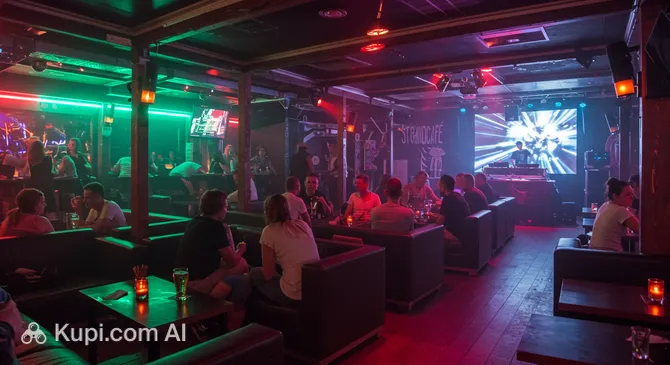
The island's dining culture encourages leisurely enjoyment of food with a view of the waves. Many establishments are located along the promenade or right by the beach. A perfect example of such a place is Strandcafé Seeblick, where you can have a snack while admiring the sea horizon. A relaxed atmosphere reigns here, ideal for lunch after a long walk through the dunes.

Strandcafé Seeblick. Illustration.
Source: Kupi.com AI

Traveler photos:

For those with a sweet tooth, Borkum offers the cozy tradition of afternoon relaxation with a cup of aromatic coffee or East Frisian tea accompanied by local pastries. Famous Frisian pies and cream cakes can be found in many cafes. It is also worth visiting the farmers' markets where local delicacies, honey, and cheeses are sold, allowing you to take a piece of the island's flavor home with you.

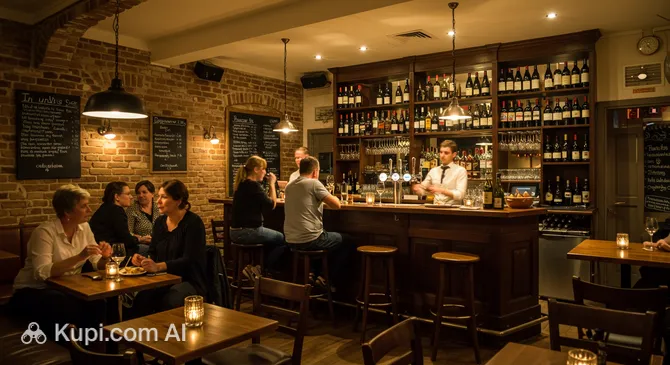
The island's evening life offers more modern gastronomic formats. If you want to take a break from traditional German heartiness and try something lighter and more international, you should check out In Undis Wine Bar & Tapas. This is a great place to end the day with a glass of wine and a variety of snacks in pleasant company.

Travel Tips

A trip to Borkum promises to be unforgettable, but the island's specifics require a little preparation for the perfect holiday. To ensure your visit goes as smoothly as possible and without surprises, we have gathered the main practical recommendations for guests of this unique resort.

  1. Clothing and Essentials: The weather on the North Sea is changeable and windy, so dress in layers. Even in summer, a windproof jacket, raincoat, and a warm sweater are essentials in your suitcase. For long walks on the island, you need comfortable, waterproof shoes, and don't forget swimwear for visiting spa centers.
  2. Transport: Borkum is the realm of bicycles. Renting a regular bike or an electric bike is the best and most popular way to get around. The use of private cars is strictly limited during the season (red and blue zones apply), so rely on two-wheeled transport, your feet, or the historic train.
  3. Finances: The official currency is the euro (€). Cards are accepted in supermarkets and hotels, but cash is critically important. In the famous beach bars ("milchbuden"), small cafes, and souvenir shops, there may be no terminals. ATMs are easily found in the central part of the town.
  4. Health and Safety: The island is very safe and has its own hospital and pharmacies. The main safety rule concerns nature: never venture far out into the sea on the mudflats (Wadden) alone and without knowing the tide schedule — the water returns rapidly and can cut off your path to the shore.
  5. Communication: Locals speak German, but English is well-understood in the tourism sector. It's useful to learn the universal greeting "Moin," which is used here around the clock. Wi-Fi is available in most hotels and cafes, and mobile connections are stable.
  6. Local Etiquette: A relaxed atmosphere reigns on the island, and it's not customary to rush. An important point: upon arrival, you must pay the resort tax (Gästebeitrag), which grants the right to use beaches and attend events. It's best to keep your guest card with you at all times.
  7. What to Avoid: It is strictly forbidden to walk on the dunes outside of the designated wooden walkways and paths. The dunes are not just a beautiful landscape, but the island's natural protection against storms and home to rare birds. Violating this rule risks a fine and local disapproval.
  8. Additional Tip: Immerse yourself in the tea culture. Order "Ostfriesentee" (East Frisian tea) in a cafe. By tradition, it is drunk with rock sugar and cream, and it's not customary to stir the drink with a spoon — this way, you'll feel how the bitterness of the tea is replaced by creamy smoothness and the sweetness of the sugar.

By following these simple tips, you can avoid minor troubles and fully focus on the beauty of nature and the healing sea air. We wish you fair winds and bright discoveries on the hospitable island of Borkum!

Entertainment & Nightlife

Entertainment and nightlife in Borkum have their own unique charm, distinct from bustling metropolises. You won't find huge night clubs with techno music until dawn here; instead, the island offers an atmosphere of coziness, live music, and relaxed evenings with a sea view. The epicenter of evening activity is the promenade and the main street, Bismarckstraße, where most of the bars, pubs, and restaurants that stay open late are concentrated.

An evening on the island traditionally begins with watching the sun go down. Locals and tourists gather at the famous "milchbuden" — beach bars on stilts. One of the best places for this ritual is Milchbude StrandFlair. A casual atmosphere reigns here: guests sit right overlooking the dunes and the sea, enjoying drinks to the sounds of chill-out music. It’s the perfect starting point for the night, where the dress code is completely unimportant, and the main thing is a good mood.

In Undis Wine Bar and Tapas. Illustration.
Source: Kupi.com AI

Traveler photos:

When the sun disappears behind the horizon, life moves to more substantial establishments. Lovers of fine drinks and quiet conversation should stop by In Undis Wine Bar & Tapas. This stylish spot offers an excellent wine list and a variety of snacks, creating the atmosphere of an elegant European evening. For those looking for a livelier setting, Strandcafé Seeblick is a great choice, often transforming from a daytime cafe into a venue for evening events with music and dancing.

In terms of safety, Borkum is one of the most peaceful places in Germany. You can safely walk along the lit streets of the center and the promenade at any time of night. Taxis are available on the island, but there are fewer cars at night, so it's better to have the number of a local call service handy. However, distances in the town center are small, and most hotels are easily accessible on foot or by bicycle. The average bill in bars is moderate: a glass of beer or wine will cost 5–8 euros, and cocktails start from 10 euros.

Daytime entertainment on the island is just as diverse and often overlaps with cultural life. The center of attraction is the "Kulturinsel" (Culture Island) — a multifunctional complex that hosts theater productions, comedy shows, and concerts. Active recreation is also popular: from a rope park in the dunes to a visit to the "Gezeitenland" water park with an artificial surfing wave, which is an excellent alternative to the beach in cloudy weather.

Parks & Museums

Borkum's cultural and natural landscape offers guests a unique combination of protected areas and exhibitions dedicated to maritime history. The island is famous not only for its beaches but also for its extensive green zones where you can observe wildlife, as well as museums that preserve the memory of whaling times and brave sailors.

The main natural treasure of the region is the Lower Saxon Wadden Sea National Park. This unique ecosystem, included in the UNESCO World Heritage List, surrounds the island and offers tourists an unforgettable experience of walking on the seabed during low tide. Here you can see rare birds, crabs, and, if you're lucky, seals basking on the sandbanks. This place is a must-visit for anyone who wants to understand the true character of the North Sea.

For lovers of secluded walks amidst greenery, the "Greune Stee" nature reserve is the perfect spot. The name translates from the local dialect as "Green Place." Unlike the sandy dunes, marshy forest and meadows predominate here, creating a mysterious and calm atmosphere. Laid-out paths allow you to comfortably explore this wet biotope, which serves as home to many species of songbirds and rare plants.

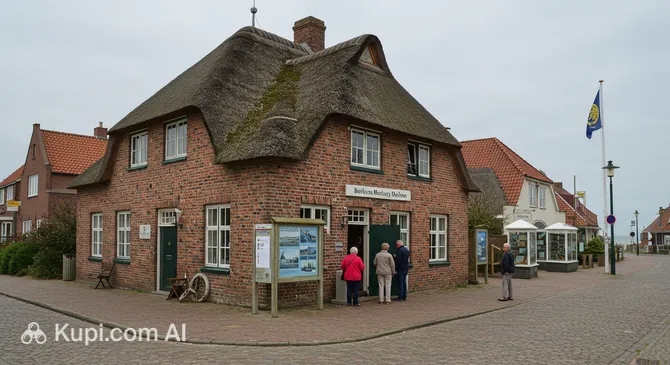
The Dykhus Borkum Local History Museum invites you to dive into the island's historical past. It is located near the old lighthouse and is easily recognizable by the impressive arch made of two huge whale jawbones installed in front of the entrance. The museum's exhibition details the harsh life of the islanders, the history of 18th-century whaling, and maritime rescue. Here you can see ancient household items, ship models, and even a sperm whale skeleton, making the visit interesting for both adults and children.

Borkum Local History Museum Dykhus. Illustration.
Source: Kupi.com AI

Traveler photos:

Another iconic cultural site is the Lightship "Borkumriff" (Feuerschiff Borkumriff). This museum vessel, moored in the harbor, served for many years as a landmark for ships in the dangerous waters of the North Sea. Today, the ship houses the national park's information center and a museum exhibition. Visitors can explore the crew's cabins, the engine room, and climb to the captain's bridge to feel like real sea wolves.

As an insider tip, we recommend stopping by the city Kurpark in the town center. This is a well-maintained green area where live music concerts regularly take place in the "Music and Sea" pavilion during high season. A walk here is a great way to end a busy day, allowing you to enjoy the tranquility and resort architecture surrounded by flowers.

Getting Around

Borkum's transport system is designed to be as convenient as possible for travelers and has its own unique specifics dictated by its island status. The main transport artery here is the legendary narrow-gauge railway, the Borkumer Kleinbahn. It connects the ferry pier, where ships from the mainland arrive, directly with the town center. The train schedule is perfectly synchronized with the ferry and catamaran schedules, so tourists don't have to worry about transfers: the train is always waiting for passengers right by the gangway.

Bus service on the island complements the railway and is managed by the same company. Buses run on routes inaccessible to the train, connecting the town center with remote areas such as Ostland and the port district. This is a convenient way to reach nature reserves or distant beaches if you don't want to go on foot. The buses are modern, low-floor, and comfortable, running strictly according to the schedule which can be found at stops or in tourist brochures.

The fare payment system here is quite simple. It is important to know that the cost of the train journey from the port to the town ("Borkum Reede" — "Borkum Bahnhof") is usually already included in your ferry ticket. Keep your ferry ticket until the end of the train journey. For travel within the island by bus or train, tickets can be purchased from the driver (on buses) or at the station ticket offices. Both cash and cards are accepted, but it is always better to have some change on you. Single tickets, day passes, and advantageous family cards are available.

However, the true "king" of the roads on Borkum is the bicycle. This is the most popular and practical way to get around. Rental shops (Fahrradverleih) are located literally on every corner: near the station, in hotels, and in the town center. The choice is huge: from classic city models to electric bikes (E-bikes), cargo bikes for carrying children, and tandems. The island is threaded with a network of excellent bike paths with a total length of over 130 km, allowing you to reach the most secluded corners.

Strict seasonal restrictions apply to motorists, which you need to know about in advance. Borkum is divided into zones (red and blue) where private transport is prohibited or strictly limited during the summer season and public holidays, especially at night. Most tourists leave their cars on the mainland or in the long-term parking at the port on the island. If you need to get quickly from point A to point B with luggage, it's better to use a local taxi, which can be called by phone, as "hailing" a car on the street is not common here.

A special highlight of the transport system is the historic steam locomotive, which is sometimes launched on the narrow-gauge track as part of excursion programs. This is not just a way of moving around, but a true journey through time. As for walking, the town center is compact, and all main attractions, shops, and restaurants are within walking distance, so you may not even need public transport within the village itself.

Accommodation

Borkum offers a wide range of accommodation options capable of satisfying the needs of any traveler. The spectrum of offers varies from budget youth hostels (Jugendherberge) and cozy family pensions to classic mid-range hotels and luxury spa resorts. Holiday apartments (Ferienwohnungen) are particularly popular in Germany, and this island is no exception. This is an ideal option for families with children or groups who prefer home comfort and the ability to cook for themselves.

In terms of location, most tourists prefer to stay in the central and western parts of the island (in the town of Borkum itself). This is where all the infrastructure is concentrated: shops, restaurants, the railway station, and, of course, the main beach with its promenade. Life is buzzing here, and everything is within walking distance. If you are looking for complete solitude and quiet, consider options in the Ostland area. This is a remote part of the island surrounded by nature; however, staying there will likely require a bicycle for trips to the center.

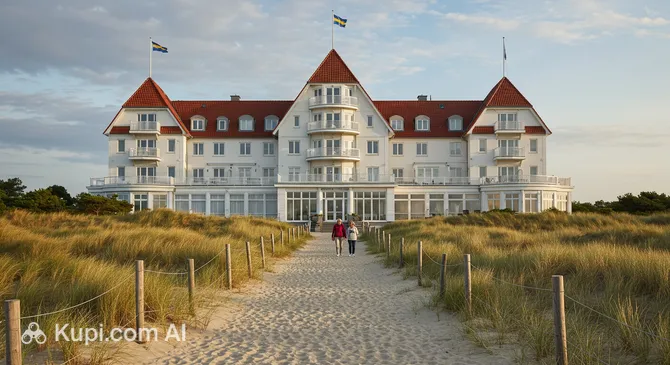
Among the notable representatives of the hotel industry, the Strandhotel VierJahreszeiten Borkum stands out. This resort complex is well-located and offers guests a high level of service, harmoniously combining comfortable living with extensive wellness opportunities. Choosing such places allows you to enjoy your holiday without being distracted by everyday issues and fully immerse yourself in the resort atmosphere.

Strandhotel VierJahreszeiten Borkum. Illustration.
Source: Kupi.com AI

Traveler photos:

An important tip for planning your trip: Borkum is a highly sought-after destination, especially during the summer and school holidays. Booking accommodation well in advance is strongly recommended, preferably several months before your visit. During peak season, finding a vacant room "on the day" is practically impossible, or it will require significant financial costs.

The price range on the island can be described as average and above average, especially on the front beach line. Booking is available through major international online platforms, as well as directly through hotel websites or the local tourist office (Borkum Tourist-Information). When planning your budget, don't forget to include the resort tax (Gästebeitrag), which is charged to each guest separately from the cost of accommodation and gives you the right to use the beach infrastructure.

Nearby Cities

For those who want to explore the surroundings, Borkum serves as an excellent starting point for day trips to several interesting nearby locations. Since the island is connected to the mainland by ferry service, travelers can easily reach the cities of East Frisia, each of which has its own unique charm and history.

First and foremost, it is worth visiting Emden — the port city where ferries from the island arrive. It is not just a transport hub, but the cultural center of the region. Here you'll find the famous Kunsthalle Emden art gallery, founded by journalist Henri Nannen, and the amusing "Otto-Huus" museum, dedicated to the popular comedian Otto Waalkes. A walk along the canals and the historic Ratsdelft harbor will let you experience the true maritime spirit of the city.

A little further away is the picturesque Leer, often called the "gateway to East Frisia." This city is famous for its perfectly preserved old center with cozy cobbled streets and historic buildings. Leer is an ideal place to experience the local tea ceremony, go shopping, and stroll along the waterfront. History buffs will appreciate the museum harbor, where old ships are moored right at the shore.

Also of great interest is Papenburg, known worldwide for the Meyer Werft shipyard. It is one of the few places on the planet where giant ocean cruise liners are built. A tour of the shipyard will be an exciting adventure for those who want to see the process of creating maritime giants with their own eyes.

CityPopulationDistance
Juist1 70025 km
Winsum13 56030 km
Bedum10 47532 km
Appingedam11 72132 km
Delfzijl24 71633 km

These nearby destinations provide an insight into the diverse culture and landscapes of the region, making your North Sea holiday even more fulfilling.

Shopping & Souvenirs

Шопинг

Shopping in Borkum is not a chase for global brands in huge malls, but a relaxed and pleasant pastime that perfectly complements a resort holiday. Here, the shopping process is permeated with the island atmosphere: no one is in a hurry, and shops are often family businesses with an individual approach to each client. The town is famous for quality outdoor clothing, maritime fashion, and unique regional products that are hard to find on the mainland.

The heart of the island's commercial life is the central streets located in the immediate vicinity of the main beach and the railway station. The main attraction for shopping enthusiasts is Bismarckstraße and the adjacent Franz-Habich-Straße. Most of the boutiques, souvenir shops, and gourmet stores are concentrated here. This zone is pedestrianized, allowing you to comfortably move from one shop to another, pausing for a cup of coffee or an ice cream.

There are no large shopping centers in the typical metropolitan sense on the island, which preserves its cozy and authentic appearance. Instead of glass giants, small department stores and supermarkets operate here, providing tourists with everything they need. If you are renting an apartment and planning to cook for yourself, chain stores (such as Lidl or Markant) are at your service, located closer to the residential quarters where you can buy fresh products at standard German prices.

Market culture on the island is seasonal. During the warm season, weekly markets often unfold in the central square, where local farmers and artisans offer their goods. Special attention should be paid to flea markets (Flohmarkt), which are held irregularly but are very popular. There you can find antique maritime maps, jewelry, and interior items with a history that will serve as an excellent reminder of your trip.

The choice of souvenirs in Borkum is closely linked to the sea and local traditions. First and foremost, you should pay attention to products made from sea buckthorn (Sanddorn) — the "lemon of the north." Everything is made from this berry here: from jams and liqueurs to cosmetics and candies. The second must-have is authentic East Frisian tea (Ostfriesentee) and special rock sugar (Kluntje) to go with it. Also popular are Breton shirts, wool sweaters, and miniature copies of the main attraction — the New Borkum Lighthouse, which has become a symbol of the island, is often depicted on magnets and postcards.

Shops on the island usually open around 10:00 and work until 18:00, but in the high season, many shops in the center close much later. It is worth remembering the German tradition of the day off: on Sundays, most shops are closed, although exceptions are often made for resort areas (Bäderregelung), and souvenir shops may operate on a reduced schedule.

Regarding payment, Germany, and especially its islands, still maintain a love for cash. Although supermarkets and large boutiques accept Visa and Mastercard without problems, in small bakeries, newsstands, or at the market, you may be asked to pay in cash or with a local debit card (EC-Karte). Therefore, it is always useful to have a small amount of euros with you.

The Tax Free system (VAT refund) is available for tourists permanently residing outside the European Union. If you make large purchases (clothing, electronics, jewelry) in stores marked with the "Global Blue" or "Tax Free" sign, don't forget to ask for a special receipt at the checkout for the subsequent processing of a tax refund when leaving the EU.
Reached the end of the page?

That means the route is fully explored