Support

Duisburg Inner Harbour

About

Duisburg Inner Harbor (Innenhafen Duisburg) is a unique waterfront urban district that emerged on the site of an old industrial port. Located north of the historic core of Duisburg, this location has become a brilliant example of how abandoned industrial zones are transformed into stylish public spaces in Germany.
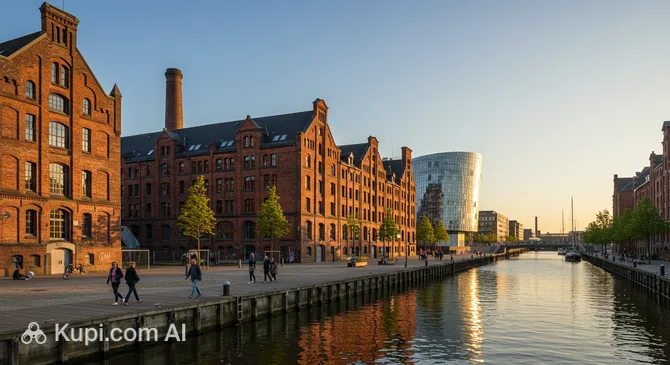
Duisburg Inner Harbour
Duisburg Inner Harbour. Иллюстрация. Источник: Kupi.com AI

Today, it is a vibrant place where historic brick warehouses and bold modern architectural designs coexist harmoniously. The harbor is considered a hub of cultural and social life, home to museums, offices of international companies, and picturesque promenades that attract thousands of tourists.

Visitors are drawn here by the special atmosphere of industrial aesthetics combined with the coziness of the waterfront. Walking along the quays, you can see how former flour mills and grain storages have found new life as galleries, restaurants, and residential lofts.

Contacts

To clarify information about events or opening details for specific venues, you can refer to official resources. Below are the main contact details for this public space.

How to contactContact
AddressHansegracht 10, 47051 Duisburg, Germany
Websitewww.innenhafen-portal.de

What to Do

A stroll along the waterfront is the main activity to enjoy at the Inner Harbor. Wide pedestrian paths and bridges allow you to admire the details of the renovated buildings and enjoy the view of moored yachts. A whole string of restaurants and bars with summer terraces lines the water, offering cuisines from around the world.

For culture enthusiasts, a visit to the MKM Museum Küppersmühle for Modern Art, located in a former massive mill building, is a must. Also within the harbor area is the City Museum of History and Culture, where you can learn about the region's transformation from agricultural to industrial.

For active tourists, there are convenient cycling routes connecting the harbor with other parts of the city. Families with children will appreciate the modern playgrounds and green recreation zones, and during the summer season, open-air concerts and spectacular dragon boat regattas are often held here.

Getting There

Reaching this iconic location is easy, as it is located in close proximity to the historic center and the old town. A walk from the main shopping streets takes about 10–15 minutes, following a route through interesting city neighborhoods.

If you prefer public transport, you can use city buses or trams. The nearest stops are located just a few minutes' walk from the waterfront. For those arriving from other cities in the Ruhr region by train, it is most convenient to get off at Duisburg Main Station (Duisburg Hauptbahnhof) and then take a short taxi ride or transfer to a local bus.

For travelers by car, there are several paid parking lots equipped in the waterfront area. Convenient access roads allow you to reach the destination quickly, and "Innenhafen" navigation signs will help you find your way when approaching the city center.

Ближайший город: Duisburg

History & Facts

The history of this place dates back to the Middle Ages: a natural branch of the Rhine once flowed here. After the riverbed of the great river shifted, residents had to put in a lot of effort to turn this spot into a navigable port. In the 19th century, the harbor became the region's true "bread basket," evolving into the country's largest center for the grain milling industry.

With the development of railways and changes in freight technologies in the second half of the 20th century, the port's role began to decline. By the 1960s, the massive warehouses stood empty, and the territory gradually fell into decay. However, a new phase began in the 1990s: on the initiative of the city authorities and with the participation of the world-renowned architect Norman Foster, a large-scale renovation project was launched.

Today, the Inner Harbor is considered one of the most successful examples of industrial gentrification in Europe. Foster's master plan made it possible to preserve the industrial charm of the old brick mills and elevators, filling them with new life — from offices to residential apartments and cultural centers.

Time Needed

To leisurely explore the entire area and feel the atmosphere of "New Duisburg," visitors are recommended to set aside 2 to 4 hours. This is plenty of time for a stroll along both sides of the waterfront and a short break in one of the riverside cafes.

If you plan to visit the museums or art galleries located here, it is better to allow for half a day. The harbor looks especially striking in the evening when the modern building illumination is turned on, so many tourists prefer to arrive closer to sunset.

Working Hours

The Duisburg Inner Harbor area is accessible for walks 24 hours a day, 7 days a week. You can enjoy the views of the waterfront and modern architecture at any time, whether early morning or late evening.

However, keep in mind that museums, restaurants, and information centers operate on their own schedules. Most cafes open by lunchtime and stay open until midnight, while cultural venues usually welcome visitors during the day, so it is best to check the specific opening hours before your visit.

Круглосуточно

Nearby

Exploring the harbor's surroundings allows for a deeper look into the city's multifaceted history. Right next to ultra-modern office centers, you can find ancient foundations and monuments that serve as reminders of the region's rich past.

A walk from the waterfront toward the center will lead you to historic buildings and cozy squares, creating a complete impression of the diversity of this industrial heart of Germany. Below is a list of interesting sites within a few kilometers.

NameDistance
Küppersmühle Museum0.7 km
Hegewald Fountain0.8 km
Café Mundo0.9 km
Forum Duisburg0.9 km
Döner House Duisburg City Center1 km
Taboulé Restaurant1 km
INDIE1.1 km

Reached the end of the page?

That means the route is fully explored