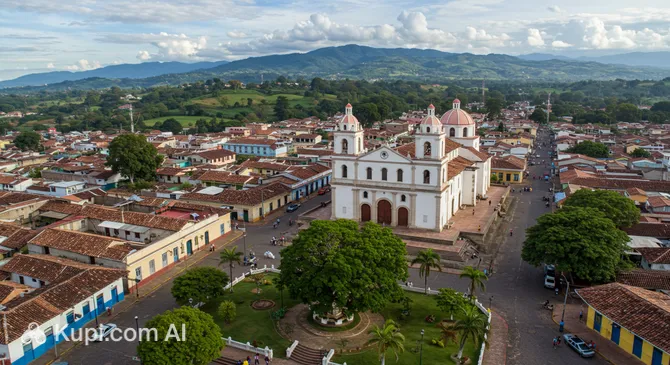
Comayagua is a true gem of colonial architecture and one of the most atmospheric cities Honduras has to offer. Situated in a picturesque mountain valley at an altitude of about 1,650 meters above sea level, the city greets travelers with a pleasant mild climate and breathtaking panoramic views of the surrounding landscapes. Located just 84 kilometers from the modern capital, Tegucigalpa, Comayagua maintains a cozy and leisurely pace of life despite being home to about 145,000 people.
Comayagua. Illustration.
Source: Kupi.com AI
The unique character of the city was largely shaped by its high status in the past: from 1537 to 1880, it served as the nation's capital. The event-filled history of Comayagua has left a rich legacy, turning the city center into a veritable open-air museum. Here, Spanish colonial traditions and vibrant local flavor intertwine in a remarkable way, creating a unique aura of antiquity and grandeur.
Comayagua charms guests with its narrow stone-paved streets and magnificently preserved buildings from past centuries. The main points of attraction for tourists remain the ancient churches, the majestic cathedral, and the cozy central squares where life bustles. It is an ideal destination for those who want to take a break from the hustle and bustle of megacities, enjoy culinary discoveries in local cafes, and immerse themselves in the authentic culture of the region.
Weather Overview
Comayagua's climate can be described as one of the most comfortable in the region, thanks to the city's fortunate location in the valley. Pleasant warmth prevails throughout the year: the average temperature varies from 19°C in the winter months to 24°C in late spring. On the hottest days of April and May, the air can warm up to 30°C, but nights, especially in January and February, remain fresh with temperatures around 15–16°C.
When planning your trip, it is important to consider the seasonality of rainfall. The period from May to October is considered the wet season: rains are frequent, peaking in September, when rainy days make up almost the entire month. Conversely, from December to April, drier weather sets in, ideal for walking around the city. You can check the current forecast and study the weather in Comayagua in more detail before starting your trip.
Average monthly temperature
Average monthly precipitation
Interesting Facts
Beyond its main architectural monuments, Comayagua holds many fascinating secrets that reveal the city from an unexpected side. Here are a few facts to help you better understand the unique spirit of this former capital.
An Ancient Time Mechanism. The pride of the local cathedral is its clock, considered one of the oldest working clocks in the world. This mechanism was created over 800 years ago for the legendary Alhambra palace in Granada, Spain, and was later gifted to the city by King Philip II. Every 15 minutes, its chime rings out across the ancient streets, linking the past and the present.
The Cradle of Education. Comayagua was a pioneer of enlightenment in the region: it was here in 1632 that the first university in Central America, Casa-Curat, was founded. Today, these historical walls house the Colonial Museum, where you can see a rich collection of religious art spanning four centuries.
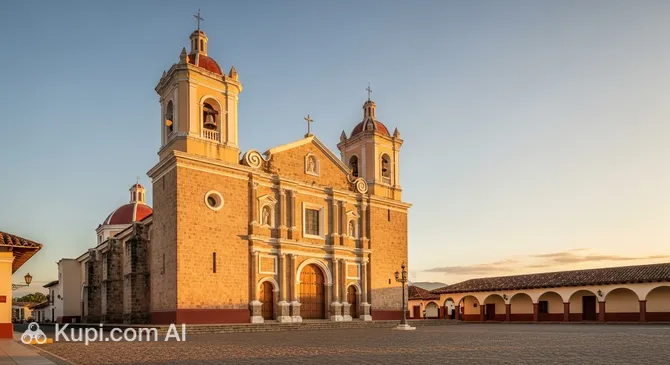
A Treasure Trove of Colonial Art. The city has preserved many 16th- and 17th-century temples with opulent interiors. For example, the Church of La Caridad is famous for its ancient icons and gilded altars inlaid with silver, reflecting the city's former wealth.
Subterranean Wonders. Near the city lie the famous Taulabé Caves. This natural wonder attracts travelers with its mysterious galleries and fantastic lighting, turning a walk underground into a true adventure.
Church of La Caridad. Illustration.
Source: Kupi.com AI
Traveler photos:
How to Get There
Reaching the former capital, of which Honduras is rightfully proud, has become significantly easier thanks to the development of the region's transport infrastructure. You can find all ways to get to the city on a dedicated page, and below we look at the most popular routes for travelers.
The most convenient option for arrival is Colonel Enrique Soto Cano Air Base (XPL). Although this transport hub is often associated with the city of Tegucigalpa, it is actually located just 7.9 km from the center of Comayagua. This makes it an ideal entry point for tourists: a taxi ride to your hotel will take about 30 minutes. The airport accepts many flights and provides quick access to the city's attractions.
Another popular option is flying into Ramón Villeda Morales International Airport (SAP), located in the city of San Pedro Sula. The distance to Comayagua is approximately 115 km. This is a major aviation hub with high passenger traffic, receiving flights from many countries. The journey from the airport to Comayagua by car or bus will take about 3 hours, allowing you to enjoy scenic views along the way.
Travelers may also consider El Salvador International Airport (SAL), located in neighboring El Salvador, in San Salvador. It is 188 km from Comayagua. This is the largest airport on the list, but choosing this route will require crossing an international border and a longer transfer—about 5 hours on the road.
For convenience, here is a summary of the main airports:
Passenger rail service is practically non-existent in this region, so trains are not a relevant way to reach Comayagua. The main alternatives to flying are intercity buses and rental cars. The road network connects the city with the country's main centers, and the scenic CA-5 highway ensures a comfortable journey from Tegucigalpa or San Pedro Sula.
Main Attractions
Comayagua is a city where every stone breathes history, yet there is still room for modern entertainment. Strolling through its streets, you will encounter unique colonial-era monuments neighboring cozy spots for relaxation and shopping.
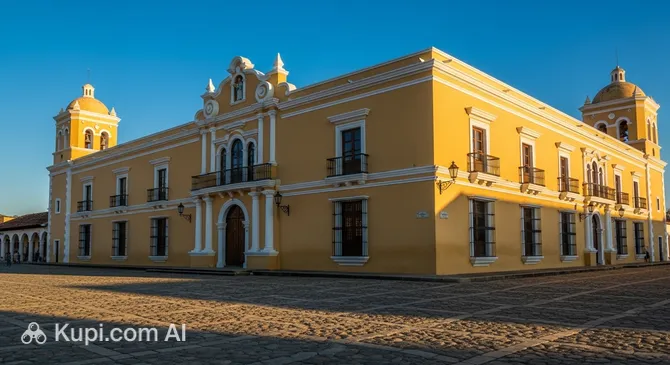
One of the most important historical buildings and a must-visit is the Casa Real. This 18th-century building holds a unique status — it was the only royal house built by the Spanish crown in Central America. After extensive restoration, it now houses a cultural center and museum. Tourists are drawn here not only by the elegant colonial architecture but also by the opportunity to delve into the administrative history of the region while visiting the halls where important state decisions were once made.
Casa Real. Illustration.
Source: Kupi.com AI
Traveler photos:
It is impossible to imagine getting to know the city without exploring its religious heritage. The Church of La Caridad, erected at the end of the 17th century, is a magnificent example of a blend of styles, including Baroque elements. Originally built for the evangelization of the indigenous population and African slaves, this church has preserved its authentic appearance and antique interiors. Visitors come here to admire the surviving facade and feel the peaceful atmosphere of antiquity.
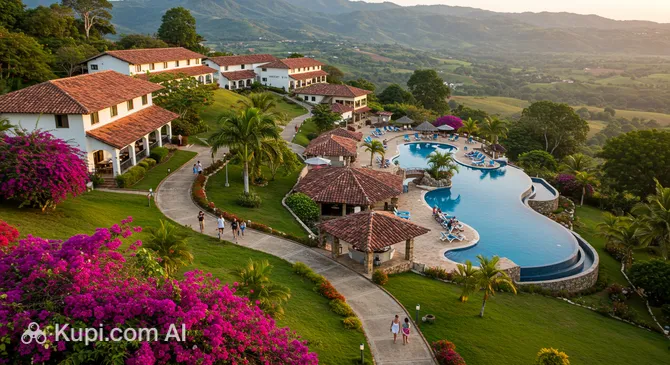
If you want a change of scenery and to enjoy nature, the Bella Vista Tourist Resort and Restaurant is an excellent choice. This place is famous for its location, offering breathtaking panoramic views of the Comayagua Valley. People come here to take beautiful photos, especially at sunset, and to try local cuisine in a relaxing atmosphere away from the city noise.
Bella Vista Tourist Resort and Restaurant. Illustration.
Source: Kupi.com AI
Traveler photos:
For those looking to return to the rhythm of modern life, the Premier Mall Comayagua serves as a center of attraction. It is the city's main shopping and entertainment complex, featuring many shops, a food court, and a cinema. A visit to the mall makes for a good break in your sightseeing program: here you can hide from the midday heat, buy souvenirs, or simply enjoy a coffee in a comfortable setting.
Local Cuisine
Comayagua's gastronomy is a vibrant reflection of the region's cultural richness, where indigenous culinary traditions have harmoniously intertwined with Spanish heritage. The local cuisine is characterized by heartiness, simplicity, and the use of the freshest products grown in the fertile valley. A trip here would be incomplete without experiencing the authentic flavors found in both cozy family cafes and bustling street markets.
The main gastronomic symbol that every tourist should try is the baleada. This is a traditional wheat tortilla generously spread with mashed red beans, sprinkled with grated cheese, and often complemented with egg, avocado, or meat. This dish is perfect for breakfast or a hearty snack while walking around the city. Additionally, locals take pride in their tamales, prepared according to special family recipes, and their thick meat soup with vegetables — "sopa de carne."
Meat lovers should pay attention to the grill menu popular in the region. Juicy beef, chicken, or fish cooked over an open fire with aromatic spices form the basis of many lunches. An excellent place to appreciate local steaks and barbecue is Lo de Kerpo Asados y Mas. Here you can enjoy not only the taste but also the welcoming atmosphere characteristic of Honduras.
If you are looking for a pleasant evening in a historical setting, check out La Baranda Restaurant. This establishment offers a great balance between traditional cuisine and a comfortable environment conducive to leisurely conversation. For those who want to relax with a glass of something after a busy day, El Balcón Beer Garden opens its doors — a popular location among locals and tourists alike.
Don't forget to pay attention to the drinks as well. Thanks to the tropical climate, fresh fruits are always in abundance in Comayagua: mangoes, papayas, pineapples, and bananas. They are used to make refreshing natural juices (jugos) that perfectly quench thirst. The region is also famous for its handmade chocolate, which can often be sampled at local fairs or gastronomic festivals regularly held in the city's central squares.
Travel Tips
Comayagua is an incredibly welcoming city, but as with any trip to Honduras, a little preparation will make your vacation much more comfortable and safe. We've gathered some practical recommendations to help you feel confident on the ancient streets of the former capital and avoid typical tourist mistakes.
Clothing and Seasonality. The climate in the valley is warm year-round, so the basis of your wardrobe should be light items made of natural fabrics (cotton, linen). However, for evening walks, especially in winter months, a light sweater or windbreaker will come in handy. If you're traveling during the rainy season (May to October), be sure to bring an umbrella or raincoat. Remember the dress code: modest attire covering shoulders and knees is required for entering the famous Cathedral and ancient churches.
Transportation. The city's historical center is compact and best explored on foot — this way you won't miss architectural details. For long-distance trips (for example, to Palmerola Airport), using a taxi is convenient. An important nuance: there are usually no meters in the cars, so agree on the price of the trip in advance before you get into the vehicle. Renting a car is only worth it if you plan independent trips outside the city.
Finances. The official currency is the lempira. Although US dollars may be accepted in some tourist spots, the exchange rate will be extremely unfavorable. Visa and Mastercard are accepted in hotels, large supermarkets, and the Premier Mall, but for souvenir shops, markets, and small cafes, always have cash with you (preferably in small bills). ATMs are easy to find in the city center and operate 24/7.
Health and Safety. Comayagua is considered one of the safest cities in the country, but don't lose your vigilance: avoid walking in unlit outskirts at night and keep an eye on your belongings in crowded places. It's crucial to drink only bottled water and avoid drinks with ice from street stalls to keep stomach upsets from ruining your vacation. Pharmacies (Farmacias) are available in the center, but it's better to bring specific medications with you.
Communication. The primary language is Spanish. English is understood in large hotels and some restaurants, but it's not widely spoken in everyday life. We recommend downloading an offline translator and learning a few basic phrases. For stable connectivity, buy a SIM card from local operators (Tigo or Claro) — this will provide you with mobile internet for navigation, as open Wi-Fi is not available everywhere.
Local Etiquette. The city's residents are polite and conservative. It's customary to say hello when entering a store, elevator, or taxi: "Buenos días" in the morning, "Buenas tardes" in the afternoon. Locals are generally friendly, but you should only photograph them (especially members of indigenous groups) after getting verbal permission.
What to Avoid. Don't openly display expensive smartphones, cameras, and jewelry on the street — this attracts unnecessary attention from pickpockets. Also, try not to engage in discussions about politics or internal issues of the country with strangers; instead, show interest in history, culture, or football.
Tip for Holy Week. If your trip falls during the week before Easter (Semana Santa), you will witness the year's main event — the creation of the famous carpets made of colored sawdust on the city streets. This is an unforgettable sight, but keep in mind: during this period, the city is overflowing with pilgrims, and you need to book accommodation at least six months in advance.
By following these simple tips, you can focus on the main thing — enjoying the colonial beauty and unique atmosphere of Comayagua. May your journey be easy, safe, and full of vivid impressions!
Entertainment & Nightlife
Entertainment and nightlife in Comayagua possess a special colonial charm. While you won't find noisy megacity clubs with raves until dawn, the city offers wonderful opportunities for quiet and cultural evening leisure. Life after sunset here revolves around cozy terraces, live music, and walks through the beautifully illuminated historical center.
The heart of evening activity remains the area around the Central Square and the Cathedral. When the daytime heat subsides, the ancient buildings are lit up, creating romantic backdrops for dinner or meeting friends. The atmosphere in most establishments is relaxed, and the dress code is generally casual, though you might choose something more classic for restaurants at boutique hotels.
One of the most attractive spots for those wanting to enjoy the evening cool and beautiful views is the El Balcón Beer Garden. This establishment is famous for its terrace overlooking the city streets. It features a lively yet cozy atmosphere where young people often gather to sample local beers and snacks to the sound of unobtrusive music. It's an ideal location to start your evening.
El Balcón Beer Garden. Illustration.
Source: Kupi.com AI
Traveler photos:
For lovers of live music and a more refined setting, La Baranda Restaurant is an excellent choice. Located in a restored colonial mansion with an inner courtyard, it offers guests not just dinner but a cultural program. Melodic Latin American rhythms or acoustic guitar often play in the evenings, providing the perfect backdrop for a romantic date or quiet conversation.
If you are interested in more modern entertainment formats, head to the Premier Mall Comayagua. This is a hub for family leisure, featuring a modern cinema showing world premieres (often in the original language with subtitles), as well as various game zones and a food court that stays open late.
What you need to know about the city's nightlife:
Opening hours: Peak activity is on Friday and Saturday (from 8:00 PM to midnight). On weekdays, the city goes to sleep quite early, and many bars close by 10:00 PM.
Safety: The tourist zone in the center is well-lit and patrolled, making it comfortable for walking. However, walking outside the historical core into residential neighborhoods at night is not recommended.
Transportation: There is no night public transport. To return to your hotel, always order a radio taxi or ask the establishment's staff to call a car for you.
Budget: Prices are affordable. Cocktails in bars cost an average of $5–8, and beer is about $2–4.
During the day, Comayagua's entertainment program is more educational. Guests should definitely stop by the Museum of Colonial Religious Art, which has one of the best silver collections in the region, or visit the Archaeological Museum to dive deeper into the history of the valley.
Parks & Museums
Comayagua's cultural landscape is not limited to ancient temples; the city and its surroundings offer travelers picturesque green zones for relaxation and museums housing unique artifacts. Strolling through local parks and visiting galleries will allow you to deeper understand the soul of the former capital and touch its rich heritage.
The heart of the city's public life is León Alvarado Central Park (Parque Central). This is a classic colonial square surrounded by majestic buildings, including the cathedral. It is pleasant to take cover in the shade of the trees here while watching the steady pace of local life by the fountain. For wildlife lovers, Montaña de Comayagua National Park (PANACOMA), located near the city, will be a true discovery. This is a realm of cloud forests, waterfalls, and exotic birds, offering excellent hiking trails and a chance to see Honduras from a bird's-eye view.
The city's museum scene deserves special attention, as it concentrates some of the best collections in the country. Be sure to visit the Regional Archaeological Museum, located in a 19th-century building. Its exhibition is dedicated to the history of the Lenca culture and finds from the Comayagua Valley, spanning from ancient times to the colonial era. Another important institution is the Museum of Colonial Religious Art, which houses an impressive collection of church artifacts, paintings, and silver items testifying to the former power of the Spanish crown in this region.
The Casa Real holds a special place in the city's cultural life. It is not just an architectural monument but an active cultural center where temporary art exhibitions, concerts, and public events are regularly held. The building is interesting in itself as an example of 18th-century civil architecture, and its spacious halls and inner courtyards create an ideal atmosphere for exploring art.
For those looking for non-touristy experiences, we suggest stopping by La Merced Park at sunset. It is less crowded than the central square and is located next to the church of the same name. It is an ideal place to enjoy the silence, read a book, or simply feel the authentic atmosphere of the old city without the hustle.
Getting Around
Comayagua's transportation system is quite simple and traditional for small Central American cities. You won't find a subway, trams, or complex electronic pass systems here. The city is compact, and its historical center, where the main attractions are concentrated, is best explored on foot. However, if you need to get to distant neighborhoods or the airport, taxis and buses come to the rescue.
The main form of public transportation is buses and microbuses. City routes are served by small private buses that run along the main streets. Stops often lack clear signs: locals simply wave from the roadside to stop the desired transport. For a tourist, this system may seem chaotic, but it is very cheap. Inside the buses, there is usually no air conditioning, and they can be overcrowded during rush hours.
The most convenient and popular way to get around for travelers remains the taxi. Cars in Comayagua are usually white with numbers on the doors. An important feature of local taxis is the lack of taximeters. The cost of a ride is fixed for certain zones or determined by agreement. There are two types of rides: "colectivo" (shared taxi), where the driver picks up other passengers along the way, and "directo" (private ride), where the car takes only you. A shared taxi is significantly cheaper but will take more time.
The payment system in Comayagua's public transport is built exclusively on cash transactions. Contactless cards or mobile payment apps do not work here. In buses, money is handed to the driver or conductor (ayudante) upon entering or exiting. In taxis, payment is also made in cash in the local currency — lempiras. It is highly recommended to always carry small bills and coins, as drivers often don't have change for large banknotes.
As an alternative to public transport, you can consider renting a car, especially if you plan to travel outside the city. Rental points are available both in the city itself and at Palmerola Airport. However, for moving exclusively around the center, a car can become a burden due to narrow streets and parking problems. Bike rentals and car sharing are not yet developed in the city.
A few practical tips for tourists: always agree on the price of a taxi ride before getting into the car to avoid misunderstandings at the end of the journey. If you don't know Spanish, it's useful to have a notebook or phone to show the driver an address or confirm the amount. Public transport usually stops running quite early, around 7:00–8:00 PM, so for late returns to the hotel, it's more reliable to pre-book a taxi by phone or through the hotel reception.
Accommodation
Where to stay:
Comayagua offers travelers a welcoming, though not overly extensive, selection of accommodations that perfectly suits the city's relaxed pace. You won't find massive chain skyscrapers here; the foundation of the hotel sector consists of small family-run hotels, cozy colonial-style "posadas," and budget hostels. Most accommodation options feature affordable prices and a homey atmosphere, making tourists feel like welcome guests rather than just customers.
The most popular and convenient area to stay is the Historic Center (Centro Histórico). By staying here, you'll be within walking distance of the Cathedral, main museums, and restaurants. Staying in an old building with an interior patio is a pleasure in itself, allowing you to fully immerse yourself in the atmosphere of the past. For those traveling by car or seeking quiet and beautiful scenery, options on the outskirts of the city closer to the mountains are suitable.
Among the specific examples of comfortable places to stay, the Bella Vista Tourist Resort and Restaurant stands out. This complex successfully combines accommodation and leisure facilities. It is particularly popular for its hilltop location, offering what is arguably the best panoramic view of the valley and the city. It's an excellent choice for those who want to wake up with a view of green hills without being far from civilization.
Price Range and Booking:
Budget segment: Simple rooms or beds in hostels will cost $15–30 per night. This is a good choice for backpackers.
Mid-range: Comfortable rooms in colonial-style hotels with air conditioning and breakfast cost on average between $40 and $80.
Luxury (by local standards): More expensive boutique hotels or resort complexes can cost from $90–100 and up.
When planning your trip, consider an important detail: during Holy Week (Semana Santa), when Comayagua's famous processions take place, the demand for housing skyrockets. During this period, it is necessary to book a room several months in advance, as the city fills to capacity with pilgrims and tourists. At other times of the year, finding a free room is usually not difficult. Large hotels are listed on international booking sites, but many small guesthouses prefer to take bookings directly through social networks or messaging apps.
Nearby Cities
For those who want to explore the surrounding area, Comayagua serves as an excellent starting point for day trips to several interesting nearby locations:
Siguatepeque. Located just a half-hour drive away, this city is often called the "city of pines" and flowers. Thanks to its elevated location, it features a fresh and pleasant climate. Travelers come here to escape the heat, stroll through green parks, and visit local botanical gardens. It is an ideal destination for nature lovers and those seeking peaceful relaxation.
La Paz. This historical city is located very close to Comayagua and is the administrative center of the neighboring department. La Paz is famous for its cultural traditions and preserved colonial atmosphere. It is interesting to visit the House of Culture (Casa de la Cultura), which houses exhibits about the region's history, and an ancient church, as well as to try local sweets.
Tegucigalpa. If you are interested in the rhythm of a large city, the nation's capital is accessible for a day visit. Here you can visit National Museums, the historic center, and the famous Picacho Park with its giant statue of Christ, which offers panoramic views of the city. A trip to the capital allows you to see the contrast between the colonial tranquility of Comayagua and the dynamics of a modern metropolis.
City
Population
Distance
La Paz
43 980
14 km
Siguatepeque
95 121
26 km
Guajiquiro
14 616
41 km
Marcala
13 000
53 km
Azacualpa
20 210
56 km
These nearby destinations provide insight into the diverse culture and landscapes of the region.
Shopping & Souvenirs
Shopping in Comayagua is not about chasing global brands, but rather an opportunity to touch the local culture and find items with a soul. The city doesn't claim to be a fashion capital, but modern retail spaces and colorful shops where time seems to have stood still exist harmoniously here. For a tourist, it's a chance to purchase not only necessary goods but also authentic products that hold the warmth of local craftsmen's hands.
The Historic Center is rightfully considered the main shopping area. Strolling through the cobbled streets around Central Park and the Cathedral, you will find many small shops and boutiques. They sell everything from everyday clothing and shoes to jewelry and art objects. Shopping in this part of town turns into a pleasant walk where shop windows are hidden behind the facades of colonial mansions.
If you are looking for a familiar European level of comfort and a variety of goods, head to the Premier Mall Comayagua. It is the largest modern shopping complex in the city, housing clothing, electronics, cosmetics, and accessories stores. You can find both international brands and high-quality products from Latin American manufacturers. The mall also serves as a great place to take a break from the heat in air-conditioned premises.
Premier Mall Comayagua. Illustration.
Source: Kupi.com AI
Traveler photos:
For true local flavor, you should go to the city markets. The Municipal Market is where Comayagua's life bustles. Here, counters groan under fresh tropical fruits, vegetables, spices, and coffee beans. In addition to food, you can find inexpensive clothing, household items, and handicrafts at the market. Bargaining here is not only possible but necessary — it's part of the local communication culture.
The question of souvenirs in Comayagua is solved easily and interestingly. First and foremost, pay attention to Lenca-style ceramics — the traditional pottery art of the indigenous peoples of Honduras, distinguished by unique geometric patterns. Also popular are carved wood products (mahogany, cedar), leather accessories, and, of course, magnificent local coffee beans. Given the religious significance of the city, souvenir shops often feature beautiful replicas of church art and icons.
Shops in the city center usually open around 8:00–9:00 AM and work until 5:00–6:00 PM. Large shopping centers like Premier Mall are open longer — often until 8:00 PM or 9:00 PM. On Sundays, many small shops may be closed or operate on a reduced schedule.
As for payment, credit cards (Visa, Mastercard) are accepted without problems in shopping centers, supermarkets, and large hotels. However, for purchases at markets, souvenir stalls, and small private shops, be sure to have cash lempiras with you. US dollars might be accepted, but the exchange rate for change will be extremely unfavorable.
The Tax Free system (VAT refund) for tourists in the familiar European format is practically non-existent in Honduras. Although there is a sales tax in the country, the refund procedure upon departure is complex and rarely applied to ordinary consumer purchases. Therefore, we recommend treating the amounts shown on price tags as final and not counting on a tax refund at the airport.