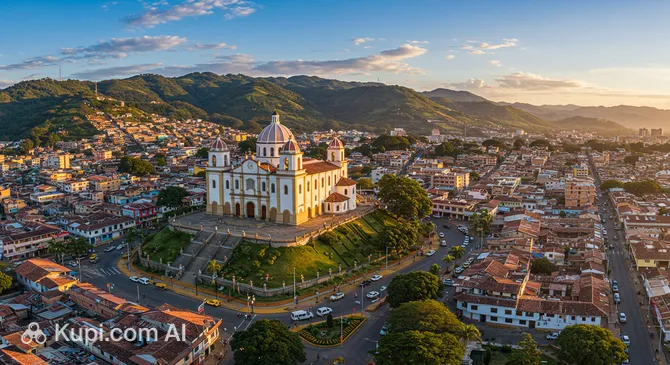
Comayagüela is a dynamic and colorful city that, together with its "sister" Tegucigalpa, forms the unified capital metropolitan area of Honduras. Located on the western bank of the Choluteca River, this city is traditionally considered the economic engine of the region. While Tegucigalpa is the administrative center with colonial charm, Comayagüela is the vibrant energy of trade, craft workshops, and bustling markets where the country's true life pulses.
Comayaguela. Illustration.
Source: Kupi.com AI
Geographically, the city holds an important position, serving as a kind of "gateway" for travelers arriving from southern and western directions. The history of Comayagüela as an independent settlement dates back to the deep past, when it developed as an indigenous center, in contrast to the Spanish Tegucigalpa. With a metropolitan population of over 1.25 million people, the city impresses with its scale and contrasts.
For a tourist, Comayagüela is interesting primarily for its authenticity. Here, you can immerse yourself in the atmosphere of everyday Honduras, exploring huge markets where everything is sold—from tropical fruits to products by local leatherworkers. This is a place for those looking not for grand facades, but for the honest and open character of Central America. We invite you to get to know this hardworking city, which has preserved traditions of craft and trade for centuries.
Weather Overview
Comayagüela greets guests with a typical central Honduran tropical climate, where dry and wet seasons are clearly defined. Comfortable warm temperatures persist throughout the year: during the day, the thermometer usually fluctuates between +24°C and +30°C, while at night it can drop to a pleasant +15°C to +18°C. If you want to study the city's climate in more detail, you should consider the seasonality of precipitation.
The period from May to October is characterized by frequent but often short-lived tropical downpours that bring long-awaited freshness. June and September are traditionally considered the wettest months. At this time, nature comes alive, and the surrounding hills are painted in bright green tones. The dry season lasts from November to April, when the number of sunny days is at its maximum and the chance of rain is minimal, making this time ideal for long walks and market shopping.
Average monthly temperature
Average monthly precipitation
Interesting Facts
Comayagüela is a city with a unique destiny, whose history is full of interesting turns and contrasts. Here are a few facts to help you better understand this corner of Honduras:
Indigenous Origins: Unlike neighboring Tegucigalpa, founded by Spanish colonists for silver mining, Comayagüela originally arose as an indigenous settlement on the opposite bank of the river.
Path to City Status: Comayagüela received its official recognition as a city (villa) only on October 22, 1898, having long remained an important companion to the capital.
Symbiosis of Capitals: In 1938, Comayagüela and Tegucigalpa were administratively merged into the Central District, effectively making them one city with two different "souls."
Trade Gateway: Historically, the city served as a key transit point for merchants arriving from the south and west of the country, shaping its identity as the region's main commercial hub.
City of Artisans: Comayagüela has always been considered a center for the working class and artisans; it is here that the best markets and workshops are concentrated, where traditions of manual labor are still preserved.
How to Get There
Transport accessibility to Comayagüela is due to its status as part of the capital region. The city is a major hub through which the country's main road arteries pass, connecting the central part of Honduras with its southern and western provinces. You can find out how to plan your route in the section on how to get to the city.
For those arriving from afar, the main link is Toncontín International Airport (TGU), located in the immediate vicinity. It is one of Central America's most famous airports; from here, the residential and commercial districts of Comayagüela can be quickly reached by taxi or public transport. Although the airport officially belongs to Tegucigalpa, for residents and guests of Comayagüela, it is "their own" thanks to its convenient location.
Railway communication in the region is currently not developed, so the main load falls on bus transportation. There are several large terminals in Comayagüela that receive routes from all corners of the country. For travel between Comayagüela and Tegucigalpa, tourists most often use the numerous bridges over the Choluteca River, which can be crossed both on foot and via municipal buses or taxis.
Station
Passenger traffic
Distance
1
177 km
Main Attractions
Although Comayagüela is more often perceived as the business and commercial district of the capital district, there are interesting locations here that reveal the modern character of the city and its gastronomic preferences. Main activities are centered around commercial hubs and iconic meeting spots for locals.
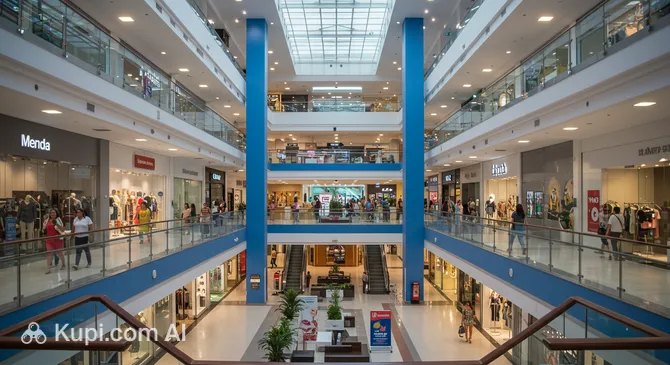
One of the key places for shopping and walking is the Midence Soto Shopping Center. It is not just a shopping venue, but also an important landmark in the urban landscape where you can feel the rhythm of life of the local middle class. It features both local brands and international goods, making it a convenient point for a first introduction to the city's commercial culture.
Midence Soto Shopping Center. Illustration.
Source: Kupi.com AI
Traveller photos:
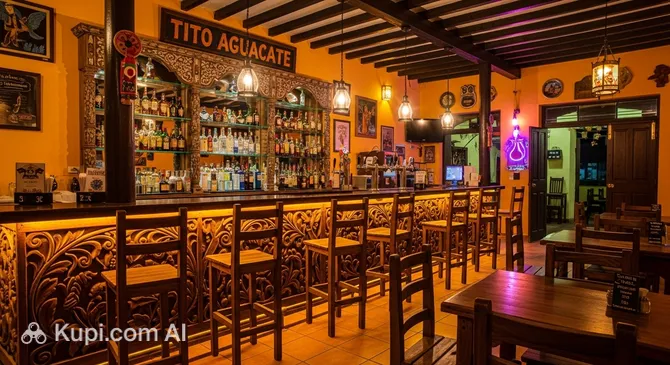
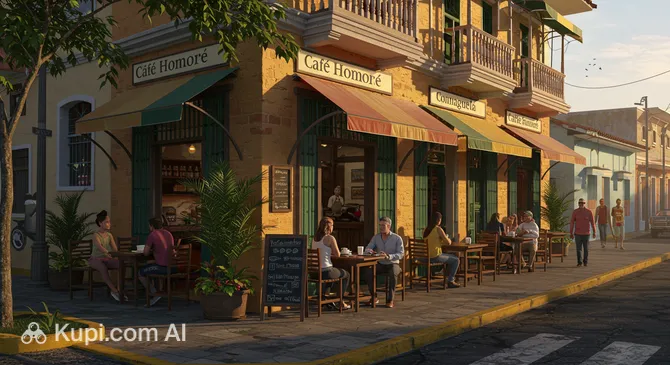
Those looking for atmospheric venues with history should stop by the legendary bar Tito Aguacate. This place is known far beyond Comayagüela for its signature drink "El Calambre" and is considered a must-visit for those who want to experience a living legend of the capital's nightlife. No less interesting is a visit to Café Honoré, where a cozy atmosphere is combined with excellent coffee and desserts.
Tito Aguacate. Illustration.
Source: Kupi.com AI
Traveller photos:
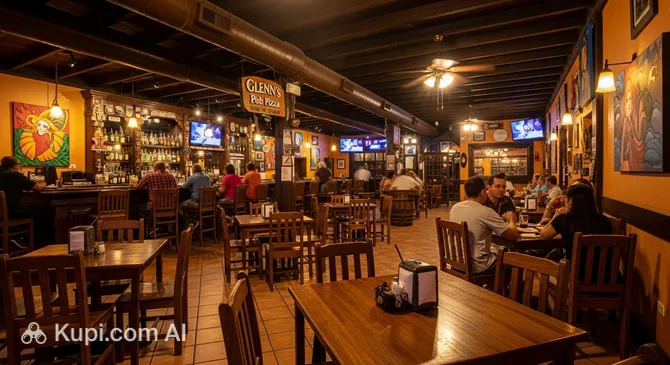
If you're hungry, be sure to visit Prófugos Restaurant or Glenn's Pub Pizza. These establishments are popular for their casual atmosphere and quality cuisine, offering tourists a chance to take a break from the city bustle in the company of friendly locals. Such places allow you to see Comayagüela from its most hospitable side.
Local Cuisine
The culinary face of Comayagüela is the quintessence of Honduran traditions, where simple, hearty, and incredibly tasty ingredients play the leading roles: beans, corn, marinated meat, and plantains. The city is famous for its street food stalls and market counters, where you can try the famous baleadas—thick wheat tortillas with various fillings.
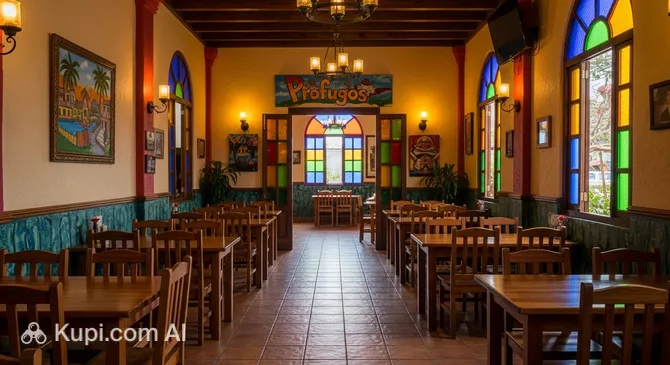
If you want to enjoy a meal in a more refined setting, pay attention to Café Honoré. This establishment offers a modern take on local cuisine and an excellent selection of coffee, which in Honduras is considered among the best in the world. For a substantial dinner, Prófugos Restaurant is perfect, serving traditional meat and seafood dishes in a cozy atmosphere.
Prófugos Restaurant. Illustration.
Source: Kupi.com AI
Traveller photos:
Don't forget to stop by the local markets to try fresh tropical fruit juices or the typical drink horchata. Comayagüela's gastronomic scene doesn't claim to be pretentious, but it wins you over with its sincerity and abundance of flavors that are impossible to forget. It's the ideal place for those who want to "taste" Honduras through recipes passed down from generation to generation.
Travel Tips
Planning a trip to Comayagüela requires attention to detail to ensure your journey through this bustling commercial center is as comfortable and interesting as possible. We have prepared several practical recommendations to help you better navigate on-site.
Clothing and Items: Choose light clothing made from natural fabrics, as it is usually hot in the city. However, for the rainy season (from May to October), be sure to bring a compact umbrella or raincoat. For walks through markets and shopping centers, you will need comfortable closed shoes.
Transport: It is most convenient to get around the city by taxi. Use official services or apps. If you decide to use the bus, remember that it is a budget-friendly but very hectic option.
Finances: The official currency is the lempira (HNL). Cards are accepted in large shopping centers like Midence Soto, but for markets and small shops, always keep cash in small denominations with you.
Health and Safety: Visit markets and shopping districts during daylight hours. Keep valuables in the hotel safe and do not display expensive equipment or jewelry in crowded places.
Communication: The primary language is Spanish. English is understood in major hotels and some restaurants, but knowing basic phrases (greetings, numbers, asking for the price) will make your life much easier.
Local Etiquette: Hondurans are very friendly and appreciate polite address. Always say hello when entering a store or cafe. A simple "Buenos días" will open many doors for you.
What to Avoid: It is not recommended to walk alone in unfamiliar industrial or warehouse districts of the city late at night. Also, try not to discuss sensitive social topics with strangers.
Extra Tip: Be sure to visit one of the local markets in the morning—this is the best time to see the city in all its commercial glory and buy the freshest fruit.
May your acquaintance with Comayagüela be filled with bright colors, amazing discoveries, and the warm hospitality of the locals!
Entertainment & Nightlife
Evening life in Comayagüela is closely intertwined with the traditions of the capital. The main centers of attraction here are bars and restaurants where music and socializing continue until late at night. In contrast to the strict business atmosphere of the day, the city relaxes in the evening, filling with the sounds of Latin American rhythms.
For those who appreciate an authentic experience with local flavor, Tito Aguacate is the perfect choice. This establishment is a true institution for socializing, where people come for famous cocktails and leisurely conversations. If you prefer a more modern and youthful setting, check out Glenn's Pub Pizza, where groups of friends often gather to enjoy craft beer and a lively atmosphere.
Glenn's Pub Pizza. Illustration.
Source: Kupi.com AI
Traveller photos:
Daytime entertainment in Comayagüela is geared toward those who enjoy exploring urban spaces. Walking through the busy streets near the Midence Soto Shopping Center allows you to see the city in motion. For safety and comfort, tourists are recommended to use official taxi services when moving between venues at night, as city logistics after sunset have their own specifics.
Parks & Museums
Although Comayagüela is primarily a city of commerce and movement, in its surroundings and neighboring districts, you can find places for quiet relaxation and cultural enrichment. Residents of the city often visit the parks and cultural centers of Tegucigalpa, which are within walking distance across the bridges.
For those interested in culture, it is worth paying attention to the public spaces near major commercial hubs. For example, a walk in the area of the Midence Soto Shopping Center will allow you to see the architectural features of the modern city. In Comayagüela itself, museums as such are rare; however, the spirit of history lives in the architecture of old churches and artisan quarters, which are an open-air museum in themselves.
Café Honoré. Illustration.
Source: Kupi.com AI
Traveller photos:
If you are looking for green areas, it is recommended to head to the banks of the Choluteca River or visit La Concordia Park in neighboring Tegucigalpa, famous for its copies of Mayan sculptures. Such trips allow you to exchange the noisy atmosphere of commercial Comayagüela for the peace of park alleys and get acquainted with the region's rich pre-Columbian heritage.
Getting Around
The transport system of Comayagüela reflects its role as a key link in the capital region. The core of public transport consists of buses of various classes—from large municipal vehicles to more maneuverable "rapidtransito" (microbuses). This is the cheapest way to get around; however, keep in mind that during peak hours, buses can be very overcrowded, and routes can be quite confusing for a newcomer.
Taxis are the most comfortable and fastest option for a tourist. In Comayagüela, both official services and car-hailing apps operate. It is important to remember that it is better to agree on the price of a trip in a regular taxi in advance, as meters are rarely used. Especially popular are collective taxis (colectivos), which run on fixed routes between key points in the city and Tegucigalpa.
For intercity travel, terminals for major bus companies are located in Comayagüela, providing connections to the north and west of the country. Despite the absence of a metro or trams, the city has a developed network of roads and bridges over the Choluteca River, making it an important logistics hub. Travelers are recommended to plan their movements during daylight hours and use the services of trusted carriers.
Accommodation
Accommodation options in Comayagüela are primarily geared toward business travelers and those who value proximity to transport hubs and shopping zones. Mid-range hotels and budget guesthouses predominate here, offering basic comfort for reasonable prices. If you are looking for luxury five-star complexes, consider options in the neighboring districts of Tegucigalpa, which can be reached from Comayagüela in a matter of minutes.
For those who prefer to be in the center of the action, look for accommodation options near the Midence Soto Shopping Center. Staying in this area gives you the advantage of quick access to shops, banks, and restaurants. However, keep in mind that this is a busy part of the city, so it can be quite noisy during the day.
It is recommended to book accommodation in advance, especially if your trip coincides with public holidays or major trade fairs. Most hotels are available through popular international booking services, but in small family-run hotels, some knowledge of Spanish may be required to communicate with staff. In general, the price range here is lower than in the more touristy parts of the country, making the city attractive for budget travelers.
Nearby Cities
Comayagüela serves as an excellent starting point for exploring the country's central region, offering travelers convenient access to cities with rich colonial heritage and natural beauty. Proximity to major highways makes it easy to plan short day trips.
The most obvious destination is neighboring Tegucigalpa, located just a few kilometers away. The capital offers many cultural sites, museums, and parks. It is also worth visiting the small town of Santa Ana, which attracts tourists with its cool mountain climate and picturesque views, ideal for a break from the city bustle.
For those ready to drive a bit further (about 80 km), a mandatory point on the itinerary is Comayagua—the former capital of Honduras. This city is famous for its colonial architecture, magnificent cathedral, and one of the oldest working clocks in the world. This trip will allow you to see a completely different Honduras—measured and aristocratic.
Exploring the surroundings of Comayagüela will give you a whole palette of impressions: from the industrial rhythm of the capital to the silence of ancient colonial streets. Don't miss the opportunity to expand your route and see the full diversity of this region.
Shopping & Souvenirs
Shopping in Comayagüela is a real adventure for those who love the atmosphere of lively markets and are ready to search for unique items. The city is the commercial heart of the metropolitan area, where you can find everything from spare parts and textiles to the freshest food. The capital's largest markets, such as the San Isidro Market, are concentrated here, where life bustles from early morning.
If you prefer the more familiar format of shopping in air-conditioned spaces, the Midence Soto Shopping Center is at your service. This modern space brings together many clothing, electronics, and perfume stores, offering a comfortable break and shopping in the very center of business activity. There are also cozy cafes here where you can grab a bite between shopping trips.
As souvenirs from Comayagüela, it is worth bringing back handmade leather goods: belts, bags, and shoes by local craftsmen are famous for their quality. Also, look out for Honduran coffee and traditional ceramics. Shops usually operate from 9:00 to 18:00, while markets open at dawn. Card payments are accepted in large centers, but for market trips, be sure to stock up on cash in the local currency—lempiras.