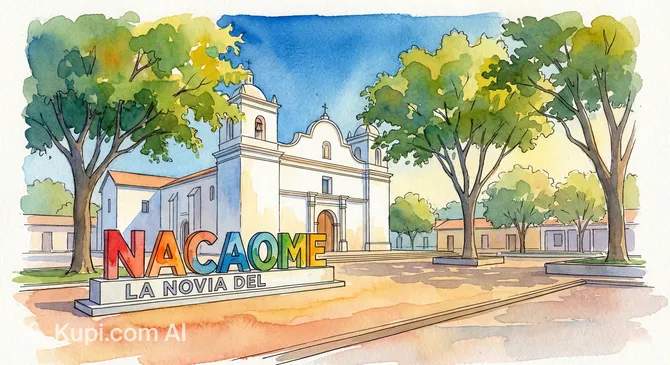
Nacaome is a welcoming and lively city in southern Honduras, serving as the administrative center of the Valle Department. Situated on the banks of the river of the same name, it greets travelers with the atmosphere of authentic Central American provincial life. Although the city is not a major tourist hub, its importance as a regional trade and manufacturing center makes it an interesting destination for those wanting to see the real, non-touristic side of the country.
Nacaome. Illustration.
Source: Kupi.com AI
The city's geographic location in a lowland near the river determines its hot climate and the fertility of the surrounding lands. With a population of over 57,000 people, Nacaome is a classic example of mestizo culture, where traditions are closely intertwined with the modern rhythm of commerce. Exploring the historical heritage of Nacaome allows for a better understanding of how the country's southern region developed, becoming a vital link in the department's economy.
For tourists, the city can serve as an excellent base for exploring southern territories. Here, it is worth visiting the Central Plaza, which serves as the heart of social life, and taking a stroll along the river to observe the local color. Visiting Nacaome is an invitation to dive into the everyday reality of the Valle region, meet friendly locals, and enjoy authentic Honduran hospitality.
Weather Overview
Nacaome is located in a pronounced tropical climate zone, which means consistently high temperatures throughout the year. Average figures usually fluctuate between 26–29°C, though during the day the thermometer often rises above 34°C. Due to the proximity to the river and its lowland location, high humidity is often felt here, especially during transition seasons.
Precipitation is unevenly distributed: the rainy season lasts from May to October, with potential for intense downpours, often occurring in the late afternoon. The driest and sunniest period is from December to April, making this the most comfortable time to visit. If you want more precise data, check the detailed city climate before your trip.
Average monthly temperature
Average monthly precipitation
Interesting Facts
The name of the city Nacaome has indigenous origins and is inextricably linked to the local river, which for centuries has been the main source of life for this region.
Despite its importance, the city occupies a relatively small area—only about 5.1 square kilometers—while the building density in the center is quite high.
The demographic portrait of Nacaome is unique: over 96% of the population are mestizos, making the city one of the most ethnically homogeneous in the Valle Department.
The city is the second most populous in its department, surpassed only by the port city of San Lorenzo, and serves as the key administrative "brain" of the region.
How to Get There
The transport accessibility of Nacaome is primarily ensured by a developed network of highways connecting the south of the country with central regions. The city is an important transport hub for the Valle Department, with routes passing through it that connect the capital and other major cities of Honduras. Detailed information about routes can be found in the section on ways to get to Nacaome.
If you plan to arrive in the region by air, the nearest major airports are located in Tegucigalpa or neighboring El Salvador. There is no direct air service to the city itself, so after landing, travelers usually transfer to intercity buses or rent cars for the trip south. Travel time from the capital can take several hours, depending on road conditions and weather.
Railway service in this part of the country is currently not developed for passenger transport, so buses remain the primary mode of travel. Regular minibus services ("rapiditos") run between Nacaome and neighboring municipalities, providing links to the coast and the border. For maximum convenience and mobility while exploring the surroundings, renting a car is recommended.
Station
Passenger traffic
Distance
1
225 km
Main Attractions
The city of Nacaome offers travelers not so much classic monuments as the opportunity to immerse themselves in the atmosphere of a living administrative center. The main point of attraction here is the Central Plaza, surrounded by the primary municipal buildings. This is a traditional meeting space where citizens gather in the evenings, and where vibrant local events take place during holidays.
The Nacaome River plays a special role in the city's landscape and life. Although the riverbanks have not been turned into a full-scale promenade, a walk in the vicinity allows one to appreciate the natural beauty of southern Honduras. The river is a vital artery for the region, and it was along its banks that the settlement historically formed, bringing life to trade and agriculture.
The architectural appearance of the city is shaped by functional government offices and commercial buildings. For those seeking an authentic experience, the local markets are of great interest, where trade in regional products bustles. Nacaome should be viewed as an interesting transit point that allows you to see the everyday life of the Valle Department in its true form before heading to the coast or the mountains.
Local Cuisine
The culinary traditions of Nacaome offer the honest and vibrant flavors of southern Honduras. The foundation of the local diet consists of corn, beans, and rice, served in various combinations. Be sure to try baleadas—wheat tortillas with fillings that are prepared here with special care, adding local cheese and cream.
Due to the proximity to the coast and the river, the menus of local "comedores" (small eateries) often feature fresh fish and seafood dishes. Seafood soup with coconut milk is a true delicacy that reflects the Caribbean influence on southern cuisine. It is traditional to wash down a meal with refreshing natural juices made from tropical fruits or local coffee, which is famous for its strength.
Food culture in Nacaome is closely tied to the market square, where the freshest street food can be found from early morning. The city's gastronomic scene is unpretentious: satiety and traditional recipes are valued here. Visiting the local market is the best way to get acquainted with real Honduran cuisine, trying fried plantains or corn tortillas straight off the griddle.
Travel Tips
Nacaome is a city with true Honduran character, and to ensure your trip goes smoothly, there are several practical nuances to consider.
Clothing and Sun Protection: It is very hot and humid in Nacaome, so choose lightweight clothing made from natural fabrics. Be sure to bring sunscreen and a hat.
Transportation: For getting around the city, it is most convenient to use taxis, but always agree on the price beforehand. For trips to neighboring towns, minibuses departing from the central market are suitable.
Finances: The official currency is the lempira. There are ATMs in Nacaome, but it is better to have a supply of cash with you, especially for purchases at markets and paying for transport.
Safety: Observe general precautions: do not display expensive gadgets or large sums of money. After dark, it is better to avoid walking in the outskirts and use a taxi.
Communication: The main language is Spanish. Few people know English here, so learn basic phrases or install an offline translator.
Health: Drink only bottled water. Pharmacies can be found in the city center, but it is better to bring specific medications with you.
Local Etiquette: Residents of Nacaome are friendly. A greeting like "Buenos dias" (Good day) will help you win over your interlocutor.
What to Avoid: Do not take photos of people without their consent, especially in rural areas or at markets.
May your acquaintance with southern Honduras be filled only with pleasant discoveries and the warmth of local encounters!
Entertainment & Nightlife
Entertainment in Nacaome is of a quiet, local nature, primarily oriented toward the daily relaxation of its residents. The city's evening life is centered in cozy cafes and small bars in the central area, where you can spend time chatting or watching a football match. There are few loud night clubs or discos here, which creates a more relaxed and homey atmosphere.
During the day, the main leisure activities for locals and guests are sporting events, especially football, which enjoys immense popularity. It is also worth paying attention to the calendar of local festivals—during national holidays, the streets of Nacaome are transformed, filling with music and traditional processions. On these days, the city demonstrates all its cultural richness and hospitality.
For those seeking large-scale entertainment, Nacaome serves as a convenient starting point. Security in the city during the day is at a good level; however, it is recommended to use taxi services for nighttime travel. The main charm of local leisure lies in the simplicity of communication and the opportunity to become part of the everyday life of southern Honduras by visiting a typical cantina or a family restaurant.
Parks & Museums
The green zones of Nacaome are concentrated around its historical and administrative center. The main place for walking is the Central Park, which is essentially a well-maintained plaza with shady trees and benches. It is an ideal place to take a break from the midday heat and observe the leisurely life of the townsfolk.
The natural beauty of the city unfolds along the banks of the Nacaome River. Although there are no organized parks with attractions here, the riverside areas attract lovers of natural environments. Here you can see vegetation typical of southern Honduras and enjoy the silence away from the noisy commercial streets, making these spots popular for leisurely sunset walks.
There are currently no specialized museums in the city; however, the streets themselves and the old administrative buildings serve as keepers of history. Nacaome's cultural code is best deciphered during religious and civic holidays, when central spaces turn into live stages for folk traditions. For those seeking a deep immersion into history, Nacaome offers the authentic atmosphere of a city that has preserved its original way of life.
Getting Around
The public transport system in Nacaome is perfectly adapted to the needs of local residents and is characterized by its simplicity. The backbone of transportation consists of minibuses, known locally as "rapiditos." They connect residential areas with the city center and neighboring settlements. There is often no fixed schedule—transport departs as it fills up, so tourists should bring plenty of time and patience.
Taxis are popular for traveling short distances within the city. This is a convenient and relatively inexpensive way to reach your destination, especially in hot weather. It is best to agree on the fare in advance, as meters are rarely used. In the central part of the city, many attractions and markets are within walking distance, although the quality of sidewalks can be inconsistent.
Bus fares are paid in cash to the driver or conductor. If you plan to actively explore the Valle Department, it is worth considering a car rental, as this will provide independence from public transport schedules. However, keep in mind that traffic in the center of Nacaome can be quite dense, and parking spaces can be limited.
Accommodation
The hotel sector in Nacaome is mainly represented by small family-run hotels and guesthouses catering to business travelers and those transiting through the region. It is difficult to find luxury five-star resorts here; however, the available accommodation options provide the necessary level of comfort for a short-term stay.
The center of the city is considered the most convenient area to stay, where shops, banks, and administrative offices are within walking distance. Housing prices in Nacaome are significantly lower than in popular tourist areas of Honduras, making the city attractive for budget travelers and expats.
When planning a trip, keep in mind that during local festivals or important regional events, there may be fewer vacancies, so a small advance booking wouldn't hurt. The main rental offers include simple rooms with air conditioning, which is a prerequisite for a comfortable stay in the hot southern climate.
Nearby Cities
Thanks to its location, Nacaome serves as an excellent starting point for exploring the country's southern territories. Proximity to the border and the coast allows tourists to easily plan short trips to neighboring cities, each possessing its own unique character and history.
Just 12 kilometers away is San Lorenzo—a bustling port city famous for its seafood and access to the picturesque Gulf of Fonseca. It is also worth visiting San Francisco de Coray to see the quiet life of the Honduran province. For those ready for a slightly longer journey, the road is open to Choluteca, one of the oldest and most significant cities in the region with beautiful colonial architecture.
City
Population
Distance
San Lorenzo
43 042
12 km
San Francisco de Coray
14 559
14 km
Pasaquina
16 375
39 km
Choluteca
152 519
41 km
La Unión
34 045
45 km
Exploring the surroundings of Nacaome is an opportunity to see a variety of landscapes: from mangrove forests on the coast to arid plains and agricultural lands. Each such trip will complement your understanding of the country's south and provide many vivid impressions.
Shopping & Souvenirs
Shopping in Nacaome is primarily an introduction to the colorful local markets. The city does not abound with huge shopping malls featuring global brands, but it offers an honest selection of everyday goods and products from local artisans. The main city market is the epicenter of commerce, where you can find everything from the freshest tropical fruits to textiles and household supplies.
Main commercial activities are concentrated on the central streets adjacent to the park. Small shops and stalls offering clothing, footwear, and electronics are located here. If you are looking for souvenirs, pay attention to leather goods and woven accessories created by craftsmen from neighboring villages in the Valle Department.
Shops usually operate from early morning until evening, with a mandatory break during the hottest hours. Most retail outlets prefer cash (local currency—lempira), although larger stores may accept cards. Visiting Nacaome's shops is a great opportunity to purchase high-quality regionally produced products, such as local cheese or coffee, which make excellent gifts from your trip.