Support

Ajmer

About

Ajmer is a fascinating city, nestled in a picturesque valley at the foot of the ancient Aravalli Mountains, in the heart of Rajasthan, one of India's most colorful states. Its geographical location is unique: it seems hidden among the hills, while the Ana Sagar Lake spreads across the city center — a true oasis providing freshness even during the heat.
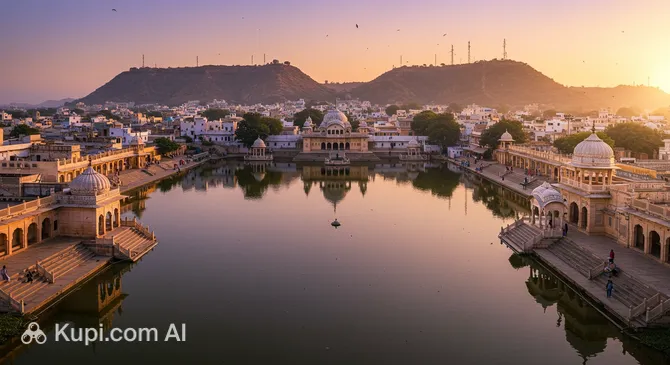
Ajmer. Illustration.
Source: Kupi.com AI

With a population of about 550,000 people, Ajmer is not only an important administrative center but also a significant cultural, educational, and religious hub for the region. Ancient traditions and a modern pace of life intertwine harmoniously here, while well-known universities and schools give the city a special youthful atmosphere and openness.

The main reason for Ajmer's allure is its unique atmosphere. Founded back in the 8th century, the city breathes history; its streets remember the footsteps of emperors, poets, and pilgrims from all over the world. Guests are greeted by the warmth of local residents, and many languages can be heard in the bustling markets. In Ajmer, everyone will find something for themselves: from secluded temples and majestic palaces to noisy oriental bazaars and cozy tea shops.

Ajmer is a city that charms at first sight and leaves a deep impression. Visit it to touch its rich history, enjoy its unique culture, and experience authentic Indian hospitality.

You can find more interesting facts on the history of Ajmer page.
Weather Overview

Ajmer is characterized by a climate with distinct seasons. Here you can expect a hot summer and a mild, dry winter, with a period of monsoon rains in the middle of the year.

Summer months, especially from April to June, can be very hot, with average maximum temperatures often exceeding 37°C and reaching nearly 40°C in May. From July to September, the monsoon arrives, bringing most of the annual rainfall, with July and August being the rainiest months, although the total precipitation remains moderate. The winter period, from November to February, is characterized by comfortable weather: average temperatures range from 15°C to 22°C, and rainfall is practically absent. In general, expect a hot summer with monsoon rains and cool, dry winters.

For more detailed information about the weather by month, including temperature data, precipitation, and the number of sunny days, you can visit the Ajmer Climate page.

Average monthly temperature

Average monthly precipitation

Interesting Facts

Beyond its famous shrines and bustling bazaars, Ajmer holds many fascinating stories and little-known details that make it even more alluring for curious travelers. Here are just a few of them:

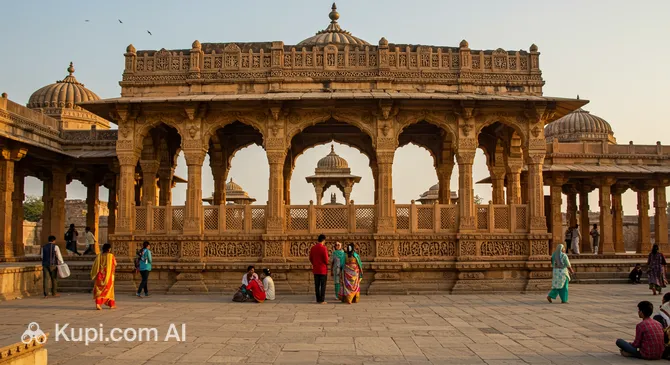
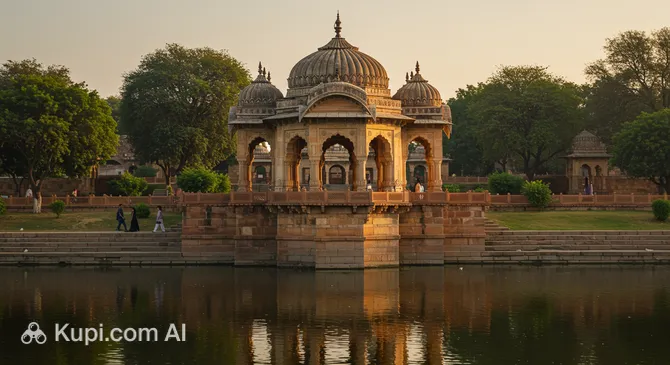
Anasagar Baradari. Illustration.
Source: Kupi.com AI

Traveler photos:

  • Ajmer is among the oldest cities in India. Its history began back in the 8th century when Raja Ajaypal Chauhan established his residence here, marking the beginning of one of the most influential Rajput clans in the region.

  • Dara Shikoh, the eldest son of the famous Mughal Emperor Shah Jahan, was born in Ajmer. This enlightened prince was known for his passion for poetry and philosophy, and his mother, Arjumand Banu Begum (better known as Mumtaz Mahal), inspired the emperor to create the legendary Taj Mahal.

  • The city prides itself on the exquisite Baradari Ana Sagar pavilion — a true architectural masterpiece of the Mughal era located on the shores of Ana Sagar Lake. This complex of pavilions with its characteristic twelve entrances (baradari), originally built for the leisure of the emperor and his court, still delights with its harmonious blend of Rajput and Mughal architectural styles and often serves as a venue for cultural events.

  • Ajmer is one of the most important interfaith pilgrimage centers in India. Every year, millions of believers of different religions come here to visit the holy sites. Special veneration is given to the Ajmer Sharif Dargah — the mausoleum of the Sufi saint Khwaja Moinuddin Chishti, which is considered sacred not only for Muslims but also for followers of other faiths.

How to Get There

There are several ways to reach the city of Ajmer, an important pilgrimage and tourist center in the state of Rajasthan. The main transport hubs for travelers are usually nearby airports and India's well-developed railway network.

While Ajmer does not have its own major airport, the closest option for air travel is Kishangarh Airport (KQH). It is located in the town of Kishangarh, just 23.3 km from Ajmer, making it a convenient arrival point. A taxi ride from this small regional airport to the center of Ajmer takes about 50-60 minutes. For those looking for more international and domestic flight options, the primary choice is often Jaipur Airport (JAI). This major international airport is located in Jaipur, the capital of Rajasthan, approximately 125 km from Ajmer. The journey from there to Ajmer by taxi or bus usually takes about 3-3.5 hours.

For your convenience, below is a summary of the main airports from which you can reach Ajmer:

AirportPassenger trafficDistance
Kishangarh86 36123 km
Jaipur Airport6.2 mln124 km
Jodhpur Airport1.1 mln160 km
Maharana Pratap Airport1.8 mln216 km
Bikaner Airport21 288229 km

Ajmer is a significant railway hub in the region. Ajmer Junction station has excellent connections with most major cities in India, including Delhi, Mumbai, Jaipur, Ahmedabad, and others. Trains are a popular, economical, and authentic way to travel around the country, allowing you to arrive directly in the heart of Ajmer.

Traveling to Ajmer by car or bus is also a common option. The city is well-connected by a network of national and state highways to other cities in Rajasthan and neighboring states. Regular bus routes connect Ajmer with Jaipur, Pushkar, Udaipur, and many other destinations.

Main Attractions

Ajmer, a sacred city in the heart of Rajasthan, attracts pilgrims and tourists with its rich history, spiritual atmosphere, and impressive architecture. Here, everyone will find something to enjoy, from ancient shrines to picturesque lakes and majestic forts.

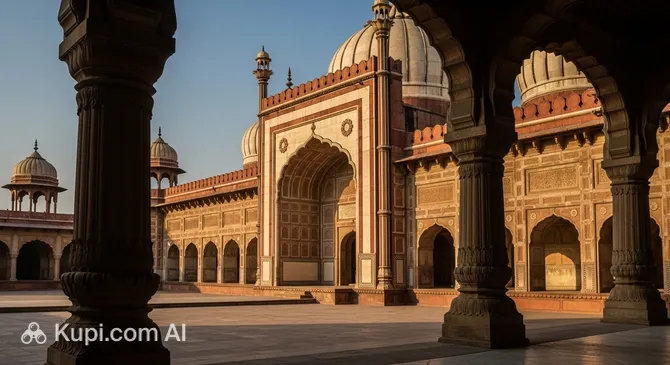
One of the most significant attractions is Adhai Din Ka Jhonpra. This remarkable mosque, which was originally a Sanskrit college, amazes visitors with its Indo-Islamic architecture. Legend has it that it was built in just two and a half days, which gave it its name. Tourists are drawn to its carved columns and majestic arches, which bear witness to a rich historical past.

Adhai Din Ka Jhonpra. Illustration.
Source: Kupi.com AI

Traveler photos:

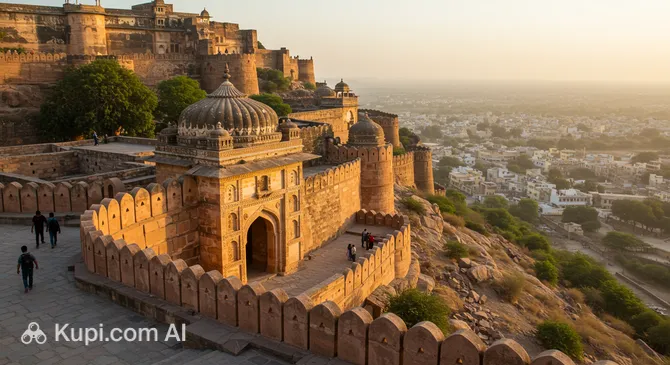
No less impressive is Taragarh Fort, which towers over the city. This ancient fort, one of the oldest in India, offers not only a journey through history but also breathtaking panoramic views of Ajmer and the surrounding Aravalli hills. The climb to the fort can be challenging, but the views and the atmosphere of antiquity are well worth it.

Taragarh Fort. Illustration.
Source: Kupi.com AI

Traveler photos:

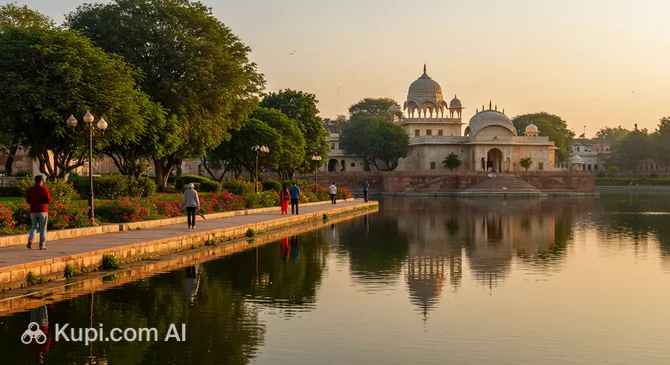
For a peaceful retreat, Ana Sagar Lake is the ideal choice. This artificial lake, created in the 12th century, is a popular spot for both locals and tourists. Here, you can enjoy a boat ride, visit the marble pavilions (baradari) built by the Mughal Emperor Shah Jahan, and simply relax away from the city bustle while admiring the sunset.

Ana Sagar Lake. Illustration.
Source: Kupi.com AI

Traveler photos:

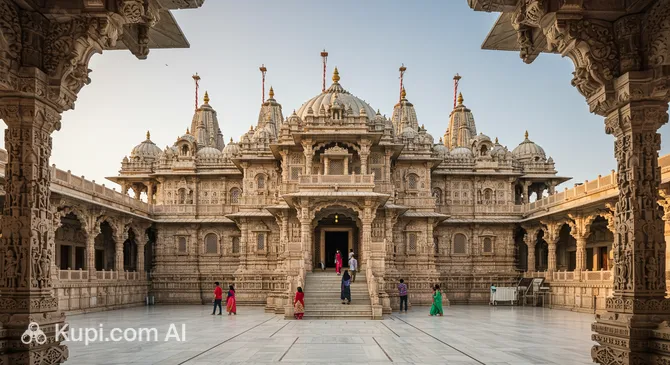
Another gem of Ajmer is the magnificent Jain Temple (Soni Ji Ki Nasiyan). The main hall of the temple, known as Swarna Nagri (City of Gold), contains a stunning diorama depicting Jain cosmology, crafted from gold and precious stones. It is a true work of art, attracting visitors with its detail and luxury.

Ajmer Jain Temple (Soniji Ki Nasiyan). Illustration.
Source: Kupi.com AI

Traveler photos:

It is also worth noting Buland Darwaza — the majestic gateway leading to the Dargah Sharif complex. Although the gate itself is part of a larger complex, its monumentality and architectural design deserve a separate mention as a symbol of Ajmer's historical significance.

Local Cuisine

Ajmer's cuisine is a true immersion into the gastronomic world of Rajasthan, known for its bright, spicy, and rich flavors. The star of local culinary art is undoubtedly Dal Baati Churma. This traditional dish, consisting of baked wheat balls (baati) served with a spicy lentil soup (dal) and sweet wheat flour crumbles (churma), symbolizes the region's hospitality and often graces the table during family celebrations and religious holidays.

In addition to Dal Baati Churma, an abundance of other mouth-watering dishes awaits you on the streets of Ajmer. Be sure to try the fragrant kebabs, crispy samosas (stuffed pastries), and pakoras (vegetables or cheese fried in batter). Fresh flatbreads, such as roti or naan, are cooked right before your eyes, filling the air with tantalizing aromas. Street food here is not just a snack, but an important part of the local culture.

Sweet lovers will find a true paradise in Ajmer. Don't miss the chance to enjoy traditional desserts like malpua — airy pancakes soaked in sugar syrup, delicate gulab jamun balls, or intricate imarti. Many of these sweets can be found in the bustling markets, especially in the Ana Sagar Lake area, where their aroma mixes with the lively atmosphere.

Ana Sagar Lake. Illustration.
Source: Kupi.com AI

Traveler photos:

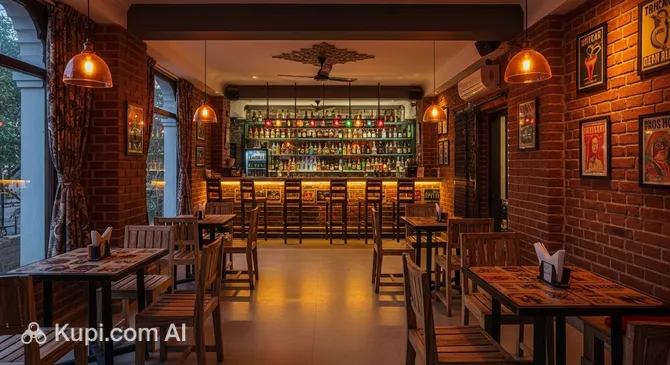
To refresh yourself on a hot day and complement your meal, be sure to try traditional lassi. This chilled yogurt drink, often with added rose water, cardamom, or other spices, perfectly quenches thirst. Of course, other non-alcoholic beverages are available, as well as chai (tea), which is an integral part of Indian life. Alcoholic drinks can be found in licensed restaurants and bars, such as Attic Restro Bar.

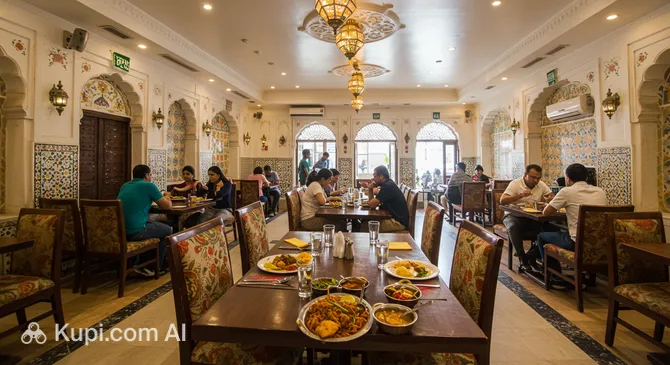
The food culture in Ajmer is diverse. Locals often prefer to eat at home or in small street eateries serving authentic dishes at affordable prices. Tourists can choose between colorful street food, markets, and more formal restaurant settings offering both local and international cuisine. For instance, you can visit Mango Masala Restaurant to get acquainted with Rajasthani specialties. The city is also known for its food festivals, where you can dive deeper into Rajasthani culinary traditions and try dishes prepared according to ancient recipes.

Mango Masala Restaurant. Illustration.
Source: Kupi.com AI

Traveler photos:

Travel Tips

Welcome to Ajmer! To make your trip to this historical and spiritual city in India as comfortable and memorable as possible, we have prepared some practical tips.

  1. Clothing and Essentials: The climate in Ajmer is mostly hot and dry, especially from April to June. In summer, choose light, breathable cotton clothing. During the monsoon period (July-September), rain is possible, so a light waterproof jacket or umbrella will come in handy. Winters (October-March) are mild and pleasant, but it can be cool in the evenings – bring a sweater or a light jacket. When visiting holy sites, especially the Dargah Sharif, modest clothing is mandatory: shoulders and knees must be covered, and women are recommended to cover their heads (bring a scarf with you). Don't forget comfortable walking shoes, sunscreen, a hat, sunglasses, and a universal adapter for electronics.
  2. City Transport: The most common and accessible way to get around Ajmer is by auto-rickshaws. They are ideal for short trips, and the price should be negotiated in advance. Local buses also run, but they can be overcrowded. Taxis are available, and you can use apps to call them if they operate in the region. Car rental is possible, but driving yourself in Indian cities can be difficult for unaccustomed tourists; consider the option of renting a car with a driver for trips outside the city.
  3. Finances: The local currency is the Indian Rupee (INR). It's best to exchange money at banks or authorized exchange offices; avoid street money changers. Credit and debit cards are accepted in major hotels, restaurants, and some shops, but always have cash with you for purchases in markets and small stalls. ATMs are fairly common. An approximate daily budget (excluding accommodation) can range from 1,500 to 3,000 rupees, depending on your preferences. Tipping is appreciated but not always mandatory: 5-10% in restaurants if a service charge is not included, and small amounts for porters and drivers.
  4. Health and Safety: Pharmacies are available in Ajmer, and some may work around the clock, especially those attached to hospitals. Both public and private medical care are available for tourists; it is highly recommended to take out travel insurance. Ajmer is generally safe for tourists, but take standard precautions: keep an eye on your belongings in crowded places (especially in markets and near the Dargah Sharif), and avoid poorly lit and deserted areas at night. Drink only bottled water and be cautious when choosing street food.
  5. Communication: The main language of communication is Hindi and local Rajasthani dialects. In tourist areas, hotels, and large shops, many people speak English. Learn a few simple phrases in Hindi: "Namaste" (Hello/Goodbye), "Dhanyavad" (Thank you), "Yeh kitne ka hai?" (How much does this cost?). A local SIM card (e.g., Airtel, Jio, Vi) can be purchased by presenting your passport and visa. Wi-Fi is available in most hotels and many cafes.
  6. Local Etiquette: The accepted greeting is "Namaste" with palms joined at the chest and a slight bow. In public places, behave with restraint; avoid public displays of affection. When interacting with locals, be polite and smiling. Always ask permission before photographing people. You must remove your shoes when entering temples, mosques (including the Dargah Sharif), and homes. It is also mandatory to cover your head in the Dargah Sharif.
  7. What to Avoid: Do not show disrespect to religious customs and shrines: do not wear revealing clothing in such places, and do not take photos where it is prohibited. Also, try not to drink alcohol in public places, unless they are specifically designated zones (e.g., licensed restaurants).
  8. Additional Advice: When visiting the famous Ajmer Sharif Dargah shrine, be prepared for large crowds, especially during religious festivals such as Urs. Show patience and respect for the pilgrims. To avoid the main crowds, you can come early in the morning or closer to the evening. Also, consider a day trip to the neighboring town of Pushkar, famous for its Brahma temple and sacred lake.

We hope these tips help you plan an unforgettable trip to Ajmer and enjoy its unique atmosphere and hospitality!

Entertainment & Nightlife

Ajmer, known primarily as an important spiritual center, offers its guests not only immersion in history and culture but also opportunities for evening leisure. Although the nightlife here is not as vibrant as in major metropolises, you will still find places to enjoy your time after sunset.

The main focus of evening entertainment in Ajmer is centered around cozy restaurants that stay open late and hotel bars. Here, you can enjoy local or international cuisine in a relaxed atmosphere. Some establishments offer live music or themed evenings. The atmosphere in these places is generally relaxed and conducive to conversation. The dress code is usually casual, but smart casual may be appropriate in more expensive hotel restaurants. Nightclubs in the traditional sense are less common here, but some modern bars offer dance music and cocktails.

Attic Restro Bar. Illustration.
Source: Kupi.com AI

Traveler photos:

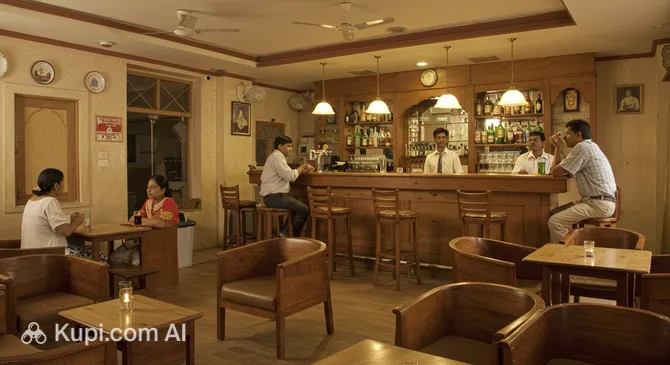
Among specific venues where you can spend the evening, Attic Restro Bar is worth noting, offering a pleasant atmosphere and a selection of drinks. Another place to visit in the evening is Hotel Samrat, which also features a bar. Many popular restaurants, such as Mango Masala Restaurant, also stay open late, allowing for a leisurely dinner.

Evening establishments are most often concentrated in areas around major hotels and on busy shopping streets. Most places start coming to life towards evening and operate until midnight or slightly later, especially on weekends. Average prices in Ajmer's bars and restaurants are quite moderate, though they can vary depending on the level of the establishment.

Regarding safety, the central and well-lit areas of Ajmer are generally safe for evening walks. However, as in any other city, common precautions should be observed: avoid poorly lit and deserted places, especially when alone. For nighttime travel, it is better to use taxis or rickshaws, agreeing on the price in advance or using taxi apps if available.

Hotel Samrat. Illustration.
Source: Kupi.com AI

Traveler photos:

During the day, Ajmer offers many other activities. You can visit historical sites such as the majestic Taragarh Fort or the unique Adhai Din Ka Jhonpra mosque. For family leisure, parks such as Seven Wonders Park, Ajmer, or the Ajmer City Water Park on a hot day are perfect. Shopping enthusiasts can head to Mittal Mall or local markets like the Charan Paduka — Shoe Market.

Parks & Museums

Ajmer is not only an important spiritual center but also a city offering its guests a pleasant combination of picturesque green areas for relaxation and a rich cultural heritage reflected in its museums and historical monuments.

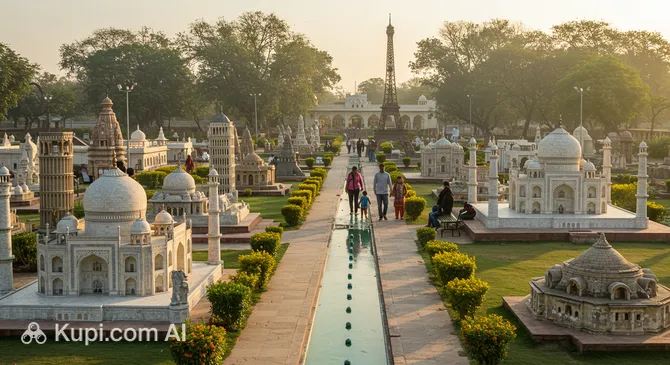
For nature lovers and those who enjoy quiet walks, Ajmer offers several wonderful spots. The jewel of the city is Ana Sagar Lake, a beautiful artificial lake created in the 12th century. Here you can enjoy boating, or stroll through the surrounding Daulat Bagh gardens with their elegant marble pavilions, the Baradari Ana Sagar, which offer peaceful views. It is the perfect place for evening relaxation. Another popular green space is Azad Park, located in the city center, which serves as a great escape from the urban hustle. For families, Seven Wonders Park is ideal, where you can see miniature replicas of famous world landmarks, making it especially attractive for visitors with children.

Ana Sagar Lake. Illustration.
Source: Kupi.com AI

Traveler photos:

Seven Wonders Park, Ajmer. Illustration.
Source: Kupi.com AI

Traveler photos:

You can immerse yourself in the history and culture of the region by visiting local museums and historical sites. An important place to learn about the past is Akbar's Fort (Daulat Khana), the former residence of the Mughal emperor. Today, its walls house the Ajmer Government Museum, which holds a rich collection of Mughal and Rajput armor, weapons, sculptures, and paintings that tell the story of the city's eventful history. Another significant historical and religious site is the Akbari Mosque, a beautiful example of Mughal architecture. Equally impressive is the Jain Temple in Ajmer (Soni Ji Ki Nasiyan), also known as the Red Temple. Its main attraction is the amazing two-story Swarna Nagari hall ("City of Gold"), where gilded wooden figures depict scenes from Jain cosmology, representing a true work of art and essentially a museum piece itself.

Akbari Mosque. Illustration.
Source: Kupi.com AI

Traveler photos:

Ajmer Jain Temple (Soniji Ki Nasiyan). Illustration.
Source: Kupi.com AI

Traveler photos:

Ajmer is rich in other historical and architectural monuments that bear witness to its centuries-old history. The majestic Taragarh Fort, one of the oldest hill forts in India, towers over the city, offering not only a historical excursion but also breathtaking panoramic views. Its powerful walls and ruins of ancient structures attract history and photography enthusiasts. Another iconic site is Adhai Din Ka Jhonpra — a unique mosque originally built as a Sanskrit college and later converted. Its impressive arches and columns with Hindu and Islamic carvings are a striking example of early Indo-Islamic architecture.

Taragarh Fort. Illustration.
Source: Kupi.com AI

Traveler photos:

Adhai Din Ka Jhonpra. Illustration.
Source: Kupi.com AI

Traveler photos:

For a deeper immersion into the city's atmosphere, try to visit Ana Sagar Lake in the early morning or at sunset — it's especially peaceful at these times, and you can enjoy the beauty of the lake without the extra bustle. Also, when exploring the Jain Temple, pay special attention to the details of the Swarna Nagari hall, which are often missed during a quick inspection, to fully appreciate the craftsmanship of its creators.

Getting Around

Getting around Ajmer can be done in several ways, each with its own characteristics. Public transport here is mainly represented by buses and auto-rickshaws, which are the most popular means of travel for both locals and tourists.

Buses run throughout the city and its suburbs, connecting key areas and attractions. This is one of the most economical ways to get around. Tickets are usually purchased directly from the conductor on the bus. The fare is low but can vary depending on the distance. It is recommended to have small change for payment. Bus routes may not always be obvious to newcomers, so don't hesitate to clarify the direction with the driver or other passengers. Buses start running early in the morning and finish in the evening, but it is best to check the exact schedule locally for specific routes.

Auto-rickshaws (or "tuk-tuks") are a ubiquitous and very convenient mode of transport for short and medium distances, as well as for trips to places where buses do not go. These are three-wheeled motorized vehicles capable of maneuvering through heavy traffic. It is important to remember that the price for an auto-rickshaw ride should be agreed upon in advance, before boarding, as meters, if present, are not always used. Don't hesitate to haggle; it's a standard practice.

As an alternative to public transport, you can use taxi services. In Ajmer, both traditional taxis and cars ordered through mobile apps (such as Ola or Uber, if available in the city) are accessible. This is a more comfortable but also more expensive way to travel. For short distances, especially in old and crowded parts of the city, you can find cycle rickshaws — an eco-friendly and authentic option.

A system of unified travel cards or special tourist transport cards is generally absent in Ajmer. Payment for travel is most often made in cash. For the convenience of planning routes and calling taxis through apps, ensure you have mobile internet. Overall, Ajmer's transport system allows you to reach the main points of the city quite easily; the main thing is to be prepared for the local specifics and not be afraid to ask for directions.

Accommodation

Ajmer offers tourists a variety of accommodation options to suit different budgets and preferences. You can find everything from inexpensive guesthouses and hostels to mid-range hotels and more comfortable options, including resort hotels. Many travelers prefer to stay in areas close to the main attractions, such as the Dargah Sharif, or near the railway station for ease of movement.

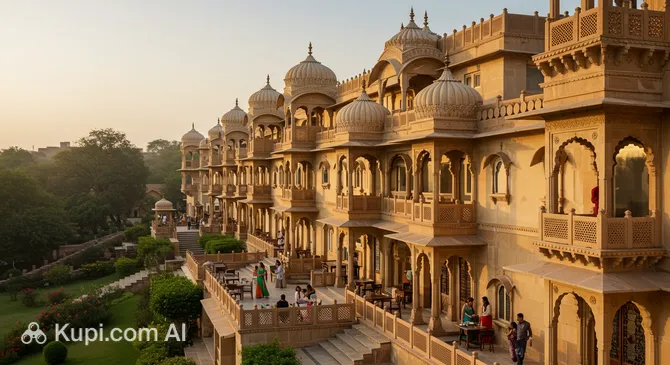
The Archi's Castle. Illustration.
Source: Kupi.com AI

Traveler photos:

Notable accommodation options include, for example, Castle Archi, which offers a comfortable stay. The choice of housing is quite broad, and you can find an option that meets your expectations regarding comfort level and cost. The price range varies from budget to more expensive offerings.

To search for and book accommodation in Ajmer, it is convenient to use popular online platforms like Booking.com, Agoda, or local travel websites. Direct booking via hotel websites or by phone is also possible. It is recommended to book your accommodation in advance, especially if your trip coincides with the peak tourist season or during major festivals, to ensure availability and get the best prices.

Nearby Cities

For those who want to explore the surroundings, Ajmer serves as an excellent starting point for day trips to several interesting nearby locations:

For example, just 26 km away is Kishangarh, famous for its marble art traditions and unique school of miniature painting. This makes it an ideal option for a short and rich trip. A bit further, about 125 km away, is the famous Jaipur, the "Pink City," which beckons travelers with its majestic palaces, ancient forts, and vibrant bazaars, offering a longer but equally exciting full-day adventure.

CityPopulationDistance
Pushkar21 62610 km
Kishangarh156 08726 km
Ratangarh71 12440 km
Beawar151 47250 km
Degana34 31558 km

These nearby destinations provide insight into the region's diverse culture and landscapes, complementing the experience of visiting Ajmer.

Shopping & Souvenirs

Ajmer, a sacred city in the heart of Rajasthan, offers tourists not only a spiritual pilgrimage but also an exciting shopping experience. The city is famous for its traditional crafts, vibrant textiles, silver jewelry, and, of course, religious items associated with the Dargah Sharif. Here you can find both bustling street bazaars and modern shopping outlets.

The main trading centers in Ajmer are the colorful bazaars located in the old part of the city. Dargah Bazaar, leading to the famous shrine, is a labyrinth of narrow streets filled with shops selling flower garlands, sweets, religious souvenirs, textiles, and incense. Nearby are Naya Bazaar (New Bazaar) and Mahila Mandi, where you can also find a wide range of goods, from clothing and footwear to jewelry and spices.

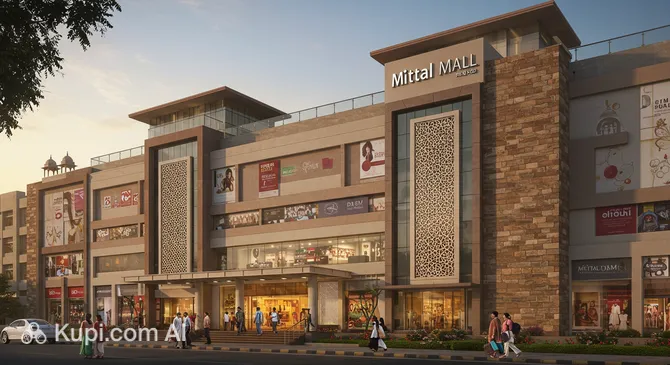
For those who prefer a more modern shopping format, there are several shopping malls in Ajmer. One notable one is Mittal Mall, which offers various clothing and electronics stores as well as a food court. This place is suitable for those looking for branded goods and comfortable shopping conditions.

Mittal Mall. Illustration.
Source: Kupi.com AI

Traveler photos:

Markets are the soul of shopping in Ajmer. In addition to the already mentioned Dargah Bazaar with its unique atmosphere, it is worth paying attention to specialized markets. For example, the Charan Paduka — Shoe Market offers a large selection of traditional Indian footwear, such as juttis and mojari, as well as other leather products. These markets allow you to dive into the local culture and find unique items.

Charan Paduka Footwear Market. Illustration.
Source: Kupi.com AI

Traveler photos:

When in Ajmer, it's worth bringing back traditional Rajasthani souvenirs. Look for bright fabrics with hand embroidery or block printing (Bandhani, Leheriya), silver jewelry with semi-precious stones, miniature paintings, and items made of camel bone or leather. Incense (attar), especially rose oil, is also popular, as are items related to the Dargah Sharif, such as chadars (coverings for the shrine) or prayer beads.

Shops and markets in Ajmer are usually open from 10:00-11:00 AM until 8:00-9:00 PM, but small stalls may have more flexible hours. Cash is preferred in markets and small shops, although major shopping centers and some stores accept credit cards. Mobile payment systems like UPI are also widely used in India.

The Tax-Free refund system for tourists on most goods in India is generally not common in the way it is in some other countries. Therefore, you should not count on a VAT refund upon leaving the country for ordinary purchases.

Reached the end of the page?

That means the route is fully explored