Support

Aurangabad Caves

About

The Aurangabad Caves are a stunning complex of ancient Buddhist cave temples hidden in the cliffs north of the city of Aurangabad, in the state of Maharashtra, India. These man-made shrines are an important historical and cultural monument, offering visitors a glimpse into the past and a chance to experience ancient traditions.
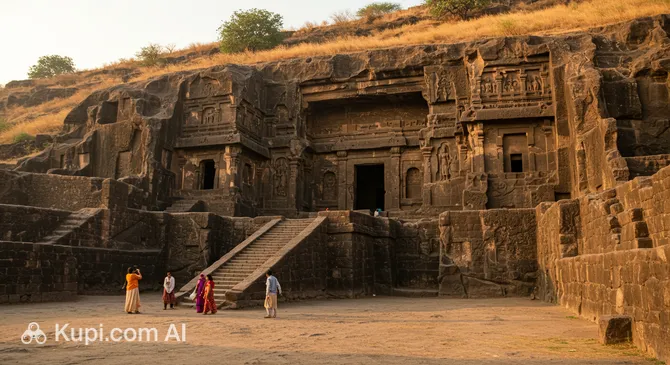
Aurangabad Caves. Illustration.
Source: Kupi.com AI

Traveler photos:

The complex consists of nine to twelve caves, traditionally divided into western and eastern groups. Each cave was meticulously carved directly into the basalt cliffs, serving as secluded monasteries (viharas) and halls for prayer and meditation (chaityas) for Buddhist monks for many centuries. These structures are not just hollowed out of stone but represent sophisticated architectural spaces.

Inside the caves, visitors are greeted by intricate bas-reliefs depicting scenes from the life of Buddha, bodhisattvas, and other mythological characters. The sculptural compositions and remains of ancient wall paintings are particularly noteworthy; despite the passing centuries, they still amaze with their detail and craftsmanship. While the Aurangabad Caves may not be as widely known as their famous neighbors – the Ajanta and Ellora cave complexes – they possess their own unique charm.

These caves are a true gem for those interested in the history of Buddhism, ancient Indian architecture, and art. A visit to the Aurangabad Caves allows for a deeper understanding of the region's spiritual heritage and an appreciation of the incredible labor of the ancient craftsmen who created these shrines within the rock.

Contacts

To find current information about opening hours, ticket prices, and available tours of the Aurangabad Caves, it is recommended to visit the official website of the attraction, if available, or contact local tourist information centers directly in Aurangabad. Usually, the caves can be reached by local transport, such as buses or auto-rickshaws, as well as by taxi from the city center.

How to contactContact
AddressW886+VQR, Grishneswar temple Road, Chhatrapati Sambhaji Nagar, Maharashtra 431101, India

What to Do

A visit to the Aurangabad Caves is an immersion into ancient history and art. You can explore rock-cut Buddhist temples that are centuries old. The skillfully executed stone carvings, unique architectural solutions, and miraculously preserved fragments of ancient frescoes draw much attention. Inside the caves, impressive meditation halls known as viharas and halls for worship, or chaityas, await you, decorated with numerous sculptures of Buddha and other significant figures of the Buddhist pantheon.

For fans of history and archaeology, the Aurangabad Caves offer a unique opportunity to explore a less famous but equally important cultural heritage of India. This site allows you to touch the past away from the main tourist routes. Furthermore, the caves themselves are surrounded by picturesque nature, making a walk through the complex especially pleasant. Many travelers combine a visit here with exploring other interesting attractions in Aurangabad and its surroundings, creating a rich itinerary.

Getting There

The Aurangabad Caves are conveniently located relative to the city center, making them easily accessible for visitors. They are situated approximately 5–7 kilometers north of the heart of Aurangabad. To reach this unique site, you can use several modes of transport. The most popular options are taxis or auto-rickshaws – the ubiquitous and colorful Indian transport. You might also consider renting a car if you prefer more independence in your movements. The trip from central Aurangabad to the caves usually takes no more than 15–20 minutes, though this time may vary depending on traffic conditions.

Before planning your visit directly to the caves, it's worth considering how to get to Aurangabad itself. The city has good transport links with other major settlements in India. Aurangabad has its own airport, which receives flights from metropolises like Mumbai and Delhi, as well as other important cities in the country. Additionally, Aurangabad is an important railway hub, so traveling by train can also be a comfortable option. For those who prefer bus travel, intercity bus routes are available. Upon arrival in Aurangabad, as mentioned earlier, the easiest way to reach the caves is via local transport.

Nearest city: Aurangabad

History & Facts

The Aurangabad Caves, carved into soft basalt rock, are a fascinating complex of twelve Buddhist shrines. Their creation dates back to the period between the 6th and 8th centuries AD, during the reign of the powerful Vakataka and Chalukya dynasties. Most of these caves were originally conceived and built as viharas, or Buddhist monasteries, and serve as striking examples of early Buddhist architecture and sculptural art. Interestingly, some of the cave temples were completed and decorated later, indicating a long period of use and veneration.

The emergence of the Aurangabad cave complex occurred at a time when this region was a significant center for the spread of Buddhism in India. These rock-cut monasteries served not only as places for meditation and rituals but also as educational centers for monks. However, over the centuries, as Buddhism declined on the Indian subcontinent and the influence of Hinduism, and later Islam, grew, these unique cave structures were gradually abandoned and partially forgotten.

Today, the Aurangabad Caves are recognized as an invaluable monument of India's rich cultural heritage. They attract not only pilgrims and tourists wishing to touch ancient history but also researchers, archaeologists, and art historians from around the world. Studying these caves helps to gain a deeper understanding of the development of Buddhist art, the architectural traditions of that period, and the religious life of ancient India. Each cave holds its own secrets and features, from skillfully carved columns to impressive sculptures of Buddha and bodhisattvas, telling the silent story of bygone eras.

Time Needed

When planning a visit to the Aurangabad Caves, you should budget a few hours to fully enjoy this unique site. For a general overview of the complex, seeing the main caves and sculptures, most visitors will need approximately 2-3 hours. This time is usually enough to get an idea of the caves' historical and cultural significance.

If you are passionate about history, architecture, or Buddhist art, or plan to take many photos, it is better to set aside more time to explore the Aurangabad Caves. For a more detailed study of all accessible caves, their bas-reliefs, and features, as well as for leisurely photography, a visit can take up to half a day. This approach will allow for a deeper immersion into the atmosphere of this ancient monument.

Working Hours

The Aurangabad Caves, located in the city of Aurangabad, are usually open to visitors daily, except for Mondays, which are closing days. Standard opening hours are typically from 9:00 AM to 5:00 PM. However, as schedules can change, it is strongly recommended to check the current operating hours directly before your visit on the attraction's official website or through local tourist information centers.

Currently, there is no information in the general data regarding a strict requirement for advance ticket booking or special registration to visit the Aurangabad Caves. Nevertheless, it is advisable to clarify this aspect when checking the current schedule, especially if you plan to visit during the peak tourist season. Generally, the caves are available for viewing year-round, but it is always best to get confirmation in advance to ensure your visit is as comfortable as possible.

9:00 – 17:00

Nearby

A visit to the Aurangabad Caves is undoubtedly a highlight, but exploring the surrounding area can significantly enrich your trip to Aurangabad. By exploring nearby attractions, you will dive deeper into the history and culture of this amazing region of India, discovering new facets of its heritage.

Near the Aurangabad Caves, there are several interesting sites that deserve your attention. They will help you gain a fuller picture of the city's rich past and present. Here are some of them:

NameDistance
Soneri Mahal1.2 km
Goga Baba Hill1.4 km
Bibi Ka Maqbara2 km
Himayat Bagh Biodiversity Heritage Site3.1 km
Jama Masjid3.2 km
Delhi Gate3.5 km
Chhatrapati Shivaji Maharaj Museum3.6 km

Have you reached the end of the page?

So the route has been studied inside and out