Support

Delhi Gate

About

Delhi Gate is a prominent historical landmark located in the city of Aurangabad, Maharashtra, India. This majestic gate is not just an architectural structure but an important monument testifying to the city's rich historical heritage and cultural significance.
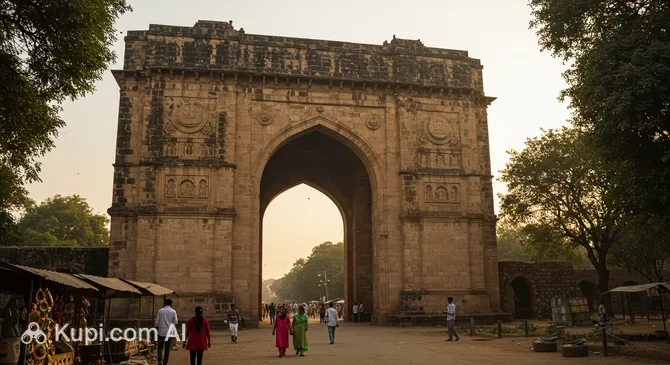
Delhi Gate. Illustration.
Source: Kupi.com AI

Traveler photos:

Delhi Gate serves as an impressive reminder of Aurangabad's glorious past and its role in Indian history. Visiting this gate allows you to touch centuries of history and feel the atmosphere of bygone eras when the city was one of the region's key centers.

Being one of several historical gates in Aurangabad, Delhi Gate stands out for its architectural grandeur. Each of the city's gates has its own unique story and design features, but Delhi Gate is rightfully considered one of the most significant and recognizable symbols of the city, attracting travelers with its monumentality and historical aura.

Contacts

Delhi Gate is a well-known historical monument in Aurangabad, and typically, such sites do not have dedicated contact information like a phone number or website. To get up-to-date information on visiting hours (if any) or exact coordinates, it is recommended to consult local tourist information centers upon arrival in the city.

To reach Delhi Gate, you can use Aurangabad's public transport, such as buses or auto-rickshaws, or take a taxi. It is a popular spot, and locals or your hotel staff will be able to advise on the best route to this attraction.

How to contactContact
AddressCollector Office Rd, near Sub Divisional Engineer Office, Aalamgir Colony, Himayat Bagh, Chhatrapati Sambhaji Nagar, Maharashtra 431001, India

What to Do

Visiting Delhi Gate is a wonderful opportunity to touch the rich history of Aurangabad and appreciate the impressive architecture of the Mughal era. Travelers can closely examine the construction details of this majestic gate, study its unique architectural features, and, of course, take memorable photos against the backdrop of this significant historical structure. This place literally allows you to step back in time and feel the grandeur of past eras.

Delhi Gate is not only an interesting site in its own right but also serves as a convenient starting point for further exploration of Aurangabad's historical heritage. From here, you can head to other iconic sites, such as the famous Bibi Ka Maqbara mausoleum, often called the "Taj of the Deccan," as well as explore other historical gates of the city. A walk around Delhi Gate will allow you to immerse yourself more deeply in the atmosphere of the ancient city and imagine what life was like in Aurangabad during the reign of Emperor Aurangzeb.

Getting There

To reach Delhi Gate, you first need to arrive in the city of Aurangabad, located in the Indian state of Maharashtra. The most convenient way to get to Aurangabad from other major cities in India, such as Mumbai or Delhi, is by taking a domestic flight. The city is served by Aurangabad Airport, which handles regular flights.

Once in Aurangabad, reaching Delhi Gate itself is quite simple. It is located within the city limits, and you can reach it from the central area via various types of local transport. Numerous auto-rickshaws are at your service—a popular and affordable way to get around in India. You can also use taxi services or take a local bus with routes passing through the city's historical districts.

For those who prefer a more organized approach, many local tour companies offer excursions to the historical sites of Aurangabad, and Delhi Gate is often included in their itineraries. This can be a convenient option, especially if you want to visit several landmarks in one day and receive additional information from a guide. For a more independent exploration of the city and its surroundings, you might consider renting a car with a driver.

Nearest city: Aurangabad

History & Facts

Delhi Gate is one of the notable historical structures in Aurangabad, a city with a rich past that once served as an important administrative and military hub. Founded in 1610 by Malik Ambar under the name Khadki, the city later became the capital of the Mughal Emperor Aurangzeb in 1653 and was renamed in his honor. Delhi Gate, like other similar structures in the city, silently preserves the stories of that era, serving as a vital link in the fortification chain of ancient Aurangabad.

The architecture of gates like Delhi Gate in this region reflects the building traditions of both Northern India and the Deccan from the period of their construction. A characteristic feature of such structures was often three-layered masonry: two outer walls were made of carefully dressed ashlar stone, while the space between them was filled with rubble and poured with a strong loess or lime mortar. This technique, widespread during the period of Muslim rule, allowed for the creation of imposing and reliable fortifications with walls reaching 2.5 meters or more in thickness, making them a serious obstacle for enemies.

Aurangabad is known as the "City of Gates," and Delhi Gate is just one of many witnesses to its former greatness and strategic importance. For example, the oldest gate in the city is considered to be Bhadkal Darwaza, built in 1612 by Malik Ambar. Each of these gates not only performed a defensive function but also served as important architectural accents, showcasing the engineering and artistic skill of the time. Delhi Gate, therefore, is an integral part of an extensive system of historical entrances that defined the appearance and protected the life of the ancient city.

Time Needed

When planning a visit to Delhi Gate in Aurangabad, you should expect that seeing the gate itself will take relatively little time. Typically, to carefully examine the architectural details of this historical structure, take commemorative photos, and immerse yourself a bit in its history, 30 minutes to one hour is sufficient. This time is enough to form a general impression of Delhi Gate and appreciate its significance.

However, if your interest in the history and architecture of Aurangabad extends beyond just Delhi Gate, it is recommended to plan for more time. The city is famous for its numerous historical gates and other landmarks. To visit several such sites, including Delhi Gate, and get a more complete picture of the city's heritage, it is better to set aside a full day. This will allow you to move leisurely between locations and study each in greater depth.

Working Hours

Exact information about the opening hours of the Delhi Gate attraction in Aurangabad may vary, so it is highly recommended to check the current schedule before your visit. Typically, such historical sites are open to visitors during daylight hours, but specific hours may change depending on the season or special events.

To avoid inconvenience and plan your visit in the best possible way, we advise checking the official website of Delhi Gate, if one exists, or contacting local tourist information centers in Aurangabad. They will be able to provide the latest information on opening times, the need for advance ticket booking, and any possible changes to the schedule. Usually, such iconic places are accessible for visits year-round, but it is always better to double-check in advance.

Open 24 hours

Nearby

The surroundings of Delhi Gate in Aurangabad are also full of interesting places that will allow you to dive deeper into the atmosphere of this historical city. Exploring nearby attractions will not only diversify your program but also provide new experiences, completing the picture of your journey through India.

Each of them has its own unique history and charm, and visiting them will help you gain a fuller understanding of the region's cultural and historical heritage. Below is a list of some attractions located near Delhi Gate, along with the distance to each.

NameDistance
Chhatrapati Shivaji Maharaj Museum0.4 km
Himayat Bagh Biodiversity Heritage Site0.4 km
Shahganj Mosque1.2 km
Jama Masjid1.3 km
D Mart1.6 km
Bibi Ka Maqbara1.9 km
Paithani Silk Weaving Center2.9 km

Have you reached the end of the page?

So the route has been studied inside and out