Support

Kanchendzonga national park

About

Khangchendzonga National Park is the majestic heart of the Himalayas, spread across the state of Sikkim. Located near the city of Gangtok, this biosphere reserve in India is rightfully considered a UNESCO World Heritage site. It is a unique place where nature has been preserved in its pristine state, offering travelers a breathtaking variety of landscapes: from humid valleys and ancient forests to rugged glaciers and snow-capped peaks.
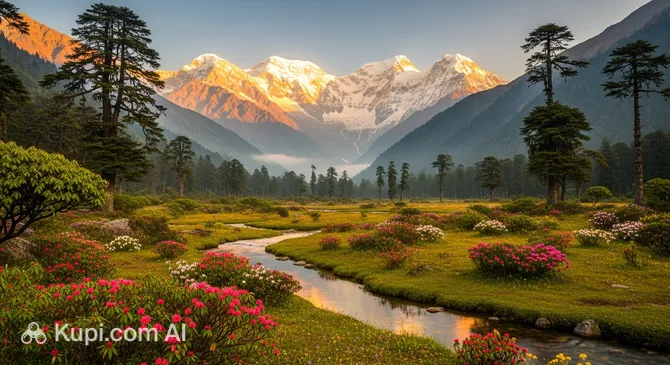
Khangchendzonga National Park
Khangchendzonga National Park. Иллюстрация. Источник: Kupi.com AI

The main jewel of the park is Mount Kanchenjunga, the third-highest peak in the world (8,586 m), which dominates the horizon. The park territory covers a colossal elevation range—from 1,700 to over 6,000 meters—creating conditions for incredible biological diversity. It is home to the rarest representatives of fauna, such as snow leopards, red pandas, and Himalayan black bears.

Beyond its natural wonders, the park is steeped in the spirit of antiquity. Buddhist shrines, mani walls, and traditional settlements preserving an authentic way of life are harmoniously integrated among the rhododendron forests and alpine meadows. This is not just a reserve, but a living testament to the harmony between man and the mighty mountains.

Contacts

To plan a visit to this remote and beautiful corner of nature, it is worth checking the details in advance with the local tourism department or licensed guides.

How to contactContact
Address8JRC+RG4, Sungava, Gangtok, Sikkim 737103, Индия
Phone+91 3592 209 090

What to Do

The main reason travelers flock to Khangchendzonga National Park is for world-class trekking. Routes here range from relatively easy walks through rhododendron forests to multi-day expeditions to the base of the great peaks. One of the most exciting activities is climbing to viewpoints like Dormo Ri, which offers 360-degree panoramic views at dawn, encompassing Kanchenjunga and other Himalayan peaks.

Wildlife enthusiasts can spend time observing rare animals in their natural habitat. Here, within protected areas like the Shingba Rhododendron Sanctuary, there is a chance to spot the elusive red panda. Photographers will appreciate the park's 18 glaciers, including the famous Zemu, as well as crystal-clear high-altitude lakes and powerful waterfalls.

The cultural component of a hike is just as important: along the way, you will encounter Buddhist chortens and sacred mani walls decorated with mantras. Visiting such sites allows for a deeper understanding of the local people's connection to this sacred land. Remember that most routes require good physical fitness and the accompaniment of an experienced, licensed guide.

Getting There

The main transport hub for those wishing to visit the park is the city of Gangtok. From here, most travelers head to the village of Yuksom, which serves as the starting point for most treks. The journey to Yuksom by car or taxi takes about 4–5 hours along winding but extremely scenic mountain roads.

The nearest airport to the region is Bagdogra, located in the state of West Bengal. After arrival, you will need a transfer to Gangtok, which takes another 4–5 hours. You can also use local buses, but for comfortable travel along the mountain serpentines, tourists more often choose to rent private taxis or SUVs with a driver.

There is no transport within the park itself—motorable roads end at the entrance. The rest of the journey is made exclusively on foot, and pack animals (yaks or horses) are usually hired to transport luggage and equipment on multi-day routes.

Ближайший город: Gangtok

History & Facts

The name of Mount Kanchenjunga translates as "Five Treasures of the Great Snows," symbolizing its five main peaks. Until the mid-19th century, this mountain was officially considered the highest point on Earth until measurements gave the title to Everest. The park has become a sanctuary not only for nature but also for ancient legends: local peoples believe the region is a portal to the world of the immortals.

Historical interest lies not only in the landscapes but also in evidence of the past. For example, in 1925, an expedition recorded mysterious footprints here attributed to the Yeti (Abominable Snowman). These stories still attract researchers and adventurers wanting to touch the mystery of the Himalayas.

In the park and its surroundings, you can find monuments of Newar architecture and ancient Buddhist shrines. Many routes pass by sites associated with the former Kingdom of Sikkim, such as the remains of old palaces (for instance, the Tsuklakhang Palace) and monasteries, giving every hike the feeling of a true journey through time.

Time Needed

A visit to this national park requires careful planning and a significant amount of time. To truly experience the scale and beauty of the Himalayas, a standard trek to key points usually takes from 5 to 7 days. This time is necessary not only for covering the distances but also for gradual acclimatization to the high altitude.

For those limited on time, shorter excursion options of 1–2 days through the foothills are possible, allowing you to see old-growth forests and get acquainted with the unique flora. However, keep in mind that the most impressive panoramas of the eight-thousanders are only revealed on the distant sections of multi-day routes.

Working Hours

As the park is a natural protected area, it is formally accessible 24/7, however, all movement along the routes and between camps is carried out during daylight hours. It is recommended to start hikes early in the morning to make the most of the daylight. The best seasons to visit are from March to June and from October to December.

It is important to remember that entry to the park territory is strictly by special permit, which must be obtained in advance in Gangtok. Visitors are advised to check current information on the official website or with certified tour operators, as access to certain zones may be restricted due to weather conditions or environmental protection measures.

Nearby

Exploring the surroundings of Gangtok can significantly enrich a visitor's experience. The combination of the rugged nature of the high mountains with the cultural and historical monuments of the city itself creates a complete picture of this amazing region.

NameDistance
Ganesh Tok0.1 km
Enchey Monastery0.7 km
Vajra World0.8 km
Lounge 31A0.9 km
Denzong Casino0.9 km
Hanuman Tok1 km
Alpine Hills Retreat1.5 km

Reached the end of the page?

That means the route is fully explored